

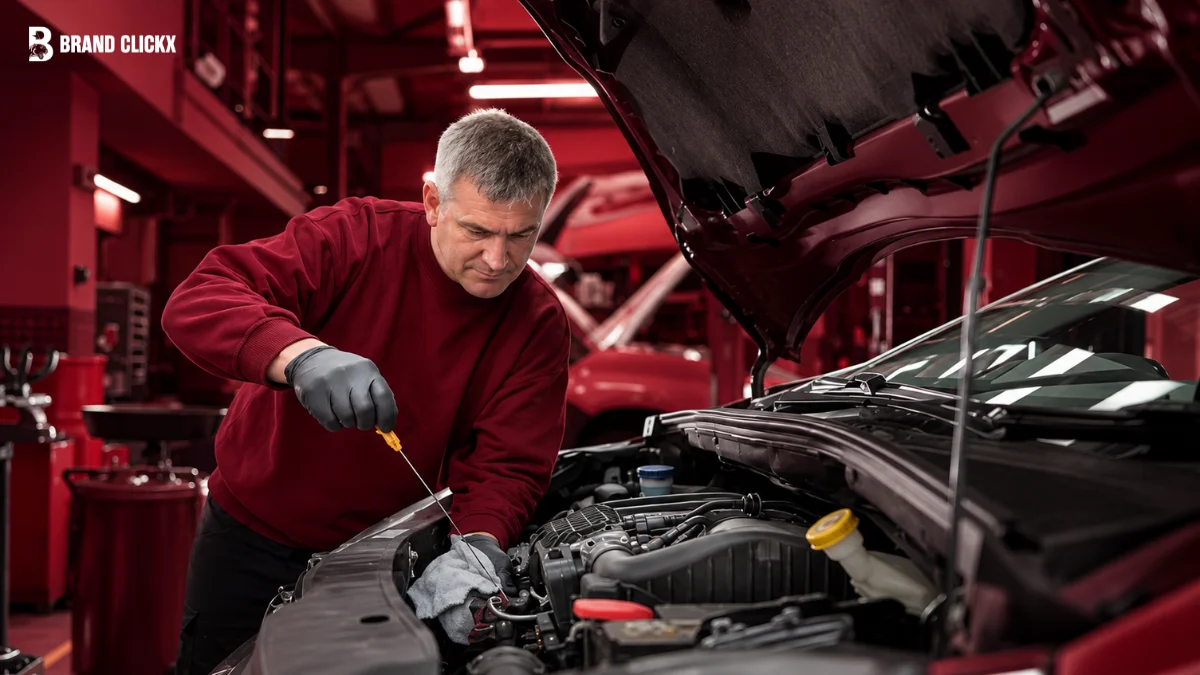
Car maintenance is easier when you know what to check, when to check it, and which problems should never be ignored.
The problem with many car maintenance lists is that they mix simple checks with major repairs and treat every tip as equally important. This guide takes a more practical approach. The 100 tips are organized by vehicle system, maintenance task, and common warning sign so you can quickly find what matters to your car.
Some checks take only a few minutes, while others should be handled by a qualified mechanic. Not every tip applies to every vehicle, either. Electric vehicles, hybrids, diesel vehicles, manual transmissions, and older cars can have different maintenance requirements.
Use your owner’s manual as the final authority for service intervals and specifications.
How to Use This List
These tips are organized by the part of the car or maintenance task they relate to.
Within each section, the advice generally moves from routine checks to less obvious maintenance tasks.
Safety critical means the issue can affect braking, steering, tires, visibility, or another important safety system.
A 5 minute check means you can usually inspect the item yourself without special tools.
You do not need to complete all 100 tips at once. Use this guide as a reference when preparing for a road trip, reaching a service interval, changing seasons, or noticing something unusual.
Table of Contents
- Engine & Oil
- Tires & Wheels
- Brakes & Safety Systems
- Battery & Electrical
- Fluids Beyond Oil
- Exterior, Body & Glass
- Interior & Cabin
- Seasonal Maintenance
- Warning Signs & When to See a Mechanic
- Record Keeping, Costs & DIY vs. Professional Service
Engine & Oil
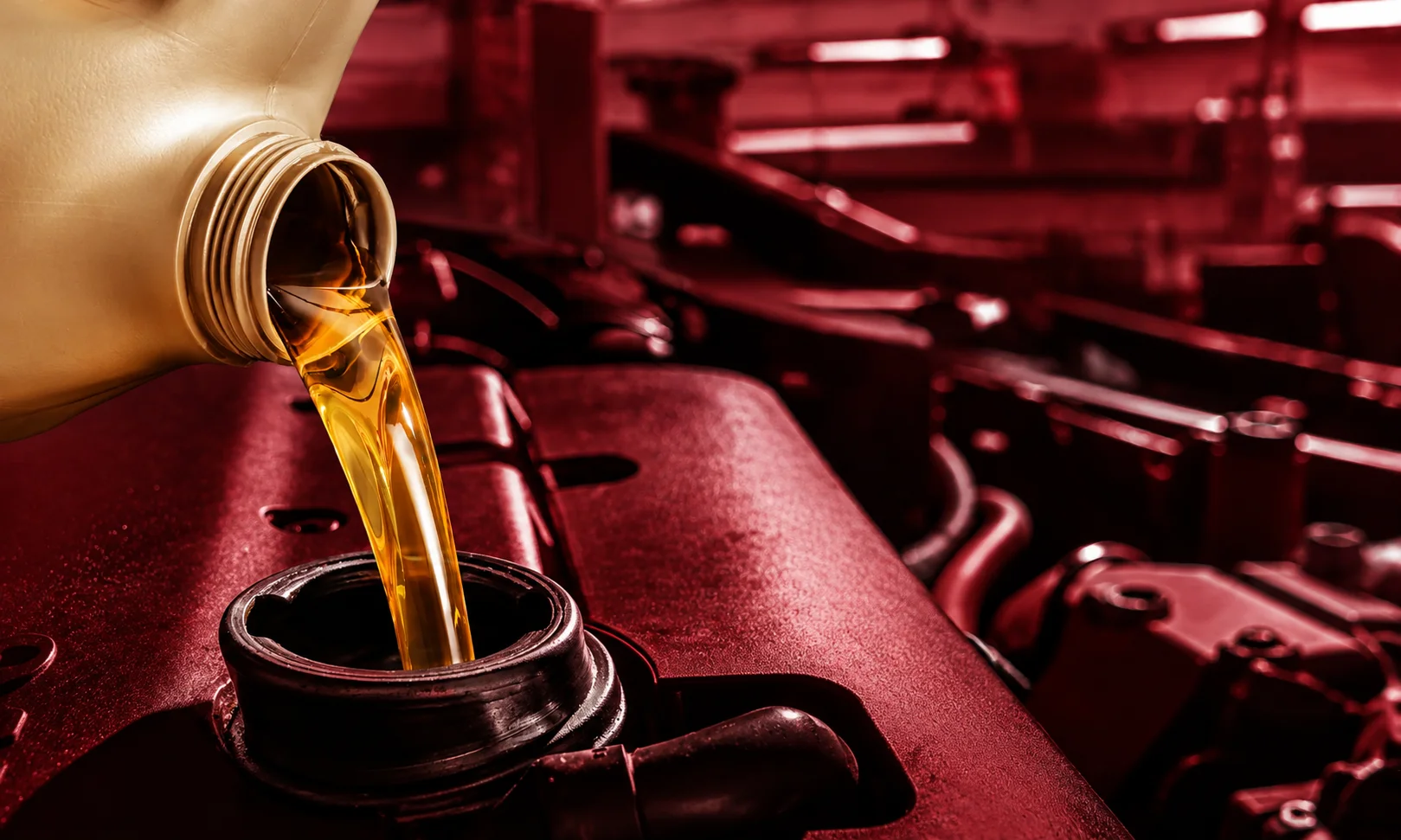
Your engine depends on regular lubrication, cooling, and inspection. Small maintenance tasks can prevent much more expensive problems later.
1. Check Your Oil Level Regularly
5 minute check: Park on level ground and check the oil according to your owner’s manual. Low oil can increase engine wear and, in severe cases, cause major engine damage.
2. Use the Correct Engine Oil
Always use the oil grade and specification recommended by the manufacturer. The cheapest oil is not necessarily the right oil for your engine.
3. Follow the Recommended Oil Change Interval
Do not automatically follow an old rule such as changing oil every 3,000 miles. Modern vehicles often have longer intervals, but the correct schedule depends on the vehicle, oil, driving conditions, and manufacturer’s recommendations.
4. Check for Oil Leaks
5 minute check: Look underneath the vehicle for fresh oil spots. A small leak can become a major problem if it allows the engine to run low on oil.
5. Inspect the Oil Filter During an Oil Change
A new oil filter helps remove contaminants from the engine oil. Replace it according to the manufacturer’s recommended service interval.
6. Pay Attention to the Oil Warning Light
Safety critical: Stop safely and investigate an oil pressure warning rather than continuing to drive normally. Low oil pressure can cause serious engine damage.
7. Check the Engine Air Filter
A dirty air filter can restrict airflow and reduce engine efficiency. Inspect it according to your maintenance schedule, especially if you drive in dusty conditions.
8. Replace the Air Filter When Needed
Do not replace an air filter simply because it looks slightly dirty. Follow the vehicle’s recommended interval and replace it sooner if the filter is heavily contaminated or damaged.
9. Inspect the Serpentine Belt
Look for cracks, fraying, excessive wear, or other visible damage. A failed belt can disable important engine accessories.
10. Listen for Unusual Engine Noises
Knocking, ticking, grinding, or sudden rattling can indicate a developing problem. New or worsening engine noises deserve attention.
11. Keep the Engine Bay Clean Enough to Inspect
You do not need to make the engine bay spotless. Keeping excessive dirt and debris under control makes leaks, damaged hoses, and worn components easier to spot.
12. Inspect Engine Hoses
5 minute check: Look for cracked, swollen, soft, or leaking hoses. Damaged hoses can lead to coolant loss and overheating.
13. Do Not Ignore an Overheating Engine
Safety critical: If the temperature rises into the danger zone or an overheating warning appears, stop safely and allow the vehicle to cool according to the owner’s manual. Continuing to drive can cause severe engine damage.
14. Follow the Severe Service Schedule if It Applies
Frequent short trips, towing, extreme temperatures, heavy traffic, dusty roads, and other demanding conditions may require more frequent maintenance.
Tires & Wheels
Tires affect braking, handling, comfort, fuel economy, and overall road safety. They deserve more attention than simply checking whether they look inflated.
15. Check Tire Pressure Regularly
5 minute check: Check all tires when they are cold and use the pressure listed by the vehicle manufacturer, usually found on the driver’s door label or in the manual.
16. Do Not Use the Maximum Tire Pressure Printed on the Sidewall as Your Target
The sidewall number is generally the tire’s maximum allowable pressure, not necessarily the vehicle manufacturer’s recommended pressure.
17. Inspect Tire Tread
Safety critical: Look for worn tread, uneven wear, cracks, cuts, and objects embedded in the tire.
18. Check for Uneven Tire Wear
Wear concentrated on one edge can indicate alignment, suspension, inflation, or other problems.
19. Rotate Tires When Recommended
Regular rotation can help promote more even wear. Follow the vehicle and tire manufacturer’s recommendations because rotation patterns vary.
20. Check the Spare Tire
5 minute check: Make sure the spare is properly inflated and accessible. A spare that has been forgotten for years may not be ready when you need it.
21. Inspect the Wheel Rims
Look for cracks, bends, or visible damage after hitting potholes or curbs.
22. Check for Steering Vibration
Persistent vibration at certain speeds can be related to tire balance, wheel damage, alignment, or suspension components.
23. Get the Wheels Aligned When Necessary
Alignment should be checked when you notice pulling, uneven tire wear, or a steering wheel that no longer sits correctly.
24. Replace Damaged Tires Promptly
Safety critical: Do not rely on tread depth alone. Sidewall damage, severe cracking, bulges, or structural damage can make a tire unsafe.
25. Check Tire Age
Tires can deteriorate with age even when they have plenty of tread. Check the tire identification information and follow manufacturer guidance on age limits.
26. Match Replacement Tires to Your Vehicle
When replacing tires, consider the correct size, load rating, speed rating, season, and performance requirements rather than choosing only by price.
Brakes & Safety Systems
Brake problems can become dangerous quickly. Any noticeable change in braking performance deserves attention.
27. Pay Attention to Brake Warning Lights
Safety critical: A brake warning light can indicate different problems, including low brake fluid or a brake system fault. Have it checked promptly.
28. Listen for Brake Squealing
A squeal does not always mean the brakes are dangerously worn, but persistent or worsening noise should be inspected.
29. Never Ignore Grinding From the Brakes
Safety critical: Grinding can indicate severe brake wear or another mechanical problem. Avoid unnecessary driving until the vehicle has been inspected.
30. Notice Changes in Brake Pedal Feel
A pedal that suddenly feels soft, spongy, unusually hard, or different from normal should be checked.
31. Watch for Brake Pulling
If the vehicle pulls to one side when braking, the cause could involve the brakes, tires, suspension, or alignment.
32. Inspect Brake Fluid
5 minute check: Check the fluid level and condition according to the manufacturer’s instructions. Do not add fluid without understanding why the level is low.
33. Replace Brake Components at the Correct Time
Brake pads, rotors, shoes, and other components have different service requirements. Have them inspected rather than replacing parts solely by a fixed mileage number.
34. Test Your Parking Brake
Make sure the parking brake holds the vehicle securely and releases properly.
35. Check Exterior Lights
Safety critical, 5 minute check: Test headlights, brake lights, turn signals, reverse lights, and hazard lights regularly.
36. Keep Safety Equipment Accessible
Carry appropriate emergency equipment for your vehicle and driving environment, such as a warning device, flashlight, basic first aid supplies, and a properly maintained spare or tire repair system where applicable.
Battery & Electrical
Modern vehicles depend on electrical systems for much more than starting the engine. Battery condition can affect everything from starting reliability to electronic systems.
37. Inspect the Battery Terminals
5 minute check: Look for excessive corrosion, loose connections, or damaged terminals.
38. Keep Battery Connections Secure
Loose battery connections can create starting and electrical problems. Have damaged terminals or cables repaired.
39. Test an Aging Battery
Battery life varies with climate, driving habits, and battery type. Testing an older battery before extreme weather can reduce the chance of a surprise failure.
40. Watch for Slow Engine Cranking
A noticeably slower start can be an early warning of a weak battery, starter problem, or charging-system issue.
41. Check the Charging System if the Battery Light Appears
Safety critical: A battery-shaped warning light can indicate a charging problem rather than simply a weak battery.
42. Inspect Electrical Cables
Look for damaged insulation, corrosion, or loose connections where visible.
43. Do Not Leave Lights or Accessories Running
Modern vehicles often shut systems down automatically, but unnecessary electrical loads can still drain a battery under some circumstances.
44. Know How Your Vehicle Should Be Jump Started
Follow the owner’s manual for jump-starting procedures. Hybrid and electric vehicles can have specific procedures that differ from conventional cars.
45. Replace Key Fob Batteries Before They Fail
A weak key fob battery can leave you with an inconvenient access or starting problem, depending on the vehicle.
Fluids Beyond Oil
Oil gets most of the attention, but your vehicle depends on several other fluids to operate properly.
46. Check Coolant Level
5 minute check: Check the coolant reservoir when the engine is cold and follow the manufacturer’s instructions.
47. Never Open a Hot Cooling System
Safety critical: Hot coolant can be under pressure and cause serious burns. Wait until the system has cooled before opening it.
48. Use the Correct Coolant
Different vehicles can require different coolant formulations. Do not mix incompatible products simply because they have similar colors.
49. Check Transmission Fluid if Your Vehicle Allows It
Some vehicles have no traditional transmission dipstick and require a specific inspection procedure. Follow the manufacturer’s instructions.
50. Watch for Transmission Fluid Leaks
Fluid underneath the vehicle can indicate a transmission or other mechanical leak.
51. Check Brake Fluid Level
A low brake fluid level should not simply be topped off and forgotten. It can indicate worn brake components or a leak.
52. Keep Windshield Washer Fluid Filled
5 minute check: Low washer fluid becomes a safety problem when road grime suddenly blocks your view.
53. Use the Correct Washer Fluid
Use a suitable washer fluid for your climate. In freezing conditions, use a winter-rated formula where necessary.
54. Check Power Steering Fluid if Your Vehicle Uses Hydraulic Steering
Many newer vehicles use electric power steering and have no power steering fluid. If yours uses hydraulic steering, follow the manufacturer’s inspection and service schedule.
Exterior, Body & Glass
Exterior maintenance is not only about appearance. Clean glass, working lights, and intact body components affect safety.
55. Clean the Windshield Regularly
A dirty windshield can create glare and reduce visibility, particularly at night.
56. Replace Worn Windshield Wipers
Replace blades when they streak, chatter, skip, or leave large areas uncleared.
57. Keep Headlights Clean
Safety critical: Dirt and oxidation can reduce light output and visibility.
58. Check Headlight Alignment
Misaligned headlights can reduce your visibility or cause unnecessary glare for other drivers.
59. Repair Windshield Damage Promptly
Small chips can sometimes be repaired before they spread. Delaying repairs can turn a minor issue into a larger replacement.
60. Wash Road Salt and Heavy Dirt Off the Car
Regular washing can help remove contaminants that contribute to corrosion, particularly in areas where roads are salted.
61. Inspect Door Seals
Check rubber seals around doors, windows, and the trunk for damage that could allow water or excessive wind noise into the cabin.
62. Clean Under the Car When Necessary
Removing accumulated mud, salt, and debris from underneath the vehicle can help reduce corrosion.
63. Repair Paint Damage
Small chips and scratches can expose underlying material to moisture. Addressing them early can help prevent rust.
Interior & Cabin
Interior maintenance improves comfort while also supporting visibility, air quality, and everyday vehicle function.
64. Replace the Cabin Air Filter
A clogged cabin filter can reduce airflow and make the ventilation system work harder.
65. Clean the Air Vents
Dust and debris can accumulate around vents. Regular cleaning helps keep the cabin cleaner.
66. Check the Air Conditioning
Test the air conditioner before you need it most. Weak airflow or poor cooling may indicate a filter, refrigerant, electrical, or mechanical issue.
67. Run the Defroster Before Winter
Safety critical: Make sure the windshield defrost system can clear condensation and frost effectively.
68. Keep the Driver’s Floor Area Clear
Objects that can move under pedals create a safety hazard. Keep the area around the accelerator, brake, and clutch clear.
69. Clean Interior Glass
Clean windows and mirrors improve visibility, particularly in bright sunlight and at night.
70. Check Seat Belts
Safety critical: Make sure belts latch, retract, and lock correctly. Have damaged belts inspected or replaced.
Seasonal Maintenance
Different weather conditions place different demands on your vehicle. A seasonal check can prevent problems before they become emergencies.
71. Check Your Battery Before Extreme Cold
Cold temperatures can reduce battery performance. Test an aging battery before winter if you depend heavily on your vehicle.
72. Check Tire Pressure as Temperatures Change
Tire pressure can change with temperature. Check it regularly rather than assuming the previous reading remains accurate.
73. Prepare for Winter Visibility
Make sure wipers, washer fluid, headlights, defrosters, and windshield heating systems work correctly.
74. Carry Appropriate Winter Emergency Equipment
If you drive in severe winter conditions, carry equipment appropriate for your location and road conditions.
75. Check Coolant Before Freezing Weather
The cooling system should contain the correct coolant mixture and be free from leaks.
76. Inspect Tires Before Summer Road Trips
High temperatures and long highway drives make tire condition especially important.
77. Test the Air Conditioner Before Hot Weather
Finding out that the AC does not work during the first extreme heat wave is an avoidable problem.
78. Check Wiper Blades Before Rainy Season
Rain can arrive suddenly. Replace blades that already streak or skip.
79. Inspect Lights Before Shorter Winter Days
Shorter daylight hours mean you may spend more time driving in darkness. Check every exterior light.
80. Check for Water Leaks After Heavy Rain
Look for moisture around doors, windows, the trunk, and floor areas.
81. Clean Mud and Debris From Wheel Areas
Heavy buildup can hide tire or suspension problems and may interfere with components.
82. Prepare the Car Before a Long Seasonal Trip
Check tires, fluids, lights, wipers, brakes, battery, and emergency equipment before setting out on a long journey.
Warning Signs & When to See a Mechanic
Not every strange sound means a major repair is coming, but certain symptoms should never be ignored.
83. Grinding When Braking
Grinding can indicate severe brake wear or another brake problem.
Urgency: High. Have the vehicle inspected promptly and avoid unnecessary driving.
84. Engine Temperature Suddenly Rises
An overheating engine can suffer serious damage.
Urgency: High. Stop safely and follow the manufacturer’s overheating procedure.
85. Steering Wheel Vibrates
Vibration can come from tires, wheels, alignment, suspension, or other components.
Urgency: Moderate to high depending on severity. Have sudden or severe vibration inspected.
86. Car Pulls to One Side
Possible causes include tire pressure, alignment, braking, or suspension issues.
Urgency: Moderate. If the pulling is sudden or severe, stop driving and have the vehicle checked.
87. Check Engine Light Flashes
A flashing check engine light can indicate a serious engine or emissions problem.
Urgency: High. Follow the owner’s manual and seek professional diagnosis promptly.
88. Fluid Appears Under the Vehicle
The color and location can provide clues, but identifying a fluid correctly is not always easy.
Urgency: Depends on the fluid and amount. Investigate significant or unexplained leaks promptly.
89. Battery Warning Light Appears
This can indicate a charging-system problem.
Urgency: High. Electrical power may eventually be lost while driving.
90. Brake Pedal Suddenly Feels Different
A soft, spongy, sinking, or unusually hard pedal can indicate a brake system problem.
Urgency: High. Do not treat a sudden change in brake performance as normal.
91. New Knocking, Grinding, or Burning Smell Appears
A new mechanical noise or burning smell can indicate overheating, friction, electrical problems, or fluid contact with hot components.
Urgency: Moderate to high depending on the symptom. Stop driving if there is smoke, severe overheating, or a serious change in vehicle behavior.
Record Keeping, Costs & DIY vs. Professional Service
Good maintenance is easier when you know what has already been done and what is coming next.
92. Keep a Maintenance Log
Record the date, mileage, service performed, and parts or fluids used.
93. Save Service Receipts
Receipts provide a useful history for future repairs and can help demonstrate maintenance when selling the vehicle.
94. Track Your Mileage
Mileage helps you anticipate scheduled maintenance rather than waiting until something fails.
95. Budget for Routine Maintenance
Set aside money for oil changes, tires, brakes, filters, fluids, and other predictable expenses.
96. Learn Which Jobs You Can Safely DIY
Simple tasks such as checking tire pressure, replacing some wiper blades, checking fluid levels, and replacing certain filters may be suitable for capable owners.
97. Know Which Repairs Require Professional Equipment
Brake work, suspension repairs, electrical diagnosis, air conditioning service, and many modern vehicle systems can require specialized tools or training.
98. Get a Second Opinion on Major Repairs
For expensive or complicated work, another professional assessment can help you understand whether the proposed repair is necessary.
99. Ask for an Explanation of the Repair
A trustworthy repair shop should be able to explain what failed, how it was diagnosed, and what happens if the repair is delayed.
100. Follow the Owner’s Manual
Your owner’s manual is the most important source for your specific vehicle’s maintenance schedule, fluid specifications, tire pressures, warning lights, and service requirements.
The 10 Most Important Tips on This List
If you do not want to remember all 100 tips, start with these.
1. Check Your Oil Level
Low oil can cause severe engine damage. Make this a regular habit, especially before long trips.
2. Maintain Correct Tire Pressure
Correct inflation supports handling, braking, tire life, and efficiency.
3. Inspect Tire Condition
Tread depth is only part of the picture. Look for cracks, cuts, bulges, and uneven wear.
4. Never Ignore Brake Problems
Grinding, major changes in pedal feel, pulling, or warning lights deserve prompt attention.
5. Pay Attention to Warning Lights
A warning light is often the vehicle’s earliest indication that something needs attention.
6. Keep Coolant at the Correct Level
Overheating can turn a relatively small cooling-system problem into an expensive engine repair.
7. Check Your Battery Before Extreme Weather
A weak battery may fail when temperatures are particularly hot or cold.
8. Replace Worn Wipers and Keep Glass Clean
Visibility is a basic safety requirement, particularly during rain and at night.
9. Follow Your Manufacturer’s Maintenance Schedule
Generic advice cannot replace the maintenance schedule designed for your specific vehicle.
10. Investigate New Sounds, Smells, and Vibrations
A small problem is often cheaper to fix than a component that has been allowed to fail completely.
Quick Reference: Every 5 Minute Check
Use this list as a quick monthly inspection or before a long road trip.
- Check engine oil level
- Look for oil leaks
- Inspect engine hoses
- Check tire pressure
- Inspect tire tread and sidewalls
- Check the spare tire
- Inspect wheel rims for visible damage
- Test exterior lights
- Check battery terminals
- Check coolant reservoir when cold
- Check brake fluid level
- Fill windshield washer fluid
- Inspect windshield and wipers
- Check headlights for dirt or damage
- Look for body or paint damage
- Check door and trunk seals
- Inspect visible fluid leaks
- Check that seat belts work properly
- Check the driver’s floor area for loose objects
Common Mistakes Drivers Make With Car Maintenance
Only Reacting to Warning Lights
A vehicle can have developing problems before a warning light appears. Regular inspections can identify issues earlier.
Checking Only the Oil
Oil is important, but tires, brakes, coolant, battery condition, lights, and other systems also need attention.
Ignoring Tire Pressure
Tire pressure can change over time and with temperature. A tire that looks normal can still be significantly underinflated.
Assuming a Car That Starts Is Healthy
A vehicle can start normally while having worn brakes, weak suspension, poor tire condition, or other developing problems.
Delaying Small Repairs
A small leak, worn belt, damaged tire, or weak battery can sometimes become a much more expensive problem when ignored.
Skipping Maintenance Records
Without records, it is difficult to know what was replaced, when it was serviced, or what problems have happened before.
Building a Simple Maintenance Routine
Follow Your Owner’s Manual First
Every vehicle has different requirements. Your owner’s manual and manufacturer service schedule should take priority over generic mileage advice.
Separate Daily, Monthly, Seasonal, and Scheduled Maintenance
You do not need to inspect everything every day.
Daily attention should focus on obvious safety concerns and warning signs. Monthly checks can cover tires, fluids, lights, and visible leaks. Seasonal checks can prepare the vehicle for weather changes, while scheduled services should follow the manufacturer’s mileage or time intervals.
Keep a Simple Maintenance Log
Write down the date, mileage, service performed, and parts replaced. A basic spreadsheet or notebook is enough.
Pay Attention to Changes
You know how your car normally sounds, feels, and drives. A new vibration, noise, smell, warning light, or change in braking should not automatically be dismissed.
Combine Checks When Possible
Checking tire pressure while filling the washer fluid or inspecting lights before a road trip makes maintenance easier to remember.
Frequently Asked Questions
How often should I really change my oil?
Follow the interval specified by your vehicle manufacturer, considering the recommended oil type and your driving conditions. Some vehicles require more frequent changes under severe service conditions.
What car maintenance can I safely do myself?
Many drivers can safely handle basic checks such as tire pressure, fluid-level inspections, wiper replacement, some air-filter replacements, and light inspections. More complicated repairs may require specialized tools and training.
What are the most important warning signs to never ignore?
Do not ignore major brake changes, overheating, flashing warning lights, sudden steering problems, severe tire damage, smoke, or significant fluid leaks.
How much should I budget per year for car maintenance?
There is no single figure that applies to every vehicle. Costs depend on the car’s age, mileage, reliability, location, driving conditions, and whether major wear items such as tires or brakes are due.
Does car maintenance differ for EVs versus gas cars?
Yes. EVs generally have fewer traditional powertrain maintenance requirements because they do not use engine oil and have fewer moving components in the drivetrain. However, they still require attention to tires, brakes, suspension, cabin filters, cooling systems, electrical systems, and other components.
What maintenance matters most before a long road trip?
Check tire pressure and condition, oil and other applicable fluids, brakes, battery condition, lights, wipers, windshield condition, and emergency equipment. Address warning lights or unusual vehicle behavior before leaving.
How often should I check my tire pressure?
Check it regularly, particularly before long trips and when temperatures change significantly. Always use the manufacturer’s recommended pressure rather than the maximum pressure printed on the tire.
Is dealership maintenance always necessary?
Not necessarily. Qualified independent repair shops can perform many maintenance tasks. The important factors are appropriate equipment, qualified technicians, correct parts and fluids, and adherence to the vehicle manufacturer’s requirements.
Final Thoughts
Good car maintenance is not about completing 100 tasks every month. It is about consistently looking after the systems that matter most and noticing problems before they become expensive or dangerous.
Start with the basics: tires, brakes, oil, fluids, battery, lights, and warning signs. Then build a simple routine around your vehicle’s actual maintenance schedule.
If you only have time for a few checks, start with the 10 most important tips above. And whenever your car develops a new noise, smell, vibration, warning light, or change in handling, treat it as information worth investigating rather than something to ignore.