Fast food is no longer just about burgers, chicken, pizza or coffee. The world’s leading chains compete on speed, value, convenience, digital ordering, global reach and brand strength.
Some dominate through enormous restaurant networks, while others outperform with stronger sales per location, powerful franchises or rapid digital growth.
This ranking of the 25 best fast food brands in the world in 2026 evaluates global presence, brand recognition, customer demand, innovation, digital strength, international reach and long-term competitiveness to identify the brands with the strongest overall positions in the industry.
What Makes a Fast-Food Brand Great?
A great fast-food brand needs more than a large number of restaurants. The strongest brands combine good food, strong branding, convenience and a business model that can scale.
1. Great Food and Strong Value
Customers return when the food tastes good, portions feel worthwhile and prices remain competitive. Signature products also help brands stand out from competitors.
2. Speed and Convenience
Fast service is essential. Drive-thrus, delivery, mobile ordering, pickup and digital payments make it easier for customers to order and receive food.
3. Strong Brand and Customer Loyalty
Recognizable products, memorable branding, consistent quality and good customer service encourage people to return. Loyalty programs and digital offers can strengthen these relationships.
4. Scalable Business Model
The world’s leading brands need efficient kitchens, strong supply chains, technology and effective franchise systems. These allow them to maintain consistency while expanding into new cities and countries.
Our Ranking Methodology
We ranked the brands using six factors covering scale, recognition, reach, demand, innovation and franchise strength.
- Global Restaurant Footprint: Measures store count, physical scale and customer reach.
- Brand Recognition: Measures global awareness, identity and consumer familiarity.
- International Reach: Measures presence across countries, regions and continents.
- Customer Demand: Measures repeat purchases, transaction volume and category strength.
- Digital and Operational Innovation: Measures technology, ordering systems, loyalty, delivery and efficiency.
- Franchise Strength: Measures expansion capability, franchise performance and operational consistency.
Fast Food Brands — Ranked by Scale (2026)
The following brands represent a mix of global giants, rapidly expanding Asian chains, specialist restaurant leaders and highly influential regional brands.
| Rank | Fast Food Brand | Country of Origin | Main Category | Global Strength |
|---|---|---|---|---|
| 1 | McDonald’s | United States | Burgers & QSR | Global scale and brand power |
| 2 | KFC | United States | Fried Chicken | Global chicken leadership |
| 3 | Starbucks | United States | Coffee & Beverages | Premium coffee ecosystem |
| 4 | Subway | United States | Sandwiches | Massive franchised network |
| 5 | Burger King | United States | Burgers | Flame-grilling and global franchise scale |
| 6 | Domino’s | United States | Pizza | Delivery and digital leadership |
| 7 | Mixue Ice Cream & Tea | China | Ice Cream & Tea | Rapid, low-cost global expansion |
| 8 | Luckin Coffee | China | Coffee | Digital-first, app-led growth |
| 9 | Taco Bell | United States | Mexican-style QSR | Menu innovation |
| 10 | Chick-fil-A | United States | Chicken | Exceptional store productivity |
| 11 | Wendy’s | United States | Burgers | Strong burger brand identity |
| 12 | Dunkin’ | United States | Coffee & Donuts | Breakfast and beverage strength |
| 13 | Pizza Hut | United States | Pizza | International recognition amid ownership transition |
| 14 | Popeyes | United States | Fried Chicken | Chicken category growth |
| 15 | Tim Hortons | Canada | Coffee & QSR | Strong North American presence |
| 16 | Dairy Queen | United States | Ice Cream & QSR | Dessert and franchise reach |
| 17 | Jollibee | Philippines | Chicken & Burgers | Southeast Asian leadership |
| 18 | Papa Johns | United States | Pizza | International pizza delivery presence |
| 19 | Little Caesars | United States | Pizza | Value and convenience positioning |
| 20 | Chipotle | United States | Mexican QSR | Premium fast-casual model |
| 21 | Baskin-Robbins | United States | Ice Cream | Flavor variety and celebration occasions |
| 22 | Whataburger | United States | Burgers | Strong regional loyalty scaling nationally |
| 23 | Jack in the Box | United States | Burgers & QSR | Broad menu and distinctive branding |
| 24 | MOS Burger | Japan | Burgers | Homegrown Asian localization |
| 25 | Wallace | China | Burgers & Chicken | Large domestic footprint |
Top 25 Global Fast Food Brands (2026)
1. McDonald’s — United States
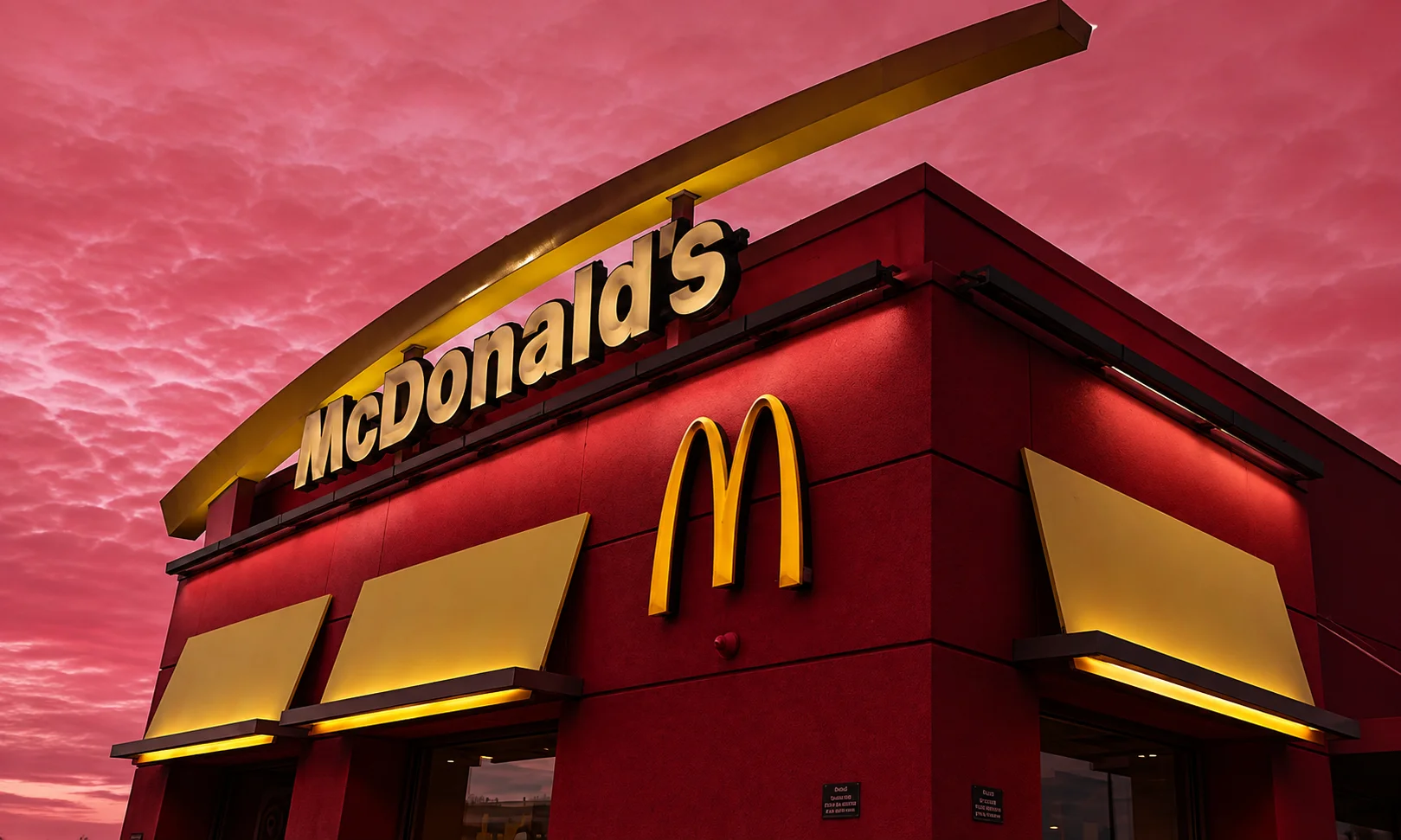
McDonald’s is an American fast-food restaurant chain best known for hamburgers, fries, breakfast items and its highly standardized restaurant system. Founded in 1940, it grew from a U.S. burger business into one of the world’s most recognizable restaurant brands through franchising, global expansion, supply-chain scale and localized menus.
- Restaurant Type: Fast food / Quick-service restaurant (QSR)
- Founded: 1940
- Parent Company: McDonald’s Corporation
- Country of Origin: United States
- Headquarters: Chicago, Illinois, United States
- Locations: 40,000+ worldwide
- Markets: 100+ countries
- Core Advantage: A repeatable global system across franchising, supply chains and digital ordering.
- Business Model: Predominantly franchised, with standardized restaurant systems worldwide.
- Differentiation: Global brand recognition paired with local menu adaptation.
- 2025–2026 Strategy: Renewed focus on value, digital offers and restaurant execution.
- Execution: Q2 2026 systemwide sales rose 4% to approximately $37 billion, while U.S. comparable sales grew 0.8%.
- Why It Ranks #1: McDonald’s combines enormous global scale, brand recognition, franchise strength and operational consistency, making it one of the most powerful restaurant systems in the world.
2. KFC — United States
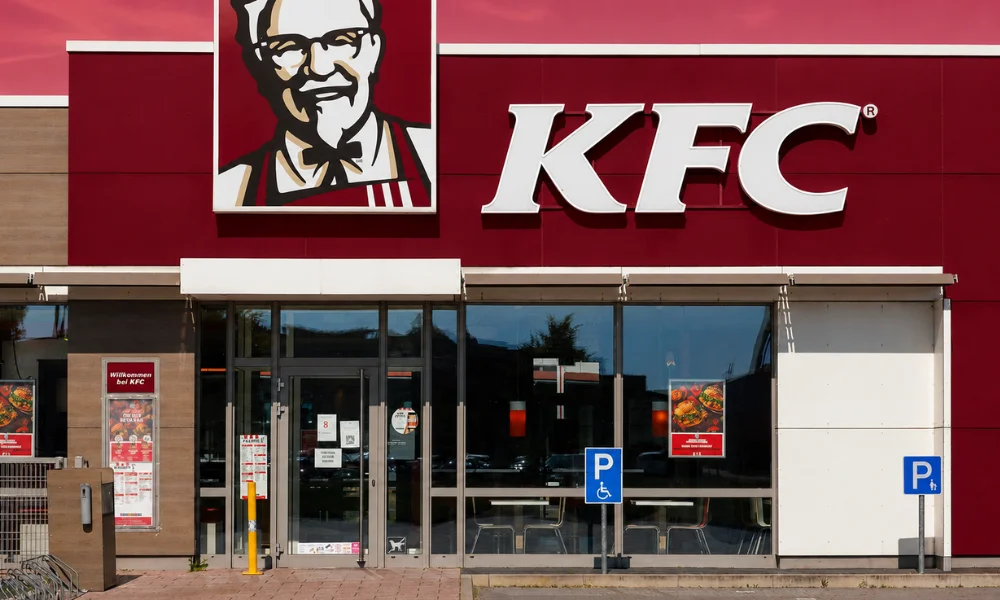
KFC is an American fast-food chain specializing in fried chicken and chicken-based meals. Founded by Colonel Harland Sanders, the brand became a global franchise powerhouse by combining a recognizable product, standardized operations and menus adapted to local tastes.
- Restaurant Type: Fast food / Chicken
- Founded: 1930
- Parent Company: Yum! Brands
- Country of Origin: United States
- Headquarters: Louisville, Kentucky, United States
- Locations: 30,000+ worldwide
- Markets: 150+ countries
- Core Advantage: Global leadership in chicken combined with strong franchise scalability.
- Business Model: Primarily franchised through Yum! Brands’ global restaurant network.
- Differentiation: Consistent KFC identity combined with country-specific menus and products.
- 2025–2026 Strategy: Deeper localization, digital ordering and continued international expansion.
- Execution: KFC’s enormous international network gives it one of the broadest global footprints among chicken-focused restaurant brands.
- Why It Ranks #2: Its combination of global recognition, product specialization and international franchise scale makes KFC one of the world’s most successful fast-food brands.
3. Starbucks — United States
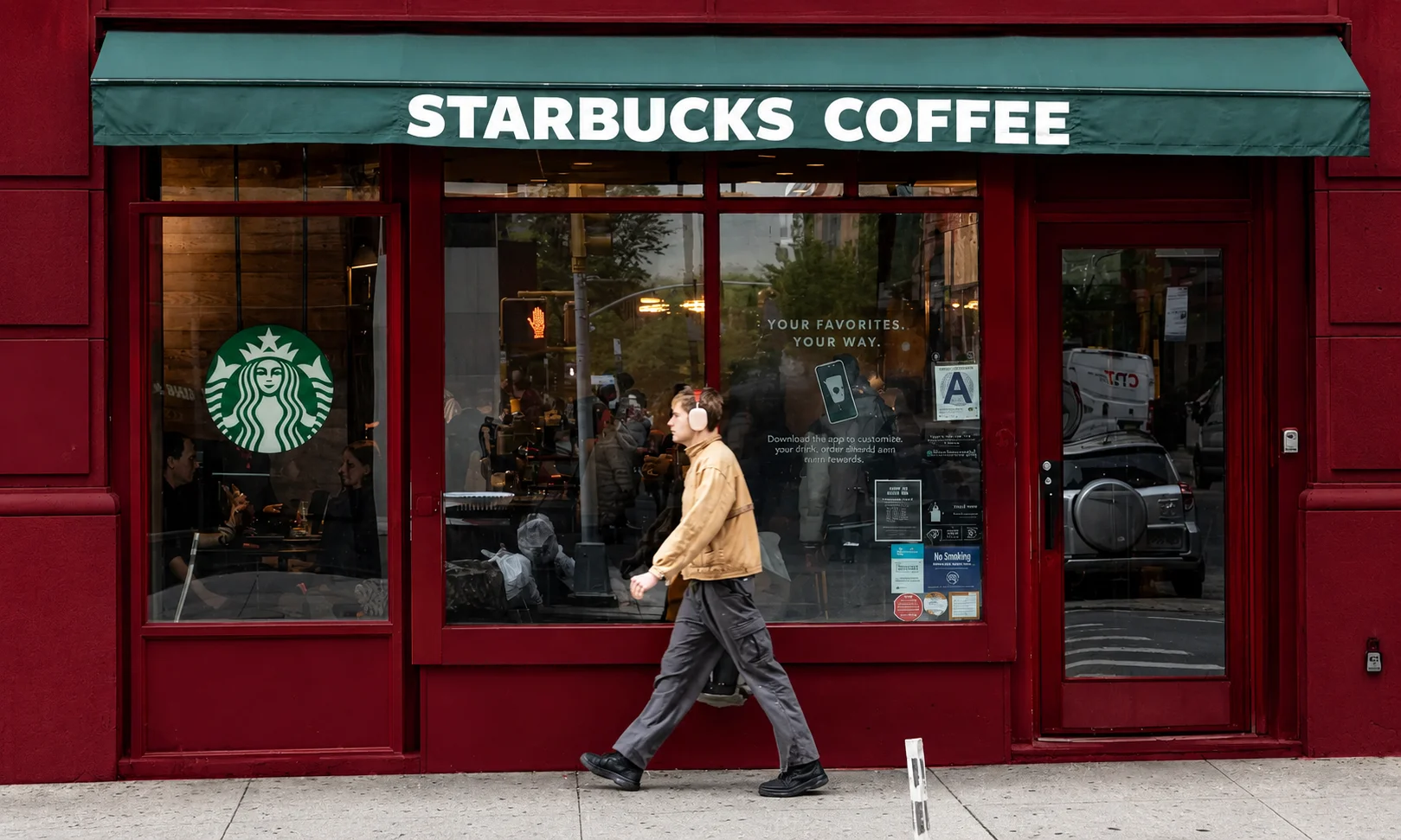
Starbucks is an American coffeehouse and quick-service beverage brand built around coffee, specialty drinks, food and customer loyalty. Its competitive advantage extends beyond beverages: mobile ordering, rewards, convenience and the daily coffee routine have helped turn Starbucks into a global consumer brand.
- Restaurant Type: Coffeehouse / Quick service
- Founded: 1971
- Parent Company: Starbucks Corporation
- Country of Origin: United States
- Headquarters: Seattle, Washington, United States
- Locations: 40,990 stores
- Markets: 80+ markets
- Core Advantage: High customer frequency built around daily coffee and beverage consumption.
- Business Model: Combination of company-operated and licensed stores.
- Differentiation: Combines coffee, retail branding, customer experience and digital technology.
- 2025–2026 Strategy: Focus on improving store operations, customer experience and growth in major international markets.
- Execution: Starbucks continues to operate one of the world’s largest branded coffee networks, supported by mobile ordering and its loyalty ecosystem.
- Why It Ranks #3: Starbucks has built a global business around a high-frequency consumer habit rather than relying solely on traditional fast-food traffic.
4. Subway — United States
Subway is an American quick-service sandwich chain known for made-to-order subs, salads and highly customizable meals. Its relatively simple restaurant format and franchise-heavy structure allowed the brand to expand into thousands of locations, including smaller commercial spaces where larger restaurant formats may be difficult to operate.
- Restaurant Type: Fast food / Sandwiches
- Founded: 1965
- Parent Company: Roark Capital
- Country of Origin: United States
- Headquarters: Shelton, Connecticut, United States
- Locations: 35,000+ worldwide
- Markets: 100+ countries
- Core Advantage: A simple, reproducible restaurant format that can operate in relatively small spaces.
- Business Model: Franchise-led, with franchisees financing and operating most restaurants.
- Differentiation: Customer customization within a standardized restaurant system.
- 2025–2026 Strategy: Restaurant modernization, menu simplification and network productivity.
- Execution: The company is focused on improving the productivity and appearance of its enormous existing restaurant base.
- Why It Ranks #4: Subway’s franchise model and compact format allowed it to build one of the world’s largest restaurant networks.
5. Burger King — United States
Burger King is an American fast-food hamburger chain best known for the Whopper and its flame-grilled cooking method. The brand competes directly in the global burger category while relying heavily on franchisees to expand its restaurant network across international markets.
- Restaurant Type: Fast food / Burgers
- Founded: 1954
- Parent Company: Restaurant Brands International
- Country of Origin: United States
- Headquarters: Miami, Florida, United States
- Locations: 19,700+ worldwide
- Markets: 120+ countries
- Core Advantage: Flame-grilled burgers combined with a scalable global franchise system.
- Business Model: Primarily franchised, with local operators funding and managing restaurants under Burger King’s systems.
- Differentiation: The Whopper and flame-grilling technique provide a distinctive identity in the global burger market.
- 2025–2026 Strategy: Restaurant modernization, technology upgrades and stronger franchisee economics through the broader “Reclaim the Flame” strategy.
- Execution: High-traffic locations, digital ordering and restaurant modernization remain central to the brand’s efforts to improve performance.
- Why It Ranks #5: Burger King has global recognition, a powerful signature product and a large franchise network capable of supporting international growth.
6. Domino’s — United States
Domino’s is an American quick-service pizza company built around delivery, carryout and digital ordering rather than traditional dine-in service. Its technology-driven ordering system and franchise model have allowed the company to scale rapidly while keeping the restaurant format relatively simple.
- Restaurant Type: Quick service / Pizza delivery
- Founded: 1960
- Parent Company: Domino’s Pizza, Inc.
- Country of Origin: United States
- Headquarters: Ann Arbor, Michigan, United States
- Locations: 22,100+ stores
- Markets: 90+ countries
- Core Advantage: A delivery-first business model supported by technology and efficient restaurant operations.
- Business Model: Heavily franchised.
- Differentiation: Digital ordering, delivery tracking, loyalty programs and a highly recognizable pizza brand.
- 2025–2026 Strategy: Continued international expansion through franchise partners and investment in digital ordering.
- Execution: Domino’s ended 2025 with more than 22,100 stores worldwide, reinforcing its position as a global pizza leader.
- Why It Ranks #6: Domino’s has turned pizza delivery into a highly scalable technology and logistics business rather than simply a traditional restaurant operation.
7. Mixue Ice Cream & Tea — China
Mixue Ice Cream & Tea is a Chinese quick-service beverage and dessert chain known for low-priced ice cream, tea and compact stores. The brand has expanded at remarkable speed by using a franchise-heavy model, standardized ingredients and a highly affordable product strategy.
- Restaurant Type: Tea and ice cream / Quick service
- Founded: 1997
- Parent Company: Mixue Group
- Country of Origin: China
- Headquarters: Zhengzhou, Henan, China
- Locations: 59,800+ as of December 2025
- Markets: Multiple Asian and international markets
- Core Advantage: Affordable products combined with extremely scalable small-format stores.
- Business Model: Franchise-driven, supported by standardized ingredients and supply-chain control.
- Differentiation: Very low pricing combined with enormous store expansion.
- 2025–2026 Strategy: Continued international expansion, particularly across Asia and emerging markets.
- Execution: Its store count now exceeds many much older Western restaurant brands.
- Why It Ranks #7: Mixue demonstrates how a low-cost, standardized Asian restaurant concept can achieve extraordinary scale in a relatively short period.
8. Luckin Coffee — China
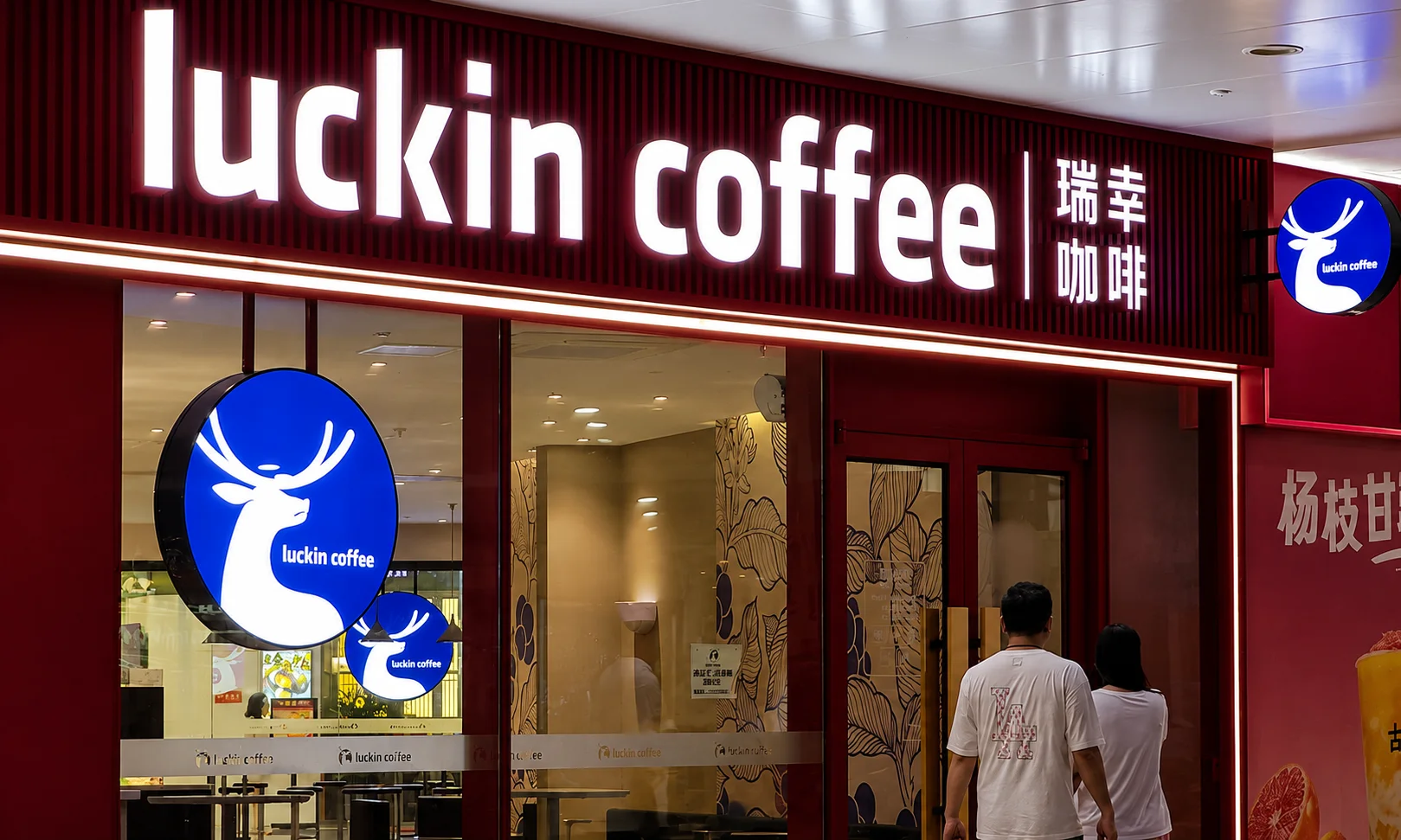
Luckin Coffee is a Chinese coffee chain built around mobile ordering, pickup and digitally driven customer relationships. Rather than copying the traditional coffeehouse model, Luckin emphasizes convenience, promotions, compact stores and technology, helping it build a huge network in China and expand internationally.
- Restaurant Type: Coffee / Quick service
- Founded: 2017
- Parent Company: Luckin Coffee Inc.
- Country of Origin: China
- Headquarters: Xiamen, Fujian, China
- Locations: 33,596 stores globally in Q1 2026
- Core Advantage: An app-centered, pickup-first model designed for speed and convenience.
- Business Model: Combination of self-operated and partnership stores.
- Differentiation: The mobile app and digital ecosystem play a central role in the customer relationship.
- 2025–2026 Strategy: Continued aggressive store expansion and international growth.
- Execution: Full-year 2025 revenue reached approximately RMB 49.29 billion, or about $7.03 billion.
- Why It Ranks #8: Luckin shows how a digitally native restaurant company can challenge established coffee chains through convenience, pricing and rapid expansion.
9. Taco Bell — United States
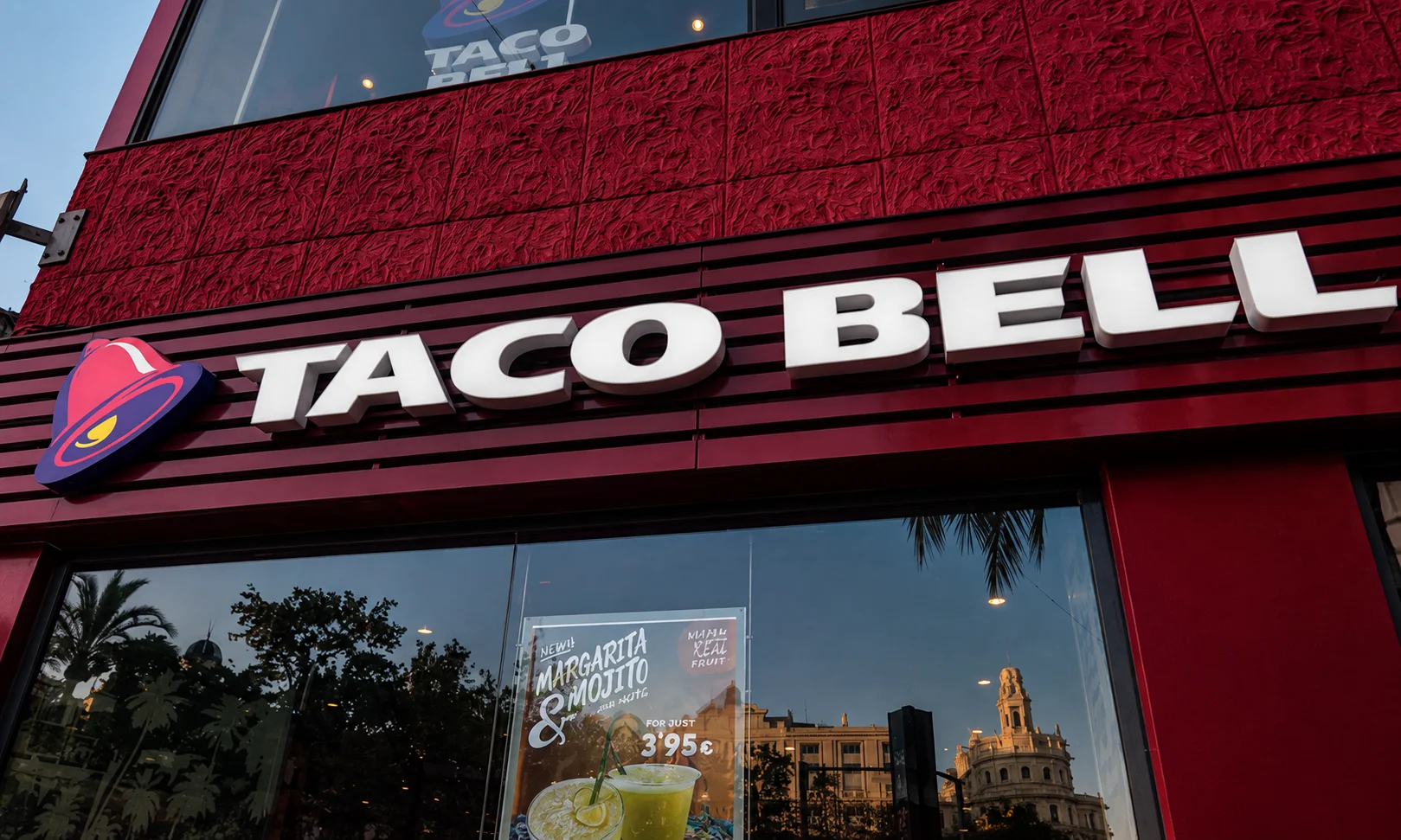
Taco Bell is an American fast-food chain specializing in Mexican-inspired food such as tacos, burritos, quesadillas and highly customizable limited-time products. The brand has built a distinctive position by combining low prices with frequent menu innovation and a marketing style aimed at younger consumers.
- Restaurant Type: Fast food / Mexican-inspired
- Founded: 1962
- Parent Company: Yum! Brands
- Country of Origin: United States
- Headquarters: Irvine, California, United States
- Locations: 8,200+ worldwide
- Markets: Multiple international markets
- Core Advantage: Constant menu innovation that encourages repeat visits.
- Business Model: Primarily franchised.
- Differentiation: Turns relatively inexpensive ingredients into highly recognizable and culturally relevant menu items.
- 2025–2026 Strategy: Continued limited-time products, digital ordering and menu creativity.
- Execution: Taco Bell remains one of Yum! Brands’ most important growth concepts and a major player in value-focused fast food.
- Why It Ranks #9: Taco Bell has created a distinctive category position by combining affordability, speed and unusually aggressive product innovation.
10. Chick-fil-A — United States
Chick-fil-A is an American fast-food chicken restaurant chain known for chicken sandwiches, nuggets, waffle fries and a strong emphasis on customer service. Unlike many larger chains, Chick-fil-A has historically focused more on restaurant productivity and operational consistency than on building the largest possible global footprint.
- Restaurant Type: Fast food / Chicken
- Founded: 1967
- Parent Company: Chick-fil-A, Inc.
- Country of Origin: United States
- Headquarters: Atlanta, Georgia, United States
- Locations: 3,100+ U.S. restaurants
- Markets: Primarily United States, with international expansion
- Core Advantage: Exceptional sales productivity per restaurant.
- Business Model: Centrally controlled franchise/operator model with strong operational standards.
- Differentiation: Customer service, operational consistency and a focused chicken menu.
- 2025–2026 Strategy: Improve efficiency, expand selectively and strengthen customer loyalty.
- Execution: The chain generated approximately $22.746 billion in 2024 U.S. sales, with average unit volume around $7.5 million.
- Why It Ranks #10: Chick-fil-A demonstrates that restaurant strength is not determined by store count alone; unusually high unit productivity and customer loyalty make it one of America’s most powerful restaurant brands.
11. Wendy’s — United States
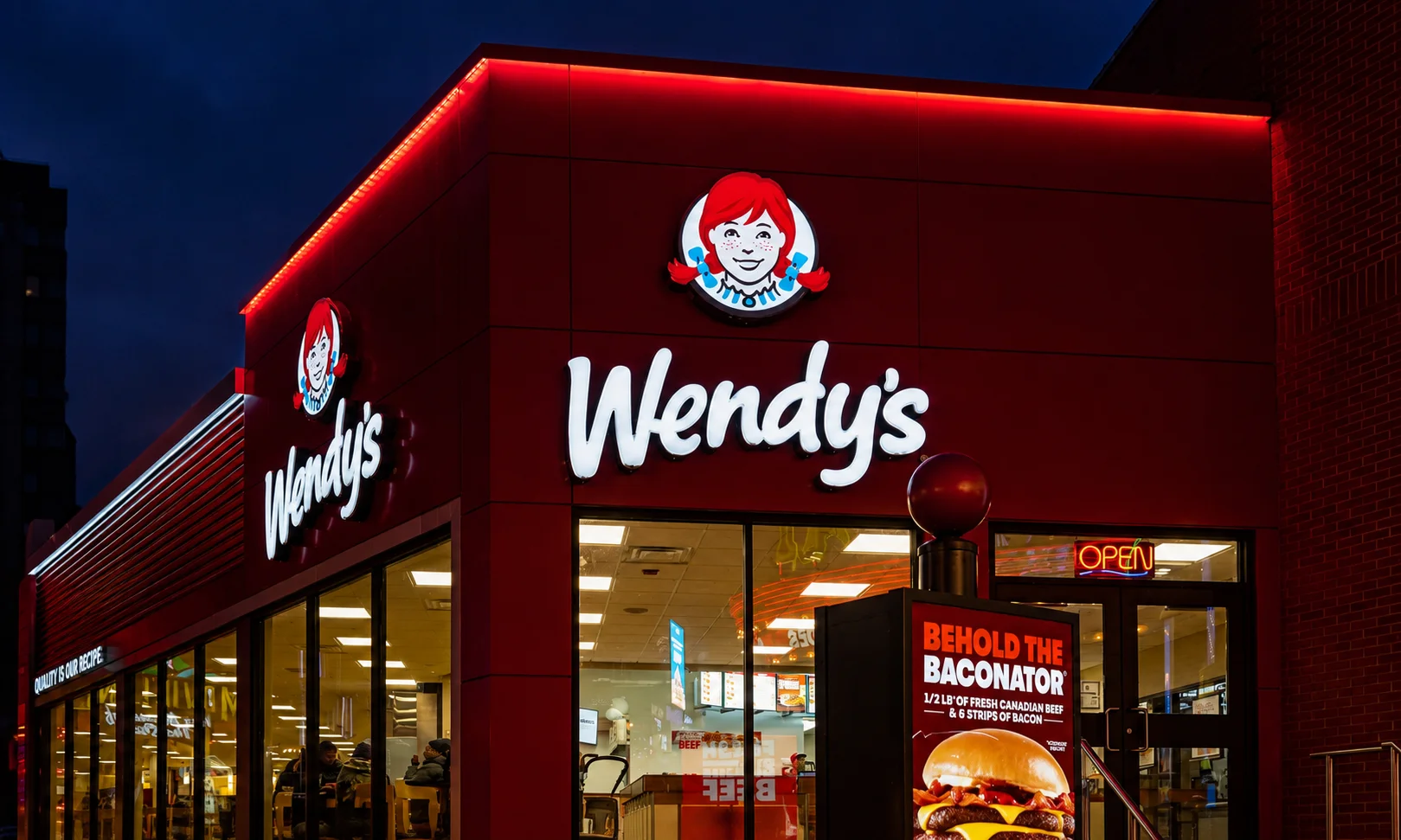
Wendy’s is an American fast-food hamburger chain known for its square burgers, Frosty desserts, chicken sandwiches and distinctive brand personality. Founded in Ohio, the company built its reputation around fresh-tasting ingredients, recognizable products and a large franchise network across North America and international markets.
- Restaurant Type: Fast food / Burgers
- Founded: 1969
- Parent Company: The Wendy’s Company
- Country of Origin: United States
- Headquarters: Dublin, Ohio, United States
- Locations: 7,000+ worldwide
- Markets: Multiple international markets
- Core Advantage: Strong brand recognition built around signature products such as square burgers and the Frosty.
- Business Model: Primarily franchised, supported by company-operated restaurants.
- Differentiation: Distinctive food identity combined with an unusually recognizable advertising and social-media personality.
- 2025–2026 Strategy: Continued investment in digital ordering, restaurant modernization and value offerings.
- Execution: Wendy’s combines a large franchise infrastructure with a recognizable brand identity to remain competitive in the crowded burger category.
- Why It Ranks #11: Its combination of brand heritage, franchise scale and distinctive products gives Wendy’s a durable position among global fast-food chains.
12. Dunkin’ — United States
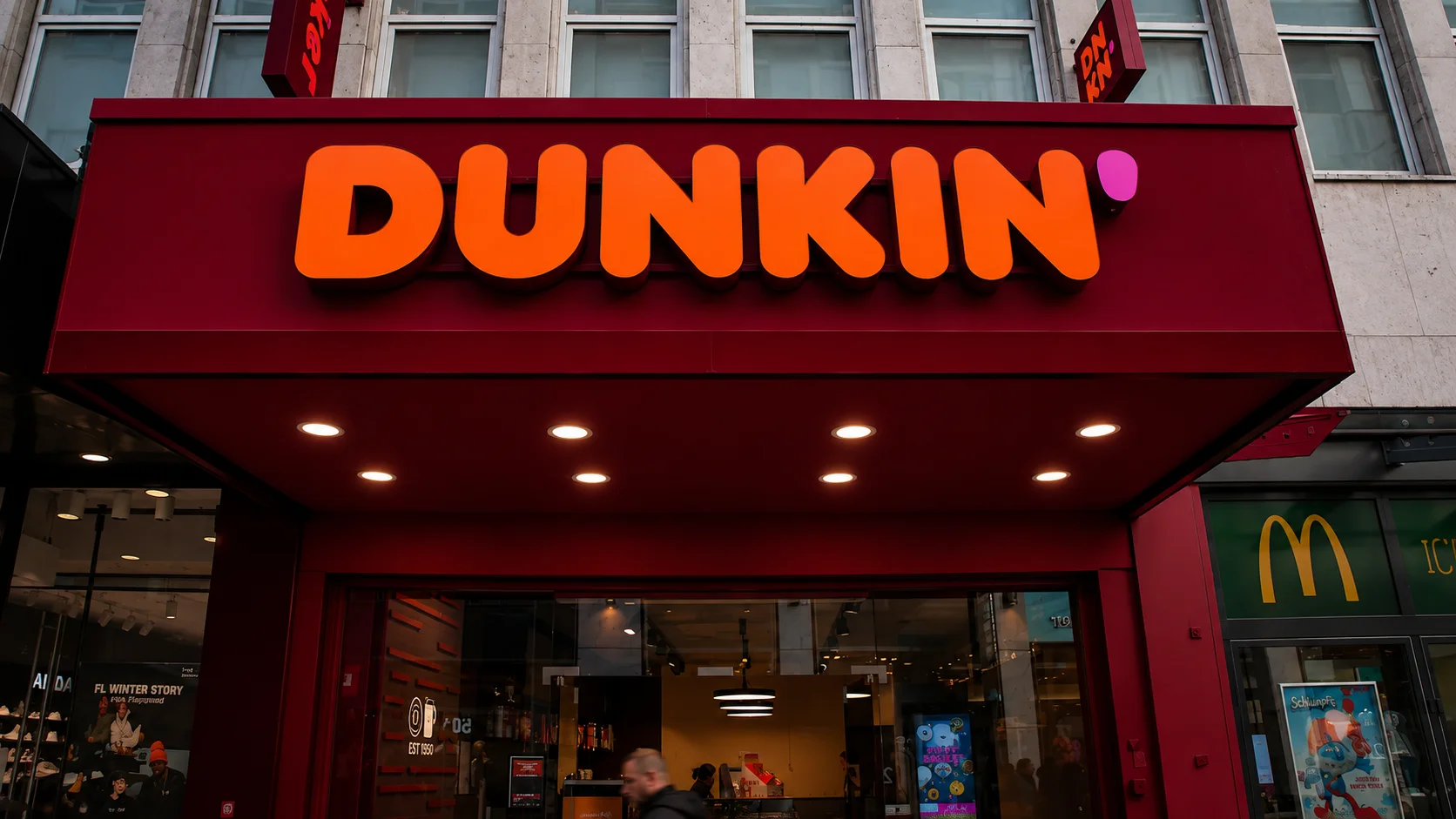
Dunkin’ is an American coffee and quick-service restaurant brand built around coffee, breakfast foods, donuts and convenient grab-and-go purchases. Although the brand began with donuts, its modern business increasingly revolves around beverages and the daily coffee routine, making frequency and convenience central to its strategy.
- Restaurant Type: Coffee / Quick service / Breakfast
- Founded: 1950
- Parent Company: Inspire Brands
- Country of Origin: United States
- Headquarters: Canton, Massachusetts, United States
- Locations: 12,700+ worldwide
- Markets: Multiple international markets
- Core Advantage: A high-frequency coffee and breakfast business built around convenience.
- Business Model: Primarily franchised.
- Differentiation: Combines coffee, breakfast, snacks and grab-and-go convenience in a compact format.
- 2025–2026 Strategy: Expand beverage-led growth while strengthening digital ordering and loyalty.
- Execution: Dunkin’s large franchise network allows it to compete heavily on convenience and everyday customer frequency.
- Why It Ranks #12: Its strength comes from turning coffee and breakfast into routine purchases rather than occasional restaurant visits.
13. Pizza Hut — United States
Pizza Hut is an American pizza restaurant chain offering dine-in, carryout and delivery formats. Founded in Kansas, the brand became one of the world’s best-known pizza names by combining a recognizable menu with a broad international franchise network and multiple restaurant formats.
- Restaurant Type: Fast food / Pizza
- Founded: 1958
- Parent Company: Ownership structure changed in 2026
- Country of Origin: United States
- Headquarters: Plano, Texas, United States
- Locations: Nearly 20,000 worldwide
- Markets: 100+ countries and territories
- Core Advantage: Strong global pizza recognition across dine-in, takeaway and delivery.
- Business Model: Primarily franchised.
- Differentiation: Broader format mix than delivery-focused competitors such as Domino’s.
- 2025–2026 Strategy: New ownership is expected to influence the company’s international and domestic strategy.
- Execution: Pizza Hut remains one of the largest pizza restaurant networks despite major ownership and strategic changes.
- Why It Ranks #13: Its enormous international footprint and decades of pizza-brand recognition keep it among the world’s most important restaurant brands.
14. Popeyes — United States
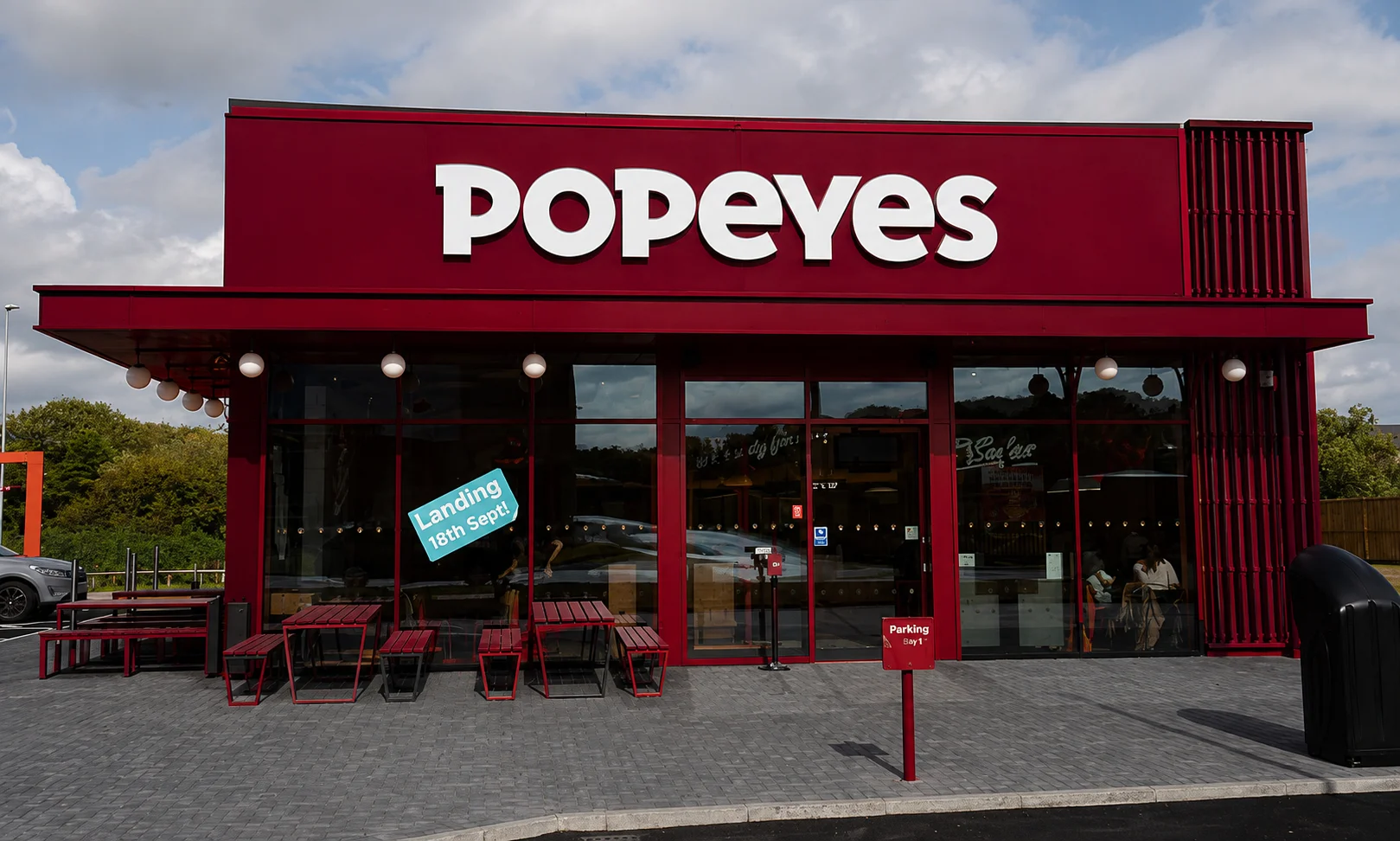
Popeyes is an American fast-food chicken chain with roots in Louisiana and a menu built around fried chicken, chicken sandwiches, seafood and strongly seasoned Southern-style food. Its Louisiana-inspired identity gives the brand a more distinctive personality than many generic chicken competitors.
- Restaurant Type: Fast food / Chicken
- Founded: 1972
- Parent Company: Restaurant Brands International
- Country of Origin: United States
- Headquarters: Miami, Florida, United States
- Locations: 5,400+ worldwide
- Markets: Multiple international markets
- Core Advantage: Strong chicken specialization combined with a distinctive Louisiana-inspired identity.
- Business Model: Primarily franchised.
- Differentiation: Bold seasoning, fried chicken and a recognizable Southern food identity.
- 2025–2026 Strategy: International expansion while protecting its core product identity.
- Execution: Popeyes continues to benefit from strong consumer demand for chicken and the success of its signature menu products.
- Why It Ranks #14: Its focused product category and distinctive Louisiana positioning give it a strong identity in the global chicken market.
15. Tim Hortons — Canada
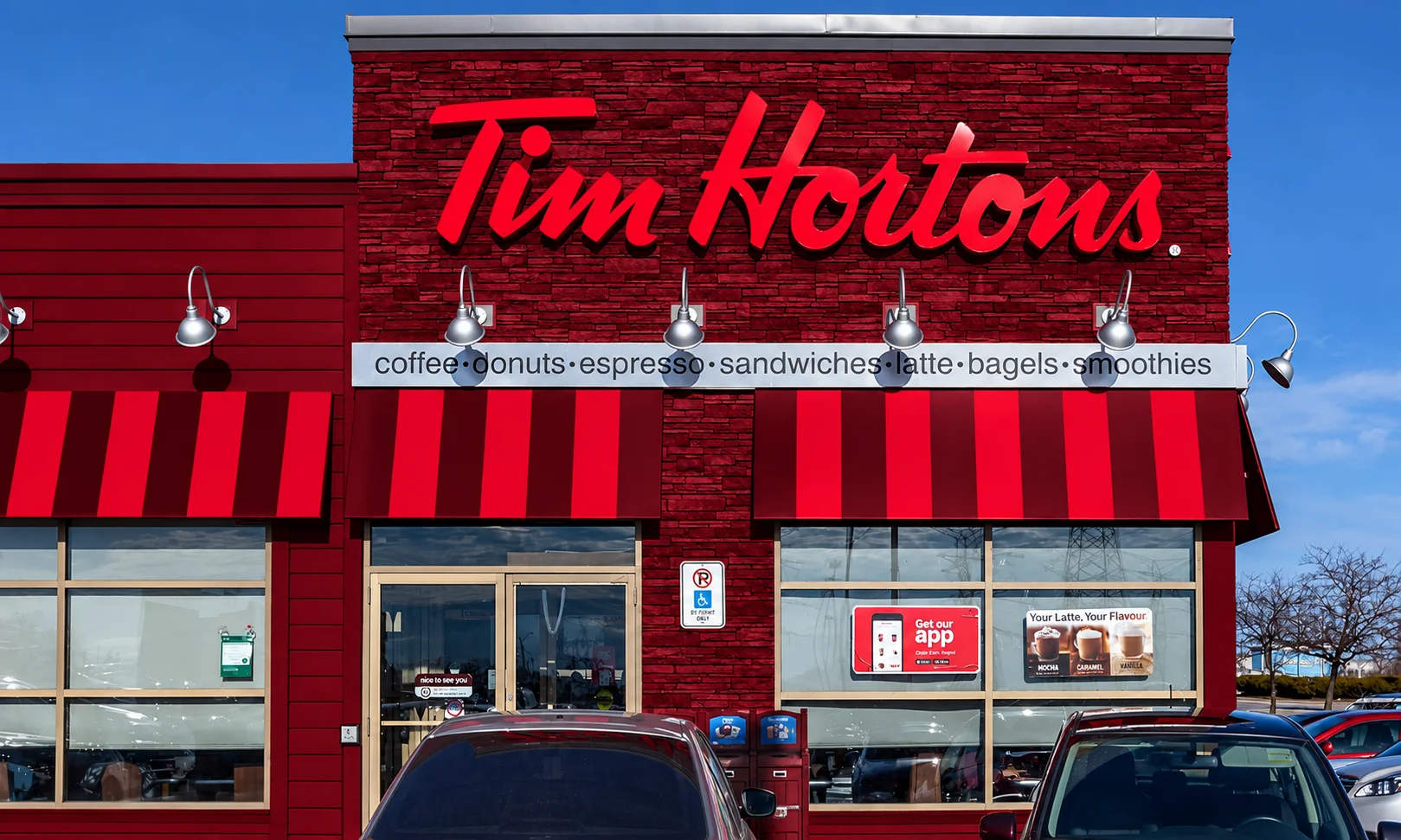
Tim Hortons is Canada’s best-known coffee and quick-service restaurant chain, offering coffee, breakfast foods, baked goods, sandwiches and snacks. The brand has become deeply associated with Canadian daily life while gradually expanding into international markets.
- Restaurant Type: Coffee / Quick service / Breakfast
- Founded: 1964
- Parent Company: Restaurant Brands International
- Country of Origin: Canada
- Headquarters: Toronto, Ontario, Canada
- Locations: 6,000+ worldwide
- Markets: Canada, United States and international markets
- Core Advantage: Exceptional brand familiarity and customer loyalty in Canada.
- Business Model: Primarily franchised.
- Differentiation: Coffee-led convenience combined with strong Canadian cultural recognition.
- 2025–2026 Strategy: Gradual international expansion while protecting its dominant Canadian position.
- Execution: Its domestic customer base provides a powerful foundation for expansion outside Canada.
- Why It Ranks #15: Tim Hortons shows how deep national loyalty can become a major competitive advantage for a restaurant brand.
16. Dairy Queen — United States
Dairy Queen is an American quick-service restaurant and dessert chain best known for soft-serve ice cream, Blizzards, burgers, fries and other fast-food items. Its combination of meals and frozen desserts gives it a distinctive position between traditional fast food and the global ice-cream business.
- Restaurant Type: Fast food / Ice cream / Dessert
- Founded: 1940
- Parent Company: International Dairy Queen / Berkshire Hathaway
- Country of Origin: United States
- Headquarters: Minneapolis, Minnesota, United States
- Locations: 7,500+ worldwide
- Markets: Multiple international markets
- Core Advantage: A dual business model combining quick meals with frozen desserts.
- Business Model: Primarily franchised.
- Differentiation: The Blizzard provides one of the brand’s most recognizable signature products.
- 2025–2026 Strategy: Maintain its food-and-dessert positioning while modernizing restaurants and menus.
- Execution: Decades of brand recognition have helped Dairy Queen remain relevant across multiple generations.
- Why It Ranks #16: Its combination of fast food and frozen desserts gives Dairy Queen a category position that few direct competitors can duplicate.
17. Jollibee — Philippines
Jollibee is a Philippine fast-food brand known for fried chicken, sweet-style spaghetti, burgers, sandwiches and other products adapted to Filipino tastes. Rather than simply copying American fast-food concepts, Jollibee built its identity around Filipino food preferences and has increasingly taken that identity into international markets.
- Restaurant Type: Fast food / Chicken / Filipino-inspired
- Founded: 1978
- Parent Company: Jollibee Foods Corporation
- Country of Origin: Philippines
- Headquarters: Pasig, Philippines
- Locations: 10,300+ across the broader Jollibee network as of Q3 2025
- International Locations: 6,800+ outside the Philippines across the broader group
- Markets: Multiple countries
- Core Advantage: A distinctive Filipino food identity combined with international expansion.
- Business Model: Company-operated and franchised restaurants within Jollibee Foods Corporation’s broader portfolio.
- Differentiation: Exports Filipino food culture instead of simply adapting a Western restaurant format.
- 2025–2026 Strategy: Continued expansion in markets with strong Filipino communities and growing international awareness.
- Execution: Jollibee represents the growing global influence of Asian restaurant brands.
- Why It Ranks #17: Its cultural identity and international growth make it one of the most important non-Western fast-food brands.
18. Papa Johns — United States
Papa Johns is an American pizza delivery and carryout chain built around a straightforward menu of pizzas, sides and related products. Its relatively simple operating model fits naturally with digital ordering and franchising, allowing the company to maintain a broad international network without relying heavily on traditional dine-in restaurants.
- Restaurant Type: Quick service / Pizza delivery
- Founded: 1984
- Parent Company: Papa John’s International
- Country of Origin: United States
- Headquarters: Atlanta, Georgia, United States
- Locations: 5,650+ worldwide
- Markets: Multiple international markets
- Core Advantage: A recognizable pizza brand supported by digital ordering and delivery.
- Business Model: Large franchise network.
- Differentiation: Simple pizza proposition combined with customizable digital ordering.
- 2025–2026 Strategy: Compete on convenience, value and restaurant productivity.
- Execution: Its franchise network allows Papa Johns to compete in a highly competitive global pizza category.
- Why It Ranks #18: The company has maintained a strong position by focusing on a straightforward, scalable pizza-delivery model.
19. Little Caesars — United States
Little Caesars is an American fast-food pizza chain known for value pricing, carryout convenience and its Hot-N-Ready concept. The company has built a distinctive operating model around providing pizzas quickly without requiring customers to place a traditional advance order.
- Restaurant Type: Fast food / Pizza
- Founded: 1959
- Parent Company: Ilitch Companies
- Country of Origin: United States
- Headquarters: Detroit, Michigan, United States
- Locations: 5,400+ worldwide
- Markets: Multiple international markets
- Core Advantage: Low prices and fast, predictable carryout service.
- Business Model: Primarily franchised.
- Differentiation: The Hot-N-Ready model minimizes waiting and emphasizes convenience.
- 2025–2026 Strategy: Continue emphasizing value and operational simplicity.
- Execution: Its low-cost model allows the chain to compete effectively when consumers are particularly sensitive to food prices.
- Why It Ranks #19: Little Caesars has turned simplicity, affordability and speed into a recognizable competitive advantage.
20. Chipotle — United States
Chipotle is an American fast-casual restaurant chain specializing in Mexican-inspired food such as burritos, bowls, tacos and salads. Unlike traditional fast-food chains that emphasize standardized finished products, Chipotle allows customers to build meals from a range of ingredients while maintaining a highly controlled preparation process.
- Restaurant Type: Fast casual / Mexican-inspired
- Founded: 1993
- Parent Company: Chipotle Mexican Grill, Inc.
- Country of Origin: United States
- Headquarters: Newport Beach, California, United States
- Locations: 3,600+ U.S. restaurants
- Markets: United States, Canada and selected international markets
- Core Advantage: Made-to-order food combined with fast service and a strong premium positioning.
- Business Model: Primarily company-operated, with a highly standardized operating system.
- Differentiation: Customer-built meals, ingredient transparency and a fast-casual experience.
- 2025–2026 Strategy: Continued restaurant expansion, digital ordering and operational efficiency.
- Execution: Chipotle generated approximately $11.111 billion in U.S. systemwide sales in 2024.
- Why It Ranks #20: Chipotle helped establish fast casual as a major restaurant category by combining customization and perceived quality with the speed of quick service.
21. Baskin-Robbins — United States
Baskin-Robbins is an American ice-cream and dessert chain famous for its wide variety of flavors and its long association with birthdays and celebrations. Rather than competing directly with burger and pizza chains, the brand has built its global presence around desserts, novelty and frequent seasonal occasions.
- Restaurant Type: Ice cream / Dessert
- Founded: 1945
- Parent Company: Inspire Brands
- Country of Origin: United States
- Headquarters: Canton, Massachusetts, United States
- Locations: 7,800+ worldwide
- Markets: Multiple international markets
- Core Advantage: Flavor variety and strong association with celebrations.
- Business Model: Primarily franchised.
- Differentiation: Large flavor selection and strong birthday and occasion-based positioning.
- 2025–2026 Strategy: Seasonal products, novelty flavors and continued international development.
- Execution: Its compact store format allows the brand to operate across a wide range of locations.
- Why It Ranks #21: Baskin-Robbins has maintained global relevance by owning a distinct position in the ice-cream and dessert category.
22. Whataburger — United States
Whataburger is an American fast-food hamburger chain that originated in Texas and developed an especially strong regional following before expanding into additional U.S. markets. Its large burgers, distinctive orange-and-white branding and late-night positioning have helped turn a regional chain into a nationally recognized restaurant brand.
- Restaurant Type: Fast food / Burgers
- Founded: 1950
- Parent Company: BDT & MSD Partners
- Country of Origin: United States
- Headquarters: San Antonio, Texas, United States
- Locations: 1,100+ U.S. locations
- Markets: United States
- Core Advantage: Exceptional regional loyalty combined with an increasingly national footprint.
- Business Model: Combination of company-operated and franchised restaurants.
- Differentiation: Large burgers, recognizable orange-and-white branding and strong Texas heritage.
- 2025–2026 Strategy: Continued expansion beyond its traditional Texas base.
- Execution: Strong regional loyalty is helping the company build a broader U.S. presence.
- Why It Ranks #22: Whataburger demonstrates how regional brand loyalty can become a powerful foundation for national restaurant expansion.
23. Jack in the Box — United States
Jack in the Box is an American fast-food chain known for burgers, breakfast, chicken, tacos and an unusually broad menu. Its drive-thru-focused format and distinctive advertising character have helped it remain recognizable despite operating on a smaller scale than the largest U.S. burger chains.
- Restaurant Type: Fast food / Burgers / Drive-thru
- Founded: 1951
- Parent Company: Jack in the Box Inc.
- Country of Origin: United States
- Headquarters: San Diego, California, United States
- Locations: 2,200+ worldwide
- Markets: Primarily United States
- Core Advantage: Broad menu variety combined with drive-thru convenience.
- Business Model: Primarily franchised.
- Differentiation: Distinctive advertising personality and unusually broad menu.
- 2025–2026 Strategy: Improve restaurant economics and expand selectively.
- Execution: Long-standing brand recognition continues to support the chain in a competitive U.S. market.
- Why It Ranks #23: Its recognizable personality, broad menu and long operating history give it a durable position despite its smaller footprint.
24. MOS Burger — Japan
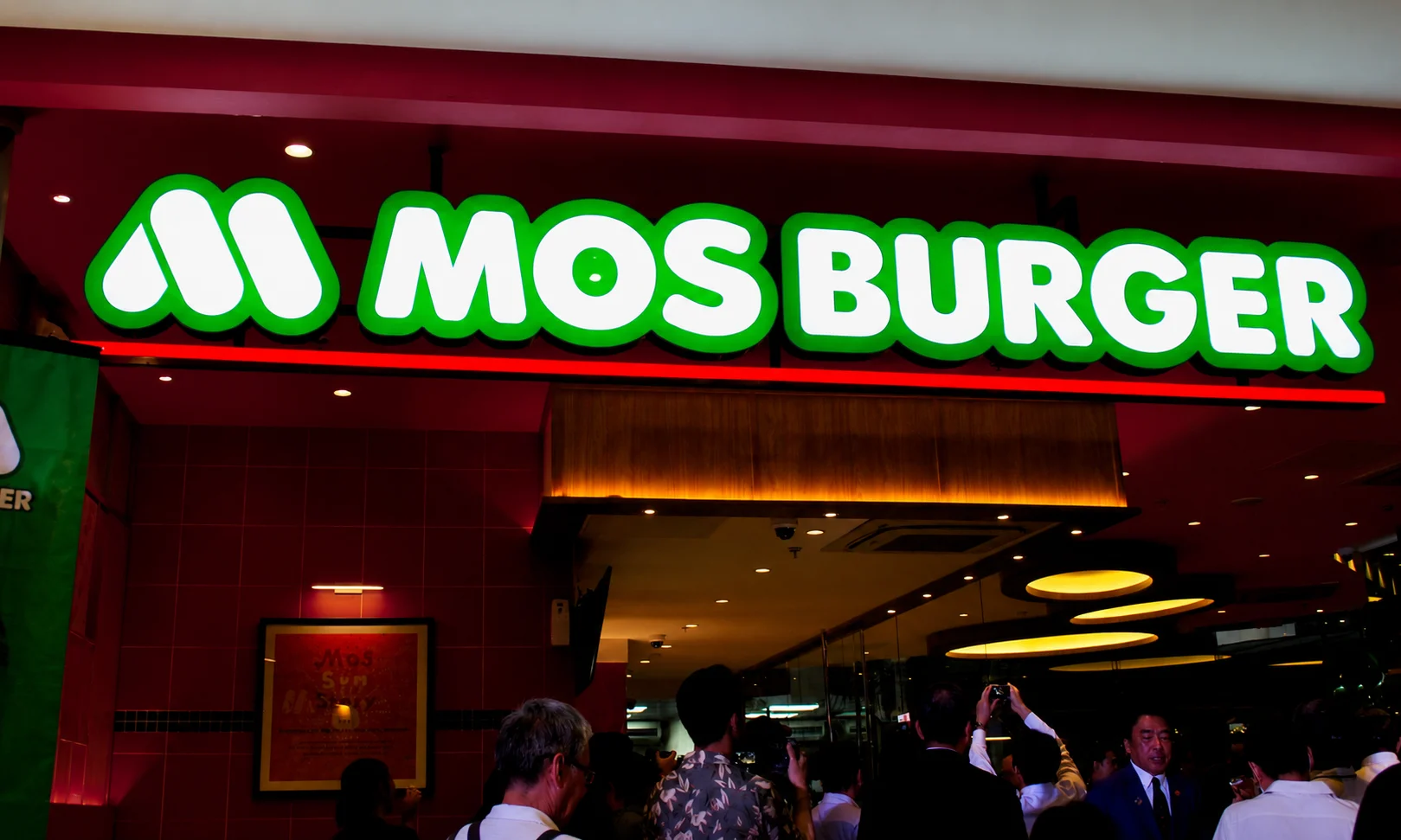
MOS Burger is a Japanese fast-food hamburger chain that built its identity around adapting the burger format to Japanese tastes and consumer preferences. Its menu, restaurant design and operating philosophy emphasize localization, allowing the brand to compete strongly in Japan and maintain a presence across several Asian markets.
- Restaurant Type: Fast food / Burgers
- Founded: 1972
- Parent Company: MOS Food Services, Inc.
- Country of Origin: Japan
- Headquarters: Tokyo, Japan
- Locations: 1,700+ worldwide
- Markets: Japan and several Asian markets
- Core Advantage: A homegrown burger concept designed around Asian consumer preferences.
- Business Model: Primarily Japan-based, with franchised and other operations across international Asian markets.
- Differentiation: Localization is central to the brand rather than simply being a response to international competition.
- 2025–2026 Strategy: Maintain its regional footprint while strengthening its core Japanese business.
- Execution: Its smaller footprint is offset by strong brand recognition in Japan and parts of Asia.
- Why It Ranks #24: MOS Burger demonstrates that successful global restaurant concepts do not have to originate in the United States.
25. Wallace — China
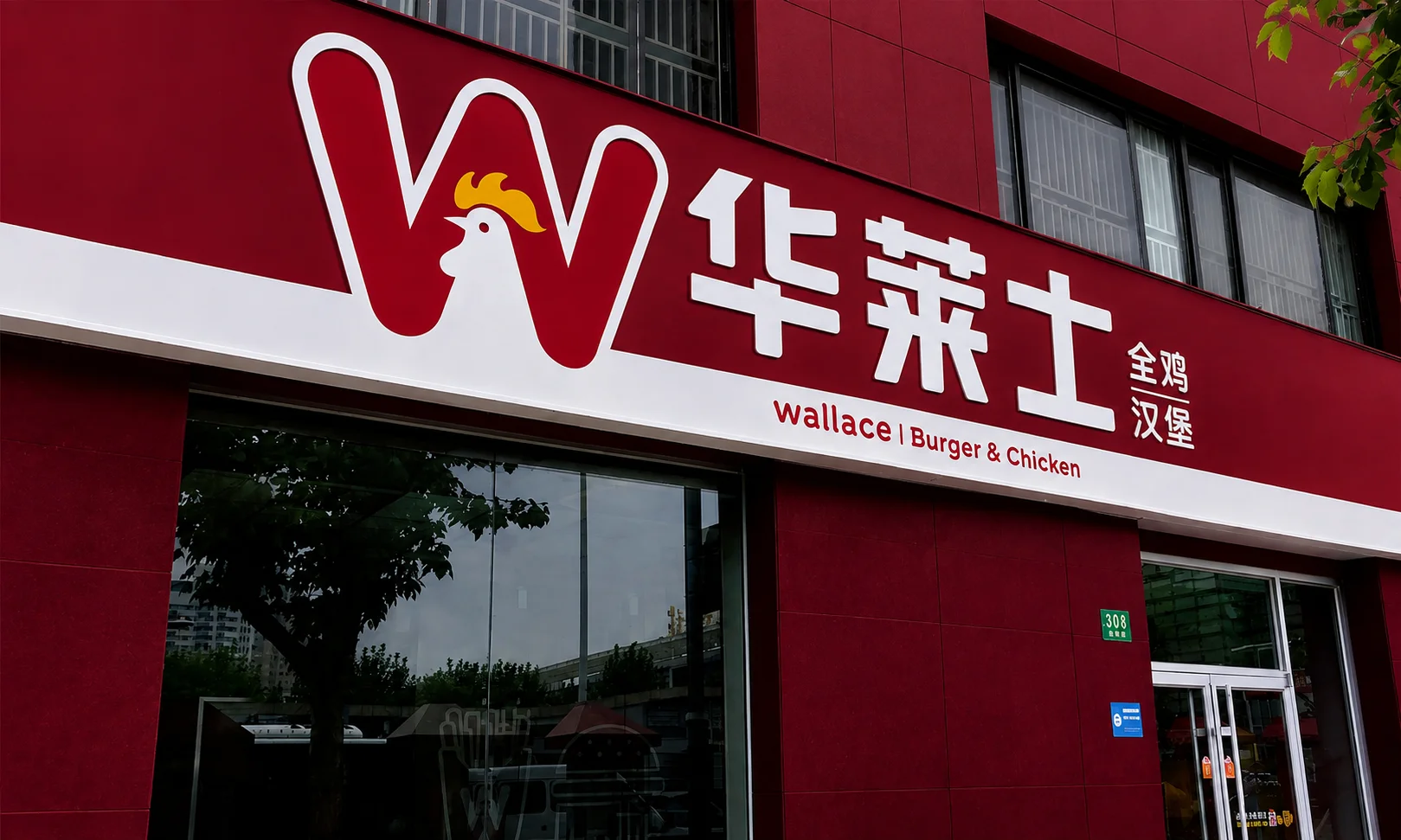
Wallace is a Chinese fast-food chain specializing in affordable burgers, fried chicken and other quick-service foods. Its enormous domestic footprint has been built largely through affordability, franchise expansion and a focus on residential neighborhoods and smaller Chinese cities rather than premium international positioning.
- Restaurant Type: Fast food / Burgers and chicken
- Founded: 2001
- Parent Company: Wallace
- Country of Origin: China
- Headquarters: Fuzhou, Fujian, China
- Locations: 20,000+ stores, primarily in China
- Markets: Primarily China
- Core Advantage: Very low pricing combined with enormous domestic scale.
- Business Model: Franchise-heavy, focused on standardized affordable fast food.
- Differentiation: Accessibility and price rather than premium branding.
- 2025–2026 Strategy: Continued expansion in residential neighborhoods and smaller cities.
- Execution: Wallace demonstrates the enormous scale that can be achieved by targeting price-sensitive consumers in China’s domestic market.
- Why It Ranks #25: Although its international recognition is much lower than McDonald’s or KFC, Wallace’s extraordinary domestic footprint makes it an important example of China’s rapidly expanding restaurant industry.
The World’s Biggest Fast Food Brands by Restaurant Count
Restaurant count provides a useful picture of physical scale, particularly for brands that rely heavily on franchising.
The global rankings can change as companies open new stores, close underperforming locations, enter new markets or restructure their networks. Figures should therefore be viewed as current reported or estimated network sizes rather than permanent rankings.
Global Footprint Rankings
| Rank | Brand | Approximate Global Footprint |
|---|---|---|
| 1 | Mixue Ice Cream & Tea | 59,800+ locations |
| 2 | Starbucks | 40,990 locations |
| 3 | McDonald’s | 40,000+ locations |
| 4 | Subway | 35,000+ locations |
| 5 | Luckin Coffee | 33,596 locations |
| 6 | KFC | 30,000+ locations |
| 7 | Domino’s | 22,100+ locations |
| 8 | Wallace | 20,000+ locations |
| 9 | Pizza Hut | 20,000 locations |
| 10 | Burger King | 19,700+ locations |
| 11 | Dunkin’ | 12,700+ locations |
| 12 | Jollibee | 10,300 locations |
| 13 | Taco Bell | 8,218+ locations |
| 14 | Baskin-Robbins | 7,800+ locations |
| 15 | Dairy Queen | 7,500+ locations |
| 16 | Wendy’s | 7,166+ locations |
| 17 | Tim Hortons | 6,000+ locations |
| 18 | Papa Johns | 5,650+ locations |
| 19 | Little Caesars | ~5,463 locations |
| 20 | Popeyes | 5,413 locations |
| 21 | Chipotle | 3,644 locations |
| 22 | Chick-fil-A | 3,109 locations |
| 23 | Jack in the Box | ~2,267 locations |
| 24 | MOS Burger | 1,736 locations |
| 25 | Whataburger | 1,161 locations |
Store count tells only part of the story. The difference between the largest networks becomes especially interesting when revenue, unit economics and customer spending are considered.
The Biggest Fast Food Brands by Revenue
Revenue provides another way to understand competitive strength.
A brand with fewer restaurants can outperform a larger network when its stores generate substantially higher sales. Premium pricing, high customer frequency, strong drive-thru performance, delivery, beverage sales and exceptionally productive locations can all increase revenue without requiring the largest possible footprint.
Global Revenue Rankings
| Rank | Fast Food Brand | Global Revenue Metric |
|---|---|---|
| 1 | McDonald’s | $130.0+ billion (Systemwide) |
| 2 | Starbucks | $38.4 billion (Corporate Revenue) |
| 3 | KFC | $34.4 billion (Systemwide) |
| 4 | Burger King | $23.4 billion (Systemwide) |
| 5 | Chick-fil-A | $22.7 billion (Systemwide) |
| 6 | Domino’s | $19.1 billion (Systemwide) |
| 7 | Subway | $16.6 billion (Systemwide) |
| 8 | Taco Bell | $15.1 billion (Systemwide) |
| 9 | Wendy’s | $14.5 billion (Systemwide) |
| 10 | Pizza Hut | $13.1 billion (Systemwide) |
| 11 | Dunkin’ | $12.4 billion (Systemwide) |
| 12 | Chipotle | $11.3 billion (Corporate Revenue) |
| 13 | Tim Hortons | $7.4 billion (Systemwide) |
| 14 | Popeyes | $6.1 billion (Systemwide) |
| 15 | Dairy Queen | $5.2 billion (Systemwide) |
| 16 | Little Caesars | $4.9 billion (Systemwide) |
| 17 | Jollibee | $4.8 billion (Corporate Revenue) |
| 18 | Papa Johns | $4.8 billion (Systemwide) |
| 19 | Luckin Coffee | $4.1+ billion (Corporate Revenue) |
| 20 | Jack in the Box | $4.1 billion (Systemwide) |
| 21 | Mixue Ice Cream & Tea | $3.5+ billion (Corporate Revenue) |
| 22 | Whataburger | $3.4 billion (Systemwide) |
| 23 | Baskin-Robbins | $2.3 billion (Systemwide) |
| 24 | Wallace | $1.8 billion (Estimated Sales) |
| 25 | MOS Burger | $620 million (Corporate Revenue) |
Important: Global restaurant systemwide sales and corporate revenue are not interchangeable accounting measures. Franchise-heavy companies can have enormous system sales while recognizing only a portion of those sales as corporate revenue.
Why Store Count and Revenue Tell Different Stories
The biggest restaurant network is not necessarily the most financially powerful brand.
A low-cost chain can open thousands of small stores and generate significant scale through high transaction frequency. Another company may operate fewer restaurants but produce much more revenue per location through premium pricing, larger menus or higher customer spending.
This creates two very different definitions of size.
Store count measures physical reach. Revenue measures financial scale.
That distinction is essential when comparing modern fast food companies because emerging brands are increasingly using compact stores, delivery kitchens, pickup formats and digitally optimized locations.
What Makes a Fast Food Brand Successful?
The world’s strongest fast food brands tend to share several characteristics, even when their menus and business models are completely different.
Simple, Repeatable Operations:
Standardized menus, recipes and processes ensure consistent quality and efficient expansion.
High Customer Frequency:
Repeat purchases make frequent visits a key driver of fast-food growth.
Strategic Locations:
High-traffic, visible locations help maximize customer access and sales.
Franchising at Scale:
Franchising enables rapid expansion while sharing investment and operational responsibilities.
Technology and Convenience:
Apps, digital payments, loyalty programs and kiosks make ordering faster and easier.
The Rise of Smaller Restaurant Formats
The restaurant industry is shifting toward smaller, more efficient formats focused on takeaway, delivery and pickup.
These compact locations can reduce rent, construction and staffing costs while helping brands enter markets where traditional restaurants may not be viable.
The trend is accelerating the growth of digital-first and beverage-focused chains.
Why Menu Simplicity Matters
Large menus can increase inventory, preparation, training and quality-control demands. Simpler menus reduce complexity and help restaurants process orders more efficiently.
Successful chains do not necessarily need tiny menus; they need menus their kitchens can execute consistently and efficiently.
The Role of Franchising in Global Expansion
Franchising is a major driver of global fast food expansion, allowing local operators to invest in and manage restaurants under established brand standards.
The model speeds international growth by leveraging local knowledge of real estate, customers, labor and regulations.
The key challenge is maintaining consistent food quality, service and brand identity while adapting to local markets.
Why Digital Menu Boards Matter in 2026
Digital menu boards are now centralized communication tools, helping large restaurant networks manage prices, promotions, availability and visuals.
Real-Time Menu Updates: Quickly change products and promotions without replacing printed menus.
Daypart Menus: Automatically display breakfast, lunch, dinner or late-night menus based on operating hours.
Localized Promotions: Support centralized brand control while allowing market-specific products and pricing.
Faster Promotional Changes: Add, update or remove limited-time offers without redesigning physical displays.
Digital Signage for Franchise Networks
Managing screens across hundreds or thousands of locations can be complex, especially with different store formats, menus and promotions.
A cloud-based platform centralizes content management, allowing operators to update selected screens and maintain consistency across the network.
For franchise-heavy restaurants, the biggest benefit is control at scale, not simply the screens themselves.
Why PosterBooking Fits Multi-Location Restaurants
PosterBooking provides centralized digital signage management for restaurants operating across multiple screens and locations.
Its free tier supports up to 10 screens, giving smaller operators a low-cost way to test digital signage before scaling.
For larger networks, centralized management can help keep menus, promotions and branding consistent across locations.
The main value is simple: the more locations a restaurant operates, the more useful centralized content management becomes.
The Future of Fast Food in 2026 and Beyond
Fast food competition is moving beyond restaurant count toward speed, convenience, technology, value and customer data.
Smaller formats, digital ordering, loyalty programs and efficient kitchens are reshaping the industry, while AI could improve forecasting, inventory, personalization and operations.
The winning brands will need to combine technology, efficiency, affordability and consistent customer experiences.
The 25 Brands to Watch
The 25 brands represent different paths to fast food success, from global scale and strong restaurant sales to franchising, mobile ordering and compact formats.
The industry is also becoming more geographically diverse. While U.S. brands still lead in global recognition and financial scale, Chinese and Asian chains are gaining ground in store growth and digital-first expansion.
Frequently Asked Questions
Which fast food brand has the most restaurants in 2026?
Mixue Ice Cream & Tea has the largest reported footprint in this ranking, with more than 59,800 locations as of December 2025.
Which fast food brand is growing fastest?
Mixue Ice Cream & Tea and Luckin Coffee stand out for their rapid expansion, particularly through compact stores, franchising and digital-first operating models.
Which fast food brand makes the most revenue?
McDonald’s has the largest systemwide sales figure in the article, although systemwide sales and corporate revenue are different financial measures.
Why is McDonald’s the No. 1 fast food brand?
McDonald’s combines enormous global scale with strong brand recognition, franchising, standardized operations, digital ordering and broad international reach.
Why are smaller fast food restaurants becoming more popular?
Smaller formats can reduce rent, construction and staffing costs while supporting takeaway, pickup and delivery-focused operations.
How is technology changing fast food?
Mobile ordering, digital payments, loyalty programs, delivery platforms, kiosks, digital menus and AI-powered tools are making restaurant operations and customer ordering more efficient.
Is the biggest fast food chain always the most profitable?
No. Restaurant count measures physical scale, while revenue and unit economics provide different measures of financial performance. A smaller chain can generate higher sales per restaurant than a much larger network.
FINAL WORDS
The best fast food brands in 2026 are defined by more than restaurant count. McDonald’s leads in global scale, Starbucks in customer frequency, KFC and Chick-fil-A in chicken, Domino’s in digital delivery, and Mixue and Luckin in rapid Asian expansion.
The broader lesson is clear: lasting fast food success depends on strong brands, efficient operations, franchising, technology and convenience. As competition intensifies, the brands that combine these strengths most effectively will be best positioned to lead the industry.