Large number of companies are trying to follow vertical integration strategy, but instead of having a valuable profit, most of them are suffering badly. This does not mean that it is a bad strategy and that is also the reason for many companies’ failure, because the main challenge is to maintain quality. Customers check the quality, not whether this company is following vertical integration.
A company can save a large amount of capital if it follows this strategy but this must be in favour of customers. A company should also give some discount to customers so that customers like the deals and build trust in that company.
Key Takeaways
- Vertical integration means controlling multiple stages of a product’s supply chain.
- It can help companies reduce costs and improve supply chain control.
- Companies can build new operations or buy existing businesses to achieve integration.
- Vertical integration can improve efficiency, quality, and customer experience.
- It also requires high investment and can make business operations more complex.
- Companies should consider costs, risks, resources, and long-term goals before choosing this strategy.
What Is Vertical Integration?
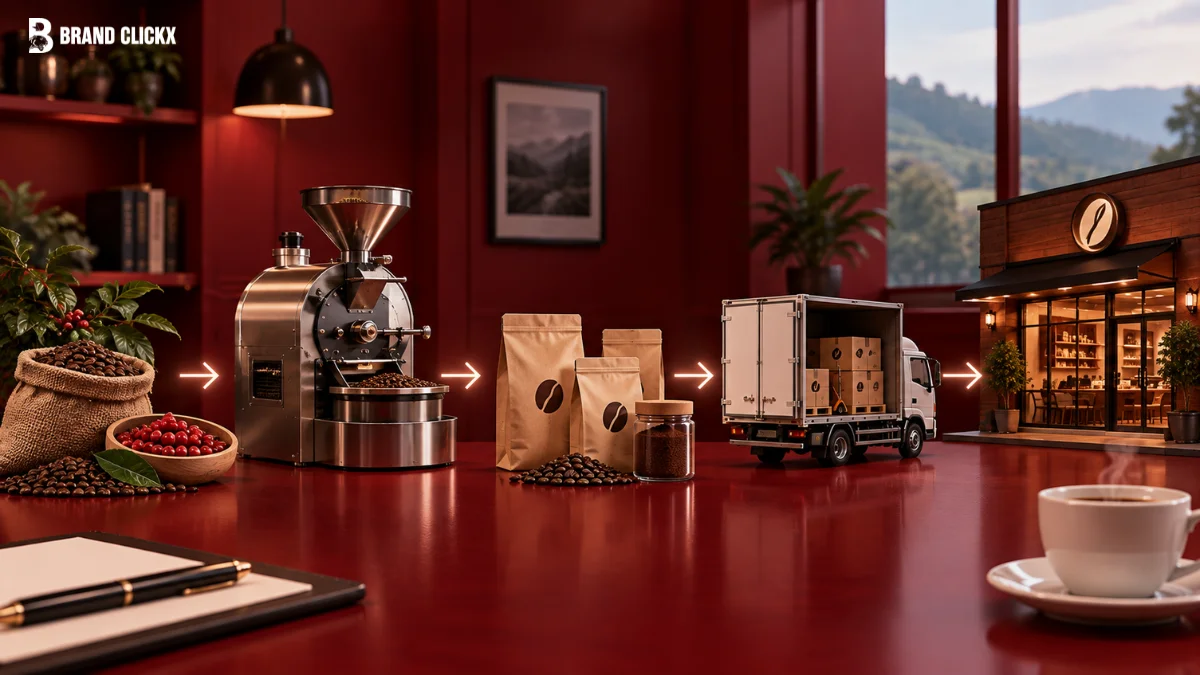
Vertical integration means controlling more than one stage of making and selling its product by the company instead of completely depending on other businesses. For example, a coffee company itself makes coffee, uses its own ingredients, and sells it through its own brands. Then it is following vertical integration. This type of strategy gives the company complete control from production to purchases.
How Vertical Integration Works
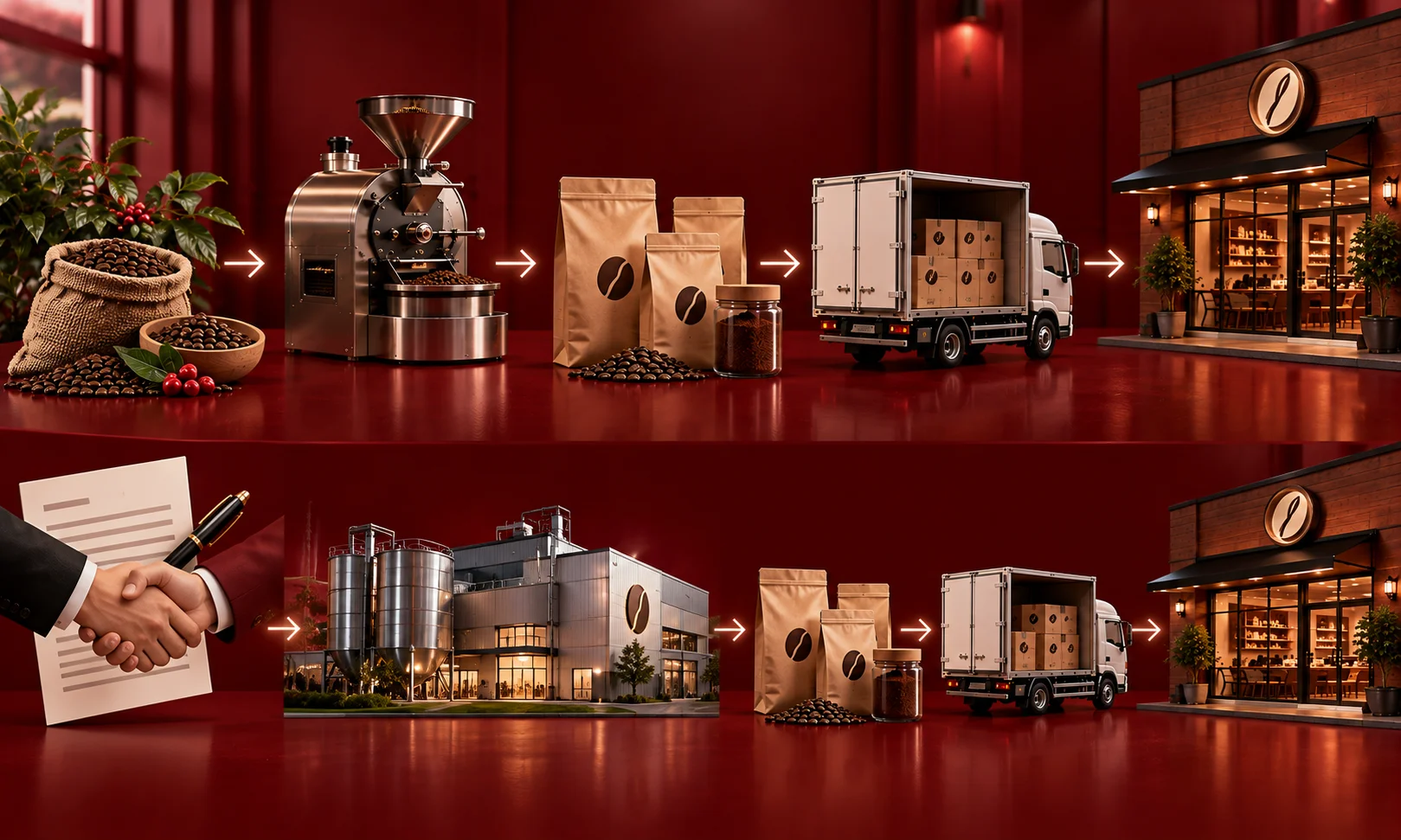
Vertical integration is a series of steps. A company may control all the processes from making to selling rather than depending on other sellers. If company makes all the things on its own rather than buying, then it could save the money that it has to give to seller and so profit margin will also be increased. A company can follow vertical integration in two ways which are as follows:
- By building new setup itself
- By buying an already made setup
Types of Vertical Integration
The three types of vertical integration are as follows:
Backward Integration
In backward integration, a company takes control from production of ingredients to the manufacturing of products. Apple is an example of backward integration.
Forward Integration
In forward integration company takes control from manufacturing of products to their selling. Nike is an example of forward integration.
Balanced Integration
It is the best type of integration. In it, the company takes control from the point of production of ingredients to selling of products. Tesla is an example of balanced integration.
Vertical Integration vs. Horizontal Integration
| Feature | Vertical Integration | Horizontal Integration |
| Simple Meaning | A company takes control of different stages of its supply chain. | A company combines with another company at the same stage of production. |
| Main Goal | Gain more control over suppliers, production, distribution and sales. | Increase market share and reduce competition. |
| Direction | Moves backward toward suppliers or forward toward customers. | Expands across the same level of the supply chain. |
| Example | A clothing company starts producing its own fabric and sells through its own stores. | One clothing company buys another clothing company. |
| What It Controls | Different stages of production and distribution. | Similar products, services, or businesses. |
| Main Benefit | Better supply chain control and efficiency. | Greater market presence and economies of scale. |
Why Companies Use Vertical Integration
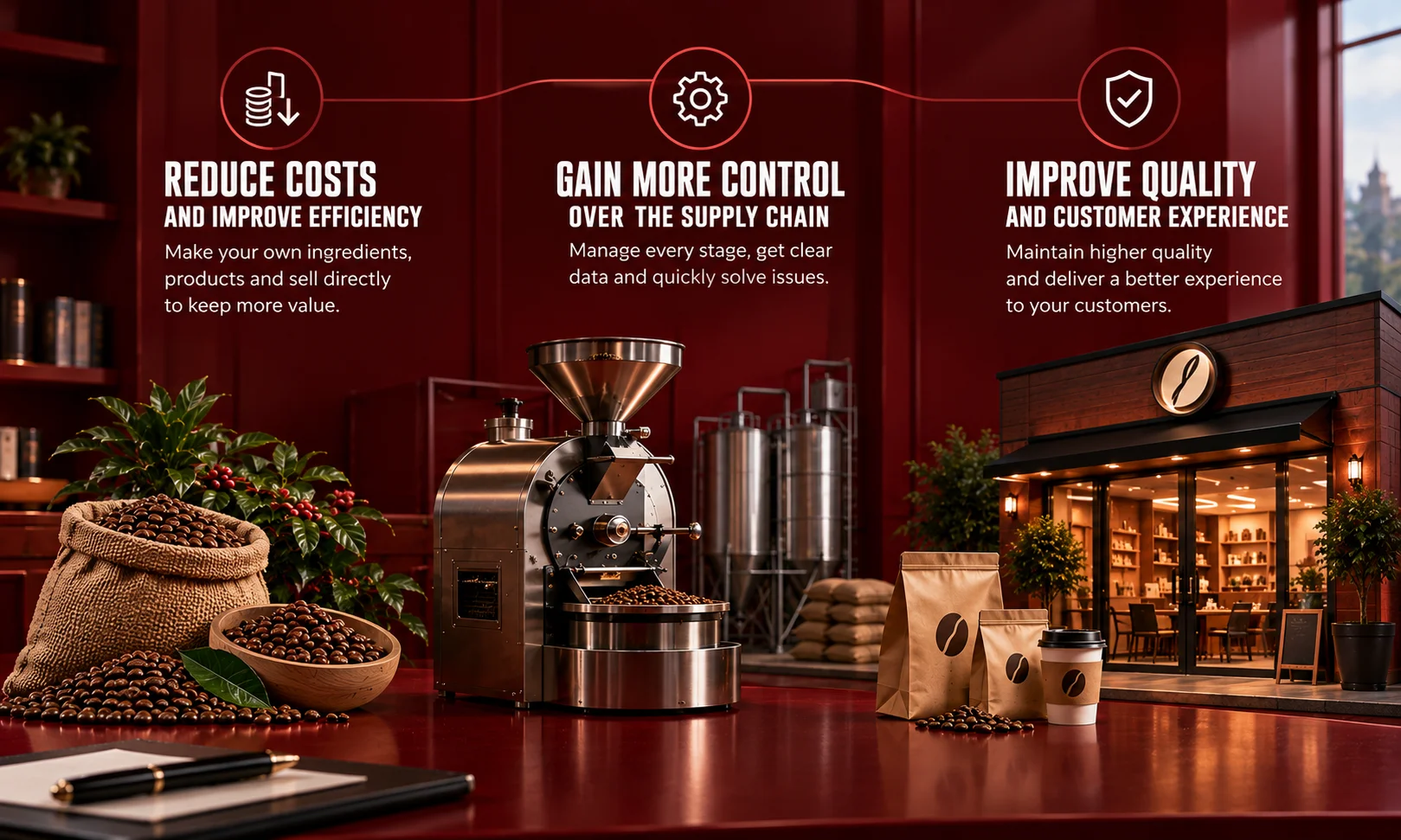
Companies use vertical integration for the following purposes:
Reduce Costs and Improve Efficiency
If a company manufactures its ingredients itself, then it will save the money that it has to pay to a seller to buy ingredients and if a company manufactures its products itself and also sells through its own shops, then it will get greater profit, as the ammont which has to be given to seller is saved. And if it has balanced integration then it works on its own. It has nothing to buy, so imports are reduced to zero and exports increase.
Gain More Control Over the Supply Chain
Companies can hold the supply chain firmly and have all the control. This will make the data clear and easy to understand any issue and check for corruption.
H3: Improve Quality and Customer Experience
Vertical integration can also help in improving quality.
Degrees of Vertical Integration
Full Vertical Integration
It means company controls most of the stages.
Partial or Quasi Vertical Integration
It means the company controls only some stages of the supply chain.
Contracts and Strategic Partnerships
A company does not own another stage of the supply chain but works closely with another business through contracts or strategic partnerships.
Drawbacks and Risks of Vertical Integration
- Vertical integration can require a large amount of money to buy or build new operations.
- Managing different stages of the supply chain can make the business more complex.
- A company may have less flexibility because it depends more on its own operations.
- A poor investment in another part of the supply chain can cause financial losses.
- The company may need more employees, equipment, and management resources.
- Managing many activities can take attention away from the main business.
- Changes in customer demand can make some integrated operations less useful.
How to Decide If Vertical Integration Is Right for a Business
- Check the costs of buying new equipment and the technologies required for integration.
- Check if the business has enough money and resources to support the investment for the long term.
- Check the skills of management team that they can handle additional operations or not.
- Consider market conditions, competition, and the availability of reliable suppliers.
- Make sure vertical integration supports the company’s business strategy and long-term goals.
- Consider if the efficiency and quality will improve with greater control over the supply chain
- Identify possible risks that may be present, including higher costs, operational problems, and reduced ability to adapt.
- Compare the benefits of greater control with the costs and risks before making decision.
Real-World Examples of Vertical Integration
Companies such as Apple, Nike, and Tesla use vertical integration by controlling many parts of their supply chain, from production and selling.
Vertical Integration and Business Efficiency
Vertical integration can improve business efficiency by giving a company more control over production, supply, and sales. It can lower costs, improve coordination, and help the company to respond more quickly.
Conclusion
Vertical integration can help a company gain more control and improve efficiency, but it is not suitable for every business. Companies should carefully compare the costs, benefits, and risks before adopting this strategy.
Frequently asked Questions
What Is an Example of Vertical Integration?
A clothing company that designs, manufactures, distributes, and sells its own clothes is an example of vertical integration. It controls multiple stages of its supply chain.
What Is the Difference Between Vertical and Horizontal Integration?
Vertical integration involves controlling different stages of the same supply chain. Horizontal integration involves combining with or acquiring another company at the same stage of production.
Is Vertical Integration Profitable?
Vertical integration can be profitable when it helps reduce costs, improve efficiency, or increase control over the supply chain. However, it also requires significant investment and management.
When Does Vertical Integration Make Sense?
It can make sense when a business wants more control over its supply chain, reduce dependence on suppliers, improve efficiency, or manage product quality more closely.
What Are the Main Benefits and Drawbacks of Vertical Integration?
The main benefits include greater supply chain control, improved efficiency, and potentially lower costs. Drawbacks can include high investment, increased management responsibilities, and less flexibility.