Did you open your phone today, look at your investments, and just feel your stomach drop?
If your screen is full of red numbers, do not worry too much, because pretty much everyone is in the exact same boat today.
This latest AI stock market crash has freaked out a lot of people, and everyone is asking what on earth happened to big names like Nvidia, AMD, and SoftBank.
The quick story is pretty simple: people sold off to take their cash out, expectations got way too high, and supply issues caught up with everyone in September 2026. Folks who made good money on tech are hitting pause right now to see what is real and what was just big talk.
AI Overview
The recent AI stock market crash in September 2026 came from big sell-offs in major stocks like Nvidia, AMD, and SoftBank. People got nervous about high prices, factory supply limits, and slow profits. BrandClickX analysis shows this is really just a normal market cooling off, not the end of tech companies.
What Caused the September 2026 AI Stock Market Crash?

Remember just a few months ago when nobody could stop talking about buying tech stocks? Every time a company put out news, it felt like a giant party, and prices just kept going up every single day.
Well, every party comes to an end eventually, and that is pretty much what we are seeing happen right now.
Prices Just Got Way Too High for Their Own Good
When prices jump up too fast, even good news is not enough to keep people happy. Nvidia and AMD were expected to be 100% perfect, so even the smallest bump in the road was going to cause panic.
When big money managers decided it was time to cash out their gains, prices dropped real quick. Regular folks saw the drop, got scared, and started selling off their shares too, making the whole thing worse. When fear takes over, even great sales numbers cannot keep people from running for the exits.
Factory Limits Made Growth Hit a Hard Wall
You can have a line of customers wrapped around the block, but it does not matter if your store is out of stock. The companies making these computer parts ran straight into factory limits this quarter, which hurt their growth plans.
The big production plants simply could not build chips fast enough to keep up with what people wanted. Without enough physical parts to sell, companies had to lower what they promised to make next quarter.
Wall Street hates bad news about future money, so people moved their cash out fast.
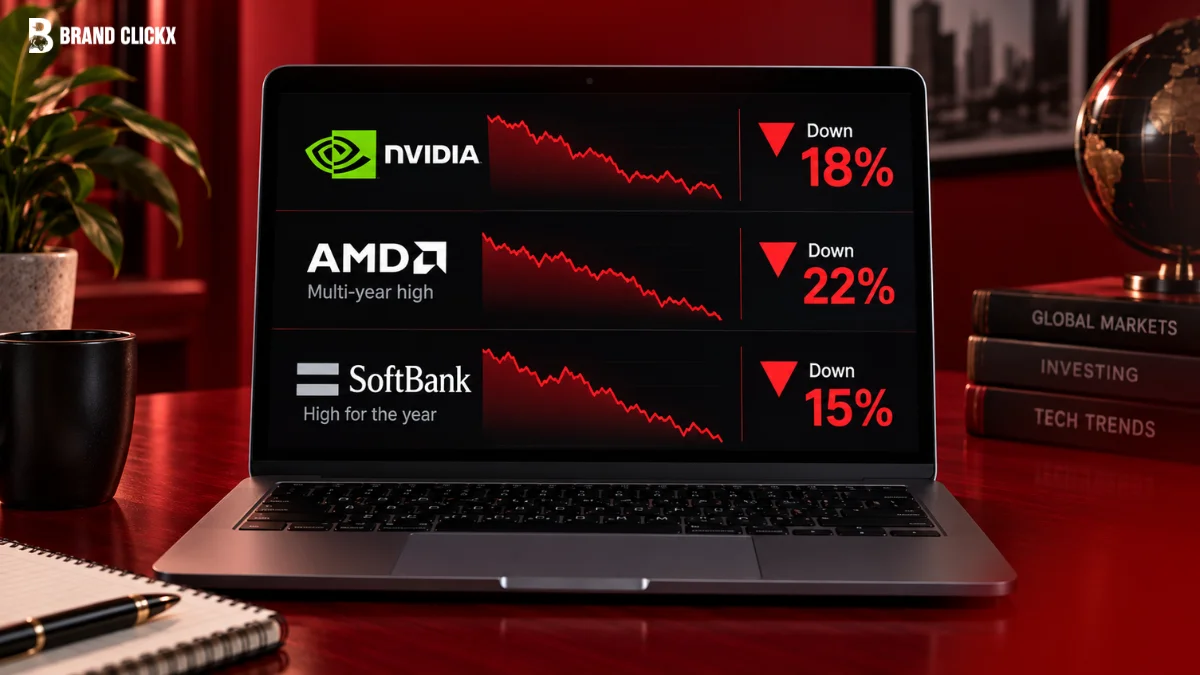
| Tech Company | Highest 2026 Price | September Drop | Main Reason for the Drop |
| Nvidia | All-time high | Down 18% | Hard to grow faster and price was too high |
| AMD | Multi-year high | Down 22% | Tough competition and factory delays |
| SoftBank | High for the year | Down 15% | Big money stuck in struggling startups |
Big Investors Moved Their Money to Safer Places
Big money guys do not wait around when things start to slow down.
In early September 2026, huge investment funds started moving billions away from risky tech names. They quietly moved that money into steady companies, utility bills, and safe government bonds.
That pulled a ton of cash right out of the tech space almost overnight. With less cash floating around, every single sell order made prices drop way faster than usual.
Breaking Down the Big Three: Nvidia, AMD, and SoftBank
It helps to look at these three one by one so you can see why this hit them so hard. Even though they are all in tech, their actual problems are pretty different from each other.
Nvidia: The Top Dog Facing Crazy High Expectations
Nvidia has been the absolute favorite child of this whole tech trend for years now. But when you are sitting right at the very top, even a tiny bit of wind feels like a giant storm Even though they still have mountains of cash in the bank, people got nervous because their super fast growth slowed down just a little bit.
When your stock is priced super high, just doing “good” is not enough for Wall Street. You have to blow everyone away every three months, or people treat it like bad news. They are still making crazy money, but things are just settling back down to normal speed. Slowing down is normal for any business, but stock prices usually drop hard when it happens
AMD: Getting Knocked Down in the Crossfire
AMD worked super hard over the last few years to take customers away from older chip makers. Sadly, when an AI stock market crash happens, scared people sell everything without looking closely.
When big funds sell off tech, they just dump all chip companies at once, so AMD got beat up too
AMD also had to deal with big buyers asking for lower prices on big orders. That meant they made a little less profit per chip, giving short-sellers a reason to push the price down.
Even with the price falling today, AMD is still super important for data centers across the world. Their business is still fine, but it is just really hard to fight against a scared market right now.
SoftBank: The Startup Money Issues
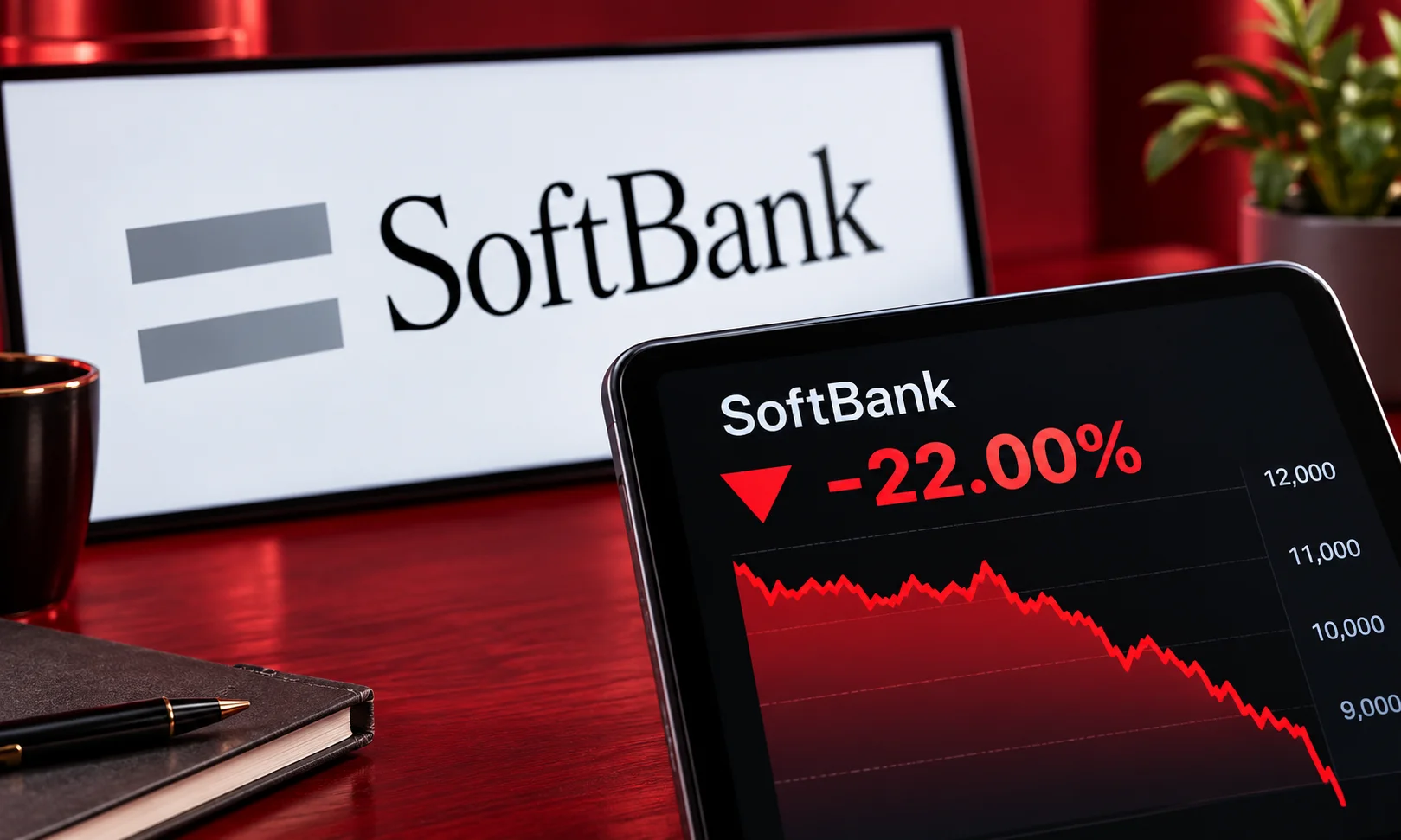
SoftBank threw huge piles of money at tons of small tech startups over the last few years. With interest rates staying up and startups spending money fast, those small companies lost value quickly.
SoftBank’s price drop is really about small software companies struggling, not factory chip problems. People buying stocks right now want to see real profits, not just promises about the future. A lot of companies SoftBank backed spend tons of cash on gear without making enough back from real users.
That forced SoftBank to take losses on paper, which made investors want to sell their shares and run. Unlike companies making real physical gear, venture money cannot just switch gears when people get scared.
Is the Tech Market Really Crashing for Good?
People love using big dramatic words like “disaster” or “wreck” whenever prices fall down.
But if you take a step back and look at how markets work, drops like this happen all the time and are totally normal. Prices cannot just go straight up forever without making things way too expensive and unsafe.
What We Learned from Older Market Drops
Think back to how tech went through ups and downs over the past few years. Normal market pullbacks clean out the bad ideas while leaving the real, solid companies standing strong.
Based on available data, companies that make real money almost always bounce back once people stop panicking. Back in the old dot-com days, companies with zero sales were selling for crazy high prices just off hype.
Today, market leaders like Nvidia and AMD bring in billions of actual cash dollars every single quarter.
That is why this current drop is just a price fix, not a total business collapse.
- Scared Selling: People sell good companies along with bad ones just out of fear.
- Price Fixing: Stock prices fall back down to normal, reasonable levels that make sense.
- Buyers Return: Patient people step back in once prices look cheap again.
Real Use vs. Daily Stock Market Gossip
It is super important to keep stock prices separate from how people use tech in real life.
Even while stock charts look ugly today, real businesses are using tech tools more and more every single day. Companies everywhere are still buying gear to automate boring tasks and cut down on work.
The actual building of modern tech gear is going to keep happening no matter what the stock market does today. People who mistake daily price jumps for real-world trends usually sell out at the absolute worst moment. Keeping these two things separate makes it way easier to stay cool when headlines look bad.
How to Handle This Downturn Without Losing Your Mind

Watching your money drop is never fun, but panicking almost always makes things ten times worse. Taking a deep breath and looking at simple facts will help you make way better decisions.
At BrandClickX, we always tell folks to focus on long-term facts instead of daily market noise.
Simple Rules for Wild Markets
- Do Not Panic Sell: Try not to sell off good stuff just because prices had a bad week.
- Skip Risky Bets: Stay far away from fast options bets when prices are bouncing all over the place.
- Spread Things Out: Keep your money in different kinds of businesses so one bad sector does not hurt as much.
- Watch Real Sales: Look at real company earnings reports instead of listening to scary news talk.
Stick with Companies That Have Real Money
Look closely at companies that have big piles of cash and very little debt to pay off. Businesses making real profits usually get through tough times way better than visual hype projects. When an AI stock market crash hits, having real cash in the bank keeps good companies safe.
Check if a company has to pay off big loans soon before you decide to buy more or sell out. Companies with clean balance sheets can pay for their own work without needing to borrow expensive money. That money safety turns into a huge advantage when the rest of the market freezes up.
Do Not Rush to Buy Every Single Dip
It is super easy to get tempted to buy the second a famous stock drops 10 or 15 percent.
But market drops usually take weeks or even months to settle down and find a solid floor.
Throwing all your cash into a falling stock can leave your money trapped for a while.
If you really want to buy, try putting in small bits of cash over time instead of all at once.
Spreading your buys out over a few weeks keeps you safe if prices keep sliding down.
Being patient pays off way more often than rushing in to grab a falling stock.
What Should We Expect for the Rest of 2026?
The rest of 2026 is probably going to be a bit of a bumpy ride for tech investors.
Once the initial scare wears off, buyers will slowly come back to look for good deals on cheap stocks.
Knowing how these cycles work makes it way easier to handle the ups and downs.
Real Businesses Are Still Buying Tech
Even though stock prices are bouncing around crazy, regular businesses are still setting up automation daily.
Companies all over the world are buying parts and software to make their day-to-day work easier and cheaper.
The basic need for fast computer power has not just vanished overnight.
Big business contracts usually last for years, so companies do not cancel them just because stock prices dropped.
As these tools get set up, real business savings will start showing up on official reports.
Those real savings will eventually help stock prices find a floor and build back up again.
Electric Power and Rules Are Big Issues Now
Aside from stock prices, tech companies are running into real problems with power and government rules.
Giant computer centers need crazy amounts of electricity, and local power grids are struggling to keep up.
Power networks in big tech towns are hitting hard limits, delaying new setups from opening on time.
The companies that figure out how to save power will probably be the ones leading the next big run up.
At the same time, governments are watching big tech deals way closer than they used to.
Sorting out those government rules takes time, which slows down growth just a little bit more.
Companies Are Spending Cash More Carefully Now
Big tech spent astronomical amounts of money over the last three years building out gear.
Now, company bosses are asking tough questions about whether that money is actually making profits back yet.
Shifting from spending freely to being careful with cash is slowing down new buy orders a bit.
While that hurts chip sales right now, it makes the whole market much healthier in the long run.
Companies that bring real value to their users will keep doing great once spending normalizes.
If you want to keep your head cool and your money safe, staying updated with clear guides on BrandClickX will help you navigate these crazy changes with ease.
Wrapping It All Up
Seeing your favorite stocks drop during an AI stock market crash is definitely not fun to watch.
It is totally normal to feel a little stressed when massive names like Nvidia, AMD, and SoftBank take a fast dip at the exact same time.
Just remember that market pullbacks are just a normal part of how money moves over time.
If you look past the crazy daily news and stick to a steady plan, handling these tech drops gets way easier.
Frequently Asked Questions
What caused the AI stock market crash in September 2026?
Super high prices, people selling to take profits, and factory delays caused a fast drop across major tech and chip stocks.
Should I sell my Nvidia and AMD stocks right now?
Selling out during panic drops is usually a bad idea; checking long-term profits and your own goals is a much safer move.
How long do tech market drops usually stick around?
Most of the time, tech pullbacks last anywhere from a few weeks to a few months before finding a solid bottom based on real earnings.
Is SoftBank hurting for the same reason as Nvidia?
No, SoftBank is mostly hurting because small private startups lost value, while Nvidia is dealing with high expectations and factory limits.
Will tech stocks bounce back before 2026 ends?
While a full comeback depends on the general economy, solid companies with real profits almost always bounce back over time.