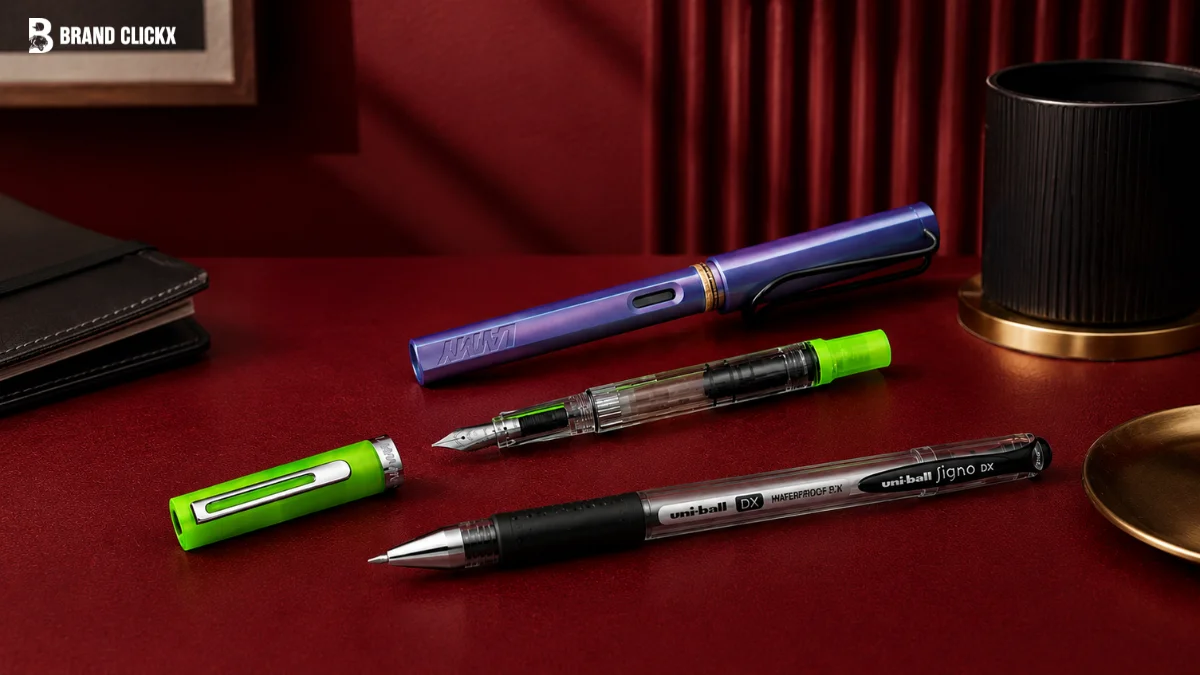
The right pen can make journaling enjoyable. A good journal pen should write smoothly, feel comfortable in the hand and give you a clean line without difficulty.
I checked a large number of famous pens and compared their use in different journaling styles. Some are better for fast daily writing while others are made for small handwriting, colorful pages or a slower fountain-pen experience.
Quick Picks: Best Pens for Journaling
| Pen | Best For | Pen Type | Tip Size | Main Strength |
| Uni-ball Jetstream RT | Best Overall | Ballpoint | 0.7 mm | Smooth writing and quick-drying ink |
| Pentel EnerGel | Best Gel Pen | Gel | 0.7 mm | Smooth, bright lines with little smudging |
| Uni-ball Signo DX | Best Fine Tip | Gel | 0.38 mm | Very fine and clean writing |
| LAMY Safari | Best Beginner Fountain Pen | Fountain | Fine/Medium and others | Comfortable grip and easy everyday use |
| TWSBI ECO | Best for Long Entries | Fountain | Multiple nib sizes | Large ink supply and refillable design |
1. Uni-ball Jetstream RT
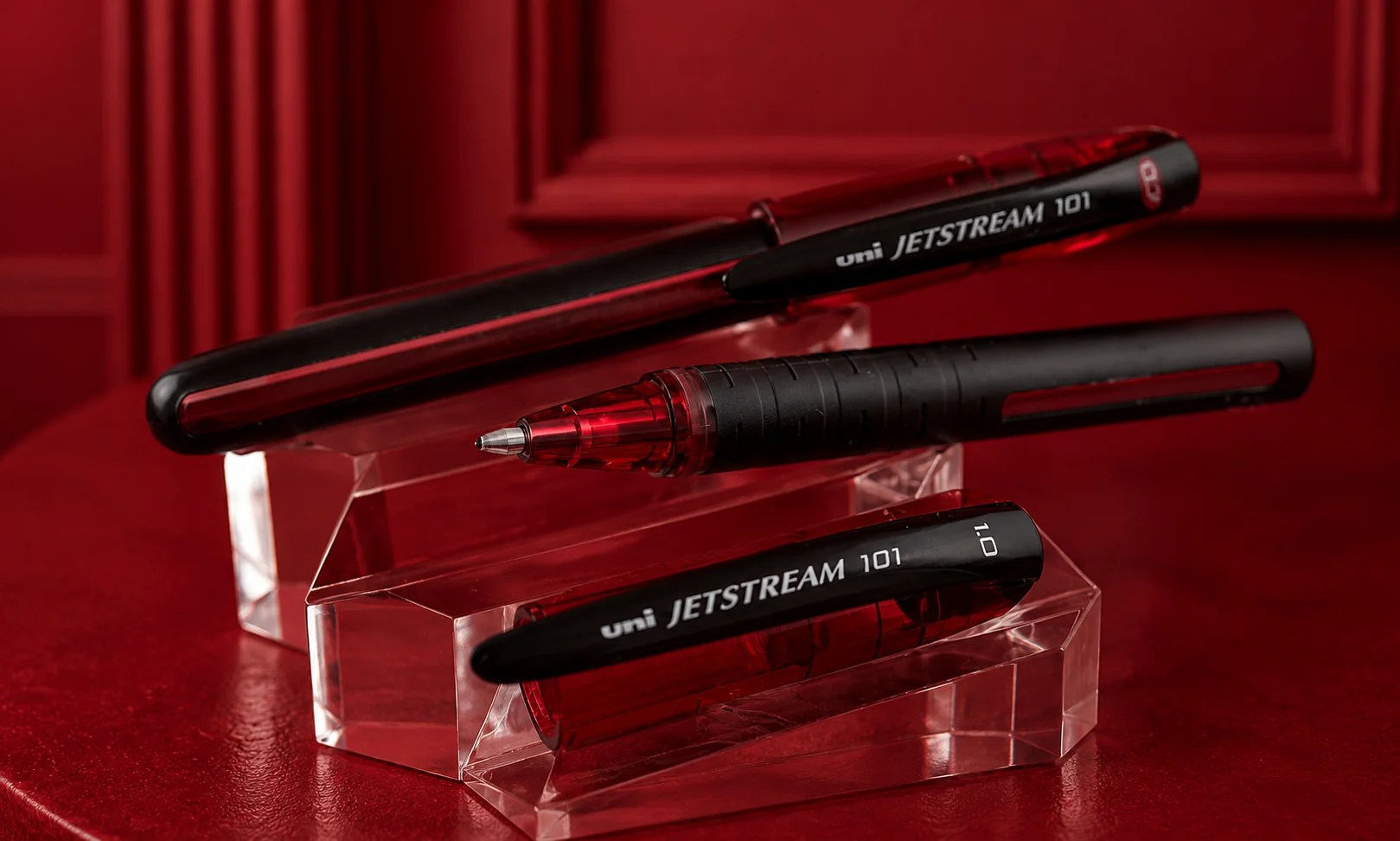
Best Overall
The Uni-ball Jetstream RT is the pen I would choose for most everyday journaling. I found it especially useful for people who simply want to open their journal and start writing without thinking much about the pen. The ink feels smoother than a normal ballpoint while the writing stays clean and controlled.
I like this one most for daily entries, morning notes, lists, and longer pages where speed matters. It is also a good choice if you often write on different types of paper. The 0.7 mm version gives a clear line without looking too heavy, making it a good middle ground for normal handwriting.
| What I Like | What I Don’t Like |
| Smooth writing for a ballpoint | The writing feel is less rich than a good fountain pen |
| Dries quickly | Not the best choice for very small handwriting |
| Dark, clear lines | Limited compared with gel pens if you want many bright colors |
| Good for long daily entries | The simple design may feel plain |
| Easy to use with little pressure | Thicker tip options can look too bold in small journals |
Key Specifications
| Specification | Details |
| Type | Hybrid ballpoint |
| Tip size | 0.7 mm |
| Available tip sizes | 0.38 mm, 0.5 mm, 0.7 mm, 1.0 mm |
| Ink | Hybrid low-viscosity ballpoint ink |
| Refillable | Yes |
| Best use | Everyday journaling |
2. Pentel EnerGel
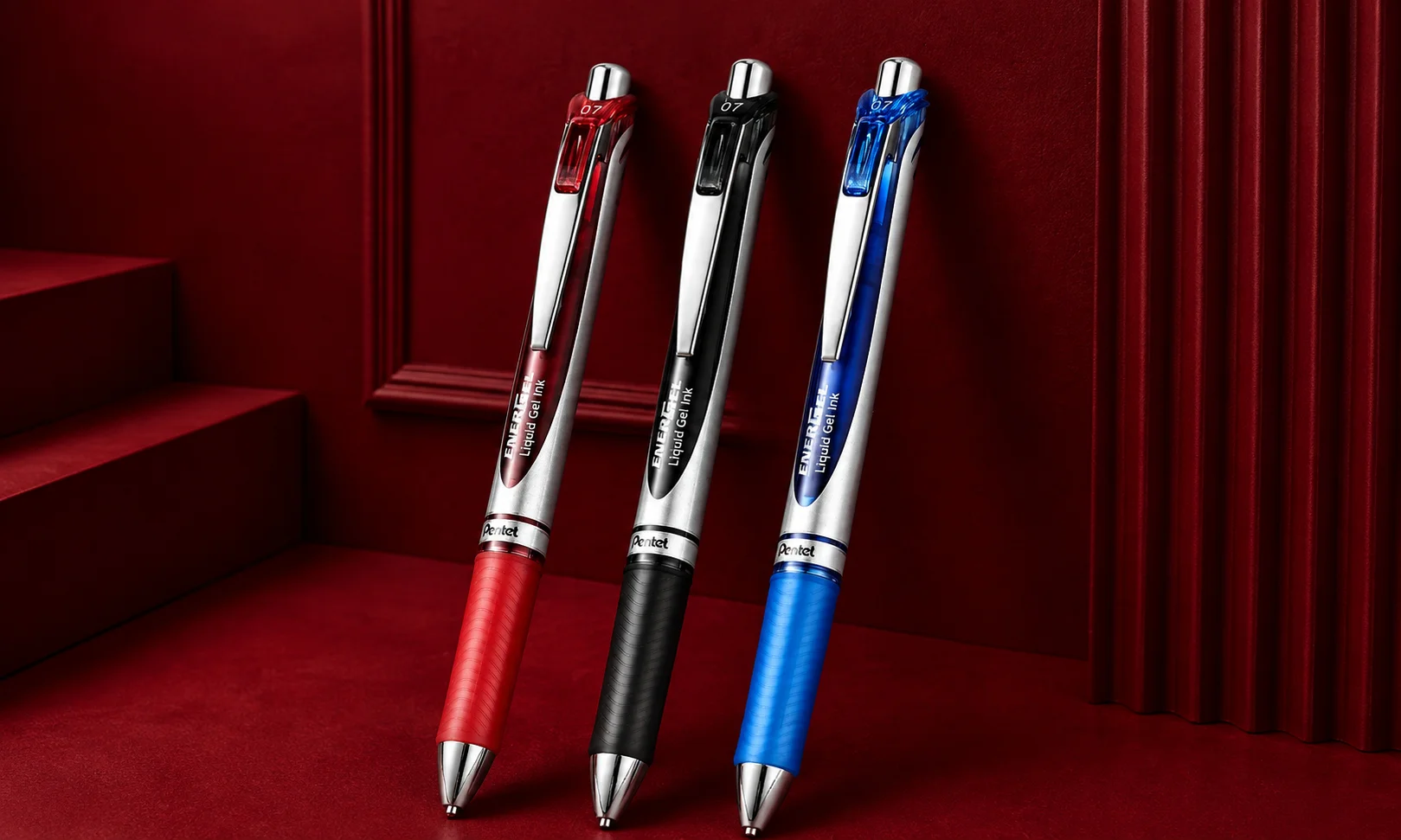
Best Gel Pen
I would pick the Pentel EnerGel when a journal needs a smoother and colorful writing style. I found that it gives the page a cleaner and lively look than a normal ballpoint while still being practical enough for everyday writing.
This pen makes the most sense for people who write for long periods or like using different ink colors in their journal. The grip also helps make longer writing sessions more comfortable. If you are left-handed or often move your hand across fresh writing, its quick-drying ink is another reason to consider it.
Things I Like and Don’t Like
| What I Like | What I Don’t Like |
| Very smooth writing | Gel ink can still behave differently on thin paper |
| Bright, clear lines | Some versions use more ink than a ballpoint |
| Comfortable grip | The 0.7 mm line may be too wide for tiny handwriting |
| Quick-drying ink | Not as simple as a basic ballpoint for rough use |
| Many ink colors | Color choices depend on the specific version |
Key Specifications
| Specification | Details |
| Type | Gel pen |
| Tip size | 0.7 mm |
| Approx. line width | 0.35 mm |
| Ink | EnerGel liquid gel ink |
| Refillable | Yes |
| Ink colors | Black, blue, red and other colors depending on model |
| Best use | Daily journaling and longer entries |
3. Uni-ball Signo DX 0.38 mm
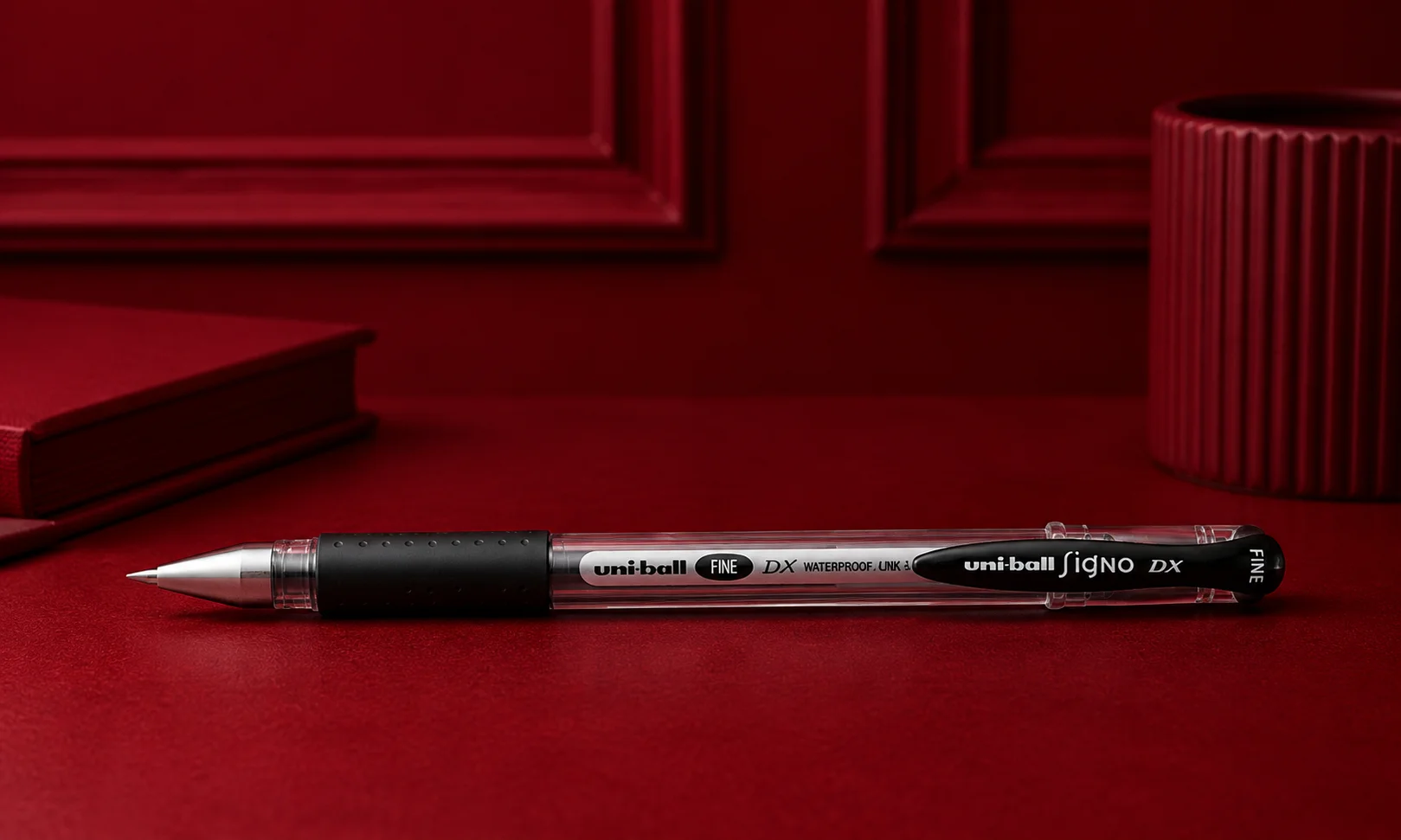
Best Fine Tip
I would choose the Uni-ball Signo DX 0.38 mm for small handwriting and journals with a lot of information on each page. I found its fine point much easier to control when writing small letters, narrow headings, or short notes around the main entry.
It is also a strong choice if you like to add different colors to your journal. The fine tip keeps those colors neat instead of making the page look crowded. I would choose it over a wider gel pen when page space is limited or when your handwriting naturally runs small.
Things I Like and Don’t Like
| What I Like | What I Don’t Like |
| Very fine and controlled line | Fine tips can feel less smooth than wider tips |
| Excellent for small handwriting | Requires a lighter touch |
| Many color choices | Not ideal if you prefer thick, bold writing |
| Good for detailed journal layouts | Fine points can feel more delicate |
| Rubber grip adds comfort | Less suitable for very fast, loose handwriting |
Key Specifications
| Specification | Details |
| Type | Gel pen |
| Tip size | 0.38 mm |
| Other tip sizes | 0.28 mm and 0.5 mm |
| Ink | Gel ink |
| Refillable | Refill options available |
| Best use | Small handwriting, notes and detailed journaling |
| Standout feature | Very fine writing line |
4. LAMY Safari
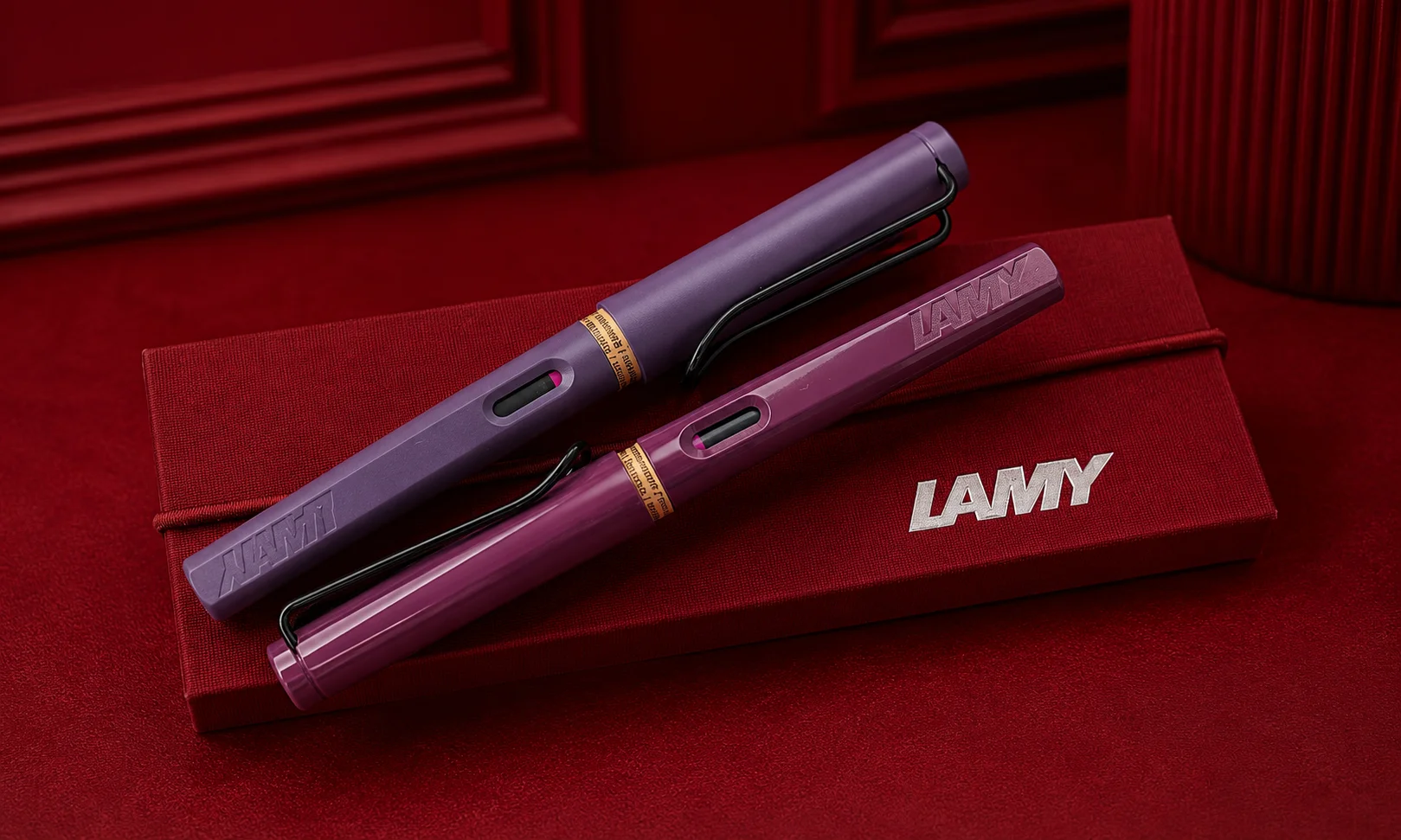
Best Beginner Fountain Pen
The LAMY Safari is the one I would pick for someone who wants journaling to feel slower and more enjoyable. I found that a fountain pen changes the way you write because you do not need to press down as hard as you do with many ballpoint or gel pens.
The Safari is also a good starting point because its grip is shaped to guide your fingers into a steady position. I like it for people who want to make journaling more of a routine instead of simply writing as fast as possible. The main problem is that fountain-pen ink requires more attention to paper choice than regular ballpoint ink.
Things I Like and Don’t Like
| What I Like | What I Don’t Like |
| Comfortable guided grip | Needs more care than a normal ballpoint |
| Light body | Fountain ink can show through thin paper |
| Interchangeable nibs | Not the best choice for every type of journal paper |
| Many colors and finishes | Requires ink cartridges or bottled ink |
| Good entry into fountain pens | Writing can take longer to dry depending on ink |
Key Specifications
| Specification | Details |
| Type | Fountain pen |
| Length | 144 mm |
| Weight | 16 g |
| Nib options | EF, F, M, B and LH |
| Body | Impact-resistant ASA plastic |
| Filling | Cartridge or converter |
| Included ink | One blue cartridge |
| Best use | Reflective and everyday journaling |
5. TWSBI ECO
Best for Long Journaling Sessions
The TWSBI ECO is the pen I would choose if you write long journal entries and do not want to refill the pen often. I found its main appeal is not simply the writing feel but how well it fits people who write many pages at a time.
It is a piston-filling fountain pen, so you fill it directly with bottled ink instead of depending on small cartridges. That makes it especially useful for regular journal writers who already know they enjoy fountain pens. I would choose it after the LAMY Safari rather than as a first-ever fountain pen because its filling system adds another step to the experience.
Things I Like and Don’t Like
| What I Like | What I Don’t Like |
| Large ink capacity | Bottled ink is less convenient than cartridges |
| Good choice for long entries | Filling the pen takes more work |
| Refillable design | Needs more cleaning and care |
| Interchangeable nib options | Larger body may not suit every hand |
| Excellent for regular fountain-pen users | Not ideal if you want a completely maintenance-free pen |
Key Specifications
| Specification | Details |
| Type | Fountain pen |
| Filling system | Piston |
| Ink source | Bottled ink |
| Nib | Steel, multiple sizes available |
| Refillable | Yes |
| Best use | Long journal entries and regular writing |
| Standout feature | Large ink capacity |
How We Chose the Best Journaling Pens
I did not choose these five simply because they are popular pens. I looked at what actually matters when we use a pen for journaling.
Writing comfort:
A journal can write several pages at one time so the pen should feel comfortable during longer writing.
Ink flow:
A good pen should start easily and keep the ink moving without skipping or hard points.
Tip size:
Small tips are useful for small handwriting while wider tips makes normal writing look darker and smoother.
Drying time:
Fast drying ink is useful for people who write on page quickly and especially left-handed writers.
Paper behavior:
A pen can work perfectly on one journal and perform poorly on another. Thin paper is especially important while choosing gel or fountain pens.
Refill options:
For someone who journals every day, being able to refill the pen can save money and prevent the need to buy new pens.
Final Picks
For most people,you should start with the Uni-ball Jetstream RT because it is simple, smooth and easy to use.
If you want gel ink, the Pentel EnerGel is my choice. For very small handwriting, I would choose the Uni-ball Signo DX 0.38 mm.
The LAMY Safari is the better choice for people who want to make journaling more of a writing practice. If you already enjoy fountain pens and write long entries, the TWSBI ECO is the stronger choice.
Buying Checklist: What to Look for in a Journaling Pen
Before buying a pen for journaling, check these simple points:
Tip size:
Choose 0.38 mm or 0.5 mm if you write small. A 0.7 mm tip is better for larger, darker writing.
Ink type:
Ballpoint ink is usually easy and quick to use. Gel ink feels smoother while fountain-pen ink gives a more traditional writing feel.
Drying time:
If you write quickly or are left-handed, look for ink that dries fast.
Paper quality:
Check your journal paper before choosing a pen. Thin paper can show ink on the other side or cause it to spread.
Comfort:
A good journal pen should feel comfortable after several minutes of writing.
Grip:
Look for a grip that keeps your fingers relaxed instead of forcing you to hold the pen tightly.
Refills:
If you journal often, a refillable pen can be more useful than constantly buying new pens.
Ink color:
Black is best for simple daily entries, while blue and other colors can help with headings, notes and creative layouts.
Weight:
A very heavy pen can become tiring during long entries. A lighter pen may be easier for everyday use.
Your writing style:
The best pen for small, neat writing may not be the best pen for large or fast handwriting.
Common Mistakes When Buying a Journaling Pen
Choosing a Tip That Is Too Wide
A thick tip can make small handwriting look crowded. Start with a finer point If your writing book has narrow lines or you write small.
Ignoring Your Journal Paper
A pen can feel great but still perform badly on certain paper. Ink that works well on thick paper may bleed or show through thin pages.
Buying Only for Looks
A nice-looking pen is not always comfortable for long writing sessions. Check the grip, weight and ink flow before making your choice.
Picking a Fountain Pen Too Quickly
Fountain pens can be great for journaling, but they need more care than ordinary pens. If you want something that works immediately with little maintenance, a ballpoint or gel pen may be easier.
Forgetting Drying Time
Wet ink can smear when you close the journal or move your hand over fresh writing. This matters even more for left-handed writers.
Using One Pen for Every Job
You do not always need the same pen for everything. A fine pen can be better for small notes, while a smoother wider pen may be better for writing several pages.
Ignoring Refill Costs
A cheap pen may become less attractive if you use it every day and need to replace it often. For regular journaling, refillable pens can make more sense.
Frequently Asked Questions
What is the best pen for journaling?
For most people, I would choose the Uni-ball Jetstream RT. It is smooth, easy to use and works well for everyday journal writing.
Is gel or ballpoint better for journaling?
It depends on what you want. Gel pens usually give a smoother and more colorful writing experience, while ballpoints are often easier to use quickly and tend to dry fast.
What pen size is best for journaling?
A 0.5 mm or 0.7 mm tip is a good starting point for normal handwriting. If you write very small, a 0.38 mm tip can give you better control.
Do expensive pens write better?
Not always. A more expensive pen can offer better materials, construction or a different writing experience, but price alone does not decide how well a pen will suit your handwriting.
Can I use these pens in any journal?
Not necessarily. Paper makes a big difference. Before using a new pen throughout your journal, test it on a few pages or on a similar sheet of paper to check for bleeding, show-through and smearing.