

Choosing the right tires is one of the most important decisions you can make for your vehicle.
Tires affect braking, handling, ride comfort, road noise and, in some cases, fuel economy. Yet many drivers simply replace worn tires with whatever fits their budget or is available nearby.
The right tire depends on more than size. Your driving habits, weather, road conditions, tire design, load index, speed rating and budget all matter.
This guide explains the key factors in simple language so you can choose the right tires for your vehicle and driving needs.
Why Choosing the Right Tires Matters
A car’s engine, transmission, suspension and brakes all play important roles in how it drives. But none of those systems can work properly if the tires cannot maintain reliable contact with the road.
Think about what happens when you brake suddenly on a wet road.
The brakes create the stopping force, but the tires have to transfer that force to the road. If the tires have poor wet grip, excessive wear or an unsuitable tread design, stopping performance can suffer.
Same Principle On Steering
The steering wheel tells the vehicle where to go, but the tires determine how effectively that movement reaches the road.
This is why choosing tires should be viewed as a safety and performance decision rather than simply a shopping decision.
The right tires can help provide:
- Better road grip
- More predictable braking
- Improved cornering stability
- Better wet-weather performance
- Lower road noise
- A smoother ride
- Better fuel efficiency in some applications
- Longer service life
- Greater confidence behind the wheel
The wrong tires can create the opposite experience.
They may be noisy, uncomfortable, inefficient or poorly suited to the conditions in which you drive.
A cheap tire is not automatically a bad tire, just as an expensive tire is not automatically the right tire. The important question is whether the tire matches your vehicle, driving style, road conditions and expectations.
Start With the Tire Size
Before comparing brands, tread patterns or prices, find out exactly what tire size your vehicle requires.
The size is usually printed on the sidewall of the existing tire. You may see something similar to:
195/65 R15 91H
At first glance, this looks like a random collection of numbers and letters. It is not. Each part provides important information.
Understanding the Tire Size Code
- 195 refers to the tire’s width in millimeters.
- 65 is the aspect ratio. It means the sidewall height is 65% of the tire’s width.
- R indicates radial construction, the standard construction used on modern vehicles.
- 15 refers to the wheel diameter in inches.
- 91 is the load index.
- H is the speed rating.
Changing one part of this specification can affect how the vehicle behaves.
For that reason, drivers should not simply buy a tire because its diameter appears to match the wheel.
The safest starting point is always the vehicle manufacturer’s recommended specification.
You can normally find the recommended tire size in several places, including the vehicle owner’s manual, the driver’s door-jamb label or the existing tire sidewall.
If your vehicle has more than one approved tire size, check the manufacturer’s specifications before making a choice.
Do Not Choose a Tire Based Only on Appearance
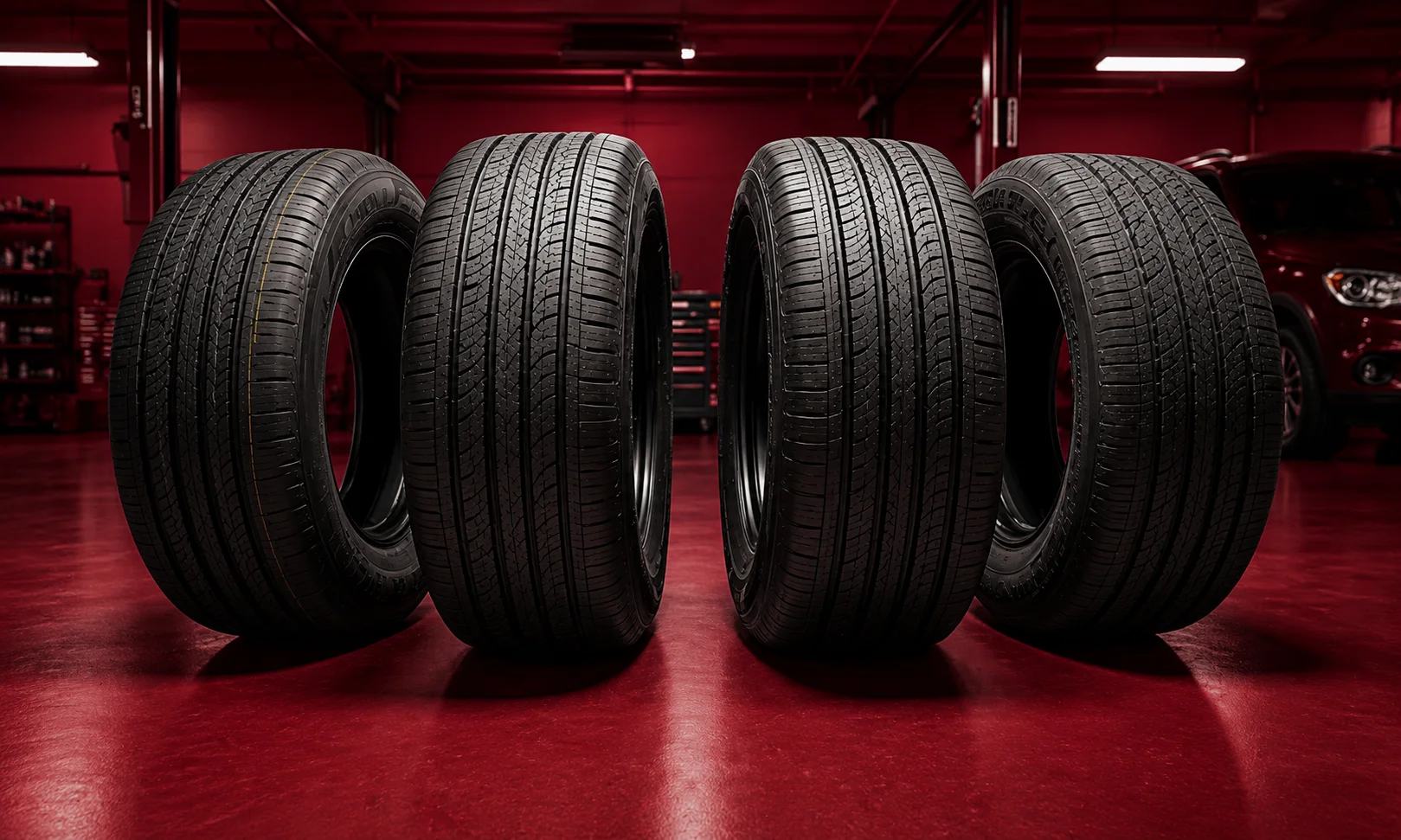
A common mistake is choosing a tire because it looks aggressive.
Large tread blocks, unusual patterns and wide sidewalls can make a vehicle look more capable. But appearance does not tell you everything about how a tire will perform.
A tire designed for performance may produce more road noise than a comfort-focused tire.
A tire with a stiff sidewall may provide sharper steering response but transmit more bumps into the cabin.
A tire designed for long mileage may prioritize durability over sporty handling.
This is why tire selection should begin with function rather than appearance.Ask yourself what you actually want the vehicle to do.
If your main goal is comfortable daily driving, look for tires designed around comfort, low noise and predictable wet and dry grip.
If you drive long highway distances, durability, stability and fuel efficiency may matter more.
If you regularly drive on rough roads, sidewall strength and resistance to damage may become more important.
Match the Tire to Your Driving Habits
There is no single tire that is perfect for every driver.
Your driving habits can completely change which tire makes the most sense.
A person who drives 10 kilometers through a city each day has different needs from someone who drives 100 kilometers on highways.
Before buying tires, think about where your vehicle spends most of its time.
City Driving
City driving involves frequent acceleration, braking, turning and stopping.You may also encounter potholes, speed bumps, broken road surfaces and uneven pavement.
For this type of driving, a good tire should offer:
- Reliable wet and dry grip
- Comfortable ride quality
- Good resistance to everyday wear
- Reasonable road noise
- Strong enough sidewalls for local road conditions
Ultra-high-performance tires are usually unnecessary for an ordinary city commuter.A well-designed touring or all-season tire may provide a better balance.
Highway Driving
Highway drivers often spend long periods at relatively high speeds.Here, stability becomes particularly important.
Look for tires that provide:
- Good straight-line stability
- Strong wet braking
- Consistent handling
- Reasonable road noise
- Long tread life
- Appropriate speed and load ratings
If you regularly travel long distances, investing in a quality tire can make a noticeable difference in comfort and confidence.
Rough or Rural Roads
Drivers who frequently travel on poor roads have a different set of priorities.Potholes and rough surfaces place considerable stress on tires and wheels.
In these conditions, a tire with a suitable sidewall design and adequate load capacity can be more useful than a tire chosen purely for maximum cornering performance.
However, no road tire is immune to severe pothole damage. Driving carefully over damaged roads remains important.
Spirited Driving
Some drivers want sharper steering response and stronger cornering performance.
Performance-oriented tires can provide this, particularly when paired with a suitable vehicle and suspension setup.
The trade-off is that some performance tires can be more expensive, wear faster and produce more noise.
They may also perform differently in very cold or wet conditions depending on their compound and design.
The key is to buy performance that you will actually use.
Weather Should Influence Your Tire Choice
Road conditions change dramatically with temperature and weather.
A tire that performs well on a dry road may not offer the same level of grip when the road becomes wet.
This is why climate should be part of the decision.
For many drivers in warm climates, a quality all-season or touring tire may provide a practical balance.
In areas with heavy rainfall, wet-weather performance deserves extra attention.
In regions with very hot temperatures, tire construction and compound durability can also become important.
In colder climates, dedicated winter tires may be necessary because winter compounds and tread designs are developed to remain more effective at low temperatures.
Tires for Wet Roads
Water creates a major challenge for tires.
When a tire travels over standing water, its tread needs to move that water away from the contact patch.
If enough water remains between the tire and road, hydroplaning can occur.This can reduce steering control and traction.Tread grooves and channels are therefore important.
A tire with an effective water-evacuation design can help maintain contact with the road during wet conditions.However, tread design alone cannot eliminate hydroplaning.Speed, water depth, tire condition and road surface all matter.
The best protection is to maintain properly inflated tires, replace badly worn tires and reduce speed when water is present.
Understand Tread Patterns
Tread is one of the most visible parts of a tire, but many drivers do not understand what the pattern is designed to do.
Different tread designs create different performance characteristics.
Symmetrical Tread
Symmetrical patterns use similar tread blocks across the tire.
They are often associated with:
- Quiet operation
- Even wear
- Long service life
- Predictable handling
- Easy tire rotation
They can be a sensible choice for everyday passenger vehicles.
Directional Tread
Directional tires are designed to rotate in a specific direction.
Their tread pattern often resembles an arrow or V shape.
This design can help channel water away from the tire and may be useful in wet conditions.
However, directional tires must be installed correctly.
If the tire is mounted in the wrong rotational direction, its intended performance can be affected.
Asymmetrical Tread
Asymmetrical tires use different tread designs on the inner and outer portions of the tire.
The outside may focus more on cornering stability, while the inside can be designed to improve water evacuation.
This allows manufacturers to balance multiple performance characteristics within one tire.
Asymmetrical tires must also be installed according to their marked orientation.
Tread Depth Is Only Part of the Story
Many people assume that a tire is safe as long as it still has visible tread.
That is not always enough.
Tire performance can change as the tread wears.
Wet-weather performance can become weaker as grooves become shallower. Uneven wear can also indicate problems with wheel alignment, suspension or tire pressure.
Look for:
- Uneven tread wear
- Cracks
- Bulges
- Cuts
- Exposed cords
- Excessive wear
- Strange vibration
- Repeated air-pressure loss
If you notice any of these signs, have the tires inspected.
A tire can look acceptable from a distance while having a serious problem.
Load Index: How Much Weight Can the Tire Carry?
The load index is another specification that should never be ignored.
It tells you the maximum load the tire is designed to carry under specified conditions.
For example, a tire marked with a particular load index has a corresponding maximum load capacity listed in tire industry specifications.
The number itself is not the weight in kilograms. It is a coded value.
This means you should not guess what the number means.
Use the tire manufacturer’s load index chart or the vehicle manufacturer’s recommended specification.
The replacement tires should meet the vehicle’s required load capacity.
This is especially important for:
- SUVs
- Pickup trucks
- Large sedans
- Vehicles carrying heavy loads
- Vehicles used for long-distance travel
- Vehicles towing trailers
A tire with an inadequate load rating is not an appropriate upgrade simply because it fits the wheel.
Speed Rating Matters Too
The speed rating indicates the maximum speed capability of a tire under specified test conditions.
Letters such as H, V, W and Y are used for different speed categories.
You should follow your vehicle manufacturer’s recommended rating.
There is generally little reason for an ordinary commuter vehicle to use an extreme high-speed tire simply because it has a higher rating.
At the same time, installing a tire with a lower-than-recommended rating can create safety and performance concerns.
Your tire choice should therefore meet the requirements specified for your vehicle.
Remember that the speed rating is not a recommendation to drive at that speed.
It describes the tire’s capability under controlled conditions.
Choosing Between Budget, Mid-Range and Premium Tires
Price is one of the biggest factors when people buy tires.
The cheapest option can be tempting, especially when replacing four tires at once.
But the purchase price is only one part of the cost.
A tire can also affect:
- Fuel consumption
- Tread life
- Wet braking
- Ride comfort
- Road noise
- Maintenance
- Replacement frequency
Budget Tires
Budget tires are designed to keep the initial purchase price low.
That can make sense for drivers who have limited mileage or a vehicle that is not driven frequently.
However, buyers should still check the tire’s specifications, warranty, construction and reputation.
The cheapest tire should never be selected without considering safety and suitability.
Mid-Range Tires
Mid-range products can offer a useful balance between price and performance.
They may provide better refinement, durability and grip than the cheapest options without reaching the price of premium products.
For many everyday drivers, this category can be worth considering.
Premium Tires
Premium tire manufacturers spend heavily on research, materials, testing and development.
Their products may offer improvements in:
- Wet braking
- Handling
- Noise control
- Ride comfort
- Tread life
- Rolling resistance
But premium does not automatically mean better for every driver.
If your vehicle is mainly used for short city trips, you may not benefit enough from an expensive performance tire to justify its price.
The goal is not to buy the most expensive tire.
The goal is to buy the most suitable tire.
Tire Age Matters Even If the Tire Looks New
One of the most overlooked tire-buying considerations is age.Tires are made from rubber compounds and other materials that change over time.That means a tire can age even when it has barely been driven.
A tire’s manufacturing date is normally identified through the DOT date code on its sidewall.The final four digits typically indicate the week and year of manufacture.For example, a code ending in 2526 indicates the 25th week of 2026.This information can help you understand how old the tire is before purchasing it.
A tire that has been sitting in storage for an extended period should not automatically be treated as equivalent to a freshly manufactured tire.
Storage conditions also matter.
If you are buying new tires, ask the seller about manufacturing dates, storage practices and warranty coverage.
Do Not Ignore Tire Pressure
Even the best tire can perform poorly if it is incorrectly inflated.
Tire pressure affects:
- Handling
- Braking
- Ride comfort
- Fuel consumption
- Tread wear
- Tire temperature
Underinflation can increase rolling resistance and heat buildup.
Overinflation can reduce the tire’s contact area and make the ride harsher.
The correct pressure is normally found on the vehicle’s information label or in the owner’s manual.
Importantly, the recommended vehicle pressure is not necessarily the maximum pressure printed on the tire sidewall.
Those numbers serve different purposes.
Check tire pressure regularly, ideally when the tires are cold.
Tire Rotation Helps Promote Even Wear
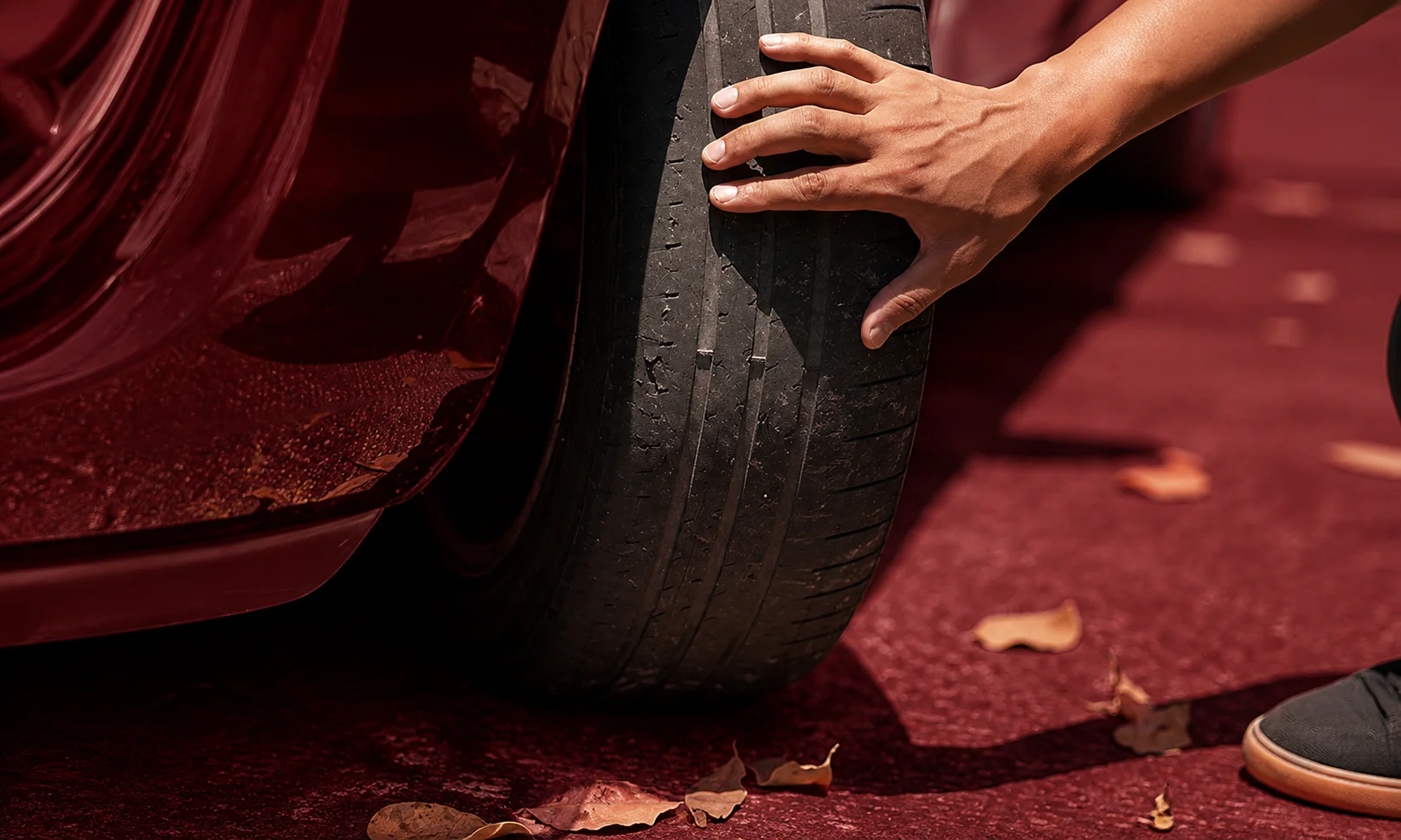
The front and rear tires of many vehicles do not experience exactly the same forces.
Front tires, particularly on front-wheel-drive vehicles, can experience significant steering, braking and acceleration loads.As a result, they may wear faster than rear tires.
Regular tire rotation can help distribute wear more evenly.The correct rotation pattern depends on the tire type and vehicle.Some directional tires have restrictions on how they can be moved.
Your vehicle manufacturer or tire manufacturer can provide the correct procedure.Regular rotation is not a replacement for proper alignment or suspension maintenance.
If one tire is wearing much faster than another, investigate the reason instead of simply rotating the tires.
Wheel Alignment Can Affect Tire Life
You can buy an excellent set of tires and still wear them prematurely if the wheels are incorrectly aligned.
Alignment problems can cause:
- Inner-edge wear
- Outer-edge wear
- Feathering
- Uneven tread wear
- Vehicle pulling to one side
- Steering wheel misalignment
If your vehicle hits a major pothole or curb, alignment should be checked if you notice changes in handling or tire wear.
Correct alignment helps the tires meet the road at the intended angles.
That can improve both tire life and vehicle behavior.
Balancing Is Different From Alignment
Wheel balancing and alignment are often confused.
They are not the same thing.
Wheel alignment concerns the angles of the wheels relative to the vehicle and road.
Wheel balancing addresses uneven weight distribution around the wheel and tire assembly.
An imbalance can produce vibration, especially at certain speeds.
When new tires are installed, they are normally balanced as part of the fitting process.
If you feel an unusual vibration afterward, have the wheel and tire assembly inspected.
How Your Tire Choice Can Affect Comfort
Not every driver wants the same driving experience.
Some want maximum steering response.
Others want a quiet, soft ride.
Tire sidewall height can play a role here.
A tire with a taller sidewall generally has more rubber between the wheel and road, which can contribute to a smoother ride over rough surfaces.
A lower-profile tire can provide a sportier appearance and potentially sharper steering response.
But lower-profile tires can also transmit more road impacts into the vehicle and may provide less protection against severe pothole impacts.
This is one reason why changing wheel size should not be treated as a purely cosmetic modification.
Fuel Efficiency and Rolling Resistance
Tires also influence how much energy your vehicle needs to move.
Rolling resistance is the force that opposes the tire as it rolls along the road.
Manufacturers can design tires with compounds and structures intended to reduce rolling resistance.
Lower rolling resistance can contribute to improved fuel efficiency or, in electric vehicles, potentially better energy efficiency and range.
But there is always a balance.
A tire optimized heavily for efficiency may feel different from one designed primarily for maximum grip or performance.
For a daily commuter, a low-rolling-resistance touring tire may make more sense than an aggressive performance tire.
Electric Vehicles Need Special Tire Consideration
Electric vehicles bring additional tire considerations.
EVs are often heavier than comparable combustion-powered vehicles because of their battery packs.
They also deliver strong instant torque.
Both factors can influence tire wear.
Some EV-specific tires are designed around:
- Higher load capacity
- Lower rolling resistance
- Reduced road noise
- Electric vehicle weight
- Torque delivery
Noise can be particularly noticeable in an EV because there is no traditional engine sound masking road noise.
That makes tire selection an important part of the driving experience.
EV owners should follow the vehicle manufacturer’s tire specifications rather than assuming that any similarly sized passenger-car tire is suitable.
SUV and Pickup Tires Require Different Thinking
SUVs and pickup trucks often carry more weight and may be used in different environments.
A city-focused SUV may need a comfortable highway tire.
A vehicle that frequently travels gravel roads may benefit from a more rugged design.
An off-road driver may need a tire specifically designed for that environment.
Common categories include:
- Highway tires: Designed primarily for paved roads and everyday driving.
- All-terrain tires: Designed to balance road use with moderate off-road capability.
- Mud-terrain tires: Built for demanding off-road surfaces and loose terrain.
The mistake is choosing an aggressive off-road tire simply because it looks tough.
Mud-terrain tires can produce more noise, reduce road comfort and sometimes affect fuel economy.
Choose based on where you actually drive.
Four Tires Are Usually Better Than Mixing Randomly
Ideally, tires should be replaced as a complete set when practical.
Using four matching tires helps maintain consistent characteristics across the vehicle.
If replacing only two tires is necessary, the correct installation position can depend on the vehicle and tire manufacturer guidance.
For many modern passenger vehicles, fitting the better or newer pair to the rear axle is recommended because rear traction is important for maintaining stability, particularly on wet roads.
However, follow the specific recommendations from the tire and vehicle manufacturers.
Do not assume that simply putting the new tires on the front is always the safest option.
Can You Mix Different Tire Brands?
Sometimes drivers replace only one damaged tire and wonder whether a different brand can be used.
The answer depends on the vehicle, tire type and situation.
Ideally, all four tires should have compatible specifications and similar performance characteristics.
Mixing tires with significantly different tread patterns, construction or grip characteristics can affect handling.
This becomes even more important on vehicles with all-wheel-drive systems.
Some AWD manufacturers specify very tight limits for differences in tire circumference or tread depth.
Before replacing only one tire, check the vehicle manufacturer’s requirements.
All-Season, Summer and Winter Tires
The phrase “all-season” can be misleading.
All-season tires are designed to provide a compromise across a range of conditions.
They are not automatically the best choice in every climate.
All-Season Tires
All-season tires can be useful where temperatures remain moderate and drivers experience a mixture of dry and wet conditions.
They are popular because one set can serve through much of the year.
Summer Tires
Summer tires are designed for warm-weather performance.
They can provide strong dry and wet-road performance in suitable temperatures.
They are not intended for serious winter conditions.
Winter Tires
Winter tires use compounds and tread designs intended to remain more effective in cold conditions.
In areas with snow and freezing temperatures, dedicated winter tires can provide a major advantage over ordinary all-season tires.
The important point is that tire choice should follow climate, not just calendar seasons.
The Importance of the Tire Sidewall
The sidewall contains much more information than many drivers realize.
It can include:
- Tire size
- Load index
- Speed rating
- Manufacturing information
- Construction details
- Brand information
- Directional markings
- Mounting instructions
Learning to read the sidewall can make you a more informed tire buyer.
It also helps when speaking to a tire professional because you can provide the exact information printed on the tire.
Run-Flat Tires vs. Conventional Tires
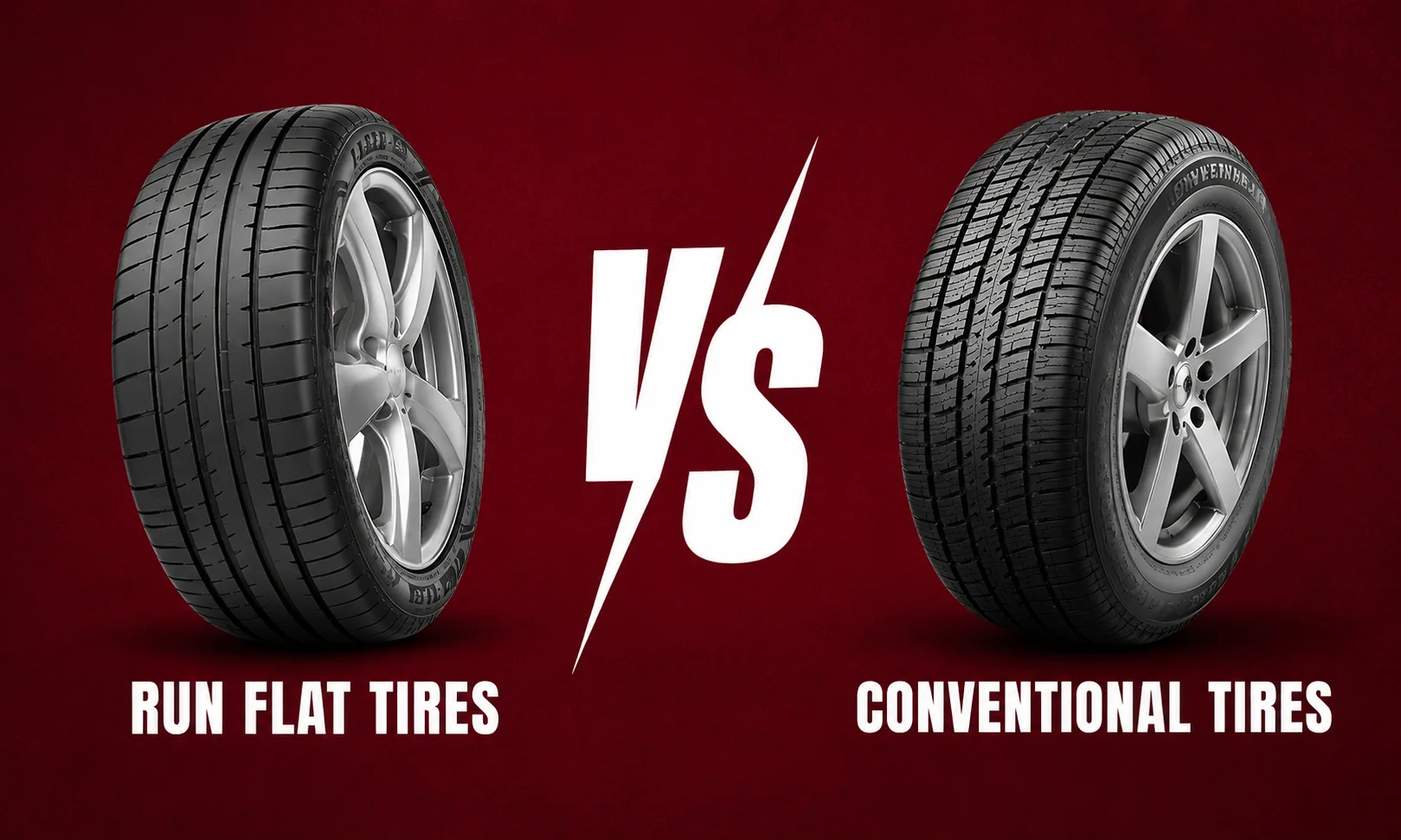
Some vehicles come equipped with run-flat tires.
These tires are designed to allow limited continued driving after a loss of air pressure, under specified conditions.
This can be convenient because you may not need to stop immediately to change a tire.
But run-flat technology can also affect ride comfort and replacement cost.
Not every vehicle should be converted from conventional tires to run-flats, or vice versa, without considering the manufacturer’s specifications.
If your vehicle was designed around a particular tire system, follow the recommended setup unless a qualified professional confirms an appropriate alternative.
What to Look for When Buying Tires Online
Online tire shopping can provide access to a huge range of products.
But more choices also create more opportunities for mistakes.
Before ordering, confirm:
- Exact tire size
- Load index
- Speed rating
- Tire type
- Vehicle compatibility
- Manufacturing date or age policy
- Warranty
- Return policy
- Installation options
- Total delivered and fitted price
Do not compare tires only by price.
A tire listed for a surprisingly low price may have a different specification, older manufacturing date or different warranty terms.
Make sure you are comparing like with like.
What to Ask a Tire Shop
If you are unsure, a good tire professional can make the process much easier.
Instead of simply asking, “What is your cheapest tire?” explain how you use the vehicle.
Tell the technician:
- How many kilometers you drive
- Whether you mostly drive in the city or on highways
- Whether you drive in heavy rain
- Whether the vehicle carries heavy loads
- Whether comfort or handling is more important
- Your approximate budget
- Whether you frequently travel long distances
This gives the tire specialist useful information.
A good recommendation should connect the tire to the driver’s actual needs.
Do Not Forget the Spare Tire
The spare tire is easy to forget because you may rarely use it.
But it should still be inspected.
Check:
- Tire pressure
- Age
- Visible damage
- Tread condition
- Storage condition
Some vehicles use temporary spare tires with special speed and distance restrictions.
Others use full-size spares.
Follow the instructions provided by the vehicle manufacturer.
If your vehicle does not have a traditional spare, understand what emergency tire repair equipment it provides.
Signs That Your Tires Need Replacement
You should not wait for a tire to completely fail before replacing it.
Watch for warning signs.
Visible Tread Wear
If tread is approaching the legal or manufacturer-recommended limit, replacement should be considered.
Cracks
Cracking in the sidewall or tread area can indicate aging or damage.
Bulges
A bulge can indicate internal structural damage.
This should be treated seriously.
Repeated Air Loss
If a tire continually loses pressure, there may be a puncture, valve problem, wheel issue or other damage.
Vibration
Unusual vibration can be caused by imbalance, alignment, suspension problems, tire damage or other mechanical issues.
Uneven Wear
Uneven tread wear can indicate alignment, suspension or inflation problems.
The earlier these issues are addressed, the better the chance of preventing additional damage.
Do Not Rely on Tire Appearance Alone
One of the biggest mistakes drivers make is assuming that a tire is fine because it looks normal.
A tire can have internal damage that is not immediately visible.
Likewise, a tire can have sufficient tread but still be affected by age or structural problems.
This is why professional inspection is useful, particularly when you notice vibration, unusual handling, repeated pressure loss or visible damage.
The Real Cost of a Cheap Tire
Suppose one tire costs significantly less than another.
It is natural to assume you are saving money.
But consider the complete ownership cost.
If the cheaper tire wears faster, provides poorer fuel efficiency or offers weaker wet-weather performance, the initial saving may not represent the best value.
A more durable tire with stronger performance may cost more initially but provide better value over its service life.
That does not mean premium tires always win.
It means price should be evaluated alongside performance, mileage, warranty and suitability.
A Better Way to Compare Tires
Instead of asking, “Which tire is best?” ask a series of more useful questions.
- Is it the correct size?
- Does it meet the required load rating?
- Does it meet the required speed rating?
- Is it suited to my climate?
- Is it appropriate for my roads?
- Does it match my driving style?
- How important is comfort to me?
- How important is long tread life?
- How much road noise can I tolerate?
- Does the price make sense for my annual mileage?
These questions produce a much more useful comparison.
A Practical Tire-Buying Strategy
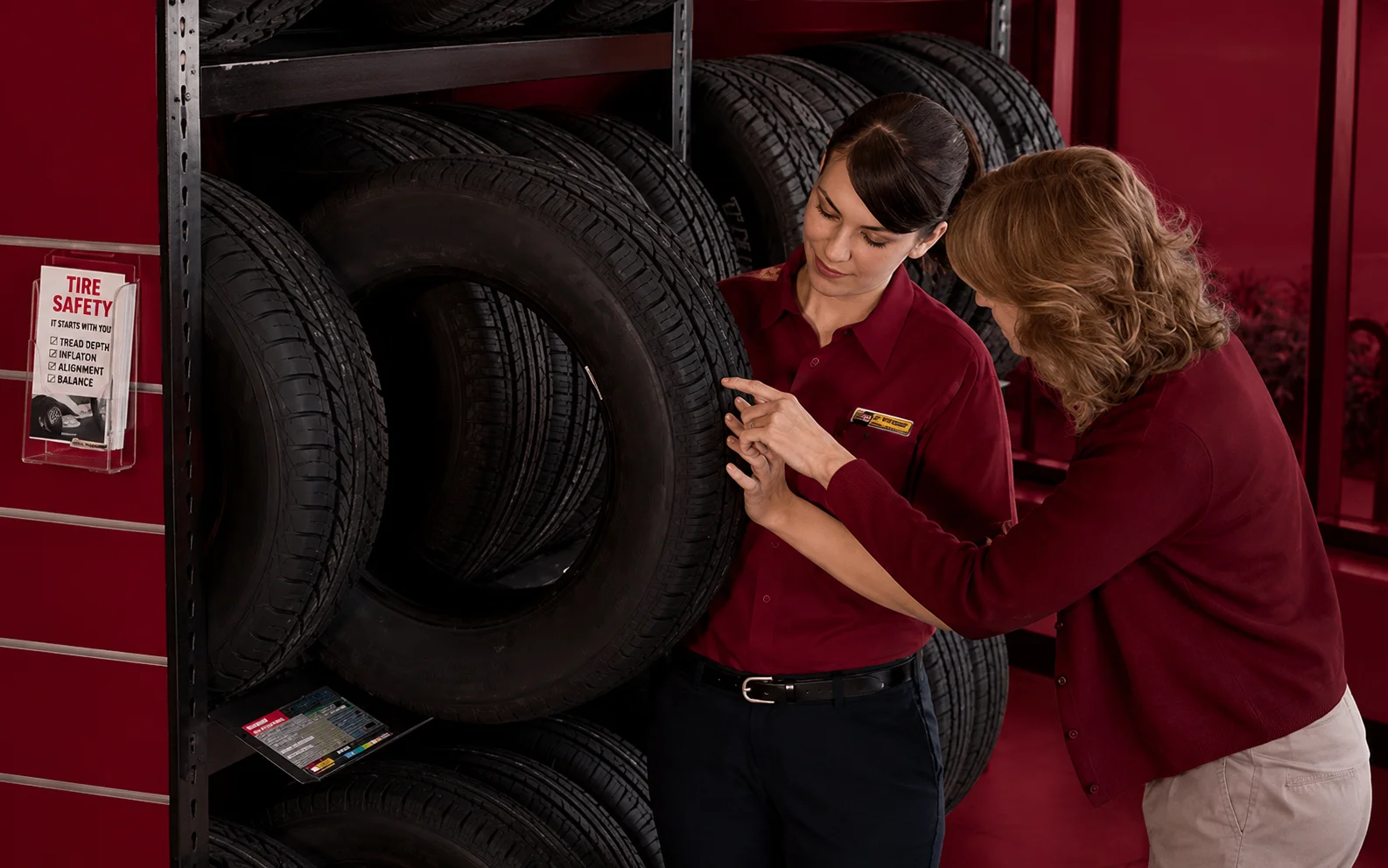
If you are replacing your tires soon, use this process.
Step 1: Find the Manufacturer’s Recommended Size
Check the owner’s manual or vehicle information label.
Write down the complete specification.
Step 2: Inspect Your Current Tires
Look for uneven wear, cracks, damage and unusual patterns.
This can reveal problems beyond the tires themselves.
Step 3: Identify Your Main Driving Conditions
Decide whether your driving is mostly:
- City
- Highway
- Rural
- Mixed
- Wet-weather
- Hot-weather
- Cold-weather
- Off-road
Step 4: Set a Realistic Budget
Decide how much you are comfortable spending on the complete set, including installation and balancing.
Step 5: Compare Several Suitable Tires
Do not compare a budget city tire directly with a high-performance summer tire as though they serve the same purpose.
Compare products within the category that fits your needs.
Step 6: Check the Manufacturing Date
Ask how old the tires are.
Step 7: Confirm Ratings
Check load index and speed rating against the vehicle requirements.
Step 8: Have Them Professionally Installed
Proper mounting, balancing and inflation are essential.
Step 9: Check Alignment if Necessary
If the old tires wore unevenly, investigate alignment and suspension before putting expensive new tires on the vehicle.
Step 10: Maintain Them
The purchase is not the end.
Check pressure regularly and inspect the tires throughout their service life.
Common Tire-Buying Mistakes to Avoid
Buying the Wrong Size
A tire that physically fits the wheel is not necessarily correct for the vehicle.
Choosing Only by Price
The cheapest option may not provide the best long-term value.
Ignoring the Load Rating
Weight capacity matters, particularly for larger vehicles and vehicles carrying heavy loads.
Ignoring Speed Rating
Always meet the manufacturer’s requirements.
Buying Old Stock Without Checking
New tires can still have been manufactured some time ago.
Choosing Performance Tires for Appearance
Aggressive tread and low-profile sidewalls may look attractive but may not match your driving needs.
Ignoring Tire Pressure
Incorrect inflation can quickly affect wear and performance.
Replacing Tires Without Checking Alignment
A new set can develop the same uneven wear if the underlying problem remains.
Mixing Incompatible Tires
Different tires can behave differently, especially during braking and cornering.
Forgetting the Spare
An emergency tire is only useful if it is properly maintained.
How to Get More Life From Your Tires
Buying good tires is only the beginning.
Proper maintenance can help you get the most from them.
Check Pressure Regularly
Incorrect pressure is one of the easiest tire problems to prevent.
Rotate When Recommended
Follow the manufacturer’s recommended rotation schedule.
Keep Wheels Properly Aligned
Alignment problems can cause expensive uneven wear.
Avoid Aggressive Driving
Hard acceleration, sudden braking and high-speed cornering can increase tire wear.
Inspect After Severe Impacts
If you hit a major pothole or curb, inspect the tire and wheel.
Do Not Overload the Vehicle
Stay within the manufacturer’s recommended vehicle load limits.
Store Tires Properly
If you use seasonal tires, store them in a clean, dry environment away from damaging conditions.
When Should You Replace All Four Tires?
Replacing all four tires at once is often the simplest approach because it provides consistent tread and handling characteristics.
It can be particularly important for vehicles with all-wheel drive.
However, replacement strategy depends on tread depth, tire condition, vehicle requirements and budget.
If only one tire is damaged, a tire professional may determine whether repair, replacement or matching is appropriate.
Do not make the decision solely based on the price of one tire.
The Role of Professional Tire Installation
Tire installation may seem straightforward, but there is more involved than removing an old tire and fitting a new one.
Professional installation can include:
- Removing the old tire
- Inspecting the wheel
- Mounting the new tire
- Balancing the assembly
- Setting tire pressure
- Checking installation direction
- Inspecting for damage
A qualified technician can also identify problems that you might not notice yourself.
That can include damaged wheels, worn suspension components or alignment issues.
Why Tire Maintenance Saves Money
Good tire maintenance is not just about safety.
It can also save money.
Proper inflation can help prevent unnecessary wear.
Correct alignment can prevent premature tread loss.
Regular inspection can identify small problems before they become expensive failures.
Choosing a tire appropriate for your mileage can also reduce replacement frequency.
For example, someone who drives thousands of highway kilometers each year may benefit from investing in a tire designed for long-distance use.
Someone who drives only occasionally may prioritize other characteristics.
The best value depends on how you use the vehicle.
A Simple Example of Choosing the Right Tire
Imagine two drivers own the same family sedan.
Driver A uses the car mostly for short city trips. Roads are generally paved, temperatures are warm and comfort is important.
Driver B drives hundreds of kilometers each week on highways and regularly travels in heavy rain.
They have the same car and the same tire size.
But they may not need the same tire.
Driver A might prefer a comfortable touring tire with good mileage and low road noise.
Driver B may place greater value on wet braking, highway stability and long-distance durability.
Neither choice is universally better.
The correct choice depends on the driver.
That is the central principle of tire selection.
The Best Tire Is the Right Tire, Not the Most Expensive One
There is a tendency in automotive buying to assume that spending more automatically means getting a better product.
With tires, the situation is more complicated.
A premium tire can offer impressive performance.
But if the tire is designed for conditions you rarely experience, you may be paying for capabilities you do not need.
Likewise, saving too much on tires can be a false economy if the product does not deliver the grip, durability or comfort your vehicle requires.
The ideal tire sits at the intersection of:
Vehicle requirements + driving conditions + personal priorities + budget
That is the formula worth remembering.
Final Checklist Before You Buy
Before paying for a new set of tires, check each of these points:
- Tire size: Does it match the vehicle specification?
- Load index: Is the tire capable of carrying the required load?
- Speed rating: Does it meet the manufacturer’s requirement?
- Climate: Is it suitable for your local weather?
- Road type: Does it match city, highway, rural or off-road use?
- Tread: Is the design appropriate for your needs?
- Age: When was the tire manufactured?
- Condition: Are there any visible defects?
- Warranty: What does the manufacturer or seller cover?
- Installation: Does the price include fitting and balancing?
- Maintenance: Do you know the correct pressure and rotation requirements?
Taking a few minutes to check these details can prevent a poor purchase.
Final Thoughts
Choosing the right tires means considering more than size. Tires affect braking, handling, comfort, road noise and how your vehicle performs in different conditions.
Start with your vehicle manufacturer’s recommended size and specifications, then consider your climate, roads, mileage and driving habits. Price matters, but also look at the tire’s load index, speed rating, tread design and manufacturing date.
Good maintenance is just as important. Check pressure regularly, inspect for uneven wear or damage, rotate the tires when recommended and replace any tire that is no longer safe.
The right tires, properly maintained, can make your vehicle safer, more comfortable and more predictable on the road.
Frequently Asked Questions
1. How do I choose the right tires for my vehicle?
Start with the tire size and specifications recommended by the vehicle manufacturer. Then consider your driving habits, climate, road conditions, mileage and budget.
2. What do the numbers on a tire mean?
A marking such as 195/65 R15 91H shows the tire’s width, aspect ratio, construction, wheel diameter, load index and speed rating.
3. How often should I check my tire pressure?
Check tire pressure regularly, preferably when the tires are cold. Use the pressure recommended by your vehicle manufacturer rather than the maximum pressure printed on the tire.
4. Should I replace all four tires at the same time?
Replacing all four tires can provide more consistent handling and tread wear. However, the best approach depends on your vehicle, tire condition and manufacturer recommendations.
5. Are expensive tires always better?
No. Premium tires can offer strong performance, but the best tire is one that matches your vehicle, driving conditions and needs. A more expensive tire is not automatically the best choice.
6. How long do tires last?
Tire life varies based on the tire, driving habits, road conditions, climate, maintenance and mileage. Regularly inspect tires for tread wear, cracks, bulges and other signs of damage.
7. What is the difference between all-season, summer and winter tires?
All-season tires are designed for a range of conditions, summer tires focus on warm-weather performance, and winter tires are designed for cold temperatures and winter conditions.
8. What is a tire load index?
The load index indicates how much weight a tire is designed to carry under specified conditions. The replacement tire should meet the load requirements specified for your vehicle.
9. What does a tire speed rating mean?
The speed rating indicates the tire’s maximum speed capability under specified test conditions. Your replacement tires should meet the speed rating recommended by the vehicle manufacturer.
10. Can I mix different tire brands?
It depends on the vehicle, tire type and manufacturer requirements. Ideally, tires should have compatible specifications and similar performance characteristics. Extra care is needed with all-wheel-drive vehicles.
11. When should I replace my tires?
Replace tires when they reach the applicable tread limit or show serious signs of damage, aging, uneven wear, bulges, cracks, repeated pressure loss or other safety concerns.
12. Does tire pressure affect fuel economy?
Yes. Incorrect tire pressure can affect rolling resistance, tire wear and fuel consumption. Maintaining the recommended pressure can help your tires and vehicle operate more efficiently.
13. Why is tire rotation important?
Tire rotation helps distribute wear more evenly between the tires. Follow the rotation schedule and pattern recommended by your vehicle or tire manufacturer.
14. What should I check before buying tires online?
Confirm the exact tire size, load index, speed rating, tire type, manufacturing date or age policy, warranty, return policy and total installation cost before ordering.
15. Are wider tires always better?
No. Wider tires can change handling, comfort, road noise and efficiency. Always use a size approved by the vehicle manufacturer rather than choosing a tire based only on appearance.