


Key Takeaways
- ABS-Testauslösung means controlled testing of an ABS avalanche airbag.
- ABS recommends a training release with a filled cartridge before each season.
- EASY.TECH allows trigger practice without deploying the airbag.
- A full cartridge test and trigger practice serve different purposes.
- Check the indicator and cartridge before relying on the system.
- Inspect the backpack and airbag for visible damage.
- Professional service is recommended after an avalanche deployment.
- ABS recommends a complete system check after about three to five seasons, depending on use.
- Always follow the instructions for your exact ABS.
- An avalanche airbag is an additional safety tool, not a replacement for avalanche training and good decisions.
Quick Answer
ABS-Testauslösung is a controlled activation of an ABS avalanche airbag system to verify that the trigger and inflation system work correctly.
For a full functional test, ABS guidance says to use a filled cartridge and pull the release handle. With the EASY.TECH system, you can also practice the trigger without a cartridge installed. The system gives a click and tactile feedback, allowing you to train the movement without inflating the airbag.
What Does ABS Testauslösung Mean?
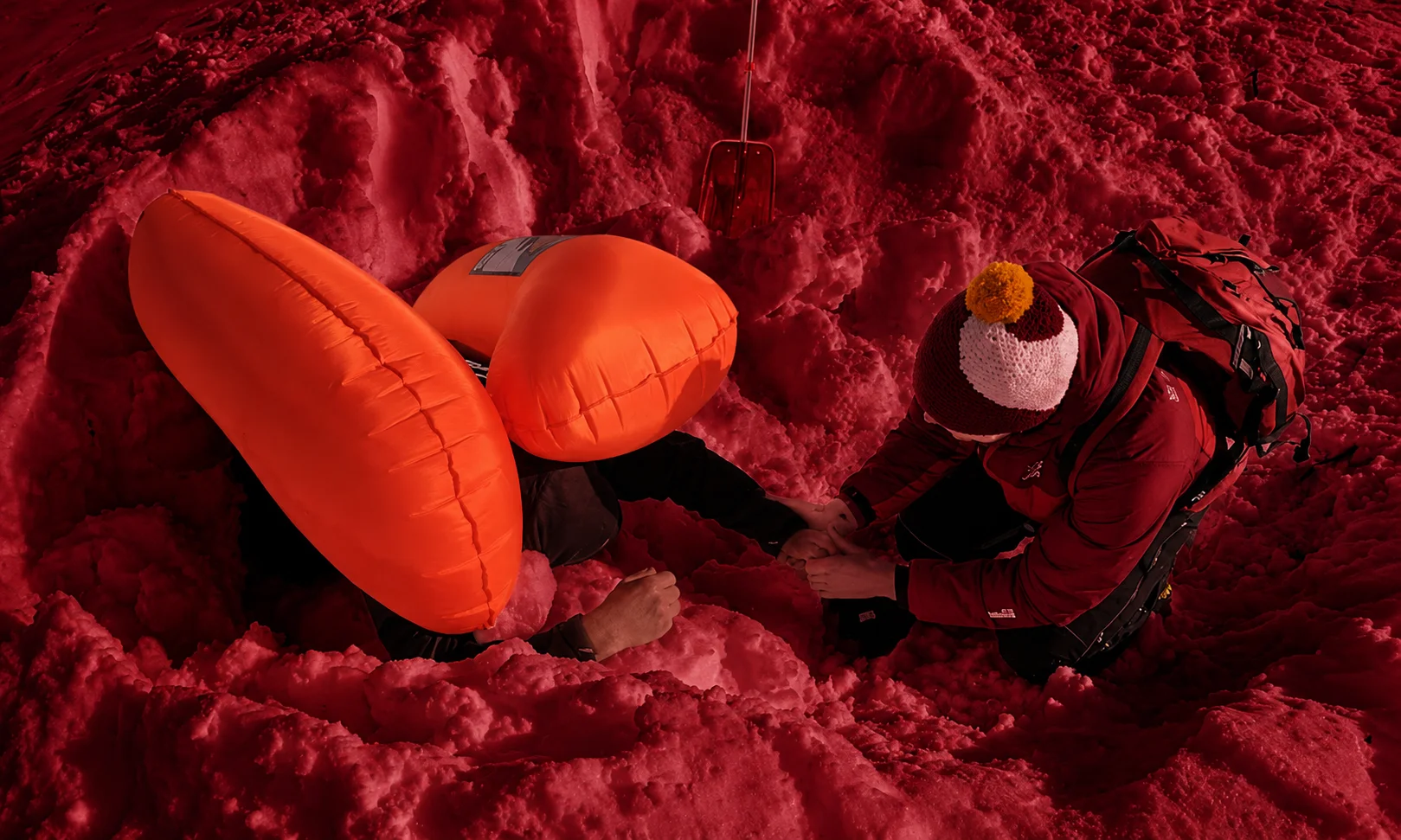
The German term Testauslösung can be translated as “test activation” or “test release.”
For an ABS avalanche backpack, it refers to deliberately activating the release system under controlled conditions rather than during an actual avalanche.
The purpose is straightforward. You want to know that the system responds correctly before you depend on it in the mountains.
A test also gives you practical experience. Instead of learning how the handle feels during an emergency, you can practice the movement when there is no immediate danger.
Why Is ABS Testauslösung Important?
Avalanche equipment should never be treated as something you simply pack and forget.
An airbag system contains several components that work together. These include the trigger mechanism, cartridge or inflation system, airbag components, connections, and other parts of the backpack.
A controlled test can reveal problems before a serious situation occurs.
It Checks System Function
A proper functional test can confirm that the release mechanism operates and that the airbag can inflate correctly.
ABS says its larger service check includes a test deployment together with functional and leak checks. The company recommends this type of manufacturer service after an avalanche deployment or after roughly three to five seasons, depending on use.
It Builds Trigger Familiarity
Knowing where the handle is matters, but knowing how it feels to pull it matters too.
Regular practice can make the movement more familiar. That can be especially useful when visibility is poor, snow is moving, or you are under pressure.
It Can Expose Setup Problems
A test may also reveal that the system has not been correctly activated or assembled.
That is why checking the indicator and following the instructions for your exact ABS is important before testing.
How ABS Testauslösung Works
The exact process depends on the ABS system you own.
Current ABS EASY.TECH systems use a mechanical activation system. ABS states that the system can be tested and reset without tools, making it possible to practice the trigger process more easily.
For a full deployment test, the ABS guidance states that a filled cartridge is screwed into the system and the release handle is pulled.
Because this uses the cartridge, you should understand that a full test release consumes the cartridge contents and requires the appropriate refill or replacement process afterward.
How to Perform an ABS Testauslösung
Before doing anything, check the instructions for your specific ABS backpack and activation system.
Different generations and models may not use the same components.
Step 1: Inspect the Backpack
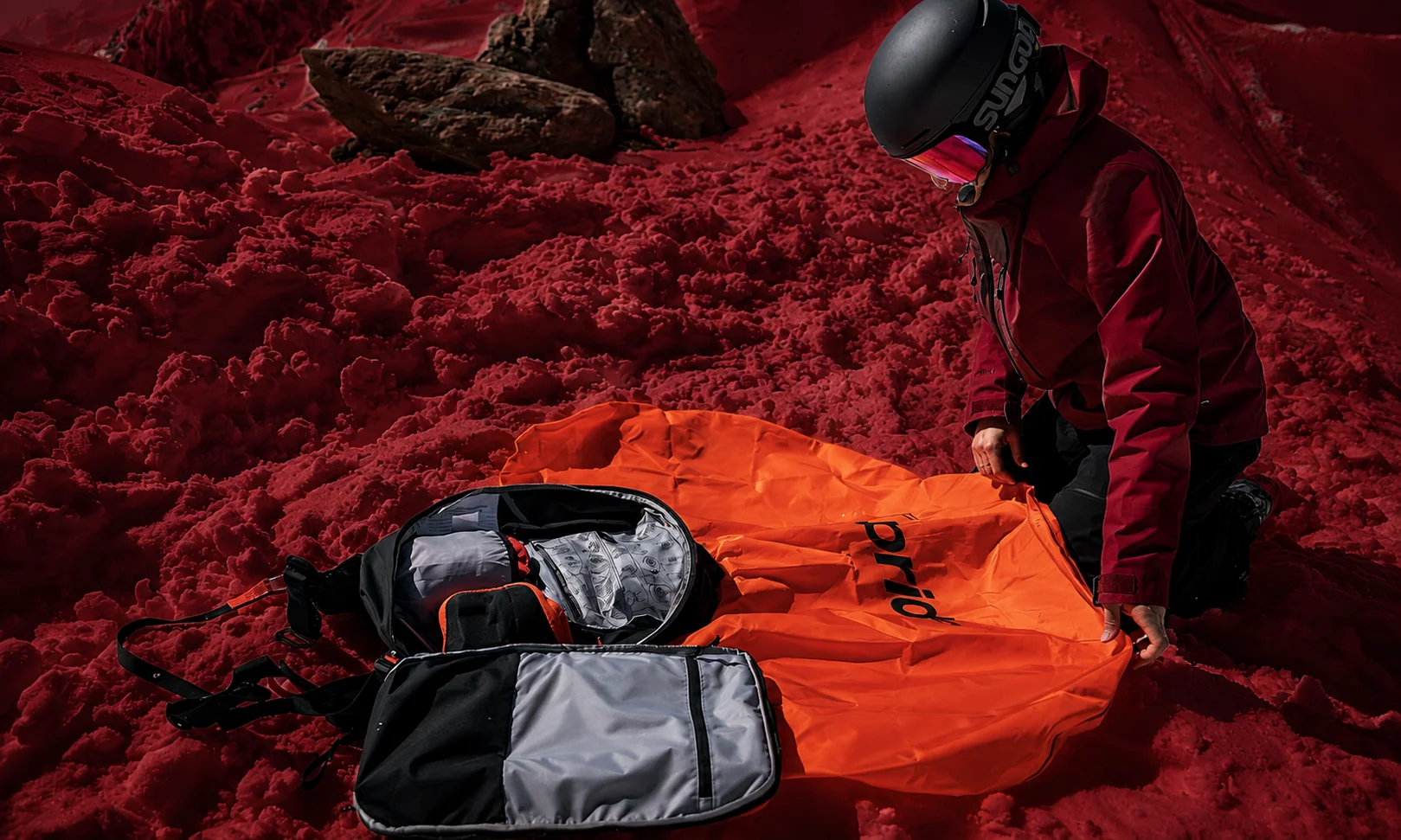
Start with a visual inspection.
Look at the shoulder straps, waist belt, buckles, airbag compartment, visible connections, trigger handle, and other accessible components.
If you notice damage, unusual wear, or anything that does not look correct, do not assume the system is safe to use.
Step 2: Check the System Indicator
On compatible ABS systems, the indicator shows whether the system is activated.
ABS states that a green indicator means the system is activated, while a red indicator means it needs to be activated before use.
Step 3: Check the Cartridge
If you are performing a full deployment test, use the correct filled cartridge specified for your system.
Do not improvise with a different cartridge or attempt to modify the inflation system.
ABS also provides cartridge weight checking guidance. The company says that a cartridge with a weight deviation of more than 5 grams should not be used and should instead be replaced through ABS.
Step 4: Prepare a Safe Testing Area
Choose an appropriate location where an inflated airbag will not become trapped against objects or cause damage.
Keep people and unnecessary equipment away from the deployment area.
Also remember that an inflated airbag can be large and move suddenly during deployment.
Step 5: Perform the Release
If your system requires a full functional test with a cartridge, follow the manufacturer’s instructions and pull the release handle.
Do not modify the procedure or try to partially activate the system.
Once the airbag has deployed, allow the system to settle before handling it.
Step 6: Inspect the Result
After deployment, inspect the airbag and system.
Look for unusual damage, incomplete inflation, leakage, or other problems.
If anything seems wrong, stop using the system and contact ABS or an appropriately qualified service provider.
Cartridge Test vs Trigger Practice
One useful feature of the EASY.TECH system is that ABS provides two different ways to test or practice the system.
| Method | Cartridge | Airbag inflates? | Main purpose |
|---|---|---|---|
| Full test release | Filled cartridge | Yes | Check the complete deployment function |
| Trigger practice | No cartridge | No | Practice the release movement |
For trigger practice without the cartridge, ABS says the system must be activated first and the indicator should show green. Pulling the handle produces a click and tactile feedback, while the indicator then changes to red. The system must be activated again before another practice trigger.
This distinction is important because trigger practice is not the same as a complete inflation test.
Practicing the handle can help with muscle memory, but it does not replace checking the complete inflation system.
How Often Should You Test an ABS Airbag?
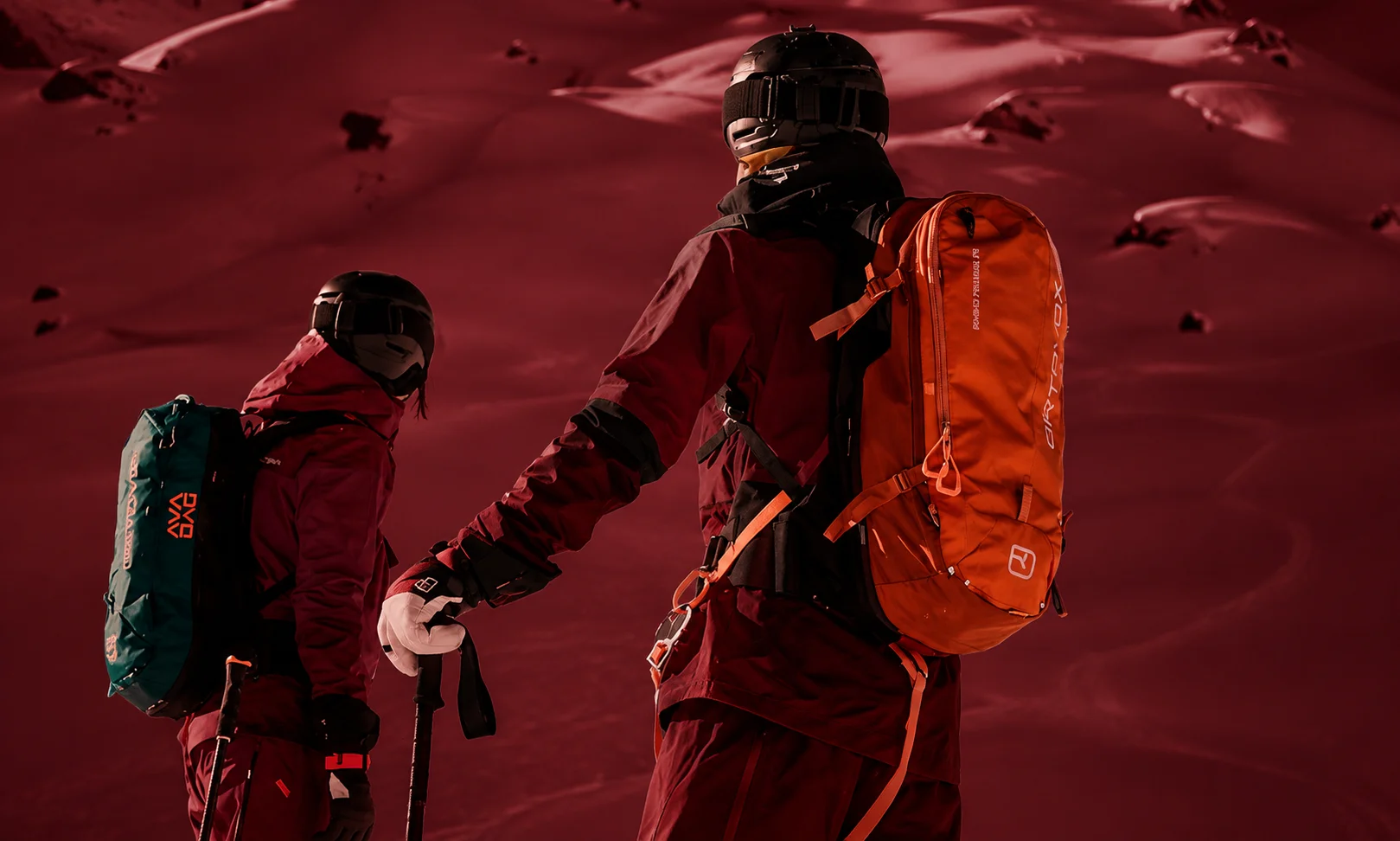
ABS recommends performing a training release with a filled cartridge before each season. The purpose is both to check the function and to practice the trigger movement.
However, servicing is a separate matter.
ABS recommends a complete system check after an avalanche deployment or after approximately three to five seasons, depending on the number of skiing days and usage. The service includes checks of components such as straps, buckles, airbag compartments, connections, hoses, cables, and the inflation system.
Therefore, do not confuse a quick training release with professional maintenance.
What to Do After a Test Release
After a full deployment, the system needs to be prepared again before it can be used.
For a cartridge-based test, the cartridge will need to be handled according to the manufacturer’s refill or replacement instructions.
With EASY.TECH, ABS explains that the mechanical system can be reset after a test deployment without tools.
Before your next trip, confirm that the system is properly activated and ready for use.
If you performed a deployment because of an actual avalanche rather than simple training, a more complete inspection is especially important.
Common ABS Testauslösung Mistakes
Skipping the Test
One of the simplest mistakes is assuming the system will work because it worked last season.
A controlled check is a much better approach than discovering a problem when you actually need the airbag.
Confusing Trigger Practice With Full Testing
A trigger can click correctly without proving that the complete inflation system is ready.
Know which type of test you are performing.
Using the Wrong Cartridge
Never guess which cartridge belongs with your system.
Use the cartridge specified by ABS for your particular model and activation unit.
Ignoring the Indicator
The indicator provides important information about the system’s status.
If it does not show the expected status, stop and resolve the issue before relying on the backpack.
Testing a Damaged System
A test release should not be used as an excuse to ignore visible damage.
If the backpack, airbag, connections, or activation components look damaged, professional inspection may be more appropriate.
Forgetting to Reset the System
After testing, the system may no longer be ready for immediate use.
Always follow the correct reset and preparation procedure before storing or carrying the backpack.
ABS Testauslösung Checklist
Use this simple checklist before the season:
| Check | What to confirm |
| Backpack | No obvious damage |
| Straps | Secure and intact |
| Buckles | Working correctly |
| Trigger | Correctly positioned |
| Indicator | Correct activation status |
| Cartridge | Correct type and condition |
| Airbag | No visible damage |
| Test | Completed according to model instructions |
| Reset | System prepared for next use |
| Service | Due date checked |
This checklist is useful, but it should not replace the instructions supplied with your specific ABS.
Expert Tips for Better Airbag Preparation
Keep the trigger handle in a position where you can reach it naturally while wearing your normal winter clothing.
Also, practice the movement while wearing the gloves you normally use in the backcountry.
Furthermore, make sure everyone in your group understands that an avalanche airbag is only one part of avalanche safety. Training, terrain awareness, appropriate equipment, and good decision-making remain essential.
Finally, treat manufacturer instructions as the primary source for your particular model. ABS has changed its systems over time, so advice written for an older generation may not apply perfectly to a newer EASY.TECH system.
Frequently Asked Questions
What is ABS Testauslösung?
ABS Testauslösung means performing a controlled test activation of an ABS avalanche airbag system. It can be used to check system function and practice using the trigger.
Does an ABS test release inflate the airbag?
A full test release using a filled cartridge inflates the airbag. However, compatible EASY.TECH systems can also be used for trigger practice without a cartridge, so the airbag does not inflate.
How often should I perform an ABS test release?
ABS recommends a training release with a filled cartridge before each season.
Can I practice the ABS trigger without wasting a cartridge?
With the EASY.TECH system, yes. ABS explains that the trigger can be practiced without the cartridge installed, provided the system is activated correctly first.
Is a trigger practice the same as a full system test?
No. Trigger practice helps you learn the movement, while a full deployment test checks the inflation process as well.
When should an ABS avalanche airbag receive professional service?
ABS recommends a complete system check after an avalanche deployment or after about three to five seasons, depending on usage.
What should I do if my ABS airbag does not deploy correctly?
Do not rely on it for your next trip. Stop using the system and contact ABS or an appropriate service center for inspection and guidance.
Conclusion
ABS Testauslösung is a simple but important part of avalanche airbag preparation. A controlled test can help confirm that the system is functioning and, just as importantly, give you practical experience with the trigger.
However, trigger practice and a complete deployment test are not the same thing. With current EASY.TECH systems, you can practice the handle without a cartridge, while a filled-cartridge deployment provides a more complete functional check.
Therefore, check your system before the season, follow the instructions for your exact model, and arrange professional service when required.
For readers looking for more practical equipment guides and safety-focused explanations, Brandclickx can also be a useful place to explore related outdoor and gear information.
Most importantly, never treat an avalanche airbag as a substitute for avalanche education and responsible decisions in the mountains.