You probably know the moment: you send a simple message, and the reply comes back with only one emoji. Suddenly, you start wondering what that tiny symbol actually means.
A thumbs-up, a smiley face, or a crying emoji can completely change the feeling of a conversation depending on who sends it, where it appears, and the generation reading it. Understanding emoji meanings is no longer just about recognizing pictures; it is about understanding modern digital communication.
In this guide, you will learn how emojis evolved, what popular emojis really mean in conversations, why Gen Z uses them differently, how platforms change interpretations, and how to avoid common emoji mistakes in personal and professional communication.
AI Overview:
Emoji meanings are the interpretations people give to visual symbols used in digital conversations, social media, and online communication.
Although the Unicode Consortium provides official descriptions for each emoji, real-world meanings often change based on context, culture, platform, and internet trends.
Modern emojis work as digital expressions that replace missing emotional signals from face-to-face conversations.
This guide explains official meanings, hidden uses, texting interpretations, and practical ways to use emojis correctly in 2026.
Key Takeaways
- Emojis started with a 176-character collection created by Shigetaka Kurita in Japan in 1999.
- The Unicode Consortium standardized emojis in Unicode 6.0 in 2010, allowing consistent use across devices.
- Emoji meanings depend on context, generation, culture, and the platform where they appear.
- Gen Z often uses emojis symbolically, sarcastically, or emotionally rather than literally.
- The skull emoji 💀 commonly means “I’m dead laughing” among younger users.
- Apple’s Genmoji and AI-generated emojis are changing how people create digital expressions.
- Emojis are now used in workplaces, marketing, branding, and even legal communication.
What Do Emojis Mean?
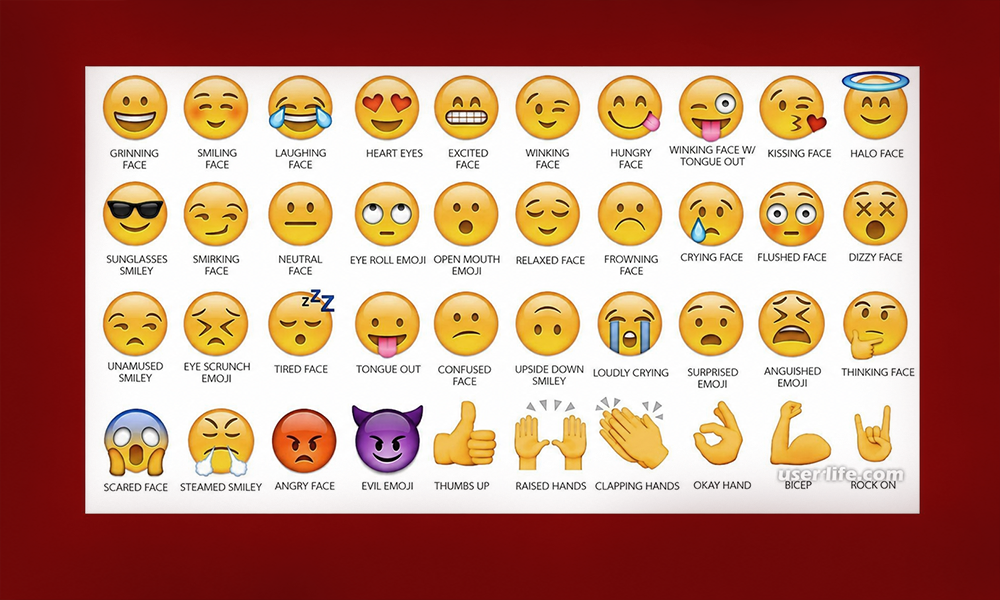
Emoji meanings are the interpretations behind digital symbols used in text messages, social media, and online conversations. While each emoji has an official Unicode definition, people often use emojis differently depending on context, culture, generation, and internet trends.
What Are Emoji Meanings and Why Do They Matter?
An emoji is a standardized visual symbol added directly into digital text to express emotions, objects, ideas, and reactions.
The word “emoji” comes from Japanese words e (絵) meaning picture and moji (文字) meaning character.
Unlike plain text, emojis provide emotional signals that are often missing from online conversations.
A sentence like “Sure, that works” can feel neutral or cold.
Adding a simple 😊 or 🫶 can completely change the emotional tone.
Researchers often describe emojis as a form of digital paralanguage because they add nonverbal communication cues similar to facial expressions, gestures, and voice tone.
How Emojis Evolved From Simple Icons to Digital Language
The history of emojis began in Japan when designer Shigetaka Kurita created the first modern emoji set in 1999 for NTT DoCoMo’s mobile internet platform.
That original collection contained only 176 icons, each measuring 12×12 pixels.
Kurita took inspiration from manga, symbols, and kanji characters to create a faster way for people to express emotions through mobile messages.
During the early 2000s, Japanese mobile carriers created separate emoji systems.
Companies such as SoftBank and KDDI used their own designs, which caused compatibility problems when users sent emojis between different networks.
In 2010, the Unicode Consortium officially adopted emojis into Unicode 6.0.
This decision created a universal system where the same emoji could be recognized across different operating systems.
An iPhone user and an Android user could finally exchange emojis without seeing broken symbols or empty boxes.
The Modern Emoji Era: From Unicode to AI-Generated Emojis
By 2026, emojis are moving beyond fixed libraries.
Traditional emojis still rely on Unicode standards, but artificial intelligence is introducing personalized creations.
Apple’s Genmoji allows supported devices to generate custom emoji-style images from text prompts.
For example, users can create concepts like a “green frog wearing headphones” instead of waiting for an official Unicode release.
Google has also explored personalized emoji experiences through tools such as Emoji Kitchen, where users combine existing emojis into new designs.
The future of emoji communication is shifting from selecting symbols to creating personalized visual expressions.
How Do Official Emoji Meanings Differ From Real Usage?
The Unicode Consortium defines what an emoji represents, but people decide how it feels in real conversations.
A single emoji can have different meanings depending on the situation.
For example:
| Emoji | Official Meaning | Common Online Meaning |
| 👍 | Thumbs Up | Agreement, approval, or sometimes a cold response |
| 😂 | Face With Tears of Joy | Laughing, although younger users may consider it outdated |
| 💀 | Skull | Death symbol or “I’m laughing so hard I’m dead” |
| 🙂 | Slight Smile | Friendly smile or hidden frustration |
| 🙏 | Folded Hands | Thanks, prayer, request, or appreciation |
This difference between official meaning and social meaning is why emoji interpretation can sometimes become confusing.
Emoji Meanings by Category
The Unicode emoji library is organized into several major groups.
These categories help users understand the purpose behind thousands of available symbols.
Smileys and Emotion Emoji Meanings
Face emojis are the foundation of digital emotional expression.
They communicate feelings that normally appear through facial expressions or tone of voice.
Popular Face Emojis Explained
| Emoji | Meaning | Common Usage |
| 😀 | Happiness | Excitement or positivity |
| 😊 | Warmth | Friendly appreciation |
| 😂 | Strong laughter | Something extremely funny |
| 😭 | Crying | Sadness or exaggerated emotion |
| 🫠 | Melting Face | Burnout, embarrassment, emotional overload |
| 🫨 | Shaking Face | Shock, confusion, chaos |
The melting face emoji 🫠 has become especially useful for describing situations where someone is struggling but trying to remain positive.
For example:
“Another three-hour meeting today 🫠”
The message is not about physically melting. It communicates emotional exhaustion.
Why Does 🙂 Have a Different Meaning Today?
The slightly smiling face 🙂 is one of the most misunderstood emojis.
Its official purpose is a simple smile, but online conversations have changed its interpretation.
Many younger users associate a single 🙂 with:
- Forced politeness
- Awkwardness
- Passive aggression
- Hidden frustration
The meaning depends heavily on the relationship between the people communicating.
A friend sending 🙂 after a joke may mean something completely different from a manager replying with only 🙂 after a work update.
Emoji Meanings in Text Messages and Online Chats
Text messages remove many natural communication signals.
You cannot hear someone’s voice or see their facial expression, so emojis help fill that gap.
However, modern texting has made emoji meanings more complex.
A simple emoji response can carry emotional information.
For example:
“Okay 👍”
Older generations may read this as:
“Understood.”
Some younger users may interpret it as:
“Conversation closed” or “I am not interested.”
The symbol itself has not changed.
The social meaning around it has.
How Gen Z Changed Emoji Meanings
Gen Z has transformed many traditional emoji meanings by using them ironically, dramatically, or symbolically.
According to research data from Physicians Mutual and Frontiers in Psychology, around 70% of Gen Z users report using emojis in non-literal, metaphorical, or sarcastic ways.
This explains why younger users may use emojis differently from older generations.
Gen Z Emoji Examples
| Emoji | Traditional Meaning | Gen Z Usage |
| 💀 | Death | “That was so funny I’m dead” |
| 😭 | Sadness | Extreme emotion or laughter |
| ✨ | Sparkles | Emphasis, sarcasm, dramatic effect |
| 🔥 | Fire | Amazing, impressive, attractive |
| 🫡 | Salute | Respect, agreement, playful duty |
The skull emoji 💀 is one of the clearest examples.
Instead of representing something negative, it often means:
“That was unbelievably funny.”
The phrase “I’m dead” became a digital reaction, and the emoji replaced the words.
Heart Emoji Meanings: What Different Colors Really Represent
Heart emojis are among the most commonly used symbols in digital communication.
Although they all represent affection or emotion, each color has developed its own social meaning.
| Emoji | Common Meaning |
| ❤️ | Love, deep affection, strong support |
| 🧡 | Care, friendship, warmth |
| 💛 | Happiness, friendship, positivity |
| 💚 | Nature, support, growth, sometimes jealousy |
| 💙 | Trust, loyalty, calmness |
| 💜 | Compassion, admiration, creativity |
| 🖤 | Dark humor, sadness, style, emotional depth |
| 🤍 | Peace, sympathy, purity |
| 💕 | Affection, closeness, romantic feelings |
A red heart ❤️ usually carries the strongest emotional meaning.
However, context matters.
A person may send ❤️ to a romantic partner, family member, close friend, or even as a supportive reaction online.
The same emoji can express love, gratitude, encouragement, or emotional connection.
Hand Emoji Meanings: Why Simple Gestures Create Confusion
Hand emojis represent actions, emotions, and social signals.
They often appear simple, but many have developed additional meanings online.
Popular Hand Emojis Explained
| Emoji | Meaning | Common Usage |
| 👍 | Approval | Agreement or confirmation |
| 👎 | Disapproval | Negative reaction |
| 🙏 | Folded hands | Thanks, request, prayer |
| 👋 | Waving hand | Hello or goodbye |
| 🫶 | Heart hands | Love, appreciation, support |
| 🫡 | Saluting face | Respect, agreement, duty |
The thumbs-up emoji 👍 is one of the biggest examples of changing emoji meanings.
For many users, it simply means:
“Okay, understood.”
However, younger users may sometimes interpret a single 👍 reply as cold or dismissive.
The meaning depends on the relationship, conversation, and tone.
Are Emoji Meanings Different Across Generations?
Yes.
The same emoji can communicate different emotions depending on the user’s age group and online habits.
A symbol that feels friendly to one generation may feel awkward or sarcastic to another.
| Emoji | Older Interpretation | Younger Interpretation |
| 😂 | Genuine laughter | Sometimes outdated or less natural |
| 💀 | Death | Extreme laughter |
| 👍 | Agreement | Sometimes dismissive |
| 🙂 | Friendly smile | Awkward or passive-aggressive |
| 😭 | Sadness | Overwhelming emotion or humor |
According to Frontiers in Psychology research, emoji usage patterns vary across demographic groups, including differences in frequency and interpretation.
The research also found that women were 16% more likely than men to use emojis in daily communication.
Emoji Meanings on WhatsApp, Instagram, TikTok, and Snapchat
Emoji meanings can change depending on where you see them.
Social platforms create their own communication cultures.
A symbol used on WhatsApp may not carry exactly the same meaning on TikTok or Instagram.
WhatsApp Emoji Meanings
WhatsApp emojis are mostly used for personal conversations.
Common uses include:
- ❤️ for affection and support
- 😂 for laughter
- 👍 for confirmation
- 🙏 for thanks or requests
Because WhatsApp conversations are usually private, relationships strongly influence interpretation.
A heart from a close friend may feel completely different from the same emoji sent by a coworker.
TikTok Emoji Meanings
TikTok has accelerated the creation of new emoji slang.
Users often combine emojis with memes, trends, and community jokes.
Examples:
- 💀 = something extremely funny
- 😭 = dramatic reaction
- ✨ = emphasis or playful exaggeration
- 👀 = curiosity or interest
TikTok culture often changes meanings faster because trends spread globally within days.
Instagram and Snapchat Emoji Meanings
Instagram uses emojis heavily in comments, captions, and reactions.
Common examples:
- 🔥 to show something impressive
- ❤️ to show appreciation
- 👀 to show interest or curiosity
Snapchat also uses emojis as relationship indicators.
For example, certain emojis can appear next to friends to represent interaction patterns.
Hidden Emoji Meanings You Should Know
Some emojis have meanings that are not obvious from their official descriptions.
These meanings usually develop through internet culture.
The Sparkles Emoji ✨
The official meaning is related to sparkle or shine.
Online, users often place sparkles around words to create emphasis.
Example:
“✨productive day✨”
This can be sincere or sarcastic depending on context.
It may represent:
- Excitement
- Aesthetic style
- Dramatic emphasis
- Playful exaggeration
The Fire Emoji 🔥
Fire originally represented flames.
Today, people commonly use it to describe something impressive.
Examples:
- A great song
- A stylish outfit
- An amazing achievement
A comment saying “This is 🔥” usually means:
“This is excellent.”
The Eyes Emoji 👀
The eyes emoji often signals attention.
Common meanings include:
- “I am watching.”
- “Interesting.”
- “Tell me more.”
- “Something is happening.”
Its meaning changes depending on the conversation.
Emoji Combinations and Their Meanings
Single emojis are only part of modern communication.
People increasingly combine emojis to create new expressions.
These combinations often communicate emotions faster than words.
| Emoji Combination | Meaning |
| 💀😭 | Something is extremely funny |
| 🥺👉👈 | Shy request or cute behavior |
| 👀🔥 | Something interesting or impressive |
| ❤️🔥 | Strong passion or intense feeling |
| ✨❤️ | Special affection or appreciation |
Emoji combinations work similarly to slang.
They rely on shared cultural understanding.
Why Emoji Meanings Are Sometimes Misunderstood
Emojis feel universal, but they are not always interpreted the same way.
Several factors create confusion.
Cultural Differences
A gesture that feels normal in one culture may have another interpretation elsewhere.
Hand gestures especially require caution because symbols can carry different meanings internationally.
Platform Differences
The same Unicode emoji can look different on Apple, Google, Samsung, and other platforms.
The meaning stays connected to the same Unicode code point, but the design style may change.
For example, sending 😍 from an iPhone does not send Apple’s artwork.
The receiver sees their device’s version of that same emoji.
Outdated Software
When a device cannot recognize a newer emoji, users may see an empty box instead.
This is commonly called “tofu.”
It happens because the device lacks updated font files needed to display the latest Unicode characters.
Emojis vs Emoticons vs Stickers: What Is the Difference?
Digital expression has evolved through several formats.
| Feature | Emojis | Emoticons | Stickers |
| Format | Unicode characters | Keyboard symbols | Image files |
| Example | 😊 | 🙂 | Animated images |
| Customization | Limited | High effort | Very high |
| Best Use | Everyday messaging | Retro communication | Personalized reactions |
Emoticons came before modern emojis.
In 1982, computer scientist Scott Fahlman proposed using 🙂 and 🙁 to distinguish jokes from serious messages on online bulletin boards.
Today, emojis have largely replaced traditional emoticons because they are easier to use and more expressive.
Unique Emoji Considerations Most Guides Ignore
Most emoji dictionary websites explain meanings.
However, modern emoji usage requires understanding situations where emojis create problems.
Emojis in Professional Communication
Emojis can make workplace conversations warmer.
A simple ✅ reaction can confirm completion, while 👀 can show that someone is reviewing a document.
Research data shows emojis now appear in more than 70% of internal business threads on platforms such as Slack and Teams.
However, professional communication requires judgment.
A friendly emoji may improve teamwork, but unclear or excessive emojis can create confusion.
Emojis in Marketing and Branding
Brands increasingly use emojis to create emotional connections.
Research data from Social Analytics and Amra & Elma indicates that including emojis in marketing or social posts can increase engagement rates by approximately 25.4% to 30%.
Companies such as Duolingo have built recognizable social media personalities by using emojis like 🦉 and ✨ to match their playful brand voice.
When Emojis Become Legal Evidence
Emoji communication has entered legal discussions.
A Canadian case, South West Terminal Ltd. v. Achter Land, involved a thumbs-up emoji 👍 being interpreted as agreement to a contract.
The case showed that digital symbols can sometimes carry serious meaning beyond casual conversation.
How to Use Emoji Meanings Correctly in Real Life
Understanding emojis is useful, but using them correctly requires context.
Step 1: Understand the Relationship
The same emoji can feel different from:
- A close friend
- A family member
- A manager
- A customer
Always consider who receives the message.
Step 2: Match the Situation
Casual chats allow more creativity.
Professional conversations usually need clearer choices.
For example:
A team message:
“Task completed ✅”
is easier to understand than using a random emotional emoji.
Step 3: Avoid Assuming Hidden Meanings
Not every emoji contains secret slang.
Sometimes a ❤️ simply means appreciation.
Sometimes a 👍 simply means confirmation.
Context remains the most important factor.
Who Should Use Emojis?
Emojis are useful for:
- People who communicate frequently through text.
- Social media creators.
- Businesses building online communities.
- Remote teams using digital collaboration tools.
- Anyone who wants to add emotion to written communication.
Who Should Avoid Overusing Emojis?
Be careful with emojis when:
- Writing formal legal documents.
- Communicating with unfamiliar professional contacts.
- Discussing sensitive topics.
- The meaning could easily be misunderstood.
The goal is not to use more emojis.
The goal is to use the right emoji at the right moment.
Practical Application: How to Use Emoji Meanings Correctly
Knowing emoji meanings is useful, but understanding how to apply them in real conversations is what prevents confusion.
The best emoji users do not simply choose popular symbols. They consider the message, audience, platform, and emotional purpose behind the conversation.
How to Choose the Right Emoji in Messages
Before adding an emoji, ask yourself three simple questions:
1. What emotion am I trying to express?
A message can feel completely different with the right symbol.
For example:
“Thanks”
can sound neutral.
“Thanks 🫶”
adds warmth and appreciation.
2. Who will receive the message?
The same emoji can create different reactions.
A close friend may understand 💀 as humor.
A professional contact may interpret it literally.
Always consider your relationship with the person reading the message.
3. Does the emoji match the platform?
Different platforms have different communication styles.
A playful TikTok comment may use exaggerated emojis.
A workplace message may need simple reactions like:
- ✅ for completion
- 👍 for confirmation
- 👀 for review
Practical Emoji Usage for Businesses and Marketers
Emojis are no longer limited to personal conversations.
Brands use them to create personality and improve audience connection.
Research data from Social Analytics and Amra & Elma shows that emoji usage in marketing or social media posts can increase engagement by approximately 25.4% to 30%.
However, successful brands do not add emojis randomly.
They use symbols that match their identity.
Example: Brand Communication
A playful brand may use:
✨
🔥
🦉
to create an energetic personality.
A professional company may prefer:
✅
📌
👍
to keep communication clear.
The meaning should support the brand message, not distract from it.
Common Emoji Mistakes to Avoid
Using Emojis Without Considering Context
A symbol that works in a casual chat may fail in a professional conversation.
For example:
“Your request has been rejected 💀”
could create confusion because the emoji changes the emotional tone.
Assuming Everyone Understands the Same Meaning
Emoji meanings change between generations.
A younger user may understand 💀 as laughter.
Someone unfamiliar with modern slang may see it as negative.
Overusing Emojis
Too many emojis can reduce clarity.
A message filled with symbols can become difficult to understand.
Use emojis as emotional support, not as a replacement for clear communication.
The Future of Emoji Meanings: AI, Personalization, and New Digital Language
Emoji communication is entering a new phase.
For more than two decades, users selected from a fixed library of approved symbols.
Artificial intelligence is changing that model.
AI-Generated Emojis Are Changing Personal Expression
Apple’s Genmoji allows supported users to create custom emoji-style images using text prompts.
Instead of waiting for a new Unicode symbol, users can generate personalized expressions instantly.
A person could create:
- A custom animal character
- A personalized reaction
- A unique visual joke
This moves emojis from a shared library toward personal digital expression.
The Growth of New Emoji Standards
The Unicode Consortium continues expanding the emoji system.
Emoji 17.0 introduced new recommendations rolling out across platforms, including additions such as:
- Distorted smiley face
- Fight cloud
- Orca
- Landslide
- Ballet dancer variations
- Bigfoot-inspired creature
Future releases are expected to focus on cultural representation, accessibility, and more personalized communication.
Why Emoji Meanings Will Continue Changing
The biggest lesson from emoji history is that users shape language.
The Unicode Consortium creates the technical foundation.
Platforms like Apple, Google, Meta, and others create the environments where emojis are used.
But everyday users decide what symbols actually mean.
A simple icon can become:
- A joke
- A cultural reference
- A marketing tool
- A workplace reaction
- A legal communication signal
That flexibility is what keeps emojis relevant.
Conclusion: Emoji Meanings Are More Than Simple Symbols
The first time you received a confusing one-emoji reply, you probably realized something important: digital conversations carry hidden signals.
A small symbol can express humor, support, frustration, affection, or even sarcasm.
That is why understanding emoji meanings requires more than memorizing definitions.
You need to understand context, culture, platform differences, and changing online language.
From Shigetaka Kurita’s original 176 emojis in 1999 to AI-generated Genmoji in 2026, emojis have transformed from simple pictures into a global communication system.
The next time someone sends a 👍, 💀, or 🙂, remember that the real meaning is not only inside the symbol.
It is inside the conversation around it.
Frequently Asked Questions About Emoji Meanings
What are emoji meanings?
Emoji meanings are the interpretations behind visual symbols used in digital communication.
The Unicode Consortium provides official descriptions for emojis, but people often develop additional meanings through culture, social media trends, and everyday conversations.
A single emoji can communicate different emotions depending on the person, platform, and situation where it appears.
What does 💀 mean in texting?
The skull emoji 💀 traditionally represents death, but online communities have changed its meaning.
Many Gen Z users use it to mean “I’m dead” when something is extremely funny or surprising.
The emoji represents exaggerated laughter rather than something negative in many modern conversations.
Why do Gen Z use the skull emoji instead of the laughing face?
Gen Z often uses 💀 and 😭 as emotional reactions rather than literal symbols.
The laughing face 😂 is still widely understood, but some younger users consider it less natural or outdated in certain online spaces.
The change shows how emoji meanings evolve with internet culture.
What does the thumbs-up emoji 👍 mean?
The thumbs-up emoji usually represents agreement, approval, or confirmation.
However, its interpretation depends on the audience.
Older users often see 👍 as a friendly acknowledgment, while some younger users may interpret a single thumbs-up reply as cold or dismissive.
Are emoji meanings different on iPhone and Android?
Yes, emoji designs can look different across devices.
The Unicode code point remains the same, but Apple, Google, Samsung, and other companies create their own visual designs.
This means the same emoji may have a slightly different appearance depending on the device displaying it.
What does the melting face emoji 🫠 mean?
The melting face emoji 🫠 represents emotional overload, embarrassment, exhaustion, or trying to stay positive during a difficult moment.
People often use it humorously when a situation feels overwhelming.
For example, someone may write “Another deadline tomorrow 🫠” to show stress in a playful way.
Can emojis have hidden meanings?
Yes, many emojis develop meanings beyond their official definitions.
Symbols such as 💀, ✨, 👀, and 🍑 can gain new meanings through internet culture, memes, and social trends.
However, the meaning should always be interpreted within the conversation context.