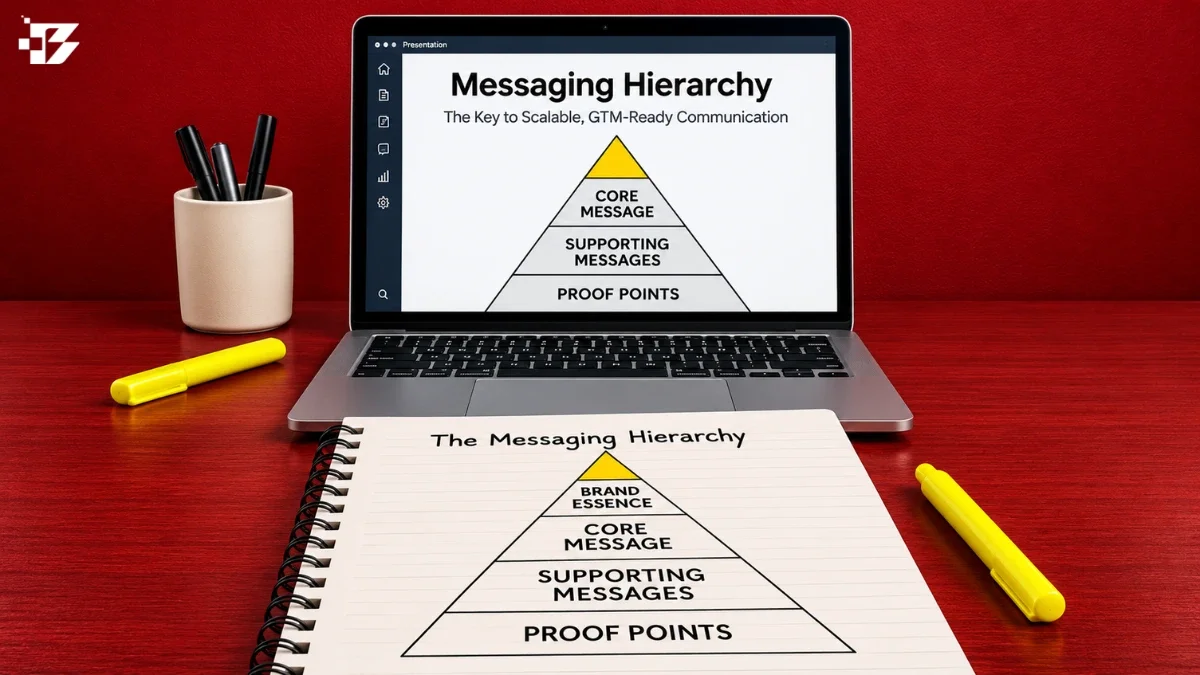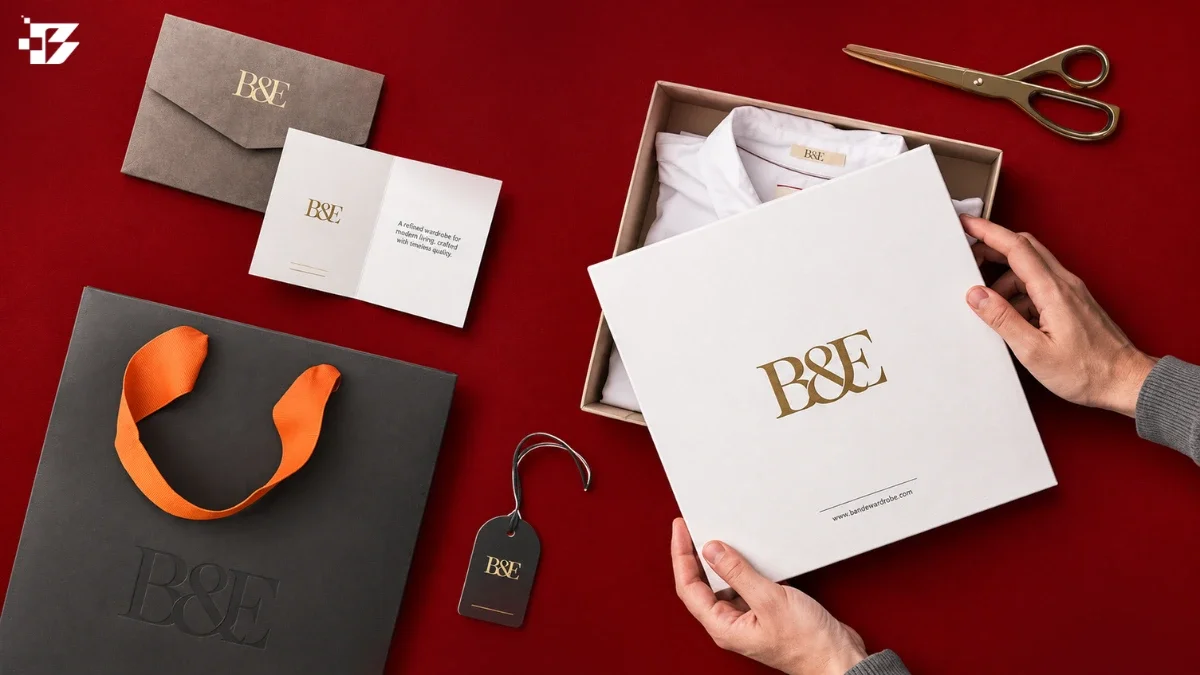
Use the existing brand when the new product fits its customer promise; consider a sub-brand or standalone brand when the fit is meaningfully different. A separate identity may suit a different audience, value set, price tier, category, or level of reputational risk. Brand architecture is the way a company organizes the relationships among its brands and product lines.
A familiar name can bring recognition, but another identity takes time and work to build. Your choice affects how customers understand the offer and how your business supports it. Treat customer confusion about what the existing name stands for as a reason to test a clearer brand relationship.
Key Takeaways
- Use the master brand when the offer matches its promise.
- Consider a sub-brand when the product needs distinction and a visible connection.
- Choose a standalone brand when separation serves customers or protects the business.
- Look for a real customer benefit, not just a new package design.
- Test whether buyers understand the product and its connection to your company.
How to Decide Whether a New Product Needs Its Own Brand: Choose the Right Architecture
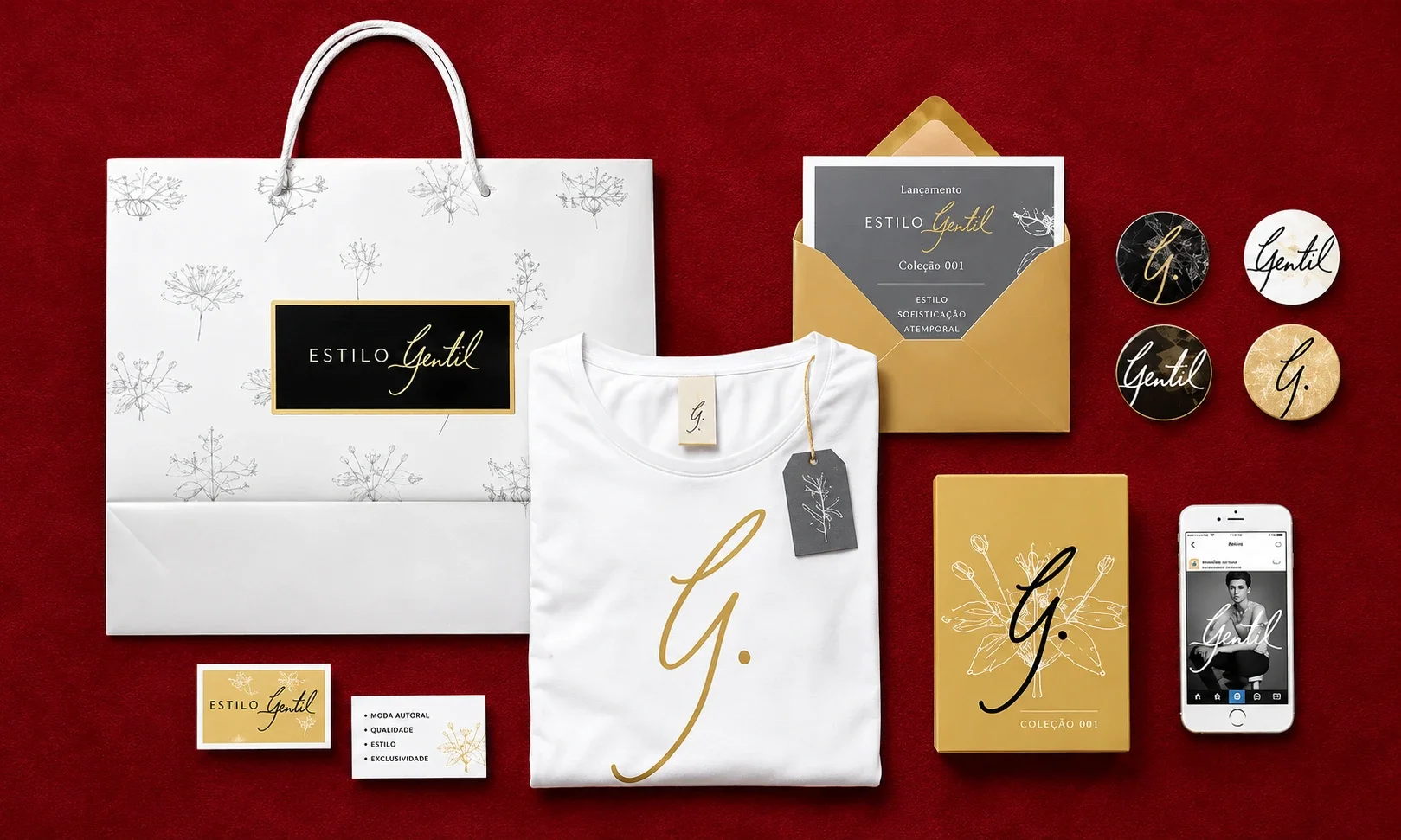
If the new offer makes the existing brand’s promise more useful to the same buyers, extending the master brand is usually the simplest choice. Brand architecture gives you three practical routes: extend the master brand, create a sub-brand, or establish a standalone brand.
Choose the simplest structure that makes the offer clear without weakening customer trust. A brand is a name, term, design, symbol, or other feature that distinguishes one seller’s goods or services from another’s.
Extend the master brand when the promise still fits
Extending the master brand carries existing brand recognition into a related offer. A company that sells kitchen appliances, for example, could add a matching toaster under its current name.
That choice works when the product strengthens the same promise and meets familiar standards. Buyers can use what they already know about the company to judge the new product.
Use a sub-brand when the product needs distinction and connection
A sub-brand has its own product identity, but it remains visibly connected to the master brand. It can help customers tell apart product tiers or features while keeping a familiar company name in view.
This middle ground can help when only part of the customer promise differs. A premium appliance line might offer more features and a distinct look, while still drawing trust from its parent brand.
Choose a standalone brand when separation matters
A standalone brand has no visible master-brand connection. It may suit a company entering a category with different buyers, a different promise, or a risk that should not affect the master brand.
Before choosing a standalone identity, check whether a visible endorsement from the master brand could preserve useful trust without confusing the buyer.
A new name alone does not make brand products easier to choose. Picture a home-care company entering personal finance: buyers may expect different proof, service, and safeguards. Check whether the new category needs separation, or whether an endorsed sub-brand can make the relationship plain.
Does the New Product Serve the Same Target Audience?
A product aimed at the same buyers and the same buying occasion has a stronger case for using the current brand than one meant for a different customer group. Shared needs matter more than broad demographic matches.
Look for evidence that the same customers would consider both offers for related reasons. A new product can appeal to people of a similar age or income yet solve a different problem in a different setting.
Compare the buyers’ needs and expectations
Compare what customers want, how they shop, and what they expect from the buying experience. Check these four signs of a real fit:
- The products address a shared customer problem.
- Customers consider them for a similar purchase occasion.
- Buyers expect compatible quality and service.
- Research or sales records show buyer overlap.
A small business buying accounting software and a family buying budgeting tools may share an interest in money. Their needs, service expectations, and buying steps can still differ.
Read community discussions before placing a product message in a new setting. A practical guide to Reddit advertising explains why audience context and public comments matter.
Identify the job the product helps customers do
Jobs To Be Done theory frames a purchase around the task or problem a customer wants to address. Ask what the buyer needs to accomplish, then compare that job with the one your current brand already serves.
Consumer products often fall into four classic classes: convenience, shopping, specialty, and unsought. Convenience items need quick recognition and easy access. Shopping products invite comparison, while specialty products can depend on strong recognition or a distinct appeal.
Unsought products may need more explanation because customers do not usually plan to buy them. A new home safety service, for example, may need to teach buyers why it matters before its brand name carries much weight.
If the audiences overlap only on demographics but not on needs or purchase context, treat that as a weak fit.
Does the Product Fit Your Brand Strategy and Identity?
If the new product contradicts the values or positioning customers already associate with your brand, a separate identity may make the offer easier to understand. Check the fit before design work starts.
A product should support the promise your business wants customers to remember. A brand foundation can show whether the new offer belongs with the current identity or asks buyers to believe something different.
Check the strategy before choosing a name
One practical brand strategy framework uses seven elements: purpose, target audience, values, positioning, personality, voice, and market analysis. These elements help you find a mismatch before paying for names, packaging, or a visual identity.
Frameworks group brand strategy in different ways. Some discuss nine pillars, while this seven-element set offers one useful structure, not a universal standard.
Draft a positioning statement with this pattern: “For [target audience], [brand] is the [category] that [key difference], because [proof].” A clear statement can help you compare the new product with your current promise.
For advice on the same groundwork in financial services, see this financial services branding strategy.
Match the product’s personality to the brand
Brand personality shapes how a company speaks and behaves. The 12 classic archetypes offer one way to discuss personality, including Hero, Creator, and Sage. They are tools for thought, not labels every company must adopt.
Nike is often linked with the Hero archetype, Lego with the Creator, and Google with the Sage. These examples can help a team describe a tone, but they do not prove that a product needs another identity.
The 12 brand archetypes include distinct roles such as Innocent, Explorer, Ruler, and Caregiver. Use them to guide discussion, not as a substitute for customer evidence.
Plain wording and clear visuals can help customers grasp an offer. Compare your draft with advice on making a brand easier to understand.
Write the product’s one-sentence positioning statement and compare it with the current brand promise before approving a visual direction.
What Makes the Product Distinct Enough to Deserve Its Own Identity?
A new identity is most defensible when the product changes what customers value, not just how the package looks. Start with the benefit, then judge whether the full experience supports a different promise.
A visual difference alone does not prove that customers are being offered a different benefit. Product levels help you separate the basic problem solved from the things customers see, touch, and receive.
The core benefit is the customer’s basic problem solved. The embodied product is the tangible offer, including its design and use. The augmented product adds value through service, brand values, or community.
| Product level | What it means | Plant-based milk example | Brand implication |
|---|---|---|---|
| Core | Basic customer problem solved | Replace dairy in tea or cereal | Same benefit may support the same brand |
| Embodied | Tangible product and use | Taste, texture, package, hot-drink use | Design can differ without a new promise |
| Augmented | Added value beyond the product | Service, values, or community | Distinct added value may support a sub-brand |
For plant-based milk, taste and texture can affect whether it works in hot drinks. A carton designed for coffee shops may look very different from a family-size carton, yet both can replace dairy in tea or cereal.
That difference may help customers use the product, but packaging alone does not change its core benefit. Ask whether the product solves a new problem or gives buyers a meaningfully different experience.
Ask customers to describe the benefit in their own words before deciding that a design difference needs a new brand.
How Should the New Offer Fit Into the Brand Portfolio?
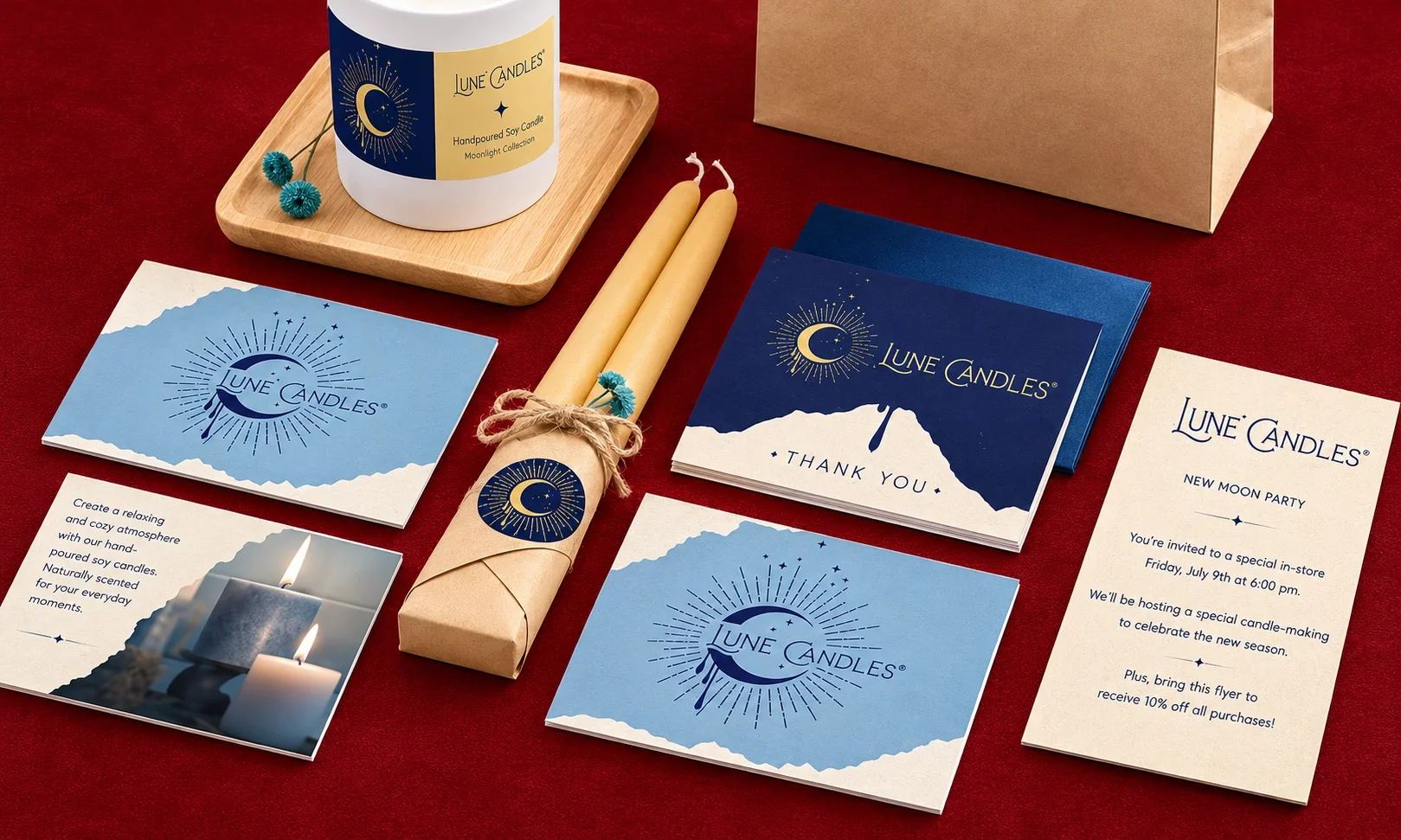
A product deserves a place in the portfolio when its role is clear to customers and different enough from the roles already assigned. Clear roles help buyers compare products without sorting through competing promises.
The central test is whether the new offer clarifies customer choice or adds overlap. Brand architecture organizes relationships among a company’s brands, while the portfolio includes the brands it manages.
Research on brand architecture and brand portfolios distinguishes the hierarchy between brands from the broader group of brands a company holds.
Clarify the role of each brand
Give each brand a job customers can recognize. Lay’s brought its Classic, Kettle Cooked, Sensations, and Dips lines under “Help Yourself to Life.” The company doubled volume year-over-year with no incremental media spend.
That result followed a specific campaign and does not set a general outcome for brand changes. The useful lesson is to state how product lines fit together before promoting them as one family.
Whirlpool clarified the roles of Whirlpool, Maytag, KitchenAid, JennAir, and Amana to reduce overlap and distinguish the brands for target audiences.
Reduce overlap or simplify the portfolio
Some companies need fewer brands, while others need clearer tiers within a brand. KitchenAid clarified product tiers and tested a high-end sub-brand with its own naming and visual identity rules.
Swiss Post assessed which brands to retain or retire, then planned service migration to strengthen its master brand. These actions show different ways to address a crowded portfolio.
| Organization or brand portfolio | Portfolio action | Intended strategic role | Reported result or next step |
|---|---|---|---|
| Lay’s | Unified four product lines | Present products under one idea | Volume doubled year-over-year, with no incremental media spend |
| Whirlpool portfolio | Clarified five brand roles | Reduce overlap and distinguish audiences | Roles were clarified for target groups |
| KitchenAid | Clarified tiers and piloted a sub-brand | Separate a high-end offer | Distinct naming and visual rules were tested |
| Swiss Post | Reviewed brands and planned service migration | Strengthen the master brand | Some brands were set for retention or retirement |
Write one sentence defining the job of each brand in the portfolio and flag any two that make the same promise.
Can Your Business Support Another Brand Over Time?
A separate brand makes sense only if the team can fund and manage its identity after launch, not just create it. Ongoing support matters as much as the first round of design.
Budget for the work that keeps the brand useful after customers first see it. A new identity needs naming and trademark administration, creative assets, marketing, social channels, customer support, and consistent operations.
Teams can underestimate the time needed to keep product details, service, and public messages aligned. A logo and launch campaign cannot answer customer questions or keep social channels active on their own.
Marketing work may include helpful content, search visibility, social media, email, webinars, and customer stories. These inbound lead generation strategies show the range of activity a brand may need.
A common mistake is budgeting only for a logo and initial launch. That plan leaves out ongoing marketing and customer support, just when buyers begin to ask for help.
New products can defend market share, reach new segments, build an innovation reputation, spread investment risk, use production capacity, and smooth demand. These are possible benefits, not a promise of profit.
The BCG Matrix groups products as stars, cash cows, question marks, or dogs. Use it as a portfolio lens, not a replacement for evidence that customers want the offer.
A product with uncertain demand may still have value, but the business should plan how it will learn and respond. A product that uses spare production capacity can help operations, yet it still needs a clear customer benefit and support plan.
Assign an owner and ongoing budget for every new customer-facing brand task before approving a standalone identity.
Is There Enough Market Potential to Justify a Separate Brand?
A distinct brand is a larger commitment when customer demand or the path to profitable delivery is still unproven. Test the business case before investing in a costly identity.
Demand, viable pricing, and readiness must support the product before brand spending grows. A large market does not help if customers will not pay enough to cover the cost of making and supporting the offer.
Validate the need and the commercial opportunity
Check whether customers face a real problem and whether enough buyers may pay for a solution. Estimate the addressable market, then test pricing against production, service, and marketing costs.
Use these five checks to screen the opportunity:
- Problem evidence from customers or real use cases
- Customer willingness to pay at a workable price
- Addressable market with reachable buyers
- Credible path to profit after business costs
- Production and sustainability feasibility
A marketplace plan should account for demand, operating readiness, and profit after fees. This marketplace expansion strategy also considers whether new sales add demand or shift existing sales.
Check product readiness and life-cycle context
A product’s life cycle has four stages: introduction, growth, maturity, and decline. The stage affects demand, competition, and the case for continued brand investment.
| Life-cycle stage | Market condition | Implication for brand investment |
|---|---|---|
| Introduction | Demand and product response remain uncertain | Test the offer before costly standalone branding |
| Growth | Demand and competition can rise | Invest when the product can keep its promise |
| Maturity | Demand is more established | Use a distinct brand only if it improves choice |
| Decline | Demand and profit may fall | Limit added identity costs unless a new role exists |
The Iowa State Extension overview of product life cycles explains how stage changes can affect pricing, promotion, and production.
Product development may draw on six functions: innovation, product management, project management, product marketing, engineering, and operations. One person may cover several functions; each brings a different readiness check.
Require evidence of a real customer problem and a viable route to production before treating brand investment as the next step.
How Can You Test the Brand Choice and Measure Launch Results?
A product is succeeding when customers understand its promise and its use metrics show that people are adopting and continuing to use it. Measure both understanding and behavior.
Awareness alone cannot show whether customers understand or keep using the product. Test whether intended buyers know who the offer serves and how it relates to your current brand.
Test recognition and familiarity consistently
The 3-7-27 rule is a mental model: a potential customer may need 3 interactions to notice a brand, 7 to start remembering it, and 27 to build trust and familiarity.
These numbers can vary, so the rule is not a proven formula. Its practical point is that people need repeated contact to recognize and recall a brand.
Ask test participants who the product is for, what it helps them do, and how it connects to the company. If they give different answers, the name or message may need work.
Clear web pages can make the offer easier to grasp. A guide to website design and user analytics covers clear messaging and ways to read visitor behavior.
Track product behavior before, during, and after launch
Set goals before launch, then choose measures that show what buyers do at each stage. Track these five metric groups:
- Prelaunch sign-ups and beta feedback scores
- Launch activation rate, time to value, and adoption
- Postlaunch retention and engagement
- Net Promoter Score, or NPS
- Customer acquisition cost
Sign-ups show interest, while beta feedback can reveal whether the product meets expectations. Activation and time to value show whether new users reach a useful result after launch.
Retention and engagement show whether customers return and keep using the offer. NPS captures how likely customers are to recommend it, while acquisition cost tracks what it takes to gain customers.
Compare results with the product’s stated goals and revise the brand relationship if customers consistently misunderstand it.
What Should You Check Before Committing to a Product Brand Name?
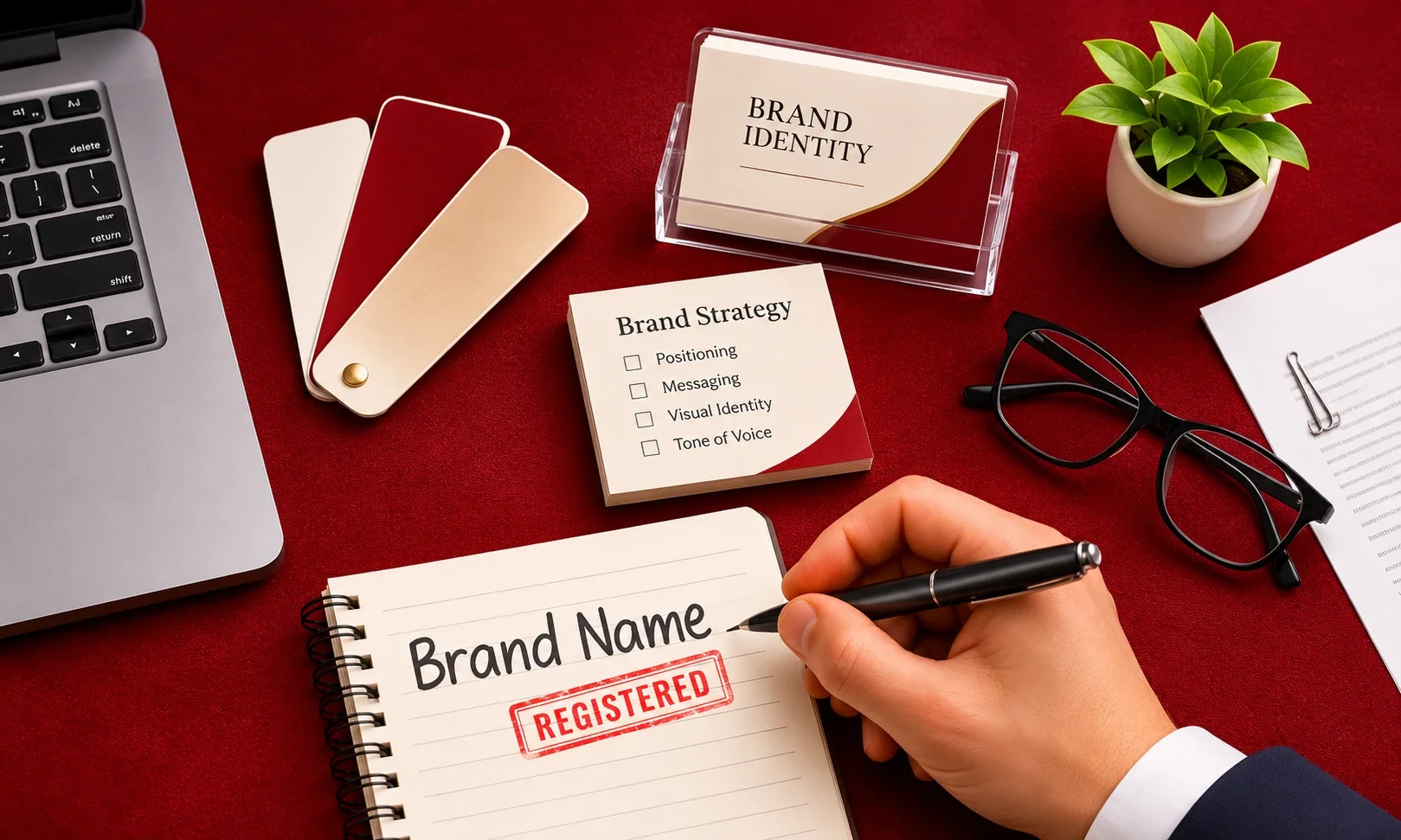
Check the proposed name and its claims before paying for packaging or building a public-facing identity around it. Early checks can help you avoid costly changes.
Review existing marks, web results, domains, social handles, and product claims before printing. A name that looks clear in a brainstorm may already signal another business or create confusion online.
Search relevant trademark records and web results, then check whether a usable domain and social media handles fit your plan. Review product claims for accuracy and support before placing them on packaging or ads.
Acquired distinctiveness is a specific U.S. trademark concept. It means consumers directly link a mark to the applicant as the source of its goods through extensive use and promotion.
The USPTO accepts several forms of Section 2(f) evidence, including ads that show trademark use, advertising-spend figures, dealer or consumer statements, and other proof of consumer recognition.
Use solely in a foreign country or between two foreign countries does not support acquired distinctiveness in the United States. The USPTO’s Section 2(f) evidence rules explain this limit.
This rule concerns acquired distinctiveness, not every new product name. General name clearance is a separate task, and a new name does not need to prove years of customer recognition to be considered.
Get qualified trademark guidance when the name’s availability or the evidence for a claim is uncertain.
Conclusion
Choose a separate brand only when it gives customers a clearer promise or protects a meaningfully different position. The simplest structure is often best when it explains the product and the business can support it.
A sound choice rests on customer needs, a clear benefit, and a workable business plan. The name and visual identity should express that choice, not stand in for the evidence behind it.
Write a short decision memo naming the target customer, product promise, recommended brand relationship, and evidence behind the choice. Draft the memo and ask a customer-facing colleague to challenge its assumptions before committing to the name.