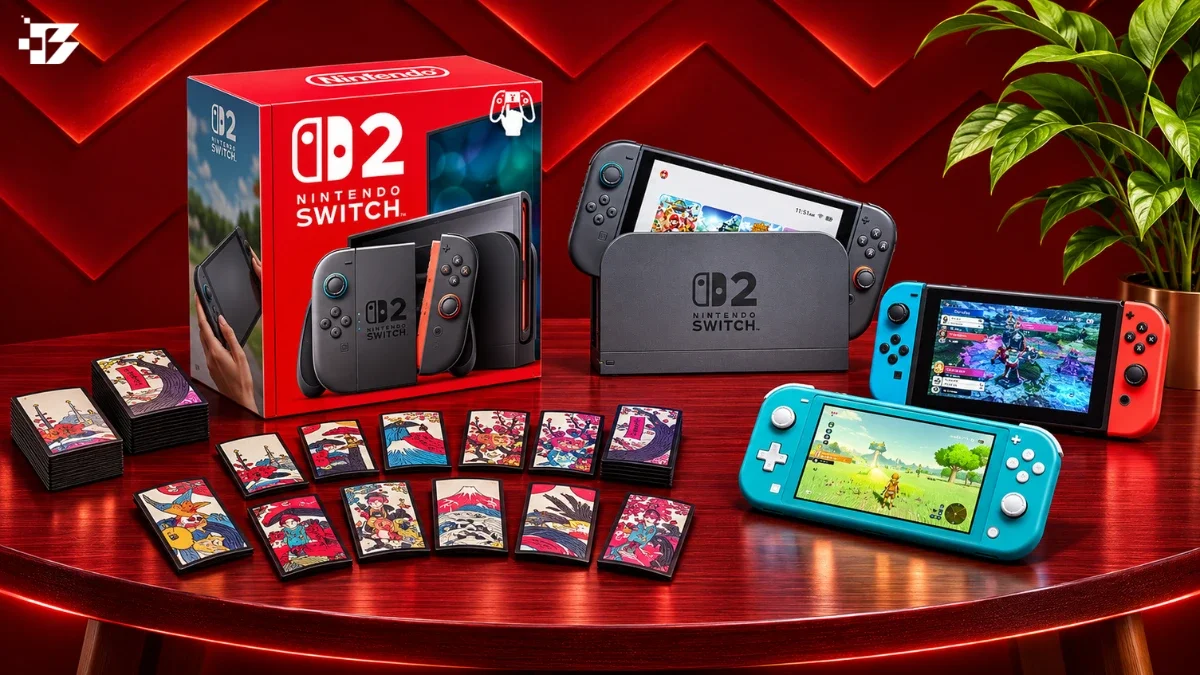
Nintendo was founded in 1889, in Kyoto, as a maker of hand-painted playing cards. It has run a taxi company, a chain of love hotels and an instant rice business. It also saved the entire video game industry from extinction, built the two best-selling consoles in its category, and just posted the most profitable year in its history.
The company that made Mario is 135 years old, and it has never once been the most powerful technology company in the room. It wins anyway. This is the story of how.
Key Takeaways
- Nintendo was founded on September 23, 1889 by Fusajiro Yamauchi in Kyoto, producing hand-painted hanafuda playing cards.
- Hiroshi Yamauchi took over in 1949 at age 21 and ruled for 55 years, steering the company through failed experiments in taxis, love hotels and instant rice before landing on toys and games.
- The NES single-handedly rebuilt the American video game market after the 1983 crash, and the Game Boy, Wii and Switch each redefined what a console could be.
- Nintendo’s philosophy, in engineer Gunpei Yokoi’s words: “lateral thinking with withered technology.” Use mature, cheap components in imaginative ways instead of chasing specs.
- The Switch sold 157.2 million units, and the Switch 2 reached 26.35 million by September 2026, outselling the original’s pace by a wide margin.
- Fiscal year 2026 was the most profitable in Nintendo’s history: revenue of ¥2.31 trillion, up 98.6% in a single year.
The Card Sharp Of Kyoto
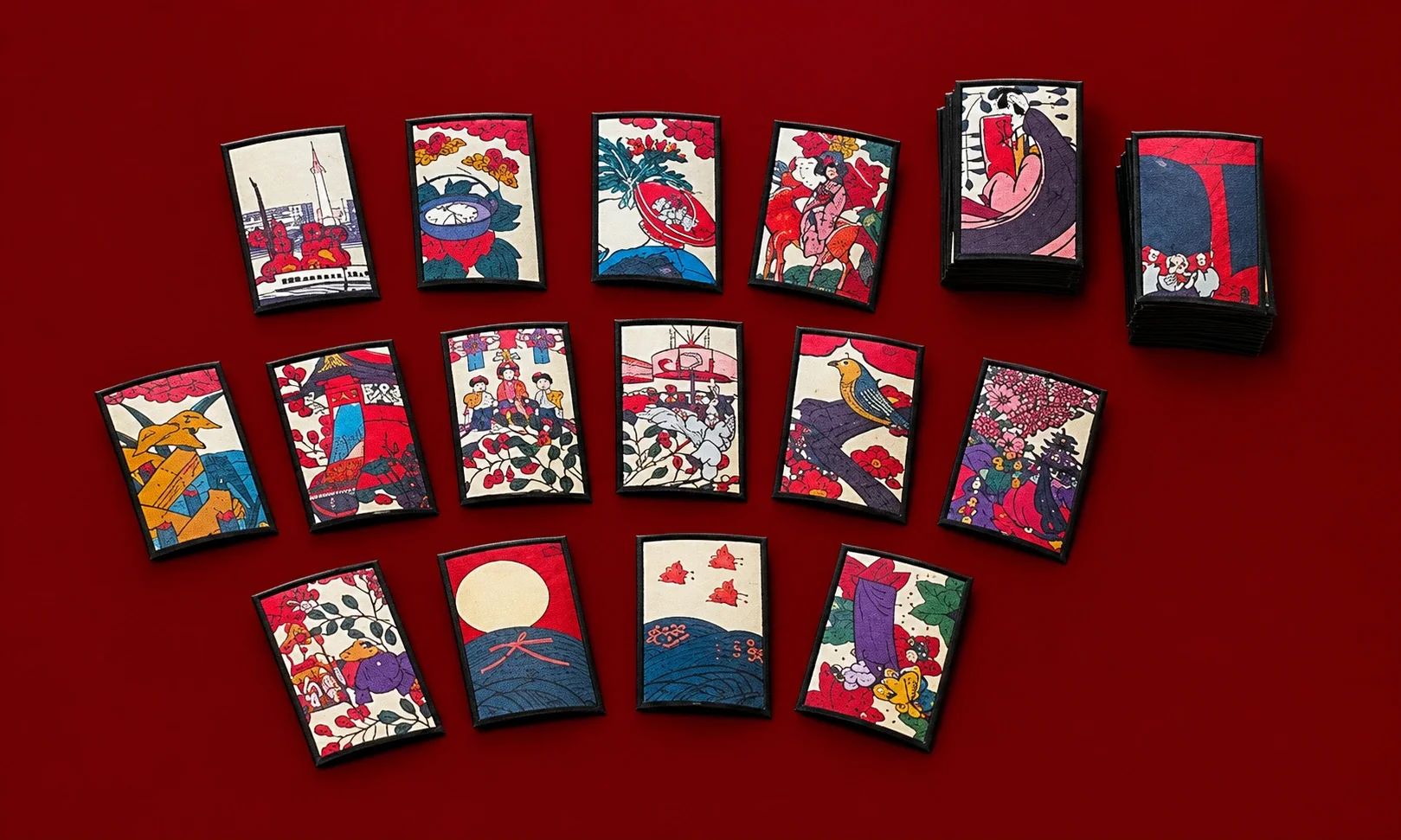
In 1889, Japan had recently legalized Western-style playing cards, and a craftsman named Fusajiro Yamauchi opened a small shop in Kyoto called Nintendo Koppai. His product was hanafuda: beautifully hand-painted flower cards used for gambling games, in a country where card games had been banned for generations. The name Nintendo is usually translated as “leave luck to heaven,” which is a fitting motto for a company that would spend the next century testing how much luck a business can manufacture.
The cards were a hit, and by 1902 Nintendo was producing the first Western-style playing cards made in Japan. But cards are a ceiling. A deck lasts years, and there are only so many gamblers. The company stayed small and profitable for sixty years, waiting for a second act.
The 21 Year Old Who Fired Everyone
In 1949, Fusajiro’s grandson Hiroshi Yamauchi took over the company at 21, and immediately did something that would define Nintendo forever: he purged every family member and legacy manager who might question him, and made it clear the company would go exactly where he decided, at whatever speed he chose.
What he decided, for the next fifteen years, was chaos. Yamauchi threw Nintendo at every business he could think of. A taxi company called Daiya. A chain of love hotels renting rooms by the hour, which he reportedly used himself. Instant rice. A vacuum cleaner. All of it failed, and by the mid-1960s Nintendo was drowning in debt.
Salvation came from a factory floor. Yamauchi noticed a maintenance engineer named Gunpei Yokoi tinkering with an extending arm toy in his spare time, and ordered him to turn it into a product. The Ultra Hand sold over a million units in 1970. Yokoi went on to design the Game & Watch in 1980, inspired by watching a bored businessman play with a calculator on a train, and then the Game Boy. His philosophy became the company’s soul: “lateral thinking with withered technology.” Never buy the newest, most expensive components. Take mature, cheap, proven parts and do something nobody else imagined with them. That sentence explains every successful Nintendo product ever made.
The Company That Saved Video Games
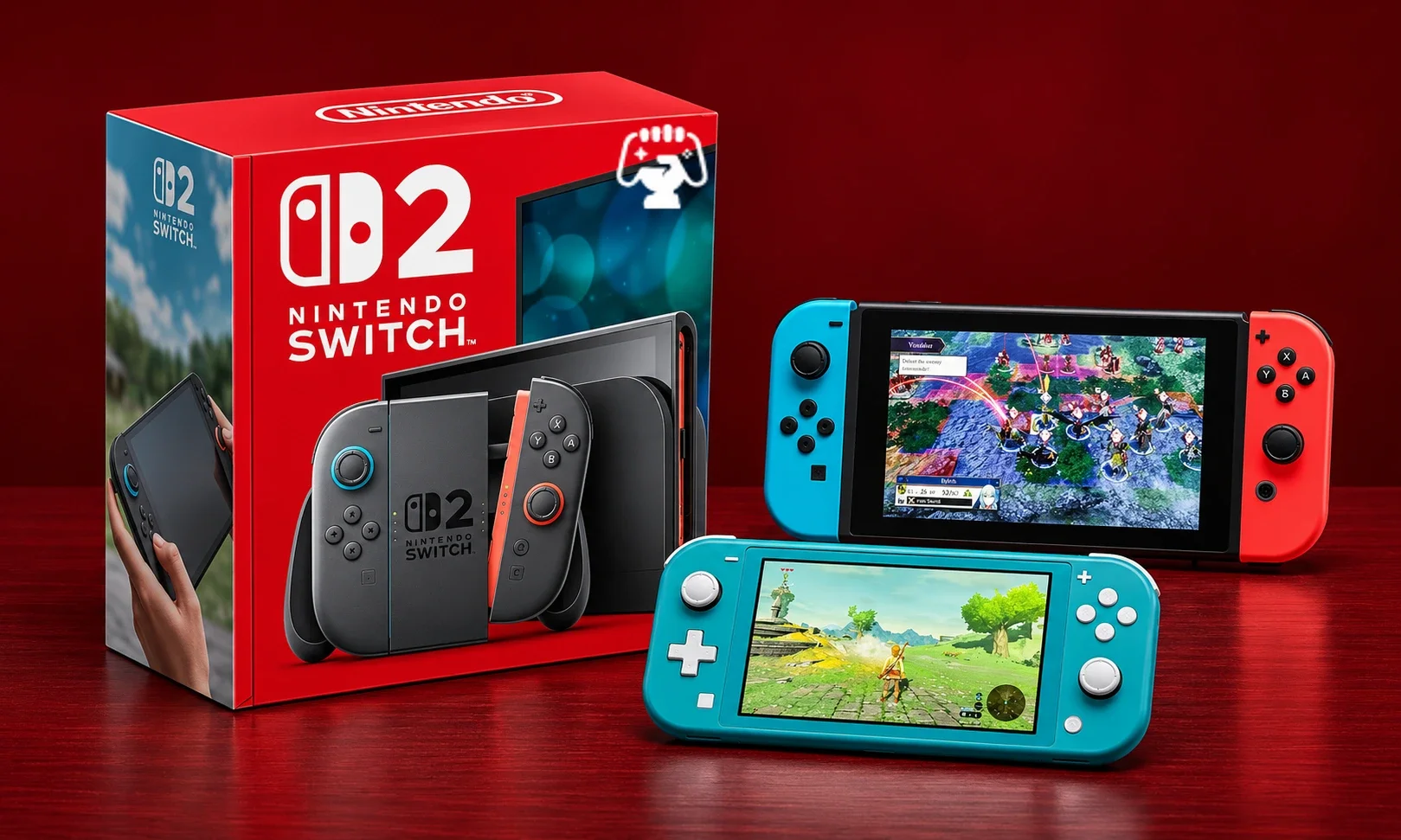
By 1983, the American video game industry was dead. Atari had flooded the market with garbage, retailers had lost faith, and sales had collapsed by 97%. Analysts wrote the obituary: video games were a fad, like pet rocks.
Nintendo’s response became a business school legend. It had launched the Famicom in Japan in 1983, powered by Donkey Kong, an arcade hit designed by a young artist named Shigeru Miyamoto. For America, it renamed the machine the Nintendo Entertainment System, deliberately designed it to look like a VCR rather than a toy, bundled it with a robot to get it classified as an electronics device, and offered retailers an insane deal: stock it, and if it does not sell, we buy back every unit. Then it created the Nintendo Seal of Quality, a promise that games on its system would actually work.
The NES did not just succeed. It resurrected an entire industry and installed Nintendo as its ruler. Super Mario Bros. in 1985 became the template for an art form. By 1990, Nintendo held roughly 90% of the American video game market. One company, one console, near-total control. It was the closest gaming has ever come to a monopoly, and it was built on quality control: the opposite instinct to the one that killed Atari.
The Humiliation That Made Them Better
Nintendo’s arrogance eventually cost it the crown, and the story is worth telling because it made the modern company.
In the early 1990s, Nintendo partnered with Sony on a CD-ROM add-on, then publicly humiliated Sony by announcing a deal with Philips instead, on stage, the day after Sony’s announcement. Sony’s response was to build the PlayStation out of spite. When Nintendo stubbornly stuck with expensive cartridges for the Nintendo 64 in 1996 while Sony embraced cheap CDs, developers defected in waves. Final Fantasy, the franchise that had defined Nintendo’s dominance, moved to PlayStation. By 2001, Sony owned the industry.
Here is what Nintendo did not do: it did not chase Sony into a specs war. Instead, in 2006, it launched the Wii, a deliberately underpowered console with a motion controller, and sold 101 million units to people who had never touched a game. Then it launched the Wii U, a confused tablet-console hybrid, and sold 13.5 million, one of the great flops in hardware history. Boom and bust, the Nintendo cycle. The Wii U belongs in any honest accounting of the biggest tech brand failures, and Nintendo executives said so themselves, in public, before fixing it.
The Switch: One Machine, Every Lesson
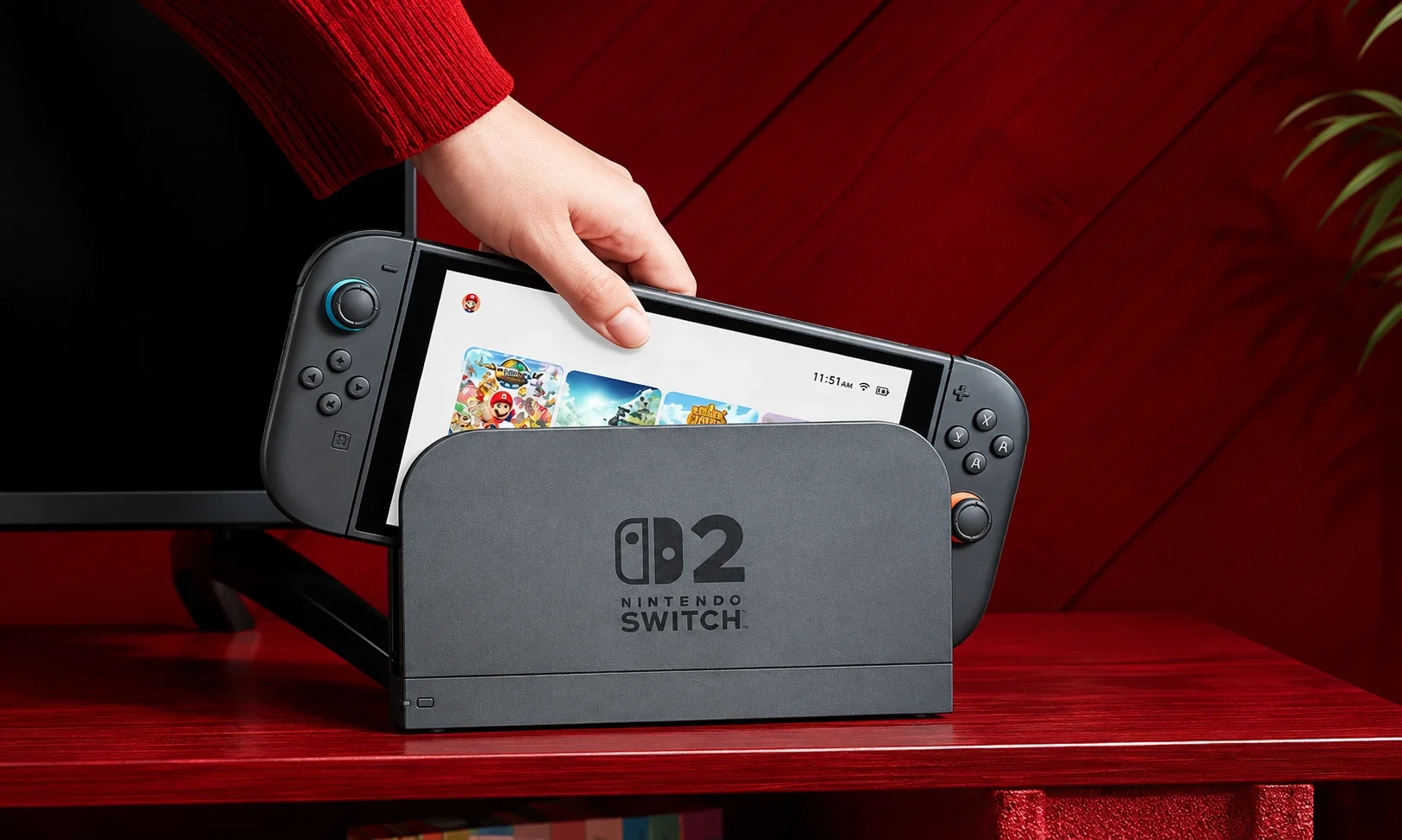
The Switch, launched in 2017, is what a company looks like when it actually learns.
It merged Nintendo’s two businesses, console and handheld, into one hybrid device. It was underpowered compared to the PlayStation, as always, and it did not matter, as always, because the games were extraordinary. The Legend of Zelda: Breath of the Wild launched alongside it and is still argued about as the best game ever made. The Switch has now sold 157.2 million units, second only to the PlayStation 2 in console history, with 1.6 billion games sold.
And in June 2025 came the sequel, priced at $449.99, double the original’s launch price. Skeptics said the market would not pay it. The Switch 2 sold 3.5 million units in its first four days, the fastest hardware launch in Nintendo’s history, and reached 26.35 million units by September 2026 according to Nintendo’s own investor data. In the United States it is tracking 45% ahead of the original Switch’s pace, per Circana, making it the second fastest selling game hardware ever measured, behind only the Game Boy Advance. Mario Kart World alone has sold 14.7 million copies, meaning roughly three out of every four Switch 2 owners bought it.
Fiscal 2026, the Switch 2’s launch year, was the most profitable year in Nintendo’s history: revenue of ¥2.31 trillion, up 98.6%. A 135 year old company’s best year is its most recent one. Sit with that.
135 Years In One Table
| Year | Moment |
|---|---|
| 1889 | Fusajiro Yamauchi founds Nintendo as a hanafuda card maker in Kyoto. |
| 1949 | Hiroshi Yamauchi, aged 21, takes over and purges the old guard. |
| 1950s–60s | Failed experiments: taxis, love hotels and instant rice. |
| 1970 | Gunpei Yokoi’s Ultra Hand helps save the company. |
| 1980 | Game & Watch introduces a new era of handheld gaming. |
| 1985 | NES helps rebuild the American video game industry after the 1983 crash. |
| 1989 | Game Boy launches and eventually sells 118 million units. |
| 1996 | Cartridge stubbornness hands significant market share to Sony’s PlayStation. |
| 2006 | Wii sells 101 million units, attracting millions of non-gamers. |
| 2012 | Wii U struggles, selling approximately 13.5 million units. |
| 2017 | Nintendo Switch launches, eventually reaching 157.2 million units sold. |
| 2025–26 | Switch 2 reaches 26.35 million units, marking a major new chapter for Nintendo. |
The Lessons Every Brand Should Steal
Boring technology, brilliant idea. Nintendo has never won a specs war and has never needed to. Withered technology means lower costs, better reliability and fatter margins from day one. While rivals sell hardware at a loss, Nintendo profits on the machine itself. Simplicity as strategy is exactly what we mean by making your brand easier to understand: one idea, executed relentlessly.
Own your characters like Disney owns its. Mario, Zelda and Pokémon are the most durable intellectual property in entertainment, and Nintendo guards them ferociously. The games feed the movies, the movies feed the theme parks, and all of it feeds the next console generation. Pokémon alone is the highest grossing media franchise in history.
Fail fast, in public, and keep the receipt. The Wii U was a disaster. Nintendo admitted it, harvested its best ideas, and turned them into the Switch. The company’s greatest strength is not avoiding failure. It is metabolizing it.
Never confuse the audience you have with the audience you could have. The Wii’s genius was ignoring gamers entirely and selling to their grandmothers. The Switch’s genius was merging both. Every Nintendo boom came from expanding who games are for.
Frequently Asked Questions
When was Nintendo founded and by whom?
Nintendo was founded on September 23, 1889 in Kyoto, Japan, by Fusajiro Yamauchi. It originally produced hand-painted hanafuda playing cards, and its name is usually translated as “leave luck to heaven.”
Did Nintendo really run love hotels and a taxi company?
Yes. In the 1950s and 1960s, before finding its footing in toys and games, Nintendo experimented with a taxi service called Daiya, a love hotel chain, instant rice and even a vacuum cleaner. All failed, and the failures pushed the company toward toys and eventually video games.
How many Switch 2 consoles has Nintendo sold?
Nintendo’s official data shows 26.35 million Switch 2 units sold worldwide as of September 30, 2026, about sixteen months after launch. It is the second fastest selling game hardware in US history, per Circana, behind the Game Boy Advance.
What is the best-selling Nintendo console ever?
The Nintendo DS family sold 154 million units, and the Switch has passed it with 157.2 million as of September 2026. Among home consoles, the Wii leads at 101 million.
Why did Nintendo lose to PlayStation in the 1990s?
Two decisions: Nintendo publicly dropped its CD partnership with Sony in 1991, humiliating Sony into building the PlayStation, then stuck with expensive cartridges for the Nintendo 64 while Sony offered cheap CDs. Developers and players followed the discs.
Is Nintendo still family owned?
The founding Yamauchi family no longer runs the company, but Nintendo remains independent and Kyoto-based. Its last Yamauchi president, Hiroshi, stepped down in 2002 after 55 years. Nintendo has never been acquired and answers to no entertainment conglomerate.
The Bottom Line
Every gaming giant of the last forty years has either died, been acquired or pivoted away. Atari is a logo on t-shirts. Sega makes games for other people’s machines. Xbox is becoming a publisher.
Nintendo made playing cards for emperors’ gamblers, survived a taxi company, survived the love hotels, survived the industry crash, survived Sony’s revenge, survived the Wii U, and just closed the most profitable year in its 135 year existence.
Leave luck to heaven, the name says. The company’s actual secret is that it never did.