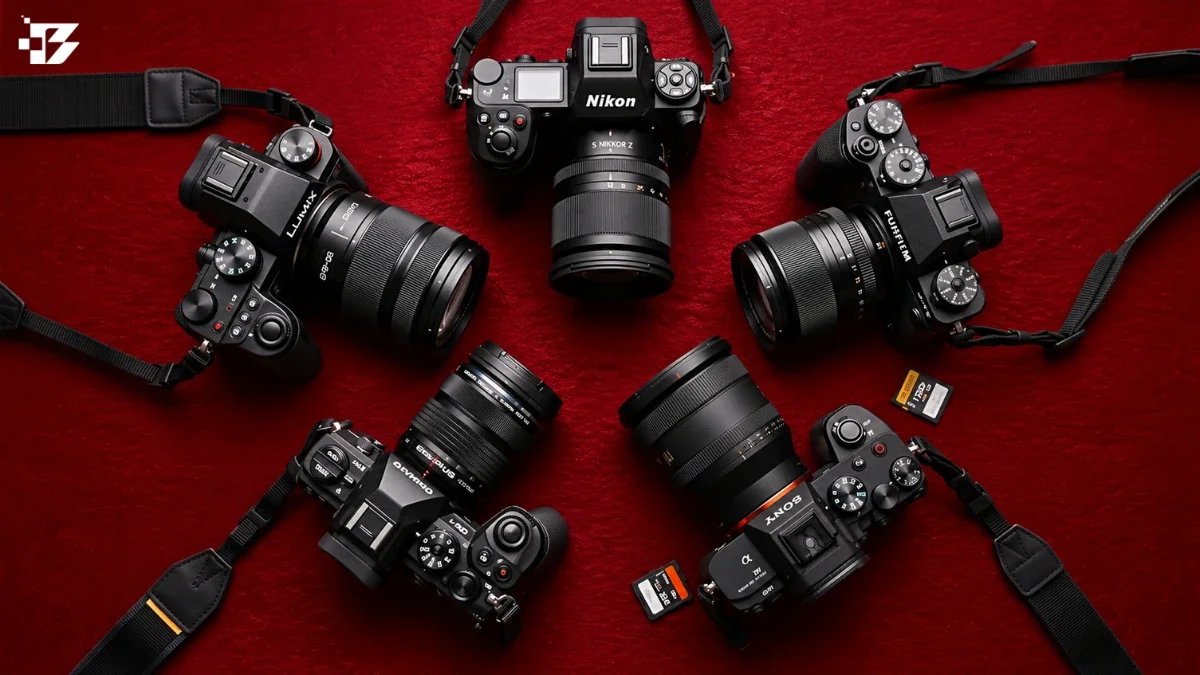
Best Cameras For Photography In 2026: The best camera for photography in 2026 is the Sony a7 V for most people, the Canon EOS R6 Mark III if you want the strongest value in full frame, and the Canon EOS R50 if you are spending under $700. Those three picks cover about 90% of the people reading this.
The other 10% need something more specific, and that is where most buying guides waste your time with fifteen near-identical picks. This one is organized by how you actually shoot, with honest downsides for every camera, because every camera has them.
One thing before the list: your phone is probably good enough for casual photos, and no camera on this page will fix weak composition. If you are on the fence about whether you need a dedicated camera at all, our best camera phones of 2026 guide is the honest comparison to start with. If you are still here after that, you need one of these.
Key Takeaways
- Best overall: Sony a7 V. A full frame all rounder with the most reliable autofocus in its class.
- Best value full frame: Canon EOS R6 Mark III. 32.5MP, 8.5 stops of stabilization, released late 2025.
- Best for enthusiasts on a budget: Nikon Z6 III. The best viewfinder ever put in a camera at this price.
- Best under $700: Canon EOS R50. Simple, capable, and an easy upgrade path.
- Best for professionals: Canon EOS R5 Mark II or Sony A1 II, depending on your system.
- Lenses matter more than bodies. Budget for at least one good lens or your expensive body will underperform.
The Quick List: Best Cameras For Photography At A Glance
| Camera | Best For | Sensor | Why It Wins | Watch Out For |
|---|---|---|---|---|
| Sony a7 V | Most people | Full frame, 33MP | Class-leading autofocus, versatile performance | No AF joystick, small grip |
| Canon EOS R6 Mark III | Value full frame | Full frame, 32.5MP | 8.5-stop IBIS, superb AF, weather sealing | Pricey lenses |
| Nikon Z6 III | Enthusiasts | Full frame, 24.5MP | Excellent viewfinder, fast readout | RAW quality similar to cheaper Z6 II |
| Canon EOS R50 | Beginners | APS-C, 24.2MP | Compact, simple, excellent auto mode | No IBIS, small battery |
| Fujifilm X-T5 | Street and travel | APS-C, 40MP | Gorgeous image quality, dedicated dials, film simulations | Aging autofocus, hard to find |
| Canon EOS R5 Mark II | Professionals | Full frame, 45MP stacked | 30fps bursts, 8K RAW, eye-control AF | Very expensive |
Sony a7 V: The Best Camera For Most Photographers
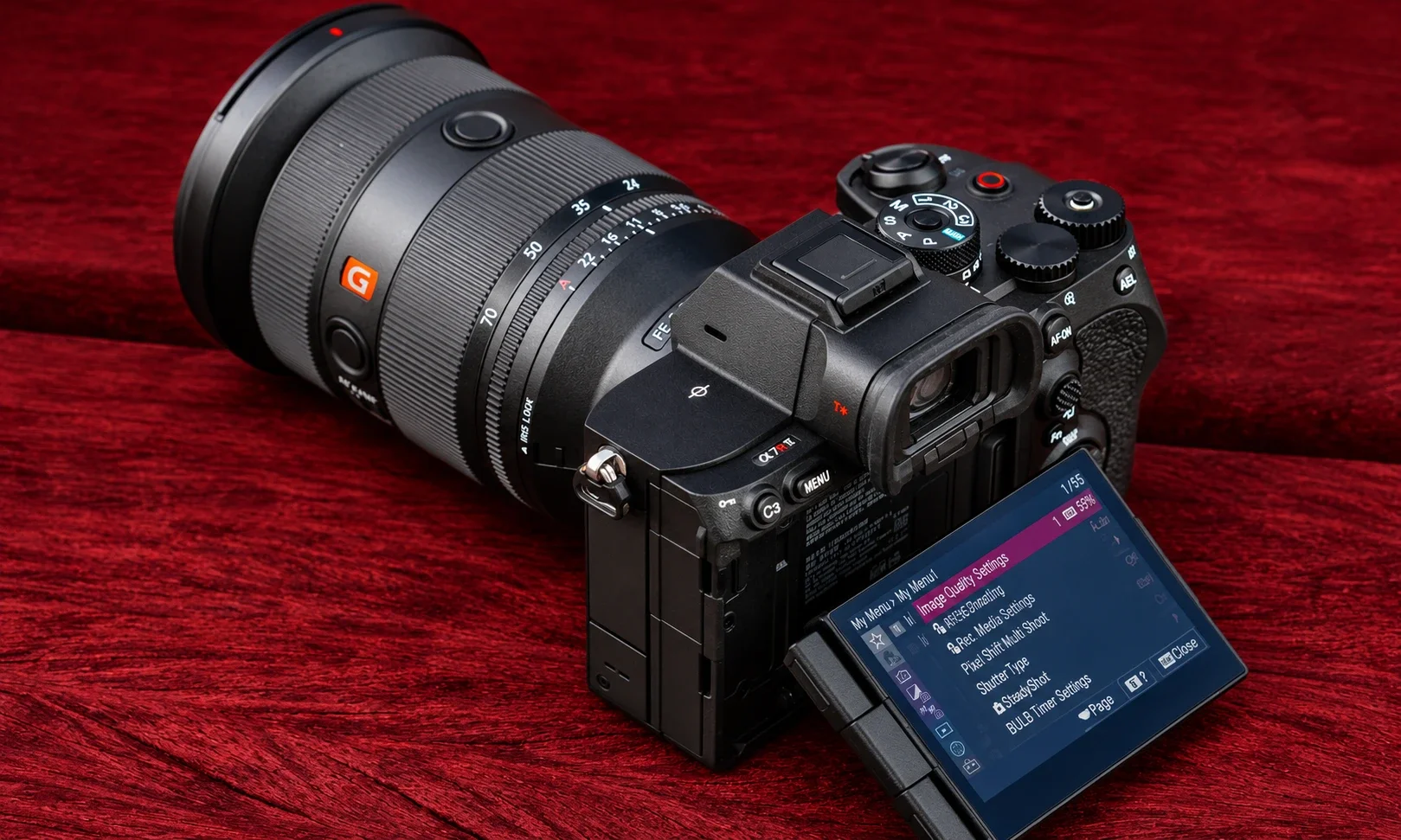
The Sony a7 V is the camera we would tell a friend to buy without asking many questions first. It took the top spot in RTINGS’ 2026 photography rankings, and it earns it the boring way: it has no real weakness.
The 33MP full frame sensor delivers sharp files with strong dynamic range. The autofocus, built on Sony’s subject recognition system, locks onto people, animals and birds and simply refuses to let go. It shoots fast enough for sports, stabilizes well enough for low light, and the E mount lens selection is the deepest in the business, including excellent third party options from Sigma and Tamron that cost half what first party glass does.
The honest downsides: the grip is small for big hands, there is no autofocus joystick, and the menu system, while improved, still hides things. None of these will cost you a photo. That is why it wins.
Canon EOS R6 Mark III: The Value Full Frame Pick
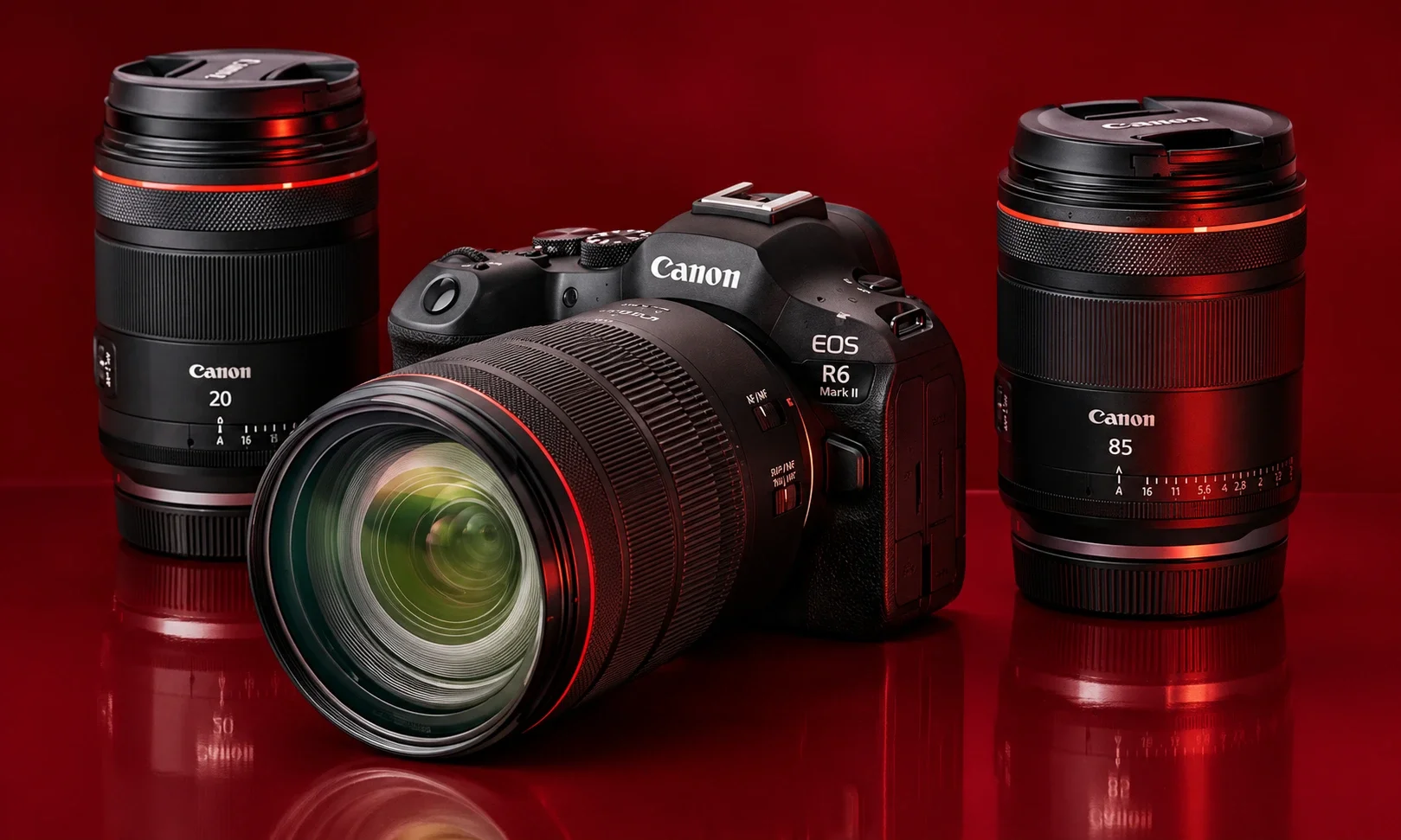
Released in late 2025, the R6 Mark III pairs a 32.5MP full frame sensor with 8.5 stops of in body stabilization. That stabilization number matters more than it sounds. It means sharp handheld shots at dawn, at dusk, indoors, in the situations where light is best and tripods are annoying.
The autofocus can register specific faces and prioritize them in a crowd, which wedding and event photographers will quietly love. Weather sealing is proper, battery life covers a full day, and if you are buying into the Canon RF system fresh, this is the sweet spot before prices jump to the R5 Mark II.
The catch is the glass. Canon’s RF lenses are excellent and expensive, and third party full frame options remain limited. Factor that into your budget.
Nikon Z6 III: The Enthusiast’s Camera
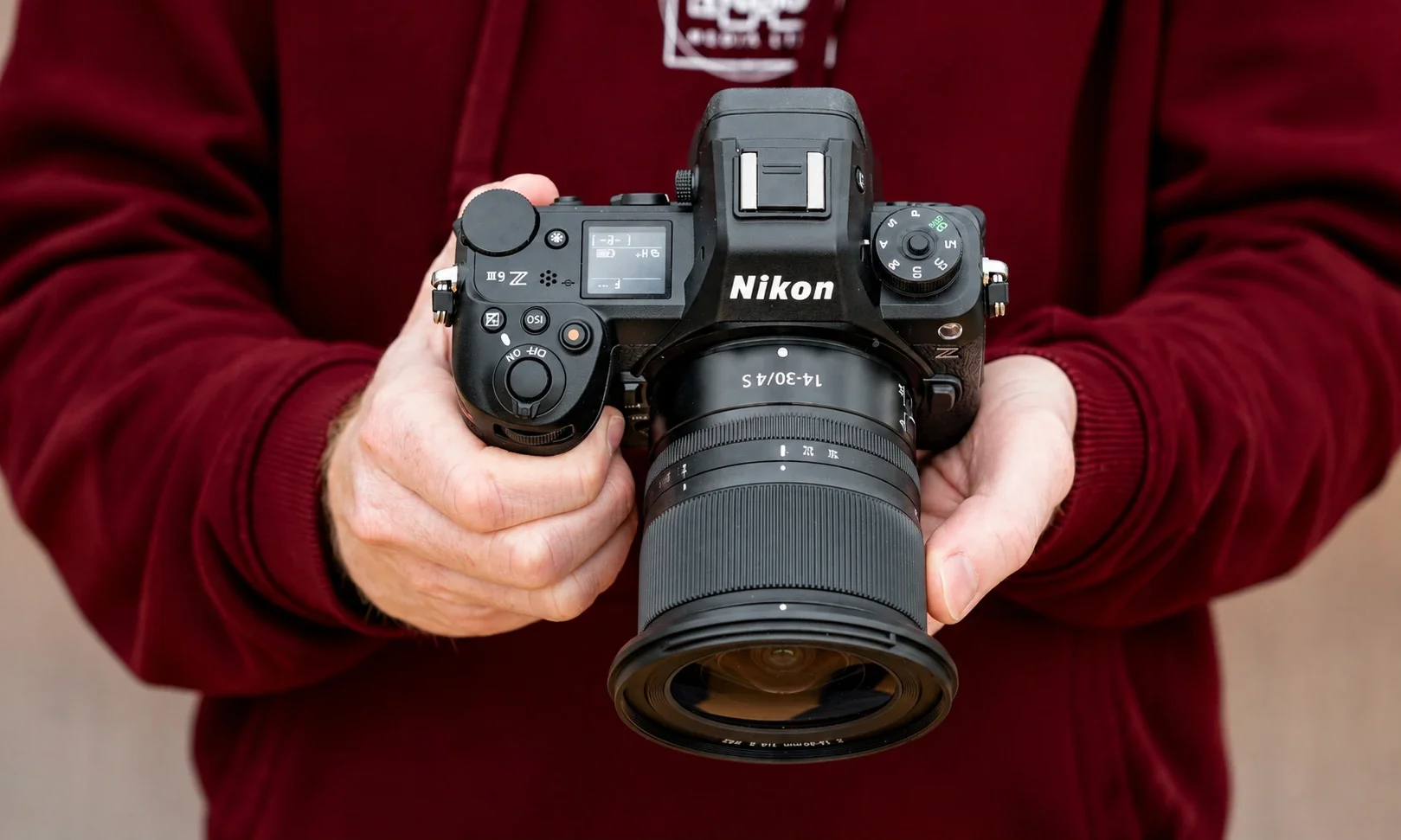
Amateur Photographer’s 2026 verdict on the Z6 III said it outclasses pretty much everything at its level, and the reason is not the sensor. The 24.5MP chip produces raw files only marginally better than the cheaper Z6 II it replaced. What you are paying for is everything around it.
The viewfinder is the best ever fitted to a camera at this price: 4000 nits bright, full DCI P3 color, sharp enough to forget it is a screen. The partially stacked sensor design makes autofocus dramatically faster than the Z6 II, closing in on the flagship Z8. If you shoot events, street or anything that moves, this is the most enjoyable camera on this list to actually use.
Canon EOS R50: The Best Camera Under $700
If this is your first real camera, stop scrolling. The R50 is small, genuinely easy to learn, and its auto mode is smart enough to teach you what it is doing. The 24.2MP APS-C sensor outperforms any phone in low light, and because it shares Canon’s RF mount with the expensive bodies, you can grow into better lenses and bodies without starting over.
You give up in body stabilization and battery life. At this price, that is a fair trade. Skip the temptation of older DSLRs on marketplace sites unless you know exactly what you are buying. Mirrorless won, and the used DSLR market is full of people learning that the hard way.
Fujifilm X-T5: The Camera You Will Actually Carry
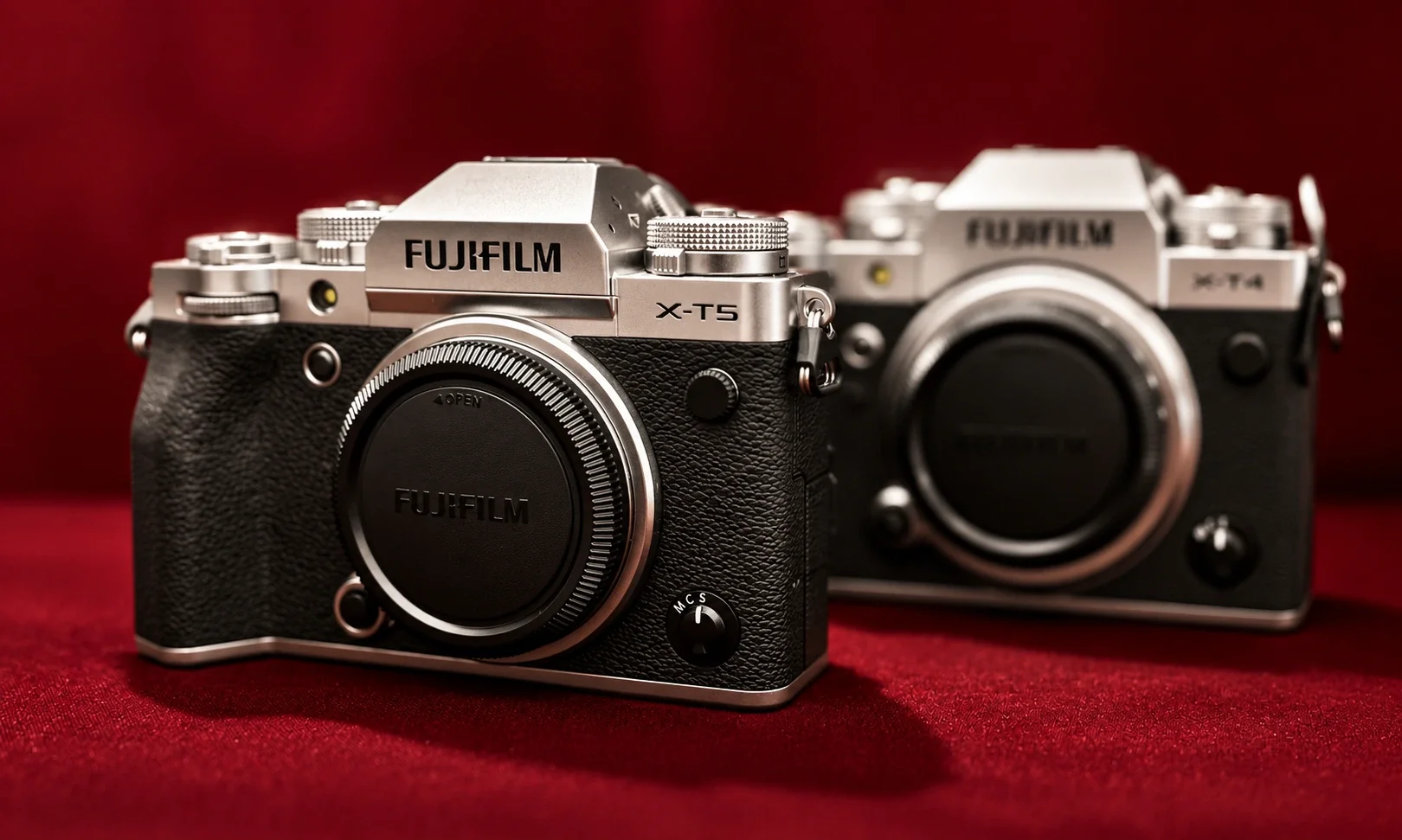
The X-T5 turns four years old this month, its successor has been delayed twice with no confirmed date, and it still sells at its full $1,999 list price. That tells you something.
The 40MP APS-C sensor produces files with a character that full frame cameras with twice the price tag do not automatically match. Dedicated dials for shutter speed and ISO make photography feel deliberate again, and the film simulation modes produce jpegs many owners never bother editing. If you do want to push the files further, our guide to AI image editors that replace traditional software covers the modern editing stack.
Be honest with yourself about the autofocus, though. It is good, not great, and it trails the Sony and Canon for fast action. For street, travel, portrait and landscape work, you will never notice.
Canon EOS R5 Mark II: The Professional Choice
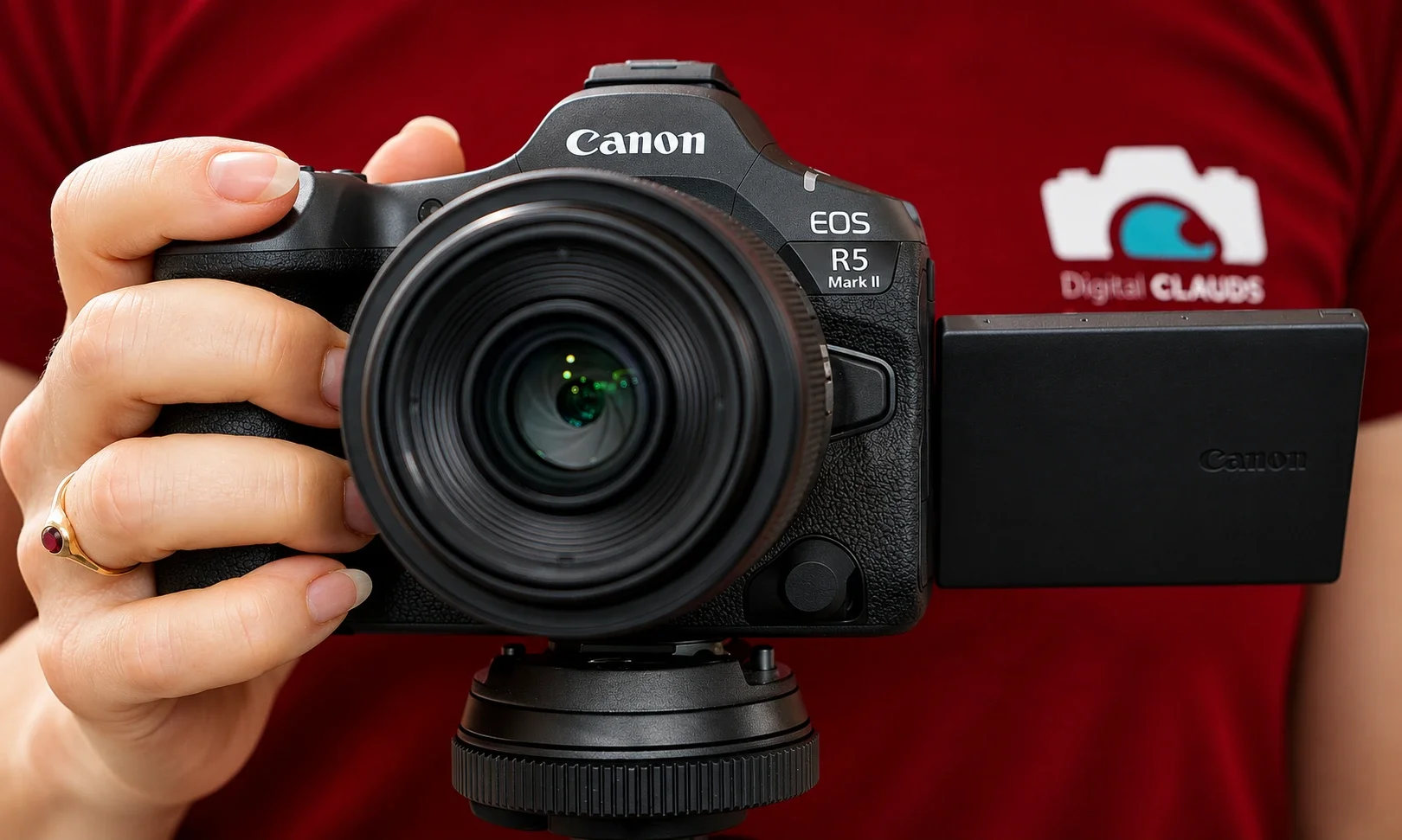
Working photographers should buy within their existing system, but if you are choosing fresh, the R5 Mark II is the most complete professional camera on sale. A 45MP stacked sensor, 30 frames per second bursts, 180MP composite mode, 8K 60p RAW video, and eye control autofocus that focuses where you look in the viewfinder. Digital Camera World’s verdict was blunt: there is no professional job it cannot handle.
The Sony A1 II is the alternative for Sony shooters, with 50MP files at 30fps and the best stabilization Sony has ever made. It costs more than Canon and Nikon rivals that deliver similar speed, which is the only argument against it.
How To Choose: The Advice That Actually Matters
Lenses beat bodies, every time. A mid range body with a quality lens outperforms an expensive body with the kit zoom. Budget for at least one good lens. For most people that means a versatile zoom, 18-135mm on APS-C or 24-105mm on full frame.
Sensor size is the one spec worth understanding. Full frame sensors gather more light and produce cleaner low light images. APS-C sensors are smaller and make telephoto reach cheaper, which is why wildlife shooters love them. For 80% of photography, the difference matters less than skill and light.
Buy the camera you will carry. The best camera is worthless in a drawer. If a smaller body means you take it everywhere, it is the better camera.
Consider used. Last generation bodies like the Sony a7 IV, Canon R6 Mark II and Nikon Z6 II are excellent cameras selling at deep discounts. The money saved buys the lens that actually improves your photos.
Frequently Asked Questions
What is the best camera for photography beginners in 2026?
The Canon EOS R50. It is affordable, genuinely easy to learn, and sits in a system you can grow into. If you want a little more, the Nikon Z50 II adds a tilting touchscreen and 30fps bursts.
Is full frame worth it for photography?
For low light, portraits and large prints, yes. For travel, street and casual shooting, a good APS-C camera with a quality lens gets you 90% of the way there for half the money and weight.
How much should I spend on my first camera?
Between $600 and $1,500 including one lens. Below that, a modern phone is honestly competitive. Above that, you are paying for capabilities you have not learned to use yet.
Are mirrorless cameras better than DSLRs for photography?
Yes, for almost everyone. Mirrorless cameras now match or beat DSLRs on autofocus, speed and image quality while being smaller. The entire industry has moved on, and so should you.
Which is better for photography, Canon, Nikon or Sony?
All three are excellent, and the honest answer is that lenses and ergonomics decide it. Canon leads in stabilization, Sony in autofocus and lens choice, Nikon in viewfinders and value. Pick the system whose lenses fit your budget.
The Bottom Line
The Sony a7 V is the safest recommendation in photography right now: no weaknesses, endless lenses, autofocus you can trust. But the right answer is personal. The Canon R50 teaches you, the X-T5 inspires you, the R6 Mark III stabilizes you, and the R5 Mark II will never be the reason you missed a shot.
Whichever you choose, spend the savings on glass, and when the photos start piling up, our guides to compressing images without losing quality and product photography that sells will help you put them to work.