The best professional camera in 2026 is the Canon EOS R5 Mark II for most working photographers, the Sony A9 III if you shoot sports, the Nikon Z8 if you want flagship performance without flagship pricing, and the Fujifilm GFX100 II if your clients pay for maximum image quality.
That is the honest answer. Now let me tell you what most professional camera guides will not: the camera body is the smallest part of this decision. At the professional level, you are buying into a lens system, a workflow and a support network, and the body is just the entry fee. I will cover all of it, because getting this wrong costs you ten thousand dollars, not four.
Key Takeaways
- Best overall professional camera: Canon EOS R5 Mark II. 45MP, 30fps, 8K RAW, eye control AF. There is no assignment it cannot cover.
- Best for sports and action: Sony A9 III. The only global shutter on this list, which kills rolling shutter distortion dead.
- Best value flagship: Nikon Z8. Ninety percent of a Z9 at about $3,999.
- Best medium format: Fujifilm GFX100 II. 102MP files that make commercial clients stop talking.
- Best premium studio camera: Hasselblad X2D II 100C, for photographers who sell a look, not just an image.
- The rule that matters: buy the system, not the body. Price the lenses first.
The Quick List: Every Pro Pick, Every Trade-Off
| Camera | Best For | Sensor | Price | The Honest Downside |
|---|---|---|---|---|
| Canon EOS R5 Mark II | Most professionals | 45MP full-frame stacked | ~$4,300 | RF glass is expensive |
| Sony A1 II | Money no object | 50MP full-frame stacked | ~$7,000 | Costs more than rivals that offer comparable performance |
| Sony A9 III | Sports and events | 24.6MP full-frame global shutter | ~$6,000 | Lower resolution; overkill for most users |
| Nikon Z8 | Value flagship | 45.7MP full-frame stacked | ~$4,000 | Big and heavy for travel |
| Fujifilm GFX100 II | Commercial and landscape | 102MP medium format | ~$7,500 | Slow for action; files are enormous |
| Hasselblad X2D II 100C | Studio and fine art | 100MP medium format | ~$8,000+ | 3fps bursts; smaller lens lineup |
Canon EOS R5 Mark II: The Default Professional Camera
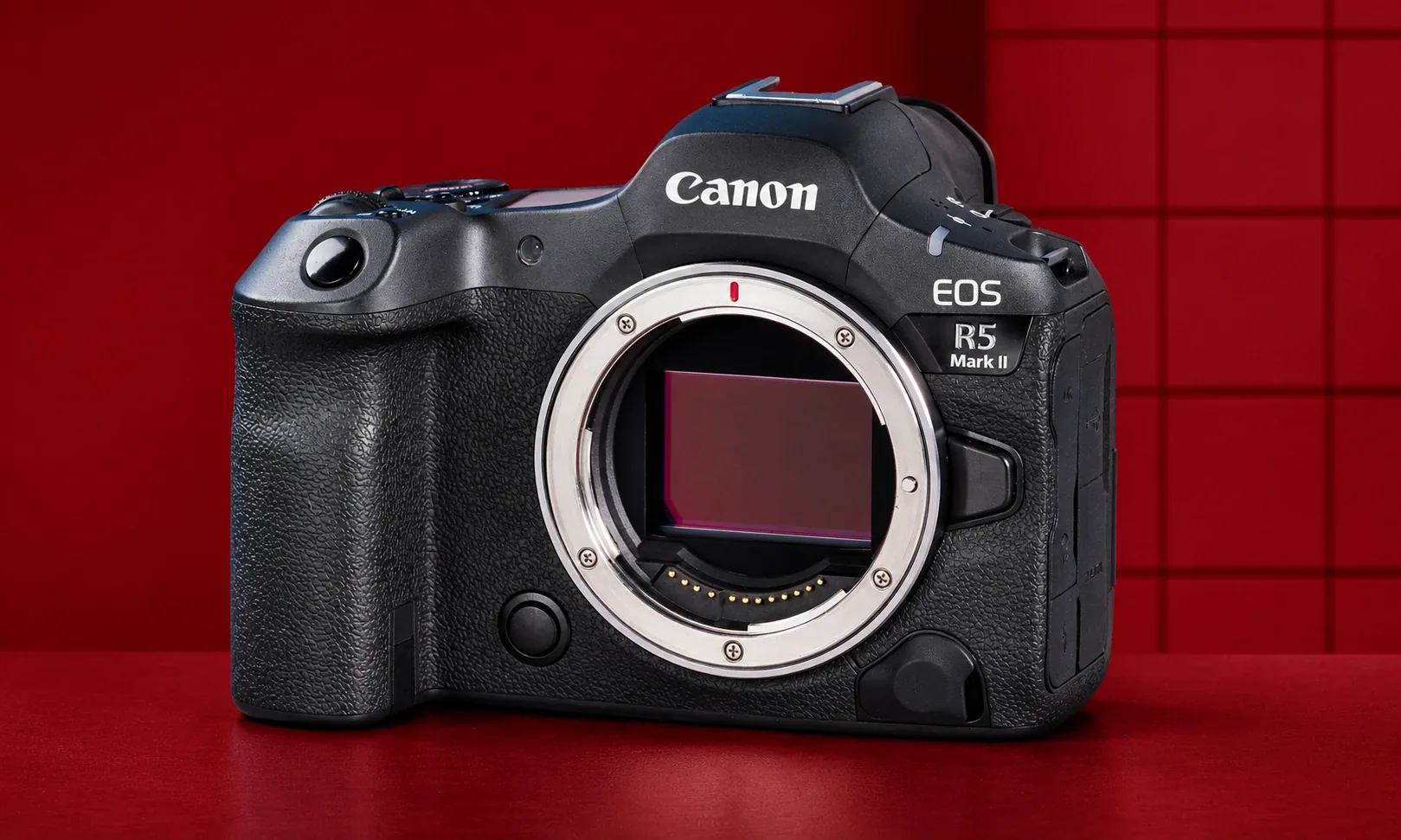
If you earn your living with a camera and can only own one body, this is it. I will not pretend there is suspense here.
The R5 Mark II does everything at a high level, which is exactly what a professional tool is supposed to do. The 45MP stacked sensor gives you files big enough for commercial print and fast enough for 30 frames per second bursts. Eye control autofocus, the feature where the camera focuses on whatever you are looking at in the viewfinder, sounds like science fiction until the first wedding where it saves a shot you would have missed. Then you never give it up. Digital Camera World’s verdict was that there is no professional job it cannot handle, and two years into its life, nobody has produced a credible counterargument.
The honest downside is the system cost. Canon’s RF lenses are superb and priced like it, and third party full frame options remain limited. A two body, three lens RF kit is a fifteen thousand dollar commitment. Price the whole kit before you fall in love with the body.
Sony A9 III: The Sports Camera That Changed The Rules
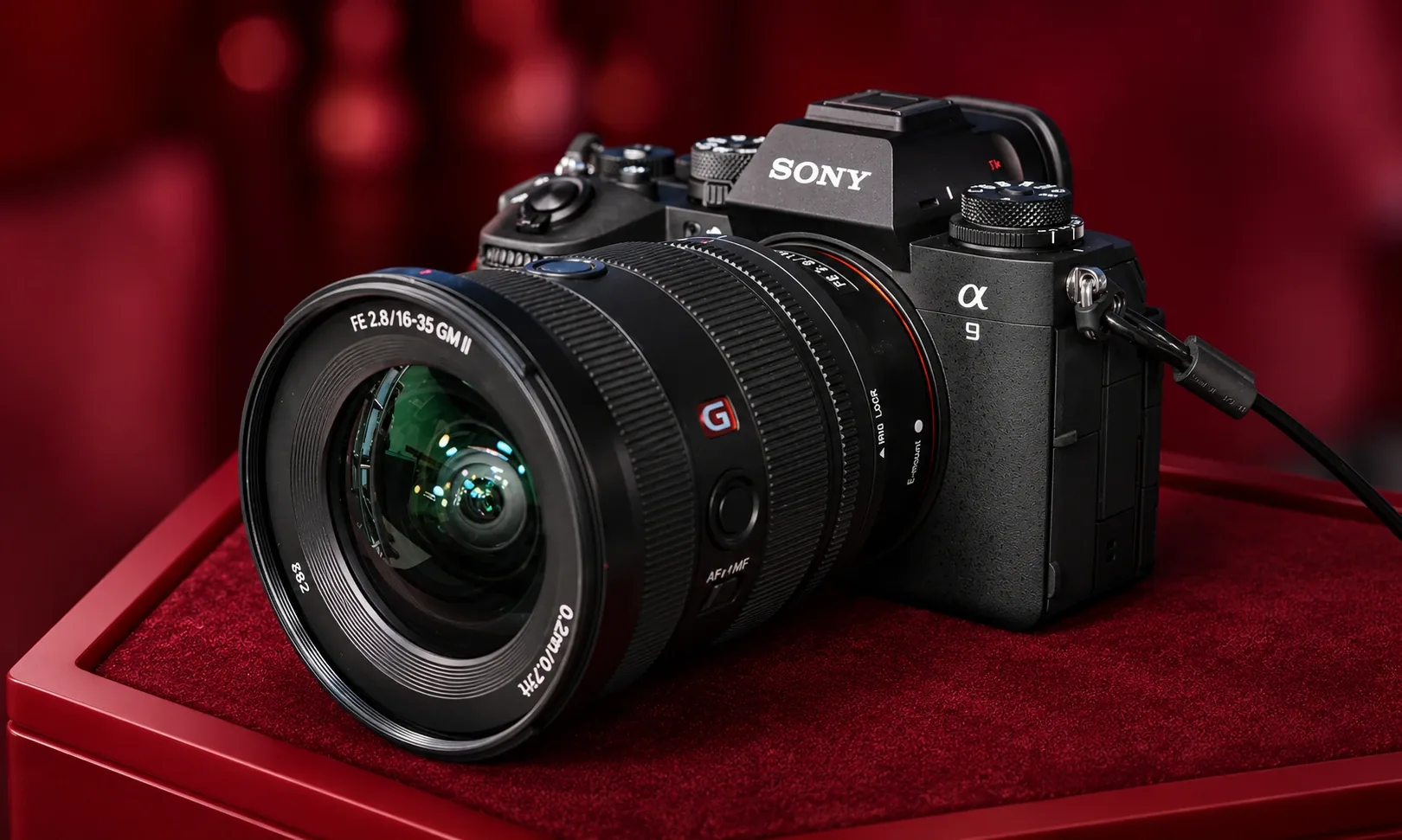
Every other camera on this list reads its sensor line by line, which is why golf clubs bend and LED scoreboards flicker in your images. The A9 III reads its entire 24.6MP sensor at once. Global shutter. Distortion, gone. LED banding, gone. Flash sync at any shutter speed, up to 1/80,000 of a second.
Add 120 frames per second with full autofocus tracking and pre-capture that records frames before you press the shutter, and you understand why Aftershoot and every serious sports roundup calls it the best sports camera on sale. For sidelines, arenas and anything under artificial light, nothing else is close.
The trade: 24 megapixels. For editorial sports work, plenty. For anything you need to crop or print huge, not enough. Canon’s R1 answers with similar speed at $6,800 and 40fps, but it keeps a conventional stacked sensor, and the global shutter is why the Sony wins this category.
Nikon Z8: The Smart Professional’s Flagship
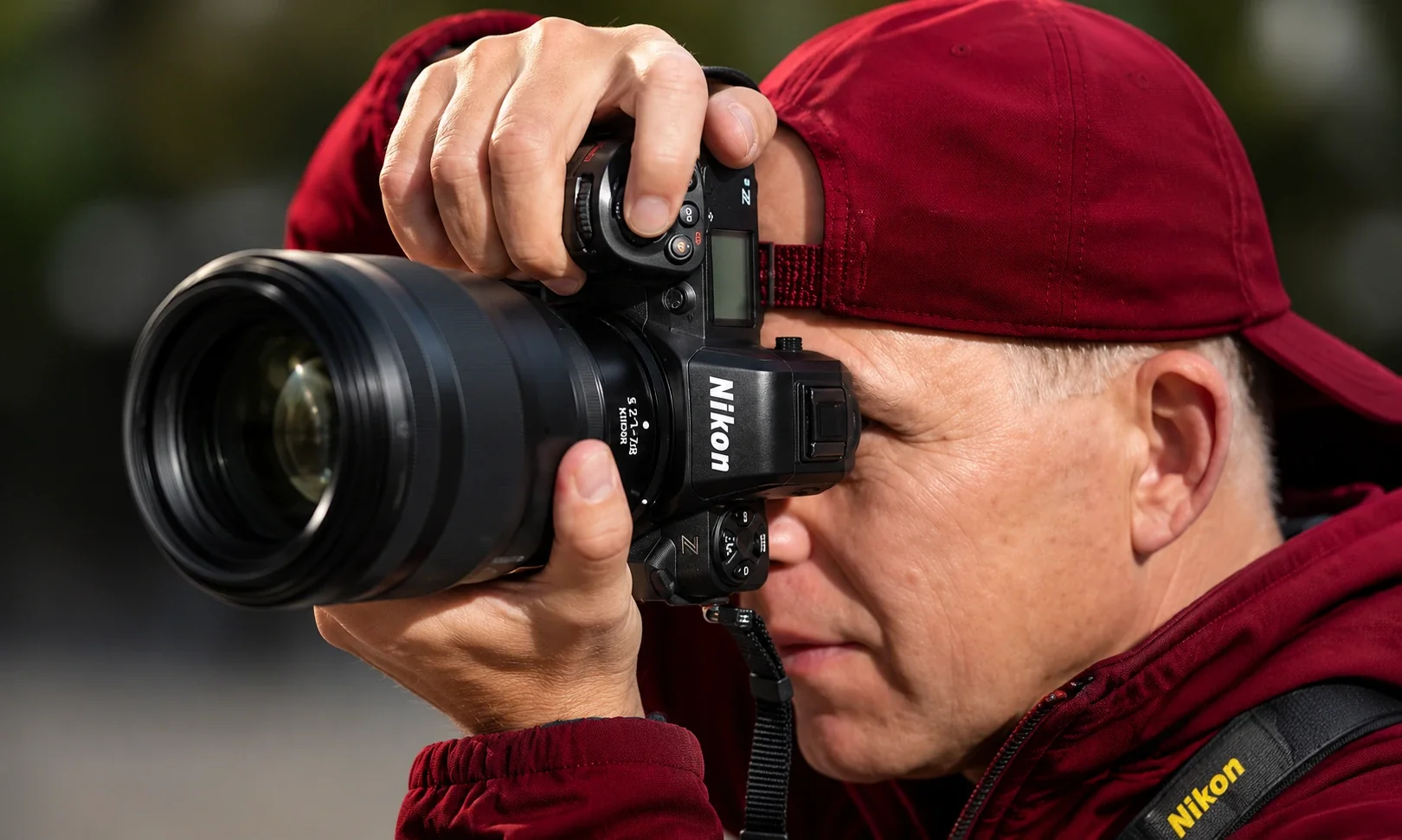
Here is the best kept not-secret in professional photography: the Z8 is a Z9 without the integrated grip, at roughly $4,000 instead of $5,500.
Same 45.7MP stacked sensor. Same autofocus. Same 8K video. You give up the built-in vertical grip and some battery life, and you keep essentially everything else. For wedding, event, landscape and commercial shooters who want flagship performance, this is the rational choice, and professional photography is a business where rational choices pay the mortgage.
The downsides are physical. It is big, it is heavy, and after a ten hour wedding day you will feel it. Nikon’s Z mount lens lineup is excellent but smaller than Sony’s, with fewer budget third party options. If those trade-offs work, and for most pros they do, this is the best value in the flagship class, and it is not close.
Sony A1 II: The Flagship For People Who Want Everything
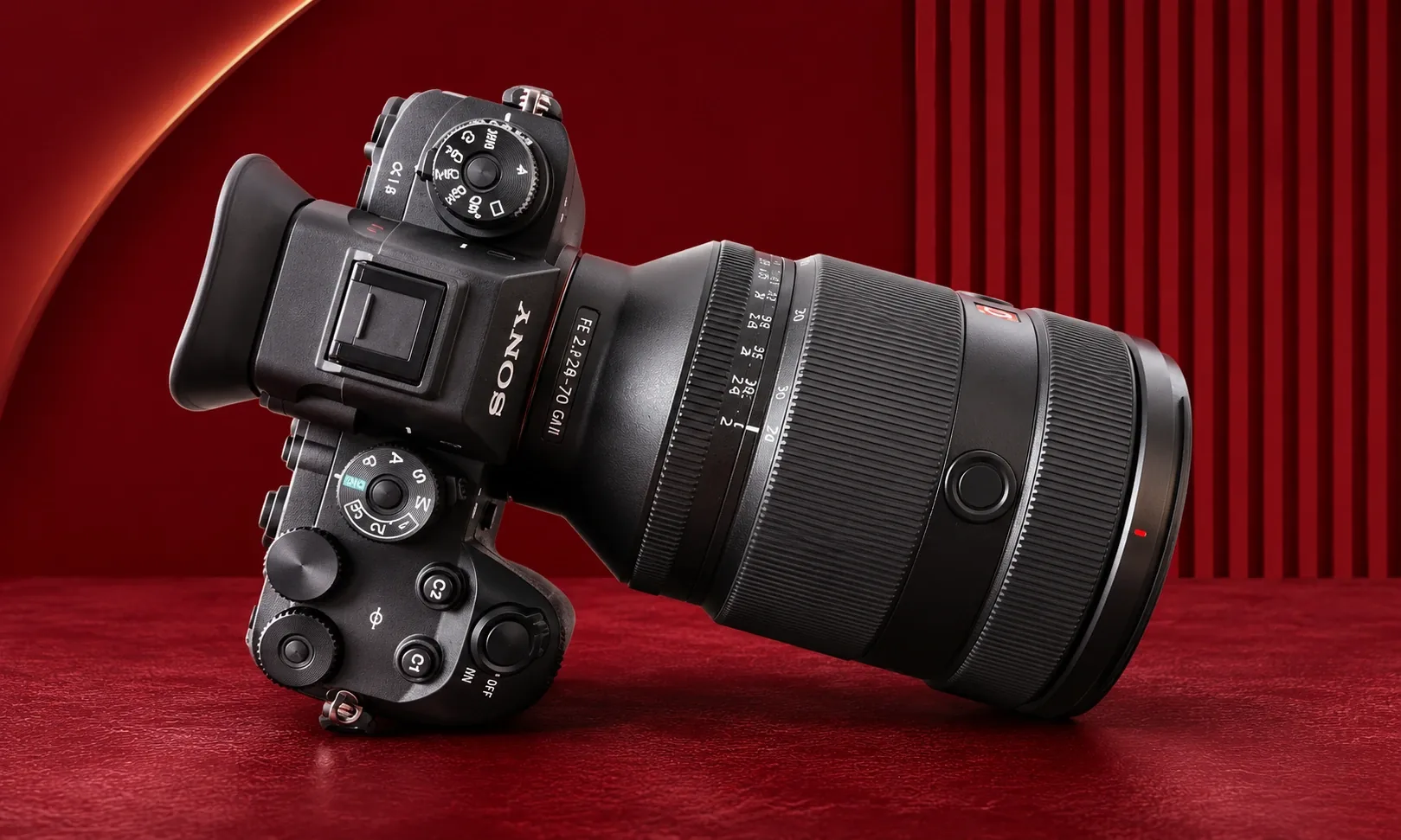
The A1 II is the camera that refuses to specialize. Fifty megapixels at thirty frames per second. The best autofocus Sony has ever made. RAW pre-capture, which the Z9 cannot match in RAW. 8K video. It competes with the Nikon Z9 at everything and beats it in a few places, at half the size.
The problem is the invoice. At roughly $7,000, it costs about $1,500 more than the R5 Mark II and $3,000 more than the Z8, and both of those cameras cover nearly all of the same ground. Photography Life’s ranking captures it perfectly: between the A1 II and the Z9, the choice comes down to whether you prefer the big gripped body or the portable one, not capability. Buy this if you are deep in the Sony system or if size genuinely matters to your work. Everyone else should look at the price tag one more time.
Fujifilm GFX100 II: When The Client Is Paying For Pixels
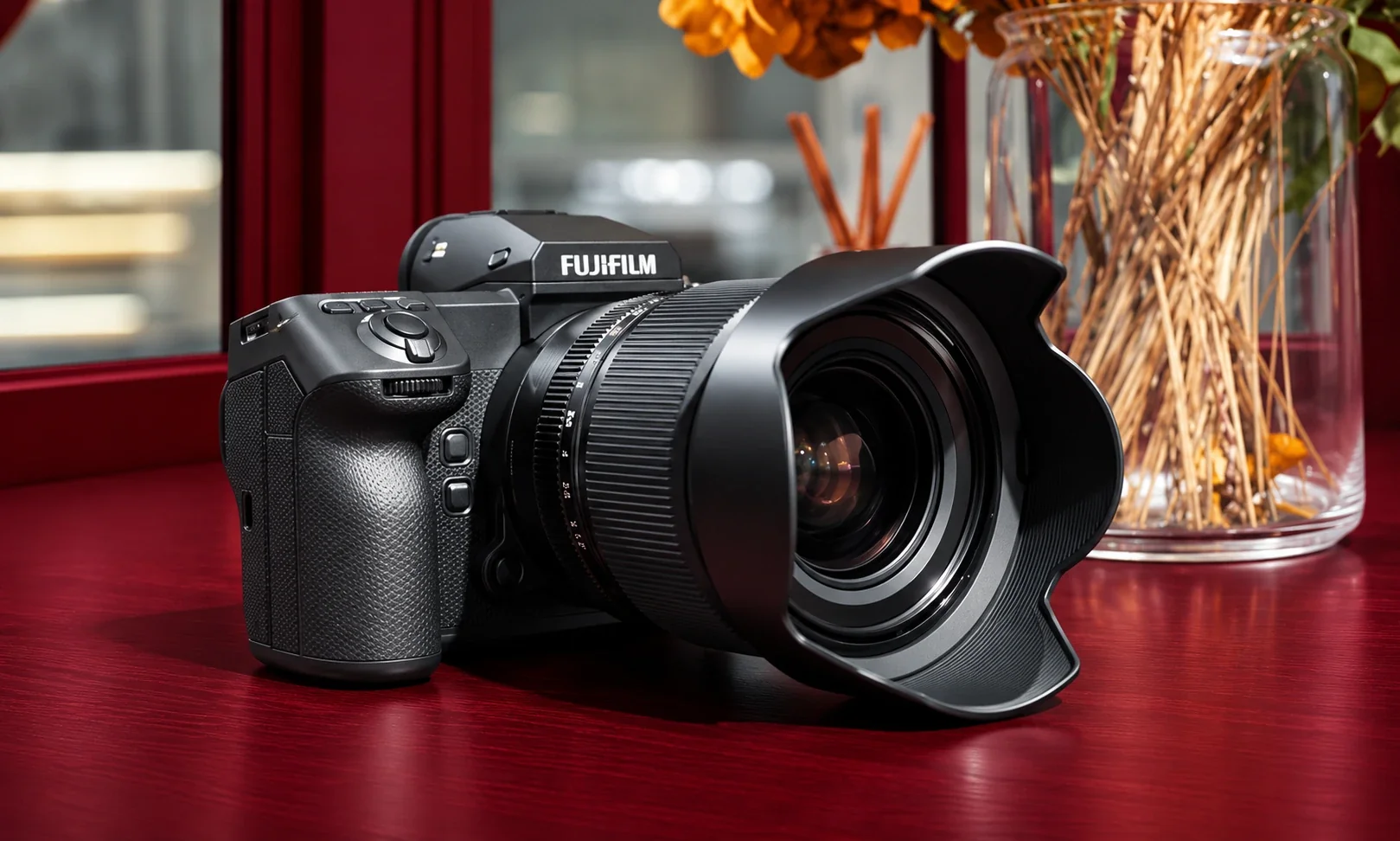
Medium format is a different conversation, so let me be direct about who this is for: commercial, advertising, landscape, architecture and fine art photographers whose output ends up printed huge or retouched heavily. If that is you, the GFX100 II is the best image-making tool on the market. Fstoppers calls it the best overall medium format camera of 2026, and the 102MP files with Fujifilm’s color science explain why. Clients may not know what medium format is. They notice it immediately.
The GFX100 II is also the first medium format camera that behaves like a modern one: real subject detection autofocus, in body stabilization, 8fps bursts, and the broadest lens lineup in the format. It will not shoot sports, the raw files will eat your storage alive, and you will want 64GB of RAM in your editing machine. The GFX100S II delivers the same sensor in a smaller body for around $5,700, which is the value play if you can live without the flagship’s speed.
And then there is the Hasselblad X2D II 100C: 100MP, 10 stops of stabilization, a 1TB internal SSD, and color rendering that certain photographers describe the way wine people describe Burgundy. It shoots at 3 frames per second and costs more than the Fuji. You do not buy a Hasselblad with a spreadsheet. You buy it because your brand sells a particular look, which is exactly why the world’s top studios still do. If your work involves commercial product imagery, pair it with the workflow thinking in our product photography guide.
The Best Professional Camera By Specialty
- Weddings: Canon R5 Mark II. Eye control AF in a chaotic room is a superpower. The Nikon Z8 is the value alternative. For the client side of that business, our engagement photos guide shows what couples are actually asking for.
- Sports: Sony A9 III, with the Canon R1 for Canon loyalists.
- Studio and commercial: Fujifilm GFX100 II or Hasselblad X2D II.
- Hybrid photo and video: Canon R5 Mark II, with 8K RAW that keeps video clients happy.
- Second body or pro on a budget: Canon EOS R6 Mark III at about $2,800. It is not a flagship, and it will not feel like a compromise.
- Landscape: Nikon Z8 for the price, GFX100 II for the ceiling. For post-processing those massive files, our tested list of AI image editors that replace traditional software will save you hours per session.
How To Choose: The Professional’s Checklist
Price the system, not the body. Body plus three lenses plus two cards plus batteries is the real number. Canon and Nikon kits run highest, Sony gives you third party relief, and medium format doubles everything.
Buy for your worst day, not your best. Rain at an outdoor wedding, LED lighting in a gym, a client who wants the gallery tomorrow. Weather sealing, dual card slots and reliable autofocus are what you are actually paying for.
Dual card slots are not optional. Every camera on this list has them. A professional camera without instant backup is a liability, and no exceptions exist to this rule.
Rent before you buy. A weekend rental costs a fraction of a wrong decision. Every pro I respect has rented a body before committing, and the ones who skipped this step have a story about it.
Frequently Asked Questions
What camera do most professional photographers use in 2026?
Canon and Sony dominate working kits, with the EOS R5 Mark II and the A1 and A9 series as the most common flagships. Nikon holds a strong third position with the Z8 and Z9, especially among landscape and wedding shooters.
Is medium format worth it for professional photography?
For commercial, advertising, landscape and fine art work where files are printed large or heavily retouched, yes. For weddings, sports and events, no. Medium format is slower, heavier and roughly double the system cost.
How many megapixels does a professional camera need?
24MP covers sports and editorial work. 33 to 45MP covers almost everything else. 100MP and above is for commercial and fine art output. More megapixels past your actual need just means bigger files and slower workflows.
What is the best professional camera on a budget?
The Canon EOS R6 Mark III at around $2,800, or a used previous-generation flagship like the Nikon Z9 or original Canon R5. A used flagship beats a new mid-range body for professional work almost every time.
Should professionals still buy DSLRs?
No. Mirrorless has matched or beaten DSLRs in every professional category, and all lens development now happens in mirrorless mounts. Existing DSLR kits still make excellent photos, but new money goes to mirrorless.
The Bottom Line
The Canon R5 Mark II is the professional camera for the widest range of working photographers, full stop. Sports shooters belong on the A9 III, value hunters on the Z8, and commercial image makers on the GFX100 II. Choose the system whose lenses you can afford to grow into, because five years from now you will still own the glass long after the body has been replaced.
Buy right once, then spend your energy on the only thing clients actually pay for: the work.