In 2003, LEGO lost almost a third of its sales in a single year. Its debt was approaching default, 94% of its products were losing money, and the 35 year old strategist delivering the diagnosis told the board the company was standing on a burning platform.
Twenty two years later, LEGO is the largest toy company on Earth by a margin that should embarrass its rivals. In 2025 it earned DKK 83.5 billion in revenue, roughly $12.6 billion, more than Mattel and Hasbro combined, with net profit up 21% to DKK 16.7 billion. It grew twice as fast as the entire toy market.
This is the greatest turnaround in the history of consumer brands. Here is how it actually happened.
Key Takeaways
- Ole Kirk Kristiansen founded LEGO in Billund, Denmark in 1932, making wooden toys. The name comes from the Danish “leg godt”: play well.
- The modern plastic brick was patented in 1958. When the patents expired in 1988, LEGO panicked into diversification, and the diversification nearly killed it.
- The crisis peaked in 2003: sales down 30%, a DKK 935 million loss, debt heading toward $800 million, and 94% of products unprofitable.
- Jørgen Vig Knudstorp, 35, became the first non-family CEO in 2004 and cut the company back to the brick: theme parks sold, product parts halved, every set required to target a 13.5% profit margin.
- By 2015 LEGO passed Mattel as the world’s biggest toymaker. In 2025 it posted record revenue of DKK 83.5 billion.
- In 2026, LEGO announced it is buying back the LEGOLAND Discovery Centres it sold during the crisis. The circle is complete.
The Carpenter Who Chose Quality Over Survival
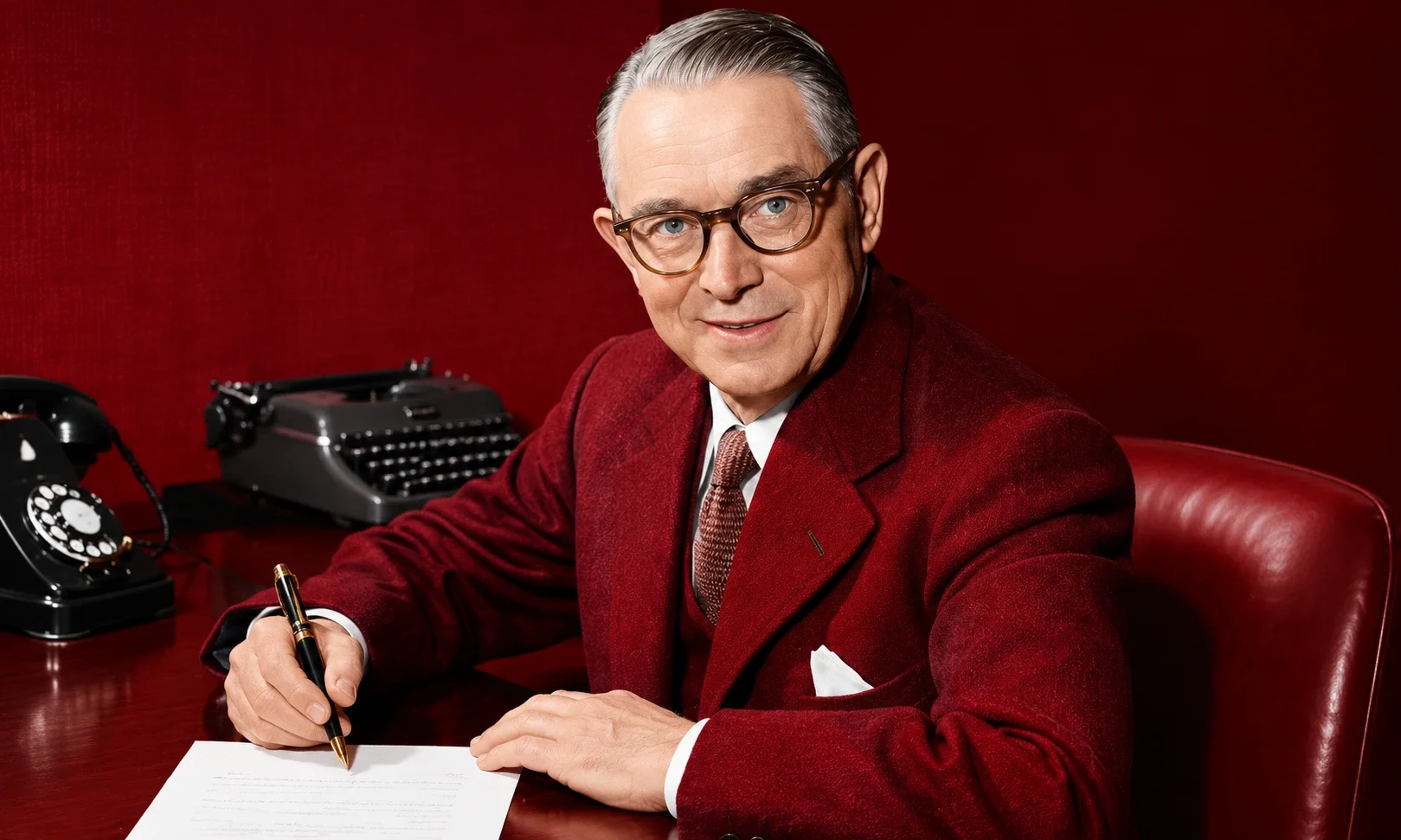
The LEGO story starts with a man who refused to make junk, even when junk was all he could afford to make.
Ole Kirk Kristiansen was a carpenter in Billund, a small town in rural Denmark, when the Great Depression gutted his business in 1932. Desperate for anything people would still buy, he started turning wood scraps into toys: ducks on wheels, ladders, pull-along animals. In 1934 he held a staff competition to name the company and won it himself with “LEGO,” a contraction of the Danish words “leg godt,” meaning play well. Only later did anyone notice it also means “I assemble” in Latin. He always insisted that was a coincidence.
His motto, carved into the company culture, was “Det bedste er ikke for godt.” Only the best is good enough. When his son Godtfred admitted he had saved money by giving a batch of wooden ducks two coats of varnish instead of three, Ole Kirk made him unpack the entire shipment and do it properly. That story is still told inside the company, because it explains everything that came after.
In 1947, Kristiansen did something no other Danish toymaker would do: he spent a fortune on a plastic injection molding machine. In 1949, LEGO produced its first plastic “Automatic Binding Bricks.” In 1958, Godtfred patented the stud-and-tube design that made bricks clutch together firmly and come apart easily. Every LEGO brick made since 1958 still connects with every brick being made today. A sixty seven year old brick snaps perfectly onto one made this morning. That is not a toy feature. That is the business model.
The Panic That Nearly Killed The Brick
In 1988, the last of LEGO’s brick patents expired. Anyone could now make a compatible brick, and everyone did. At the same time, video games and the internet were colonizing childhood. LEGO’s leadership looked at its future and concluded the brick was doomed.
So they diversified, frantically. Clothing lines. A TV series. Video games developed in-house. LEGOLAND theme parks multiplied. The company designed thousands of new, hyper-specialized pieces, at a tooling cost of tens of thousands of dollars per mold, because innovation had come to mean novelty at any price.
The results were catastrophic and, in hindsight, completely predictable. In 1998, LEGO posted its first loss in 66 years of recorded history. By 2003, sales had fallen 30% in a single year, from about $1.4 billion to just over $1.0 billion. The year’s loss hit DKK 935 million. Unsold Star Wars and Harry Potter sets sat in retailer warehouses, in some markets nearly 40% of stock unmoved. Debt swelled toward $800 million.
And the detail that should be pinned above every product manager’s desk: an internal analysis found that 94% of LEGO’s products were unprofitable. Essentially only the Star Wars and Bionicle lines made money. The company famous for meticulous design had no idea which of its own products earned a profit, because it had never built the accounting to find out. We have covered what happens when companies lose the plot like this in our file on the biggest tech brand failures. LEGO was months from joining that list.
The 35 Year Old Who Said The Quiet Part Out Loud
In late 2003, owner Kjeld Kirk Kristiansen fired the CEO and turned to the young head of strategic development who had authored the brutal diagnosis. Jørgen Vig Knudstorp became CEO in 2004: 35 years old, a former McKinsey consultant, the first non-family leader in the company’s 72 year history.
His plan had no romance in it, which is why it worked. He called it “Shared Vision,” and the first phase was titled, without poetry, “Manage for Cash.”
The surgery was severe. LEGO sold its four LEGOLAND theme parks to Merlin Entertainments and Blackstone in 2005 for €375 million, keeping a 30% stake. It shut its in-house video game studio. It cut about 1,000 jobs directly and outsourced thousands more, shrinking the workforce by nearly a third. And in the move that broke the designers’ hearts and saved the company, it audited its library of roughly 12,900 unique pieces and mothballed half of them, down to about 6,500. When senior manufacturing executives resisted, Knudstorp fired five of the seven in a single day. “I cried almost as much as they did,” he admitted later.
Then came the rule that rebuilt the culture: no new product gets approved unless it targets at least a 13.5% operating profit margin. A company of artists became a company of artists with spreadsheets, and the art did not suffer for it. LEGO City came back. DUPLO went back to being simple bricks for toddlers. Mindstorms was rebuilt in collaboration with adult fans, an early and radical act of letting customers design the product.
The Comeback, Measured In Records
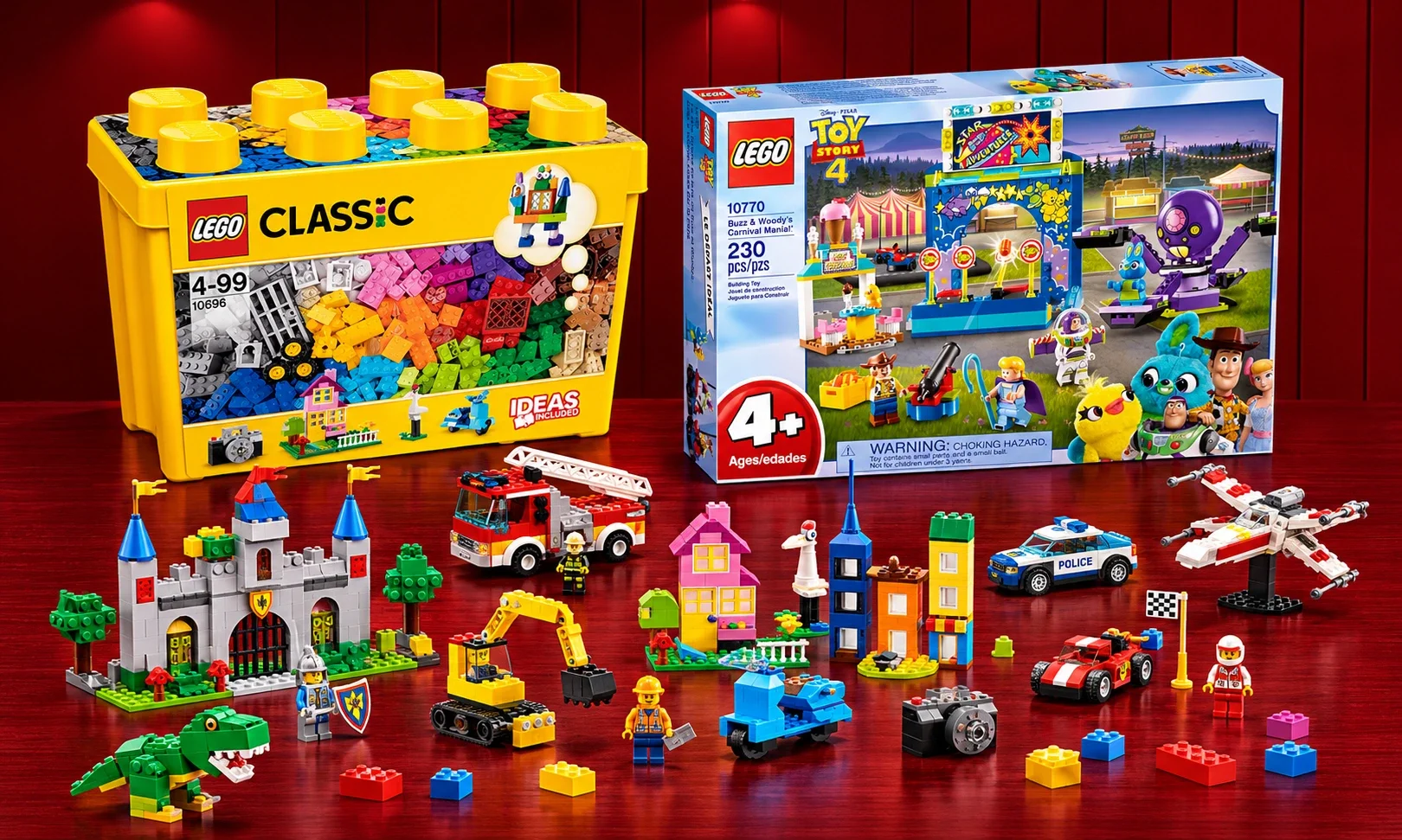
The numbers since 2004 read like a company making up for lost decades.
By 2013, LEGO was posting the best financial year in its history. In 2014, The LEGO Movie, a $60 million production the old LEGO would never have made, grossed $469 million worldwide and turned the brand into entertainment without LEGO ever becoming an entertainment company. In 2015, LEGO passed Mattel to become the world’s largest and most profitable toymaker. In 2017, Brand Finance named it the most powerful brand in the world.
And it never stopped compounding. The 2025 results, reported in March 2026, set new records across the board: revenue up 12% to DKK 83.5 billion, operating profit up 18% to DKK 22.0 billion, net profit up 21% to DKK 16.7 billion, consumer sales up 16% against a toy market that grew 7%. More children received a LEGO product in 2025 than ever before. The materials going into the bricks are now 52% renewable or recycled, up from 33% a year earlier.
The poetic footnote belongs to 2026: LEGO announced plans to acquire the LEGOLAND Discovery Centres from Merlin Entertainments. The parks it was forced to sell at the edge of death, it is now buying back from a position of dominance. That is what a completed turnaround looks like.
The Fall And Rise In One Table
| Year | Moment |
|---|---|
| 1932 | Ole Kirk Kristiansen starts making wooden toys in Billund, Denmark. |
| 1934 | The name LEGO is coined from the Danish words leg godt, meaning “play well.” |
| 1949 | First plastic LEGO bricks are produced. |
| 1958 | The iconic stud-and-tube brick design is patented. |
| 1988 | Brick patents expire, allowing competing construction-brick products to emerge. |
| 1998 | LEGO records its first loss in 66 years. |
| 2003 | Sales fall 30%, 94% of products are unprofitable, and debt approaches default. |
| 2004 | Jørgen Vig Knudstorp becomes LEGO’s first non-family CEO at age 35. |
| 2005 | LEGOLAND parks are sold, the product portfolio is streamlined, and a 13.5% margin target is introduced. |
| 2014 | The LEGO Movie becomes a global hit, grossing approximately $469 million worldwide. |
| 2015 | LEGO surpasses Mattel to become the world’s largest toy company by revenue. |
| 2025 | LEGO reports record revenue of DKK 83.5 billion, exceeding Mattel and Hasbro combined. |
| 2026 | LEGO announces a buyback of LEGOLAND Discovery Centres. |
LEGO: The Lessons Every Brand Should Steal
Growth can be the disease. LEGO did not fail because the brick got weaker. It got weaker because it chased growth away from the brick. Unprofitable growth is just a slower way to go bankrupt.
Know your unit economics or die. LEGO did not know which products made money. A company that cannot rank its own products by profit is not a business, it is a hobby with overhead. Their turnaround began the day every product had to justify a 13.5% margin. That is brand positioning at its purest: decide what you are, price it properly, kill the rest.
Constraint creates creativity, not the reverse. Designers swore that halving the piece library would stifle creativity. Instead it focused it. The sets that followed the cuts are the best LEGO has ever made.
Sell the distraction before it sells you. The parks, the clothing, the game studio: beloved, on-brand, and fatal. Contrast LEGO’s clean exit with the wreckage we documented in acquisitions that destroyed tech brand value. Knowing what you are not is a survival skill.
Family ownership was the moat. A public LEGO in 2003 would have been sold for parts. The Kristiansen family, which still controls about 75% of the company through Kirkbi, chose five hard years over a quick exit. Patience is a competitive advantage that money cannot buy.
Frequently Asked Questions
Who owns LEGO?
The Kristiansen family, descendants of founder Ole Kirk Kristiansen, control about 75% of the company through their holding company Kirkbi. The LEGO Foundation owns the remaining 25%. The company is not publicly traded.
Was LEGO really almost bankrupt?
Yes. In 2003 sales fell roughly 30% in one year, the company lost DKK 935 million, debt was heading toward $800 million with default looming, and an internal review found 94% of products were unprofitable. Leadership described the company as standing on a “burning platform.”
What does LEGO stand for?
It comes from the Danish phrase “leg godt,” meaning “play well.” Founder Ole Kirk Kristiansen coined it in 1934. The coincidental Latin meaning, “I assemble,” was noticed later.
How much money does LEGO make?
In 2025, LEGO earned DKK 83.5 billion in revenue, about $12.6 billion, with net profit of DKK 16.7 billion. That is more revenue than Mattel and Hasbro combined.
Why is LEGO so expensive?
Precision. Every brick is molded to tolerances of a fraction of a millimeter so that a brick from 1958 connects perfectly with one made today, and the company has never compromised on material quality. The motto is literal: only the best is good enough.
Do old LEGO bricks work with new ones?
Yes. Every brick made since the 1958 patent is compatible with every brick made today, which is why LEGO collections appreciate instead of expiring, and why the used brick market is enormous.
The Bottom Line
LEGO’s crisis was never about toys. It was about a company that forgot which thing it was the best in the world at, and spent a decade being mediocre at everything else. The fix was equally simple and almost impossible: admit it, cut everything that was not the brick, and let discipline fund the creativity.
A journalist once asked Knudstorp for the secret of the turnaround. He poured a small bag of bricks onto the table and picked up a single 2×4. “This,” he said. “We just remembered what we are really about.”
Ninety four years after a bankrupt carpenter started carving wooden ducks, the company that nearly died of distraction is worth more than its two biggest rivals combined. The brick won. It was always going to be the brick.