
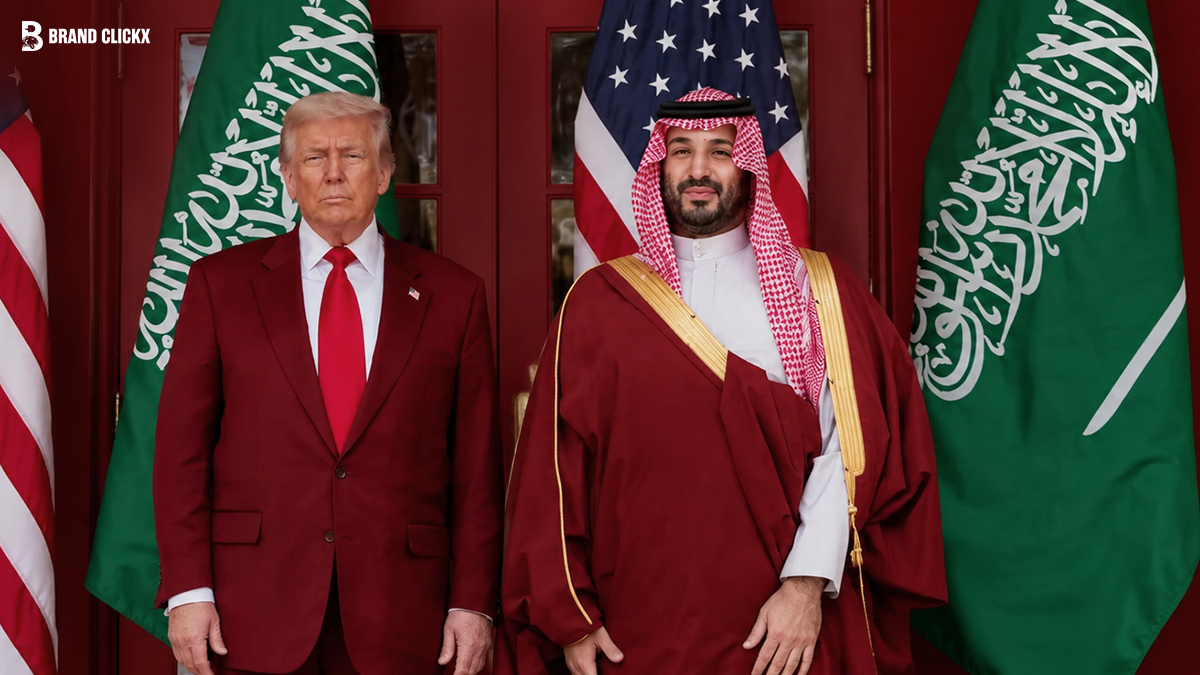
The United States and Saudi Arabia signed a major nuclear energy agreement on Wednesday July 22, 2026. US Energy Secretary Chris Wright and Saudi Energy Minister Prince Abdulaziz bin Salman signed the deal. The US Department of Energy called it “historic.”
The deal now goes to the US Congress, which has 90 days to review it.
AI Overview
America and Saudi Arabia signed two agreements on July 22, 2026. The first is called a 123 Agreement, which is the official permission the US needs before it can share nuclear energy technology with another country. The second is a safety agreement that goes along with it.
Together, these two agreements allow American companies to help Saudi Arabia build a nuclear power program. US firms will supply the reactors, fuel, and technology. The deal is expected to last 30 years and be worth billions of dollars.
The deal does not stop Saudi Arabia from making its own uranium, which is the material used in both nuclear power and nuclear weapons. It also does not require the strongest level of international inspections. Some lawmakers and experts are worried about this.
Congress gets 90 days to review the deal. It can block the deal if both the House and Senate vote to reject it.
Key Facts
| Detail | Information |
| Date signed | Wednesday, July 22, 2026 |
| Signed by (US) | Energy Secretary Chris Wright |
| Signed by (Saudi Arabia) | Energy Minister Prince Abdulaziz bin Salman |
| What kind of deal | A 123 Agreement (US law requires this before sharing nuclear technology) |
| Second agreement | A bilateral safeguards agreement (rules about safety and oversight) |
| How long the deal lasts | 30 years |
| Money involved | Worth billions of dollars |
| Who builds the program | American companies will supply reactors, fuel, and expertise |
| Can Saudi Arabia make its own uranium | Yes, the deal does not ban this |
| Will there be a uranium facility | A joint US-Saudi study will look into whether this is possible |
| Extra international inspections | Not required under this deal |
| Congress review | 90 days to review; Congress can block it |
| US government called it | “Historic” |
| First reported by | The Wall Street Journal |
What Was Actually Signed
The Department of Energy announced the signing on Wednesday afternoon.
Energy Secretary Wright said: “These agreements reflect our two nations’ shared commitment to strengthening US-Saudi commercial relations, delivering prosperity at home and security to our allies abroad.”
Saudi Arabia’s Energy Ministry said the deal helps the country “diversify energy sources, advance cutting-edge technologies, and expand opportunities for cooperation and investment.”
Two documents were signed:
Agreement 1: The 123 Agreement This is a required legal document that America needs before it can share nuclear energy technology with any other country. Think of it as an official permission slip. The US has similar agreements with about 25 other countries. This agreement sets out the rules for how American companies can share technology and materials with Saudi Arabia.
Agreement 2: The Bilateral Safeguards Agreement This is a safety and oversight document. It sets rules about how the nuclear program will be monitored. The Department of Energy did not release full details of what this document says.
Three Important Things the Deal Does NOT Include
According to reports from NPR, NBC News, and CNN, three major protections are missing from this deal.
- No ban on making uranium Saudi Arabia is still allowed to enrich uranium under this deal. Enriching uranium means turning it into a more powerful form that can be used in both power plants and nuclear bombs. Some other countries, like the United Arab Emirates, agreed not to enrich uranium when they signed their deal with the US. Saudi Arabia did not agree to this.
- No ban on reprocessing used fuel The deal also does not stop Saudi Arabia from reprocessing spent nuclear fuel. This is another way a country could make materials that can be used in nuclear weapons.
- No requirement for stronger international inspections The International Atomic Energy Agency (IAEA) is a global body that monitors nuclear programs. It has a stronger inspection program called the Additional Protocol, which allows more thorough checks. The US did not require Saudi Arabia to adopt this stronger inspection program as part of the deal.
Uranium Enrichment Facility
NBC News reported, using three sources familiar with the deal, that American companies could be allowed to build a uranium enrichment facility inside Saudi Arabia. However, this would only happen after a joint US-Saudi study looks at whether it is practical and worthwhile.
The full text of the deal has not been shared with the public yet as of Wednesday July 22, 2026.
Why Does Saudi Arabia Want Nuclear Power?
Saudi Arabia runs nearly all of its electricity on fossil fuels. According to the International Energy Agency, about 60 percent of its electricity comes from natural gas and about 40 percent from oil. Saudi Arabia is the largest oil producer in OPEC.
The country wants to use less oil and gas at home so it can sell more of it overseas. Building nuclear power plants would help achieve this goal.
What American Companies Gain
American companies get first choice when it comes to supplying Saudi Arabia’s nuclear program. This means US firms can sell nuclear reactors, fuel, and services worth billions of dollars over 30 years.
The Department of Energy said this deal will also create jobs in America.
What US Officials Said
President Trump approved the deal, according to a senior US official who spoke to NBC News before the announcement.
Secretary of State Marco Rubio was in the Philippines when the deal was announced. He told reporters: “Suffice it to say, the US is not going to reach any agreement with any country in the world that leads to the risk of proliferation.”
The Department of Energy said the deal will “reinforce global nonproliferation standards” and make the US-Saudi relationship stronger.
What Congress Members Said
Some members of Congress expressed concern before and after the announcement.
Representative Brad Sherman, a California Democrat, posted on X on Tuesday: “Congress should approve only if the deal has the same gold-standard safeguards as our deal with the UAE.”
In March 2026, a group of Democratic senators including Edward Markey, Jeff Merkley, Chris Van Hollen, Ron Wyden, Tim Kaine, Bernie Sanders, and Andy Kim wrote a letter to Secretary Rubio. They demanded that Saudi Arabia be denied the ability to make weapons-grade uranium and plutonium.
Congress has 90 days to review the deal. If both the House and Senate vote to reject it, the deal is blocked. If Congress does not vote to block it within 90 days, the deal automatically becomes active.
The Bigger Picture
This deal was signed while the US and Israel are still conducting military operations against Iran. President Trump has said Iran should not be allowed to develop nuclear weapons. Saudi Crown Prince Mohammed bin Salman has said in the past that if Iran gets a nuclear weapon, Saudi Arabia will try to get one too.
Under President Biden, a similar nuclear deal with Saudi Arabia was being considered as part of a peace agreement between Saudi Arabia and Israel. But those talks fell apart after the Hamas attacks on Israel on October 7, 2023.
The Trump administration started fresh nuclear discussions with Saudi Arabia after Trump visited the country in May 2025. Energy Secretary Wright had already met with Saudi officials about this topic during an earlier visit in 2025.
Israel is currently the only country in the Middle East believed to have nuclear weapons.
One US official said this deal could help America maintain influence over how Saudi Arabia’s nuclear program develops by locking them into using US technology.
What Happens Next
The Department of Energy will send the agreement to Congress to begin the 90-day review.
During that time, Congress can hold hearings, ask for more details, and vote on whether to block the deal. If Congress does nothing in 90 days, the deal becomes official.
The full text of the deal is still not available to the public as of Wednesday evening July 22, 2026.
FAQs
What did the US and Saudi Arabia sign on July 22, 2026?
They signed a nuclear energy cooperation agreement. This allows American companies to help Saudi Arabia build and run nuclear power plants. They also signed a safety agreement alongside it.
What is a 123 Agreement?
It is a legal document the US requires before sharing nuclear technology with another country. It is named after Section 123 of the Atomic Energy Act of 1954. The US has these agreements with about 25 countries.
Can Saudi Arabia now make nuclear weapons?
This deal is for civilian nuclear power, not weapons. However, critics are worried because the deal does not ban Saudi Arabia from enriching uranium, which is also used in making nuclear weapons. The US says it has safeguards in place, but the strongest protections were not included.
What is the “gold standard” that people are talking about?
It refers to the strongest set of rules in nuclear deals, which includes banning the partner country from making their own uranium and reprocessing used fuel. The UAE agreed to these rules in 2009. Saudi Arabia did not agree to them in this deal.
Why are some people worried about this deal?
Because Saudi Arabia is not banned from enriching uranium, which could potentially be used to make a nuclear weapon. Saudi Arabia’s crown prince has also publicly said the kingdom would pursue nuclear weapons if Iran gets them. The deal also does not require the strongest level of international inspections.
What happens in Congress next?
Congress gets 90 days to review the deal. If both the House and Senate pass resolutions rejecting it, the deal is blocked. If Congress does not vote to reject it within 90 days, the deal automatically goes into effect.