Plan a private luxury launch by setting one clear goal, curating the right guests, and making every touchpoint express the product’s story. A private launch event should deepen relationships and introduce your brand through its setting, invitations, entertainment, and product reveal.
Instead of mass-market launch hype, offer a considered experience that feels personal from the first invitation. Your audience should understand why the product matters and feel welcome exploring it. A run of show is a timed schedule of event activities, cues, and team responsibilities. It helps the team turn a strong idea into a well-paced gathering.
Start with the business result, then shape the guest experience around the product’s purpose. Each decision should support that purpose, from the first note to the final conversation. Use the steps below to build a practical plan without losing sight of the brand’s character. Treat the guest’s feeling of being personally welcomed as the standard for every decision.
Key Takeaways
- Choose one main business result for the event.
- Invite people who have a clear reason to connect with the product.
- Let the product story guide the setting and reveal.
- Set a budget, schedule, and clear team roles.
- Make each guest feel personally welcomed.
What Should the Launch Accomplish?
A launch is worth hosting when it has one clear business outcome beyond giving the product a debut. Pick a primary goal in revenue, awareness, or loyalty, then tie the experience to a real audience need.
Use SMART objectives: specific, measurable, achievable, relevant, and time-bound. Choose one primary result and a deadline for judging it. A Minnesota Department of Health guide explains how to write SMART objectives with clear measures and targets.
Set one primary objective, then choose a small number of measures that show whether the launch moved it.
For example, a luxury watch brand might aim to book qualified consultations with existing clients. It could track qualified leads, private orders, earned media, or social engagement, based on its goal. Appointment-only access, a limited event window, or early product access can create scarcity without discounts.
Keep the target audience in view as you shape the product story. A claim about hand-finished materials matters most when guests can see and handle those materials. Event planning works better when the goal shapes the experience, rather than being added after the event is designed.
- Primary objective: the main business result.
- Target audience: the people the launch should reach.
- Measurable KPI: the number that signals progress.
- Deadline for evaluating results: the date to review performance.
Write the goal as one sentence that names both the intended result and how you will measure it.
How to Plan a Private Launch Event for a Luxury Product Around a Clear Process
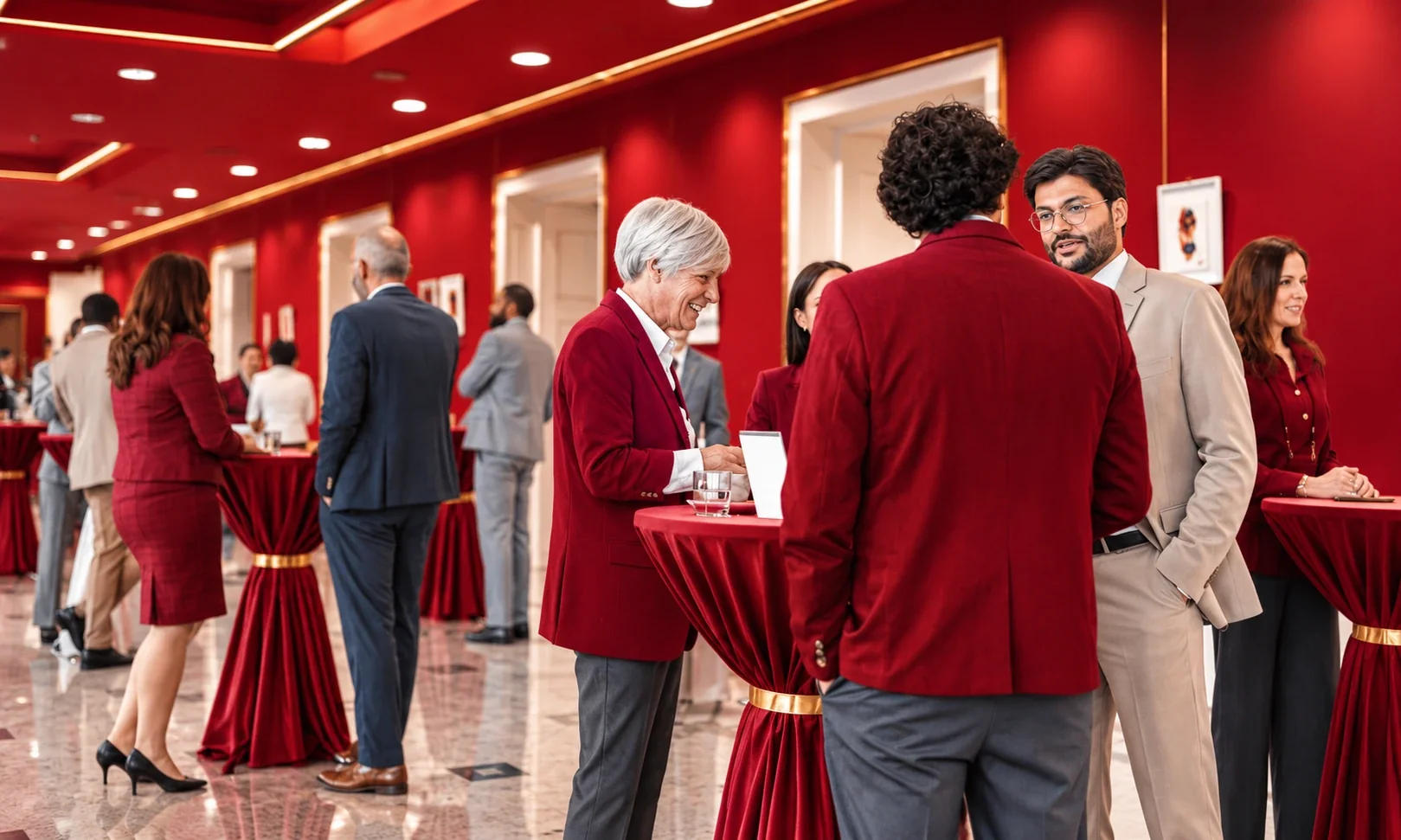
A seven-step process gives the team a clear order of operations, from the goal through event-day execution. Use it to organize product launch work, while the Five Cs help test whether the idea and its delivery fit together.
Give every major action an owner and a due date. That simple rule keeps event planning from becoming a loose collection of tasks. For a launch that also supports online sales, connect the event plan with an e-commerce launch strategy.
Use the Seven-Step Process to Organize the Work
Start by setting goals and organizing the team. Then set a budget, choose the date and venue, plan event details, promote the event, and execute it. The order gives the team a useful path, though some tasks may overlap in practice.
Write the run of show as the event’s working schedule, not just a list of program times. Include product demonstrations, speaker cues, guest movement, and the team member responsible for each action. A clear owner can spot a missing task before it affects the guest experience.
Apply the Five Cs to Keep the Experience Cohesive
The Five Cs are conceptualization, cost, canvassing, customizing, and carrying out. They ask the team to test the idea, costs, venue options, guest details, and execution. The seven steps supply the planning sequence; the Five Cs act as checks on its quality.
Use the right framework for the question at hand. The stages below can help assign work across the full experience, from early planning through follow-up.
| Framework | Stages | Best use |
|---|---|---|
| Seven-step process | Goals, team, budget, date and venue, details, promotion, execution | Planning sequence |
| Five Cs | Conceptualization, cost, canvassing, customizing, carrying out | Concept and delivery checks |
| Pre-event, event-day, post-event | Prepare, deliver, follow up | Assigning ownership across the experience |
Assign one owner and a completion date to every major action in the run of show.
What Should a Luxury Product Launch Budget Include?
For a U.S. corporate product launch in 2026, a useful starting benchmark is $500-$1,500+ per attendee. The final event estimate shifts with guest count, venue, menu, production level, staffing, and product-demo needs.
Treat the per-attendee range as a broad planning benchmark, not a quote. A private launch with a small guest list may still need costly staging or specialized product handling. Set the total first, then decide which details deserve the most spending.
Estimate the Total Before Choosing Extras
List fixed costs, such as venue rental and insurance, beside costs that grow with each guest, such as food and beverage. Add AV, staffing, technology, permits, and product display needs. The EventMobi event budget guide also highlights the value of tracking planned costs against actual spending.
Small fees can change the final total. Service charges, AV overtime, and Wi-Fi upgrades may sit outside a first estimate. Keep each cost in one budget sheet, with a named owner who can update it when a vendor quote changes.
Allocate Funds Around Guest Impact
Use typical shares as a starting point, then adjust them to match the launch goal. Production can matter more for a complex reveal, while hospitality may matter more for a long evening built around conversation.
| Budget item | Typical share |
|---|---|
| Food and beverage | 40-50% |
| Venue rental | 20-25% |
| AV and production | 10-15% |
| Staffing and security | 5-10% |
| Contingency | 10-15% |
Event technology often takes 3-5%, while insurance and permits may take 1-3%. These shares are planning guides, not rules for every event. Keep a 10-15% contingency fund separate from the money already committed to vendors.
Do You Need an Event Planner?
Hire an event planner when the team cannot confidently own the schedule, vendors, and guest experience alongside its regular work. A party planner may focus more on celebration details, while an event planner may coordinate broader goals and logistics.
Agree on duties in writing because job titles do not define the full scope. A lean internal team can manage a simple gathering with few vendors and a clear program. Complex production, VIP needs, or many suppliers can justify outside support.
Choose the Right Type of Planning Support
An event planner may oversee strategy, logistics, timelines, and vendor communication. A party planner may spend more time on the look, feel, and celebration details. Either professional can take on a wider or narrower role if the agreement says so.
Consider the team’s capacity, not only its event experience. If one person already manages product, marketing, and client work, event tasks may compete with core duties. Outside help can give the team a dedicated point person for details and decisions.
Compare the Common Fee Structures
U.S. corporate event planner fees in 2026 may use a flat rate, hourly billing, or a share of the event budget. Compare the fee with the work covered, not just the headline number.
| Fee model | Typical 2026 U.S. fee | How it is calculated |
|---|---|---|
| Flat fee | $3,000-$10,000+ | One project fee |
| Hourly | $100-$250 | Hours worked |
| Percentage | 10-20% | Event budget |
Ask each planner to list the included services, revision limits, and event-day hours. Check who handles vendor calls, guest updates, and urgent decisions onsite. Compare written scopes and confirm which services, revisions, and event-day hours each fee covers.
How Do You Choose the Right Venue and Date?
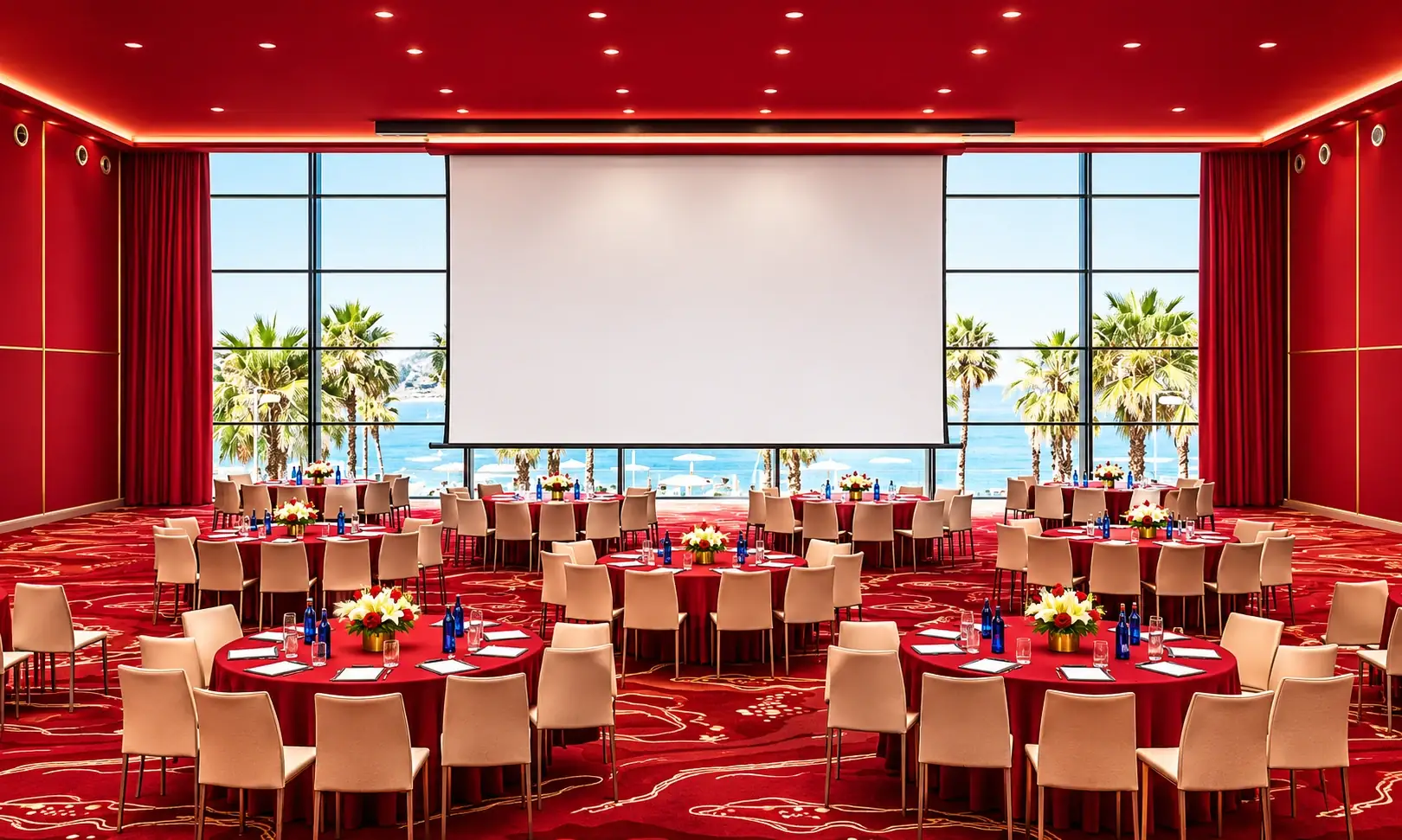
The right venue gives guests an immediate sense of the brand while making the event practical to deliver. Choose a setting that fits the product story and can support the guest experience without adding avoidable friction.
Match the venue’s character with its real operating limits. Private art galleries, heritage properties, and skyline penthouses can bring a distinct mood. A conventional ballroom may work better when reliable infrastructure and simple logistics matter more than a striking backdrop.
Match the Setting to the Brand Story
Consider what the setting says about the product before guests hear a speech. A gallery might suit a design-led collection, while a heritage property could support a story rooted in craft. The space should feel connected to the brand, not like a backdrop chosen for photographs alone.
Set the date around product readiness and the availability of priority guests. A late delivery or a date that key clients cannot attend can weaken the launch. Confirm the product can be shown or demonstrated as planned before you send invitations.
Check Guest Flow and Practical Fit
Compare capacity, location, loading access, acoustics, climate control, Wi-Fi, AV, and vendor rules. In 2026, flexible layouts with lounge groupings, conversation zones, and open networking spaces are becoming more common. Walk the room to see whether guests can move between arrival, conversation, and the product reveal.
Use this checklist during a venue visit:
- Story fit: the space supports the product’s character.
- Guest capacity: the room fits the planned attendance.
- Transit and parking: guests can reach the venue.
- Production access: vendors can bring in needed equipment.
- Weather or backup option: an alternate plan is available.
Walk the guest route from entrance to product reveal before committing to a floor plan.
Who Should You Invite, and How Should You Welcome Them?
A carefully chosen room of guests who can connect with the product is more valuable than a larger room filled for its own sake. Set an attendance cap that leaves space for natural conversation and personal attention.
Invite for the event’s purpose, not for a bigger head count. High-value clients, brand-aligned media, tastemakers, and strategic partners may each support a different objective. Choose the mix that can engage with the product and with one another.
Curate the Guest List for Real Conversation
A luxury gathering rests on four pillars: venue significance, narrative depth, personalization, and authentic brand leadership presence. Thoughtful guest selection supports all four. A short list gives leaders time to speak with people who have a meaningful connection to the brand.
Brief brand leaders on the 10 highest-priority attendees before the event. Share a simple note about each person’s role, interests, or past connection to the product. That preparation can make conversations informed without making them sound scripted.
Make Every Touchpoint Feel Personal
Personalization begins before guests arrive. Use an invitation that suits the brand, a tailored greeting at the door, and seating that encourages useful conversation. Offer a product preview or a one-on-one demonstration for guests who want a closer look.
Plan these invitation touchpoints as one connected experience:
- Invitation format: choose a format suited to the guest.
- Personal message: explain why the preview may interest them.
- RSVP experience: make it easy to confirm or ask questions.
- Arrival greeting: welcome each guest by name when possible.
Ask each invitee what access or information would make the preview worthwhile before finalizing their experience.
How Can Design and Technology Tell the Product Story?
A reveal feels more compelling when the room introduces the product’s story before anyone explains it. Tie design and technology to the product’s origin, materials, or purpose instead of adding effects for their own sake.
Every visual and sensory choice should help guests understand the product. Layered lighting, scenic design, and branded moments can set the tone. Scent and focused lighting can also create a sense of exclusivity for a luxury launch.
Build an Immersive Setting
Choose sound, scent, and tactile details with care. A fragrance may recall the product’s place of origin, while a close look at its materials can make craftsmanship easier to grasp. Keep the space comfortable enough for guests to notice these details.
Event branding can include LED displays, vinyl floor graphics, branded stage backdrops, or interactive photo moments. Projection mapping, interactive screens, and lighting can shape the experience when they make a product feature clearer. Avoid a screen that competes with the item guests came to see.
Make the Reveal Interactive and Shareable
Plan a private unveiling, guided demonstration, or one-on-one consultation. Augmented-reality exploration may help guests understand a product that is hard to show in one form. Use it only when the added view answers a real question.
Make photo opportunities feel like part of the brand’s world. A well-lit product detail or a crafted display can invite sharing without turning the room into a generic photo set. Give guests a clear way to explore without interrupting the reveal.
Rehearse the reveal from the guest’s sightline so every display and cue supports the product rather than obscuring it.
What Should Guests Taste, Hear, and Experience?
Food and entertainment should make guests comfortable enough to explore the product and talk with one another. Match the menu and performance to the event’s length, guest movement, and brand tone.
Hospitality should support conversation, not compete with the product. Tasting stations and elevated small bites work well when guests need to circulate. A seated menu can suit a longer program with a clear pause for the reveal.
Design a Menu for the Event’s Pace
Ask guests about dietary needs and share the details with the caterer. Menus in 2026 are shifting toward tasting stations, elevated small bites, and options for different dietary styles. Offer choices guests can enjoy without needing to leave a product demonstration midway.
Waste-conscious service can reduce the event’s impact. Consider energy-efficient lighting, reusable catering containers, fewer single-use materials, and food plans that limit excess. The UC Santa Barbara sustainable event guide also suggests reusable or compostable serviceware and food donation or reuse.
Choose Entertainment That Supports Conversation
Pick live music or another performance that fits the brand and keeps conversation possible. A quiet instrumental set may suit a product preview better than a loud show. Book high-end entertainment 3-6 months in advance to improve your chance of securing a good fit.
Keep the performance in a supporting role. A dramatic act may draw attention away from a small product that needs close viewing. Make sure the room can return to easy conversation after the music or performance ends.
Put the product reveal between guest arrival and the final hospitality moment, when the room can give it focused attention.
How Do You Keep the Event Accessible and Running Smoothly?
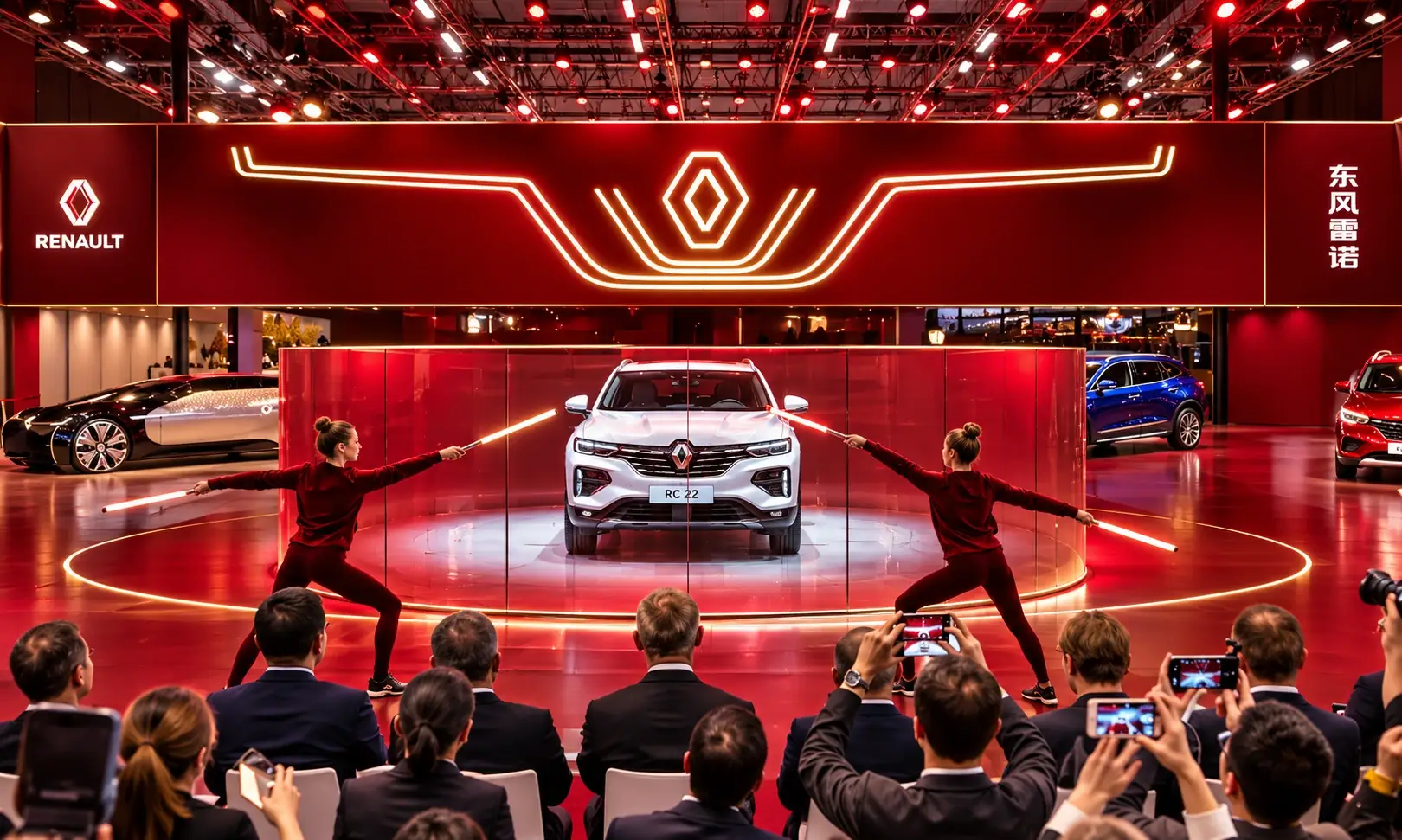
Guests should be able to reach, navigate, and participate in the event without having to ask for special arrangements at the door. Check access, clear instructions, team roles, and backup plans before event day.
Plan access as part of the guest experience from the start. The 2010 ADA Standards set minimum scoping and technical requirements for newly designed and constructed or altered public accommodations and commercial facilities. Consult the relevant authority or a qualified professional about the venue and any planned alteration.
Build Accessibility into the Venue Plan
Check accessible routes, entrances, restrooms, seating, and viewing positions against applicable requirements. Confirm guests can take part in the product reveal from a comfortable position. Clear signs and arrival instructions can help people find the right route without delay.
Review access with the venue team before you finalize the floor plan. A clear path can be lost when chairs, displays, or vendor gear shift during setup. Put one person in charge of checking the guest route before doors open.
Rehearse the Run of Show and Backups
Build the run of show around setup, the live event, and teardown. Add cue ownership, vendor contacts, arrival instructions, and escalation contacts. Prepare a response for weather, a delayed delivery, or AV failure so the team knows who makes each call.
Use this short operations checklist before guests arrive:
- Confirm access and wayfinding.
- Test AV and reveal cues.
- Brief the onsite team on escalation contacts.
A technical rehearsal should include the people who will call cues and solve problems onsite.
Hold a technical rehearsal with the people who will call cues and solve problems onsite.
How Will You Build Buzz Before and After the Event?
The strongest launch promotion gives the right people a reason to attend without turning a private preview into a mass-market campaign. Match the message to the result you want, and set clear rules for sharing the event.
Keep promotion as selective as the guest experience. Direct media outreach or selected previews can support coverage, while private invitations can protect exclusivity. Set expectations for photography, social sharing, and any event hashtag before guests arrive.
Promote the Invitation with Discretion
Use useful product information instead of hard-sell messages. For broader visibility, share approved behind-the-scenes material or a guest-focused story. Ideas for social media campaigns can help extend attention without making every post a sales pitch.
Paid follow-up can reach people who showed interest but did not attend or order. A measured e-commerce retargeting plan can tailor a later message to the product pages they viewed. Keep the message in line with the private nature of the launch.
Measure Results and Follow Up Personally
Compare attendance, qualified leads, press coverage, social engagement, and product interest with the KPIs chosen before the event. Send a survey within 48 hours, while guests still recall the reveal and conversations. A personal thank-you should mention a specific exchange rather than repeat a standard note.
Share approved photos or product information with guests who want to learn more. If the launch aims to attract leads, use helpful lead generation tactics to continue the conversation with useful content. Outside help with content or social promotion may be available through marketing services.
Send a tailored follow-up within 48 hours while the product and conversations are still fresh.
Conclusion
A private launch becomes memorable when the product, the people invited, and the experience all tell the same story. Your brand does not need a large spectacle to make a strong impression. It needs a clear purpose and thoughtful hospitality that feels true to the product.
Start with a one-page brief that names the objective, audience, budget ceiling, preferred date window, and product reveal. Keep the details clear enough for a venue or planning partner to shape a useful proposal. A focused brief can also help your team see which ideas support the experience and which ones distract from it.
Draft the one-page brief and use it to request proposals from the venues and planning partners that fit your priorities.