Treat a resale promise as an estimate, not a guaranteed return: verify the exact model, condition, recent completed sales, and what remains after fees. For U.S. buyers and owners, marketing promises should inform consumer decisions, not set buyer expectations as facts.
Luxury goods can hold different amounts of value, even within one brand. Check the time frame and item details behind a claim, then compare similar transactions and likely selling costs. This gives you a practical way to decide whether the promise deserves a place in your budget. Keep your own needs first. Make the purchase only if it still works for you without depending on a future sale.
Key Takeaways
- Use completed sales to test a resale claim.
- Match the exact model, version, and configuration.
- Account for condition, repairs, and included items.
- Separate a sale price from what the seller keeps.
- Check the time frame and selling costs in the claim.
- Buy for use and budget, not a promised return.
What Does a Resale Value Claim Actually Promise?
A resale-value claim estimates what a used item may fetch in a secondary-market transaction. Residual value is the estimated amount a used item may still be worth after its period of use. Neither figure guarantees a future sale price or a return on your purchase.
The amount an item may fetch after use is its resale value. A brand or seller may describe that amount as an estimate, but the statement does not ensure a buyer will pay it. Your realized sale price is the amount paid in a completed transaction, which may differ from the forecast.
Treat the claim as a forecast of possible value, not a promise that the item will sell at that amount.
Actual use matters to both sides of a transaction. Wear and tear can make an item less attractive and support a lower transaction price. A buyer may offer less when scratches, worn corners, or an aging clasp reduce the item’s remaining usefulness.
For example, a seller might price a handbag around its remaining function, not its original cost. A buyer can then weigh that usefulness against the item’s condition and expected years of use. The two sides may settle on an amount below the seller’s estimate.
That negotiation does not mean the item has no value. It reflects what a buyer is willing to pay for a used product at a particular time. Treat the claim as a forecast of possible value, not a promise that the item will sell at that amount.
Which Price Figure Should You Verify?

Start with the price of a completed sale, because an unsold listing proves only what a seller hopes to receive. Completed transactions give the strongest price evidence. Compare close matches, then estimate what the seller would keep after costs.
Asking prices and completed sales
A public seller’s listed amount is an asking price. A realized sale price is the amount paid in a completed transaction. The original retail price is the MSRP, or manufacturer’s suggested retail price.
A high listing can stay online because buyers reject its price or choose another item. It does not prove that the market will support that amount. A completed sale shows that one buyer and seller agreed to a price on a specific date.
A broad model-family match is weaker than an exact reference or configuration. For each comparison, record four details: the exact item identity, whether the transaction is complete, the date, and the sales channel. Those facts help you judge whether the price is useful for your decision.
Listings can still help you understand the range sellers are seeking. Keep them separate from completed sales, though. A car-selling guide also explains why asking prices and sale outcomes can differ, though its advice applies to cars, not luxury goods.
Gross sale price and net proceeds
The realized sale price is a gross amount, not the seller’s take-home. Net proceeds are the amount left after agreed fees and other costs are deducted. Shipping, payment charges, and other sale costs can reduce what the owner receives.
For example, a transaction may close at a price that looks close to the original MSRP. After costs, the seller may keep less than expected. Use net proceeds when judging what a resale promise could mean for your finances.
Record whether every comparison is an asking price or a completed transaction before treating it as evidence.
Which Product Traits Move Resale Potential?
The brand name matters, but the exact model and the buyers seeking it matter just as much. Product traits and current demand shape the range of plausible outcomes. Compare the same brand, model, and version whenever possible.
| Factor | Likely effect on resale interest | Evidence to check | Comparison that fits |
|---|---|---|---|
| Brand reputation | Steady buyer interest can support demand | Buyer demand for the same brand and model | Same brand and model |
| Model and age | Newer versions can reduce interest in older ones | Exact generation and release | Same generation |
| Demand | Strong interest may support more offers | Recent completed transactions and time on market | Recent sales of that model |
| Repairs and completeness | Records and components can support buyer confidence | Service history and included components | Similar service and package |
Brand reputation can draw buyers, but it does not set the price for every item. The resale potential of one product may differ from another in the same collection. For a brand such as Michael Kors, the model, condition, and buyer demand can matter more than the name alone. How Michael Kors quality and value compare gives more context for weighing a product’s use against its resale appeal.
Newer versions may weaken demand for older models when they add features or technology. Taste, availability, and market interest can change as well. A claim that an item is scarce needs proof of sustained buyer interest, not just limited-production wording.
Timing and sales channel also affect the range of plausible outcomes. A model that attracts buyers in one channel may draw less interest elsewhere. Match the comparison to the item’s exact model and configuration before drawing a conclusion.
How Much Do Condition and Completeness Matter?
A condition label is useful only when it is supported by clear details about the exact item. Condition has several parts, including cosmetic wear, structural soundness, and function. A small flaw in a prominent area may matter more than heavier wear in a less visible spot.
Visible wear and structural condition
Cosmetic signs include marks on corners, surfaces, hardware, interiors, handles, and straps. Structural problems affect the shape or strength of the item. Functional issues can make a zipper, clasp, or other part hard to use.
A label such as “excellent” does not tell you where the item has wear. Check photographs and the written description for the exact piece. Clear images from several angles can help show details that one bright front-facing photo hides.
A seller should describe prior work as well as visible wear. Repairs can restore function, yet they may change buyer interest. A repaired strap, replaced hardware, or altered surface should not be treated as a minor detail without context.
Included items and service history
Original packaging, accessories, and service records can support buyer confidence. They do not erase physical wear or prove authenticity by themselves. Separate records from condition when you judge the item.
Ask these four questions before you agree to a price:
- Where does the wear appear?
- Have any repairs or changes been made?
- Which accessories and original components are included?
- What records document the item’s history?
Look for a clear answer about each point that could change your view of the product. A service record may explain work, but it does not show every current flaw. If a flaw or repair could change your decision, get a clear answer about it before agreeing to a price.
How to Assess Resale Value Claims in Luxury Marketing

Test the claim against completed sales of the exact item or the closest genuinely comparable configuration. Use one consistent price basis for the calculation. A percentage becomes misleading when it mixes retail prices, asking prices, and sale proceeds.
Start by writing down the statement as it appears, including the promised amount and time frame. Then test it with five actions:
- Write down the exact claim and its time frame.
- Identify the item’s exact reference or configuration.
- Find completed sales of close comparables.
- Calculate retention from the same original-price basis.
- Estimate net proceeds after fees, shipping, and stated costs.
Resale retention percentage equals the realized sale price divided by the original purchase price, multiplied by 100. For example, a sale amount divided by the item’s original purchase amount produces a percentage of that original price. Use the same basis each time.
Keep the comparable item’s transaction date, condition, configuration, and sales channel in view. Those details help you judge whether the percentage reflects a fair comparison. A single unusually high transaction is a weak basis for a confident forecast.
Do not divide an asking price by MSRP and call the result a sale outcome. The figures measure different things. The original purchase price also matters, so make sure it matches the basis used in the claim.
For outlet merchandise, the former price or a large discount may not tell you whether the product matches a full-price version. Compare the item’s materials, build, and price with a genuinely similar product. How to compare outlet merchandise and discounts covers those price checks.
Keep the calculation tied to its original price basis and the date of the transactions you used.
What Do Current Rolex Prices Say About Resale?
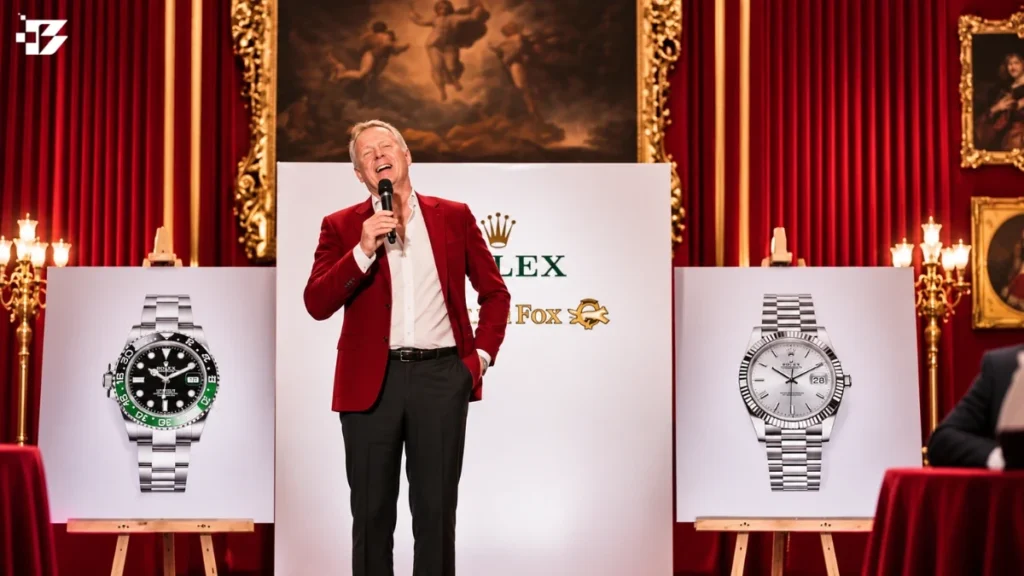
These eight Rolex references show why a single brand-wide retention claim can mislead. As of November 2026, listed retail and market prices range from above retail to below it. These are model- and date-specific market indicators, not a promise of a buyer’s offer or net proceeds.
| Exact reference | Listed retail price | Market price | Date |
|---|---|---|---|
| Datejust 41, 126334 | $11,650 | $14,153 | November 2026 |
| GMT-Master II, 126710GRNR | $11,800 | $20,224 | November 2026 |
| Cosmograph Daytona, 126500 | $16,900 | $31,711 | November 2026 |
| Submariner Hulk, 116610LV | $9,050 | $18,536 | November 2026 |
| GMT-Master II Root Beer, 126711CHNR | $20,050 | $18,634 | November 2026 |
The Datejust 41 reference 126333 had a listed retail price of $16,900 and a market price of $15,198 in November 2026. The Explorer II reference 226570 listed at $10,600, with a market price of $10,573.
The Sky-Dweller reference 336934 listed at $17,750, while its market price was $23,500. These figures show that prices can sit near retail, above it, or below it, even across one watch brand.
Market price is not the same as a guaranteed offer to an owner. The condition and exact configuration still matter to a transaction, and fees can reduce what a seller keeps. Rolex’s certified pre-owned program is one example of a brand resale approach, but it does not promise a particular result.
Check the exact reference and current transaction evidence before applying any of these examples to a purchase.
Which Handbag Resale Claims Need a Time Frame?
Handbag resale claims need a time frame and a clear definition of what the percentage measures. Annual change, retention, and average sale price describe different outcomes. None guarantees an individual seller’s result.
| Handbag model | Reported result | Type of measure | Reporting period |
|---|---|---|---|
| The Row Margaux | Resale value increased 92% | Year-over-year change | 2026 report |
| The Row N/S Park Tote | 146% | Value retention | 2026 report |
| Bottega Veneta Andiamo | Average sale at 90% of retail | Average sale price | 2026 report |
| Gucci Jackie 1961 | Resale value increased 47% | Year-over-year change | 2026 report |
| Hermès Kelly 28 | Resale value increased 22% | Year-over-year change | 2026 report |
The 2026 report also found that the Hermès Mini Kelly sold for an average of 285% of MSRP. The Hermès Birkin 25 resale value increased 3% over the year reported, while the Birkin Sellier retained 183% of original value.
Other 2026 results showed the Chanel Classic Flap resale value increased 8% year over year. The Loewe Puzzle increased 72% over the year reported, and the Louis Vuitton Speedy rose 76% over that period.
A rise over one year compares value at two points in time. Retention compares a resale amount with the original retail price, while an average sale price describes completed sales. Keep the measure attached to each percentage rather than comparing unlike figures.
The 2026 handbag resale report presents these distinct measures across several models. Ask whether a figure means annual change, retail-price retention, or an average transaction before comparing it with another item.
What Buyer Protections Should You Verify on a Resale Platform?
The buyer protections you receive can depend on whether the seller is a professional dealer or a private seller. Chrono24’s stated terms differ by seller type. Check the rules that apply to your exact transaction.
| Feature | Professional dealer | Private seller |
|---|---|---|
| Payment hold | 14 days after delivery | Up to 7 days after delivery |
| Right of withdrawal | 14 days | No right of withdrawal |
| Pre-listing authenticity verification | Dealer must verify authenticity before listing | No stated platform requirement |
Chrono24 charges a 2.5% Escrow Service fee on the total price, including shipping. That charge affects what a buyer pays, even when the listed item price looks attractive.
Chrono24 holds payment for 14 days after delivery for professional-dealer purchases and up to 7 days for private-seller purchases. Professional-dealer purchases include a 14-day right of withdrawal, while private-seller purchases do not.
The platform also requires professional dealers to verify authenticity before listing. That stated rule does not mean every resale site uses the same process. Read the applicable seller-type terms before paying rather than assuming another platform works the same way.
What Does Market Growth Tell You About Future Resale?
A growing resale category can attract more buyers without guaranteeing that any one luxury item will rise in price. Category growth is context, not an item valuation. Market revenue can grow while a specific model loses value.
What market-size forecasts measure
The global pre-owned luxury watch market was valued at USD 32.3 billion in 2025. It was projected to reach USD 35.7 billion in 2026 and USD 85.4 billion by 2033.
The forecast gives a 13.3% compound annual growth rate, or CAGR, from 2026 to 2033. CAGR is the annual growth rate that would link the start and end values over that period. It describes the category, not the future price of one watch.
North America accounted for 33.6% of global pre-owned luxury watch market revenue in 2025. The U.S. made up 82.9% of North America’s market. These shares describe where revenue occurred, not how much any owner could earn.
Online marketplaces held 39.0% of the pre-owned luxury watch market share in 2025. That figure describes a sales channel’s portion of the category. It does not show that online prices will rise faster for every model.
What consumer surveys add
A BCG and Vestiaire Collective survey covered 7,800 consumers who had taken part in resale. Fifty-five percent of purchases occurred through online multibrand resale platforms. Nearly 80% cited affordability as a reason to buy secondhand.
Those results show consumer participation and the role of online shopping. They do not predict a specific model’s return or guarantee that more buyers will seek a particular item later.
Category revenue growth and individual-item appreciation are different measures. A larger market can include more transactions, more products, or higher overall sales, without every resale price increasing. Treat a market forecast as context for demand, not as a valuation of the item you are considering.
How Can You Verify Authenticity and Provenance?
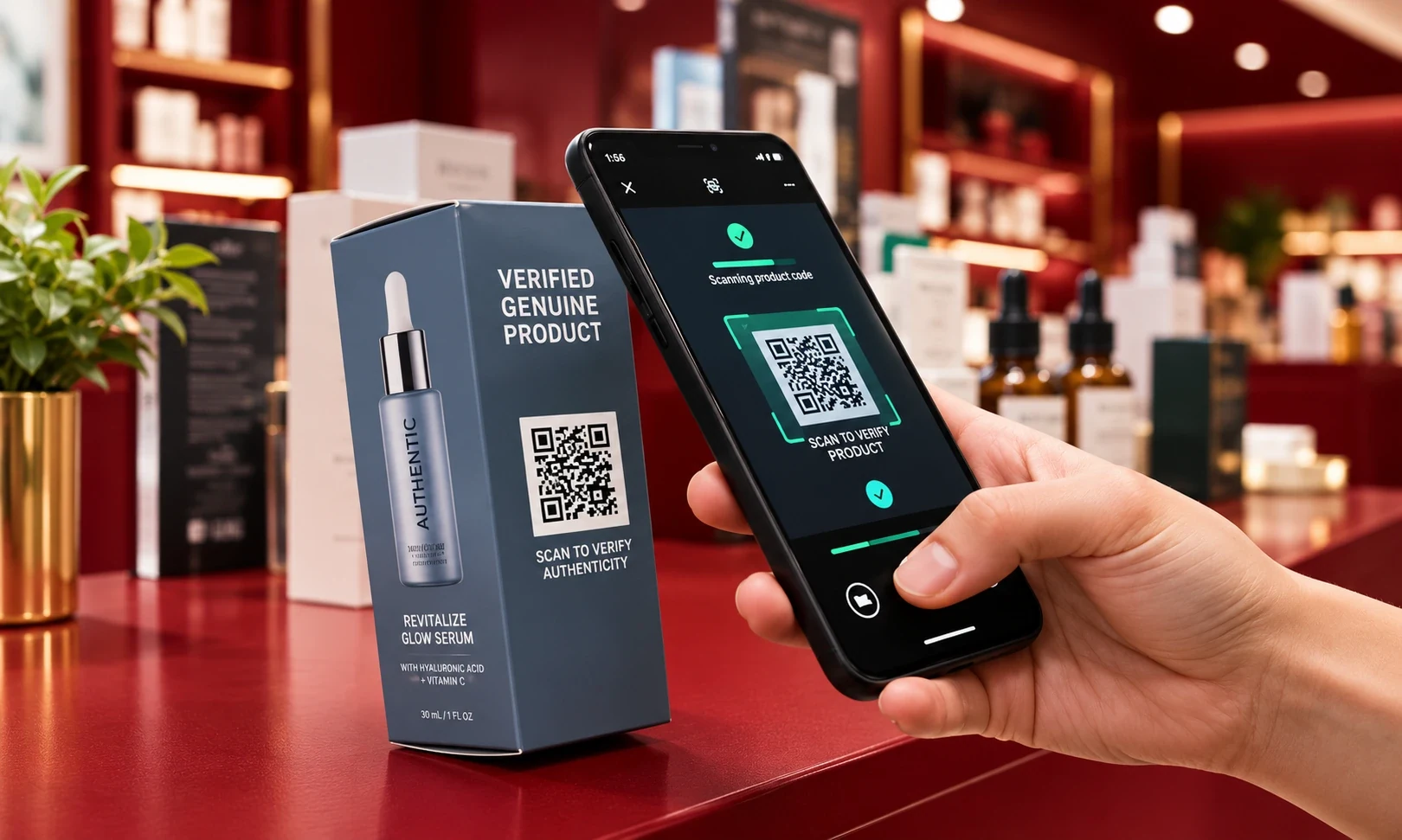
Confidence improves when an item’s identity, history, and physical state can be checked against separate evidence. Provenance is the item’s documented history and identity. No single record or digital file proves authenticity on its own.
Authentication checks
An authentication assessment is an expert review of whether an item is genuine. An item identifier, such as a serial number or exact reference, helps identify a specific product. A purchase record can show where and when it was bought, while product history records events during ownership.
These records have different jobs. A receipt may support a history, but it does not confirm that the item now shown is the one on that receipt. A digital file may also be copied or linked to the wrong item.
Digital product passports can store verified product information and support authentication and one-click resale. The Chloé and Vestiaire Collective partnership using digital product passports reduced resale time by over 60%. That result shows how records can make listing easier, not that a passport alone proves an item is genuine.
In a survey, 70% of respondents valued authentication and verification when buying, and 67% valued them when selling. Yet 65% had never heard of digital product passports, while 15% knew the term but not its meaning.
Product records and resale data
Keep useful records together during ownership. These four items can help build a clearer history:
- The exact reference or product identifier
- Original proof of purchase, when available
- Service and repair records
- Dated photographs of the item
Photographs can help show changes over time, but they do not replace an expert review. Reverse image search can help trace where a picture appeared online, though a matching image is not proof of authenticity. Ways to search an image’s origin can help with that limited check.
Treat any missing or conflicting identifier as an unresolved question until it is checked by a qualified authenticator.
When Can a Resale Marketing Claim Become a Legal Issue?
A resale statement deserves closer scrutiny when it presents a measurable future price or return as a fact. Specific promises can raise different issues from clear opinion or general promotional language. A price estimate alone does not prove unlawful advertising.
Under the U.S. federal trademark regime, the Lanham Act allows false-advertising claims. Section 5 of the Federal Trade Commission Act prohibits unfair or deceptive acts or practices in commerce.
The wording and evidence matter. A broad statement about a product’s appeal differs from a specific claim that an owner will receive a set return after a set period. A claim can merit concern when it sounds factual but leaves out important limits.
Watch for these three red flags:
- An unqualified claim of a guaranteed return
- A percentage with no time frame or comparison basis
- A claim presented without evidence of relevant transactions
A missing detail does not settle a legal question by itself. The product, marketing language, and facts around a purchase can all matter. Pricing tactics can also shape what buyers think a product is worth, which is one reason clear comparisons matter.
Readers facing a consequential dispute should seek advice from a qualified U.S. attorney. Keep the exact wording and supporting records if a claim materially affects a purchase decision.
Can Resale Programs Strengthen or Weaken Luxury Brand Appeal?
A brand’s resale activity can make luxury more accessible while sending different signals to different customers. Resale can widen access and support reuse, but it can also affect how some buyers view exclusivity. Program participation does not prove that a product will gain value.
Access and sustainability signals
Secondhand sales can help customers try a brand at a lower price and keep products in use longer. In a survey, 66% of respondents said resale enabled them to discover or buy a brand for the first time. Discovery does not mean every new customer later buys at full price.
Resale can also signal that a brand supports longer product use. Consumers may see that as a sustainability benefit, especially when a program accepts used goods and returns them to buyers.
Patagonia Worn Wear accepts trade-ins and resells refurbished gear. Rimowa RECRAFTED refurbishes and resells pre-owned suitcases. These examples show two branded resale approaches, not a measure of their financial performance.
Exclusivity and audience differences
Research on luxury-brand secondhand engagement found stronger sustainability perceptions alongside weaker exclusivity perceptions. The effects varied with consumer attitudes. One customer may welcome broader access, while another may value a narrower sense of ownership.
That difference can shape brand appeal without setting a resale price. A resale program may serve customer access, product reuse, or brand discovery. Those aims are separate from a promise about what a specific item may fetch later.
For more on how price presentation shapes buyer views, see pricing psychology and customer perception. Judge a resale program by its actual terms and purpose, not as evidence that a particular item will appreciate.
How Should You Decide Whether to Buy, Keep, or Sell?
The safest decision is the one that still makes sense if the future resale price is lower than expected. Start with your budget and use, not a promised return. Potential future net proceeds should never make an unaffordable purchase seem affordable.
Choose among three options based on what the item does for you and what you can spend:
- Buy only if the item fits your budget and use case without relying on future proceeds.
- Keep it if its ongoing use justifies care and storage.
- Sell if a realistic completed-sale comparison leaves acceptable net proceeds.
A suggested asking price is not the amount you will take home. Compare it with a plausible realized sale price, then account for fees, shipping, and other costs. A sale can still be worthwhile if the remaining amount meets your needs.
Holding an item also has a cost. Money tied up in a handbag or watch cannot serve another purpose, such as savings or a planned expense. Consider your cash priorities alongside the item’s usefulness and care needs.
When a private sale takes more time and effort than a trade-in, that cost matters too. A guide to selling a car online covers safe payment and paperwork for cars, a different product with its own risks. The larger point is to include effort and transaction steps in your choice.
Write down the evidence and the amount you can commit without needing a later sale to make the purchase affordable.
Save a brief decision note with the item identity, condition, evidence checked, transaction terms, and your reason for deciding. That record helps keep the choice tied to facts rather than an appealing forecast.
Conclusion
A useful resale estimate is specific enough to check and modest enough to leave room for uncertainty. Look for a clear item match, relevant completed transactions, a stated time frame, and costs that affect net proceeds. A brand name or confident marketing line cannot replace those details.
Use one exact comparable sale as a starting point, then consider whether the item still suits your needs at its full cost. Before your next purchase, save one exact comparable sale and calculate what the seller would keep after costs.