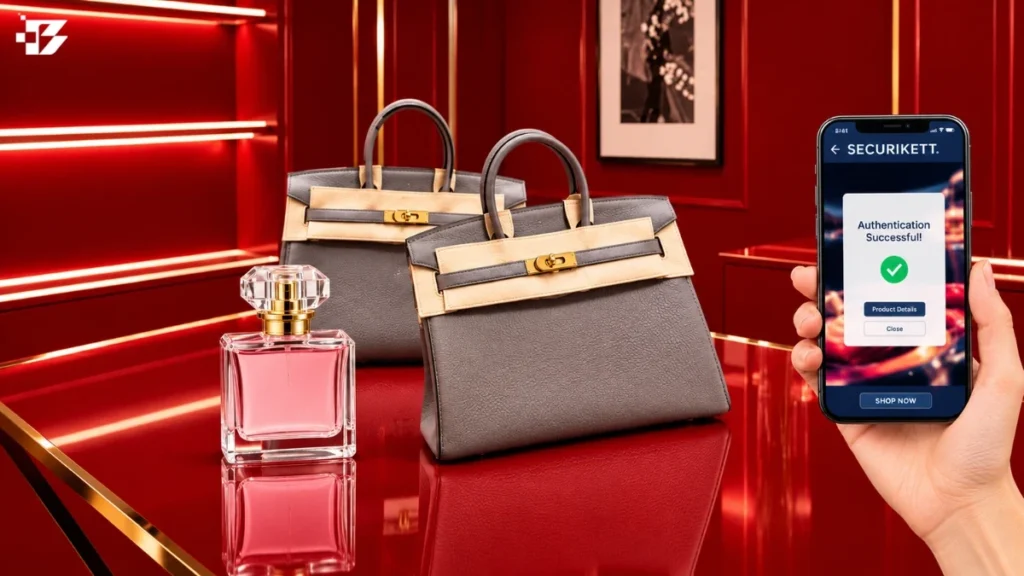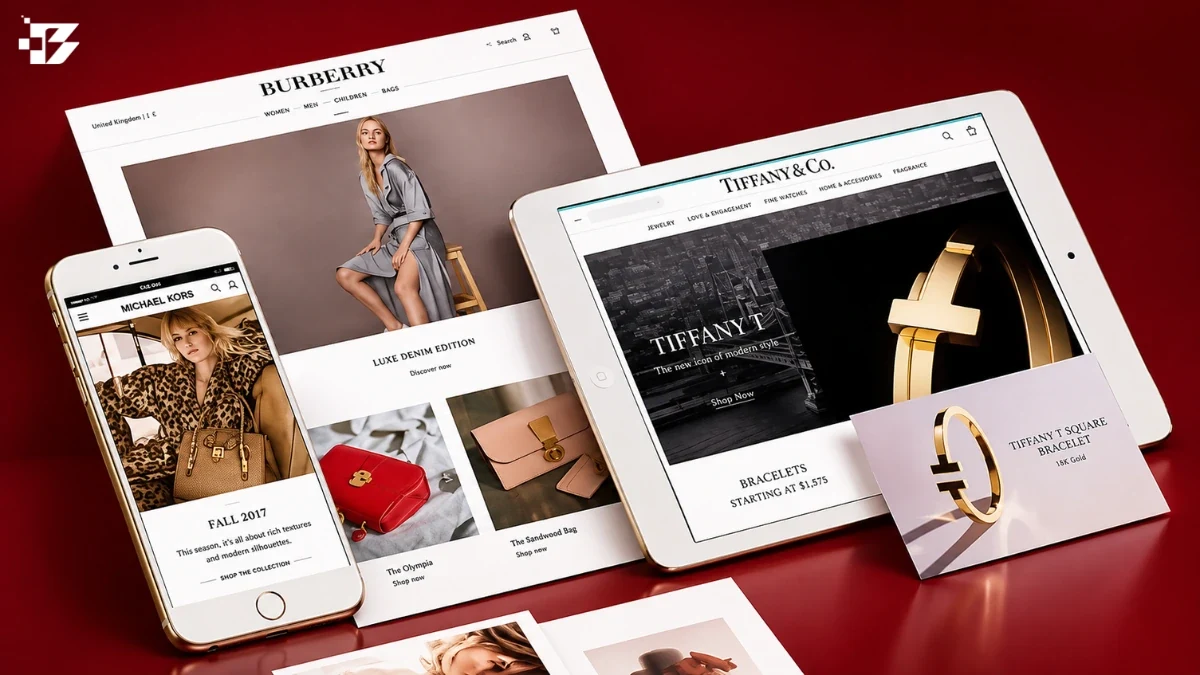
A strong luxury ecommerce experience pairs restrained design with detailed product storytelling, attentive service, and a reliable purchase journey. Considered design, clear product information, and dependable delivery help customers buy with confidence.
Your online shopping channel can feel convenient without losing the care and control customers expect. Ornate visuals or needless friction do not make a purchase feel more special. Each interaction should respect the customer’s time and help them make a considered choice.
Begin by identifying the point in the buying journey where customers need more confidence or more personal attention.
Key Takeaways
- Let brand history and craft shape the visual story.
- Make categories, search, and saved products easy to use.
- Give customers enough detail to judge a product before buying.
- Use personal service to support, not pressure, customers.
- Keep checkout, delivery, and returns clear and dependable.
- Measure customer confidence alongside sales performance.
How to Build a Luxury E-Commerce Experience Around Brand Value
In 2026, four in 10 Americans showed deal-driven or cost-conscious habits, so luxury brands still need to make their value clear. Price is not the only measure of value: heritage, quality, service, and confidence can all support a considered purchase.
The 2026 Bain-Altagamma forecast put personal luxury goods growth at 2%-4%, bringing the market to more than $428.1 billion. That outlook makes clear communication important. To build an ecommerce experience online, connect the brand promise to useful details and human support, not elevated language alone.
Make the reason a product merits attention easy to understand before a customer reaches checkout.
Customers may want to know how a piece is made, how it will wear, or what care it needs. A clear answer helps shoppers judge quality and price together, without asking them to take a leap based on a polished slogan.
Luxury shoppers also value attentive service, VIP treatment, and lasting ties with salespeople. Nielsen Norman Group’s luxury ecommerce usability research found that online experiences can fall short of those expectations.
Make the reason a product merits attention easy to understand before a customer reaches checkout.
How Can Visual Design Express a Luxury Brand?
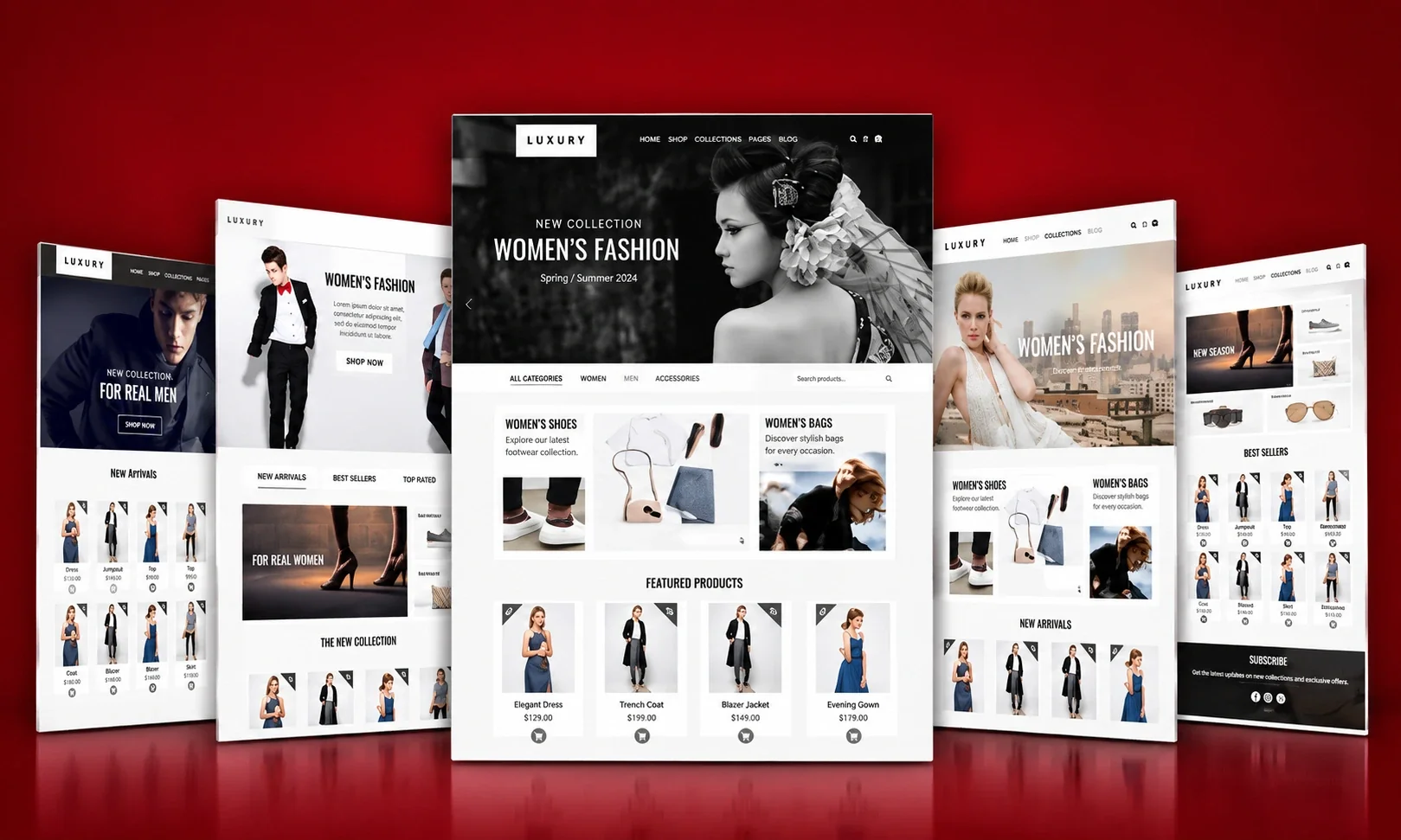
A distinctive online identity begins with the same materials that make the brand recognizable offline: its history, craft, and visual point of view. Brand-specific details give customers a reason to remember the experience.
Luxury fashion website design should make the identity recognizable while helping shoppers understand where to go. Use visual choices to tell the brand’s story and keep key information easy to find.
Build a visual identity from heritage and craft
Draw on real history, materials, and making skills rather than generic luxury cues. Dior’s Lady Dior page connects product imagery with the bag’s history and a making-of video.
Rémy Martin uses an interactive timeline to share its history. These examples show how brands with beautiful websites can use their own stories, not decoration borrowed from another label.
Choose the details that fit your brand. A maker might show a tool or workshop, while a heritage house might trace a design through time.
Keep the interface quiet without making it obscure
Considered typography, generous whitespace, restrained color, and original imagery can create a calm mood. Keep a clear visual hierarchy, so visitors can tell a headline from a link or a product name.
Minimal design fails when it hides navigation or useful information. A pale text link that blends into the background may look subtle, but customers can miss it.
Use distinctive choices with care. Check that the brand’s most distinctive visual choices still leave the next step clear.
How Should Customers Move Through the Store?
A shopper who arrives for a specific collection should be able to find it without decoding the site’s visual language. Clear paths make browsing feel considered rather than crowded.
A luxury UI should make the product-finding path deliberate, not make routine actions difficult. Keep categories easy to scan and offer guidance for customers who need help choosing.
Make categories and curated paths easy to scan
Use familiar category names and show how collections relate to one another. Fendi combines category navigation with collection content, giving visitors more than one useful way in.
A guided path can help when a customer is choosing among many options. Amaffi, for example, uses a product-selection wizard to help visitors narrow their choices.
Editorial images can also lead to products, but the link should be clear. A customer who sees a coat in a story should be able to open its product page.
Keep search and saved items useful, not dominant
Search helps customers who know a model name or color. Recently viewed products help them return to a choice, while saved items are useful when they want to compare later.
Keep these tools available without letting them crowd the page. Gucci displays recently viewed products, making a return visit easier without requiring customers to start over.
A retail ecommerce checklist can help teams review common browsing and mobile-use problems. Test these paths on a phone and desktop:
- Test a category path from the homepage.
- Find a specific model and color.
- Open a product shown in an editorial image.
- Return to a recently viewed item.
Test key browsing paths on a phone as well as on a desktop.
What Should a Luxury Product Page Show?
A product page should answer the questions a knowledgeable sales associate would address before asking a customer to make a considered purchase. Useful evidence helps customers judge the item with confidence.
Show at least three to five accurate images, including close-ups of defining details and an in-scale or in-use view. Each image should answer a question about the product.
Video helps when movement, fit, or styling matters. Augmented reality, or AR, lets customers see a digital product in their own space or on themselves.
AR works best when customers face real uncertainty about appearance or spatial fit. A 2025 study of 2,489 products estimated a 12% profit increase from focusing AR investment on products with high spatial-fit uncertainty.
Lancôme offers virtual makeup try-on, while Gucci offers virtual shoe try-on. These tools serve different needs, so avoid adding them to every product as a novelty.
Product copy should explain materials and construction, then cover fit, use, care, and styling. Add the item’s particular story when it helps customers understand its quality or purpose.
Product content should help customers picture ownership without making claims the item cannot support. Match each image and interactive feature to a specific question the customer needs answered.
For a wider review of images, descriptions, and mobile usability, use this ecommerce website checklist for retailers.
How Can Online Service Feel Personal at Scale?
Personal service scales best when useful customer context reaches the right person at the moment it can improve the interaction. Relevant help should feel like care, not pressure.
First-party customer data is information a brand collects directly through its own website, stores, and customer-service interactions, subject to consent and privacy rules. Use it to support service only when the customer has agreed.
Use recommendations to assist, not pressure
Recommendations can help customers find products that fit their interests. Explain why an item appears, and let the customer ignore it without repeated prompts or aggressive upselling.
In 2026, 26% of surveyed retail executives had focused on AI personalization. Another 35% expected to offer personalized AI recommendations in the next year.
Customer interest also varies by feature: 72% of luxury consumers value personalization, and 26% value targeted recommendations. Use those signals as a reason to make choices useful, not as permission to push every sale.
Give advisers useful customer context
A unified profile can help an adviser offer relevant styling advice or arrange a digital appointment. With consent, first-party customer data can connect online purchases with boutique interactions.
That context can prevent a customer from having to repeat a preference at every contact. Keep access and use focused on the service task at hand.
- Record consent and data source.
- Give staff role-appropriate access.
- Use only information relevant to service.
- Correct or suppress stale preferences.
A study of luxury retail service found that personal encounters help balance broad access with a sense of exclusivity. Research on luxury retail experiences focused on physical stores, so apply its insights to digital service with care.
Keep a human route available for decisions that call for judgment, reassurance, or personal expertise.
How Can a Brand Signal Exclusivity Without Pressure?
Exclusivity feels credible when the limits on access reflect a real product, service, or community decision. Honest limits can make an experience feel special without inventing stock pressure.
Real scarcity comes from actual limits on production or availability. A countdown that resets or a false low-stock message can damage trust. In 2026, 40% of consumer perceptions of a brand’s value stemmed from factors other than price.
Brands can offer early access to loyal clients, a genuine limited release, invitation-only events, or private appointments. State what the access includes and who can use it.
Access should fit the brand. A 2025 competitive study found Louis Vuitton performed best with an open online community, Chanel with selective community engagement, and Hermès with private digital experiences.
These models show why there is no single form of exclusivity for every luxury brand. A private digital experience may suit one house, while open community access may suit another.
Discounting can help move a short-term offer, but it should not become the brand’s main reason to buy. For more ideas on clienteling, member access, and luxury marketing, see these luxury brand marketing strategies.
Before adding a scarcity message, confirm that the stated limit is accurate and explain what access actually means.
How Can Checkout Feel Effortless and Accessible?
A reassuring checkout lets customers understand the total, choose a payment method, and complete the order without avoidable barriers. Clear steps protect trust at the point of payment.
Guest checkout, a clear order summary, and visible shipping and tax information remove common sources of doubt. Do not introduce surprise requirements after a customer begins paying.
Remove unnecessary checkout friction
Let customers buy without creating an account, then offer account setup after the order. Show the total before payment, including shipping and taxes when known.
Keep payment choices clear and avoid extra steps that do not protect the order. A small form error can cause a customer to abandon a purchase they already considered carefully.
Make forms, controls, and payment steps accessible
Use keyboard access, readable labels, clear error messages, and accessible authentication. Test mobile checkout with assistive technology, not only with a mouse or touch screen.
One in four U.S. adults lives with a disability. The DOJ’s April 2024 rule requires state and local governments to meet WCAG 2.1 Level AA for web content and mobile apps; it is not a general private-business mandate.
The DOJ’s WCAG 2.1 Level AA rule sets requirements for state and local government websites and apps. PCI DSS v4.0.1 is the current payment security standard.
- Complete a guest order.
- Inspect the total before payment.
- Test keyboard-only form completion.
- Check error messages and focus indicators.
Use a UI and UX review to find common usability barriers. Test the entire checkout flow, including errors and authentication, rather than checking only the opening screen.
How Do Delivery and Returns Extend the Experience?
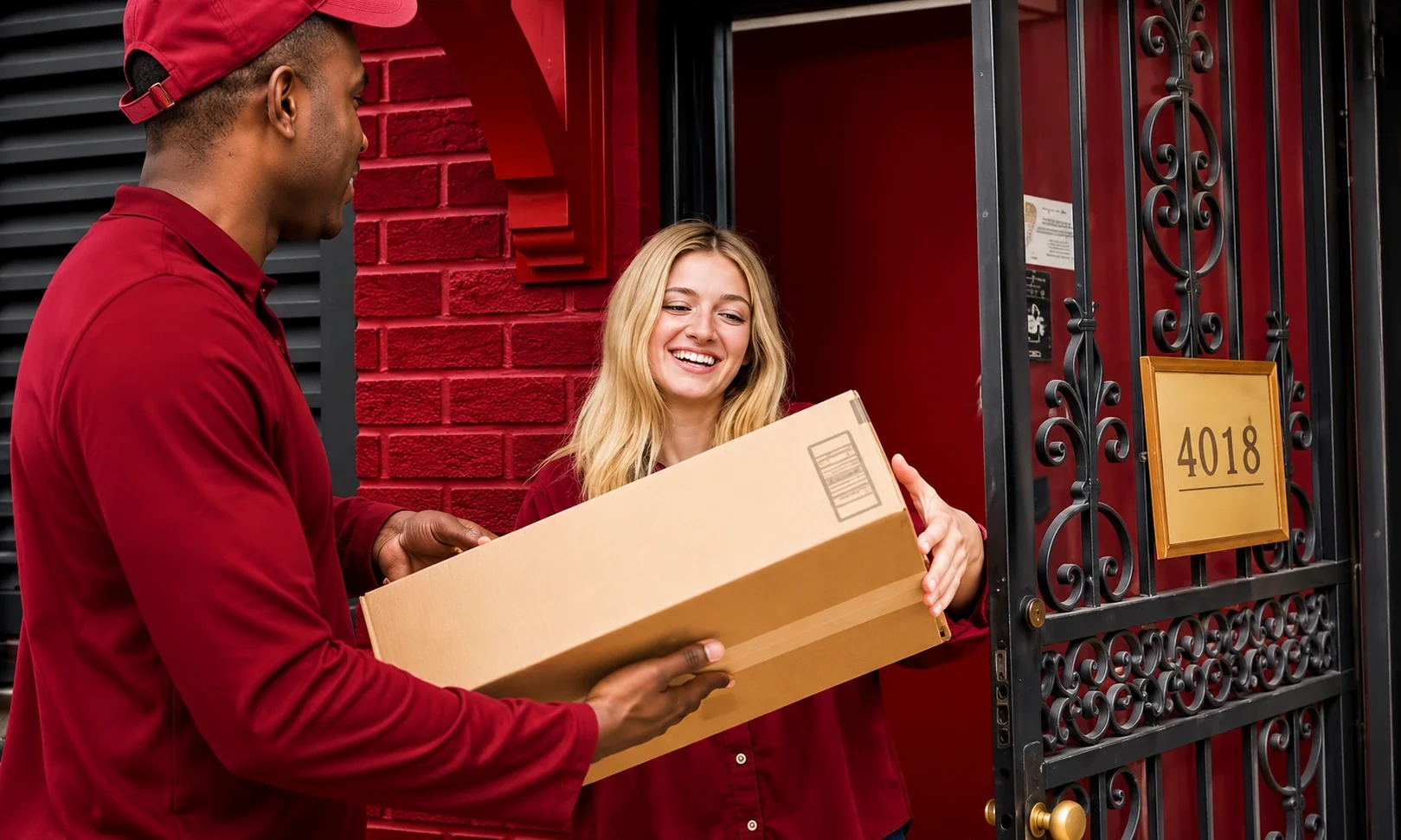
A premium delivery experience begins with an accurate promise about where the item is and when it should arrive. Reliable updates show care after payment, too.
Show accurate availability and a clear delivery estimate, then send branded order-status updates. Name a service contact customers can reach if a delivery runs into trouble.
Make the delivery promise visible and dependable
Store and mobile journeys should work together. Ryder’s 2025 U.S. survey found that 74% of shoppers used mobile devices in stores, while 34% checked store availability before buying online.
Orlebar Brown can use store inventory to fulfill online orders and ship an in-store purchase to a customer’s hotel. That option connects local stock with a customer’s plans.
Treat returns as part of the service relationship
Return rates differ by category, so make the policy easy to understand before purchase. Explain where a customer can return an item and what steps come next.
| Category | Typical return-rate range | Service implication |
|---|---|---|
| Apparel and footwear | 25%-40% | Make fit and return steps clear |
| Luxury goods | 18%-30% for 2025-2026 | Explain the return route and support clearly |
Apparel and footwear ecommerce return rates typically range from 25% to 40%. Luxury goods return rates are estimated at 18%-30% for 2025-2026.
Make the return route and the customer’s next step clear before the order leaves the product page.
Where Should Luxury Brands Find New Customers?
Younger customers use a mix of social, search, and AI-assisted discovery, so luxury brands should choose channels for fit rather than reach alone. Context matters more than appearing everywhere.
In 2026, 28% of Gen Z consumers said they already used generative AI tools for shopping, compared with 16% of baby boomers. Give each channel a clear job and a message it can carry well.
Choose channels that carry meaning
Search can reach people weighing a considered purchase. Visual social channels introduce a collection, while editorial content explains its design or cultural meaning.
Selective marketplaces can help with discovery, but they offer less control over presentation. AI-assisted discovery is another path: 60% of Gen Z consumers regularly used AI overviews at the top of traditional search platforms, compared with 29% of baby boomers.
Social media also plays a different role by age group. In 2026, 34% of Gen Z consumers said it helped shape purchase decisions, versus 16% of baby boomers; 23% of Gen Z found new brands there, versus 7% of baby boomers.
Among in-store luxury shoppers, 47% used AI before visiting a boutique. Spending among consumers under 35 was growing about four percentage points faster than spending among older consumers.
A review of luxury fashion marketing found 15 strategies grouped into six categories. Research on luxury fashion digital marketing covers social, influencer, omnichannel, and AI approaches.
| Channel | Examples | Best role | Main content cue |
|---|---|---|---|
| Search | Google Search | Capture considered intent | Craft and use details |
| Visual social | Instagram and Pinterest | Introduce a collection | Lifestyle context |
| Editorial | Vogue Business and Hypebeast | Explain cultural or design meaning | A deeper story |
| Selective marketplaces | Farfetch and Mytheresa | Support discovery | Curated brand presentation |
Build a luxury landing page around one promise
A luxury landing page should carry a campaign promise into relevant product details, service information, and one clear next action. Keep the destination aligned with the message that brought the visitor there.
Use a focused landing page to connect the campaign with useful content and a clear action, as this guide to business content types explains. Make sure the destination page delivers the same level of care and meaning promised by the campaign.
Which Platform Model Fits a Luxury Brand?
The right platform is the one that supports the brand’s service and operating requirements without creating complexity the team cannot sustain. Choose for the work your team needs to do, not status alone.
An owned store gives you more control over brand presentation and customer relationships. A marketplace can bring an existing audience and reduce setup work, but it limits commercial control and data access.
Compare an owned store with partner marketplaces
An owned ecommerce store lets a brand shape the full experience and manage its customer relationships directly. It also leaves the team responsible for site operations and customer acquisition.
Partner marketplaces can help brands reach shoppers who already use the platform. In exchange, brands give up some control over the shopping environment and may receive less customer information.
Decide when luxury website templates are enough
Luxury website templates can suit a focused catalog and standard workflows when your team can express its identity without heavy changes. A custom storefront fits needs a template cannot support.
Custom work brings more development and maintenance responsibility. A Shopify development guide can help teams plan a hosted store, payment setup, testing, and upkeep.
Compare platform fees and customization needs
Shopify Basic costs $29 USD per month with yearly billing or $39 USD monthly. Its standard online card rate is 2.9% + 30¢, and its third-party transaction fee is 2%.
In the United States, Shopify Plus starts at $2,300 USD monthly on a three-year term or $2,500 USD monthly on a one-year term. Its online card rate is 2.25% + 30¢.
| Plan | Monthly price and term | Online card rate | Third-party transaction fee |
|---|---|---|---|
| Shopify Basic | $29 USD yearly billing or $39 USD monthly billing | 2.9% + 30¢ | 2% |
| Shopify Plus in the United States | Starts at $2,300 USD monthly for 3 years or $2,500 USD monthly for 1 year | 2.25% + 30¢ | 0.20% on eligible transactions, plus processor fees |
Review these operating needs before choosing a platform:
- Peak-traffic performance.
- Localization and market rules.
- Customer and inventory data integrations.
- Predictable total cost.
Compare total operating costs and required control before committing to a platform architecture.
How Should Brands Measure and Improve Conversion?
Start with a conversion baseline that matches the store’s category and measurement period, not a benchmark chosen only because it is higher. Useful comparisons help you spot customer friction.
Online-store conversion rate is the percentage of sessions that result in an order. Use category and time period together when comparing performance.
Establish a useful conversion baseline
Shopify’s published 12-month average for luxury and jewelry stores is 0.94%. In October 2026, the median for fashion and apparel stores on Shopify was 1.0% across 76 stores measured over 90 days.
The top 20% of those fashion and apparel stores exceeded 1.9%. Littledata’s October 2026 median was 1.4% across 436 stores measured over 90 days.
Littledata reported 2.7% or higher in the top 20% and 3.7% or higher in the top 10%. These groups and measurement periods differ, so treat the figures as reference points, not one shared target.
Test changes against customer confidence
Find where high-value customers lose confidence, then assign an owner to investigate. Review conversion alongside average order value, returns, and service response times.
Test one focused change in one category or market. A team might clarify a delivery estimate for one product group, then compare results with its existing service measures.
For practical testing ideas, see these website development and improvement practices. Keep the test narrow enough to learn what changed.
Choose one customer-confidence problem, test a focused change, and review the result alongside service and return measures.
Conversion numbers can reveal where customers leave, but they cannot explain why. Use customer comments and service interactions to understand the hesitation before changing the page.
Conclusion
A luxury online store earns trust through consistent care, not ornament alone. Thoughtful details matter when they meet a real customer need.
A clearer product answer, a helpful service contact, or a simpler payment step can remove doubt at the right moment. Each change should make the experience easier to understand without weakening the brand’s character.
Start by auditing one high-friction moment, such as a confusing delivery estimate or a product detail customers often ask about. Ask the team closest to that moment what customers struggle to do.
Choose one point in the journey to improve this month, assign an owner, and check whether the change makes the experience clearer for customers.