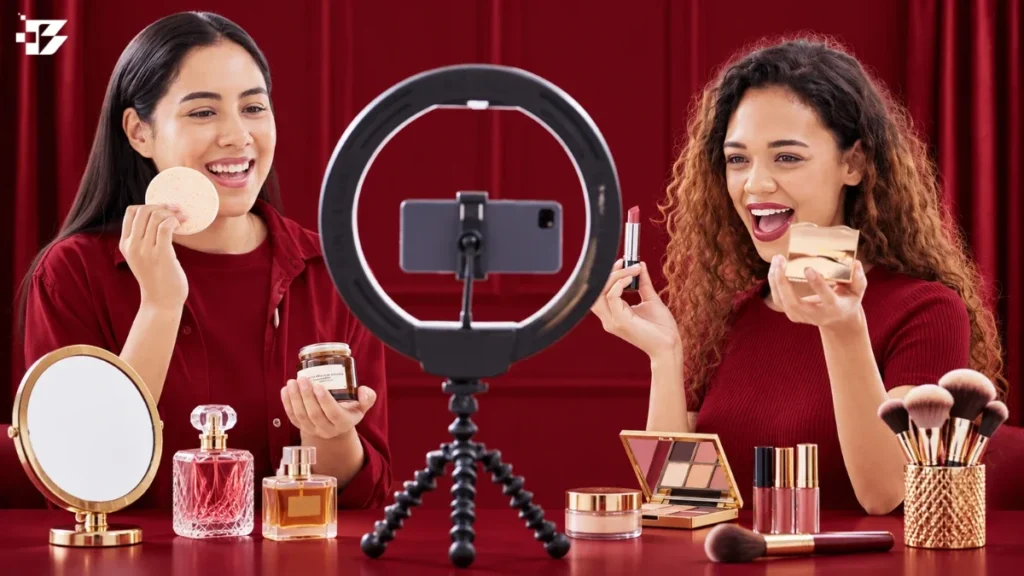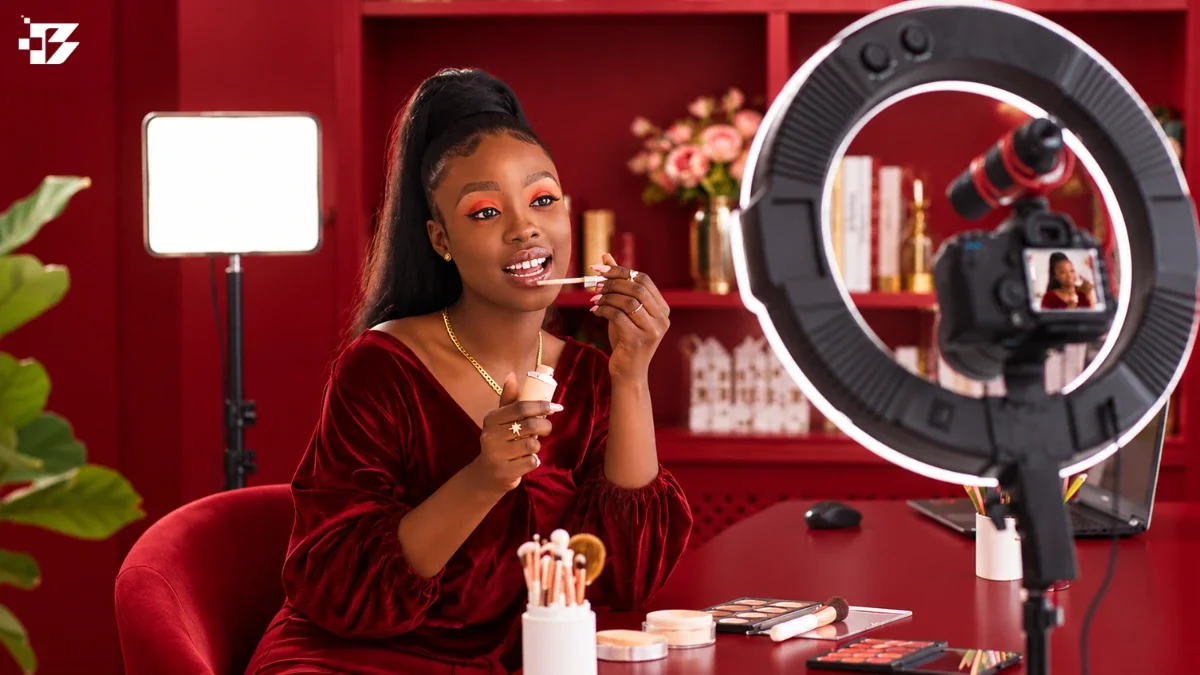
Choose the creator whose audience, image, and values already belong in your brand’s world, rather than defaulting to the largest following. The strongest choice fits your brand’s positioning and can make the product feel both aspirational and credible.
Audience quality means a combination of audience relevance, authenticity, and meaningful engagement. In luxury influencer marketing, those qualities matter because a polished post must still feel believable to the people who see it.
You can make a stronger choice by setting a campaign goal, then checking audience fit, content, trust, and execution. The right creator brings credible aspiration, not just visibility.
Key Takeaways
- Set one campaign objective before searching.
- Compare creators using the same fit criteria.
- Check audience markets against product availability.
- Review engagement, comments, and growth patterns.
- Agree on deliverables, disclosure, and paid use.
A smaller, well-matched community can be a stronger starting point than broad visibility.
How to Choose Creators for a Luxury Brand Partnership

A watch launch seeking collector attention should start with the campaign outcome, not a list of famous accounts. Choose one primary objective before you search for creators.
That decision gives your team a shared test for every candidate. It also helps you judge whether a creator’s reach, content, and working style serve the campaign.
Set the campaign objective before searching
Pick one main goal: awareness, product education, or direct response. A campaign can support other goals, but one should guide the first selection.
For awareness, look for creators who can introduce the brand to a relevant audience. For product education, seek clear storytellers who can explain details without making the post feel like a catalog.
Direct response needs a clear path from content to action, such as a landing page or product inquiry. Your objective should shape the content format and the results you track.
Instagram, TikTok, and YouTube offer different creator formats. Instagram can support polished imagery and community discussion, TikTok can carry short video, and YouTube can give a product more room.
A micro-influencer campaign approach can help when a specific niche matters more than broad exposure. A celebrity-scale creator may still fit when broad launch awareness is the main goal and the audience is relevant.
Build a shortlist around fit, not follower count
Start with three to five candidates, then narrow the list against your objective and evidence of fit. Compare each creator on the same five points:
- Category relevance to the product.
- Audience fit for the campaign.
- Brand-image fit.
- Content quality across recent work.
- Professional readiness for the assignment.
Review those criteria before looking at follower count. A large number can widen reach, but it cannot fix a weak connection to your product or audience.
Keep follower count secondary to fit. A creator with broad reach makes sense when the campaign needs broad reach from a relevant audience.
Luxury brands may also compare creator options with the same discipline used for other campaign choices. The Vogue guide to choosing creators discusses audience connection and fit alongside reach.
Keep the initial shortlist small enough that every candidate receives a full review.
Is the Creator’s Audience the Right Fit?
A creator’s audience matters only if it overlaps with the people who can realistically discover and buy the product. Check audience demographics against your actual selling markets, not an imagined luxury buyer.
Ask for audience age, geography, and interest data, then compare those details with the people your campaign is meant to reach. Product-category relevance matters too: interest in fashion does not always mean interest in fine watches or jewelry.
In a January 2026 survey of 1,050 U.S. adults, 55% reported taking at least one real-world action after a creator recommendation. Those actions included more than purchases.
In the same survey, 45% said they bought at least one item each month based on creator recommendations. These are self-reported findings, not tracked sales.
| Generation | U.S. survey sample | Monthly creator-recommendation purchases |
|---|---|---|
| Gen Z | 315 | 69% |
| millennials | 350 | 50% |
| Gen X | 315 | 24% |
| baby boomers | 70 | 11% |
The monthly purchase survey figures describe what respondents reported, not what each group will buy from your campaign. Use them as background, not a forecast.
Age can help you judge whether the campaign speaks to the intended audience, but it does not prove buying power. A younger viewer may admire a high-end product without being ready to buy it.
Ask where audience members live and compare those places with the product’s availability. An affluent-looking feed can hide a mismatch if many followers live outside your selling markets.
Check whether the creator’s audience follows related categories, such as design, travel, watches, or beauty. Match those interests to the product and campaign goal rather than treating broad luxury interest as enough.
Request a recent audience report when public details do not answer your questions. Look for clear age and location ranges, plus interests tied to the product category.
Compare the creator’s audience locations with the markets where the campaign can serve customers.
Does the Creator Fit the Brand’s Image and Values?

A creator’s feed should look and sound like a credible extension of the brand, not a costume worn for one campaign. Look for a steady visual identity and a public record that supports the partnership.
A luxury brand needs more than a well-lit sponsored post. Review the wider feed, public statements, past partnerships, visual consistency, and recurring tone.
Review the creator’s visual world and public record
Notice how the creator uses color, setting, clothing, and pacing across ordinary posts. A visual world that changes sharply for each sponsor may make your campaign feel borrowed.
Read public statements with care, including posts that are not polished brand work. Check past partnerships for patterns that could conflict with your values or damage trust.
Consistent brand visuals help viewers recognize a campaign, but consistency does not mean copying your own creative direction. This guide to consistent brand visuals covers ways teams can keep their own assets aligned.
Check whether the partnership feels credible
Look for a natural link between the creator’s life and the product category. A watch collector who discusses design can explain a timepiece more naturally than someone who rarely shares that interest.
Repeated promotion of competing or conflicting brands can weaken credibility. Check whether the creator’s tone gives each product a distinct place, or makes every partnership sound the same.
A 2026 study surveyed 865 followers of human-like virtual influencer AYAYI and 941 followers of anime-like virtual influencer Luo Tianyi, both in China. In that study, brand authenticity was the strongest importance-based driver of luxury brand desire.
The study also found benefit fit and credibility were key necessary conditions. Virtual-influencer type had no main effect on luxury brand desire, but its interaction with product type was significant.
These findings apply to those China-based samples and study settings, not every luxury category or market. The virtual influencer study still offers a useful reminder: fit and authenticity matter even when the creator is virtual.
Consumers were 62% more likely to trust brands whose influencers shared similar values in a reported consumer finding. That result does not guarantee campaign performance.
Ask whether the partnership would still feel believable if the campaign post were removed from view.
How Can You Check Engagement and Audience Authenticity?
A large follower count is only useful when the people behind it are real and responsive. Check patterns across several recent posts instead of judging one strong result.
Engagement can show whether people care enough to respond, save, or share. It does not tell the whole story, so review the quality of that response too.
A 2026 influencer-marketing measurement guide recommends checking engagement rates, follower-growth velocity, and audience quality when screening for fake followers. Use available analytics alongside what you can see in public.
Make four checks during your review:
- Compare engagement across recent posts.
- Inspect follower-growth velocity.
- Read comments for relevant conversation.
- Assess audience quality using available analytics.
Sudden follower growth calls for follow-up, not an automatic rejection. A post that goes viral or a feature in a major publication can bring a real audience quickly.
Generic comments deserve the same careful review. Repeated short phrases may signal low-quality activity, but context matters: a quick reaction can still come from a real follower.
Read comments for discussion tied to the product or category. A smaller account with low raw interaction volume may merit a closer look when its conversations are substantive and category-specific.
Audience quality means relevance, authenticity, and meaningful engagement together. A high response rate does not help if the comments come from people outside the product’s world.
In a 2025 influencer-marketing report, 36% of respondents said they consistently worried about brand safety. That concern supports a deliberate review, not the assumption that every creator presents a risk.
For a broader view of meaningful interaction, this guide to audience engagement also stresses business outcomes over follower totals. Keep your review tied to the creator’s category and campaign role.
Request recent platform analytics when public engagement alone cannot resolve a concern.
Which Platforms and Performance Signals Matter?
A channel earns a place in the plan when its format and audience behavior serve the campaign goal. Choose Instagram or TikTok based on the job, not a claim that one platform always wins.
Both channels can support visual luxury storytelling, but they offer different ways to present a product and invite response.
Compare the platform with the campaign’s role
Instagram can suit refined imagery, short video, and community interaction around a launch. TikTok can give short-form video a more immediate, conversational feel.
Think about the content the product needs. A close look at a watch’s finish may work as a Reel or TikTok video, while a series of images can show a wider collection.
Consider whether the campaign needs discovery, product detail, or a conversation with current followers. Social media plans work best when format and goal match; these social media growth ideas also discuss using analytics and audience interaction.
Read luxury benchmarks in context
Dash Social’s January 1-June 30, 2026 luxury benchmark found engagement by views averaged 4.2% on TikTok and 2.5% on Instagram. Fashion brands averaged 2.9% on TikTok and 1.8% on Instagram.
| Platform | Luxury engagement by views | Fashion engagement by views | Average luxury posts per week |
|---|---|---|---|
| TikTok | 4.2% | 2.9% | about 3 |
| 2.5% | 1.8% | about 6 |
The benchmark analyzed 1,343 global TikTok companies and 3,313 global Instagram companies. Eligible handles needed at least 1,000 followers.
It included organic, boosted, and promoted content, but excluded paid ads. Those limits matter when you compare a creator’s results with category averages.
Luxury brands averaged 284 saves per Instagram post and a 5.0 Instagram Entertainment Score. They posted about three times weekly on TikTok and six times weekly on Instagram.
A 2026 survey found 31% of respondents planned influencer investment on TikTok. The multi-select responses measured platform plans, not shares of spend.
Use these figures to frame questions, not predict an individual creator’s results. A creator can outperform or fall below a category average because their content, audience, and campaign role differ.
Treat category benchmarks as context, then judge each candidate against their own recent results.
Can the Creator Work Like a Genuine Partner?
The best first test of working style is whether the creator can bring an original idea to a clear campaign goal. A useful brief sets boundaries without scripting every word.
Give the creator the objective, product facts, claims to avoid, and disclosure requirements. Leave room for their voice and creative judgment.
Look for a natural voice and creative judgment
In a 2025 report, 65% of influencers preferred early strategy or creative discussions to a rigid brief. That preference supports sharing the goal before finalizing every detail.
In the same report, 69% of marketers said influencer-generated content outperformed brand-directed content. Also, 67% of consumers said honesty and lack of bias mattered to strong brand-influencer collaborations.
Those results support collaboration, not a promise that creator-led work will always win. A creator collaboration strategy can help your team plan for both brand needs and the creator’s voice.
Marketers also reported better reach from influencer content at 92%, better engagement at 90%, and higher conversions on average at 83%. Treat these as reported marketer results, not a forecast for your campaign.
A study used matched-pair data from brands and social media influencers across 15 campaigns to examine collaboration-management strategies and control factors. It examined how partnerships were managed, not one guaranteed outcome.
Test communication and long-term fit
Notice how quickly the creator answers, whether they meet deadlines, and how they handle revisions. Clear updates reduce confusion when a product launch has a fixed date.
Check whether the creator can sustain a credible relationship over time. A series of appearances may suit a product that needs repeated explanation, while a one-time launch may call for a single focused post.
In the 2025 report, 77% of influencers preferred long-term brand partnerships. That is a preference, not proof that ongoing work performs better.
Another finding reported that 77% of consumers were more inclined to engage with content they perceived as authentic and relatable. A long relationship can support that feeling when each post still has a clear reason to exist.
Before committing to recurring work, agree on a review point for both results and communication.
What Should a Luxury Creator Agreement Cover?

Put the work, payment, disclosure, and reuse permissions in writing before content production begins. Separate the fee for making content from permission to use it.
A written agreement gives your team and the creator a shared record of what the campaign includes. It can also prevent gaps when a post needs approval or paid use.
Set compensation, deliverables, and disclosure
List the fee, deliverables, deadlines, revision limits, exclusivity scope, payment or gifted value, and disclosure responsibilities. Define which product or category the exclusivity covers and for how long.
Half of influencers in a 2025 report charged between $250 and $1,000 per post. That survey response is a reported range, not a prescribed rate for luxury work.
In the same report, 71% offered discounts for longer-term partnerships, while another 25% said they might consider doing so. Discuss a rate that reflects the work and rights you need.
Instagram’s branded-content tool displays a “Paid Partnership with [Brand Name]” label. The tool is available to creators without a follower-count threshold.
That platform label is separate from U.S. disclosure requirements. Payment, free products, services, trips, discounts, and other value given in exchange for promotion count under Instagram’s branded-content policy.
For a sponsored Reel, use an in-video verbal or visual disclosure as best practice instead of relying on the caption alone. A brand-tag request shows the Paid Partnership label after brand approval, unless the creator is pre-approved.
Stories disappear after 24 hours unless saved to Highlights. Keep Story-based branded-content records outside Instagram so your team retains them.
Define paid usage and measurement before launch
Set the channels, license period, paid-ad permissions, and reuse rights apart from content creation. Specify territory, editing, and renewal terms in the agreement.
A creator usage-rights agreement guide explains why the permission to use finished content needs its own scope. This matters when your team plans to reuse a post beyond its original channel.
In a 2025 report, 77% of marketers said they repurposed creator content in paid ads. Meta partnership ads can use creator-published feed posts, Reels, and Stories.
For each post intended as a partnership ad, the creator must enable “Allow business partner to boost.” The branded-content tool alone does not turn on boosting.
Meta partnership ads appear under the creator’s handle. In the described Meta ad format, the brand cannot change existing post copy or add a headline.
Set objective-weighted awareness and direct-response metrics before launch. Combine promo codes, UTM-tagged URLs, and pixel-based attribution because each captures different parts of the conversion journey.
A 30-90-day attribution window can suit influencer touchpoints that may convert later. A data-driven attribution model requires 1,000 or more conversions to be reliable.
Confirm the creator has enabled the correct boosting permission on every post intended for a partnership ad.
How Do You Compare Finalists and Make the Call?
Choose the finalist who best satisfies the campaign’s priorities and can deliver the work your team can support. Score every finalist against the same criteria and record the evidence behind each score.
Use five decision points to compare creators fairly:
- Audience relevance.
- Brand alignment.
- Authentic engagement.
- Creative quality.
- Working reliability.
Choose the highest-fit candidate for the campaign objective, not the one with the largest follower count. A lower overall score can still win when a specific need, such as a market or category niche, matters more.
Record one clear example beside each score. A strong score for creative quality might point to a recent product video that explains a detail without losing the creator’s voice.
A 2026 survey of more than 600 marketing professionals reported that 72.2% of respondents who answered expected influencer-marketing budgets to rise by 50% or more. That measures intent, not completed spending.
In the same survey, 66.3% of respondents who answered said their influencer programs ran entirely in-house. That describes operating structure, not whether each team has enough time.
Check who will manage approvals, timing, and creator communication before you commit. A high-fit partnership can still strain a team without a clear owner.
Social campaign ideas can help your team shape a concept around the finalist’s strengths. Keep the concept tied to the campaign need rather than adding work just because a format is available.
Choose for the campaign you need to run, not for a score that looks impressive on paper. A niche creator can be the better choice when that niche is the point.
Record one reason to select the creator and one risk to manage before approving the partnership.
Conclusion
A luxury partnership is strongest when the creator’s audience and point of view make the brand feel more credible. Scale alone cannot create that trust.
Give the partnership a place in your plan when the creator fits the product and can do the work well. The first decision should be simple and clear.
Write down the campaign’s primary objective, such as awareness, product education, or direct response. Use that goal to judge whether your first candidate belongs in the campaign.
Start with one campaign objective, then review your first candidate against it.