For a first launch built around standard basics, private label is usually the lower-complexity choice; choose custom manufacturing when the garment itself must set your brand apart. A tech pack is a production document that records a garment’s measurements, materials, construction, and branding requirements.
Your first collection must fit your startup budget and launch timeline, but it also needs a clear reason for customers to care. The right choice may change as demand grows or your product plans change.
This comparison explains how each route affects investment, development work, lead time, and control, so you can make a practical choice for this launch. You do not need to commit to one model for every future product.
Make the decision around what customers will notice and pay for, not which production term sounds more premium.
Key Takeaways
- Private label can help you test standard garments with less development work.
- Custom manufacturing suits products defined by a particular fit, fabric, or construction.
- Compare the full first-run budget, not only the sewing cost per unit.
- Plan for samples, freight, labels, and the arrival date of saleable inventory.
- You can use different production routes for different products in one collection.
What Does Private Label Mean for a Clothing Brand?
A private-label order usually starts with a garment style or pattern the manufacturer already has. You add your brand to that base, which can reduce design work while still giving you control over how customers see the product.
The garment’s basic shape and construction may remain available to other buyers. Your branding can include a brand label, hangtag, packaging, or decoration, while the factory keeps using its existing style.
Suppliers do not use “white label” and “private label” in a consistent way. Some use private label for a product that includes custom changes or exclusivity, so the term alone does not tell you what the quote covers.
A private-label clothing brand may choose new colors or a print while keeping the base pattern unchanged. Ask these questions before you compare offers:
- Can another buyer order the same base style?
- Which changes to the style are allowed, and what do they cost?
- Who owns the pattern, and can you use it with another factory?
An overview of private-label brand models also explains how sellers may control branding, packaging, pricing, and sales while buying from a manufacturer.
Ask the supplier to put the exact customization and exclusivity terms in writing before comparing quotes.
Written terms help you compare like with like. A quote for a stock garment with a printed logo is not the same offer as a quote for an exclusive style.
What Counts as Custom Clothing Manufacturing?
Custom manufacturing begins with the garment the brand wants, not just a logo to add to an existing style. You develop clothing to your design and specifications, then approve the details before production starts.
Custom work gives you a route to an original pattern, fit, fabric, and construction. It can start from a sketch, a reference sample, or a tech pack, depending on how much detail you already have.
The factory may develop a pattern, source materials, make samples, and revise the garment with you. You remain responsible for approving the fit and deciding whether the design can be made at your target price and quality.
Useful starting inputs include:
- A reference garment or sketch that shows the intended look.
- A target fit, such as relaxed, close, or oversized.
- A fabric direction, including weight or stretch needs.
- The intended use, such as daily wear, training, or outerwear.
These inputs make the design conversation more concrete. “A soft oversized tee” leaves many choices open, while a reference and target fit give the factory something to assess.
Custom manufacturing does not mean every design idea is feasible as drawn. Fabric limits, sewing methods, and the factory’s equipment can affect the final garment.
A clear reference garment and a defined intended use can prevent vague design requests from turning into avoidable revisions.
How Much Control Does Each Model Give You?
Custom manufacturing gives you more control over the garment’s structure, while private label gives you more control over how an existing garment is presented. The key difference is structural control, not branding.
You can choose branding and packaging in either model. Your ability to change fit or construction depends on the factory’s skills and the clarity of your specifications.
| Decision area | Private label | Custom manufacturing |
|---|---|---|
| Silhouette and fit | Choose an existing shape; changes may be limited. | Set the target shape and fit through development. |
| Fabric and color | Select from available options or request allowed colors. | Specify fabric needs and choose colors for the design. |
| Construction details | Use the base garment’s seams and features. | Set details such as panels, pockets, and closures. |
| Branding and packaging | Choose labels, hangtags, packaging, and decoration. | Choose labels, hangtags, packaging, and decoration. |
Surface branding can be controlled in both routes, but a new sleeve shape or pocket layout may require custom development. A factory may not offer every fabric, seam, or finish you request.
For consistent colors and graphics, keep your brand files organized. Some brand visual tools help teams keep colors, fonts, and design styles aligned across assets.
Before requesting quotes, mark each desired change as essential, optional, or purely visual.
Which Route Gets a Startup to Market Faster?
A U.S. cut-and-sew first run can take roughly 2 to 4 months from tech pack to finished goods. An existing garment can shorten development, but it does not remove production and delivery time.
Private-label lead time depends on whether the selected style is ready and whether branding or changes need extra work. A stock style that needs only a label may move faster than one requiring new fabric or decoration.
Custom first runs require time for a tech pack, pattern work, samples, approval, and production. The sewing schedule is only one part of the full concept-to-finished-goods timeline.
Imagine you need inventory for a dated market event. If you count backward only from the factory’s bulk sewing estimate, you may leave no time to approve a sample or move finished goods.
Set room in the calendar for design decisions and sample review, then allow time for freight and receiving. A late sample approval can shift the production start, even when the factory’s planned sewing time stays the same.
Also check whether the factory’s estimate starts at deposit, at material arrival, or after approval. Those milestones describe different parts of the schedule.
Set the launch date from the arrival of approved, saleable inventory, not from the factory’s bulk-production estimate.
Private Label vs. Custom Manufacturing for Fashion Startups: Which Costs Less?
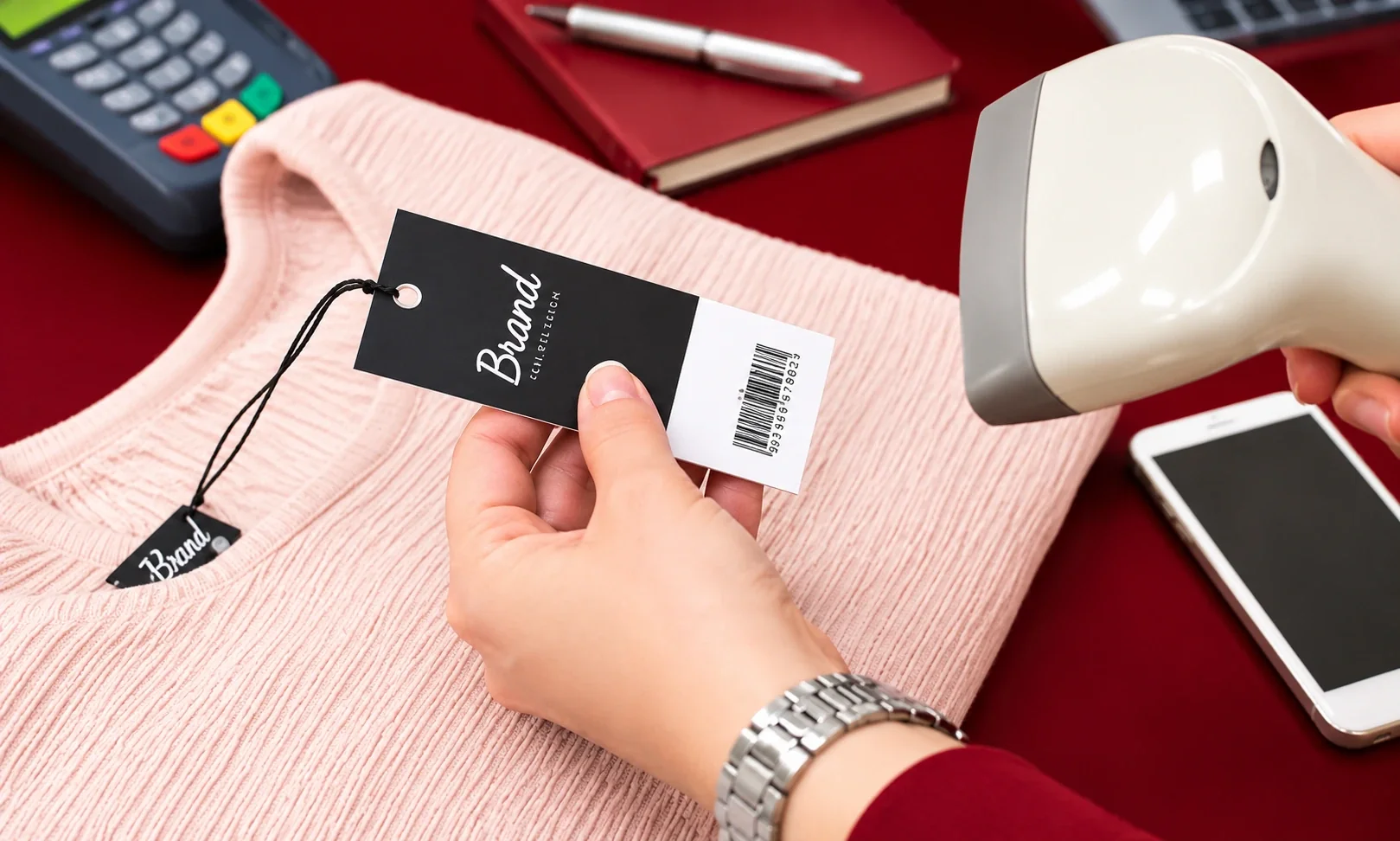
A decorated tee’s cost starts with the blank or cut-and-sew garment, then rises with fabric, artwork method, setup, and order size. Compare the full product cost, not a single sewing quote.
In 2026, U.S. cut-and-sew pricing for basic garments changes with quantity and garment type. The ranges below exclude fabric.
Compare U.S. production costs by garment and quantity
| Garment | Order quantity | Cut-and-sew cost per unit, excluding fabric |
|---|---|---|
| Tee or tank | 50-100 | $8-$14 |
| Tee or tank | 100-300 | $6-$10 |
| Hoodie or sweatshirt | 50-100 | $18-$30 |
| Hoodie or sweatshirt | 100-300 | $14-$24 |
At 50-100 pieces, an unlined jacket costs $22-$38 per unit, while a lined jacket costs $35-$55. Premium blank tees cost $3.50-$8.00 before decoration.
Add development and decoration to the unit estimate
Screen printing with one to three colors costs $3-$8 per unit, plus $25-$50 per screen for setup. Direct-to-garment, or DTG, printing costs $5-$12 per unit with no setup fee.
Embroidery costs $4-$10 per unit, plus a $50-$100 setup or digitizing fee. A small order can make those fixed fees matter more per item.
These estimates are 2026 U.S. garment and decoration costs, not a complete quote for a finished product. Your fabric, artwork, and final order details affect the result.
Budget for the whole first launch
In 2026, a U.S. small-batch DTC launch is estimated at $15,000-$30,000 for 2-4 styles at 50-150 units per style, with an 8-to-14-week launch timeline.
A private-label or small-batch launch is estimated at $10,000-$28,500 for 2 styles at 100 units per style. A full cut-and-sew launch is estimated at $35,500-$99,000 or more for 3-5 styles at 100-200 units per style.
These are different launch scopes, not interchangeable quotes. A larger range can reflect more styles, units, or development work, so match the estimate to your plan.
The Small Business Administration’s business planning guidance advises founders to explain funding needs and align financial projections with those needs.
Keep one line in the budget for costs that are not included in the per-unit sewing estimate, especially fabric and decoration.
What Development Work and Samples Do You Need?
A tech pack turns a design idea into instructions a factory can use to make and assess a garment. A useful tech pack reduces guesswork about what the factory should build.
It records measurements, materials, construction, and branding requirements. The factory needs enough detail to make the product and judge whether a sample matches your plan.
Build a tech pack that a factory can follow
A professional pack typically includes technical flats, which are simple garment drawings, plus measurements and a bill of materials. It also records construction, colorways or artwork placement, and label or packaging specifications.
A study of 186 apparel-industry respondents examined the role of standard tech-pack parts in product development. Its list includes design sheets, color details, construction, sizes, artwork, labels, packing, and fabric or trim details, as described in apparel tech-pack research.
In 2026, tech-pack services can cost less than $100 for limited work or $1,000 or more for detailed professional development. These prices describe different scopes, not one standard fee.
GarmentSpec advertises a 2026 standard tech pack at $299 per style. It includes technical flats, measurement specifications, a bill of materials, construction notes, and defined revisions.
TM Tech Packs advertises 2026 prices of $400 for basic garments such as tees and tanks, $600 for pants, leggings, sweatshirts, dresses, and blouses, and $800-$1,000 for some complex items.
Plan the sample rounds before production
A sample tests fabric, measurements, construction, and branding before you approve bulk production. Overseas samples cost $50-$150 each, with shipping adding $40-$80 per round and transit taking 7-14 days.
Check each sample for:
- Measurements against the intended size.
- Fabric behavior, including stretch and drape.
- Construction details, such as seams and closures.
- Decoration placement, including size and position.
A photo may show a print but not how a sleeve sits or how fabric feels. Make fit and material judgments from the physical sample.
Do not approve bulk production until the physical sample matches the measurements, materials, and details the brand intends to sell.
How Do Minimum Orders Affect Your First Run?
A small order is easiest to negotiate when the style uses standard fabric, trims, and colors. In 2026, U.S. cut-and-sew small-batch MOQs commonly range from 50 to 150 units per style.
Micro-batch production can run 25-50 units per style, typically at prices 30%-50% above standard rates. Lower quantities can reduce cash tied up in stock, but each item may cost more to make.
An MOQ may apply by style, color, fabric, or trim. Two quotes for “100 units” may describe different commitments if one supplier counts each color separately.
| Provider | Advertised minimum | Scope or condition |
|---|---|---|
| Virex Apparel | Starting at 50 pieces | Per style |
| WearsForYou | As low as 30 pieces | Advertised MOQ |
| Billoomi Fashion | 25-50 pieces | Advertised MOQ |
| Meiting Garments | 150 pieces | Per style and color |
These 2026 minimums are supplier-specific examples, not a guarantee of availability or a recommendation. A factory may set different terms for another garment or material.
Estimate the cash commitment by multiplying the quantity required for each style and color by the relevant unit cost. Then consider whether you can sell that mix without discounting.
Ask whether the minimum applies per style, per color, or per fabric before calculating the first inventory commitment.
Which Products Need Private Label and Which Need Custom Development?
A standard graphic tee and a technical performance garment rarely need the same level of development. Choose the production route based on what the garment must do and how it must fit.
Basic tees, simple hoodies, and uniforms may work as private label when an existing silhouette meets the customer’s needs. Graphics-led branding can make a familiar shape feel distinct without changing its construction.
Signature outerwear may need custom development if the fit, paneling, or pockets define its appeal. Performance apparel may need specific stretch, mobility, ventilation, or closures that a stock garment does not offer.
GSM means fabric mass per square meter. A heavier fabric may hold a firmer shape, while a lighter knit can drape more closely to the body.
Fabric construction matters as much as weight. A fabric with stretch may suit movement, while a stable weave may better support a structured jacket.
Compare these four factors before choosing:
- Intended use, such as work, exercise, or everyday wear.
- Required fit, including the range of sizes and movement.
- Fabric behavior, such as drape, stretch, and weight.
- Functional construction, including panels, pockets, and closures.
Material and build can shape how a product performs in daily use, beyond its label or price. A consumer comparison of product quality and value also weighs materials, construction, design, and expected use.
Choose custom work when the product’s fit or function is part of the reason customers will choose it.
What Do U.S. Labeling Rules Require?
For covered U.S. textile and wool products, the label needs fiber content, country of origin, and manufacturer identity. Federal label rules cover specific textile and wool products, while state requirements may differ.
For covered textile products, list fiber content in descending order by weight. Fibers below 5% are generally grouped as “other fibers,” with some exceptions under the rules.
Required fiber information is separate from a brand’s preferred size label. Federal guidance summarized for 2026 does not require nationwide clothing size labels, though state rules may differ.
Country-of-origin wording also needs care. Under the summarized 2026 guidance, “Made in the U.S.A.” is limited to textile goods made in the United States with materials that also come from the United States.
Sewing a garment in the United States does not, by itself, meet that origin condition. Avoid using a broad origin claim unless the product and materials meet the rule.
The covered textile labeling rules include fiber content, origin, and manufacturer identity. Check the label details for the product you sell, not just a supplier’s general description.
Check the rules for the specific product and state before printing labels or making an origin claim.
How Do Quality Control and Reorders Change?
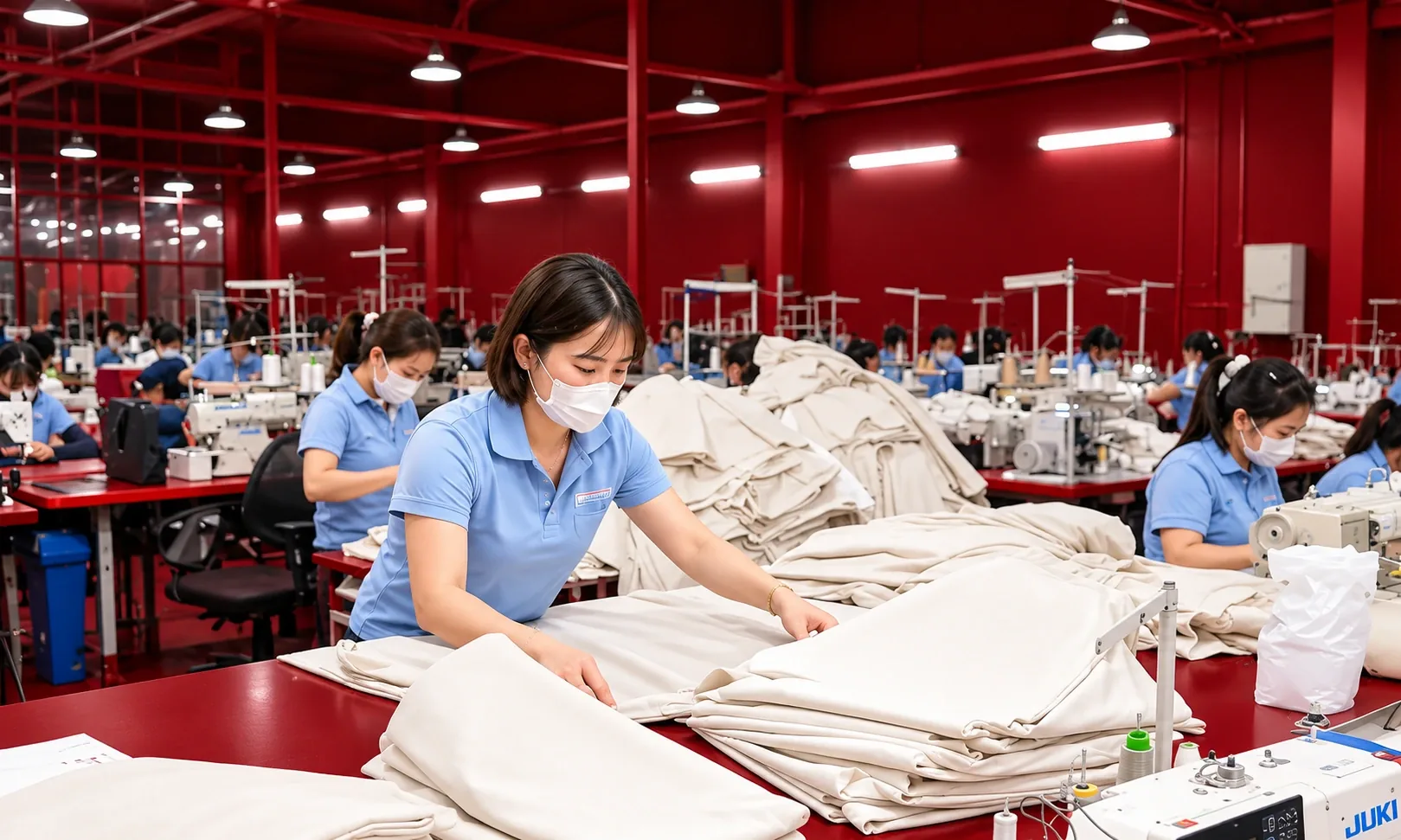
An established base style can reduce production uncertainty, but every bulk order still needs a clear quality check. A familiar style does not guarantee that delivered goods match the approved sample.
Private-label styles may already have an established production method. Custom work needs your approved measurements, material specifications, and construction details carried through each production run.
Set written acceptance criteria for measurements, fabric, construction, and branding on a custom garment. For either route, inspect the items you receive and record issues before selling them.
Quality control often follows five checkpoints. First, approve the fabric; then review a pre-production sample before bulk work begins.
During sewing, an in-line inspection can catch issues while the line is running. A pre-shipment inspection checks finished goods before they leave the factory.
Receiving inspection gives you a chance to compare delivered products with the order and note damage or defects. These checks lower uncertainty, but they do not promise a defect-free batch.
A common mistake is assuming that a past sample guarantees a later batch will be identical. Small changes in fabric lots, settings, or production handling can affect the result.
Keep the approved sample and written specifications as the comparison standard for every reorder.
When Is Private Label the Better First Move?
Private label is a strong first move when you need to test demand for standard garments before investing in a distinctive pattern. It fits products whose appeal does not depend on a proprietary fit.
It can suit a limited development budget, a quick test, or a brand built through community, graphics, and curation. You may offer a familiar garment while learning which colors and designs customers will buy.
The trade-off is that another brand may sell the same base garment. Your product still needs a clear reason to stand out, such as a focused audience or a strong visual idea.
Private label may fit when you have:
- A standard silhouette that already serves its purpose.
- A need to test a product quickly.
- Surface-level branding rather than new construction.
- No need for a proprietary fit.
Brand clarity matters when the garment itself is familiar. A guide to clear brand messaging can help you state what you offer and who it serves.
Graphics are part of that presentation; e-commerce sellers can also compare background removal tools to find a fit for their product photos and workflow.
Use it as a deliberate product choice, not as a promise of garment exclusivity.
When Is Custom Manufacturing Worth the Investment?
Custom manufacturing is worth considering when customers are buying a particular fit, material, or construction that a standard base garment cannot deliver. Use custom development for a customer benefit, not for the label alone.
Choose custom when the garment itself carries the brand
A signature fit, unusual construction, technical feature, or exclusive material can give customers a clear reason to choose your garment. Custom manufacturing lets you specify the shape and details that support that promise.
It can also help when a garment needs a feature that stock styles do not provide, such as a particular pocket layout or movement range. The factory still needs clear specifications and your approval of key decisions.
Product value comes from what the buyer gets for the price, including material, build, design, and expected use. Custom apparel can also be one of several small business paths, as covered in ideas for garage businesses.
Match development effort to proven demand
Customer evidence can help you decide which custom details deserve development. Early sales, preorders, or direct feedback can show whether a feature solves a real problem.
A manageable first range can limit exposure to revisions and unsold inventory. A large collection with many new patterns can multiply design decisions before you know what customers want.
Full custom does not become a sound choice just because it sounds more premium. A costly feature that shoppers do not notice may add work without strengthening the product.
Tie each custom feature to a customer benefit that the brand can explain and support.
Can a Hybrid Approach Balance Speed and Originality?
A startup can use one production model for basics and another for the pieces that define its identity. A hybrid approach assigns a route to each product, not to the whole brand.
Keep standard basics simple
Tees, tanks, and simple accessories can use an existing base style when the brand’s advantage is not a unique construction. That choice leaves room to focus design work on products with a stronger role in the collection.
A familiar blank can still carry a clear graphic or brand palette. If you sell online, a launch plan should also connect product photos, store setup, stock tracking, and order fulfillment.
A practical guide to building a Shopify store covers store design, payment tools, inventory, and launch checks.
Reserve custom work for signature products
A hero jacket or distinctive seasonal garment can carry your brand’s fit and design identity. Its pattern and construction may need custom development, while a simple tee in the same collection uses a stock style.
Each style can follow a different route within one collection. You can also use a custom product for a limited seasonal release while keeping repeat basics on a simpler path.
Assign the production model by product role, rather than forcing every item in a collection into the same process.
Should You Produce in the U.S. or Import Apparel?
An import quote is not comparable with a domestic quote until the startup has accounted for the product’s classification and delivery route. The product’s HTS classification and country of origin affect import planning.
The Harmonized Tariff Schedule (HTS) sets tariff rates and statistical categories for merchandise imported into the United States. In 2026, knit apparel falls under Chapter 61, while woven apparel falls under Chapter 62.
| HTS entry | Classification or role | Why it matters |
|---|---|---|
| Harmonized Tariff Schedule | Rates and statistical categories | Sets the framework for import planning |
| Chapter 61 | Knit apparel | Identifies the category for knit garments |
| Chapter 62 | Woven apparel | Identifies the category for woven garments |
The 2026 Harmonized Tariff Schedule lists tariff rates and statistical categories. The correct classification can depend on the garment’s details, so do not assume every shirt or jacket uses the same entry.
Domestic production can offer a shorter supply route for a U.S. brand. Imported production needs shipping and customs planning, and its cost depends on the product’s classification and origin.
Neither location is cheaper in every case. Compare the full delivery path and the applicable import costs rather than judging by the factory quote alone.
Confirm the garment’s classification and applicable rate before treating a landed-cost estimate as final.
What Should You Confirm Before Approving Production?
Before authorizing a bulk run, make sure the factory and the brand are working from the same final product approval. Written details help prevent costly differences between the agreed product and the order.
A quote should show which work it includes and which changes may lead to revised terms. Custom and private-label projects can differ in development scope, but both need a defined final approval.
Confirm these four items in writing:
- The approved sample and the version of its specifications.
- The total quantity and the breakdown by color.
- The placement of decoration and branding.
- Packing details and delivery requirements.
Do not approve by an informal photo when color, hand feel, or fit will decide whether the product is acceptable. A screen image cannot show how fabric feels, and lighting can change the way a color appears.
Use approved brand files for decoration and labels, then state where each file belongs on the garment or package. Keep the order terms close to the final sample record.
Keep a dated copy of the final approval and the agreed order details with the production record.
That record gives you a clear reference if the factory asks about a change or a later reorder.
Conclusion
Choose the production route that matches what your customer must value about the product. Private label suits a fast test of standard products, while custom manufacturing fits garments whose fit, fabric, or construction drives differentiation.
You can choose differently by style as your collection grows. Before contacting manufacturers, write a one-page brief with the product, target quantity, must-have specifications, launch date, and acceptable budget.