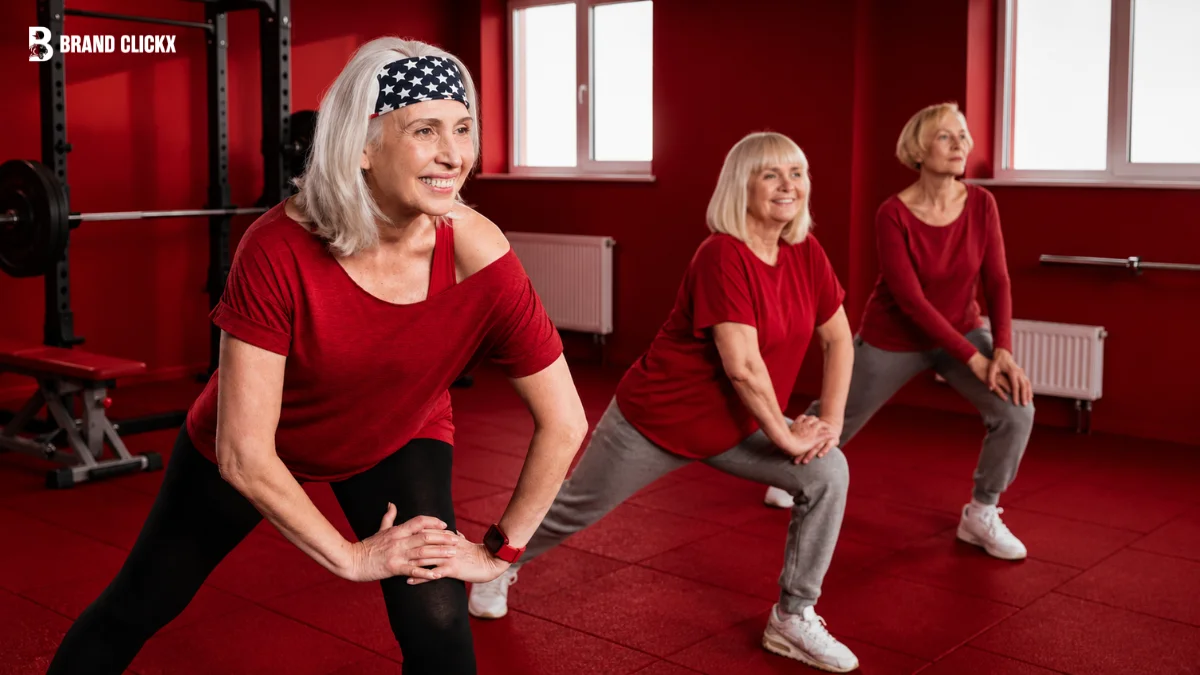
Finding the best workout routine is not about discovering one perfect exercise. The right routine depends on your age, fitness level, goals, available time, experience, and individual needs. A workout that suits a healthy young adult who already exercises regularly may not be appropriate for a child, a beginner, or an older adult. That is why a useful workout guide should explain what to do, how often to do it, how hard to work, and how to make exercise fit your lifestyle.
Current health guidance supports a simple idea: regular physical activity matters, and it can come from both planned workouts and everyday movement. Children and teenagers need plenty of daily activity, while adults should combine aerobic exercise with muscle-strengthening activities. Older adults can benefit from the same foundation while giving additional attention to balance, mobility, and functional strength.
These recommendations are useful targets, not pass-or-fail rules. Someone who currently does very little may need to start with short walks and basic exercises before gradually increasing activity. Someone who already trains regularly may need a more structured plan. The routines below are therefore practical examples, not universal prescriptions.
Exercise Recommendations at a Glance
Before choosing a workout, it helps to understand the general approach for different age groups.
| Age group | Main focus | Examples |
| Younger children | Active play and varied movement | Running, jumping, cycling, swimming |
| Teenagers | Daily activity + age-appropriate strength | Sports, running, bodyweight exercises |
| Adults | Cardio + strength | Walking, cycling, resistance training |
| Women | Strength + cardio + individual needs | Full-body strength, walking |
| Older adults | Strength + cardio + balance | Walking, chair exercises, balance work |
These are broad guidelines. The ideal amount and type of activity can vary depending on fitness, health, experience, and lifestyle.
Best Workout Routine for Children
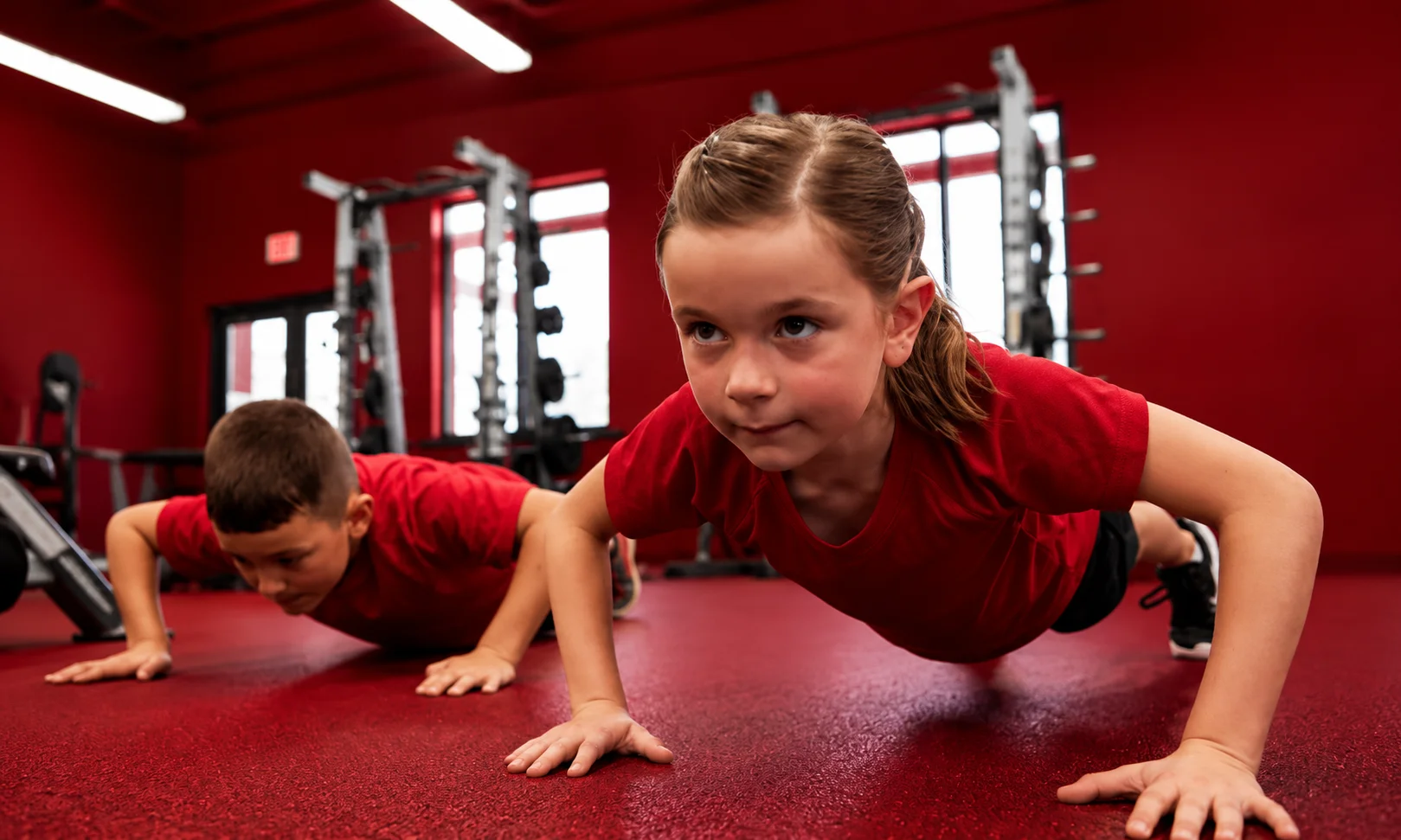
Focus on Play, Not Formal Training
Younger children generally do not need structured gym workouts. Their best exercise is usually active play that develops coordination, strength, balance and cardiovascular fitness.
Running, jumping, climbing, swimming, cycling, dancing and playground activities can all provide useful movement. The goal should be to make physical activity enjoyable rather than making children feel that exercise is another school assignment.
Children ages 5–17 should generally accumulate around 60 minutes of moderate-to-vigorous physical activity each day, with vigorous and muscle- and bone-strengthening activities included regularly.
Example Daily Activity Plan
The table below is an example of how activity could be spread throughout a child’s day. It is not a required workout or a strict schedule.
| Activity | Examples | |
| Easy movement | Walking, marching, easy cycling | |
| Active play | Tag, football, playground games | |
| Higher-energy activity | Running, jumping | |
| Strength and bone activity | Climbing, hopping, squats | |
| Other daily movement | Walking, cycling, outdoor play |
Good Activities for Children
- Jumping and hopping
- Playground climbing
- Football and other sports
- Animal walks
- Bodyweight squats
- Modified push-ups
- Balance games
What Parents Should Avoid
- Heavy bodybuilding-style workouts
- Using exercise as punishment
- Excessive focus on body weight or appearance
- Forcing a child to continue through pain
- Copying advanced adult workout programs
- Turning every activity into a competition
The priority should be fun, movement and healthy habits.
Workout Routine for Teenagers and Students
Teenagers are different from younger children because many can begin incorporating more structured fitness activities while still benefiting from sports and active play. Students also face school, homework, exams and long periods of sitting, so their routine should be realistic.
Teenagers should not automatically follow an adult bodybuilding program. Instead, they can learn basic movement patterns, develop good technique and gradually build strength and cardiovascular fitness.
Beginner Routine
| Exercise | Sets | |
| Warm-up | 1 | |
| Squats or chair squats | 2–3 | |
| Wall or incline push-ups | 2–3 | |
| Lunges or step-ups | 2 | |
| Resistance-band rows | 2–3 | |
| Plank | 2 | |
| Easy cardio | 1 | |
| Cool-down | 1 |
Beginner Alternatives
If the routine feels difficult:
- Use chair squats instead of regular squats.
- Use wall push-ups instead of floor push-ups.
- Use step-ups instead of lunges if balance is difficult.
- Use a resistance band instead of heavy weights.
- Reduce the number of sets.
Best Workout Routine for Young Adults (18–30 years)
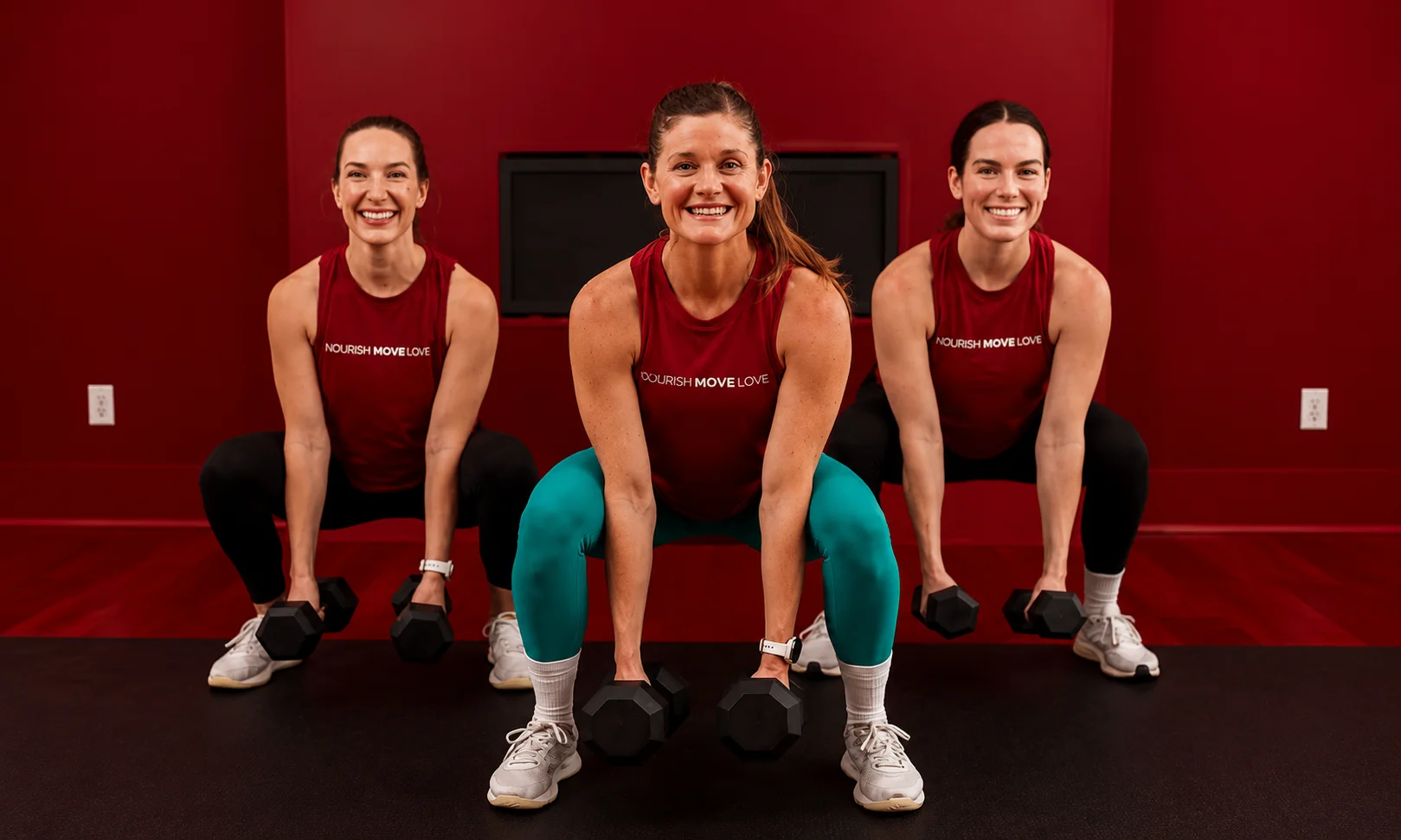
Build Strength and Cardiovascular Fitness
Young adults who are healthy and already comfortable with exercise can use a structured combination of strength training and cardio. Beginners should first learn proper technique and establish a manageable routine before adding more resistance or training volume.
Training Rules
- Learn technique before increasing resistance.
- Start with a manageable workload.
- Increase difficulty gradually.
- Avoid making every workout an all-out effort.
- Give hard-working muscle groups time to recover.
- Combine resistance training with aerobic activity.
- Adjust the routine according to your experience and goals.
Someone new to strength training may prefer two or three full-body sessions each week instead of splitting workouts across several days.
Best Workout Routine for Adults (30–65 years)
Make the Routine Fit Your Life
For many adults, the biggest challenge is not knowing which exercises to perform. It is finding a routine that survives a busy schedule.
A three-day full-body routine can be a practical starting structure because it trains the major movement patterns without requiring a separate workout for every muscle group. Cardio can be added through walking, cycling, swimming or another activity on other days.
Three-Day Full-Body Routine
Monday — Full Body
- Squats or chair squats — 2–3 sets
- Push-ups or chest press — 2–3 sets
- Dumbbell or resistance-band rows — 2–3 sets
- Glute bridges or another hip-hinge exercise — 2–3 sets
- Plank — 2 sets
- Brisk walking — 10 minutes
Wednesday — Full Body
- Step-ups or lunges
- Shoulder press
- Resistance-band or cable row
- Glute bridge
- Core exercise
- 10–15 minutes of moderate cardio
Friday — Full Body
- Squat variation
- Push exercise
- Pull exercise
- Hip-hinge exercise
- Core exercise
- 10–20 minutes of cardio
On Other Days
You can remain active without performing another hard workout:
- Take a brisk walk.
- Ride a bicycle.
- Go swimming.
- Play a recreational sport.
- Take the stairs when practical.
- Do household activities.
- Take short movement breaks during long periods of sitting.
Adults should generally work toward 150–300 minutes of moderate aerobic activity each week, or the vigorous equivalent, together with muscle-strengthening activity on at least two days.
Workout Considerations for Women
The Basic Training Principles Are the Same
Women do not need an entirely separate category of exercise. The basic principles remain the same: aerobic activity, strength training, mobility, balance and recovery.
Individual needs can differ because of goals, experience, injuries, age and other circumstances.
Useful Strength Exercises
- Squats
- Split squats
- Lunges
- Hip thrusts or glute bridges
- Rows
- Push-ups
- Shoulder presses
- Calf raises
- Planks
- Side planks
The routine should be adjusted according to the individual’s goals rather than assuming every woman needs the same type of training.
Best Workout Routine for Adults (65+)
Focus on Strength, Cardio and Balance
Older adults can benefit from the same basic fitness principles as younger adults, but balance, mobility and functional strength become especially important.
The goal may be less about lifting the heaviest possible weight and more about maintaining the strength needed for everyday activities such as walking, climbing stairs, standing from a chair and carrying groceries.
Simple Older-Adult Routine
Warm-up
- 5–10 minutes of easy walking
- Gentle arm movements
- Controlled leg movements
Strength
- Chair squats
- Wall push-ups
- Resistance-band rows
- Heel raises
- Supported step-ups
Balance
- Controlled weight shifts
- Standing balance near a stable support
- Other appropriate balance exercises
Cardio
- Walking
- Stationary cycling
- Swimming
- Water exercise
Anyone with significant mobility limitations, health conditions or balance concerns should adapt the routine appropriately.
Best Workout by Goal
Choose Your Routine Based on What You Want
Different goals require different training priorities.
| Goal | Main focus |
| General fitness | Strength + cardio |
| Building strength | Progressive resistance training |
| Building muscle | Resistance training + appropriate nutrition |
| Improving endurance | Walking, running, cycling or swimming |
| Improving mobility | Mobility + strength |
| Improving balance | Balance + strength |
| Limited time | Short full-body workouts + daily movement |
| Maintaining fitness with age | Strength + cardio + balance |
The important thing is to match the program to your actual goal instead of copying someone else’s workout.
How Long Should a Workout Be?
There Is No Universal Workout Length
A workout does not have to last an hour to be useful. Activity recommendations are generally based on total daily or weekly movement rather than requiring everyone to complete a particular gym-session length.
Practical starting points include:
| Person | Example session |
| Beginner | 20–30 minutes |
| Teenager or student | 20–40 minutes |
| General adult fitness | 30–60 minutes |
| Older adult | Shorter sessions when needed |
| Very busy person | Several short sessions |
These are examples rather than official minimum requirements.
A short workout that you can perform regularly may be more useful than a much longer routine that you quickly abandon.
How to Progress Your Workout
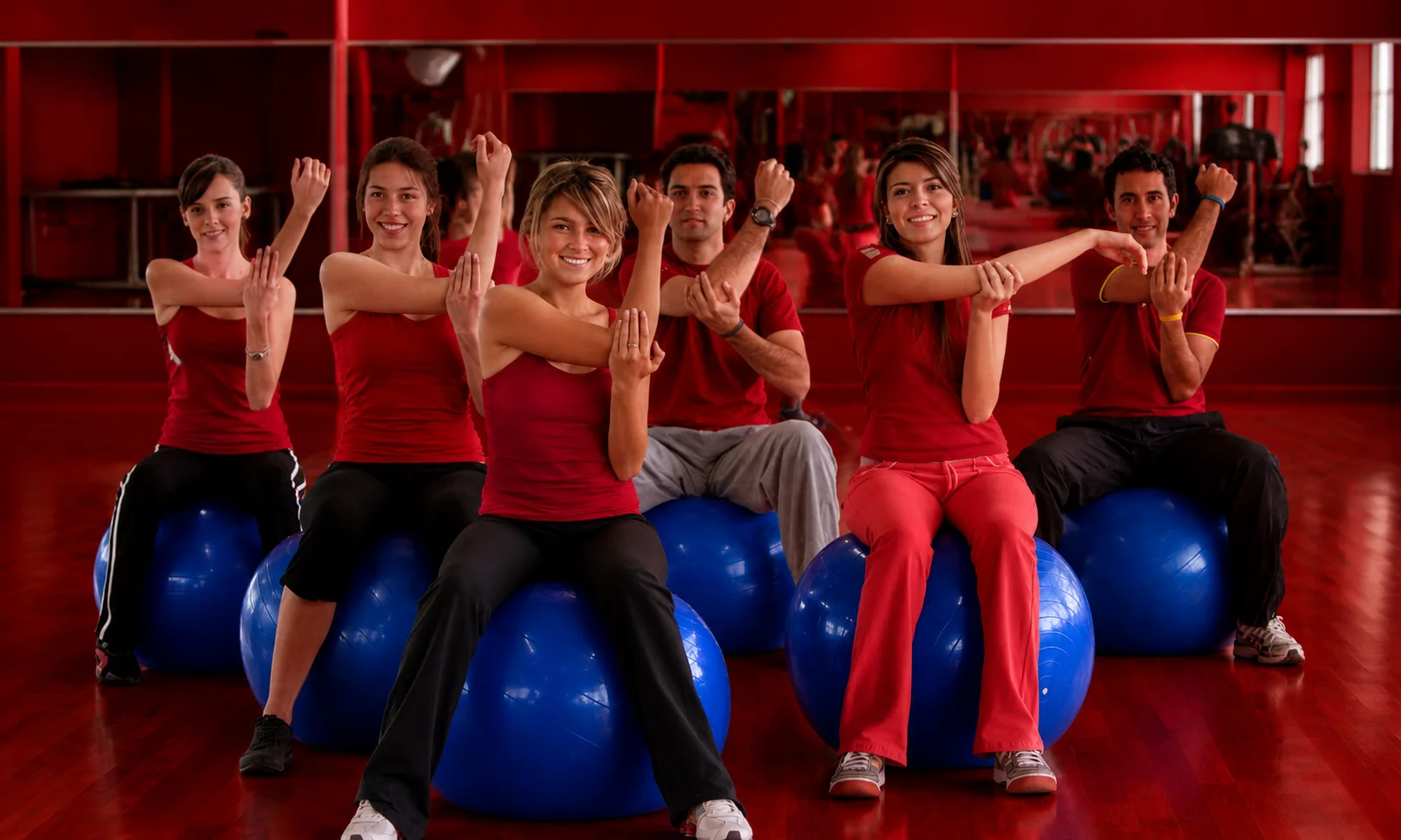
Increase the Challenge Gradually
Progressive overload simply means making exercise more challenging as your body adapts.
You can progress by:
- Adding a small amount of resistance
- Performing another repetition
- Adding a set
- Increasing walking or cycling time
- Improving technique
- Moving to a more challenging exercise variation
Avoid changing everything at once. Increasing resistance, repetitions, training days and cardio volume simultaneously can make recovery more difficult.
Rest and Recovery
Recovery Is Part of Training
Exercise is only one part of improving fitness. Your body also needs time to recover and adapt.
Include easier days in your weekly schedule rather than making every day a hard workout.
Signs You May Need More Recovery
- Persistent unusual fatigue
- Declining performance
- Difficulty completing normal workouts
- Lingering soreness that affects movement
- Poor motivation
- Sleep problems
Adequate sleep, hydration, nutrition and rest all support recovery and overall health.
Do You Need a Gym?
No, You Can Exercise at Home
A gym provides more equipment, but it is not required for an effective fitness routine. Many people can build strength, improve cardiovascular fitness and stay active using bodyweight exercises, resistance bands and everyday activities.
At-Home Options
- Squats
- Chair squats
- Push-ups
- Wall push-ups
- Lunges
- Step-ups
- Glute bridges
- Planks
- Resistance-band rows
- Walking
- Cycling
- Dancing
Gym Options
- Dumbbells
- Barbells
- Cable machines
- Resistance machines
- Treadmills
- Exercise bikes
- Rowing machines
When Do You Need a Gym?
You may benefit from a gym if you want access to heavier weights, specialized equipment or a wider range of training options. A gym can also be useful if you enjoy exercising around other people or prefer having a dedicated place for workouts.
A gym may be particularly helpful if your goals include:
- Building significant muscle mass
- Increasing maximum strength
- Using heavier resistance progressively
- Training with specialized machines
- Preparing for certain sports or fitness competitions
- Working with a personal trainer
However, joining a gym is not automatically better than exercising at home. The best option is the one you can use consistently and that matches your fitness goals.
Common Workout Mistakes to Avoid
1. Starting Too Hard
Beginners sometimes believe extreme soreness proves a workout was effective. It does not. Start with an amount of exercise that allows you to recover and return for your next session.
2. Copying Advanced Programs
An experienced athlete’s workout reflects years of training and a specific goal. It should not automatically become a beginner’s routine.
3. Ignoring Technique
Learn how to perform an exercise properly before focusing on heavier resistance or more repetitions.
4. Training Only One Type of Fitness
A balanced routine should include appropriate combinations of aerobic activity, strength, mobility and, when needed, balance work.
5. Changing Programs Constantly
Give a sensible routine enough time for your body and performance to adapt before deciding that it does not work.
6. Ignoring Recovery
Rest and easier training days help make a workout routine sustainable.
7. Exercising Through Serious Pain
Sharp, severe or unusual pain should not simply be ignored or treated as a normal part of training.
Is Walking Enough Exercise?
It Depends on Your Goal
Walking can be an excellent form of physical activity and a useful foundation for improving cardiovascular fitness and daily movement.
For general health, regular brisk walking can contribute substantially to activity levels. However, someone whose goal is to build significant muscular strength may also need resistance training. Someone preparing for a competitive endurance event will need a more specialized plan.
The simplest answer is:
Walking is excellent exercise, but whether it is enough depends on what you want your body to be able to do.
When Should You Stop a Workout?
Know the Warning Signs
Stop exercising and seek appropriate medical advice when you experience symptoms that are severe, unusual or concerning.
Examples include:
- Chest pain
- Fainting
- Severe dizziness
- Serious difficulty breathing
- Sudden severe pain
- Other unusual symptoms
People with existing medical conditions, significant injuries or mobility limitations should obtain appropriate professional guidance before beginning or substantially changing an exercise program.
A Simple Weekly Workout Plan
One Practical Schedule for General Fitness
| Day | Main activity | Example |
| Monday | Strength | Squats, push-ups, rows, hip hinge, core |
| Tuesday | Cardio | 20–40 minute brisk walk or cycling |
| Wednesday | Strength | Full-body strength routine |
| Thursday | Recovery | Easy walking and mobility |
| Friday | Strength | Full-body strength routine |
| Saturday | Cardio or sport | Swimming, cycling, dancing or sport |
| Sunday | Rest | Recovery and normal movement |
This is a sample schedule, not a universal prescription. Beginners can shorten the sessions, while experienced exercisers may need a more individualized program.
Final Takeaway
The best workout routine is the one that matches your age, ability, goals and lifestyle. Younger children should focus on active play, teenagers can gradually add structured exercise, adults can combine strength and cardio around their schedules, and older adults can place additional emphasis on balance and functional strength. Women generally follow the same basic exercise principles. Start with an amount of exercise you can manage, learn the movements properly, increase the challenge gradually and give your body enough time to recover. You do not need a complicated program or expensive equipment to become more active. A simple routine performed consistently is a strong foundation for long-term fitness.
FAQs
What is the best workout routine for a complete beginner?
A simple full-body routine two or three times per week is a practical starting point for many healthy adults. Begin with exercises such as chair squats, wall push-ups, resistance-band rows, glute bridges and basic core movements. Add walking or another comfortable form of cardio between strength sessions.
Can I work out without equipment?
Yes. Many effective exercises require little or no equipment. Squats, lunges, push-ups, step-ups, glute bridges and planks can be performed at home. Walking, cycling and dancing can also provide useful cardiovascular activity.
How long should a beginner workout?
A beginner can start with around 20–30 minutes, including a warm-up and cool-down. The exact duration should depend on fitness level and how the body responds. Several shorter periods of activity can also contribute to overall movement.
Should I exercise when I am sore?
Mild muscle soreness can occur after unfamiliar or harder exercise. Easy movement may be appropriate if it feels comfortable, but you do not necessarily need to train the same muscles intensely while they remain significantly sore. Sharp, severe or unusual pain is different from normal post-exercise soreness.
How many days a week should I work out?
It depends on your fitness level and the type of training. A beginner may start with two or three structured workouts per week, while additional activity can come from walking, sports and other daily movement. Adults should generally include muscle-strengthening activity on at least two days each week alongside regular aerobic activity.
Do women need a different workout from men?
Not necessarily. The basic principles of strength training, aerobic fitness, mobility and recovery apply to everyone. Individual needs can differ because of goals, experience, injuries and other circumstances.
What is the best workout for older adults?
A balanced routine can combine aerobic activity, strength training and balance exercises. Walking, chair squats, wall push-ups, resistance-band exercises and appropriate balance work can provide a practical starting point. People with significant health or mobility concerns should adapt exercise to their abilities.
What should I do if I have a medical condition?
A general workout guide cannot determine which exercises are appropriate for a specific medical condition. If you have a health condition, significant injury or mobility limitation, seek appropriate professional advice before starting or substantially changing your exercise routine.