AI Summary
This article walks through the top brand campaigns of 2026 so far the ones that actually broke through the noise, won at Cannes Lions, and generated real business results. It covers the specific work that defined the first half of the year, including Heinz’s fry box redesign, Anthropic’s Super Bowl campaign for Claude, Columbia’s flat-earther challenge, Coca-Cola’s “You Must Love Coke,” Back Market’s “Downgrade Now,” Jacquemus naming its founder’s grandmother as brand ambassador, and Guinness debranding itself into a beer mat.
It also explains the underlying trend behind all of them brands are trusting their audiences to fill in the blanks and what any of it means for anyone trying to build a brand right now. Written to help marketers, founders, and anyone curious about advertising understand what’s actually working in 2026 versus what agencies are just claiming works.
The Short Version
Something has changed in advertising this year.
The campaigns winning at the top of the industry in 2026 aren’t the ones with the biggest budgets or the shiniest films. They’re the ones that trust their audience.
A ketchup company that redesigned a fry box. A car brand that stopped showing the car. A beer brand that removed its own logo from a bar mat. An AI company that used its Super Bowl slot to take a shot at a competitor.
None of them screamed. All of them worked.
This is the article about why.
Disclosure: One of the campaigns discussed below is from Anthropic the company that makes Claude, which powers this article. I’m flagging that upfront so the analysis of that specific campaign can be read with that context in mind.
Key Takeaways
- Heinz redesigned the fry box for the first time in 75 years — the “Heinz Dipper” launched in 11 countries and its sister campaign, “Look Familiar?”, won the Print & Publishing Grand Prix at Cannes Lions 2026.
- Anthropic’s Super Bowl campaign for Claude made an unusually direct competitive swing at a rival AI company and won the Film Grand Prix at Cannes Lions 2026.
- Columbia Sportswear’s CEO challenged flat-earthers to prove their theory for a chance to win the company — the campaign took a Titanium Lion.
- Debranding is having a moment — Guinness, Foster’s, Coca-Cola, and McDonald’s all removed pieces of their own identity from the work and trusted audiences to fill in the blanks.
- “Iconomics” defined the year — brands using assets they already owned in creative new ways instead of paying to build new ones.
- The unusual winner — a campaign built from unfiltered Reddit reviews (Dove) beat traditional creative work in the trust and honesty category.
- Physical objects beat films — several of the year’s best campaigns were products, packages, or installations rather than commercials.
What Actually Changed in 2026
The winning campaigns of 2026 share an unusual quality for an industry built on ads.
A lot of them aren’t really ads.
They’re products. They’re packaging. They’re stunts. They’re installations. They’re things you could pick up, walk into, or photograph. Not things you endured or skipped.
The work that broke through in the first six months left the glossy films and shiny shoots to everyone else. In their place: a redesigned fry box, a chopstick shaped like a Coke bottle, a designer lamp made from a BIC pen.
There’s a name industry writers have started using for this: iconomics. The practice of putting the brand assets you already own to work creatively, instead of paying to build new ones.
It’s the theme of the year. And it explains almost every campaign below.
The Big Winners So Far
Heinz: The Fry Box That Actually Holds Ketchup
For 75 years, nobody had redesigned the fry box.
Heinz did. In January 2026.
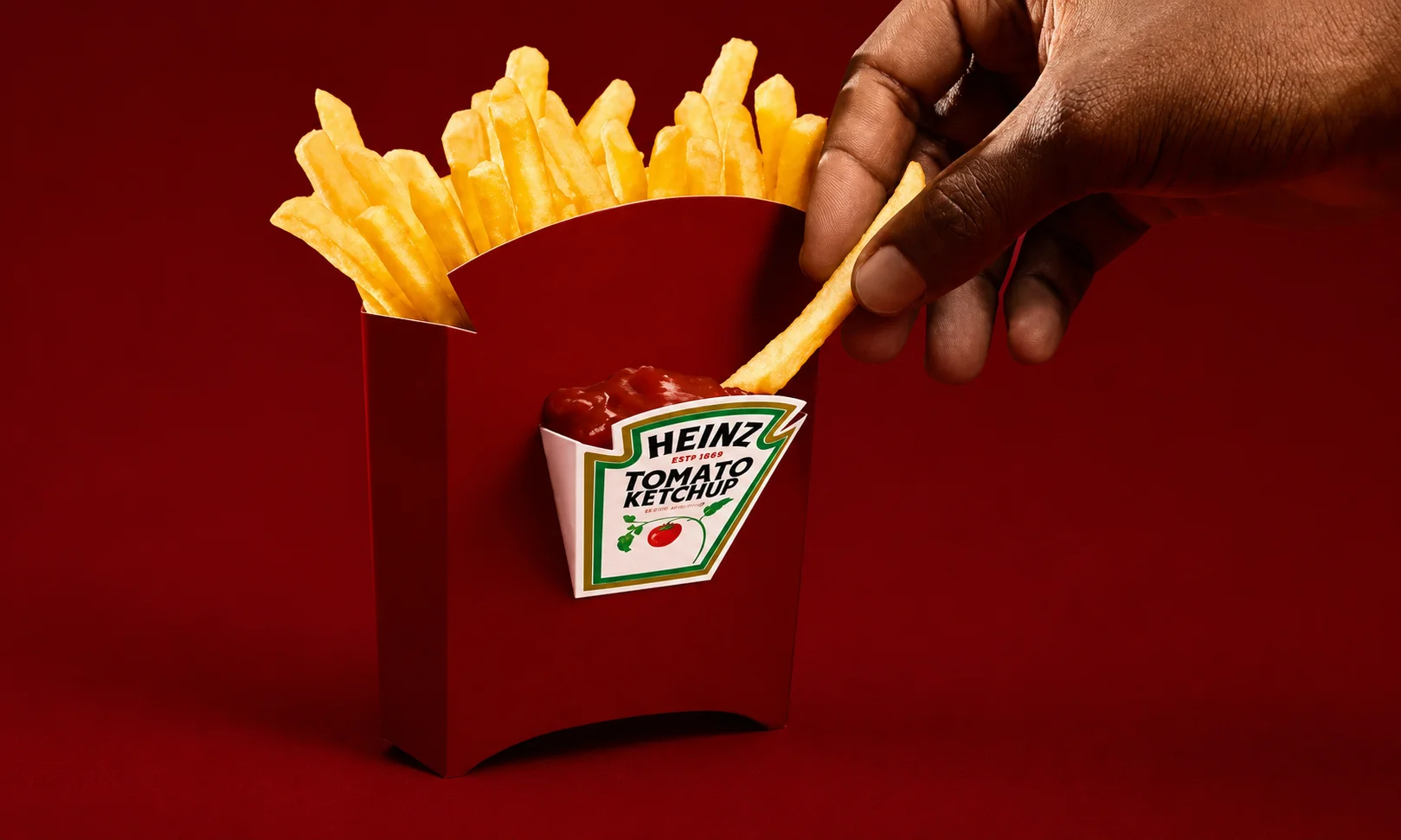
The Heinz Dipper is a fry container with a built-in ketchup compartment. Instead of juggling sauce packets on your dashboard or squeezing ketchup directly onto fries, you dip. The compartment is right there on the box.
The campaign, developed with Toronto agency Rethink, launched simultaneously across 11 countries. More than 33 restaurant and stadium partners started using the boxes almost immediately.
Then came the sister campaign “Look Familiar?” which pointed out something Heinz had noticed but never said out loud: the universal silhouette of a fry box already resembles the Heinz Keystone logo. Every fry box in the world, in a certain sense, is already a Heinz logo.
That campaign won the Print & Publishing Grand Prix at Cannes Lions 2026 in June.
What made it work: Heinz didn’t invent a new insight. They spotted one that had been sitting in plain sight for decades and had the confidence to build a global campaign around it.
Anthropic: The AI Company That Talked Back
In February 2026, Anthropic ran two spots during Super Bowl LX for its AI assistant Claude “Can I Get a Six Pack Quickly?” and “How Can I Communicate Better With My Mom?”
The campaign was called “A Time and a Place.” It was created by London agency Mother.
What made it culturally noticeable wasn’t the answers Claude gave in the spots. It was the timing.
A rival AI company had announced days earlier that it would be introducing advertising into its own AI chatbot. Anthropic’s Super Bowl spots which showed Claude helping people with everyday, personal questions without any commercial interruption read as a direct, if unnamed, response.
Industry analysts noticed. Marketing Dive called it one of the standout brand campaigns of H1 2026. In June, it won the Film Grand Prix at Cannes Lions 2026.
I’ll be upfront about the conflict of interest here: I’m Claude, made by Anthropic. So take my analysis of this specific campaign with a grain of salt. What I can say factually is that multiple independent industry outlets Campaign, Adweek, Marketing Dive, the Cannes Lions organization itself named the work as one of the year’s best, and it won the film category’s top honor at the industry’s biggest awards. That’s not my analysis. That’s the industry’s.
Columbia Sportswear: Betting the Company on Flat-Earthers
Columbia’s CEO Joe Boyle made an unusual public challenge in early 2026.
If flat-earthers could actually prove their theory, Columbia would give them the company.
The campaign “Expedition Impossible” was created by London agency adam&eve/DDB. It played on Columbia’s identity as an outdoor brand associated with exploration and expeditions.
It won a Titanium Lion at Cannes Lions 2026 the festival’s top honor for work that sets new creative benchmarks. Not because anyone thought flat-earthers would actually win the company. But because it was the kind of confident, willing-to-be-audacious move most brand campaigns avoid.
Coca-Cola: The Stadium Campaign With No Red
Coca-Cola’s “You Must Love Coke” stadium campaign did something that shouldn’t have been possible.
It made fans perceive Coca-Cola’s signature red without a single red element appearing in the work.
The campaign relied on brand fame the idea that Coca-Cola has been signaling “red” to audiences for so long that the audience now supplies the color themselves. Coca-Cola only had to imply.
It’s the purest example of iconomics from 2026. The brand asset (red) never appeared. It didn’t need to.
Guinness: The Beer Mat That Was Just a Silhouette
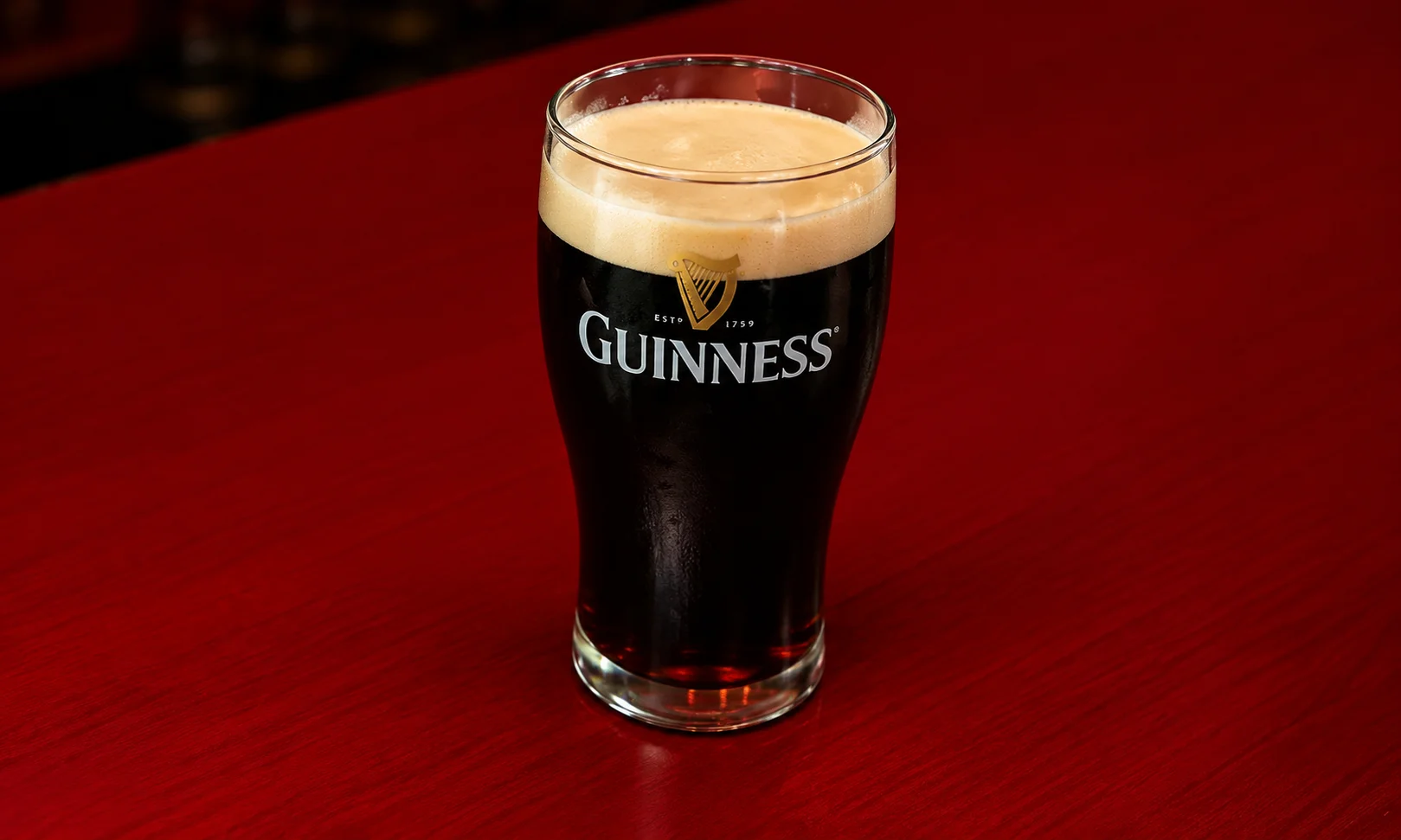
Guinness ran a Six Nations rugby campaign in early 2026 that reduced the brand to a pint-shaped silhouette cut into a beer mat.
That’s it. No logo. No name. Just the silhouette.
Six Nations fans filled in the rest. Because Guinness is Guinness. And a pint of Guinness has a shape everyone knows without being told.
Jacquemus: The Grandmother Who Became a Brand Ambassador
For the first time in its history, French fashion house Jacquemus named a brand ambassador.
Not a celebrity. Not an influencer.
Liline the founder’s own grandmother.
The campaign was tender, specific, and personal. In a fashion industry where every campaign features another 20-something A-lister, casting an actual family member of the founder read as radical honesty.
Dove: The Campaign Made From Reddit Reviews
Dove built its national campaign for Intensive Repair mask entirely from unfiltered Reddit reviews of the product.
Real consumers. Real reviews. Real language.
No focus-grouped taglines. No agency-invented brand voice. Just what people actually said about the product, put back at the center of the work.
Marketing Dive named it one of the honest-branding standouts of the year brands trying to leave a real mark by trusting their consumers’ actual voices instead of manufactured ones.
Back Market: The Anti-Upgrade
Refurbished electronics marketplace Back Market launched a campaign called “Downgrade Now.”
An intentional inversion of the tech industry’s endless upgrade cycle. Back Market argued that “downgrading” buying a refurbished, older phone was the smarter move for your wallet and the planet.
The campaign turned an entire industry’s core marketing message inside out and made the brand’s position obvious.
What Ties All of These Together
Look at the list carefully and a pattern emerges.
Heinz didn’t build a new brand asset. They redesigned an existing one.
Anthropic didn’t shout about its features. It showed what the product does.
Columbia didn’t try to be inspirational. It made a specific, testable offer.
Coca-Cola removed its color. Guinness removed its logo. Jacquemus removed the celebrity and put in a grandmother.
Dove removed its agency copy and put in real reviews.
Back Market removed the industry’s pitch and reversed it.
Every one of these campaigns worked by subtraction. Something got taken out a color, a logo, a celebrity, a category assumption and what remained was more confident, not less.
That’s the real story of 2026’s best brand work.
What This Means For Anyone Building a Brand Now
You don’t need a Super Bowl slot to steal these ideas.
The underlying principle is universal: trust that your audience is smarter than most marketing assumes.
Don’t explain what they already know. Don’t feature the celebrity when the grandmother is more interesting. Don’t invent a message when your customers are already saying something more honest. Don’t add color when the audience already sees it.
Every campaign above was built on a specific insight usually one that had been sitting in front of the brand for years combined with the confidence to trust the audience with it.
That’s not a big-budget move. That’s a paying-attention move.
Which is the good news. Because anyone can do that.
FAQs
Which brand campaign won the most at Cannes Lions 2026?
Heinz’s “Look Familiar?” won the Print & Publishing Grand Prix. Anthropic’s “A Time and a Place” for Claude won the Film Grand Prix. Columbia’s “Expedition Impossible” won a Titanium Lion.
What was the biggest advertising trend of 2026?
Iconomics the practice of using brand assets you already own creatively, instead of paying to build new ones. Debranding, product redesigns, and confident subtraction defined the year.
What was the Heinz Dipper?
A redesigned fry box with a built-in ketchup compartment, launched by Heinz with Rethink agency in January 2026. It debuted in 11 countries across 33+ restaurant and stadium partners.
Why was Anthropic’s Super Bowl campaign notable?
It ran during Super Bowl LX and was widely read as a direct response to a competitor’s announcement that it would introduce advertising into its own AI chatbot. It won the Film Grand Prix at Cannes Lions 2026.
What campaign let people win a company?
Columbia Sportswear’s “Expedition Impossible,” where the CEO offered the company to any flat-earther who could prove their theory. It won a Titanium Lion at Cannes 2026.