
TikTok is one of the world’s most popular platforms for short-form videos, covering entertainment, education, news, tutorials, music and business content.
As more people use TikTok, many want to save videos for later viewing or personal reference. This has increased interest in TikTok video downloaders.
These tools can make saving videos easy, but users should also consider copyright, privacy, security and watermarks. A video being easy to download does not always mean it is free to reuse.
Understanding how downloaders work can help users save content more safely and responsibly.
What Is a TikTok Video Downloader?
A TikTok video downloader is a website, app or software tool that lets users save TikTok videos to their device. Some work through a browser, while others are designed for phones or computers.
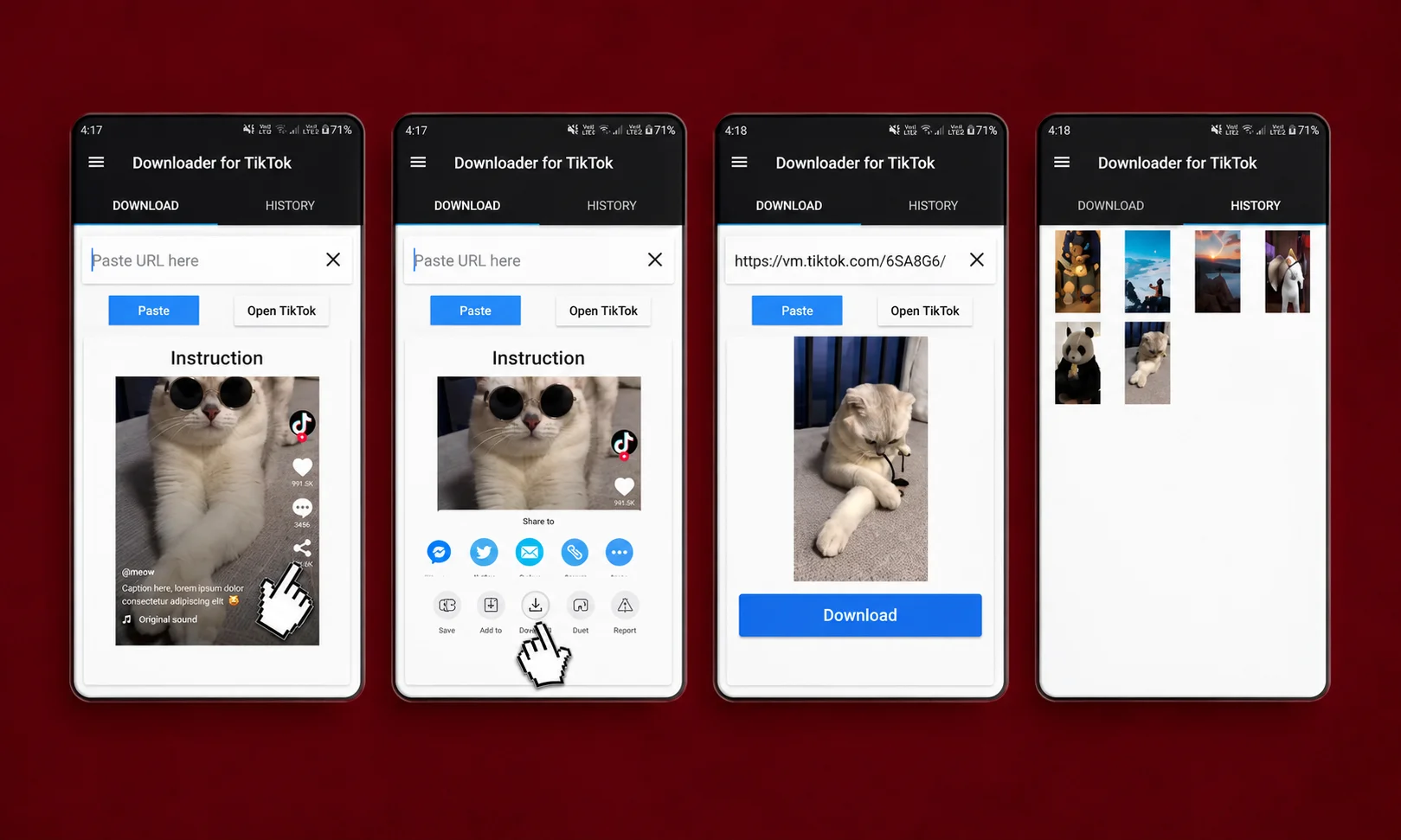
The process is usually simple:
- Copy the TikTok video link.
- Open a downloader.
- Paste the link.
- Choose an available download option.
- Save the video to your device.
Features vary by tool, including video quality, watermark options, supported devices and download limits.
Why Do People Download TikTok Videos?
There are several reasons people save TikTok content.
Offline Viewing
A downloaded video can be viewed without opening TikTok.
This can be useful when traveling or when internet access is limited.
Personal Reference
Users may save tutorials, recipes, educational clips or other useful information for later reference.
Content Planning
Creators sometimes save videos for inspiration when developing ideas for their own content.
Sharing Outside TikTok
Some users want to share a video with friends through another messaging service.
However, sharing a downloaded video does not automatically give someone permission to redistribute it.
Personal Archives
Some people keep collections of videos that they find useful or meaningful.
This can include educational material, creative examples or personal memories.
How Do TikTok Video Downloaders Work?
Most downloader tools follow a relatively simple process.
Step 1: The User Copies a Link
The user first obtains the URL of a TikTok video.
Step 2: The Downloader Processes the Link
The tool analyzes the link and attempts to identify the associated video.
Step 3: Available Options Are Presented
Depending on the service, different saving options may appear.
Step 4: The File Is Saved
The user selects an option and saves the content to their device.
The technical process behind the tool can be more complicated than the interface suggests.
Some services rely on servers that process the video before providing a downloadable file.
Types of TikTok Downloaders
Not every downloader works in the same way.
Browser Based Downloaders
These tools operate through a website.
Users generally do not need to install software.
Advantages
- Easy to access
- Works on many devices
- No installation required
- Useful for occasional downloads
Potential concerns
- Aggressive advertising
- Suspicious redirects
- Privacy concerns
- Unclear ownership of the service
Mobile Downloader Apps
Some applications provide downloading features directly on smartphones.
These can offer more convenient access.
However, users should be careful when installing applications from unknown sources.
Desktop Software
Desktop programs may provide additional controls and file management options.
They can be useful for users who regularly manage large amounts of content.
Browser Extensions
Some browser extensions add downloading functions directly to a browser.
Users should check the permissions requested by an extension before installing it.
TikTok’s Built In Saving Features
Before using an external downloader, users should check TikTok’s own sharing and saving options.
The platform may provide ways to save or share certain videos depending on the creator’s settings and the content involved.
This is often the simplest option because it keeps the process inside the platform.
It also reduces the need to provide links to unknown third party websites.
What Is a Watermark?
A watermark is a visible mark placed over digital content.
TikTok videos may contain platform branding and information identifying the creator or source.
Some downloader tools advertise the ability to save videos without visible watermarks.
This feature can be attractive to users who want a cleaner video.
However, removing a watermark can remove important information about the original source.
That matters when content is shared or reused.
Why Watermarks Matter
Watermarks are not simply decorative.
They can help viewers identify where content originated.
They can also help creators receive recognition when their work is shared.
Removing identifying information can make it easier for someone else to present the content as their own.
For this reason, a clean video file should not automatically be treated as free material for reuse.
Are TikTok Downloaders Legal?
The answer depends on several factors.
Copyright law differs between countries and situations.
The fact that a video can technically be downloaded does not necessarily mean that the user has permission to reproduce, publish or commercially use it.
There is an important difference between saving content for personal use and redistributing someone else’s work.
Users should consider:
- Who created the video
- Whether the creator gave permission
- How the downloaded video will be used
- Whether the content contains copyrighted music
- Whether the video will be used commercially
- What copyright laws apply in the user’s country
Personal Use and Redistribution Are Different
Saving a video for personal reference is different from uploading the same video to another platform.
For example, someone might download a cooking tutorial to watch later.
That does not necessarily give the person permission to upload the same tutorial to YouTube, Facebook or another website.
The intended use matters.
Can Downloaded TikTok Videos Be Reposted?
Users should not assume that downloading gives them ownership.
A video can remain protected by copyright even after it has been saved to a phone or computer.
Reposting another person’s content without permission can create copyright problems.
It can also hurt the original creator by moving views away from their account.
What About Commercial Use?
Commercial use requires additional caution.
A company might want to download a TikTok video and use it in an advertisement.
That is very different from saving the video for private viewing.
Commercial use may require permission from the copyright owner and potentially from other rights holders involved in the content.
Copyrighted Music Creates Another Issue
TikTok videos often contain music, sounds or other audio.
The creator may have permission to use that audio within TikTok.
That does not necessarily mean the same audio can be reused outside the platform.
This is especially important for businesses and advertisers.
Security Risks of TikTok Downloaders

Security is another major issue.
Not every downloader website or application is trustworthy.
Some services may use aggressive advertising or misleading buttons.
Others may attempt to redirect users to unrelated websites.
Malicious Downloads
A file presented as a video may not always be what it appears to be.
Users should be cautious about unfamiliar file types and unexpected downloads.
Fake Download Buttons
Some websites place multiple buttons around the actual download option.
A user may accidentally click an advertisement instead.
Browser Redirects
Certain websites may redirect visitors to unrelated pages.
These pages can sometimes contain scams or deceptive offers.
Unwanted Software
Some downloader applications may bundle unwanted programs with their installation packages.
This is one reason to avoid software from unknown sources.
Privacy Risks
Privacy is another factor that users often overlook.
A downloader may process the URL entered by the user.
Some services may also collect technical information about visitors.
Before using a third party service, consider what information it requests.
Be especially cautious if a downloader asks for:
- Your TikTok password
- Private account credentials
- Payment information
- Unnecessary device permissions
- Access to unrelated personal files
A basic video downloader should not normally need your TikTok password.
Should You Enter Your TikTok Password?
No third party downloader should require your TikTok password simply to process a public video link.
If a website asks for your login details, stop and reconsider using the service.
Sharing account credentials creates an unnecessary security risk.
How to Choose a Safer Downloader
If you decide to use a third party tool, evaluate it carefully.
Check the Website
Look for clear information about the service and its purpose.
Avoid Unnecessary Sign In Requests
A simple link based tool generally should not require your social media password.
Be Careful With Pop Ups
Multiple redirects and aggressive pop ups are warning signs.
Check File Types
Make sure the downloaded file is actually a video file.
Keep Security Software Updated
An updated browser and security software can reduce some risks.
Avoid Unknown Applications
Do not install software simply because a website tells you to.
What Makes a Good TikTok Downloader?
A useful downloader should focus on simplicity and transparency.
Important factors include:
| Feature | Why It Matters |
|---|---|
| Simple interface | Makes the process easier |
| Clear download options | Reduces accidental clicks |
| Good file quality | Produces a better viewing experience |
| No password requirement | Protects account security |
| Mobile support | Works across common devices |
| Privacy information | Helps users understand data practices |
| Minimal advertising | Reduces misleading interactions |
| Reliable performance | Prevents failed downloads |
Download Quality Matters
Not every downloader produces the same quality.
The final result can depend on the original video and the way the downloader processes it.
Common quality considerations include:
- Resolution
- Image clarity
- Audio quality
- File size
- Compression
Higher quality files usually require more storage space.
Managing Downloaded TikTok Videos
Downloading is only the first step.
Large collections can quickly become difficult to organize.
Create Folders
Use separate folders for different categories.
For example:
- Recipes
- Education
- Travel
- Fitness
- Business
- Entertainment
Rename Files
Descriptive filenames make future searches easier.
Instead of using a random filename, use a simple description of the content.
Remove Duplicate Files
Multiple downloads of the same video can waste storage space.
Regularly review your collection.
Back Up Important Content
If a video is important for personal reference, consider keeping a backup.
Storage Can Become a Problem
Short videos may seem small individually.
However, hundreds or thousands of files can consume significant storage.
Users should regularly review downloaded content and remove files they no longer need.
Cloud storage or external drives can also help with larger personal collections.
Downloading for Content Creators
Creators may have different reasons for saving TikTok videos.
They might want to review their own posts, maintain personal archives or study how different formats perform.
Creators should still keep track of ownership and permissions when working with other people’s content.
Using Downloaded Videos for Research
Downloaded videos can sometimes help with personal research.
For example, a researcher may want to study:
- Video formats
- Audience engagement
- Presentation styles
- Educational techniques
- Visual trends
However, research use does not automatically remove copyright restrictions.
Downloaders and Content Creators
The relationship between downloaders and creators is complicated.
Downloaders can help users preserve and share content.
At the same time, unauthorized copying can reduce a creator’s control over their work.
Creators depend heavily on views, engagement and attribution.
Responsible users should respect those interests.
Why Attribution Matters
Attribution means clearly identifying the original creator.
If a creator allows a video to be reused, proper credit is often an important part of responsible sharing.
Attribution does not always replace legal permission.
Both issues should be considered separately.
TikTok Downloaders and Businesses
Businesses need to be particularly careful.
A company might find a viral TikTok video and want to use it in marketing.
Downloading the video is not the same as obtaining commercial rights.
Before using another person’s content in advertising, businesses should confirm that they have the necessary permission.
Common Mistakes Users Make
Several mistakes occur repeatedly.
Mistake 1: Assuming Download Means Ownership
Saving a file does not transfer copyright ownership.
Mistake 2: Trusting Every Download Button
Some buttons may be advertisements rather than actual download controls.
Mistake 3: Installing Unknown Apps
Unverified applications can create security risks.
Mistake 4: Sharing Private Information
Users should not provide passwords or unnecessary personal information.
Mistake 5: Reposting Without Permission
A downloaded video should not automatically be uploaded elsewhere.
Mistake 6: Ignoring Music Rights
Audio rights can become complicated when content moves outside TikTok.
TikTok Downloaders vs Screen Recording
Users sometimes consider screen recording as an alternative way to save content.
Screen recording can be useful for personal reference in some situations.
However, it does not change copyright ownership.
Whether someone downloads a file or records the screen, the same basic questions about permission and reuse can apply.
Are Free Downloaders Better?
Free does not necessarily mean better.
A free tool may be perfectly useful for a simple task.
But users should look beyond price.
Consider:
- Security
- Privacy
- Advertising
- Reliability
- File quality
- Ease of use
- Permission requirements
A trustworthy service is more important than simply finding the cheapest option.
The Role of Official Platform Features
Platform provided features are generally worth considering first.
They are designed to work within the platform’s own ecosystem.
Users should check whether the feature they need is already available before searching for a third party solution.
This can reduce unnecessary security and privacy risks.
How TikTok Downloading May Change
The future of content saving is likely to become more complicated as platforms place greater emphasis on creator rights, privacy and digital ownership.
At the same time, users will continue to want convenient ways to save useful content.
The balance between accessibility and creator control will remain important.
A Better Approach to Saving Online Content
A responsible approach starts with a simple question:
Why do I need to save this video?
If the answer is personal reference, there may be safe and simple options.
If the answer involves publishing, advertising or commercial use, permission becomes much more important.
This small distinction can prevent many problems.
Safe TikTok Downloading Checklist
Before saving content through a third party service, consider this checklist:
- • Is the video publicly available?
- Does the creator allow downloading?
- Am I using a trusted service?
- Does the website request unnecessary information?
- Am I downloading an actual video file?
- Am I planning to repost the content?
- Does the video contain copyrighted music?
- Do I have permission for commercial use?
- Am I keeping the original creator’s attribution?
Frequently Asked Questions
What Is a TikTok Video Downloader?
It is a website, application or software tool that allows users to save TikTok videos to a device.
Is It Legal to Download TikTok Videos?
Legality depends on the content, permission, intended use and applicable copyright laws. Downloading a video does not automatically give the user ownership rights.
Can I Repost a Downloaded TikTok Video?
Not automatically. You should have appropriate permission before reposting someone else’s copyrighted content.
Do TikTok Downloaders Need My Password?
A basic downloader should not need your TikTok password to process a public video link. Avoid services that request unnecessary account credentials.
Are TikTok Downloader Websites Safe?
Safety varies widely. Some third party websites may contain aggressive advertisements, redirects or harmful downloads.
Can I Download TikTok Videos Without a Watermark?
Some third party tools advertise this feature. However, removing creator or platform identification does not give you permission to reuse the content.
Can I Use Downloaded TikTok Videos for Business?
Only when you have the necessary rights and permissions. Commercial use can involve additional copyright and licensing concerns.
Why Do People Download TikTok Videos?
Common reasons include offline viewing, personal reference, content research, personal archives and sharing with friends.
Does Downloading a Video Give Me Copyright Ownership?
No. Saving a copy of a video does not normally transfer copyright ownership.
What Should I Do If a Downloader Asks for My Password?
Do not provide it. A downloader that only processes a public video link generally should not require your TikTok account password.
Is Screen Recording Safer Than Using a Downloader?
Screen recording avoids some third party downloader risks, but it does not automatically make reuse of copyrighted content legal or permitted.
How Can I Manage Many Downloaded Videos?
Create organized folders, use descriptive filenames, remove duplicates and regularly review your storage.
Conclusion
TikTok video downloaders can make it easier to save content for offline viewing, personal reference and organization.
However, the process involves more than copying a link and pressing a download button.
Users should think about copyright, creator permission, privacy, malware, advertisements and the intended use of the saved content.
The safest approach is to use TikTok’s own features when they meet your needs and to treat third party downloaders with caution.
Most importantly, downloading a video does not mean owning it.
A responsible approach protects both the user and the creator. It also helps create a healthier digital environment where useful content can be saved and managed without ignoring the rights of the people who created it.