Google AI Overview Summary
SEO Instant Appear HighSoftware99.com refers to a fast-indexing SEO methodology, not a single software product. It combines technical SEO, structured semantic content, indexing API submissions, and AI-ready formatting to help web pages get discovered, crawled, and surfaced by search engines and AI answer systems faster than traditional SEO timelines allow. The approach works best when paired with long-term authority building, not as a replacement for it.
For most of SEO’s history, “be patient” was the unofficial creed. Publish content, build links, wait six to twelve months, and hope something moved. That timeline worked when search was a slower, more deliberate ecosystem. In 2026, it doesn’t.
Google now processes roughly 8.5 billion searches per day according to widely cited industry estimates. AI Overviews sit on top of a growing share of results. ChatGPT, Perplexity, and Gemini have built parallel discovery surfaces that index and reference content on their own schedules. The window for getting a new page noticed has compressed dramatically.
That pressure is exactly why a methodology like SEO Instant Appear HighSoftware99.com started getting traction across SEO Twitter, Reddit threads, and indie marketer Discords throughout late 2025 and into 2026. It’s not a tool. It’s not a SaaS product. It’s a framework, one of several emerging right now, that argues the old “publish and wait” model is operationally broken.
Whether it actually delivers on its promises is a more interesting question. So is whether the principles underneath it represent a meaningful shift in how SEO gets practiced this cycle.
What “SEO Instant Appear HighSoftware99.com” Actually Is
Strip away the branded phrasing and the methodology describes a fairly specific approach: optimize for discovery speed first, ranking authority second.
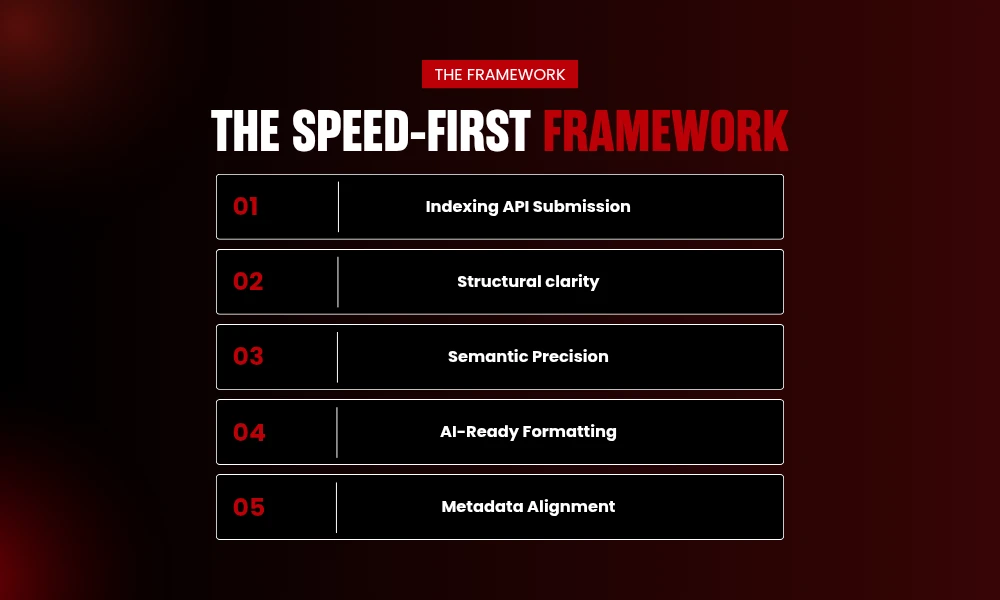
The framework, as documented across multiple SEO publications throughout 2026, rests on a few core moves.
- Indexing API submission. Using Google’s Indexing API and Bing’s Content Submission API to push new URLs into the discovery queue immediately rather than waiting for organic crawl cycles.
- Structural clarity. Clean URL architecture, logical heading hierarchies, and internal linking patterns that make pages trivially easy for crawlers to parse.
- Semantic precision. Content built around clear entities, structured data, and consistent terminology that AI models can interpret without ambiguity.
- AI-ready formatting. Question-based headings, summary blocks, definition-style intros, and structured Q&A sections designed to surface inside AI Overviews and LLM answers.
- Metadata alignment. Title tags, meta descriptions, and schema markup tuned to match search intent directly rather than chasing volume keywords.
None of these are new techniques individually. What the framework does is package them as a deliberate sequence aimed at one outcome: getting content into the search index, and into AI answer surfaces, as fast as possible.
Key Takeaway: “Instant appear” in this context means faster discovery and indexing, not instant top rankings. That distinction is where most of the confusion around the methodology lives.
Why This Methodology Exists in the First Place
The SEO industry has spent two years trying to figure out what changed.
Search Engine Land documented a meaningful drop in click-through rates on traditional organic results for queries triggering AI Overviews. Sistrix, Ahrefs, and Semrush each published their own versions of the same finding: the search results page in 2026 looks fundamentally different from the search results page in 2023.
Position one isn’t what it used to be. Being cited inside an AI Overview can drive more qualified traffic than ranking first below it.
That shift forced a question SEO teams hadn’t really faced before: how do you optimize for systems that decide what to surface based on context, structure, and semantic clarity rather than just authority and links?
The answer the SEO Instant Appear HighSoftware99.com methodology proposes is straightforward. Build content the machines can read instantly. Submit it through the official channels. Let the system surface it on its faster timeline.
Whether you believe in the framework or not, the underlying logic tracks with how AI search systems actually work.
The Bigger Shift: From Authority-First to Discovery-First SEO
For two decades, SEO strategy operated on a fairly stable assumption. Authority compounded slowly. Links earned trust. Trust earned rankings. The brands that started early won, and latecomers had to outspend or out-content their way in.
That model isn’t dead. It’s just no longer the only model that works.
AI search systems have flattened the field in one specific way: they reward structural clarity and semantic precision at a level that smaller, newer sites can actually compete on.
A well-structured page from a fresh domain can get cited in a Perplexity answer the same week it publishes. That wasn’t possible in the previous SEO era.
This is the shift that makes the SEO Instant Appear HighSoftware99.com approach worth paying attention to, regardless of whether you adopt the specific framework. The principle underneath, that discovery speed and machine readability now matter as much as traditional authority signals, is reshaping how teams across the industry are thinking about content production.
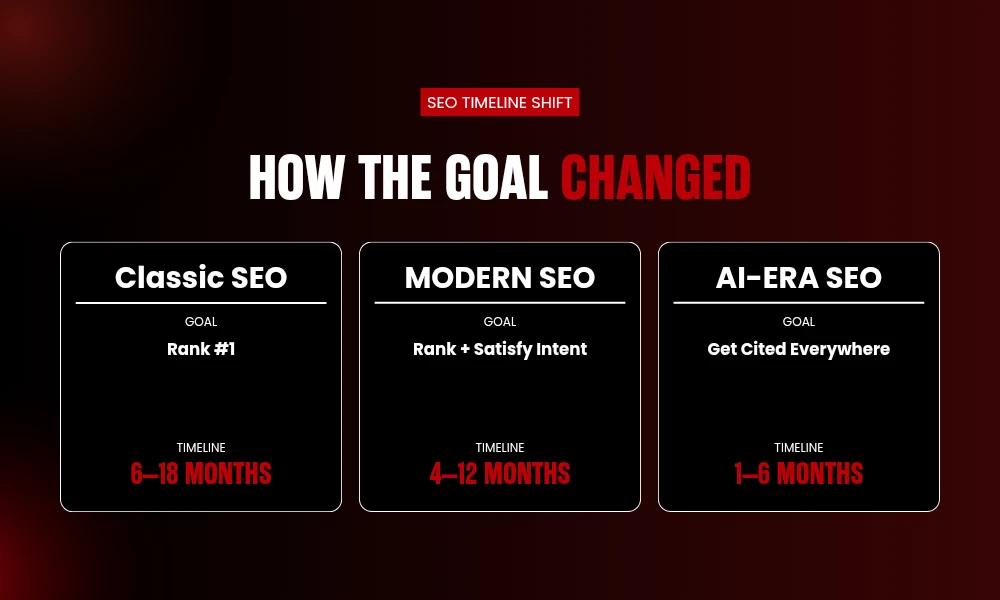
| Era | Primary Goal | Key Levers | Typical Timeline |
| Classic SEO (2010–2018) | Rank #1 on Google | Backlinks, keyword density, domain authority | 6–18 months |
| Modern SEO (2019–2023) | Rank and satisfy intent | E-E-A-T, topic clusters, technical health | 4–12 months |
| AI-Era SEO (2024–present) | Get cited everywhere | Structure, semantic clarity, fast indexing, AI formatting | 1–6 months |
The compression is real. It also doesn’t mean the older fundamentals stopped mattering. It means they’re now table stakes rather than differentiators.
Why It Matters
The teams treating speed-first SEO as a gimmick are losing ground to the teams treating it as a discipline.
A SaaS startup publishing structured, semantically clear content and submitting it through the Indexing API is showing up in Google’s AI Overviews, Perplexity citations, and Reddit-influenced search results within days. The competitor still treating SEO as a six-month authority-building exercise is showing up in none of them.
That gap compounds. By the time the slower competitor sees results, the faster one has accumulated months of citations, traffic, and brand mentions across the ecosystem. The advantage isn’t just first-mover. It’s compounding visibility across multiple AI surfaces simultaneously.
What the Methodology Gets Right
Several principles inside the SEO Instant Appear HighSoftware99.com framework are genuinely sound and align with how modern search systems work.
Structured clarity matters more than ever. Google’s documentation on crawl efficiency and indexing has been explicit for years that clean architecture helps pages get discovered. AI systems amplify this. They parse structured content faster and cite it more reliably.
Indexing APIs are legitimate tools. Google’s Indexing API was originally designed for job postings and live videos, but it’s increasingly used across content types by sophisticated SEO teams. Bing’s Content Submission API is more permissive. Both are official channels, not gray-hat tricks.
Semantic precision aligns with how LLMs read content. Pages built around clear entities, consistent terminology, and explicit relationships get cited more often in AI Overviews and chatbot answers. This is observable across multiple studies published throughout 2025 and 2026.
Question-based formatting drives AI visibility. FAQ sections, definition-style intros, and Q&A structures map directly to how AI systems extract answers. This isn’t a hack. It’s an alignment with the system’s preferred input format.
What the Methodology Gets Wrong, or Oversells
A serious editorial read also has to flag where the framework, and the broader “instant SEO” category it represents, overpromises.
Fast indexing is not fast ranking. Getting a page into the index in three hours doesn’t get it to page one in three days. Authority, relevance, and competition still determine where pages actually land. Several SEO publications have correctly noted that conflating these two outcomes is the single biggest source of disappointment with speed-first methodologies.
Autocomplete placement is risky. Some discussions of the framework reference targeting Google Autocomplete suggestions as a visibility goal. Achieving this typically requires manipulating search query patterns, which sits in territory Google has historically penalized. Brands chasing autocomplete placement aggressively expose themselves to manual actions.
The methodology can be misapplied by inexperienced teams. A framework that emphasizes speed and technical precision assumes the team executing it knows what good content looks like. Without that foundation, fast indexing just gets weak content into the index faster, where it gets ignored.
It’s not a substitute for authority. Search engines and AI systems still weight signals like citation graph quality, brand mentions, and topical authority heavily. Speed-first SEO without long-term authority investment plateaus quickly.
Expert Insight
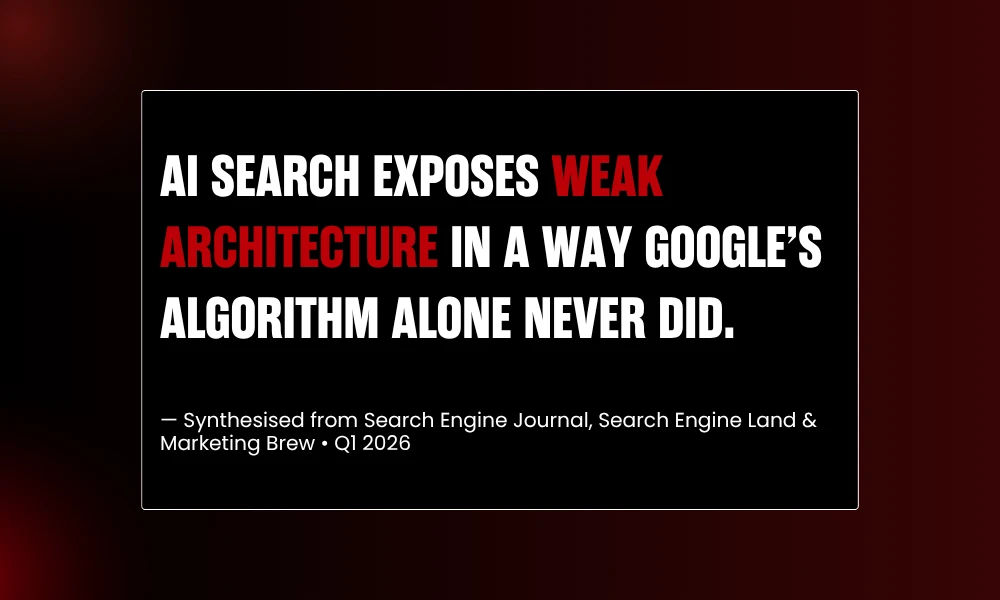
“The interesting thing about the ‘instant appear’ frameworks isn’t whether they’re branded well. It’s that they’re forcing SEO teams to take indexing and structure seriously again. For a decade, content marketers got away with treating those as someone else’s job. They can’t anymore. AI search exposes weak architecture in a way Google’s algorithm alone never did.”
— Paraphrased synthesis from multiple SEO industry conversations published across Search Engine Journal, Search Engine Land, and Marketing Brew throughout Q1 2026
How Marketers Are Actually Using This Approach
The implementation patterns we’re seeing across mid-market and enterprise SEO teams in 2026 cluster around a few recurring use cases.
Content velocity plays. Publishers and SaaS companies producing 30 to 100 pieces of content per month use indexing API submission and structural discipline to keep their output discoverable at scale. Without these techniques, a meaningful percentage of their content sits unindexed for weeks.
Product page rollouts. E-commerce brands launching seasonal collections or new SKUs use the methodology to get listings into the index before promotional campaigns peak.
News and time-sensitive content. Editorial teams covering rapidly evolving topics use speed-first SEO to compete for visibility while the topic is hot, not three months later when it’s stale.
AI Overview targeting. Brands specifically trying to get cited inside Google AI Overviews and Perplexity answers use the framework’s emphasis on structured Q&A, definition blocks, and semantic precision to increase citation probability.
New domain launches. Startups launching new sites use the methodology to overcome the natural disadvantage of zero domain authority by maximizing every other signal they can control.
A Practical Framework for Implementation
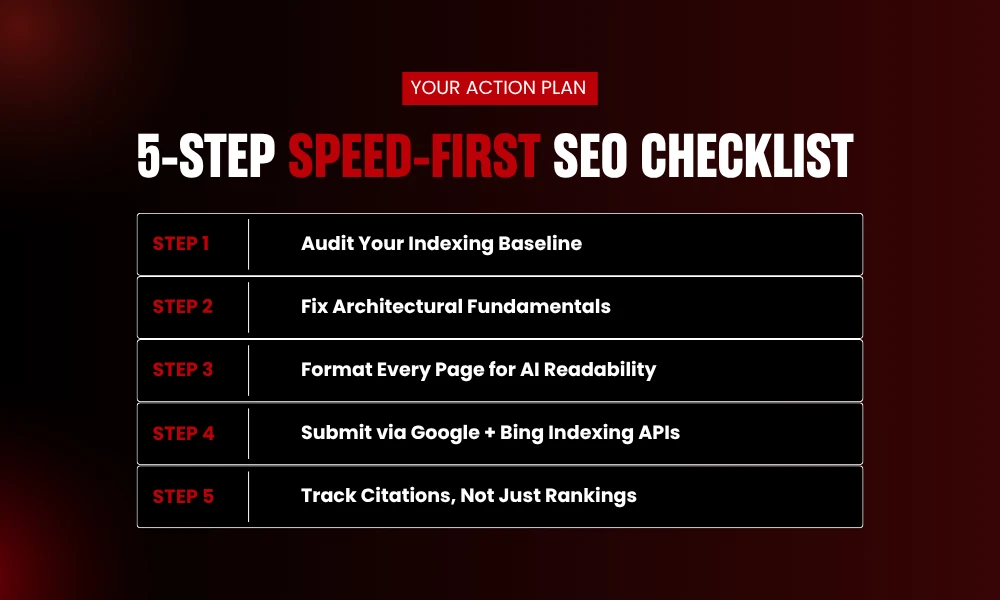
For teams considering whether the SEO Instant Appear HighSoftware99.com approach, or any speed-first SEO framework, makes sense for them, a few questions cut through the noise.
Step 1: Audit your indexing baseline. How many of your URLs are actually indexed by Google? Run a site search, cross-reference with Search Console, and find the gap. If your indexing rate is below 70 percent, you have a structural problem before you have a speed problem.
Step 2: Fix architectural fundamentals. Clean URL structures. Logical heading hierarchies. Tight internal linking. Schema markup where appropriate. None of this is optional under modern SEO.
Step 3: Format for AI readability. Question-based H2s. Summary blocks at the top. Clear entity mentions. Consistent terminology. Test how your pages render inside ChatGPT and Perplexity by asking those systems questions your content should answer.
Step 4: Use official indexing channels. Submit priority URLs through Google’s Indexing API where eligible and Bing’s Content Submission API more broadly. Don’t rely on organic crawl discovery alone.
Step 5: Measure citation, not just ranking. Track how often your content gets referenced inside AI Overviews, Perplexity answers, and other AI surfaces. Traditional ranking trackers miss this. Newer tools like Profound, Otterly, and Peec AI are emerging to fill the gap.
Industry Impact: Why This Conversation Is Bigger Than One Framework
The reason a phrase like SEO Instant Appear HighSoftware99.com is showing up in marketing conversations across multiple regions isn’t because of one website. It’s because the industry is recognizing, late, that AI search has changed the rules of discovery in ways the older SEO playbook didn’t account for.
Every major SEO platform is adjusting. Semrush, Ahrefs, and Moz have all rolled out AI search tracking features over the past year. Specialized GEO and AEO tools are launching monthly. Major agencies are restructuring their SEO service lines around the new reality.
The brands that adapt fastest will compound the most visibility. The brands waiting for “things to settle down” will keep losing ground to competitors who recognized that “settled” isn’t coming.
What Happens Next
A few predictions worth tracking through the rest of 2026 and into 2027.
Indexing API access will expand. Google’s Indexing API is currently limited in scope. Industry pressure and the growing legitimacy of speed-first SEO will likely push that policy to loosen.
AI citation tracking becomes standard. Within 18 months, expect AI Overview citation tracking and LLM answer monitoring to be standard features in every major SEO platform.
Structural SEO becomes a hiring priority. Roles focused on schema implementation, semantic content architecture, and crawl optimization will see significant growth as teams realize these skills now determine AI visibility.
The “instant” framing will mature. As more teams hit the limits of pure speed-first SEO, the conversation will shift toward integrated frameworks that combine fast discovery with long-term authority building. The frameworks that survive will be the ones that acknowledge both halves.
Smaller brands will outrank larger ones more often. Structural clarity and AI-readiness will let smaller, more agile content operations win against larger competitors weighed down by legacy CMS setups and bloated site architectures.
Tactical Takeaways
For SEO leads, content marketers, and CMOs trying to translate the shift into action this quarter:
- Treat indexing speed as a measurable KPI, not an assumption
- Audit your top 100 pages for semantic clarity and AI readability
- Add structured FAQ sections to every priority content asset
- Submit new URLs through Google and Bing’s official indexing APIs
- Monitor AI Overview citations alongside traditional rankings
- Invest in technical SEO skills as a long-term competitive advantage
- Resist any framework that promises rankings without authority work
Frequently Asked Questions
What is SEO Instant Appear HighSoftware99.com?
SEO Instant Appear HighSoftware99.com is a fast-indexing SEO methodology discussed across multiple SEO publications throughout 2025 and 2026. It combines technical SEO, semantic content structure, indexing API submission, and AI-ready formatting to help web pages get discovered and indexed by search engines and AI answer systems faster than traditional SEO timelines. It is a framework, not a software product.
Does SEO Instant Appear actually deliver instant rankings?
No. The methodology delivers faster indexing and faster discovery, not instant top rankings. Search engines and AI systems still evaluate content quality, relevance, authority, and competition before deciding where to rank a page. A page can be indexed within hours and still take weeks or months to climb to a competitive ranking position. The “instant” in the framework refers to discovery speed, not ranking speed.
Is this approach safe to use on real websites?
The core principles, structural clarity, semantic precision, indexing API submission, and AI-ready formatting, are entirely safe and align with Google’s published guidelines. The risk areas appear when teams interpret the framework aggressively, particularly around autocomplete manipulation or thin content production at scale. Implemented as a discipline around quality content, the methodology carries low risk. Implemented as a shortcut around fundamentals, it carries significant risk.
How is this different from traditional SEO?
Traditional SEO prioritizes building long-term authority through backlinks, content depth, and brand signals over months or years. The SEO Instant Appear HighSoftware99.com methodology prioritizes discovery speed and machine readability for faster visibility in search and AI answer systems. The two approaches are complementary, not contradictory. Modern SEO teams typically run both in parallel.
Will this approach work for small websites and new domains?
Yes, often more effectively than for established sites. New domains lack the authority signals that traditional SEO rewards, but they can compete strongly on structural clarity, semantic precision, and AI readability. This is one reason speed-first SEO frameworks have gained traction among startups, indie publishers, and new SaaS launches.
How does this relate to GEO and AEO?
Generative Engine Optimization (GEO) and Answer Engine Optimization (AEO) overlap significantly with the principles behind speed-first SEO frameworks. All three disciplines emphasize structured content, semantic clarity, and AI-ready formatting. The terminology varies across publications, but the underlying playbook converges around the same set of techniques.
Final Read
The SEO industry has a habit of branding old fundamentals as new frameworks and selling them back to itself. Some of that is happening around the SEO Instant Appear HighSoftware99.com conversation.
The methodology repackages techniques that experienced technical SEOs have been advocating for years, structured content, fast indexing, semantic precision, AI-ready formatting, and assembles them under a memorable name.
What’s worth taking seriously isn’t the brand. It’s the underlying argument: that discovery speed has become a competitive variable in a way it wasn’t five years ago, and that teams treating it as an afterthought are losing visibility to teams treating it as a discipline.
The next phase of SEO will reward the brands that combine the new playbook with the old one. Speed for discovery. Authority for staying power. Structure for AI surfaces. Quality for human readers. The frameworks that survive this cycle will be the ones that recognize both halves matter.
At BrandClickX, we track these shifts across the full search and AI visibility stack, from technical SEO and structured data to generative engine optimization and AI citation strategy.
The teams that compound the most visibility through the rest of the decade will pair sharp technical fundamentals with strategic clarity. The rest will keep chasing the next branded framework and wondering why the gap keeps widening.
The fundamentals still win. The execution layer just got faster.