The right supplier is the one that can repeatedly meet your fabric specifications, prove its quality and provenance, fit your order and budget, and deliver on schedule. For a premium collection, the choice shapes how each garment feels, wears, and looks to your customer. A polished sample may hide problems that appear only after cutting or washing.
Your brand needs more than a good-looking swatch. You need a partner whose materials and service suit the design, production plan, and price point. This guide gives you a practical way to compare candidates using written requirements and clear evidence, without endorsing a particular supplier. A reliable decision rests on documented evidence, not a polished swatch or a low quote.
Key Takeaways
- Compare three to five candidates using the same written brief.
- Check the fabric in person, not through product photos alone.
- Include all costs and order conditions in your comparison.
- Ask how the supplier supports repeat orders and traceability.
- Set sample, production, and shipping milestones in writing.
How to Evaluate Fabric Suppliers for a Premium Collection: A Practical Scorecard
Compare every candidate against the same written brief, physical evidence, and purchase conditions before choosing. A five-factor scorecard makes quick comparisons easier and helps you judge each supplier on the same terms. Ask three to five qualified candidates the same five questions and save their written answers.
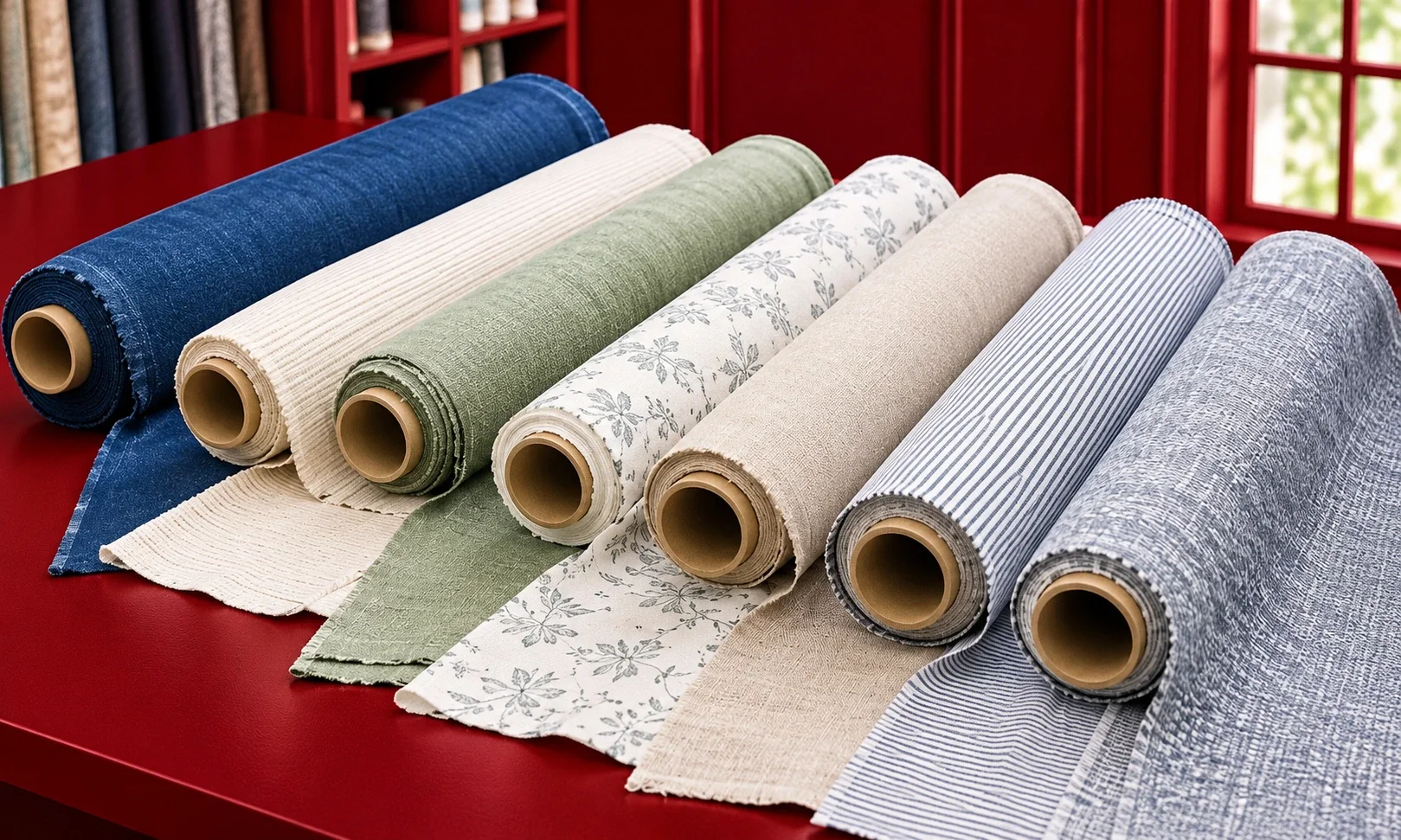
For online sourcing, request written specifications, physical samples, and written terms instead of judging fabric from product photos. Your brief should describe the same material and use for every candidate. A photo can suggest color or texture, but it cannot confirm hand, drape, or how fabric behaves during sewing.
Use the same questions for each candidate
Score each factor using the evidence you receive. A clear answer with records is stronger than a broad promise, especially when the order will support a full collection.
- Quality: Does the physical sample match the brief in color, construction, and feel?
- Provenance: Can the supplier support claims about fiber, origin, and production?
- Repeatability: Can you reorder the same fabric, color, and finish?
- Order and cost fit: Do the MOQ and full landed terms fit your plan?
- Delivery and communication: Does the supplier answer clearly and meet agreed dates?
For a fast first pass, remove candidates that will not answer specification, traceability, or availability questions clearly. This screen can save time before you request more detailed quotes. Keep notes beside each answer so a low price does not overshadow missing details.
Keep only candidates that can answer the same five questions with specific, written evidence.
Supplier quality depends on more than the fabric itself. The ASQ supplier quality criteria also cover past performance, quality systems, capacity, financial stability, and total cost. These factors help you judge whether a supplier can support your production plan, not just make a strong first impression.
Give each factor a simple score, such as one to five, and note the evidence behind it. A score without a record is only an opinion. Keep only candidates that can answer the same five questions with specific, written evidence.
What Should Your Fabric Brief Specify?
A useful fabric brief names the garment, the fabric construction, and the measurable performance the finished piece needs. A fabric brief is a written specification of the fabric, its performance requirements, and the order conditions a supplier must meet. Use one brief for every quote so suppliers recommend material against the same requirements.
Describe what the garment must do, not only how the fabric should look. A supplier can then suggest fabrics that fit the design, wear needs, and production plan.
Start with the garment’s use and construction
State whether the fabric is for a fitted top, structured jacket, or another garment. Include the fiber composition and whether the construction is knit or woven. Name the knit or weave when known, such as 95% cotton/5% spandex jersey or French terry.
Give the finished width and weight, along with the hand and drape you want. Weight is commonly stated in GSM, or grams per square meter, or ounces per yard. Lightweight fabrics are commonly 100-150 GSM, medium-weight fabrics are 150-250 GSM, and heavyweight fabrics are 300 GSM or more.
Weight affects thickness, hand, and drape, so it can change how a garment hangs and feels. State the finish, such as brushed or washed, and name the color standard or provide a physical color reference. Palette tools can help you plan shades, but a screen preview does not set a fabric color standard.
Set measurable weight, color, and performance requirements
Write performance needs in concrete terms, such as stretch, recovery, durability, or care instructions. Add the target unit cost, estimated quantities, destination, and required delivery window. ASTM textile standards address physical, mechanical, and chemical properties, but a standard alone cannot define the needs of your garment.
- Fiber and construction: composition, knit or woven type, and specific structure.
- Weight and width: finished weight and usable fabric width.
- Color and finish: standard, reference, and surface treatment.
- Performance and care: stretch, recovery, durability, and wash needs.
- Quantity and budget: estimated order, target cost, destination, and delivery date.
Keep the brief clear enough for a supplier to quote without guessing. If you use a digital palette to explore shades, treat it as a design aid, not proof of the final dyed color. A color palette tool for branding can help you build a set of color ideas before you ask for a lab dip.
If you do not yet know the required hand or drape, attach a physical reference sample instead of relying on adjectives alone.
Which Fabric Supplier Type Fits Your Collection?
A small or experimental run usually fits a jobber or in-stock platform, while recurring volume can justify a mill or custom program. The right supplier type depends on order size and how often you need the same fabric. Traditional mills commonly set MOQs of 300-1,000+ yards per color, while other buying formats can start much lower.
Converters finish greige fabric through dyeing, printing, or washing. Jobbers often carry leftover or limited stock, which can suit a short run but may not support a repeat order.
Match mills, converters, and jobbers to order size
| Supplier type | Best fit | Typical MOQ or buying format | Repeatability |
|---|---|---|---|
| Traditional mill | Recurring volume | 300-1,000+ yards per color | Repeat production potential |
| Local jobber or fabric store | Small runs or testing | Low minimums, by the yard | One-off stock rarely reorderable |
| Deadstock seller | Limited collections | Low minimums, finite quantity | Cannot repeat after sellout |
| Overseas custom manufacturer | Custom fabric orders | “Low MOQ” often means 100+ yards | Depends on continued production |
One wholesale fabric marketplace offers sample yardage from one yard, with a separate wholesale minimum for each item. That format helps you assess a fabric before planning a larger order. Traditional mills may suit steady demand, while finite stock can work for a one-time design.
Find candidates through trade shows and online directories
Trade shows such as Texworld USA, Sourcing at MAGIC, The London Textile Fair, and Première Vision Paris let you meet suppliers and review materials in person. Online directories and industry associations can help you build a shortlist when travel is not practical. Ask whether a contact is a mill, converter, jobber, or custom manufacturer.
U.S. apparel imports totaled $77.88 billion in 2025. Vietnam supplied 21.5%, China 13.7%, and Bangladesh 10.5%; these figures show sourcing variety, not a recommendation about where to buy fabric. The 2025 U.S. apparel import briefing gives context for those country shares.
Treat a 300-1,000+ yard per-color MOQ as a buying condition to confirm in the quote, not as proof that the fabric can be reordered. Ask how the supplier handles repeat production when the collection depends on the same material.
How Can You Test Fabric Quality Before Bulk?
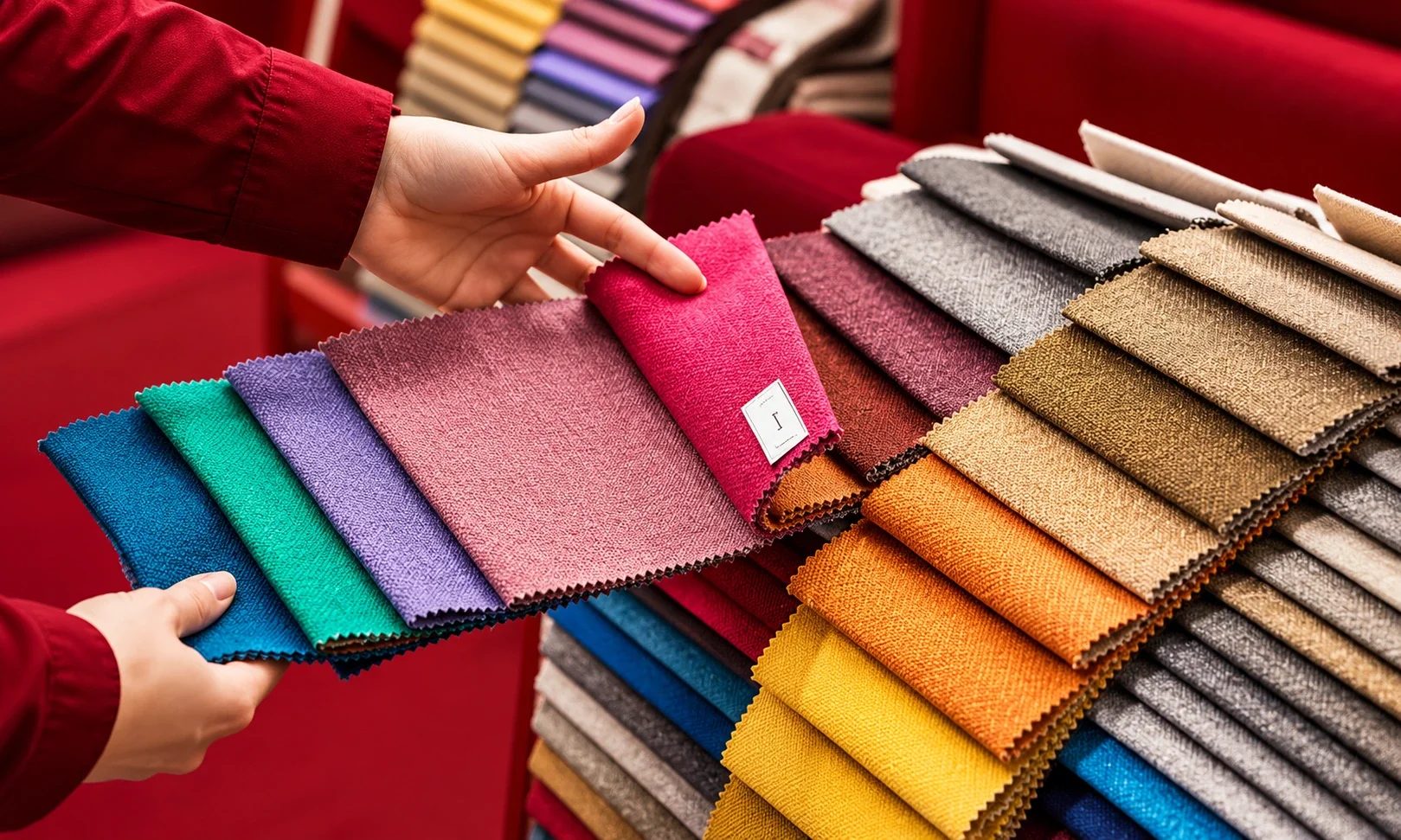
A physical sample is the fastest way to check whether a supplier’s fabric matches the brief in hand, drape, color, and behavior. Sample yardage gives you a closer view than a digital image, which cannot show the full texture, movement, or sewing response. Test the fabric against requirements for its garment category and your own acceptance needs.
Apparel and dress fabric swatches typically measure 3” x 3” to 4” x 4”; wholesale or bulk fabric swatches often measure 4” x 4” to 10” x 10”. Some stores offer ½-yard cuts for testing drape, sewing, or upholstery uses. A larger cut helps you see how a garment panel may hang.
Inspect sample yardage for hand, drape, and sewing behavior
Check the face and back under different light, then handle the fabric as you would during design and construction. Small color shifts can change the look of a collection, and contrast can matter across panels or trims. A materials and durability guide also shows why feel and construction matter more than a brand name alone.
Test stretch recovery and sew a small piece using the planned machine and seam type. A fabric that feels good in a swatch may behave differently when cut, pressed, or stitched. Record what you observe so your team can compare samples fairly.
Verify performance with suitable test methods
ASTM methods describe requirements for specific fabric or garment categories. Use the method that fits your product, then confirm the collection’s own acceptance rules with the supplier. A category specification does not replace garment-specific limits.
| Standard | Fabric or garment category | What it specifies |
|---|---|---|
| ASTM D4235-20 | Women’s and girls’ knitted blouse and dress fabrics | Performance requirements |
| ASTM D7020-22 | Woven blouse, dress, dress shirt, and sport shirt fabrics | Performance requirements |
| ASTM D7507-23 | Woven high-stretch apparel fabrics | Performance requirements |
| ASTM D3996-23 | Knit swimwear fabrics | Performance requirements |
| ASTM D7017-20 | Water-resistant rainwear and all-purpose water-repellent coat fabrics | Performance requirements |
- Compare the face and back under different light.
- Check hand, drape, stretch recovery, and sewing behavior.
- Wash the sample and measure shrinkage.
- Test colorfastness and pilling when relevant to the garment.
- Compare a pre-bulk roll with the approved sample.
ASTM D7268-23 covers seamless knit garments, including intimates and swimwear. Use the most current test methods and procedures when you set a testing plan. The test result matters only when it speaks to a real use in your collection.
Approve the sample against written criteria and keep a marked reference for comparison with bulk fabric.
How Do You Compare Price, MOQ, and Order Terms?

Compare the landed cost and the conditions attached to it, because the lowest fabric quote may leave important costs outside the price. Fabric can account for 60-70% of finished cut-and-sew garment cost, so the choice can affect your margin substantially. Compare the full order cost, not just the quoted fabric price.
Include finishing, testing, packaging, freight, taxes, duties, and customization charges in the comparison. The total changes with those items and order size, so ask each supplier to show what its quote covers.
Compare the full landed cost, not just the fabric quote
Check whether the quote is priced per yard, meter, or kilogram, and confirm the currency and unit. A lower unit price may still create a poor fit if extra charges or color minimums raise the order total. Ask for the cost of the quantity you plan to buy, not an unrelated volume tier.
Traditional mills commonly set MOQs of 300-1,000+ yards per color. Local jobbers and fabric stores often sell by the yard, while deadstock quantities are finite and cannot be repeated after sellout. Overseas custom orders may call a minimum “low” even when it means 100+ yards.
Check minimums, discounts, and payment conditions
Ask for the MOQ per color and the total minimum across colors. Request price breaks, the payment schedule, and any charges for a custom finish or test. Per-color minimums can affect how you plan a line, even when the overall quote looks attractive.
Put the following terms in writing before placing an order:
- Price per yard, meter, or kilogram, plus each price break.
- MOQ per color and the total order minimum.
- Payment dates and any required deposit.
- Cancellation terms and the remedy for a short shipment.
- Acceptance criteria and the remedy for nonconforming bulk fabric.
Compare terms across suppliers, not just the final total. A clear agreement says what happens if the bulk order fails to match the approved fabric. Keep production costs in view, since fabric is a major part of finished garment cost.
Do not commit until the per-color minimum, what the quote includes, and the remedy for a nonconforming bulk order are written down.
How Long Should Fabric Sourcing and Delivery Take?
Plan for weeks to source fabric and additional time for production and delivery, especially when colors or trims need custom development. Fabric sourcing and bulk apparel production are separate stages, and the full path to U.S. delivery can take longer. Set sample, bulk, finishing, and shipping dates as separate milestones.
Domestic fabric suppliers typically ship within 1-3 weeks, while overseas suppliers typically take 4-8 weeks. Stock status, order origin, and custom work shape the schedule, so the fabric shipping range is not the full apparel lead time.
Allow time for materials, samples, and bulk production
Fabric and trim sourcing can take around 2-6 weeks or longer when custom colors, dyeing, development, or special trims are needed in 2026. Bulk apparel production can take around 30-60 days after sample approval in 2026. Development before approval and later shipping add more time.
One wholesale fabric marketplace estimates 3-5 days for swatch-book delivery and ships catalog colors from stock. Yardage lead time varies by item, so a fast swatch delivery does not promise fast bulk delivery. Ask which colors are in stock and when custom finishing begins.
Build geography and shipping into the schedule
Total apparel lead times in 2026 are about 90-150 days from Asia and 45-90 days from Mexico. U.S. factories can ship finished apparel in days, while apparel sourced from Asia typically takes longer. These ranges cover more than fabric shipping alone.
Ask suppliers to state sample, bulk, finishing, and shipping time separately. Confirm what starts each clock, such as deposit, sample approval, or receipt of materials. Include time for customs and any production steps that must happen before the goods can ship.
Put the latest acceptable arrival date and each schedule milestone in the order confirmation.
How Do You Verify Sustainability, Safety, and Provenance?
A certification is useful only when its scope matches the material, the product, and the claim you intend to make. OEKO-TEX® STANDARD 100 tests components for harmful substances, but it does not prove every sustainability claim. Check the certificate’s scope and the evidence behind each separate claim.
Ask what a label covers before using it in product details or marketing. Fiber content, origin, and chain of custody need their own records when you make claims about provenance.
Check what a certification actually covers
OEKO-TEX® STANDARD 100 tests every thread, button, and accessory against a list of over 1,000 harmful substances. Product Class 1 covers products for babies and children up to age three, with the strictest requirements and limit values.
Product Class 2 covers items with direct skin contact, such as bed linens. Product Class 3 covers items without direct skin contact, such as jackets. Product Class 4 covers home textiles and decoration materials, such as curtains.
Ask for traceability and fiber documentation
For provenance claims, ask for fiber-grade, origin, mill, and chain-of-custody evidence where relevant. Match those records to the fabric and finished product you plan to sell. A broad sustainability claim needs support beyond a safety label.
- Ask for the certificate number.
- Check its validity through the QR code or OEKO-TEX® Label Check.
- Confirm the Product Class fits the intended garment.
- Match the certificate to the material and product being purchased.
- Request origin and fiber records for provenance claims.
Certificates are issued for one year. You can scan the label’s QR code or enter its certificate number in OEKO-TEX® Label Check to check its validity. Keep the record with the product file, so claims remain tied to the material you ordered.
Verify the certificate number and scope before repeating a safety or sustainability claim to customers.
How Do You Build a Reliable Supplier Relationship?
A supplier relationship becomes dependable when both sides can reproduce the same approved fabric and terms without relying on memory. Keep the same records from brief through reorder so your team can track what the supplier agreed to deliver. Retain five records for every approved fabric and keep two to three primary suppliers per product category.
A wholesale sourcing rule of thumb is to keep two to three primary suppliers for each product category. That gives you backup options and negotiating leverage without scattering every order among many vendors.
Keep records that make reordering consistent
Save these five records with each fabric’s item code:
- Item code for the approved fabric.
- Final specification, including construction and color.
- Approved physical sample or lab dip.
- Test and inspection results.
- Written purchase terms, including price and availability.
Use the records to link the approved material to each new order. The fabric brief, qualified shortlist, approved sample and lab dip, written purchase commitment, and ongoing supplier relationship form a traceable process. Clear records also help teams spot a change before it affects production.
Maintain a practical backup without scattering orders
Keep backup suppliers familiar with the type of fabric your brand uses, but avoid placing small, scattered orders without a reason. A supplier relationship works best when both sides know the approved requirements and expected order pattern. Keep any change in price, material, or delivery terms in writing.
Deadstock is an exception to repeat sourcing because a sold-out lot cannot be treated as a dependable source. Record it as a limited run and approve an alternative before promising future availability. This protects your customer and keeps future collection plans realistic.
A Shopify store launch guide can help with the next step of presenting a collection online, but product availability still needs to match your supplier records.
Before a repeat order, match the new lot to the retained sample and confirm availability in writing.
Conclusion
A strong supplier choice is the one you can verify on the fabric, the paperwork, and the delivery commitment. A premium collection needs documented quality, repeatability, and provenance, not simply the cheapest quote. Clear terms also help protect your schedule when production depends on a specific color or finish.
Start with one page that states what the fabric must do and what your order requires. Then send the same request to a short list of candidates, so their replies are easy to compare. Write the brief today and use it to request comparable samples and terms from your shortlisted candidates.