Wealth has never been this concentrated or this fast-moving. The BrandClickX 2026 ranking counts a record 3,428 billionaires worth a combined $20.1 trillion, and the gap between the very top and everyone else has become a chasm. Elon Musk alone is worth $839 billion, more than three times the fortune of the next person on the list.
The hundred people below hold $7.1 trillion between them roughly 35 cents of every billionaire dollar on the planet. The top thirty alone hold $4.6 trillion.
What makes this year’s ranking different is not just the scale. It is the churn. Artificial intelligence minted and multiplied fortunes at a speed the ranking has never seen: Jensen Huang’s Nvidia wealth, the Google founders’ resurgence, and a brand-new crypto class led by Changpeng Zhao and Tether’s Giancarlo Devasini.
At the same time, the old guard held firm the Waltons, the Kochs, Warren Buffett at 95 proving that retail shelves, industrial conglomerates and patient compounding still belong at the top. Even the youngest billionaires on the 2026 list are now building fortunes in the tens of billions before their thirtieth birthdays.
This is the definitive BrandClickX guide to the world’s hundred richest people in 2026: who they are, where the money really comes from, what moved it this year and, for the first time, a considered look at what each fortune could be worth by 2030.
The Top 100 at a Glance
| Rank | Name | 2026 Net Worth | Age | Country | Source of Wealth |
| 1 | Elon Musk | $839B | 54 | United States | Tesla, SpaceX |
| 2 | Larry Page | $257B | 52 | United States | |
| 3 | Sergey Brin | $237B | 52 | United States | |
| 4 | Jeff Bezos | $224B | 62 | United States | Amazon |
| 5 | Mark Zuckerberg | $222B | 41 | United States | Meta |
| 6 | Larry Ellison | $190B | 81 | United States | Oracle |
| 7 | Bernard Arnault & family | $171B | 77 | France | LVMH |
| 8 | Jensen Huang | $154B | 63 | United States | Nvidia, semiconductors |
| 9 | Warren Buffett | $149B | 95 | United States | Berkshire Hathaway |
| 10 | Amancio Ortega | $148B | 89 | Spain | Zara, Inditex |
| 11 | Rob Walton & family | $146B | 81 | United States | Walmart |
| 12 | Jim Walton & family | $143B | 77 | United States | Walmart |
| 13 | Michael Dell | $141B | 61 | United States | Dell Technologies |
| 14 | Alice Walton | $134B | 76 | United States | Walmart |
| 15 | Steve Ballmer | $126B | 69 | United States | Microsoft |
| 16 | Carlos Slim Helu & family | $125B | 86 | Mexico | Telecom |
| 17 | Changpeng Zhao | $110B | 49 | Canada | Crypto, Binance |
| 18 | Michael Bloomberg | $109B | 84 | United States | Bloomberg LP |
| 19 | Bill Gates | $108B | 70 | United States | Microsoft |
| 20 | Francoise Bettencourt Meyers & family | $100B | 72 | France | L’Oréal |
| 21 | Mukesh Ambani | $99.7B | 68 | India | Diversified, Reliance |
| 22 | Giancarlo Devasini | $89.3B | 61 | Italy | Crypto, Tether |
| 23 | Thomas Peterffy | $82.9B | 81 | United States | Discount brokerage |
| 24 | Julia Koch & family | $81.2B | 63 | United States | Koch Inc |
| 25 | Charles Koch & family | $73.8B | 90 | United States | Koch Inc |
| 26 | Zhang Yiming | $69.3B | 41 | China | TikTok, ByteDance |
| 27 | Zhong Shanshan | $68.1B | 71 | China | Beverages, pharmaceuticals |
| 28 | Jeff Yass | $67.4B | 67 | United States | Trading, Susquehanna |
| 29 | Dieter Schwarz | $67.2B | 86 | Germany | Retail, Lidl |
| 30 | German Larrea Mota Velasco & family | $67.1B | 72 | Mexico | Mining, Grupo Mexico |
| 31 | Gautam Adani | $63.8B | 63 | India | Infrastructure, commodities |
| 32 | Tadashi Yanai & family | $61.8B | 77 | Japan | Fashion retail |
| 33 | Ma Huateng | $53.8B | 54 | China | Online games |
| 34 | Robin Zeng | $53.2B | 57 | Hong Kong | Batteries |
| 35 | Iris Fontbona & family | $52.6B | 83 | Chile | Mining |
| 36 | Masayoshi Son | $51.5B | 68 | Japan | Telecom, Investments |
| 37 | Ken Griffin | $49.8B | 57 | United States | Hedge funds |
| 38 | Jacqueline Mars | $49.1B | 86 | United States | Candy, pet food |
| 38 | John Mars | $49.1B | 90 | United States | Candy, pet food |
| 40 | Lukas Walton | $48.9B | 39 | United States | Walmart |
| 41 | Giovanni Ferrero | $48.8B | 61 | Italy | Nutella, chocolates |
| 42 | Li Ka-shing | $47B | 97 | Hong Kong | Diversified |
| 43 | Mark Mateschitz | $45.8B | 33 | Austria | Red Bull |
| 44 | Gianluigi Aponte | $44.5B | 85 | Switzerland | Shipping |
| 44 | Rafaela Aponte-Diamant | $44.5B | 80 | Switzerland | Shipping |
| 46 | Andrea Pignataro | $42.6B | 55 | Italy | Financial software |
| 47 | Klaus-Michael Kuehne | $41.9B | 88 | Germany | Shipping |
| 48 | Thomas Frist, Jr. & family | $41.1B | 87 | United States | Hospitals |
| 49 | Alain Wertheimer | $39.4B | 77 | France | Chanel |
| 49 | Gerard Wertheimer | $39.4B | 75 | France | Chanel |
| 51 | Savitri Jindal & family | $39.1B | 75 | India | Steel |
| 52 | Stephen Schwarzman | $38.3B | 79 | United States | Investments |
| 53 | Paolo Ardoino | $38B | 41 | Italy | Cryptocurrency |
| 53 | Jean-Louis van der Velde | $38B | 62 | Netherlands | Cryptocurrency |
| 55 | William Ding | $37.9B | 54 | China | Online games |
| 56 | Miriam Adelson & family | $37.5B | 80 | United States | Casinos |
| 57 | Alexey Mordashov & family | $37B | 60 | Russia | Steel, investments |
| 58 | Colin Huang | $36.6B | 46 | China | E-commerce |
| 59 | Eduardo Saverin | $35.9B | 43 | Brazil | |
| 60 | Eric Schmidt | $35.5B | 70 | United States | |
| 61 | Idan Ofer | $34.6B | 70 | Israel | Shipping |
| 62 | Eyal Ofer | $33.6B | 75 | Israel | Real estate, shipping |
| 63 | He Xiangjian & family | $33.2B | 83 | China | Home appliances |
| 63 | Abigail Johnson | $33.2B | 64 | United States | Fidelity |
| 63 | Zheng Shuliang & family | $33.2B | 80 | China | Aluminum products |
| 66 | Marilyn Simons & family | $32.5B | 75 | United States | Hedge funds |
| 67 | Robert Pera | $31.7B | 48 | United States | Wireless networking |
| 68 | Phil Knight & family | $31.1B | 88 | United States | Nike |
| 68 | Michal Strnad | $31.1B | 33 | Czech Republic | Defense contracting |
| 70 | Lakshmi Mittal | $31B | 75 | India | Steel |
| 71 | Elaine Marshall & family | $30.9B | 83 | United States | Koch Inc. |
| 71 | Shiv Nadar | $30.9B | 80 | India | Software services |
| 73 | Henry Samueli | $30.8B | 71 | United States | Semiconductors |
| 74 | Melinda French Gates | $30.3B | 61 | United States | Microsoft |
| 75 | Stefan Quandt | $30.1B | 59 | Germany | BMW |
| 75 | Reinhold Wuerth & family | $30.1B | 90 | Germany | Fasteners |
| 77 | Lyndal Stephens Greth & family | $30B | 51 | United States | Oil & gas |
| 78 | Len Blavatnik | $29.9B | 68 | United States | Music, chemicals |
| 79 | Susanne Klatten | $29.7B | 63 | Germany | BMW, pharmaceuticals |
| 79 | Vladimir Potanin | $29.7B | 65 | Russia | Metals |
| 81 | Vagit Alekperov | $29.5B | 75 | Russia | Oil |
| 81 | Francois Pinault & family | $29.5B | 89 | France | Luxury goods |
| 83 | Jack Ma | $29.1B | 61 | China | E-commerce |
| 84 | Prajogo Pangestu | $28.6B | 81 | Indonesia | Petrochemicals, energy |
| 84 | MacKenzie Scott | $28.6B | 55 | United States | Amazon |
| 86 | Aliko Dangote | $28.5B | 68 | Nigeria | Cement, sugar |
| 87 | Peter Thiel | $28.4B | 58 | United States | Facebook, investments |
| 88 | Emmanuel Besnier | $28.3B | 55 | France | Cheese |
| 88 | Leonid Mikhelson & family | $28.3B | 70 | Russia | Gas, chemicals |
| 90 | Daniel Gilbert | $27.9B | 64 | United States | Rocket Mortgage |
| 90 | Lei Jun | $27.9B | 56 | China | Smartphones, automobiles |
| 90 | Andreas von Bechtolsheim & family | $27.9B | 70 | Germany | |
| 93 | Pham Nhat Vuong | $27.7B | 57 | Vietnam | Diversified |
| 94 | Vicky Safra & family | $27.1B | 73 | Greece | Banking |
| 95 | Jay Y. Lee | $27B | 57 | South Korea | Samsung |
| 95 | Cyrus Poonawalla | $27B | 84 | India | Vaccines |
| 97 | Rick Cohen & family | $26.3B | 73 | United States | Warehouse automation |
| 98 | Israel Englander | $25.8B | 77 | United States | Hedge funds |
| 99 | Suleiman Kerimov & family | $25.7B | 59 | Russia | Gold |
| 100 | Dilip Shanghvi | $25.6B | 70 | India | Pharmaceuticals |
Combined wealth of the Top 100: $7.1 trillion; Top 30: $4.6 trillion. Figures: BrandClickX 2026 ranking, based on public filings, share prices and exchange rates as of 1 March 2026.
How the Top 100 Breaks Down
The hundred richest people are not spread evenly across the world. The United States dominates the ranking, home to more than half the names on it the tech founders, the Walmart and Koch families, the Wall Street traders and the chipmakers.
That is no accident: the world’s biggest stock market, its deepest venture capital pools and its largest consumer market still mint billionaires faster than anywhere else. China comes next, with a cluster built on e-commerce, games, phones and bottled water, while Europe’s entries are older and more dynastic luxury houses in France, retail empires in Germany and Spain, shipping in Switzerland and Greece.
By source of wealth, technology is the largest single block: search, social media, chips, cloud, e-commerce and phones account for roughly a third of the hundred. Retail and consumer goods come second Walmart, Zara, Lidl, L’Oréal, Red Bull and the great drinks and chocolate families.
Then finance in its many forms: hedge funds, trading firms, private equity, banks and insurance. Energy, mining and heavy industry still hold a solid block of the list, from copper and oil to steel and cement, a reminder that the physical economy underpins the digital one. And crypto, unthinkable at this level a decade ago, now claims four names in the top sixty a new asset class that arrived all at once.
Age tells its own story. The youngest person on the list, Mark Mateschitz, is 33; the oldest, Li Ka-shing, is 97. The average age is just under 70, and the list is getting older at the top and younger at the edges: founders in their thirties and forties built the AI and crypto fortunes, while the luxury, retail and industrial fortunes are now mostly in the hands of second and third generations.
More than a quarter of the hundred fortunes are family fortunes Waltons, Kochs, Mars, Wertheimers, Quandts, Bettencourt Meyers managed through trusts and family offices rather than by a single founder. That is the quiet shift in the ranking: from builders to inheritors, and the 2030 list will show it even more clearly.
The 100 Richest People in the World, 2026
1. Elon Musk — $839 billion
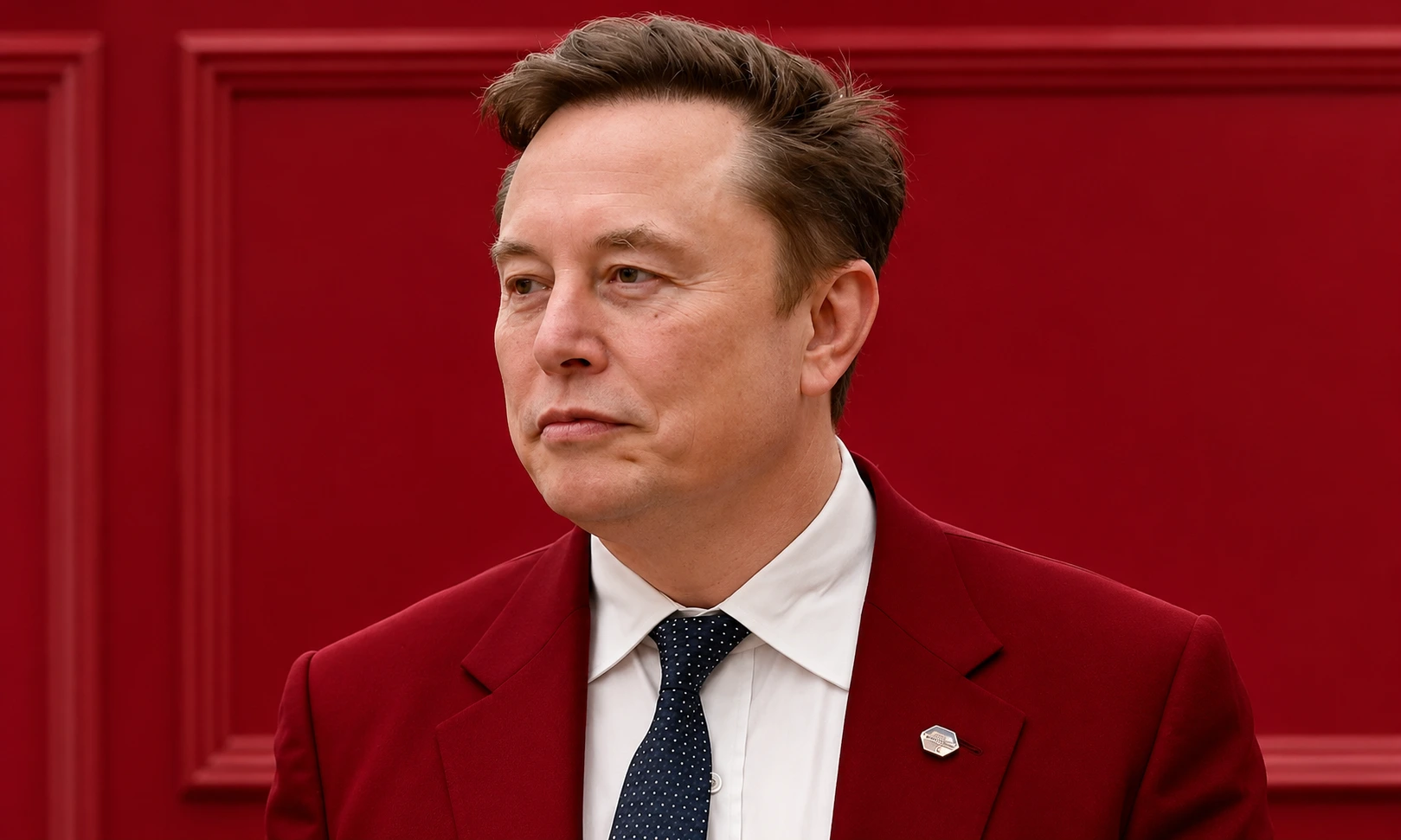
The richest person in history, by a distance. Musk’s fortune rests on two pillars: Tesla, the electric-vehicle maker he transformed into the world’s most valuable car company, and SpaceX, the rocket company that now dominates orbital launches and satellite internet through Starlink.
In 2026 the gap between Musk and everyone else widened dramatically as both businesses kept compounding, with SpaceX’s private valuation climbing and Tesla’s energy and robotics bets gaining credibility. At 54, he is still young enough for another decade of building. 2030 projection: $1.1–1.4 trillion.
Driver: SpaceX’s scale and a successful Tesla robotaxi and robotics rollout could make him the world’s first trillionaire; a Tesla slowdown is the main risk.
2. Larry Page — $257 billion
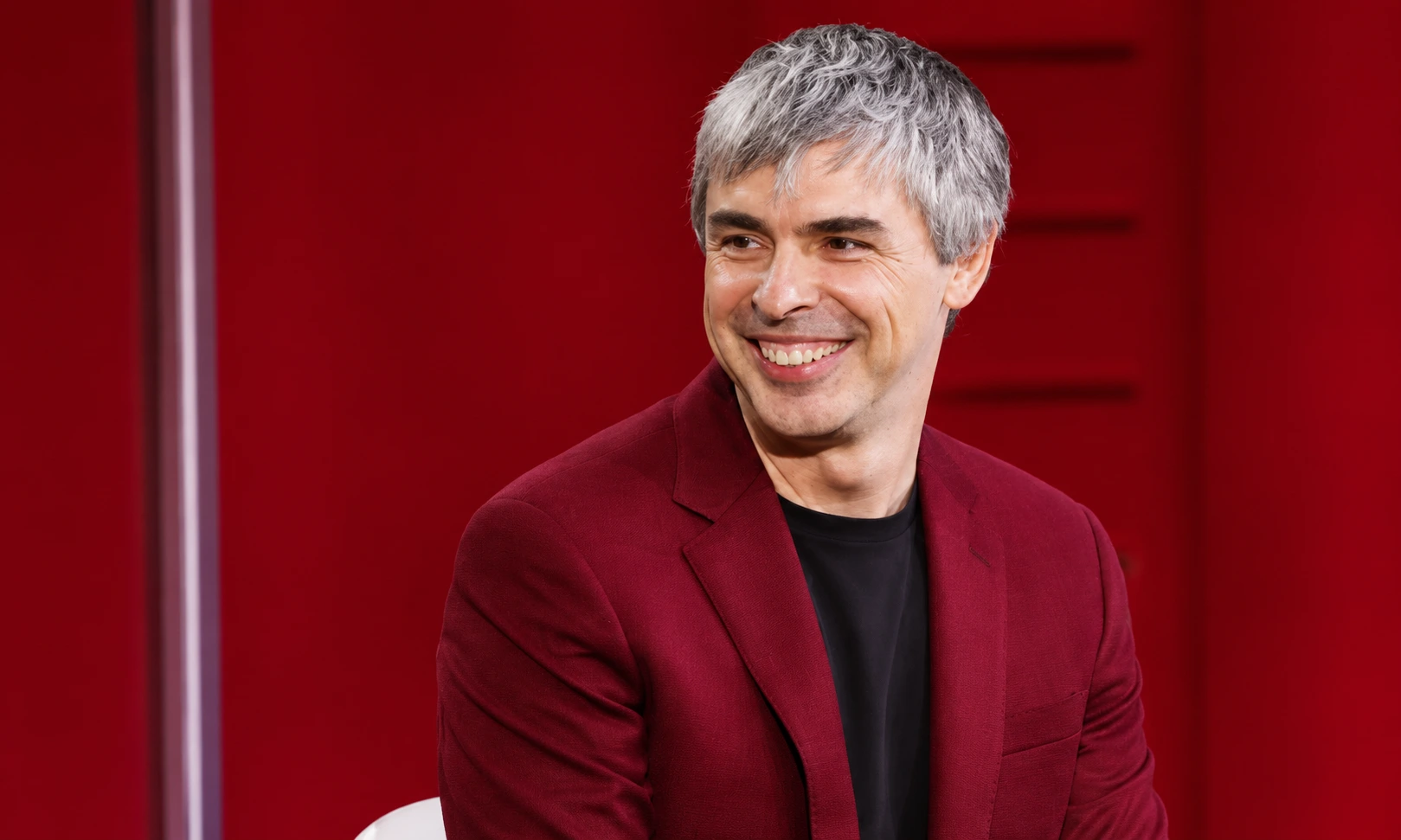
The Google co-founder returned to the top of the wealth ranks as Alphabet’s artificial-intelligence push paid off. Page, who stepped back from day-to-day management years ago, still holds a vast stake in the company he built in a Stanford dorm room, and 2026 was the year the market stopped doubting Google’s AI position.
His fortune also reflects a broader truth: the founders of the internet’s infrastructure keep getting richer as AI makes that infrastructure more valuable. 2030 projection: $380–480 billion. Driver: Alphabet’s AI monetisation and cloud growth.
3. Sergey Brin — $237 billion

Page’s co-founder and fellow Google architect, Brin has quietly become one of the most consequential figures in AI returning to hands-on work on the company’s Gemini models. His wealth tracks Page’s almost exactly, since both hold similar stakes, but Brin’s renewed technical involvement gives him a direct hand in the technology now driving the valuation.
The two Google founders are worth nearly half a trillion dollars combined. 2030 projection: $350–440 billion. Driver: same Alphabet AI upside as Page, with Brin’s research role a small additional edge.
4. Jeff Bezos — $224 billion
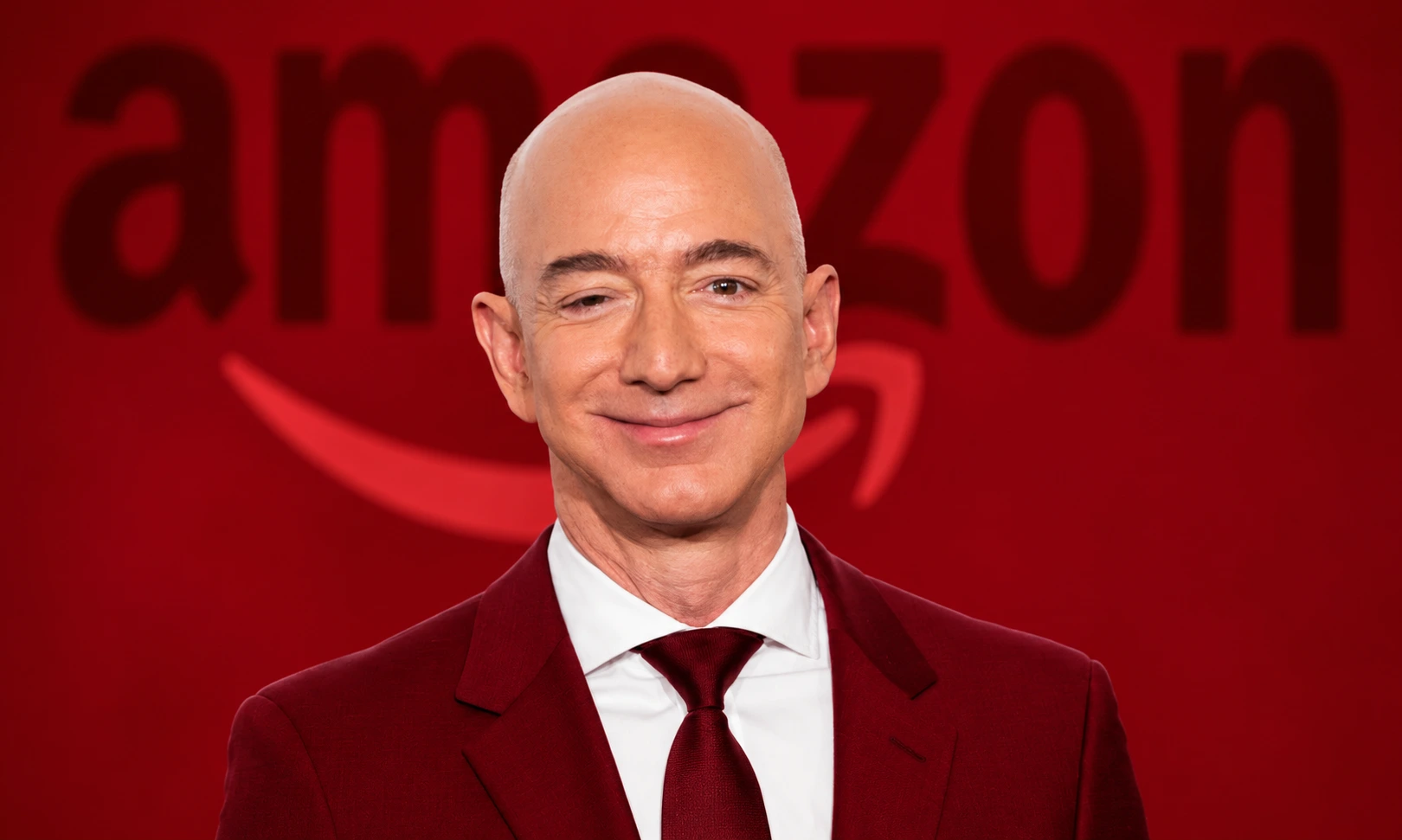
Amazon’s founder remains firmly in the top five, his fortune still anchored by the e-commerce and cloud empire he built from a Seattle garage. In 2026, Amazon Web Services’ AI workloads and the company’s advertising business kept the shares climbing, while Bezos’s space venture Blue Origin moved from promise toward regular operations.
He has also been selling Amazon stock in large, regular tranches and still getting richer. 2030 projection: $300–380 billion. Driver: AWS AI demand and Amazon’s advertising and logistics machine.
5. Mark Zuckerberg — $222 billion
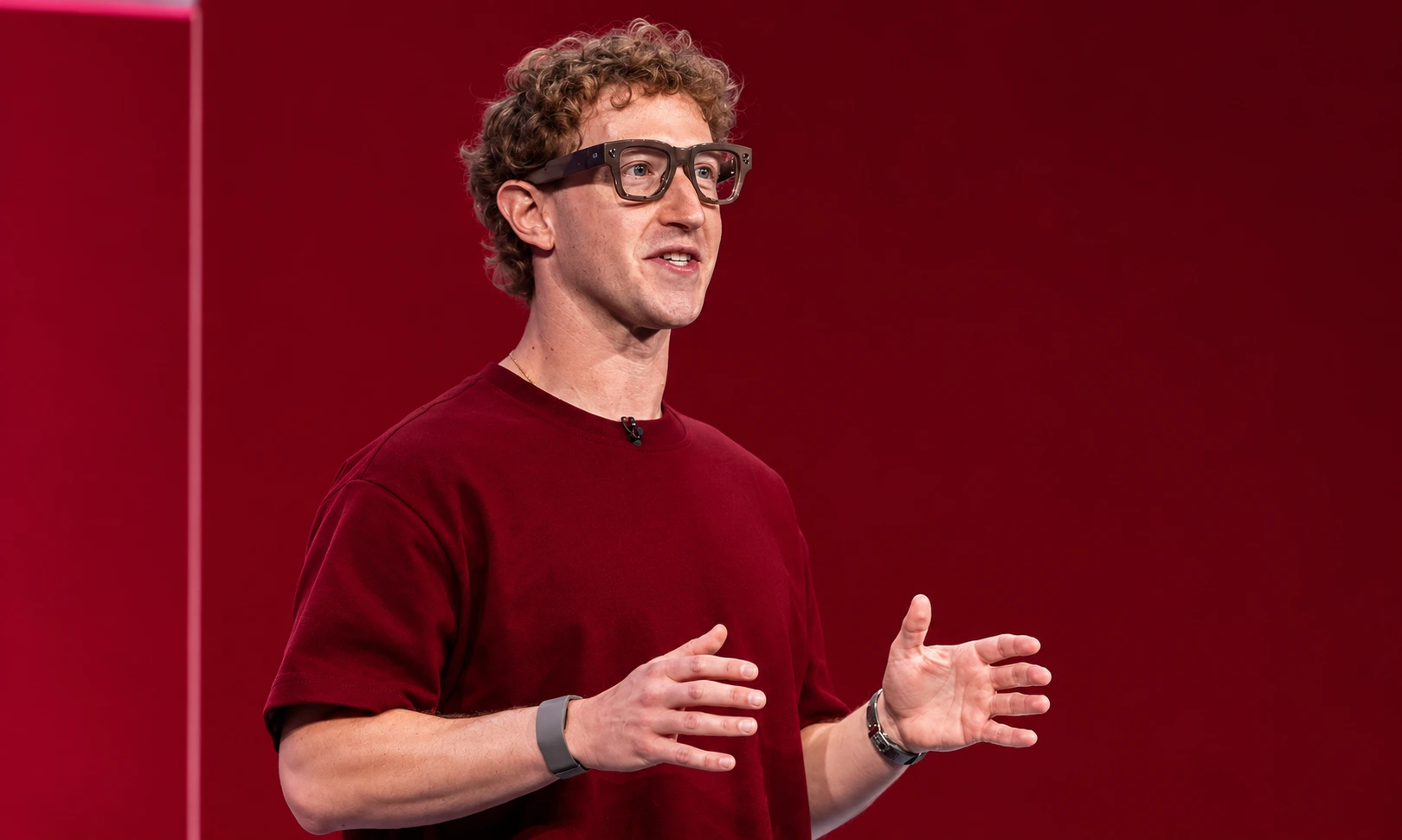
At 41, Zuckerberg is the youngest person in the top five, and the one with the most runway. Meta’s fortune turned decisively in 2026 as its AI investments open models, AI-powered advertising and smart glasses began to pay for themselves, and the Reality Labs losses that once alarmed investors faded into the background.
He controls Meta with a voting grip few founders enjoy, and he is spending that freedom on the biggest AI bet in corporate history. 2030 projection: $320–400 billion. Driver: AI advertising and Meta’s lead in AI wearables.
6. Larry Ellison — $190 billion
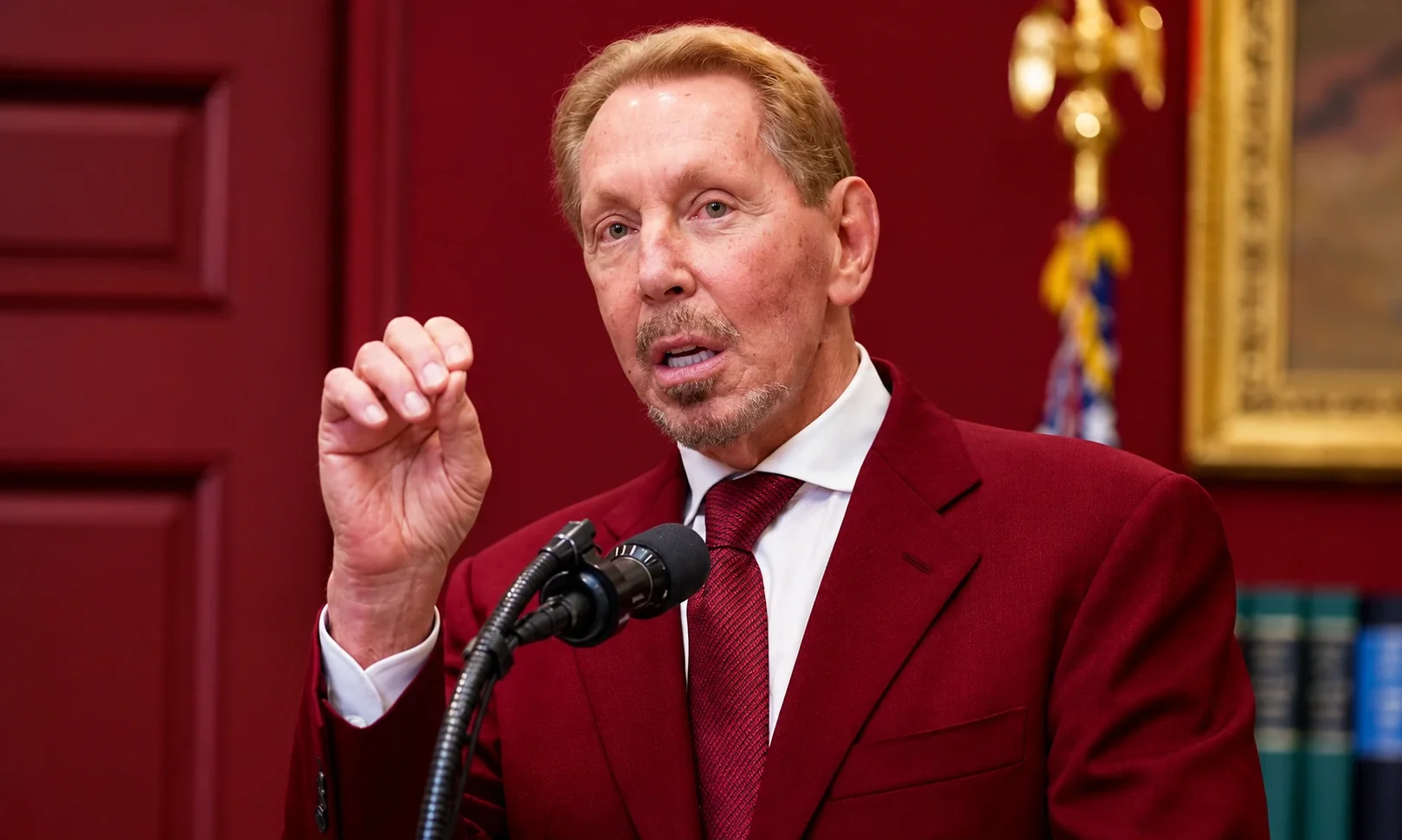
Oracle’s co-founder enjoyed one of the great late-career surges in business history. At 81, Ellison watched Oracle become a central player in the AI infrastructure boom, as its cloud business won massive contracts to host AI workloads. The company’s database legacy gave it a trusted position, and the AI wave gave it growth it had not seen in decades.
Ellison also remains one of the largest individual shareholders of Tesla. 2030 projection: $240–320 billion. Driver: Oracle Cloud’s AI workload growth, plus his Tesla stake.
7. Bernard Arnault & family — $171 billion

The only European in the top ten, Arnault built LVMH into the world’s largest luxury group Louis Vuitton, Dior, Moët & Chandon, Tiffany and some seventy other houses. Luxury had a softer year in 2026 as Chinese demand cooled and aspirational shoppers pulled back, which is why Arnault slipped from the very top, but the empire’s pricing power and brand depth remain unmatched.
The succession question which of his five children takes the reins is now the most-watched family drama in business. 2030 projection: $200–250 billion. Driver: recovery in Chinese luxury spending and LVMH’s brand pricing power.
8. Jensen Huang — $154 billion
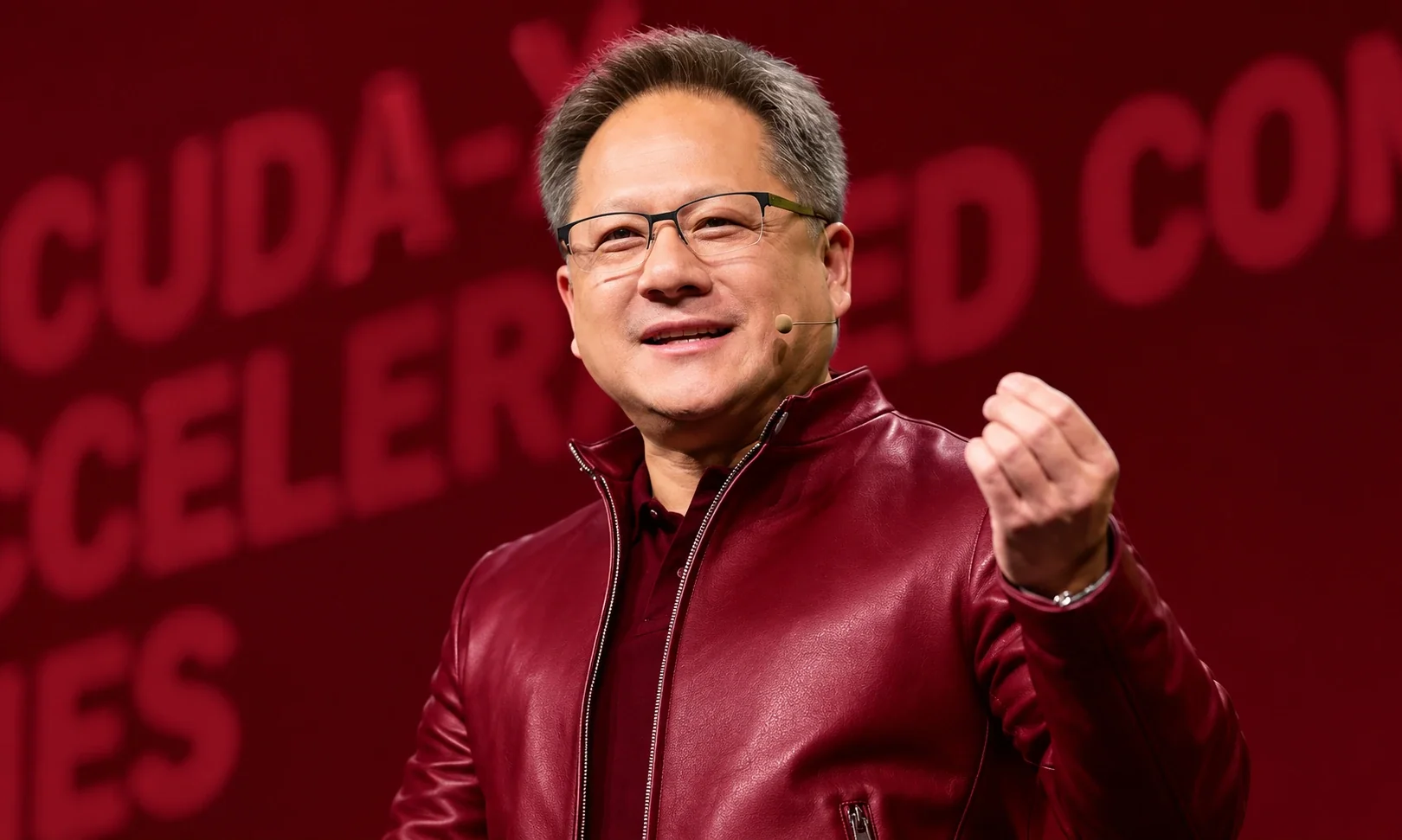
No fortune in 2026 was more directly tied to a single technology than Huang’s. The Nvidia co-founder and chief executive turned a graphics-chip company into the indispensable supplier of the AI age: every serious AI model in the world trains on Nvidia hardware.
Huang, who still wears his trademark leather jacket and runs the company with an engineer’s intensity, has become the face of the AI boom and the wealthiest chipmaker in history. 2030 projection: $280–360 billion. Driver: continued dominance of AI accelerators, with competition from custom chips the main threat.
9. Warren Buffett — $149 billion
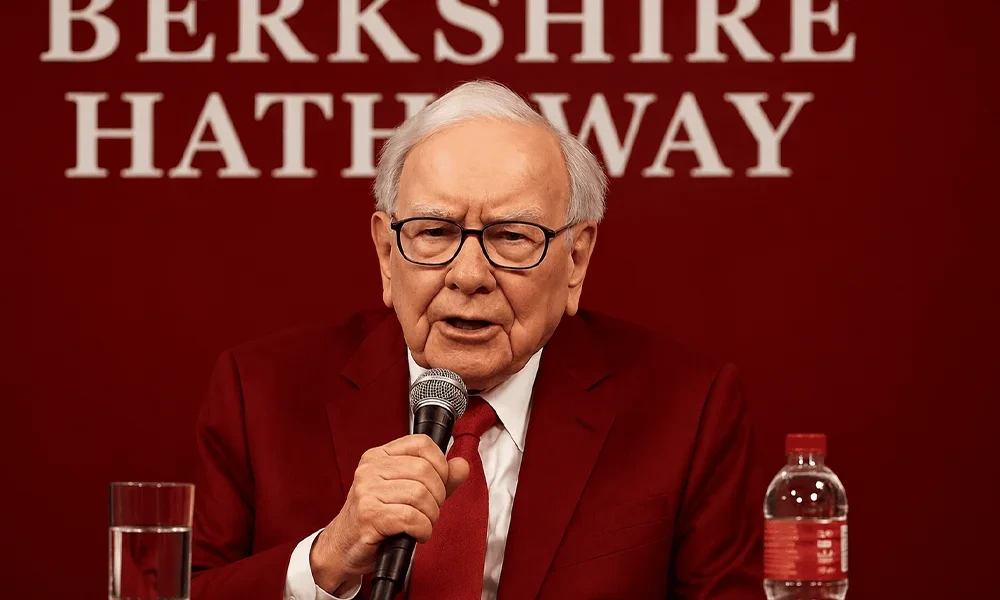
At 95, Buffett remains the conscience of American capitalism and the richest investor who ever lived. Berkshire Hathaway’s empire of insurance, railroads, energy and consumer brands keeps compounding, and the company’s cash pile, now enormous, is the envy of every boardroom.
The great question of 2026 is succession: Buffett has made clear the plan is in place, and the market’s calm acceptance of it is itself a tribute. He has also given away tens of billions and pledged to give away almost everything. 2030 projection: $140–170 billion. Driver: Berkshire’s steady compounding, offset by continued philanthropy and the succession transition.
10. Amancio Ortega — $148 billion
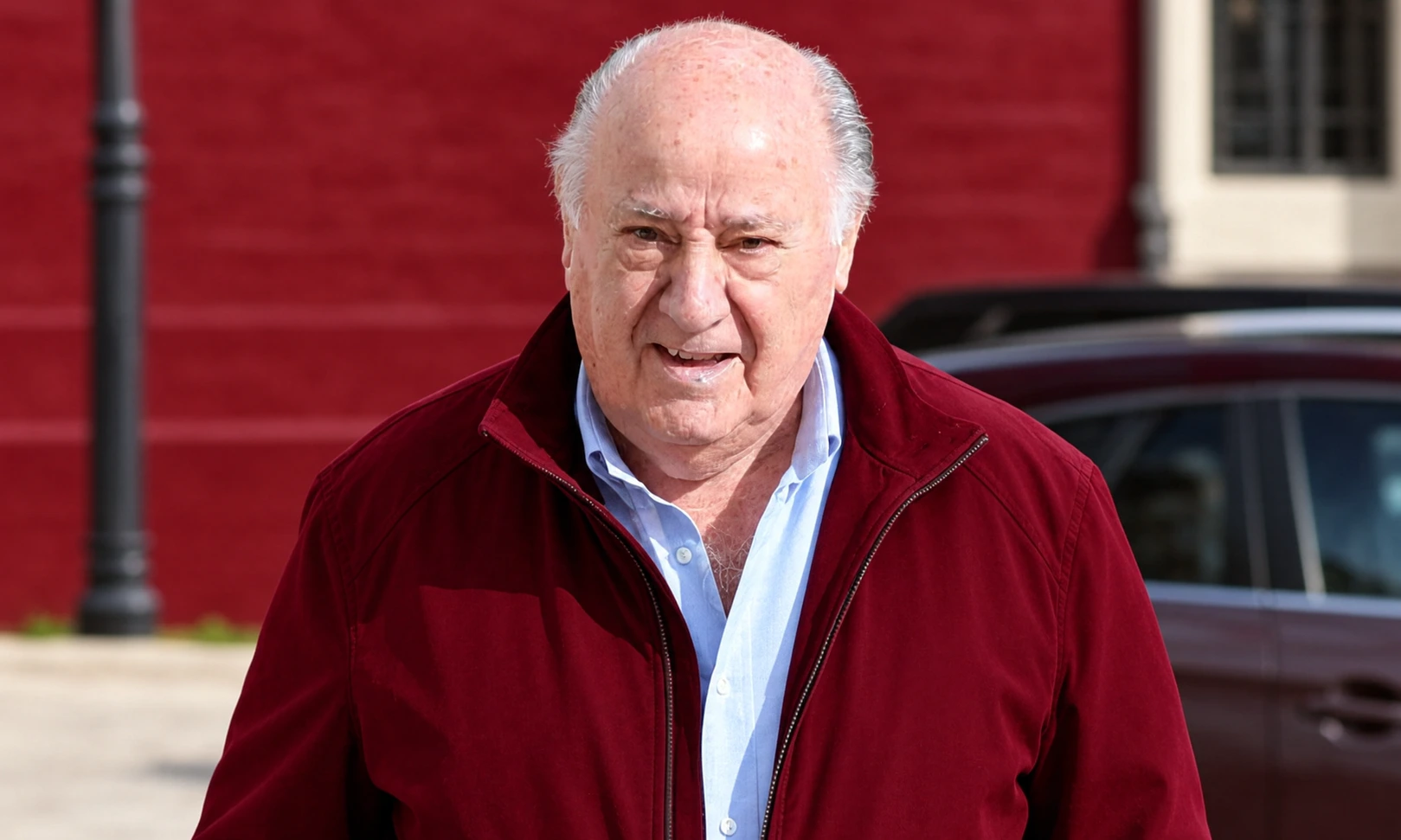
Spain’s richest person built Zara and its parent Inditex into the world’s largest fashion retailer, pioneering the fast-fashion model that turned runway trends into shop-floor reality within weeks. At 89, Ortega keeps a famously low profile he has never given a television interview while his property portfolio quietly makes him one of the world’s biggest commercial landlords.
Inditex’s logistics machine remains the benchmark every retailer studies. 2030 projection: $160–200 billion. Driver: Inditex’s global store and online growth plus prime property income.
11. Rob Walton & family — $146 billion
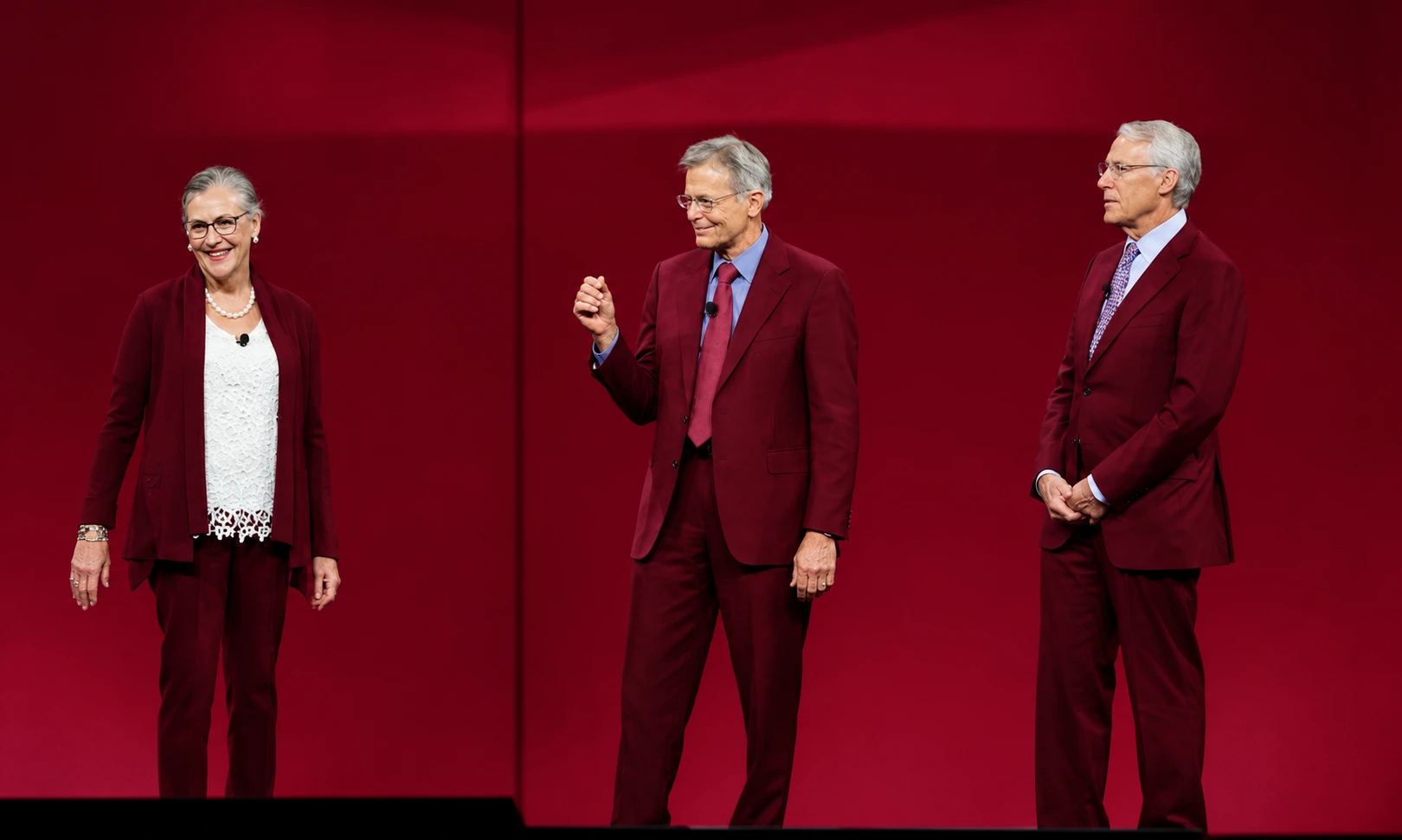
The eldest son of Walmart founder Sam Walton, Rob chaired the retail giant for more than two decades and remains its most prominent family steward.
Walmart’s 2026 strength groceries, e-commerce and advertising growing together lifted all three Walton siblings at once, and the family’s wealth is now so large it is effectively a shared institution, managed through trusts and the family office. 2030 projection: $170–210 billion. Driver: Walmart’s grocery, e-commerce and advertising growth.
12. Jim Walton & family — $143 billion
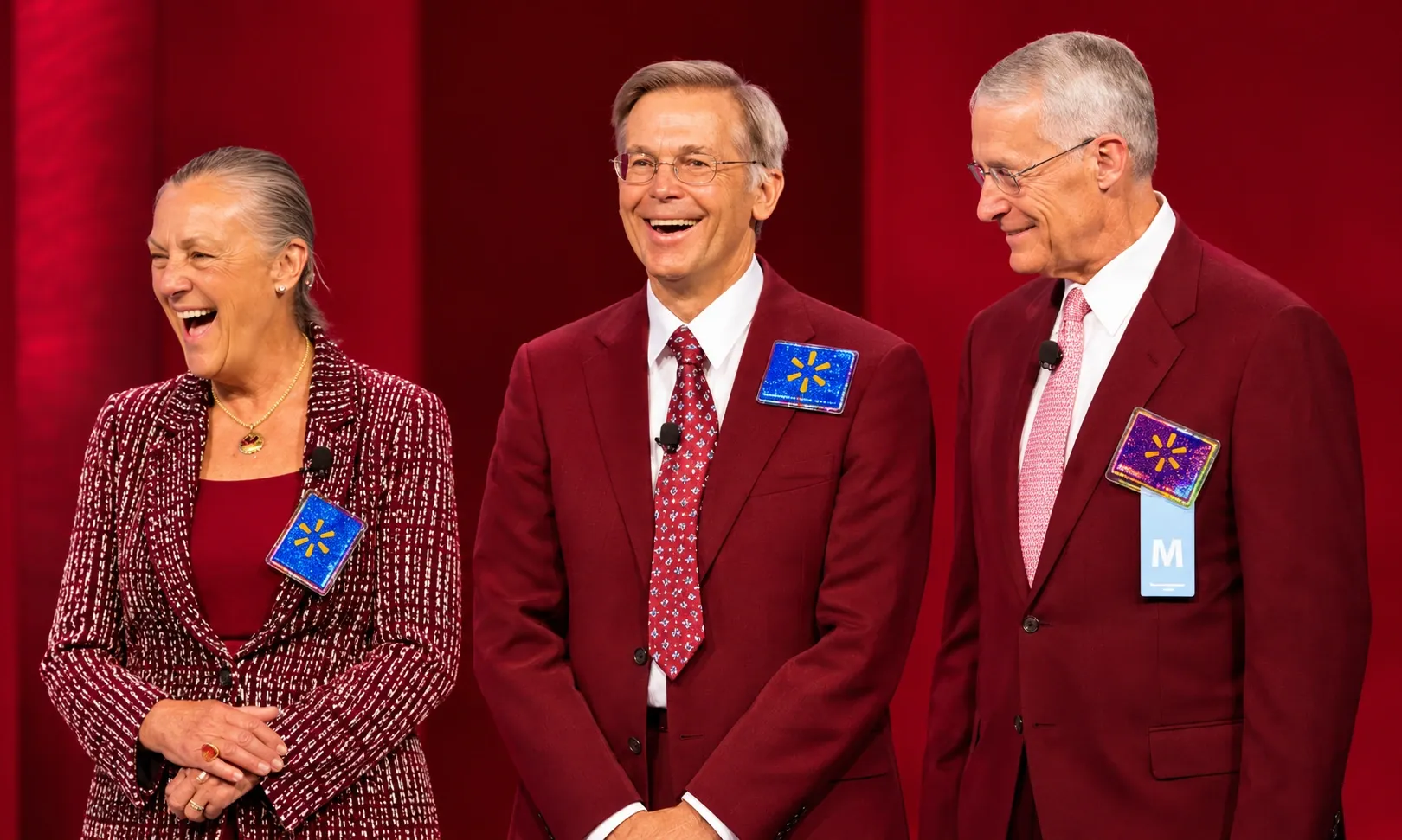
The youngest of Sam Walton’s sons, Jim chairs Arvest Bank and sits at the centre of the family’s financial operations. His fortune moves in lockstep with his siblings’, since all of it flows from the same Walmart stake, but Jim’s banking interests add a distinct layer.
The Walton siblings’ combined wealth now exceeds the GDP of many countries a fact that keeps the family, and American inequality, in the headlines. 2030 projection: $165–205 billion. Driver: Walmart’s compounding, plus Arvest Bank’s steady returns.
13. Michael Dell — $141 billion
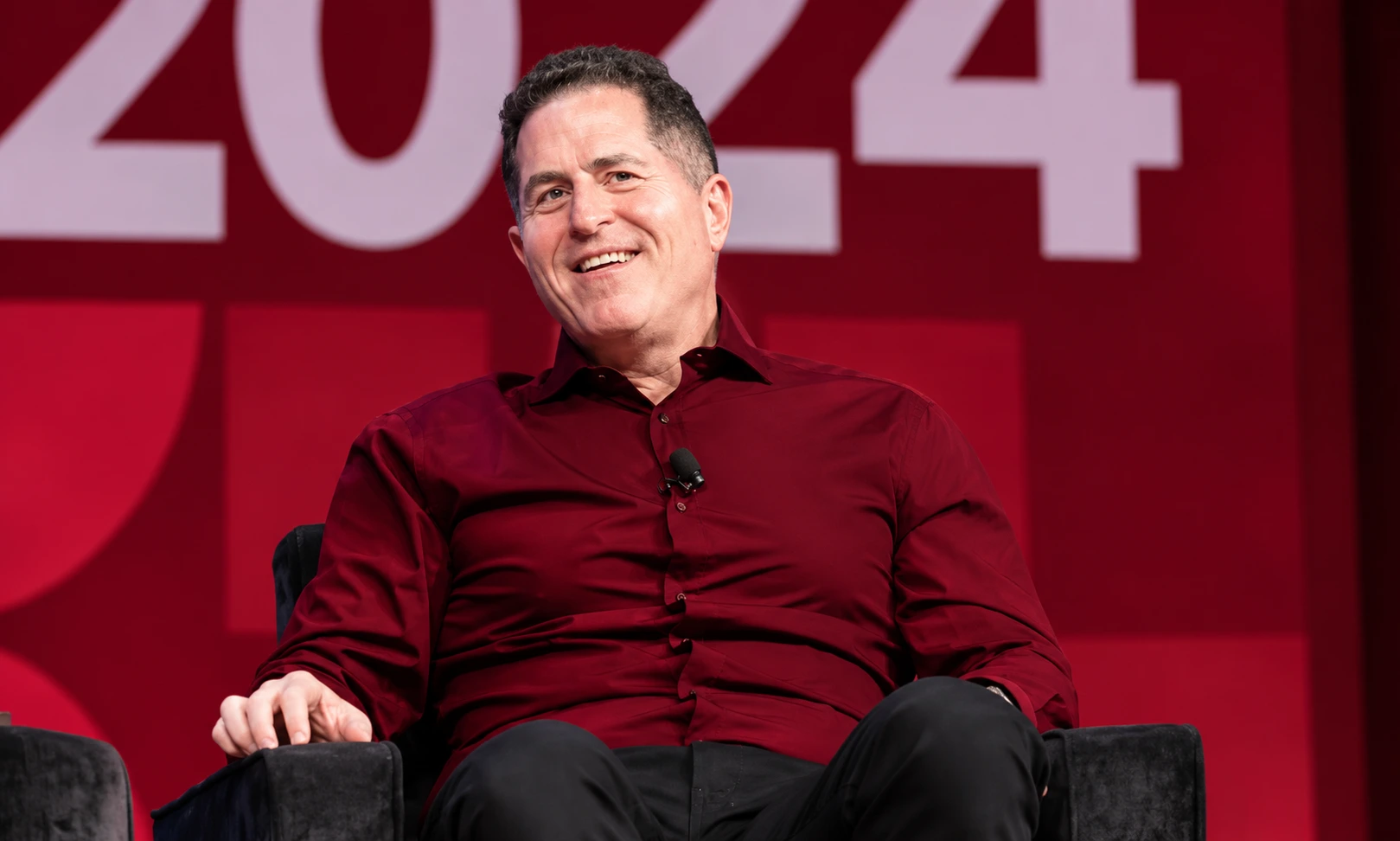
The man who started selling computers from his university dorm room in 1984 is now riding a second wave. Dell Technologies became a quiet giant of the AI era, supplying the servers and infrastructure that companies need to run AI workloads, and the shares responded.
Dell has also become a major force in philanthropy alongside his wife Susan, with billions committed to education and health. 2030 projection: $180–240 billion. Driver: AI server and infrastructure demand.
14. Alice Walton — $134 billion
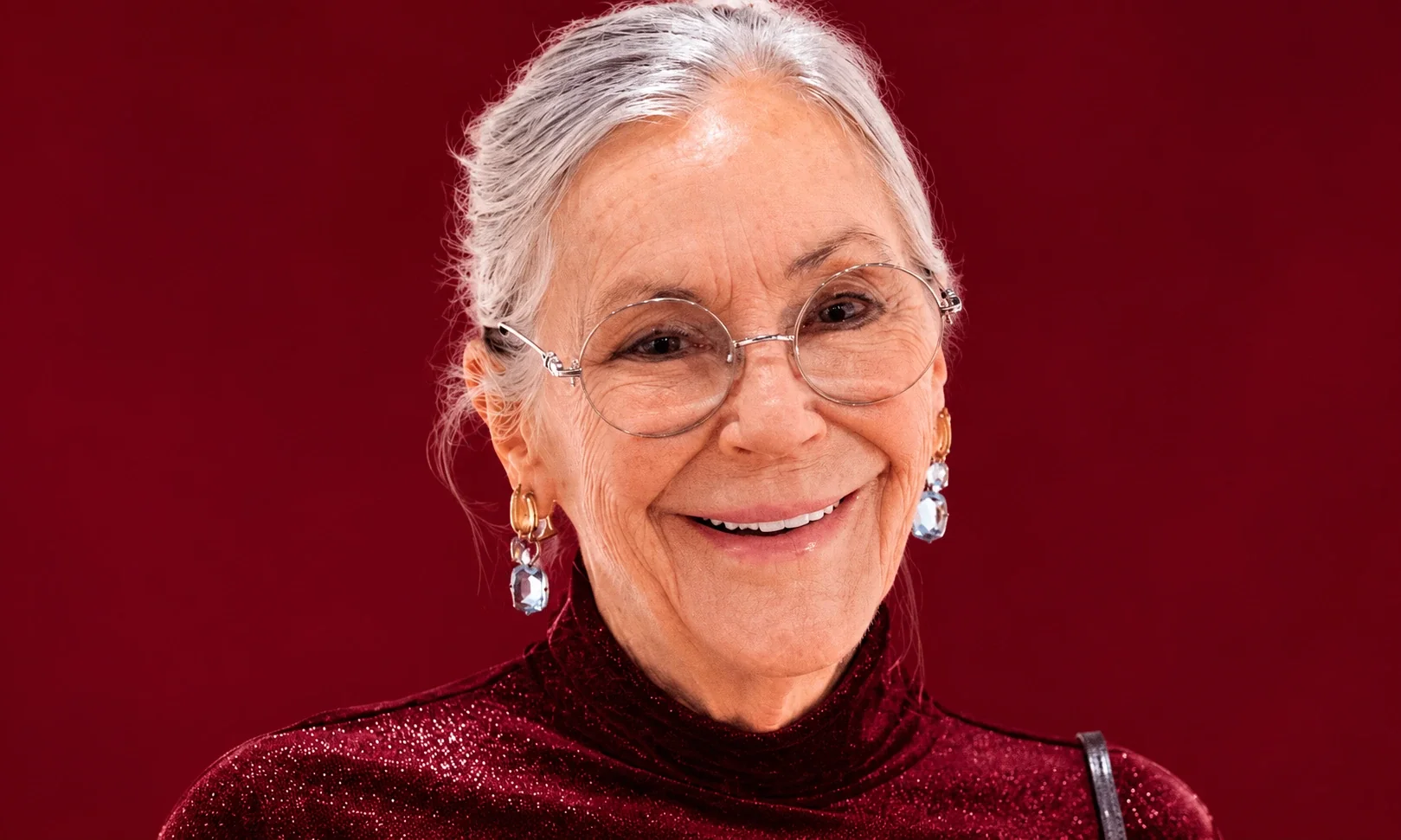
The richest woman in the world, Alice Walton is the only Walton sibling who never worked in the family business, choosing art instead. She founded the Crystal Bridges Museum of American Art in Arkansas and has since built a health and arts empire in the state, including a medical school and an institute for whole-person health.
Her Walmart inheritance keeps growing regardless, making her philanthropy possible at a scale few can match. 2030 projection: $155–195 billion. Driver: Walmart’s growth funding her expanding arts and health philanthropy.
15. Steve Ballmer — $126 billion
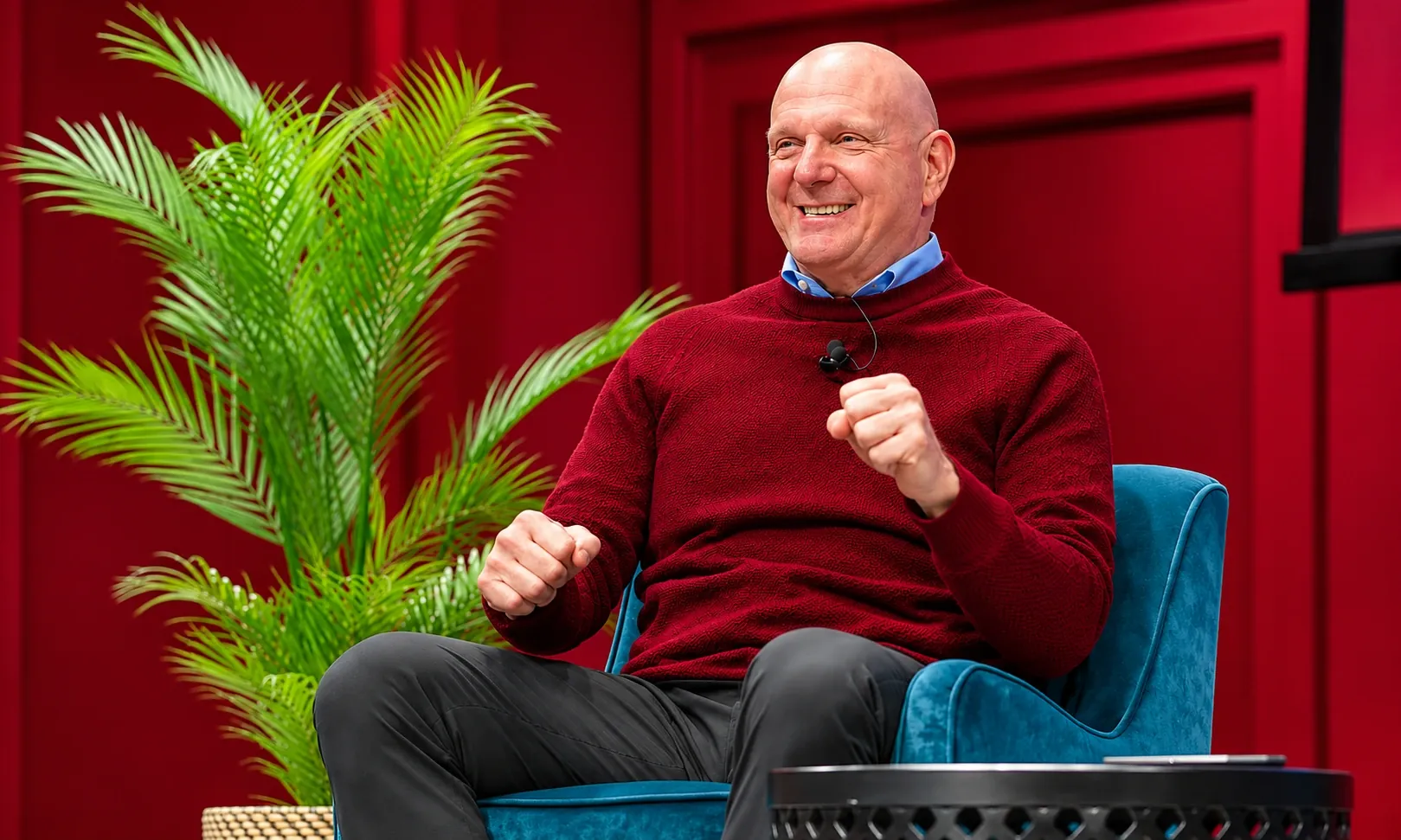
Microsoft’s former chief executive, who took over from Bill Gates and led the company for fourteen years, is now richer than his old boss thanks to the shares he kept. Ballmer has poured his energy and a large part of his fortune into the Los Angeles Clippers and into data-driven philanthropy, including a vast project to make American government data understandable to ordinary citizens.
He remains the most exuberant personality in the billionaire class. 2030 projection: $150–190 billion. Driver: Microsoft’s AI and cloud compounding on his retained stake.
16. Carlos Slim Helu & family — $125 billion
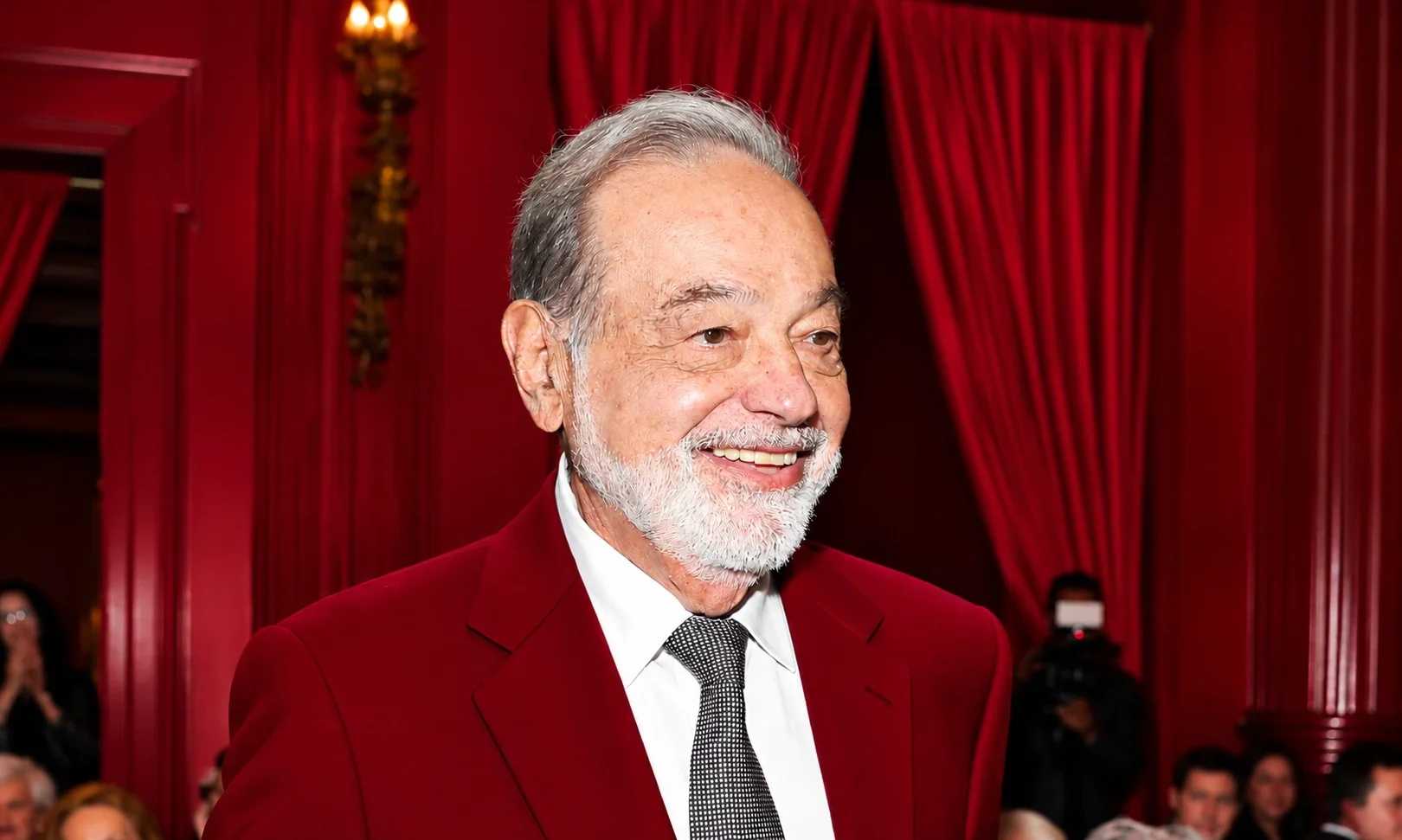
Mexico’s richest person built his fortune on telecoms, taking control of the national phone company in 1990 and turning it into the América Móvil empire that spans Latin America. At 86, Slim has diversified far beyond phones into construction, mining, retail and finance and his family now runs the sprawling Grupo Carso.
He remains famously frugal for a man of his wealth, still working from a modest office. 2030 projection: $130–160 billion. Driver: Latin American telecom and infrastructure growth, at a steadier pace than the tech fortunes.
17. Changpeng Zhao — $110 billion

The highest-ranked crypto billionaire on the 2026 list, known to the world as CZ, founded Binance and built it into the largest cryptocurrency exchange on the planet.
His fortune is a reminder of how completely crypto has entered the mainstream of wealth: a decade ago, no crypto founder would have made the top hundred. Binance’s dominance of trading volumes, and CZ’s large personal holdings, make his wealth the most volatile in the top twenty. 2030 projection: $90–180 billion. Driver: crypto market cycles and regulation the widest range in this ranking, because the outcome depends on both.
18. Michael Bloomberg — $109 billion
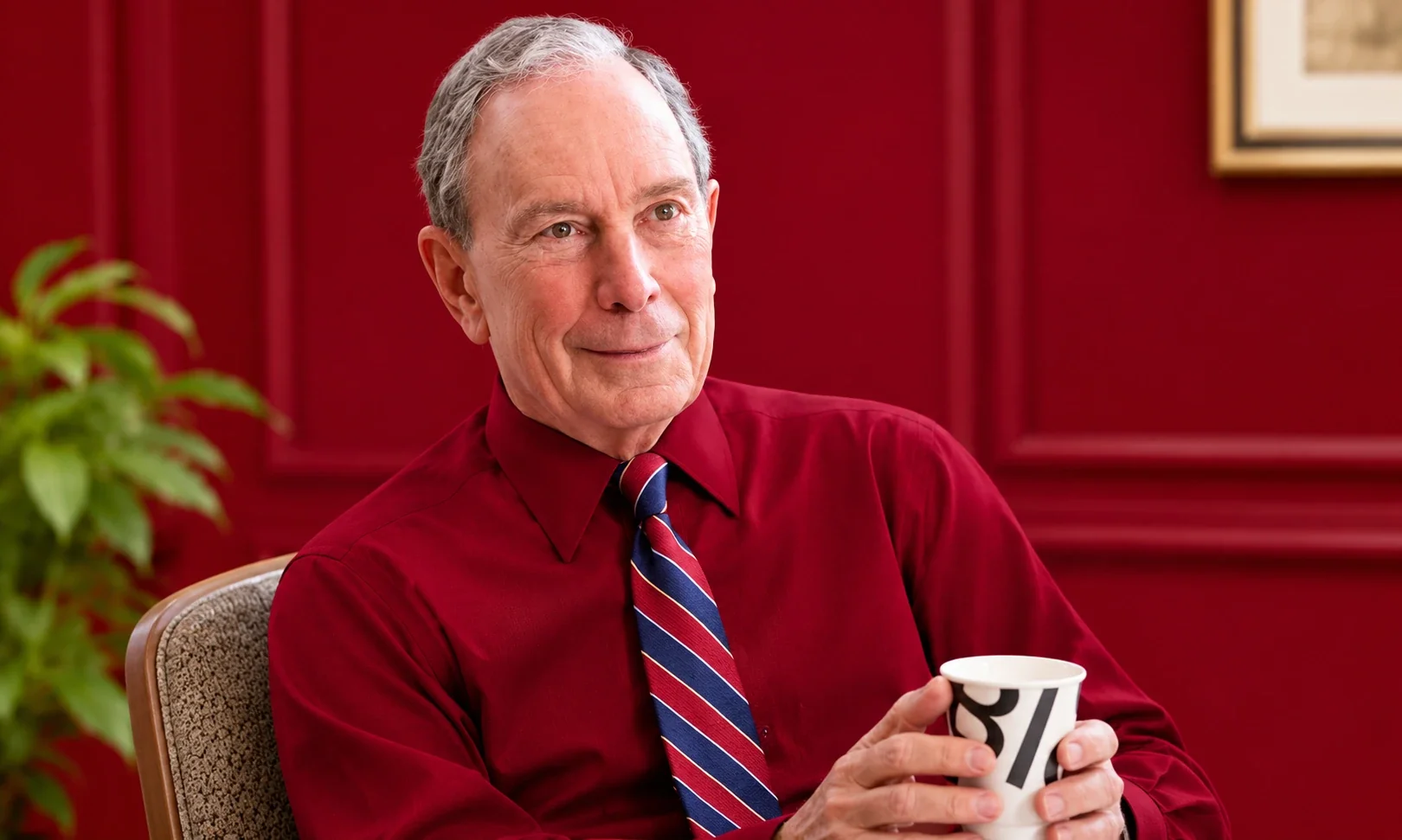
The former New York mayor built Bloomberg LP into the information terminal that the financial world cannot function without, and that subscription business throws off cash in almost any market. At 84, Bloomberg has given away more than $17 billion and has pledged to give away the company itself, or its value, after his death.
His fortune is remarkable for how little it depends on fashion or momentum: banks and funds simply need the terminal. 2030 projection: $120–150 billion. Driver: Bloomberg Terminal subscriptions and the firm’s data and media expansion.
19. Bill Gates — $108 billion
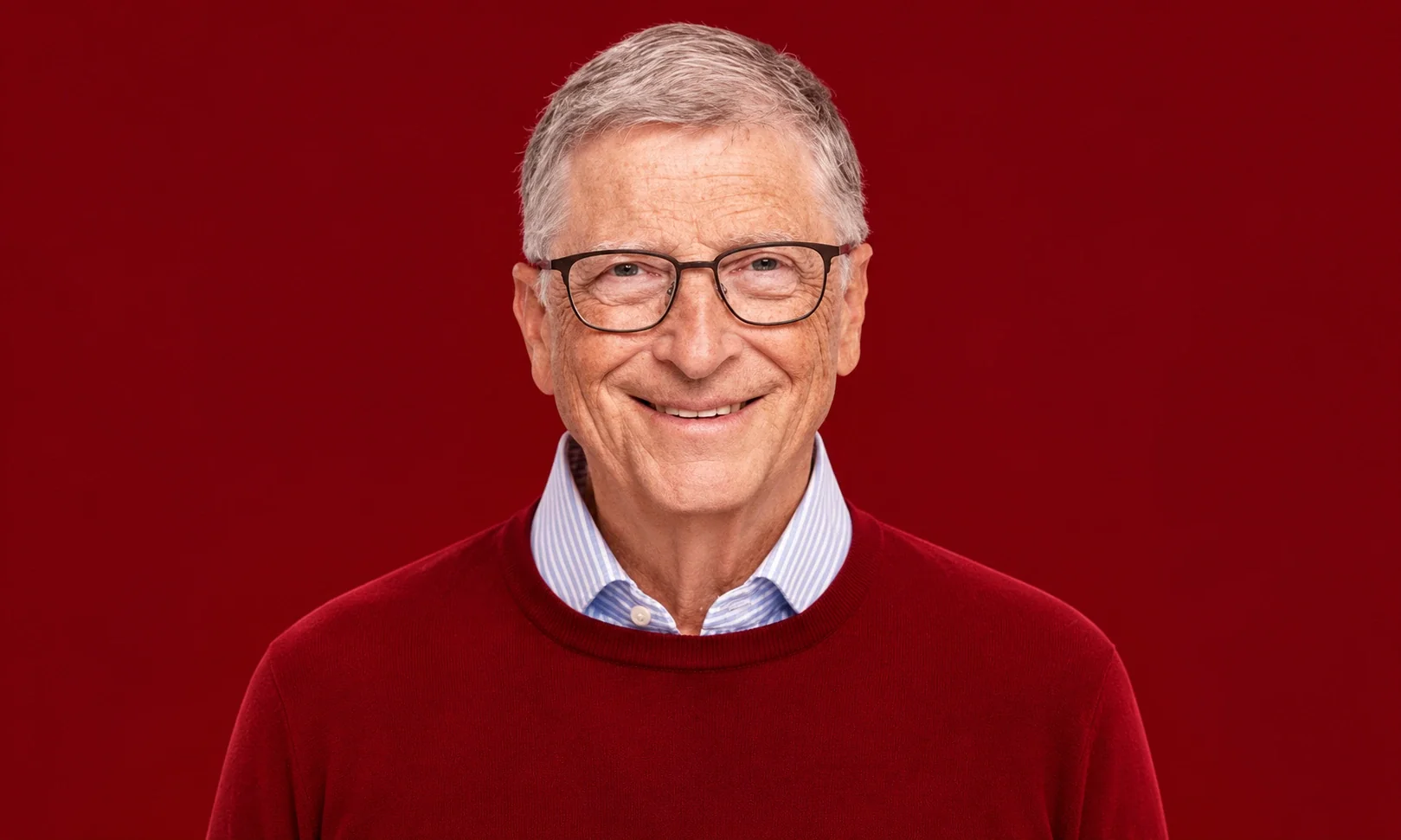
Microsoft’s co-founder has spent the last quarter-century deliberately shrinking his fortune through the Gates Foundation, which works on global health, poverty and climate. That he remains in the top twenty after giving away tens of billions says everything about the scale of the Microsoft fortune and the strength of his diversified investment vehicle, Cascade.
Gates has said he intends to give away nearly everything within his lifetime. 2030 projection: $110–140 billion. Driver: Cascade’s investments compounding, largely offset by accelerating philanthropy.
20. Francoise Bettencourt Meyers & family — $100 billion
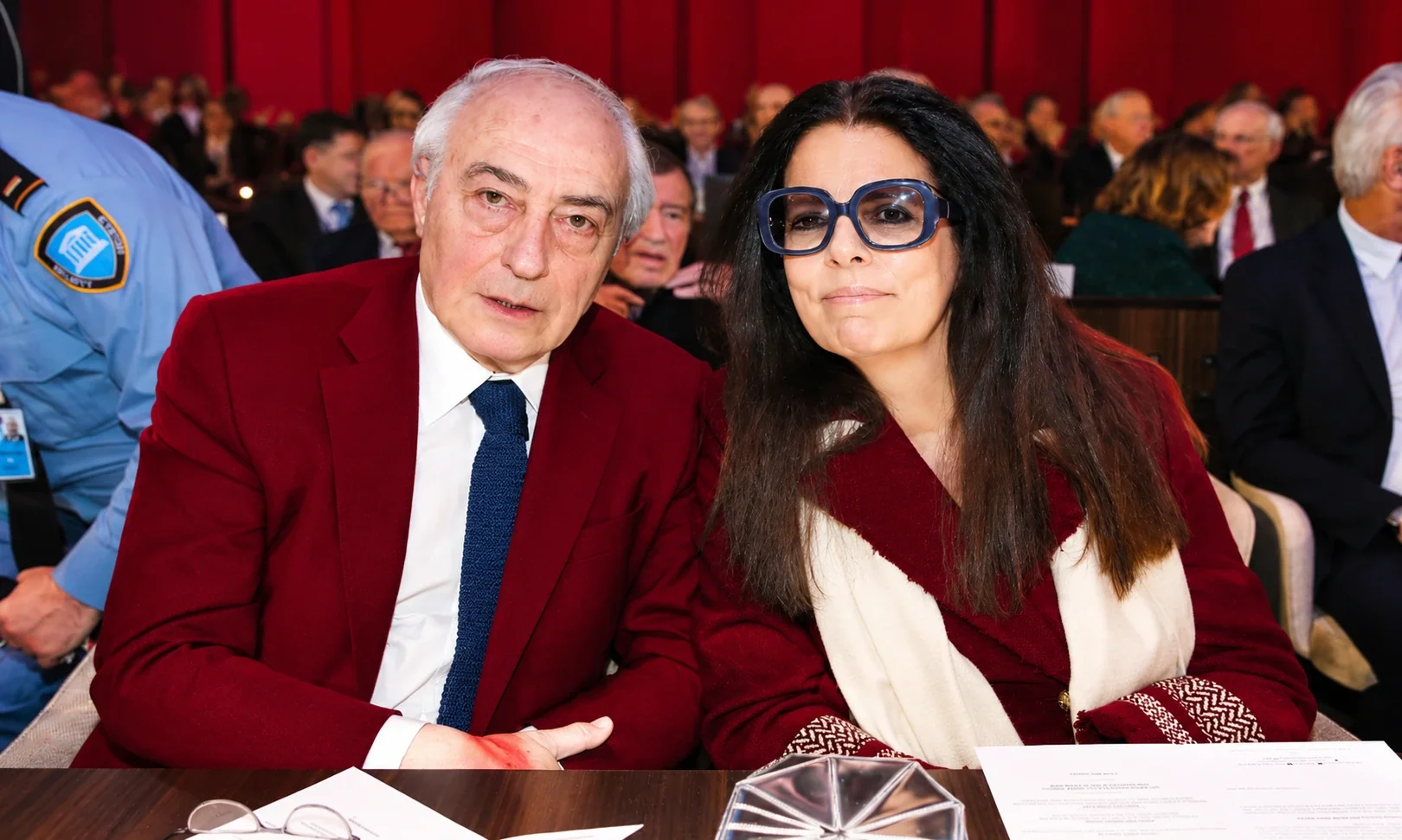
The L’Oréal heiress, granddaughter of the cosmetics group’s founder, is the richest woman in Europe and the largest shareholder in the world’s biggest beauty company. Bettencourt Meyers is also a published author and a scholar of Greek mythology a reminder that some of the great fortunes are inherited by people who never sought the spotlight.
L’Oréal’s global reach, from Paris counters to Chinese e-commerce, keeps the family fortune compounding. 2030 projection: $110–140 billion. Driver: L’Oréal’s premium beauty growth in Asia and the Americas.
21. Mukesh Ambani — $99.7 billion
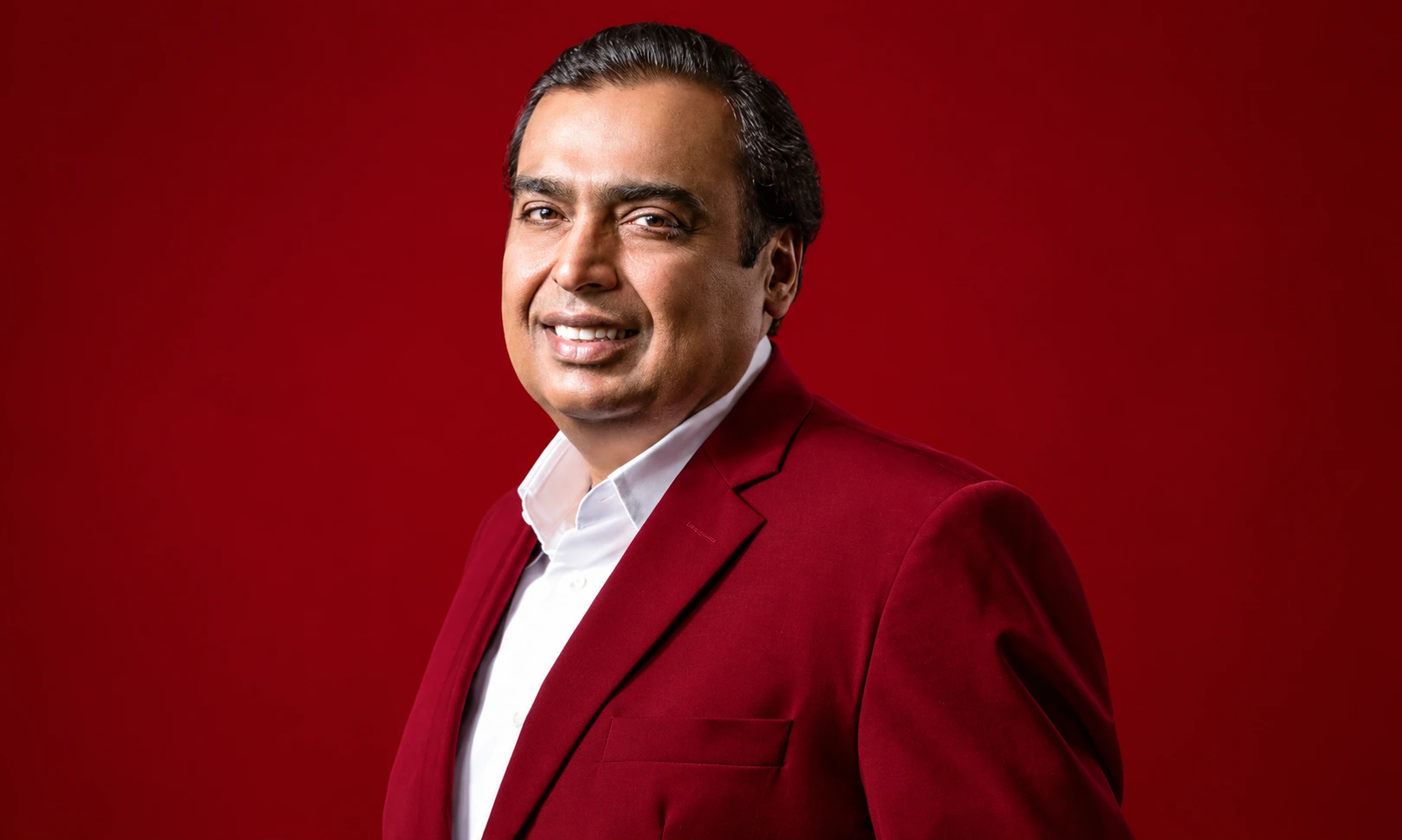
Asia’s richest person runs Reliance Industries, the Indian conglomerate that spans oil refining, telecoms, retail and, increasingly, green energy. Ambani’s Jio telecoms venture brought cheap data to hundreds of millions of Indians and reshaped the country’s digital economy; his retail arm is now the largest in India.
The family’s vast Mumbai residence, Antilia, is a symbol of a fortune built on India’s rise. 2030 projection: $140–180 billion. Driver: India’s consumption growth and Reliance’s green-energy pivot.
22. Giancarlo Devasini — $89.3 billion
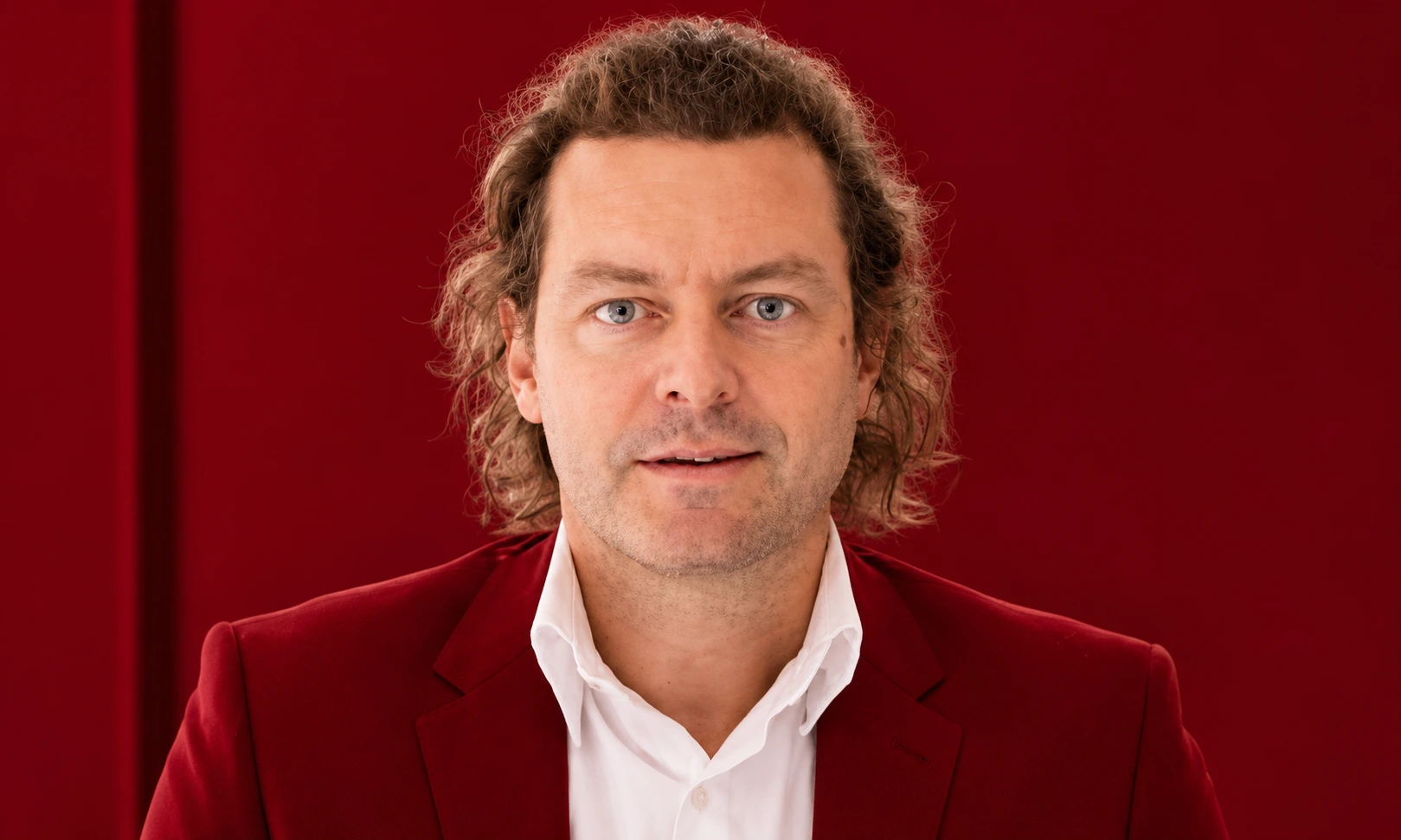
The least-known name in the top thirty is also one of the most consequential in finance. Devasini, a former plastic surgeon from Italy, is a co-founder of Tether, the company behind the world’s largest stablecoin the digital dollar that underpins much of global crypto trading.
Tether’s reserves, largely held in US Treasury bonds, generate enormous interest income, and that income has made its founders extraordinarily wealthy. 2030 projection: $70–160 billion. Driver: stablecoin adoption and interest rates, with regulation the decisive variable.
23. Thomas Peterffy — $82.9 billion
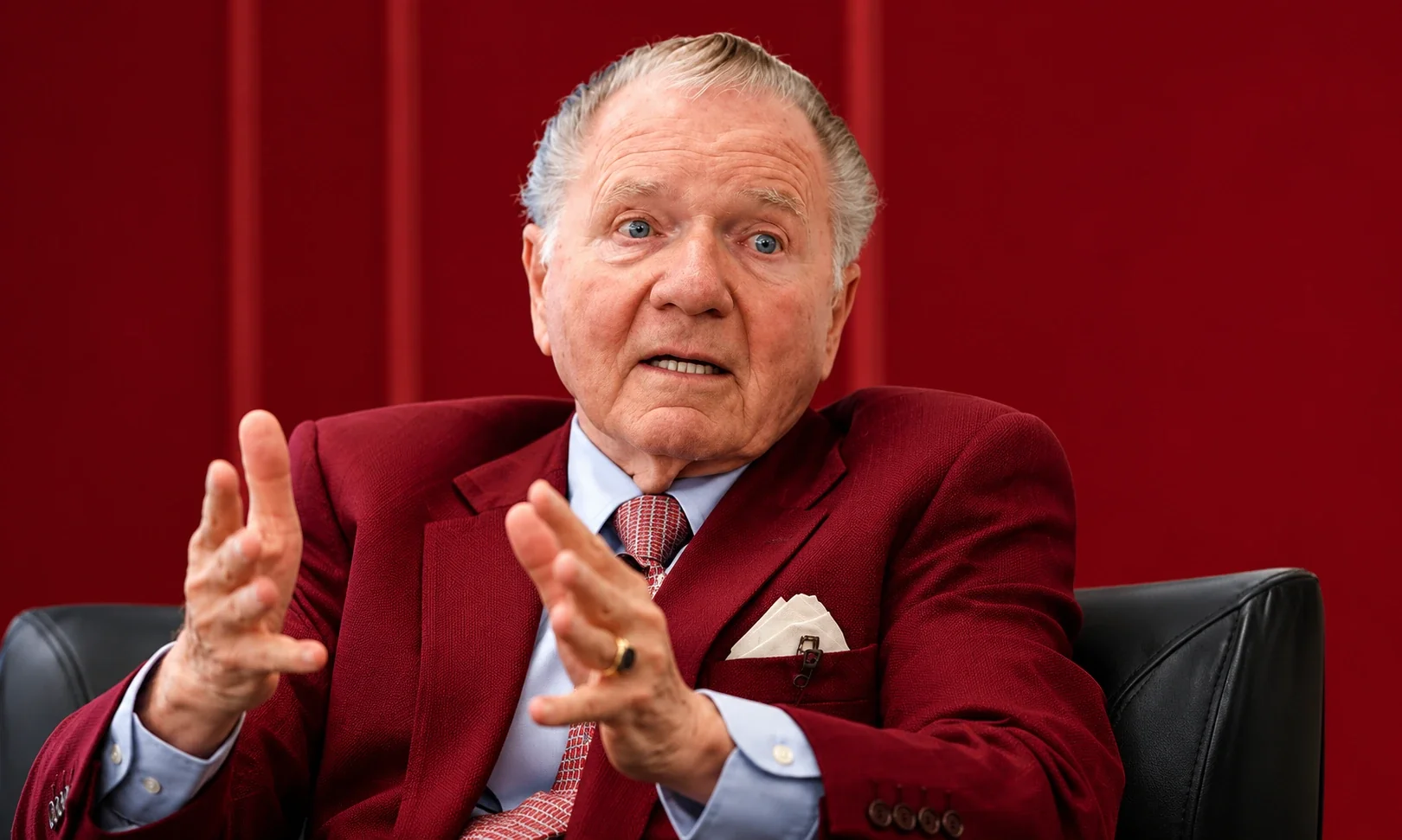
The Hungarian-born founder of Interactive Brokers fled communism, arrived in America with little, and built one of the world’s most important electronic trading firms. Peterffy automated market-making before almost anyone else, and his company now serves millions of investors across the globe.
At 81, he is still chairman and still pushing the firm into new markets. His story is the classic American-immigrant fortune built on code and compounding. 2030 projection: $100–140 billion. Driver: growth in global retail and institutional electronic trading.
24. Julia Koch & family — $81.2 billion
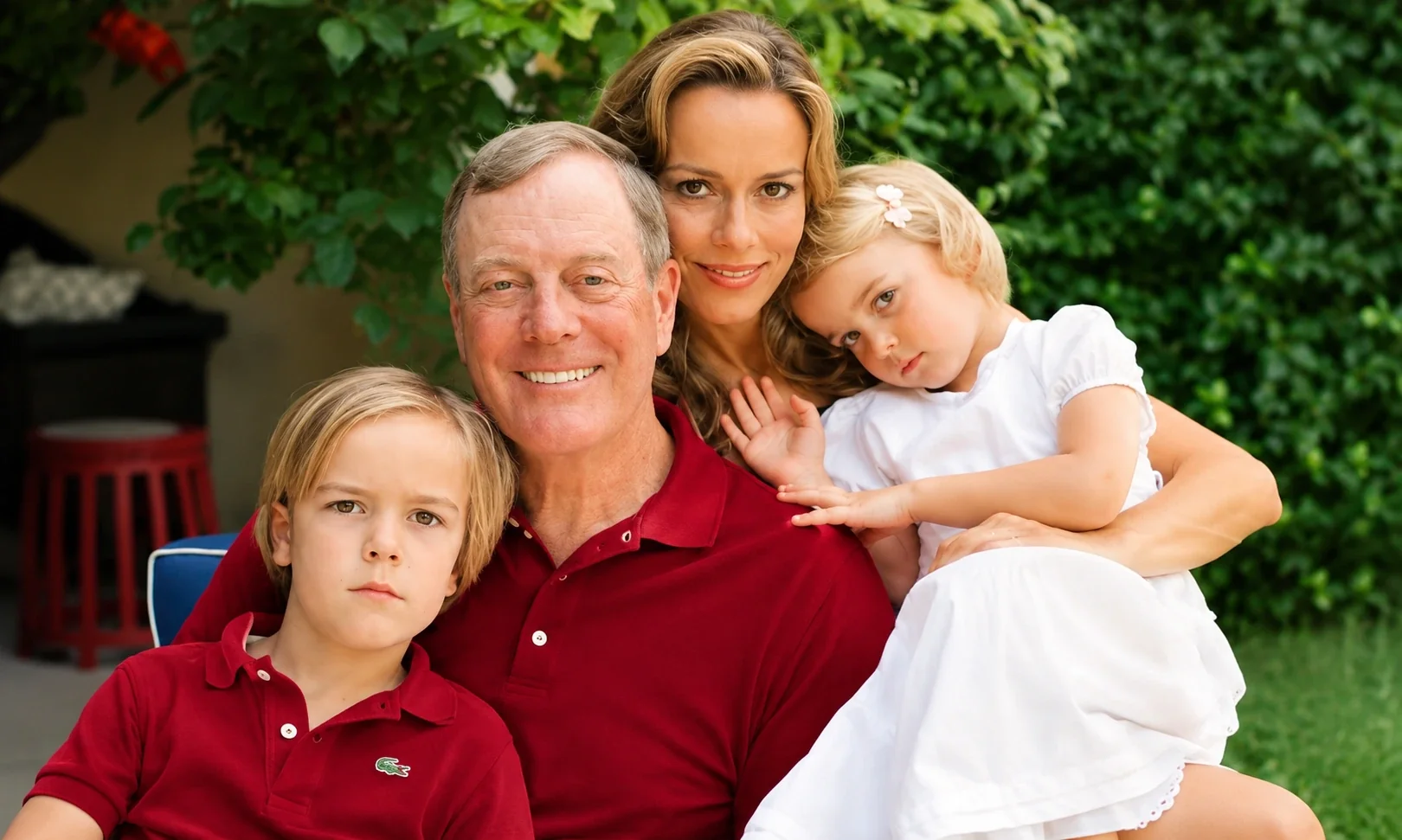
Julia Koch inherited her fortune from her late husband David Koch, and with her three children she now controls a vast stake in Koch Inc, America’s second-largest private company. The Koch fortune spans oil refining, chemicals, paper, ranching and much more, and the family has become one of the most influential forces in American philanthropy and politics.
Julia Koch keeps a lower public profile than her brother-in-law Charles, but the wealth is no smaller for it. 2030 projection: $90–120 billion. Driver: Koch Inc’s industrial compounding across its many businesses.
25. Charles Koch & family — $73.8 billion
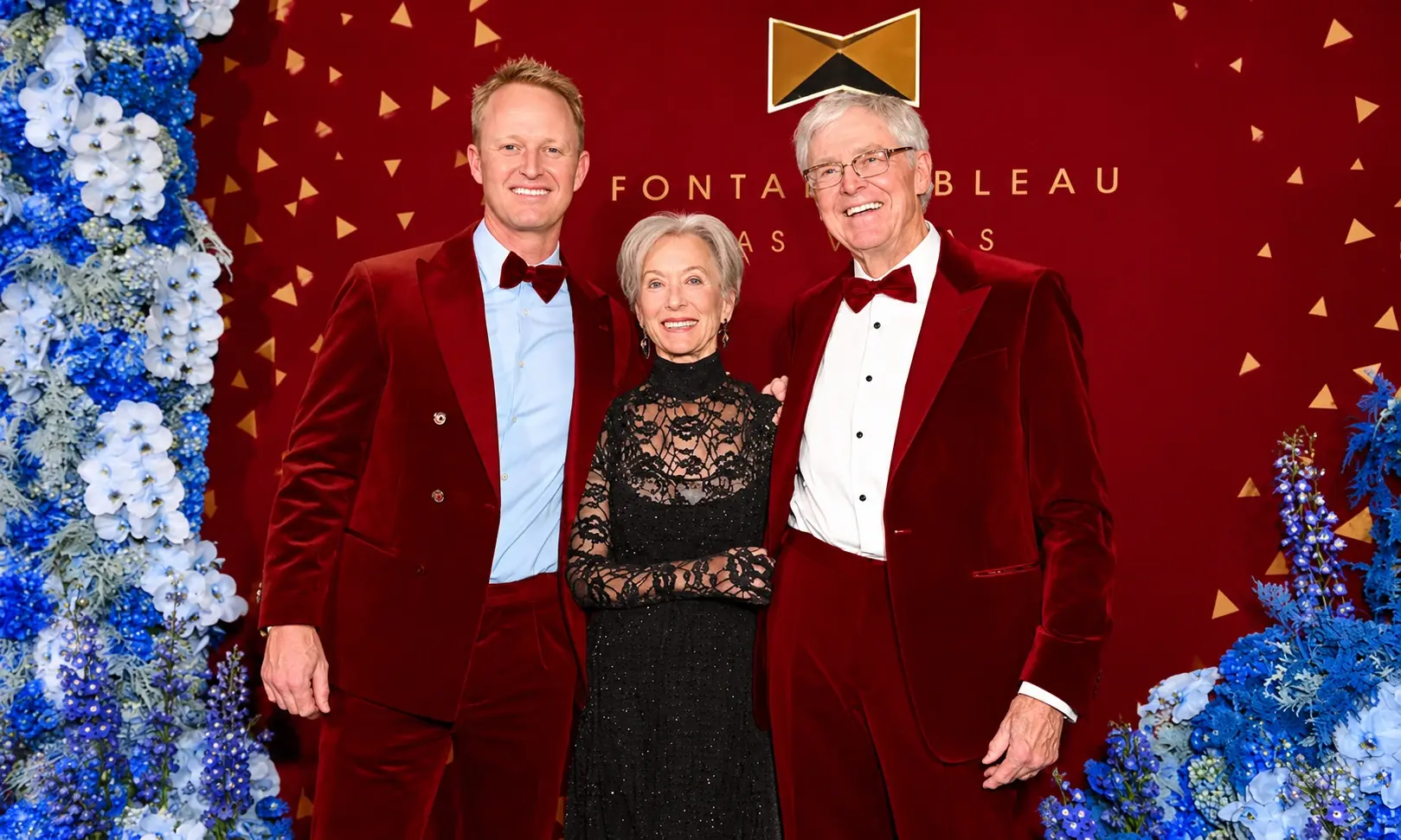
At 90, Charles Koch has run Koch Inc for more than half a century, building it from a mid-sized oil company into a conglomerate with interests in almost every corner of American industry. He is also the most famous proponent of “Market-Based Management”, the philosophy he codified in books and applied across his empire.
His fortune is a monument to decentralised management and relentless reinvestment. 2030 projection: $80–110 billion. Driver: steady industrial growth, with succession planning now central to the story.
26. Zhang Yiming — $69.3 billion
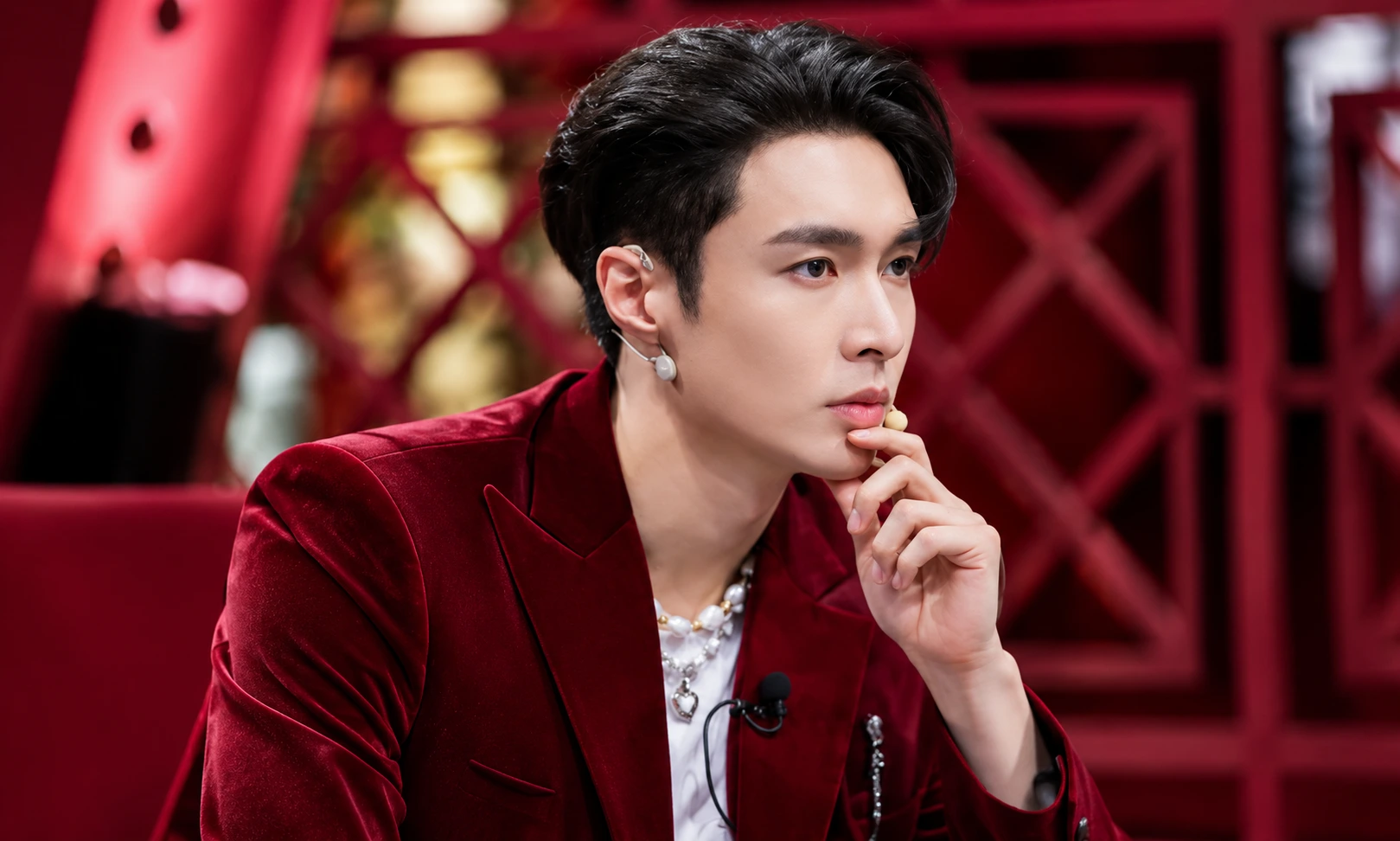
The founder of ByteDance, the company behind TikTok, is China’s richest tech entrepreneur and one of the youngest people in the top thirty.
Zhang built an algorithm-first media empire that changed how the world consumes video, then stepped back from the chief executive role in 2021. ByteDance’s global reach and the unresolved political fight over TikTok’s future in America make his fortune one of the most geopolitically exposed on this list. 2030 projection: $90–130 billion. Driver: TikTok and ByteDance’s global advertising growth, subject to the outcome of US regulatory battles.
27. Zhong Shanshan — $68.1 billion
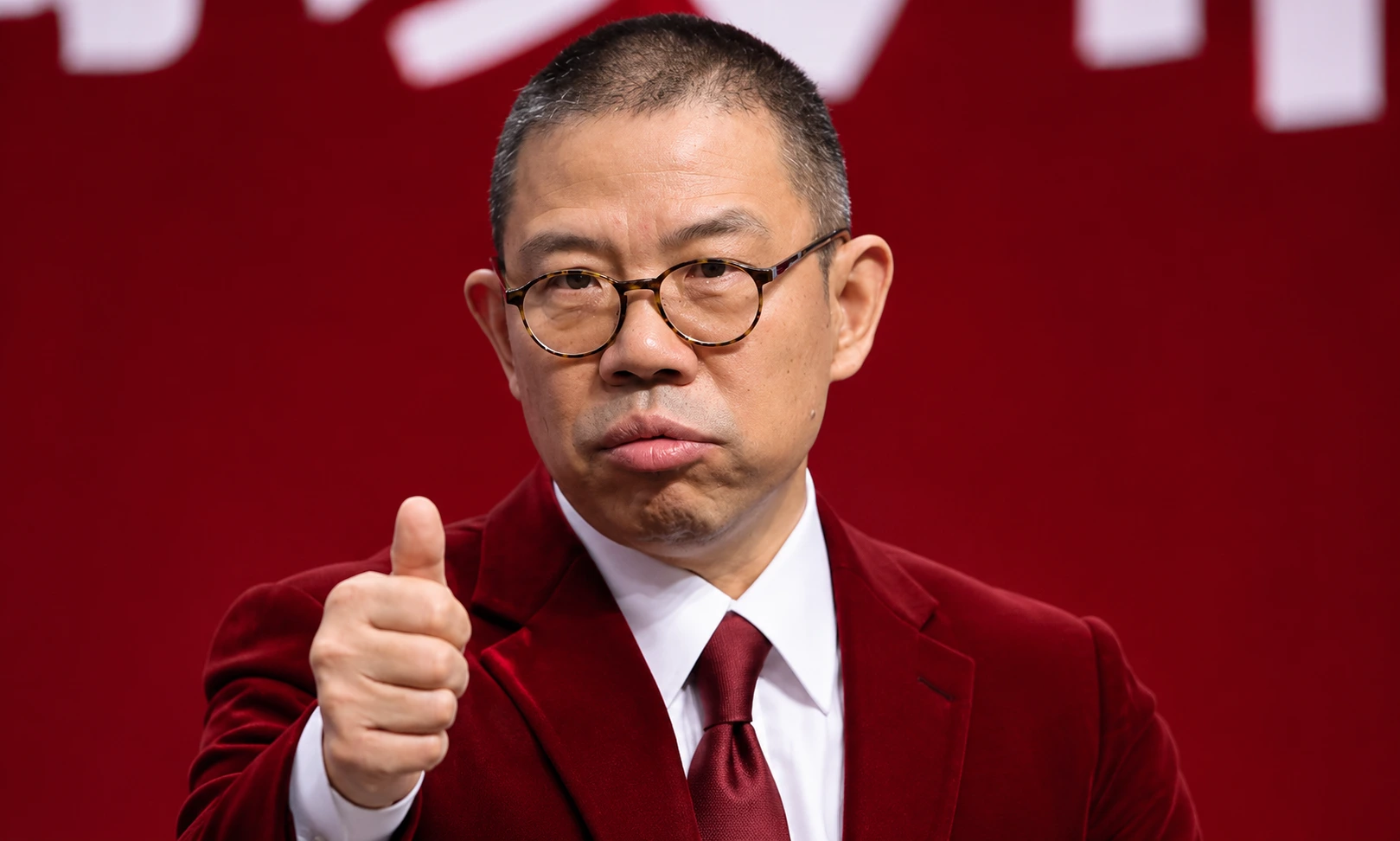
China’s bottled-water king built Nongfu Spring into the country’s dominant drinks brand, then added a pharmaceutical fortune with Beijing Wantai Biological Pharmacy. Zhong’s path was anything but smooth he worked as a construction worker and newspaper reporter before founding his empire in his forties. His wealth is a reminder that in China, consumer staples can be as lucrative as technology. 2030 projection: $75–100 billion. Driver: Chinese consumer spending on health and premium beverages.
28. Jeff Yass — $67.4 billion
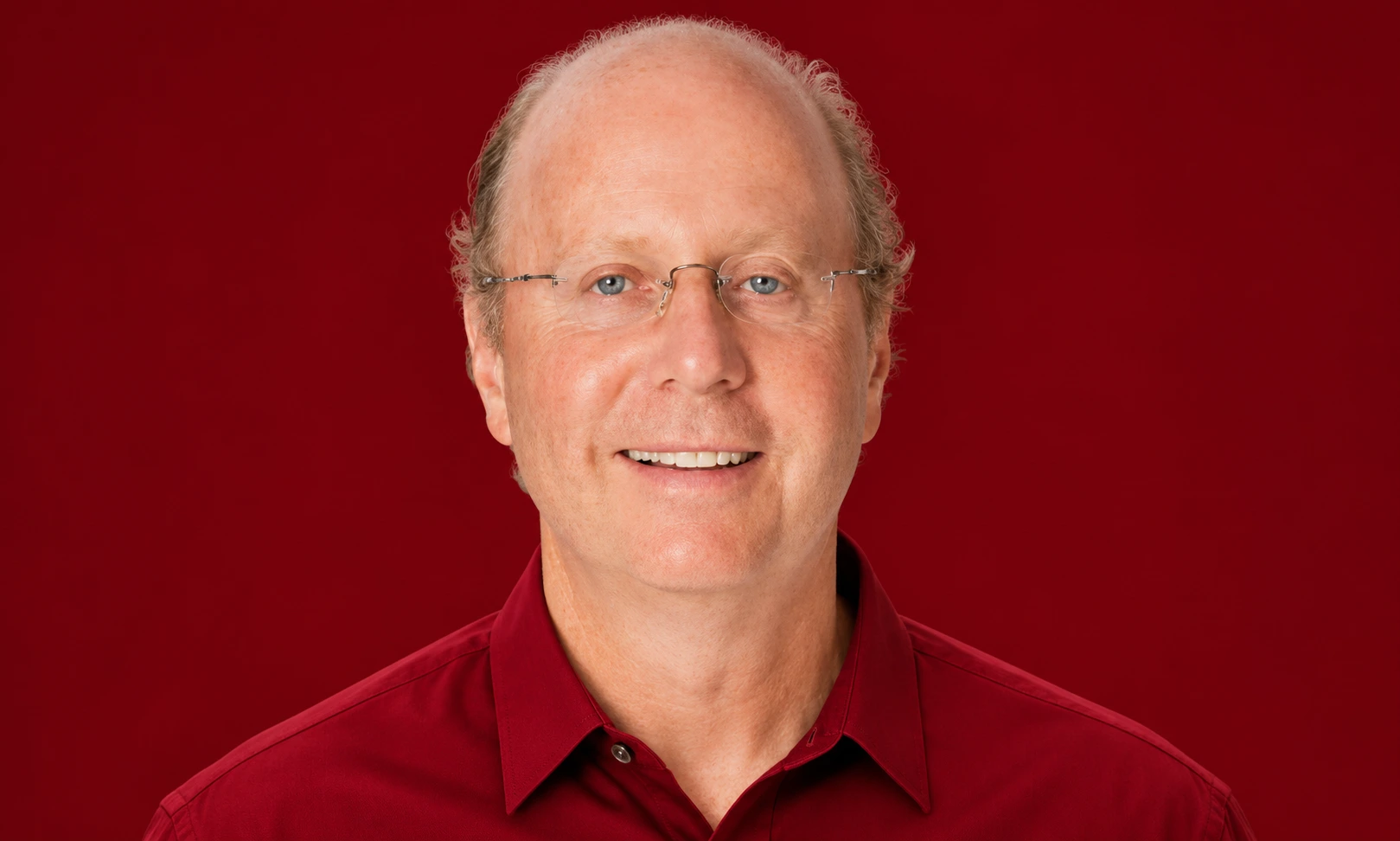
The co-founder of Susquehanna International Group, one of the world’s largest and most secretive trading firms, Yass built his fortune on quantitative trading and options markets.
He is also a major political donor and a champion of school choice in America. Susquehanna’s early bet on ByteDance a stake worth many billions is one of the great venture investments of the era, tying Yass’s fortune to the same company that made Zhang Yiming rich. 2030 projection: $85–120 billion. Driver: trading profits plus the value of Susquehanna’s ByteDance stake.
29. Dieter Schwarz — $67.2 billion
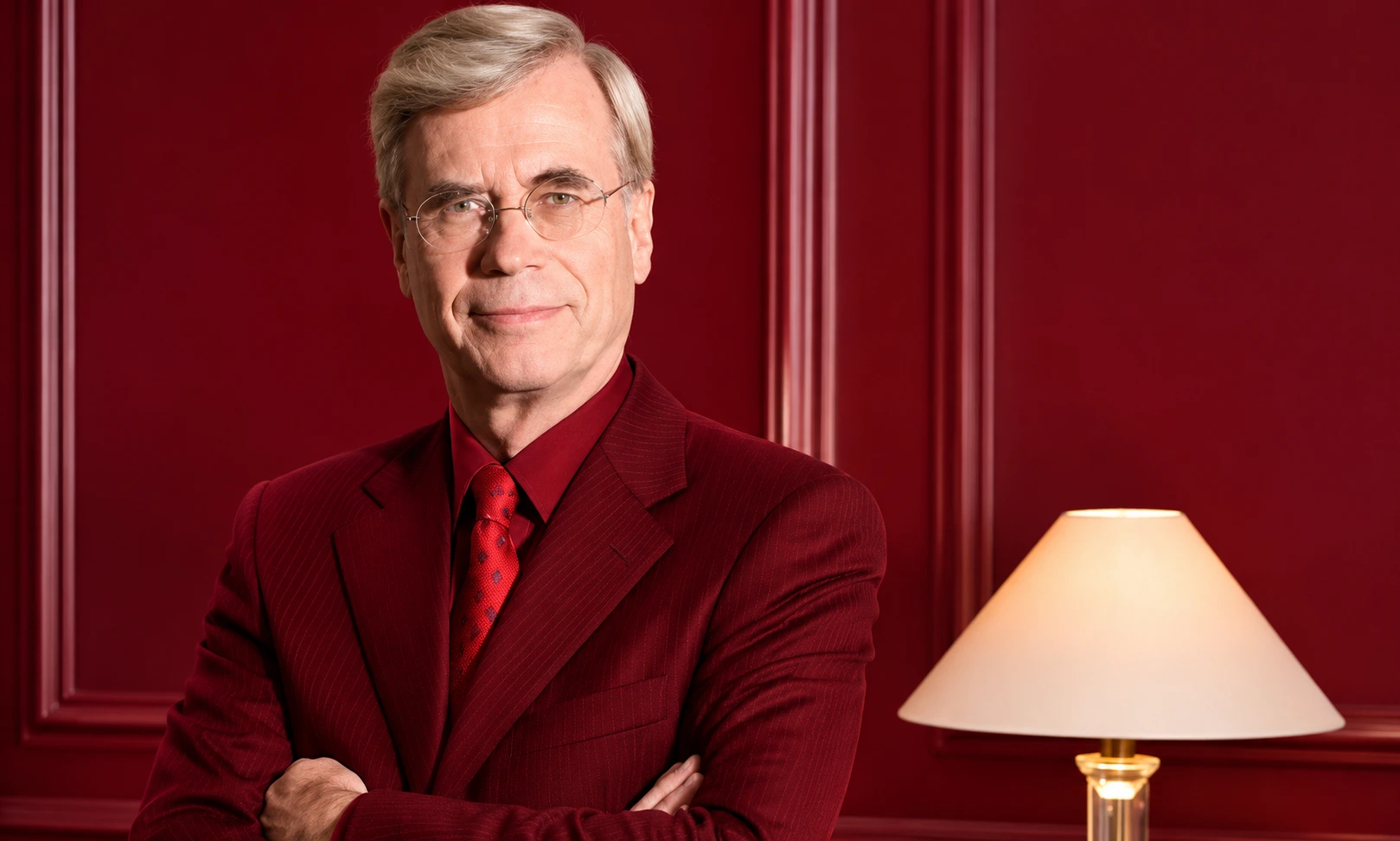
Germany’s richest person built the Schwarz Group Lidl and Kaufland into Europe’s largest retailer, with more than 13,000 stores. Schwarz is famously private: no photographs of him circulate, and he has given almost no interviews in decades.
His discount model, built on ruthless efficiency and private-label goods, proved resilient through inflation and cost-of-living crises that drove shoppers toward value. 2030 projection: $75–100 billion. Driver: Lidl’s continued expansion, above all in the United States.
30. German Larrea Mota Velasco & family — $67.1 billion
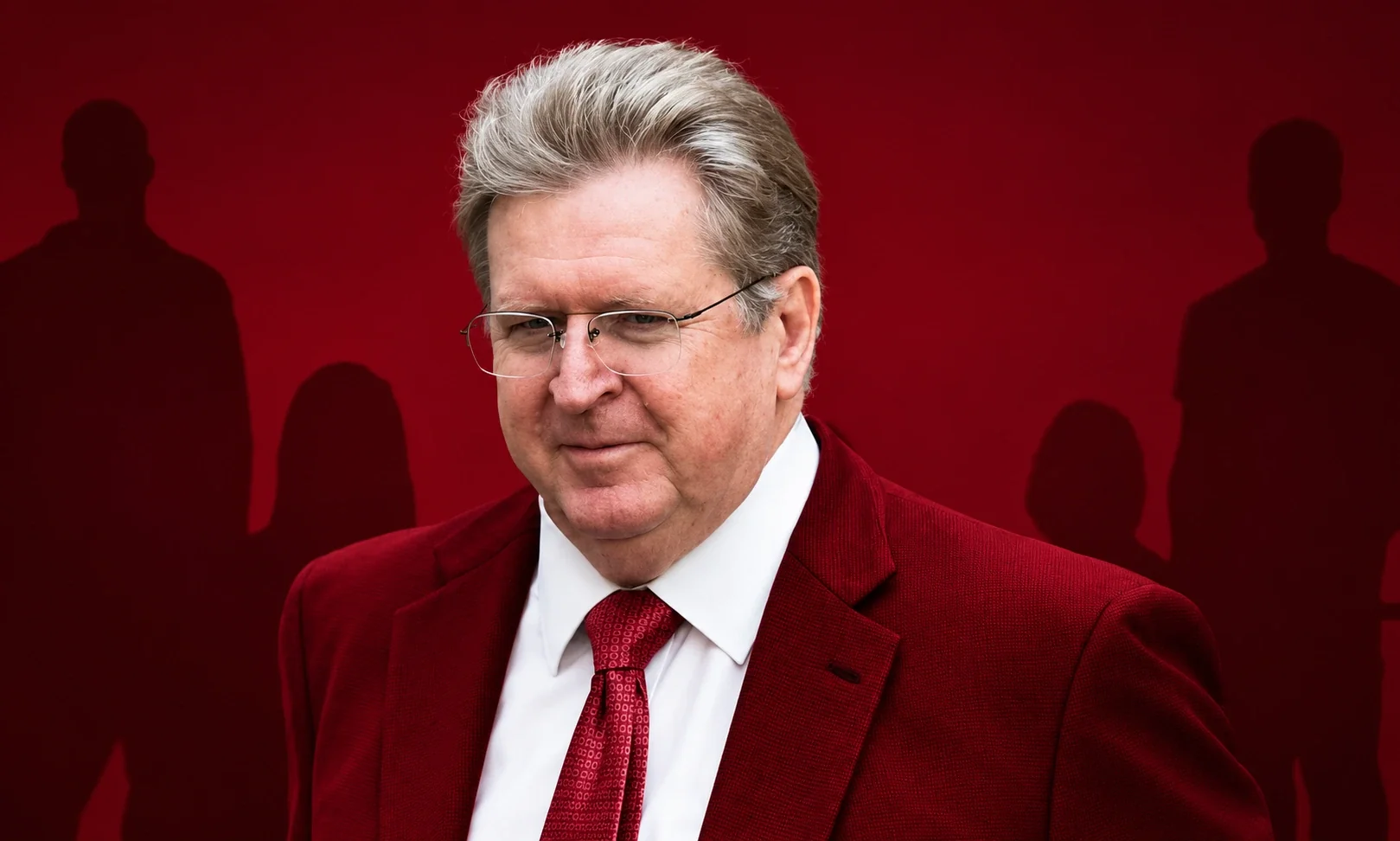
Mexico’s mining magnate rounds out the top thirty. Larrea controls Grupo México, one of the world’s largest copper producers, alongside transport and infrastructure businesses.
Copper’s role in electrification electric vehicles, power grids, data centres has made his ore more strategically valuable than ever, and the energy transition is, quietly, a copper story as much as a battery story. 2030 projection: $75–105 billion. Driver: copper demand from electrification and AI data-centre construction.
31–100: The Rest of the Top 100
31. Gautam Adani — $63.8 billion
Gautam Adani built the Adani Group into an Indian infrastructure and commodities empire spanning ports, power, airports and green energy. After a sharp market rebound, BrandClickX research shows his fortune steadied in 2026 as ports and energy earnings recovered strongly.
Continued infrastructure spending should lift it further. 2030 projection: 75–88 billion. Driver: Indian infrastructure growth.
32. Tadashi Yanai & family — $61.8 billion
Tadashi Yanai founded Fast Retailing and built Uniqlo into a global fashion retail giant known for affordable basics and efficient supply chains. BrandClickX research shows his fortune held firm in 2026 as overseas stores offset softer demand at home. Steady international expansion and cost discipline should support modest growth ahead. 2030 projection: 68–82 billion. Driver: Global Uniqlo expansion.
33. Ma Huateng — $53.8 billion
Ma Huateng co-founded Tencent, the Chinese technology giant behind WeChat, online games and cloud services. BrandClickX research shows his fortune rose in 2026 as gaming revenue recovered and artificial intelligence products gained users. Stronger advertising and overseas games should keep growth steady through the decade. 2030 projection: 62–74 billion. Driver: Gaming and AI growth.
34. Robin Zeng — $53.2 billion
Robin Zeng founded CATL, the world’s largest maker of electric vehicle batteries, supplying major carmakers across Asia, Europe and the Americas. BrandClickX research shows his fortune climbed in 2026 as battery demand and energy storage orders grew. Cheaper batteries and grid storage should drive further gains. 2030 projection: 64–78 billion. Driver: EV battery demand.
35. Iris Fontbona & family — $52.6 billion
Iris Fontbona inherited a Chilean mining and drinks empire built by her late husband, Andrónico Luksic, and now controls copper mines, banks and breweries. BrandClickX research shows the fortune stayed resilient in 2026 as copper prices held firm. At 83, preservation matters more than rapid growth. 2030 projection: 55–63 billion. Driver: Copper price stability.
36. Masayoshi Son — $51.5 billion
Masayoshi Son founded SoftBank and became famous for bold technology bets through its Vision Funds, spanning telecoms, chips and artificial intelligence. BrandClickX research shows his fortune rebounded in 2026 as chip and AI holdings recovered. His wealth remains volatile, tied closely to technology markets. 2030 projection: 58–72 billion. Driver: AI investment recovery.
37. Ken Griffin — $49.8 billion
Ken Griffin founded Citadel, the hedge fund and market-making firm that has become one of the most profitable in American finance. BrandClickX research shows his fortune grew in 2026 on strong trading profits and steady fund performance. Diversified strategies and scale should keep returns compounding. 2030 projection: 58–70 billion. Driver: Citadel trading profits.
38. Jacqueline Mars — $49.1 billion
Jacqueline Mars owns about a third of Mars, the family candy, food and pet care company behind M&M’s, Snickers and Pedigree. BrandClickX research shows her fortune held steady in 2026 as pet food and confectionery sales stayed resilient. The private company pays steady dividends with little drama. 2030 projection: 50–58 billion. Driver: Pet food growth.
38. John Mars — $49.1 billion
John Mars owns about a third of Mars, the family candy, food and pet care company behind M&M’s, Snickers and Pedigree. BrandClickX research shows his fortune held steady in 2026 as pet food and confectionery sales stayed resilient. Like his sister, he benefits from steady private-company dividends. 2030 projection: 50–58 billion. Driver: Pet food growth.
40. Lukas Walton — $48.9 billion
Lukas Walton inherited a large Walmart stake from his father, John Walton, and now backs environmental and social causes through his foundation. BrandClickX research shows his fortune rose in 2026 as Walmart shares climbed on strong retail sales. His wealth tracks the retailer closely, with philanthropy trimming growth. 2030 projection: 56–68 billion. Driver: Walmart share growth.
41. Giovanni Ferrero — $48.8 billion
Giovanni Ferrero leads Ferrero, the Italian chocolate group behind Nutella, Ferrero Rocher and Kinder, now expanded through acquisitions in the United States. BrandClickX research shows his fortune grew in 2026 as premium chocolate demand stayed strong despite higher cocoa costs. Brand power should sustain steady gains. 2030 projection: 55–66 billion. Driver: Premium chocolate demand.
42. Li Ka-shing — $47 billion
Li Ka-shing, Hong Kong’s most famous tycoon, built a diversified empire spanning ports, telecoms, retail and property through CK Hutchison and CK Asset. BrandClickX research shows his fortune was stable in 2026, with property softness offset by ports and infrastructure income. At 97, his wealth is managed conservatively. 2030 projection: 48–55 billion. Driver: Ports and infrastructure income.
43. Mark Mateschitz — $45.8 billion
Mark Mateschitz inherited 49 percent of Red Bull, the Austrian energy drink company his father co-founded, after Dietrich Mateschitz died in 2022. BrandClickX research shows his fortune grew in 2026 as Red Bull sales rose worldwide and its sports teams lifted the brand. Global drinks demand should keep it climbing. 2030 projection: 53–65 billion. Driver: Global energy drink sales.
44. Gianluigi Aponte — $44.5 billion
Gianluigi Aponte founded Mediterranean Shipping Company, now the world’s largest container shipping line, alongside a growing cruise business. BrandClickX research shows his fortune held up in 2026 as freight rates steadied and cruise demand recovered. Shipping remains cyclical, so growth should be moderate. 2030 projection: 50–60 billion. Driver: Shipping and cruise recovery.
44. Rafaela Aponte-Diamant — $44.5 billion
Rafaela Aponte-Diamant co-founded Mediterranean Shipping Company with her husband Gianluigi, building it into the world’s largest container shipping line. BrandClickX research shows her fortune held up in 2026 as freight rates steadied and cruise demand recovered. Shipping remains cyclical, so growth should be moderate. 2030 projection: 50–60 billion. Driver: Shipping and cruise recovery.
46. Andrea Pignataro — $42.6 billion
Andrea Pignataro founded ION Group, the financial software and data company serving banks, traders and asset managers across Europe and beyond. BrandClickX research shows his fortune rose in 2026 as financial firms kept spending on trading and data systems. Acquisitions and recurring software revenue should drive further growth. 2030 projection: 50–60 billion. Driver: Financial software demand.
47. Klaus-Michael Kuehne — $41.9 billion
Klaus-Michael Kuehne owns a majority stake in Kuehne+Nagel, the Swiss logistics giant, plus major holdings in shipping and airlines. BrandClickX research shows his fortune was steady in 2026 as logistics volumes normalised after the pandemic boom. At 88, his focus is preservation and dividends. 2030 projection: 43–50 billion. Driver: Logistics dividends.
48. Thomas Frist, Jr. & family — $41.1 billion
Thomas Frist Jr. co-founded HCA Healthcare, the largest hospital operator in the United States, and his family remains its biggest shareholder. BrandClickX research shows the fortune held steady in 2026 as hospital admissions and revenue stayed strong. Ageing populations should support demand, with modest growth ahead. 2030 projection: 43–49 billion. Driver: Hospital demand growth.
49. Alain Wertheimer — $39.4 billion
Alain Wertheimer co-owns Chanel, the French luxury house famous for perfume, handbags and fashion, alongside his brother Gerard. BrandClickX research shows his fortune was resilient in 2026 as luxury demand held up among wealthy buyers. Chanel’s private status and pricing power should support steady gains. 2030 projection: 44–52 billion. Driver: Luxury pricing power.
49. Gerard Wertheimer — $39.4 billion
Gerard Wertheimer co-owns Chanel, the French luxury house famous for perfume, handbags and fashion, alongside his brother Alain. BrandClickX research shows his fortune was resilient in 2026 as luxury demand held up among wealthy buyers. Chanel’s private status and pricing power should support steady gains. 2030 projection: 44–52 billion. Driver: Luxury pricing power.
51. Savitri Jindal & family — $39.1 billion
Savitri Jindal chairs the Jindal Group, the Indian steel, power and infrastructure conglomerate founded by her late husband, O.P. Jindal. BrandClickX research shows the fortune grew in 2026 as Indian steel demand rose with construction and manufacturing. Domestic infrastructure spending should keep the group expanding. 2030 projection: 45–54 billion. Driver: Indian steel demand.
52. Stephen Schwarzman — $38.3 billion
Stephen Schwarzman co-founded Blackstone, the world’s largest alternative asset manager, spanning private equity, real estate and credit. BrandClickX research shows his fortune rose in 2026 as deal activity revived and assets under management grew. Fee income and rising valuations should lift it further. 2030 projection: 44–52 billion. Driver: Blackstone asset growth.
53. Paolo Ardoino — $38 billion
Paolo Ardoino is chief executive of Tether, issuer of the world’s largest stablecoin, and a central figure in digital dollar markets. BrandClickX research shows his fortune surged in 2026 as stablecoin use and Tether’s reserves grew sharply. Crypto wealth is volatile, so the range is wide. 2030 projection: 30–55 billion. Driver: Stablecoin adoption.
53. Jean-Louis van der Velde — $38 billion
Jean-Louis van der Velde co-founded Tether and helped build it into the world’s largest stablecoin issuer, alongside crypto exchange Bitfinex. BrandClickX research shows his fortune surged in 2026 as stablecoin use and Tether’s reserves grew sharply. Crypto wealth is volatile, so the range is wide. 2030 projection: 30–55 billion. Driver: Stablecoin adoption.
55. William Ding — $37.9 billion
William Ding founded NetEase, the Chinese internet company known for online games, music streaming and e-commerce. BrandClickX research shows his fortune steadied in 2026 as game releases performed well and music revenue grew. New titles and overseas expansion should support moderate growth. 2030 projection: 42–50 billion. Driver: Online game releases.
56. Miriam Adelson & family — $37.5 billion
Miriam Adelson inherited Las Vegas Sands, the casino empire built by her late husband Sheldon Adelson, spanning Macau, Singapore and Las Vegas. BrandClickX research shows the fortune held firm in 2026 as Macau gaming recovered and Singapore resorts stayed strong. Casino cash flow should keep it stable. 2030 projection: 40–46 billion. Driver: Macau casino recovery.
57. Alexey Mordashov & family — $37 billion
Alexey Mordashov controls Severstal, one of Russia’s largest steelmakers, plus investments in mining, energy and retail. BrandClickX research shows his fortune was steady in 2026 despite sanctions pressure, supported by domestic steel demand. Geopolitical risk keeps the outlook cautious and the range modest. 2030 projection: 36–44 billion. Driver: Domestic steel demand.
58. Colin Huang — $36.6 billion
Colin Huang founded PDD Holdings, owner of Pinduoduo in China and Temu overseas, built on low prices and social shopping. BrandClickX research shows his fortune fluctuated in 2026 as Temu grew fast while competition and regulation weighed on margins. Overseas growth remains the key swing factor. 2030 projection: 40–52 billion. Driver: Temu overseas growth.
59. Eduardo Saverin — $35.9 billion
Eduardo Saverin co-founded Facebook and later moved to Singapore, where he invests in technology startups through B Capital. BrandClickX research shows his fortune grew in 2026 as Meta shares rose and his venture portfolio gained value. Technology markets should keep his wealth climbing steadily. 2030 projection: 42–50 billion. Driver: Meta share growth.
60. Eric Schmidt — $35.5 billion
Eric Schmidt was Google’s chief executive for a decade and remains a major shareholder, now investing in artificial intelligence and defence technology. BrandClickX research shows his fortune rose in 2026 as Alphabet shares climbed on AI progress. His diversified tech holdings should deliver steady growth. 2030 projection: 40–48 billion. Driver: Alphabet AI growth.
61. Idan Ofer — $34.6 billion
Idan Ofer controls Israel Corp and stakes in shipping, chemicals and energy, including a major holding in ZIM shipping. BrandClickX research shows his fortune held steady in 2026 as shipping rates normalised and energy assets performed well. Diversified holdings should support moderate gains ahead. 2030 projection: 38–45 billion. Driver: Shipping and energy income.
62. Eyal Ofer — $33.6 billion
Eyal Ofer runs Ofer Global, with interests in shipping, real estate and technology, including prime property in London and New York. BrandClickX research shows his fortune was stable in 2026 as property values steadied and shipping income held up. Real estate recovery should lift it modestly. 2030 projection: 37–44 billion. Driver: Property market recovery.
63. He Xiangjian & family — $33.2 billion
He Xiangjian founded Midea, the Chinese home appliance giant now spanning air conditioners, robots and industrial automation. BrandClickX research shows the fortune was steady in 2026 as appliance sales held up and overseas markets grew. At 83, growth is expected to be modest. 2030 projection: 35–41 billion. Driver: Appliance exports.
63. Abigail Johnson — $33.2 billion
Abigail Johnson chairs Fidelity Investments, the American asset manager founded by her grandfather, serving tens of millions of retirement savers. BrandClickX research shows her fortune grew in 2026 as markets rose and Fidelity’s assets under management expanded. Rising markets should keep it climbing steadily. 2030 projection: 38–44 billion. Driver: Asset management growth.
63. Zheng Shuliang & family — $33.2 billion
Zheng Shuliang founded Shandong Nanshan Aluminium, a Chinese maker of aluminium products for aircraft, cars and packaging. BrandClickX research shows the fortune grew in 2026 as demand for lightweight metals rose in transport and construction. Aluminium demand should support steady growth ahead. 2030 projection: 36–43 billion. Driver: Aluminium demand growth.
66. Marilyn Simons & family — $32.5 billion
Marilyn Simons inherited the fortune of her late husband, Jim Simons, founder of Renaissance Technologies, the quantitative hedge fund. BrandClickX research shows the fortune was steady in 2026, managed conservatively with a large share devoted to philanthropy. Giving will limit growth over time. 2030 projection: 34–39 billion. Driver: Conservative investment returns.
67. Robert Pera — $31.7 billion
Robert Pera founded Ubiquiti, the wireless networking company supplying internet equipment to businesses and homes worldwide. BrandClickX research shows his fortune rose in 2026 as demand for networking gear and enterprise connectivity grew. Digital infrastructure spending should keep it climbing. 2030 projection: 38–46 billion. Driver: Networking equipment demand.
68. Phil Knight & family — $31.1 billion
Phil Knight co-founded Nike, the world’s largest sportswear company, and remains its biggest individual shareholder. BrandClickX research shows his fortune slipped in 2026 as Nike shares fell on weaker sales and stiff competition. At 88, his wealth now depends on a Nike turnaround. 2030 projection: 32–37 billion. Driver: Nike turnaround.
68. Michal Strnad — $31.1 billion
Michal Strnad owns Czechoslovak Group, the Czech defence contractor supplying ammunition, vehicles and weapons across Europe. BrandClickX research shows his fortune jumped in 2026 as European defence spending surged. Rising military budgets should drive strong growth through 2030. 2030 projection: 38–48 billion. Driver: European defence spending.
70. Lakshmi Mittal — $31 billion
Lakshmi Mittal built ArcelorMittal into the world’s largest steelmaker outside China, with mills across Europe, the Americas and Asia. BrandClickX research shows his fortune was steady in 2026 as steel prices stabilised after a weak period. Green steel investment should support modest growth ahead. 2030 projection: 34–40 billion. Driver: Steel price stability.
71. Elaine Marshall & family — $30.9 billion
Elaine Marshall owns a large stake in Koch Inc., the American industrial conglomerate spanning energy, chemicals and manufacturing. BrandClickX research shows her fortune was steady in 2026 as Koch’s private businesses generated reliable cash flow. The diversified group should deliver modest, stable growth. 2030 projection: 33–38 billion. Driver: Koch industrial earnings.
71. Shiv Nadar — $30.9 billion
Shiv Nadar founded HCL Technologies, the Indian software services giant, and now focuses on education through his foundation. BrandClickX research shows his fortune grew in 2026 as HCL shares rose on strong outsourcing and AI services demand. Digital services should keep growth steady. 2030 projection: 36–43 billion. Driver: IT services demand.
73. Henry Samueli — $30.8 billion
Henry Samueli co-founded Broadcom, the semiconductor and software giant powering data centres, phones and networking. BrandClickX research shows his fortune climbed in 2026 as Broadcom shares surged on artificial intelligence chip demand. AI infrastructure spending should drive further gains. 2030 projection: 37–45 billion. Driver: AI chip demand.
74. Melinda French Gates — $30.3 billion
Melinda French Gates built her fortune through Microsoft shares and her divorce settlement, and now runs her own philanthropic fund, Pivotal Ventures. BrandClickX research shows her fortune was steady in 2026, with investment gains largely offset by large charitable giving. Giving will keep growth modest. 2030 projection: 30–36 billion. Driver: Investment returns after giving.
75. Stefan Quandt — $30.1 billion
Stefan Quandt owns a large stake in BMW, the German carmaker, alongside his sister Susanne Klatten, plus other industrial holdings. BrandClickX research shows his fortune was steady in 2026 as BMW sales held up despite electric vehicle competition. Premium car demand should support modest growth. 2030 projection: 33–39 billion. Driver: BMW premium sales.
75. Reinhold Wuerth & family — $30.1 billion
Reinhold Wuerth built Würth Group into the world’s largest seller of fasteners, screws and assembly products for trades and industry. BrandClickX research shows the fortune was steady in 2026 as construction and industrial demand stayed firm in Europe. At 90, preservation matters most. 2030 projection: 32–37 billion. Driver: Industrial fastener sales.
77. Lyndal Stephens Greth & family — $30 billion
Lyndal Stephens Greth inherited a fortune from oil and gas interests in Texas, including stakes built by her late husband and family. BrandClickX research shows the fortune grew in 2026 as energy prices and production income stayed strong. Oil and gas cash flow should keep it rising modestly. 2030 projection: 34–41 billion. Driver: Oil and gas income.
78. Len Blavatnik — $29.9 billion
Len Blavatnik built Access Industries into a diversified group spanning music, chemicals, media and property, including Warner Music Group. BrandClickX research shows his fortune rose in 2026 as music streaming and chemicals earnings improved. Diversification should keep growth steady ahead. 2030 projection: 34–41 billion. Driver: Music streaming growth.
79. Susanne Klatten — $29.7 billion
Susanne Klatten owns a large stake in BMW alongside her brother Stefan Quandt, plus holdings in pharmaceuticals and chemicals. BrandClickX research shows her fortune was steady in 2026 as BMW sales held up despite electric vehicle competition. Premium car demand should support modest growth. 2030 projection: 32–38 billion. Driver: BMW premium sales.
79. Vladimir Potanin — $29.7 billion
Vladimir Potanin controls Norilsk Nickel, Russia’s largest nickel and palladium producer, a key supplier for batteries and catalytic converters. BrandClickX research shows his fortune was steady in 2026 despite sanctions, with metals demand holding up. Geopolitical risk keeps the outlook cautious. 2030 projection: 29–36 billion. Driver: Nickel demand.
81. Vagit Alekperov — $29.5 billion
Vagit Alekperov founded Lukoil, Russia’s second-largest oil producer, and remains its biggest shareholder after stepping down as chief executive. BrandClickX research shows his fortune was steady in 2026 as oil prices held up and dividends continued. Sanctions and price swings limit the outlook. 2030 projection: 29–35 billion. Driver: Oil price stability.
81. Francois Pinault & family — $29.5 billion
Francois Pinault founded Kering, the French luxury group behind Gucci, Saint Laurent and Bottega Veneta. BrandClickX research shows his fortune slipped in 2026 as Gucci sales weakened and luxury demand softened in China. A Gucci revival is needed for stronger growth. 2030 projection: 32–40 billion. Driver: Gucci revival.
83. Jack Ma — $29.1 billion
Jack Ma co-founded Alibaba, the Chinese e-commerce and cloud giant, and Ant Group, though he has stepped back from day-to-day control. BrandClickX research shows his fortune steadied in 2026 as Alibaba shares recovered modestly on cloud and AI growth. A fuller recovery depends on Chinese consumer spending. 2030 projection: 32–40 billion. Driver: Alibaba cloud growth.
84. Prajogo Pangestu — $28.6 billion
Prajogo Pangestu built Barito Pacific into an Indonesian petrochemicals and energy group, later adding geothermal power and coal assets. BrandClickX research shows his fortune grew in 2026 as energy and petrochemical earnings stayed strong. Indonesian energy demand should support further gains. 2030 projection: 32–40 billion. Driver: Indonesian energy demand.
84. MacKenzie Scott — $28.6 billion
MacKenzie Scott built her fortune from Amazon shares received in her divorce from Jeff Bezos, and has given away billions to charities. BrandClickX research shows her fortune was steady in 2026, with Amazon gains largely offset by continued large donations. Giving will keep growth modest. 2030 projection: 28–33 billion. Driver: Amazon gains after giving.
86. Aliko Dangote — $28.5 billion
Aliko Dangote built the Dangote Group into Africa’s largest industrial conglomerate, spanning cement, sugar and a huge new oil refinery in Nigeria. BrandClickX research shows his fortune grew in 2026 as the refinery ramped up and cement sales stayed strong. The refinery should drive further growth. 2030 projection: 33–42 billion. Driver: Dangote refinery ramp-up.
87. Peter Thiel — $28.4 billion
Peter Thiel co-founded PayPal and Palantir, and became a leading venture investor through Founders Fund. BrandClickX research shows his fortune rose in 2026 as Palantir shares surged on defence and AI contracts. Technology holdings should keep it climbing, with sharp swings possible. 2030 projection: 34–42 billion. Driver: Palantir AI contracts.
88. Emmanuel Besnier — $28.3 billion
Emmanuel Besnier runs Lactalis, the French dairy giant behind Président cheese and Parmalat milk, built by his family over generations. BrandClickX research shows his fortune was steady in 2026 as dairy sales held up despite rising costs. The private group should deliver modest, reliable growth. 2030 projection: 31–37 billion. Driver: Dairy sales growth.
88. Leonid Mikhelson & family — $28.3 billion
Leonid Mikhelson chairs Novatek, Russia’s largest independent gas producer, plus petrochemicals group Sibur. BrandClickX research shows his fortune was steady in 2026 despite sanctions, supported by domestic gas demand and exports. Geopolitical risk keeps the longer-term outlook cautious. 2030 projection: 28–34 billion. Driver: Strong gas demand.
90. Daniel Gilbert — $27.9 billion
Daniel Gilbert founded Rocket Mortgage, the American online mortgage lender, and owns the Cleveland Cavaliers basketball team. BrandClickX research shows his fortune steadied in 2026 as mortgage volumes recovered modestly with lower interest rates. Housing demand should lift it further. 2030 projection: 31–38 billion. Driver: Mortgage market recovery.
90. Lei Jun — $27.9 billion
Lei Jun founded Xiaomi, the Chinese smartphone maker now expanding into electric vehicles and smart home devices. BrandClickX research shows his fortune rose in 2026 as Xiaomi’s electric car launch boosted sales and shares. Cars and phones should drive strong growth ahead. 2030 projection: 33–41 billion. Driver: Xiaomi EV growth.
90. Andreas von Bechtolsheim & family — $27.9 billion
Andreas von Bechtolsheim co-founded Sun Microsystems and was an early investor in Google, building a fortune in technology. BrandClickX research shows his fortune grew in 2026 as Alphabet shares rose and his chip startup Arista Networks performed well. Technology holdings should keep it climbing. 2030 projection: 31–37 billion. Driver: Tech share growth.
93. Pham Nhat Vuong — $27.7 billion
Pham Nhat Vuong founded Vingroup, Vietnam’s largest conglomerate, spanning property, retail and electric vehicle maker VinFast. BrandClickX research shows his fortune rose in 2026 as VinFast expanded overseas and property sales recovered. Electric vehicles remain the key growth bet. 2030 projection: 32–40 billion. Driver: VinFast EV expansion.
94. Vicky Safra & family — $27.1 billion
Vicky Safra inherited the fortune of her late husband, Joseph Safra, founder of Banco Safra, one of Brazil’s largest private banks. BrandClickX research shows the fortune was steady in 2026 as Brazilian banking earnings held up. Conservative management should keep growth modest. 2030 projection: 28–33 billion. Driver: Brazilian banking earnings.
95. Jay Y. Lee — $27 billion
Jay Y. Lee chairs Samsung Electronics, the South Korean technology giant spanning phones, chips and displays. BrandClickX research shows his fortune grew in 2026 as memory chip prices recovered and AI demand lifted Samsung’s semiconductor business. Chip cycles will drive the outlook. 2030 projection: 31–38 billion. Driver: Memory chip recovery.
95. Cyrus Poonawalla — $27 billion
Cyrus Poonawalla founded Serum Institute of India, the world’s largest vaccine maker by doses, supplying immunisations across the developing world. BrandClickX research shows his fortune was steady in 2026 as vaccine demand normalised after the pandemic. At 84, growth is expected to be modest. 2030 projection: 29–34 billion. Driver: Vaccine demand.
97. Rick Cohen & family — $26.3 billion
Rick Cohen runs C&S Wholesale Grocers, the American food distributor, and owns Symbotic, the warehouse automation company. BrandClickX research shows his fortune rose in 2026 as Symbotic shares climbed on strong automation orders. Warehouse robots should drive further growth. 2030 projection: 31–38 billion. Driver: Warehouse automation growth.
98. Israel Englander — $25.8 billion
Israel Englander founded Millennium Management, the hedge fund known for its large team of traders and steady returns. BrandClickX research shows his fortune grew in 2026 as the fund delivered solid performance and assets expanded. Diversified trading strategies should keep returns compounding. 2030 projection: 29–35 billion. Driver: Millennium fund performance.
99. Suleiman Kerimov & family — $25.7 billion
Suleiman Kerimov controls Polyus, Russia’s largest gold producer, built from mining and investment deals over two decades. BrandClickX research shows his fortune was steady in 2026 as gold prices stayed high, offsetting sanctions pressure. Gold should keep the fortune resilient. 2030 projection: 25–31 billion. Driver: Gold price strength.
100. Dilip Shanghvi — $25.6 billion
Dilip Shanghvi founded Sun Pharmaceutical Industries, India’s largest drugmaker, built through acquisitions and generic medicines sold worldwide. BrandClickX research shows his fortune grew in 2026 as specialty drug sales rose and US revenue recovered. Pharmaceuticals should deliver steady growth ahead. 2030 projection: 30–36 billion. Driver: Speciality drug sales.
What the Top 100 Will Look Like in 2030
Four forces will decide the next ranking. The first is artificial intelligence. The AI fortunes Musk, the Google founders, Zuckerberg, Huang, Ellison, Dell have the steepest upside, because AI is still early and its winners take most of the value.
If the current trajectory holds, the top of the 2030 list will be even more dominated by the people who own the models, the chips and the clouds. The world’s most valuable personal fortunes are increasingly a bet on who controls computing.
The second force is age. Buffett is 95, Charles Koch is 90, Ortega is 89, Slim and Schwarz are 86. By 2030, several of the great twentieth-century fortunes will have passed to the next generation or to philanthropy, in Buffett’s and Gates’s cases. Inheritance will reshape the list more in the next four years than at any point since the Rockefellers and the Fords.
The Walton, Koch and Mars families already show the shape of it: dynastic wealth, managed by family offices, growing more quietly than any single founder’s fortune.
The third force is luxury and retail. Arnault, Ortega, Bettencourt Meyers and the Waltons are not going anywhere the world’s appetite for brands, groceries and value retail is permanent but their growth will be steadier and slower than the tech fortunes. Expect them to hold their ranks while the AI names pull away.
The fourth is crypto. Zhao and Devasini are the wild cards: their 2030 ranges are the widest on this list, because a friendly regulatory regime and a bull market could double their fortunes, while a crackdown could halve them. Crypto has earned its place at the top table; it has not yet earned stability.
Beyond the top thirty, the next wave is already forming. Gautam Adani’s infrastructure empire, Tadashi Yanai’s Uniqlo and Ma Huateng’s Tencent are all positioned to climb if their home markets recover, while the Mars and Wertheimer families candy and Chanel will keep compounding in near-silence.
The hedge-fund names, from Ken Griffin to Israel Englander, rise and fall with the markets they trade, and the crypto founders further down the list, Paolo Ardoino and Jean-Louis van der Velde, carry the same wide range of outcomes as Zhao. The most likely new entrants to the top thirty by 2030 are not strangers: they are already here, between ranks 31 and 60, waiting for their sector’s turn.
And then there is the trillionaire question. Our central projection has Musk crossing $1 trillion sometime around 2028–2030, driven by SpaceX and Tesla’s robotics bets making him the first trillionaire in history. If AI compounds faster than expected, Huang or one of the Google founders could join him.
BrandClickX’s total projection for the Top 100 in 2030 is $8.5–10.8 trillion, up from $7.1 trillion in 2026 a reminder that at the very top, wealth is not just growing, it is accelerating.
Methodology
All 2026 net-worth figures, ages, countries and sources of wealth are from BrandClickX research, based on public filings, share prices and exchange rates as of 1 March 2026.
All 2030 figures are BrandClickX scenario projections ranges, not facts built from sector growth expectations, company prospects, the age and succession position of each fortune-holder, and the concentration of wealth in AI, luxury, retail and crypto.
Projections are illustrative: markets, regulation and technology can all move them sharply in either direction, and they should not be read as predictions or investment advice.
The Story Continues
The world’s richest hundred people are not a fixed aristocracy; they are a snapshot of what the world valued most in a single year. In 2026 it valued artificial intelligence, the brands and shelves of everyday life, and the infrastructure of the digital age and it valued them on a scale never seen before.
If you want to understand where the next fortune will come from, look at the world’s top startups to watch today’s garage company is tomorrow’s top-ten entry.
Thank you for reading BrandClickX. We hope this tour of the world’s greatest fortunes left you a little more curious about how wealth is made and what it might build next.