In November 2025, the advertising industry retired its own founder. When Omnicom completed its acquisition of Interpublic, creating the largest holding company in the history of marketing, the integration plan quietly confirmed that the DDB name would disappear, folded into BBDO, TBWA, and McCann.
This was not just any name. DDB was Doyle Dane Bernbach, the agency that invented modern advertising in 1959 with a Volkswagen ad called “Think Small,” the shop that taught the industry that wit sells better than shouting. FCB and MullenLowe went with it. The names that built advertising agencies were absorbed into the machinery that scaled it.
And yet the campaigns you actually remember from the last year did not come from a merger spreadsheet. They came from a fifty-person independent in Manhattan, a Buenos Aires network that treats Cannes like a home tournament, and a forty-year-old independent in Portland that still refuses to sell.
That tension, between the consolidation of the holding companies and the stubborn survival of the great creative shop, is what this edition of the World’s 100 Best actually ranks.
BrandClickX’s annual benchmark series covers every discipline; this one is for the agencies that make the campaigns people remember, from the networks behind the most awarded work in history to the independents currently embarrassing them at the award shows.
The Global 10
1. Wieden+Kennedy (Portland / Global)

The last great independent. Founded in Portland in 1982, W+K wrote “Just Do It” for Nike and then spent four decades defending the idea that an agency works better when it answers to its work rather than to shareholders. Old Spice’s “The Man Your Man Could Smell Like” and a shelf of Super Bowl classics sit beside a global network spanning eight cities, all employee-controlled.
In an industry that just merged its way to record scale, Wieden+Kennedy is the proof that independence is still the best long-term strategy in creativity.
2. BBDO (New York / Global)
The most awarded network in advertising history, and the biggest survivor of the great consolidation: BBDO emerged from the Omnicom merger as one of three global creative flagships, absorbing the clients and talent of the retired DDB. Snickers’ “You’re not you when you’re hungry” ran for over a decade across dozens of countries because BBDO’s model, big enduring platforms rather than one-off stunts, compounds.
When a global brand needs a campaign architecture that can run for a decade, this is still the default.
3. Ogilvy (New York / Global)
David Ogilvy’s agency wrote the profession’s textbooks, and the modern WPP flagship still operates on his founding conviction that advertising should be built on research and respect for the consumer’s intelligence. Dove’s “Real Beauty” changed what a soap brand could mean; the current network spans brand, PR, and consulting with genuine integration. Ogilvy’s advantage in 2027 is that it never confused the medium for the message, which turned out to be the right bet for the AI era.
4. TBWA (Los Angeles / Global)
The Disruption company: Chiat/Day made Apple’s “1984” and TBWA turned that legacy into a global methodology for breaking category conventions, then institutionalized it with Media Arts Lab, the bespoke agency built around Apple itself.
TBWA’s talent is finding the convention a category cannot see and breaking it in public. Post-merger, it carries an even larger share of Omnicom’s creative reputation, a burden its track record suggests it can carry.
5. McCann (New York / Global)
“Truth Well Told” is the oldest promise in network advertising, and McCann keeps renewing it: Mastercard’s “Priceless” has run since 1997, and McCann Melbourne’s “Dumb Ways to Die” for Metro Trains remains the most awarded public-safety campaign ever made.
The IPG merger made McCann one of the industry’s two largest creative networks, and its Health and Truth Central practices give it unusual depth. The institutional choice that still produces iconic work.
6. Droga5 (New York / London)
David Droga’s agency redefined what a creative boutique could become: Jay-Z’s “Decoded” campaign for Bing, The New York Times’ “The Truth Is Essential,” and an acquisition by Accenture that turned creative excellence into enterprise strategy.
Now the creative engine of Accenture Song, Droga5 proved the industry’s wrongest assumption, that selling to a consultancy means selling out. The work says otherwise.
7. BETC (Paris)
The French giant that made Paris a creative capital again: Canal+’s bear, Evian’s roller-skating babies, and a decade of luxury and culture work that wins at Cannes with unnerving consistency. BETC combines French creative audacity with Havas’s global delivery, and its cultural instincts, fashion, film, food, are the ones global brands borrow when they want to be interesting rather than loud.
8. Gut (Miami / Buenos Aires / Global)
The youngest network on this list and the most improbable: founded in Buenos Aires in 2018 by two former Grey global creative chiefs, Gut became the fastest-growing independent network in history, winning Independent Network of the Year honors while opening offices across three continents in five years.
Its pitch is speed and seniority: the founders work on the business. The rise of Gut is the strongest evidence that the post-merger industry has room for the opposite of scale.
9. Saatchi & Saatchi (London / Global)
The name that defined the advertising boom, now Publicis Groupe’s global creative flagship, still trading on the belief that nothing is impossible, a line it sold to Toyota for decades. Saatchi’s modern form is leaner than its legend, but the legend keeps earning: the agency that made advertising glamorous in the 1980s remains the brand clients buy when they want the idea of a great agency as much as the agency itself.
10. VML (Kansas City / Global)
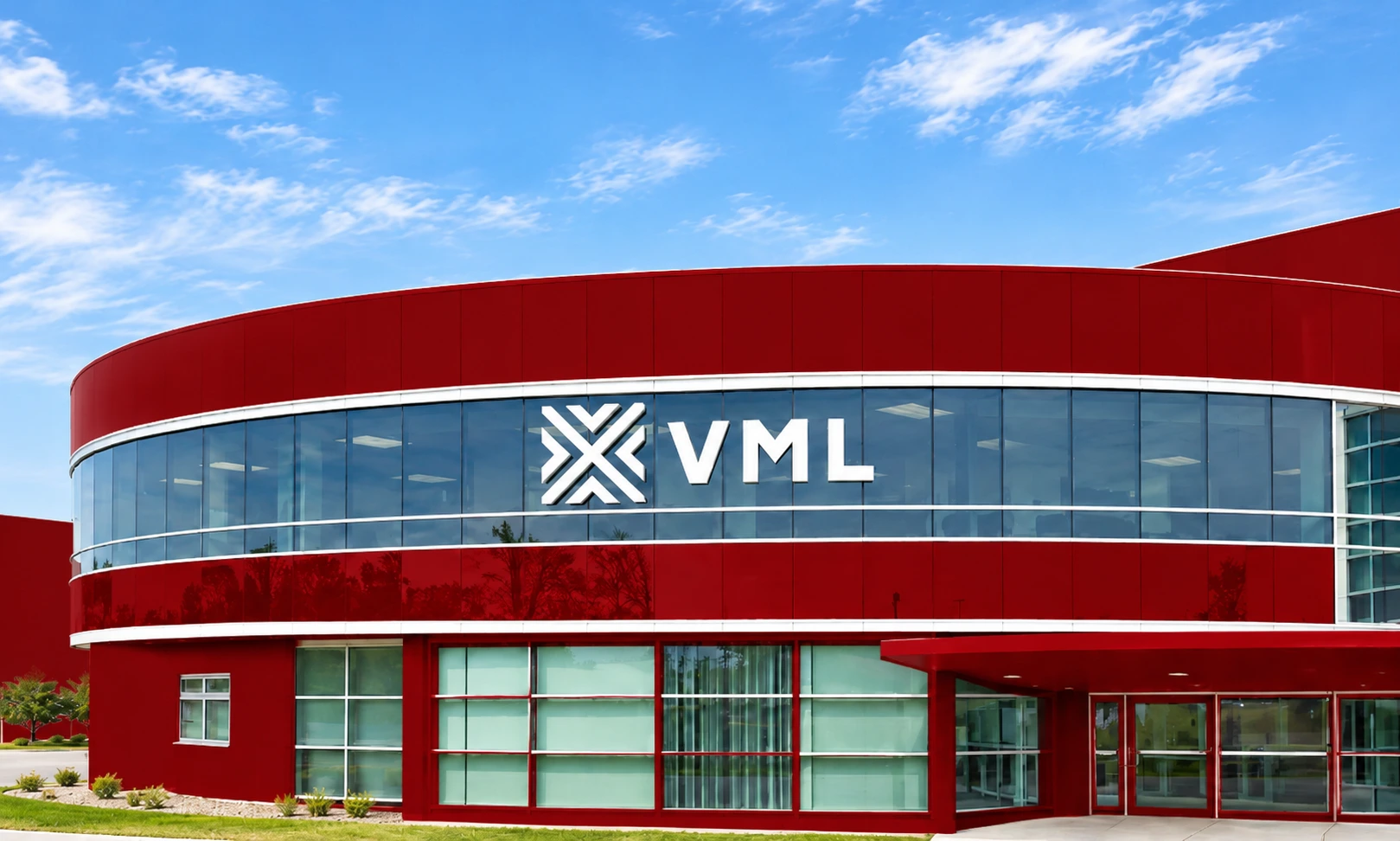
The WPP mega-merger of VMLY&R and Wunderman Thompson created the industry’s largest creative agency by headcount, pairing brand creativity with the deepest customer-experience and commerce engineering of any network.
VML’s bet is that a modern campaign is not a film but a system spanning media, CRM, and commerce, and its client list of global CPG and retail giants is built on exactly that thesis. The industry’s biggest answer to the question of what an agency is for.
American Networks and Creative Giants (11–20)
- Leo Burnett (Chicago). The Chicago institution behind the Jolly Green Giant, the Marlboro Man, and Allstate’s “Mayhem”: nine decades of iconic American brand characters. The archetype factory.
- Goodby Silverstein & Partners (San Francisco). The Bay Area legend behind “Got Milk?” and decades of culturally fluent work, still fiercely independent-minded inside Omnicom. The writer’s agency of the West Coast.
- 72andSunny (Los Angeles / Amsterdam). Cultural velocity as a methodology: Samsung’s Apple-baiting, Call of Duty’s launch theater, and a talent magnet on two continents. The cool-kid network that delivers.
- The Martin Agency (Richmond). Geico’s gecko and a hundred other American icons from a town nobody expected. Proof that geography is not strategy.
- Deutsch LA (Los Angeles). The shop behind Volkswagen’s “The Force,” the most beloved Super Bowl ad ever measured. LA’s big-idea veteran.
- GSD&M (Austin). “Don’t Mess with Texas” began as an anti-litter line and became a state identity: GSD&M’s work for Southwest and the Air Force carries the same cultural weight. The Texan institution.
- Arnold (Boston). Thirty years of craft for Volvo, Progressive, and New England’s biggest brands. Boston’s steady creative hand.
- Hill Holliday (Boston). One of America’s oldest agencies, blending media and creative for retail, healthcare, and finance. The Boston survivor.
- RPA (Santa Monica). Honda’s agency for decades, independent and employee-owned, with a “people first” model that retains both talent and clients. The Californian constant.
- Campbell Ewald (Detroit). The agency of record for American industry, from Chevrolet to the US Navy, reinvented for the EV era. Detroit’s own.
American Independents (21–30)
- Barton F. Graf (New York). The most creatively decorated independent in America, famous for work that wins Cannes Lions and late-night monologues in the same week. The boutique the giants study.
- Joan (New York). Founded by two industry veterans, Joan scaled fast on modern, sharp, female-led creative for major brands. The new New York independent.
- Maximum Effort (Los Angeles). Ryan Reynolds’ agency turned celebrity marketing into a discipline: Aviation Gin, Mint Mobile, and the fastest funny work in the industry. Advertising as entertainment, literally.
- Mekanism (San Francisco). “Soul and science” brand campaigns for ambitious challengers, independent-minded and digitally native. The Bay Area’s brand storyteller.
- Pereira O’Dell (San Francisco / LA). Emmy-winning brand entertainment, from feature-length campaigns to cultural moments. Where advertising learned to compete with Netflix.
- Translation (Brooklyn). Steve Stoute’s shop sits at the exact intersection of brands and culture, where hip-hop, sports, and marketing meet. The cultural translator.
- Duncan Channon (San Francisco). Behavioral-science-driven brand work for companies with real problems to solve. The thoughtful West Coast independent.
- Erich & Kallman (San Francisco). Emmy-winning comedy craft from a small senior team. The funniest small shop in America.
- Barrett Hofherr (San Francisco). Independent brand and campaign work with big-network polish. The quietly excellent SF boutique.
- Cutwater (San Francisco). Brand building for challenger brands that need to out-think rather than out-spend. The puncher’s-chance specialists.
United Kingdom (31–40)
- AMV BBDO (London). The most awarded agency in British history, from Guinness “Surfer” to decades of Sainsbury’s and BT. London’s gold standard.
- BBH (London). The black sheep: Levi’s “Laundrette,” Audi’s “Vorsprung durch Technik,” and forty years of fame-building platforms. The British creative legend.
- VCCP (London). The challenger network behind O2’s “Be More Dog” and Cadbury’s modern era, now a global group. London’s entrepreneurial network.
- Lucky Generals (London). Yorkshire Tea’s genius and Amazon’s UK heartland work from an agency built on brevity and wit. The insider’s favorite London shop.
- Fold7 (London). Independent creative agency with a string of brand turnarounds and a famously good eye. London’s stylish mid-size.
- Uncommon Creative Studio (London). British Airways’ “A British Original” and a reputation for making brands culturally unavoidable. The most interesting shop in London right now.
- New Commercial Arts (London). Founded by advertising’s most successful UK partnership, NCA took over the John Lewis Christmas account and kept the national ritual alive. The new establishment.
- Mother (London). The independent that defined 2000s British creativity and never sold, still making culture-first work for global brands. London’s conscience.
- St. Luke’s (London). The original cooperative agency, employee-owned since its 1995 rebellion, still producing independent-minded work. The experiment that lasted.
- Joint (London). Amazon’s UK creative partner, known for strategically sharp, warmly human campaigns. The quiet performer of London independents.
France, Germany, Italy and Spain (41–50)

- Jung von Matt (Hamburg). Germany’s creative conscience: independent, provocative, and behind some of Europe’s most awarded campaigns. The Bundesliga’s Bayern Munich of agencies.
- Serviceplan (Munich). Europe’s largest owner-managed agency group, pairing creative with media and data under one Bavarian roof. The integrated German powerhouse.
- thjnk (Hamburg). Independent German creativity with IKEA’s long-running wit as its calling card. Hamburg’s other great export.
- Antoni (Berlin). Mercedes-Benz’s bespoke agency, engineered like the cars it advertises. Berlin’s luxury specialist.
- Buzzman (Paris). The French indie that made “digital-first” mean something, with Cannes-winning work and a founder still on the tools. Paris’s rebel.
- Rosapark (Paris). Modern French creativity with social-media-native instincts and a trophy shelf beyond its size. The Parisian riser.
- Herezie (Paris). Strategically sharp, creatively decorated, and fiercely independent: the connoisseur’s French agency. Small footprint, big ideas.
- Armando Testa (Turin). Italy’s greatest advertising institution, six decades of iconic Italian brand campaigns. Turin’s creative cathedral.
- LOLA MullenLowe (Madrid). Spain’s most awarded agency, exporting dark humor and craft to global clients. Madrid’s creative ambassador.
- &Rosàs (Barcelona). Catalan independent creativity with international ambitions and local soul. Barcelona’s finest.
Nordics, Netherlands and Central Europe (51–60)
- Forsman & Bodenfors (Gothenburg / Global). The Swedish collective behind Volvo Trucks’ “Epic Split” with Van Damme, one of the most-watched ads ever made. Where engineering culture meets creative courage.
- Åkestam Holst (Stockholm). IKEA’s creative partner and the source of decades of Scandinavian advertising wit. Stockholm’s instinct for the human detail.
- 180 Amsterdam (Amsterdam). The shop that built adidas’ football-era creative, blending sport, culture, and global craft. Amsterdam’s international voice.
- KesselsKramer (Amsterdam). The legendary provocateurs who made “the world’s worst hotel” a beloved brand. Amsterdam’s beautiful troublemakers.
- Volt (Stockholm). Swedish creative with a commercial spine, serving the Nordics’ biggest brands. Stockholm’s reliable firepower.
- Try (Oslo). Norway’s most awarded agency, with apt instincts for public-interest and brand work alike. Oslo’s standard-setter.
- Uncle Grey (Copenhagen). Danish craft with global ambition, part of a Nordic creative network. Copenhagen’s creative export.
- Pol (Oslo). Brand and campaign work with editorial elegance for Scandinavian clients. Oslo’s design-literate advertiser.
- Milk (Vilnius). The Baltic agency that put Lithuanian creativity on the global award map. Small country, loud ideas.
- Not Perfect (Vilnius). Conceptually daring work for ambitious Baltic and European brands. The other Vilnius riser.
Latin America (61–70)
- AlmapBBDO (São Paulo). Brazil’s most awarded agency, proof that São Paulo remains one of world advertising’s creative capitals. The Brazilian benchmark.
- Africa (São Paulo). The independent Brazilian giant, famous for work that dominates Brazilian culture and Cannes shortlists simultaneously. São Paulo’s creative colossus.
- DAVID (Miami / São Paulo / Buenos Aires). Ogilvy’s global boutique network, behind Burger King’s moldy Whopper and a decade of fame-driving campaigns. The network that thinks like an independent.
- Soko (São Paulo). Music-saturated, culturally wired Brazilian creativity from a rising independent. São Paulo’s new sound.
- Mercado McCann (Buenos Aires). Argentina’s creative leader, blending porteño wit with network scale. Buenos Aires’ flagship.
- HOY (Buenos Aires). The Havas-backed Argentine shop behind globally awarded regional work. The Rioplatense riser.
- Sancho BBDO (Bogotá). Colombia’s creative standard-bearer, serving Latin America’s fastest-growing ad market. Bogotá’s best.
- Wolf BCPP (Santiago). Chile’s most consistently awarded independent. Santiago’s quiet dominance.
- Galeria.ag (São Paulo). Brazilian creativity with a social-media-native voice and serious craft. The new generation of São Paulo.
- WMcCann (São Paulo). The Brazilian arm of the Truth Well Told network, with iconic national campaigns. Where global meets Brazilian.
Asia-Pacific (71–80)
- Dentsu (Tokyo). The fifth-largest agency group on Earth and the institution that built Japanese advertising, now rebuilding itself around data and creativity. Tokyo’s colossus, mid-transformation.
- Hakuhodo (Tokyo). Japan’s most creatively celebrated agency, with a sei-katsu-sha philosophy that studies people as whole lives rather than consumers. The thinker’s giant.
- Cheil (Seoul). Samsung’s global creative partner, scaling K-culture fluency across forty-plus markets. Seoul’s worldwide network.
- The Nine (Shanghai). Jody Xiong’s independent studio, making some of China’s most internationally awarded creative work. Shanghai’s artistic insurgent.
- The Secret Little Agency (Singapore). The independent that proved Southeast Asian creativity travels, with global clients and Cannes metal. Singapore’s not-so-secret weapon.
- Iris (Singapore / London). The global network built on “For the Forward,” serving ambitious brands across Asia-Pacific and Europe. The challenger network that went global.
- The Monkeys (Sydney). Australia’s most creatively decorated agency, now the creative heart of Accenture Song’s APAC offering. Sydney’s provocateur, institutionalized.
- Howatson+Company (Melbourne). The independent that swept Australian Agency of the Year honors with fame-driving work. Melbourne’s current champion.
- Thinkerbell (Melbourne). “Measured Magic”: creativity with behavioral science attached, and one of Australia’s fastest-grown agencies. The thinking Australian shop.
- Special Group (Auckland / Sydney). The trans-Tasman independent behind Uber Eats’ most famous work, beloved by global brands entering APAC. The region’s independent crown jewel.
Canada and Health Specialists (81–90)
- Zulu Alpha Kilo (Toronto). The fiercely independent shop famous for satirizing the industry’s worst habits while winning its biggest pitches. Toronto’s conscience and court jester.
- Rethink (Vancouver / Toronto). Canada’s most creatively awarded independent, with design-literate work that travels globally. The West Coast’s idea machine.
- Cossette (Montreal / Toronto). Canada’s largest independent agency group, blending creative, media, and data. The national champion.
- Sid Lee (Montreal / Global). Born beside Cirque du Soleil, built into a global creative network with architecture-grade craft. Montreal’s creative exporter.
- lg2 (Montreal / Toronto). Quebec’s creative powerhouse and Canada’s largest independent, employee-owned and fiercely local-global. The Quebecois institution.
- Taxi (Toronto). Three decades of integrated creativity for Canadian and global brands. Toronto’s durable original.
- Broken Heart Love Affair (Toronto). The romantic indie behind some of Canada’s most talked-about recent campaigns. The newest great Canadian name.
- The Hive (Toronto). Culturally fluent creative for brands chasing younger Canada. The Toronto riser.
- Area 23 (New York). The most awarded health agency in the world, proving pharma creativity can move juries and patients alike. The healthcare exception.
- Klick (Toronto). Independent health marketing at scale, with a famously scientific culture. Toronto’s life-sciences powerhouse.
The Rising Independents and the Rest of the World (91–100)
- Mischief @ No Fixed Address (New York). The most decorated young independent in America, stacking Agency of the Year honors with work that colonizes culture. The current king of the indies.
- Quality Meats (Chicago). The indie behind viral brand moments and Chicago’s creative revival. Funny, famous, effective.
- Party Land (Los Angeles). Comedy-forward creative from LA’s most fun independent. Advertising that wants to be shared.
- Tombras (Knoxville). The family-owned Tennessee agency that became Ad Age’s Agency of the Year, blending data science with heartland instincts. The South’s creative proof.
- BarkleyOKRP (Kansas City / Denver). Independent scale with “modern brand” positioning for national clients. The Midwest’s big indie.
- Impact BBDO (Dubai). The Middle East’s most awarded creative network office, exporting Gulf creativity globally. Dubai’s standard-bearer.
- M&C Saatchi Abel (Cape Town). Africa’s most creatively celebrated agency, with work that carries South African craft to global juries. Cape Town’s champion.
- The Odd Number (Johannesburg). Independent South African creativity with a decade of award-winning brand work. Joburg’s finest.
- Retroviral (Johannesburg). Content-native South African creativity, early to social and still ahead of it. The viral veterans.
- Ogilvy Africa (Nairobi). The network’s African engine, building campaigns for the continent’s fastest-growing consumer markets. Where the next billion consumers get advertised to.
How to use this list
The post-merger industry has a simple structure. Three mega-networks (Omnicom’s BBDO/TBWA/McCann, WPP’s VML and Ogilvy, Publicis’ Saatchi and Leo Burnett) offer global scale, media muscle, and procurement-friendly contracts.
The independents, from Wieden+Kennedy down through Mischief and Gut, offer the thing scale tends to sand off: senior people, faster decisions, and work strange enough to be remembered.
The honest advice of 2027: if your brand problem is distribution, buy the network; if your problem is attention, buy the independent; and if your problem is both, expect to hire one of each, which is exactly what the smartest CMOs now do.
On money: network agency retainers for global brands run from the high six figures monthly into the millions, serious independent campaigns start around $250,000 to $1 million for a hero idea plus production, and regional shops deliver strong work from $25,000 per project.
AI has compressed production costs everywhere, which means more of your budget should be buying the idea itself. Agencies were evaluated on famous, effective work, sustained creative records, client outcomes, and independence of voice; award counts were noted, then checked against whether the campaigns actually sold anything.
Frequently asked questions
What is the best advertising agency in the world in 2027?
Wieden+Kennedy remains the standard for independent creativity, BBDO and McCann for network scale after the great consolidation, and Droga5 for creative work inside an enterprise transformation. Among rising independents, Mischief and Gut define the current moment. The right answer depends on whether you need distribution or attention.
What happened to DDB, FCB, and MullenLowe?
When Omnicom completed its Interpublic acquisition in late 2025, it retired all three as global brands and folded their people and clients into BBDO, TBWA, and McCann. The creative cultures survive inside those networks; the names, including the one that invented modern advertising, became history.
How much does an advertising agency cost in 2027?
Global network engagements start in the high six figures per year and run into the millions monthly at full scope; top independents price hero campaigns from $250,000 plus production; strong regional and specialist shops deliver from $25,000 per project. Production and media are always separate lines, and AI tooling has cut production costs by a third or more at the disciplined shops.
Do brands still need ad agencies in the AI era?
AI has made making ads cheaper and making them matter harder. When every brand can generate competent content, the scarce asset is the idea that earns attention, and that is still a human craft concentrated in agencies. The winners on this list use AI for production speed and spend the savings on braver ideas.
How do I choose between a network and an independent agency?
Networks win when you need dozens of markets, integrated media buying, and procurement scale. Independents win when you need senior talent, speed, and work distinctive enough to earn attention without paying for it. Check who will actually work on your account, by name, before you sign either.