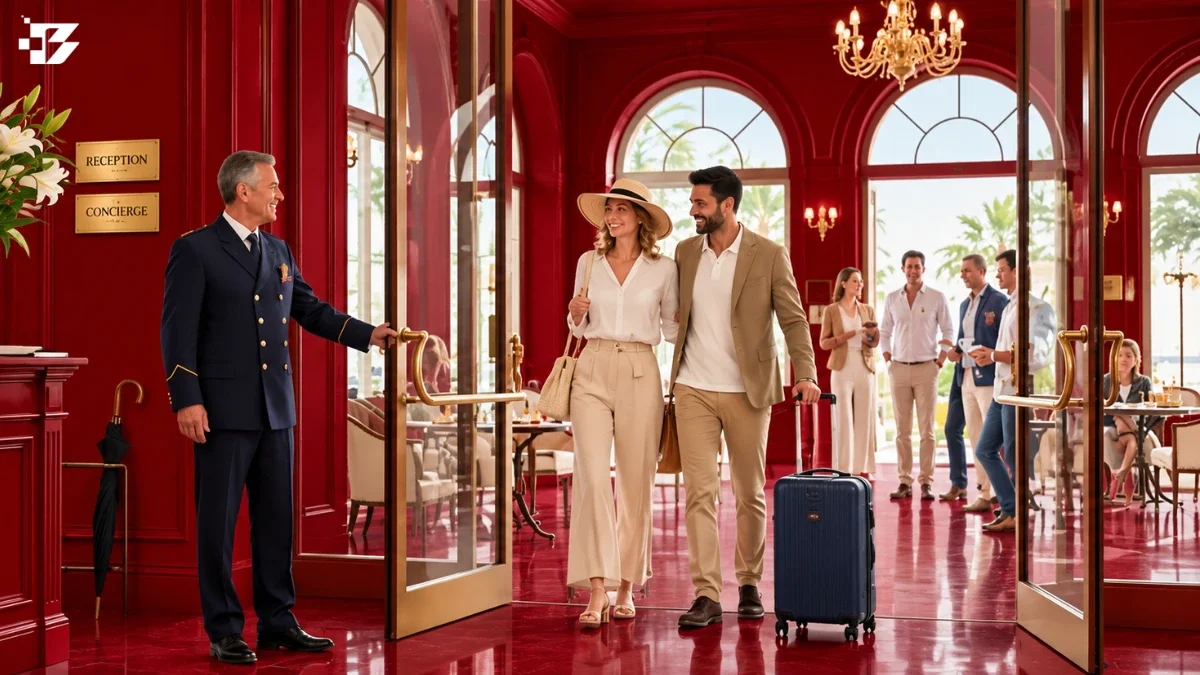
Develop a luxury hospitality brand by choosing a distinctive promise, translating it into a coherent guest experience, and proving it at every touchpoint. A brand touchpoint is any interaction through which a guest experiences or recognizes the hotel’s identity. Luxury is not just expensive finishes or amenities. It also means emotional meaning, thoughtful service, and details guests remember.
This process takes five practical steps, within a broader effort to build trust. You will shape a promise, choose the guests you can serve well, express your identity, set standards, and check the results. Each choice should support the experience you want guests to have, from booking through their stay and follow-up. A clear brand gives your team a shared guide for daily decisions, not just a polished look. A promise becomes memorable only when guests encounter it consistently.
Key Takeaways
- Choose a promise your team can deliver every day.
- Focus on guests whose needs match the property’s strengths.
- Make the name, visual identity, and local story fit one idea.
- Set clear standards for service, design, access, and technology.
- Measure whether guest expectations match the stay they receive.
How to Develop a Luxury Hospitality Brand With a Clear Promise

A strong luxury promise names the feeling guests should remember and the specific reason this property can create it. Start with the feeling, then connect it to things your team can deliver. The promise must describe a real strength, not an image the hotel hopes to grow into.
The global luxury hotel market reached $110.9 billion in 2025 and may reach $196.7 billion by 2033, with a projected 7.5% annual growth rate from 2026 to 2033. North America held 36.1% of global revenue in 2025, and the United States led among individual countries. Hotel chains held 65.2% of the market, while independent luxury hotels may grow 8.6% each year through 2033. Those figures show opportunity, not a reason to serve every luxury traveler.
Set the promise before choosing the look
Define the brand promise before selecting colors, finishes, or a logo. Ask what guests should feel when they leave, and what about the hotel can create that feeling. A promise such as “quiet renewal in the desert” gives the team more direction than “the finest stay in town.” It can shape room design, service choices, and the story guests hear.
Use these five checks to test a draft promise:
- A clear feeling guests should take away.
- A specific reason to choose this property.
- Proof in the setting and the service.
- A connection to the destination or property story.
- An operating plan the team can follow.
Choose a distinction the property can deliver
Rarity can come from a hard-to-copy setting, heritage, privacy, or personal service. It does not require grand claims. A family-run inn with private access to a historic garden may own a more credible idea than a new hotel promising “unmatched exclusivity.” The luxury hotel market outlook also shows that independent properties remain part of a growing field.
To build a strong brand, make sure the property’s values show up in daily choices. A promise of calm rings false when a guest meets loud public spaces and rushed service. A promise of local discovery needs more than a regional dish on the menu. For more on defining brand identity and position, see this guide to a distinctive branding strategy.
Keep the promise narrow enough that the team can deliver it on an ordinary Tuesday, not just on a perfect opening night.
Exclusivity works best when it grows from real limits, such as a rare setting or thoughtful privacy. Keep the promise narrow enough that the team can deliver it on an ordinary Tuesday, not just on a perfect opening night.
Which Guests and Market Will You Serve?
Start with the guest whose needs the property can meet distinctively, not with a persona built from assumptions. Use real behavior to learn why people book and return. A narrower audience makes it easier to build a clear identity instead of generic luxury claims.
In 2026, U.S. luxury RevPAR was forecast to grow 5.2%, compared with 0.7% for midscale hotels and a 0.6% decline for economy hotels. Yet the global base of luxury consumers fell to about 340 million in 2025, from 400 million in 2022. Growth in one market segment does not mean all luxury travelers want the same stay.
Define the guest you can serve unusually well
Review booking patterns, guest feedback, and conversations with past guests. Look for the reasons behind a stay, such as privacy, local culture, or time outdoors. Ask what made the visit feel worthwhile and what might bring the guest back. Those details can reveal a better target than age or income alone.
| Guest group | Main motivation | What earns trust | Fitting proof point |
|---|---|---|---|
| Privacy-seeking leisure guests | Quiet and space | Discreet, attentive service | Private dining or secluded rooms |
| Culture- and design-led travelers | Place and creative detail | Local expertise | Local art and guided visits |
| Wellness- and nature-focused travelers | Rest and outdoor access | Credible wellness care | Nature trails or wellness programs |
Position against the alternatives
Compare what competitors promise with what your property can prove. Look beyond similar rates or room styles. Notice whether nearby hotels overlook a need you can meet, such as quiet work areas, expert local guides, or private access to nature.
- Identify the promise competitors repeat.
- Note which guest needs they serve poorly.
- Test whether your hotel can offer a credible alternative.
Review the local search landscape to see how nearby hotels describe their locations and guest benefits. A segment is useful only when its expectations match your actual identity and service. Choose a target segment only when its needs match the property’s actual strengths.
How Do You Turn Values Into a Name and Visual Identity?
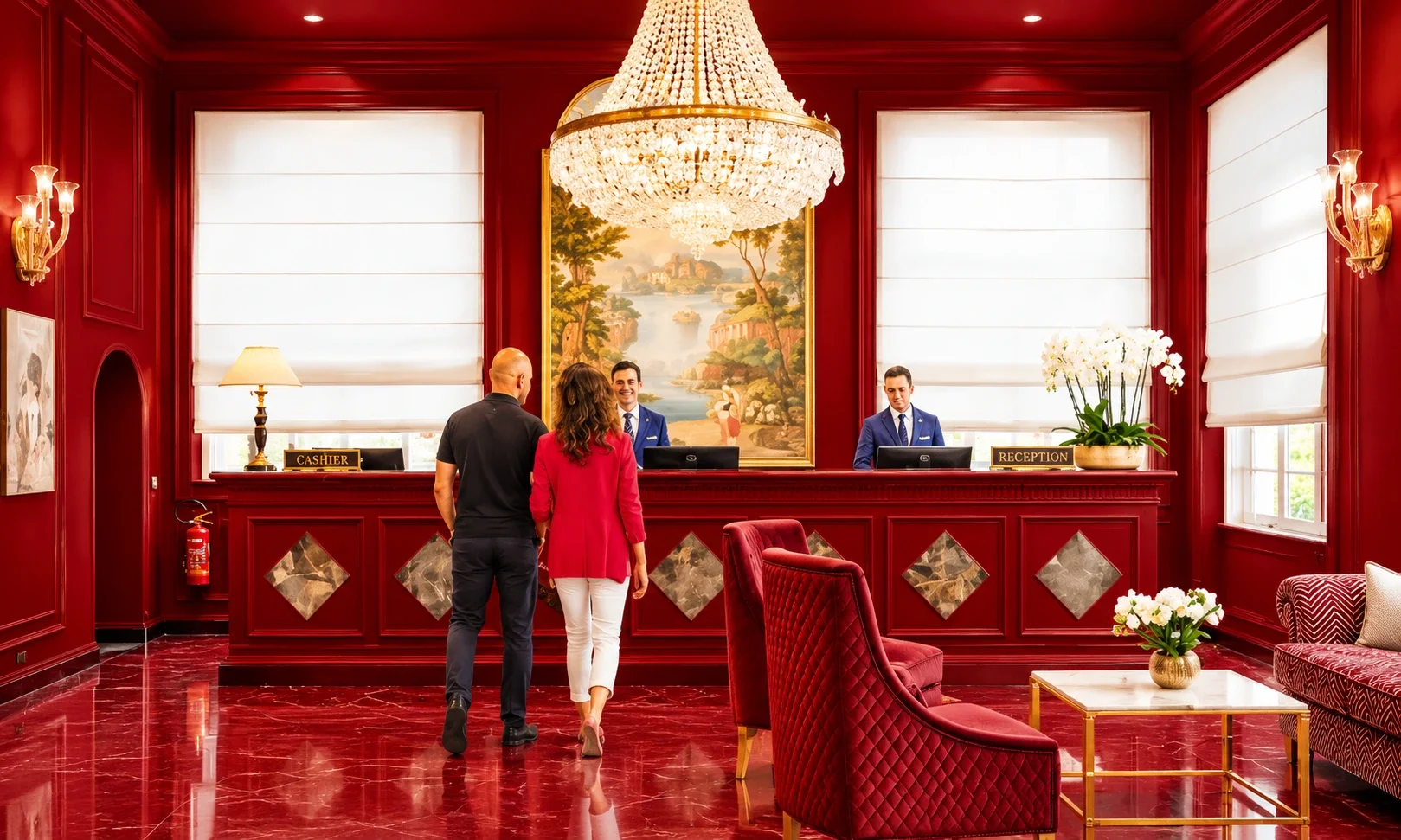
A visual identity should make the hotel’s promise recognizable without asking the logo to do the work of the experience. Build from the promise, then choose a name and visual system that fit the place. A hotel branding mockup can show how those choices look together, but it cannot prove how guests will feel.
A useful mockup previews a logo, typography, colors, signs, and digital layouts in context. It can reveal whether a lobby sign reads clearly or whether the booking page feels consistent with a printed menu. It cannot tell you whether staff deliver the service or guests respond warmly. Use it to test the look, not to claim the identity is proven.
Choose a name and visual system
Choose a name that people can remember and pronounce, and that fits the destination and position. Keep the visual system focused. A small number of colors, type styles, and image rules makes it easier to keep signs, menus, and online content consistent. The right storytelling formats can then carry the same values across different guest interactions.
Before investing, ask a few people unfamiliar with the property to read the name aloud. Notice whether they say it the same way and whether they connect it to the intended place or idea. A name that needs a long explanation may be hard to recall.
Check a name before investing in it
Search the USPTO trademark database for similar marks before filing. A similar mark for related goods or services can lead to refusal. A domain registration does not give you trademark rights. The USPTO recommends searching for similar marks, and its trademark search guidance explains the risk of conflicts.
Foreign-domiciled applicants must use an attorney licensed in the United States. The USPTO strongly encourages U.S.-domiciled applicants to hire a U.S.-licensed trademark attorney, too. An office-action response is due within three months of its issue date, with an optional three-month extension for a fee.
After publication in the Trademark Official Gazette, another party has 30 days to oppose the application or request more time. Check application status every three to four months in the USPTO’s TSDR status system so you do not miss a deadline. Check a proposed name for similar marks before spending on signs, collateral, or a full identity rollout.
What Should Guests Feel at Every Touchpoint?
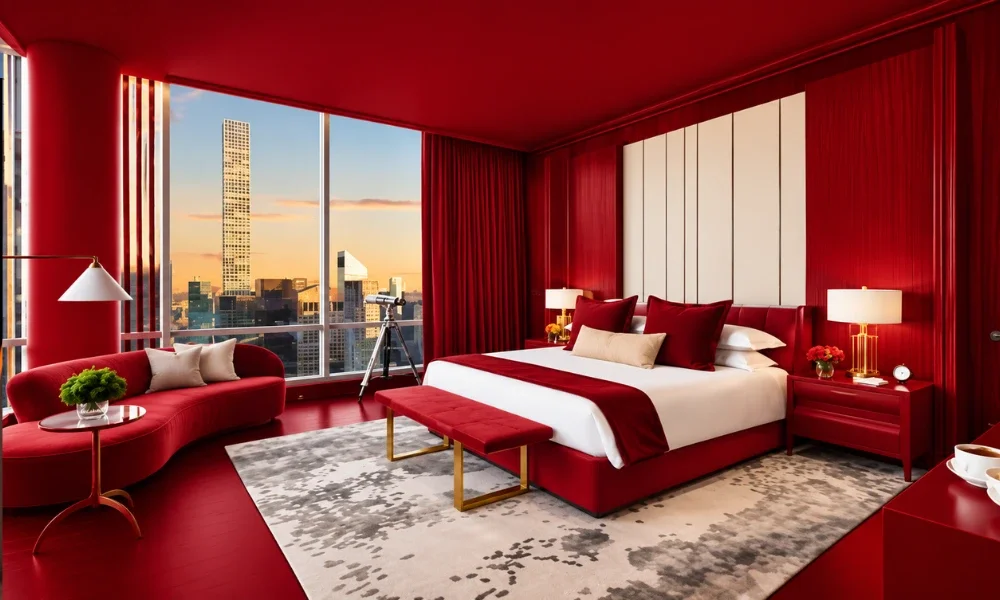
Guests recognize a brand through the details they see, hear, smell, touch, and taste during a stay. Make the cues work together, rather than adding luxury details one at a time. Each sensory choice should support the same identity and feel comfortable to guests.
Light and materials shape what guests see and touch. Music and room acoustics shape what they hear. A subtle scent can help create recognition, while tactile linens and locally rooted food or drink can make a stay feel distinct. Strong sensory choices are often quiet: the scent should not overpower a lobby, and music should not make conversation hard.
Design sensory cues guests can recognize
Choose a few cues that make sense for the promise. A hotel built around rest might use soft light, muted sounds, and comfortable fabrics. A property with an energetic cultural identity might use more lively public spaces and music. Avoid adding a scent, texture, or sound only because it seems expensive.
Hotel branding examples show how different identities can guide experience. St. Regis traces its history to The St. Regis New York, which opened in 1904, and is associated with signature butler service. W Hotels describes a bold style shaped by design, music, popular culture, and social spaces. Banyan Tree centers nature, wellness, privacy, sustainability, and destination experiences. These are distinct approaches, not templates to copy.
Make local culture part of the stay
Local artists, crafts, food producers, and destination experiences can make the promise specific to its setting. A hotel might place work by nearby artists in guest rooms, name food producers on menus, or arrange a visit with a local craft maker. Choose details with a clear link to the place, not decorative signs that claim local character.
Local partnerships also help guests see who shaped the experience. A food or drink tasting can explain a regional ingredient in a way a lobby display cannot. The hotel should make sure these moments feel natural rather than staged. For a hotel’s digital guest touchpoints, mobile-friendly web design can carry the same sense of place into planning and booking.
Guests remember a sensory cue when it fits the stay and gives them room to enjoy it. Choose a sensory signature guests can remember without making it intrusive.
How Can Staff Deliver the Promise Consistently?
A luxury promise becomes credible when staff can recognize what a guest needs and act without waiting for a script. Give people judgment, clear limits, and useful information. Service feels personal when staff can solve routine needs in a way that fits the hotel’s values.
Hire for cultural alignment, then coach staff through real situations instead of asking them to memorize lines. Briefings can cover arrivals, special occasions, and service issues that need attention. Give staff authority to resolve routine guest needs within clear limits. That lets them respond naturally without making every request wait for a manager.
Turn service values into staff choices
Responsible preference tracking can help staff prepare for a guest’s needs before arrival. Record only useful details, limit access, and follow the hotel’s privacy practices. A past request for a feather-free room may help with a future stay; a personal detail unrelated to service should not become team gossip.
Use pre-arrival planning to check details that affect comfort, such as room setup or timing. A short briefing can name who will handle a request and what the guest should expect. Staff should be able to explain when they need to ask a manager, rather than promise what the operation cannot provide.
Use guest feedback to locate friction
Guest reviews can reveal friction in a specific part of the stay. An analysis of about 1,400 reviews on Google, Booking.com, and Hotels.com about Hyatt, Hilton, and IHG covered posts from March 2025 to March 2026. Arrival and check-in sentiment averaged 4.1/5 for IHG, 3.8/5 for Hilton, and 3.7/5 for Hyatt.
| Interaction | IHG | Hilton | Hyatt |
|---|---|---|---|
| Arrival and check-in | 4.1/5 | 3.8/5 | 3.7/5 |
| Digital check-in | 3.8/5 | 3.6/5 | 3.2/5 |
Digital check-in sentiment averaged 3.8/5 for IHG, 3.6/5 for Hilton, and 3.2/5 for Hyatt. These ratings point to areas worth investigating; they are not a universal ranking of service quality. Compare guest comments with staff observations to learn whether a slow arrival stems from training, room readiness, or a confusing process. For ways to spot online friction, review these usability practices for conversion.
Personal service depends on trust as much as memory. Give staff clear boundaries for personalization so remembering a preference never feels intrusive.
What Standards Keep the Experience Consistent and Accessible?
Useful brand standards turn an abstract promise into repeatable choices for design, service, safety, and technology. Keep procedures practical, so staff can use them during a busy shift. Standards should support both a consistent guest experience and access for guests with disabilities.
Hotel standards often cover physical design, operations and service, safety and accessibility, and technology. Manuals can run hundreds of pages, so translate the key rules into clear property-level procedures. Monthly or quarterly self-assessments can catch issues between formal audits.
Write standards teams can use
Use a checklist to make expectations easy to find:
- Design: room size, bedding, bathroom fixtures, lobby furniture, and corridor lighting.
- Service: check-in, checkout, turndown, staff uniforms, response times, and amenity restocking.
- Technology: property systems, Wi-Fi minimums, mobile check-in, digital keys, and lobby screens.
- Safety and access: clear routes, signs, and procedures that match the property’s needs.
Set standards at a level teams can check. For example, state where a sign belongs, when staff should restock an amenity, or how soon they should respond. The right detail depends on the promise and the building, but vague terms such as “high quality” do not help a shift team make a choice.
Build accessibility into signs and spaces
ADA Standards require visual and tactile signs for permanent rooms and spaces where signs are provided. This includes room numbers and labels for rooms, restrooms, and conference rooms. Tactile signs need raised characters, Grade 2 braille, non-glare finishes, and color contrast.
ADA tactile sign rules place signs 48 to 60 inches above the floor. Directional and informational signs must meet visual rules but do not need tactile text. Some signs are exempt, including temporary signs posted for seven days or less, building addresses and directories, occupant or company names and logos, and menus.
Doors at exit stairways, exit passageways, and exit discharge need visual and tactile signs. These details affect both design and installation, so involve the right staff before signs go up. The examples do not replace a review of the rules that apply to your property. Verify sign placement and tactile details against the applicable ADA Standards before installation.
How Should You Market a Luxury Hotel Brand?
Luxury marketing works best when every channel tells the same story to the guest it is meant to reach. Show the real property, including its setting and service, rather than relying on polished claims. Choose channels for both audience fit and a clear business goal.
An integrated mix can include editorial storytelling, paid and organic search, social and creator partnerships, email and CRM, and travel-advisor marketing. Use content that shows the hotel’s actual character and destination. Select partners whose audience and values fit the brand. Social storytelling can also draw on visual food and creator content, adapted to the hotel’s own story.
Match channels to the story and the guest
Direct bookings accounted for 42.7% of luxury hotel market revenue in 2025. Make direct booking pages simple to use on a phone, with clear room details and a short path to reserve. Strong website structure for search can help guests find the right information without getting lost.
Use CRM, or customer relationship management, to organize guest relationships and relevant follow-up. Email should reflect the guest’s stay history and interests, not send every person the same offer. Travel advisors can help reach guests who value expert planning, while editorial stories can explain the property’s local character.
Measure direct demand and conversion
Pair each channel group with a measure that reflects its job. Direct booking conversion rate helps assess the brand, website, and creative. Repeat booking rate reflects email and CRM. Qualified referral traffic measures editorial, public relations, and creator work. Direct booking share measures search and metasearch.
| Channel group | Success measure |
|---|---|
| Brand, website, and creative | Direct booking conversion rate |
| Email and CRM | Repeat booking rate |
| Editorial, PR, and creator partnerships | Qualified referral traffic |
| Search and metasearch | Direct booking share |
In the 2025-2026 benchmark, direct hotel websites averaged 2.2%-3.9% conversion, while 5.0% or more marked high performance. Boutique and luxury hotel sites averaged 1.8%-2.5%, with 3.8% as a high-performer benchmark. Estimated acquisition costs were 15%-30% through online travel agencies and 2%-5% for direct bookings.
These figures are comparison points, not promises. A hotel direct-channel KPI guide can help teams define measures consistently. Keep mobile pages clear, fast, and easy to book, and do not use discounts in place of a clear value offer. Treat benchmarks as diagnostic signals and compare performance within the right hotel segment.
How Do You Measure Whether the Brand Is Working?
A brand is working when the guest’s expectations, the stay itself, and the reasons to return all line up. Check the full experience, not just marketing results. Use guest behavior and feedback to test whether the hotel delivers the promise it makes.
Follow signals across booking, pre-arrival, the stay, checkout, and post-stay follow-up. Booking completion can show whether guests understand the offer. Pre-arrival engagement can show whether they act on useful information. Guest feedback can point to moments that match or break expectations.
During checkout, note whether guests raise unresolved concerns or mention a positive detail. After the stay, watch for return behavior, referrals, and useful replies to follow-up. These signals do not explain every cause by themselves, so compare them with staff observations and direct-booking share.
Bring four kinds of evidence to a regular brand review:
- Guest feedback themes.
- Staff observations.
- Booking behavior.
- Operational consistency.
Ask whether the property’s actions match its stated values. If a hotel promises local connection, check whether guests meet local people or experience the place beyond its decor. If the promise centers on calm, consider whether common guest comments describe a restful stay. Look for repeated gaps rather than reacting to one comment.
Review brand performance each year. Major identity changes usually happen every five to seven years, or sooner when market shifts show that the audience or guest fit has changed. A new look alone is not a reason to replace a brand that still fits its guests and operation.
Set a review date each year and make a larger refresh only when the evidence points to a real change in fit.
What Can Go Wrong When the Brand Promise Meets Reality?
The fastest way to weaken a luxury brand is to promise a distinctive experience and deliver an ordinary one. Trust breaks at the gap between what marketing says and what guests encounter. Polished branding cannot make up for an operation or service culture that fails to deliver.
Generic positioning also makes a hotel hard to remember. A promise of “world-class service” does little unless staff can explain what that means in a real guest interaction. Ritz-Carlton’s Gold Standards include its Credo, Motto, and Three Steps of Service. Rosewood describes its collection through a sense of place shaped by each property. These hotel branding examples show ideas expressed through service or place, not endorsements.
Routine heavy discounting can blur exclusivity and train guests to wait for lower rates. Value-added packages or carefully limited offers can protect the rate while giving guests a clear reason to book. The offer should fit the experience, such as a meal or local activity, rather than quietly changing the promise.
Before launch, check five points:
- The promise is specific.
- Staff can explain and deliver it.
- Operating standards support it.
- The guest journey feels coherent.
- The property has a plan to monitor feedback.
Before launch, ask a frontline employee to explain the promise and give one concrete example of how they would deliver it.
If the employee can only repeat a slogan, the idea may not yet guide real choices. Before launch, ask a frontline employee to explain the promise and give one concrete example of how they would deliver it.
Conclusion
A lasting luxury brand is built when a distinctive promise is visible in the experience guests actually receive. Emotional appeal and exclusivity matter only when staff, operations, and every guest touchpoint make them believable.
Consistency builds trust, and trust gives guests a reason to return. A brand also gives teams a practical way to make decisions when the perfect answer is not written in a manual. Use the promise as a guide, not as decoration.
Write the promise in one sentence, then use it to guide the team’s next three guest-facing decisions.