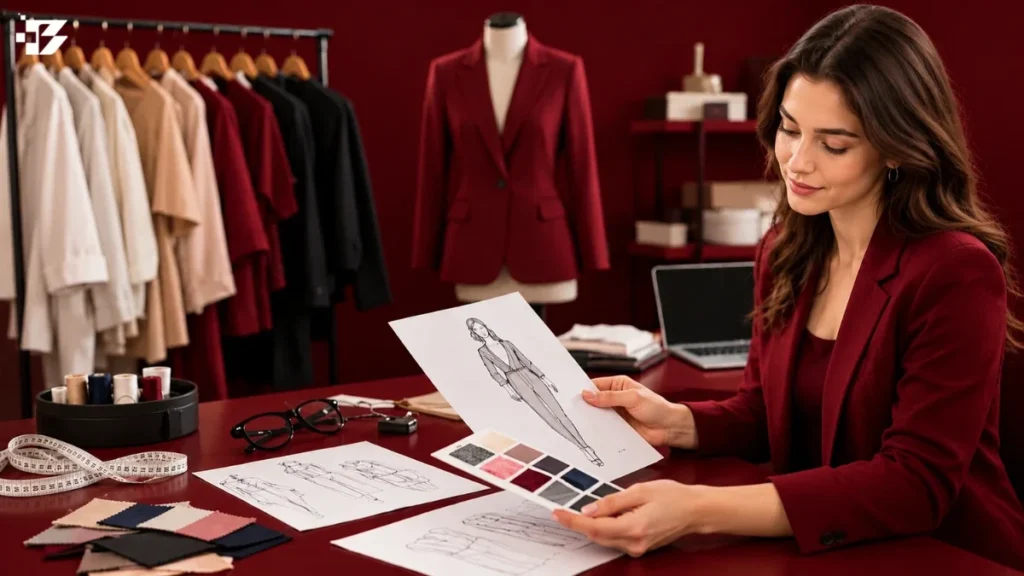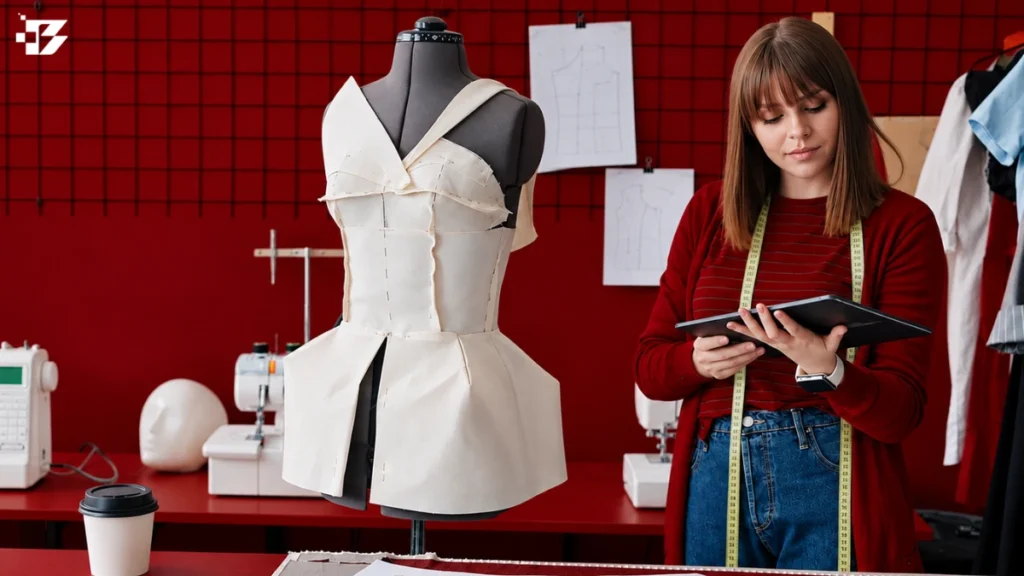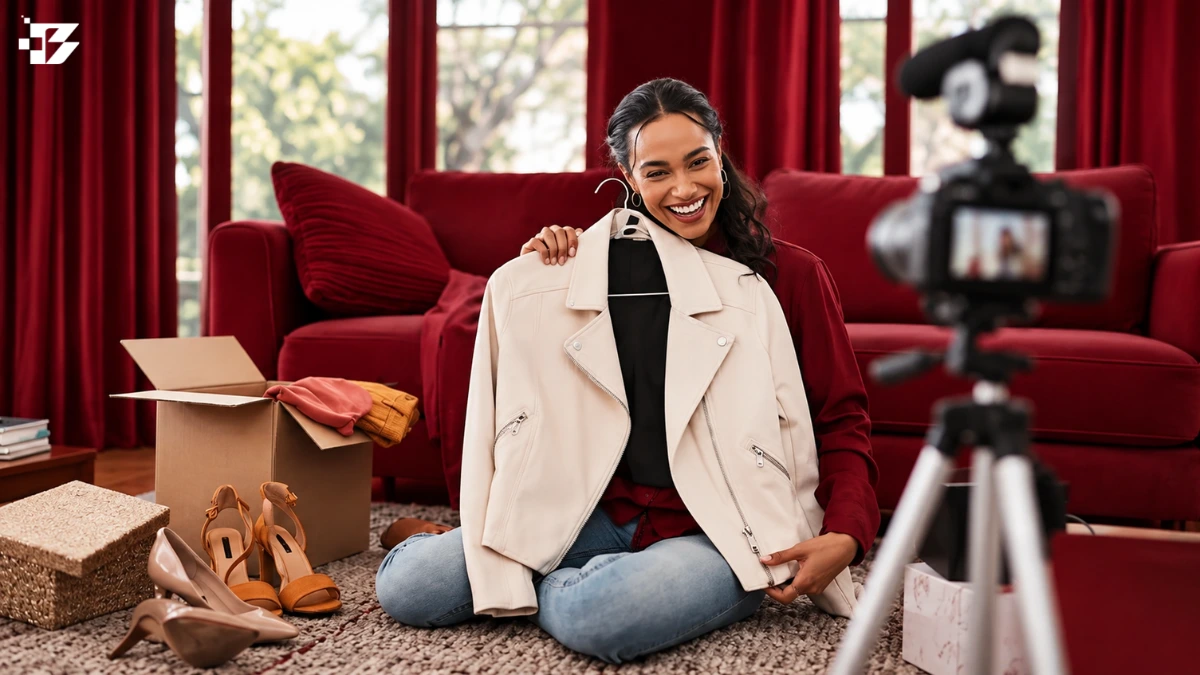
A fashion brand ambassador program works best when it turns genuine product enthusiasm into a clear, supported partnership with measurable goals. Set one goal, find advocates who fit your style, agree on fair rewards, then support and measure the work.
This guide is for U.S. fashion brands and apparel businesses. Firsthand recommendations can help people understand how clothes look and feel, but they do not promise sales. A large following is not the only way to contribute: a trusted local voice or loyal customer may reach the right audience.
Use social media or other channels that match your customers and your marketing goal. Start with one outcome the business can track, rather than trying to make the first program solve every marketing challenge.
Key Takeaways
- Choose one main goal and a way to measure it.
- Recruit people with a real connection to your products.
- Agree on rewards, work and timelines in writing.
- Give ambassadors clear guidance and steady support.
- Track results, then adjust the program based on what you learn.
What Does a Fashion Brand Ambassador Program Do?
A fashion brand ambassador program organizes ongoing advocacy by customers or creators who have a genuine connection to the clothes and the brand. The relationship continues beyond a single post, and affiliate attribution means linking a sale to the ambassador’s unique link or code.
Word of mouth is the primary factor in 20%-50% of purchasing decisions. An ambassador program can build trust and community through repeated, firsthand product recommendations. Here is how the main partner types often differ:
| Partner type | Relationship | Typical reward | Primary contribution |
|---|---|---|---|
| Ambassador | Ongoing partnership | Products, pay or perks | Advocacy and community |
| Affiliate | Ongoing, tracked referrals | Commission per attributed sale | Sales through links or codes |
| Influencer | Set campaign or post | Fee or gifted products | Campaign reach and content |
Programs can combine these models, but a short paid campaign is not an ongoing ambassador relationship. For a closer look at tracked partnerships, see this guide to setting up an affiliate program.
Treat the program as a relationship, not simply a discount code attached to a post.
Lululemon has more than 1,200 ambassadors worldwide, with Global Ambassadors and Store Ambassadors serving different roles. That structure shows how a brand can connect broad reach with local ties.
How to Build a Fashion Brand Ambassador Program in Five Steps
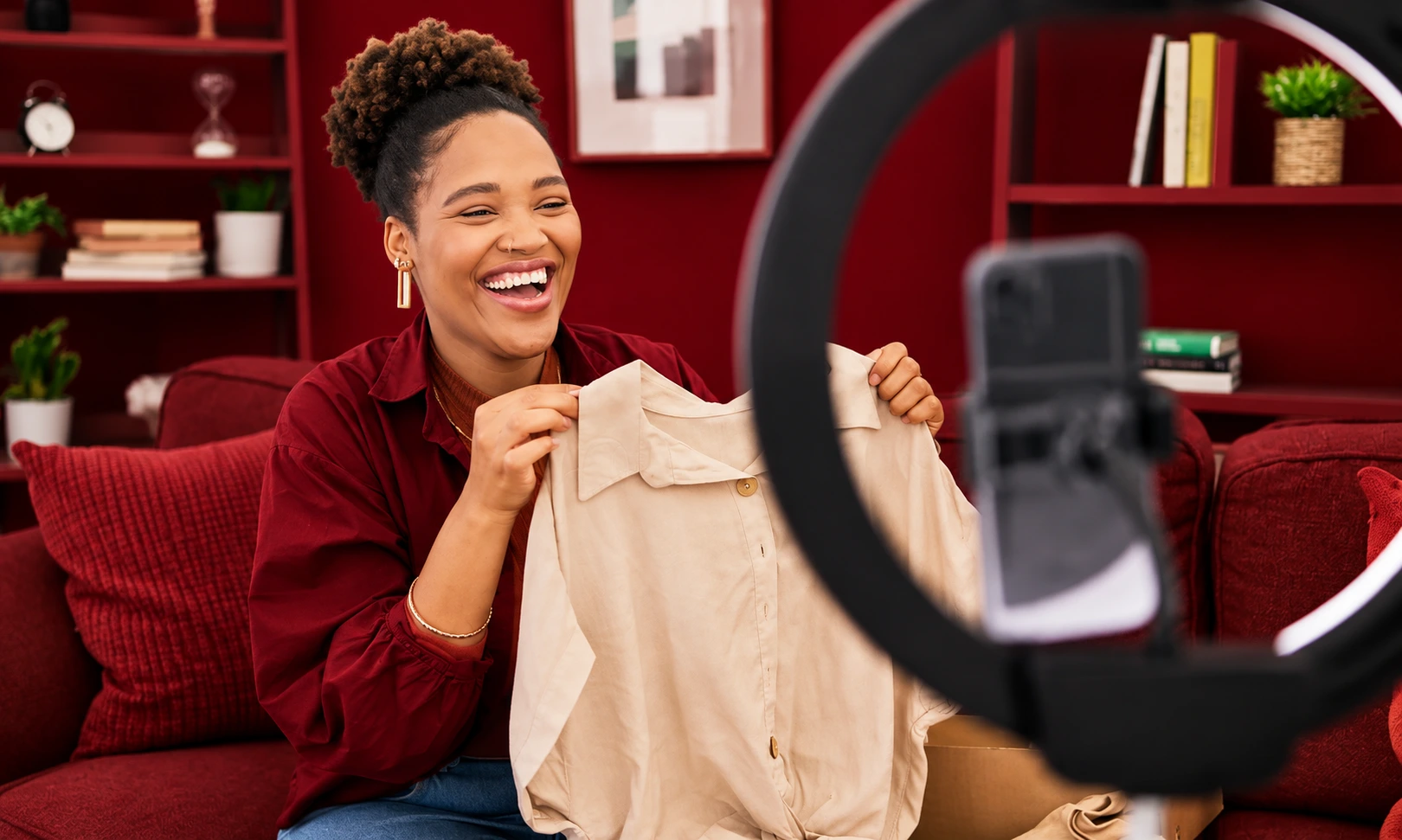
Pick one primary outcome first, because a sales-focused program needs different tracking from a program built to produce fashion content. Match the model to the goal, then set up a pilot your team can manage.
Each goal needs a clear KPI, or key performance indicator, that shows whether the work is helping. More than 80% of marketers agree influencers are essential to their social media strategy. In a 2024 survey, 78% of consumers and 88% of Gen Z said a brand’s social media presence affects their trust.
Set the goal and choose a program model
Choose sales, awareness, customer loyalty or usable content as the main outcome. A program can focus on one result while still creating other benefits, but keep the primary KPI easy to read.
- Sales: attributed orders
- Awareness: reach
- Content: usable assets
- Loyalty: repeat purchases
Use a mix of ambassadors, affiliates or paid creators only when each role is clear. An inbound marketing approach can help connect useful content with interested visitors.
Define the audience, rewards and launch plan
Decide how many people you can support, which roles you need, and whether they apply or receive an invitation. Set the budget, timeline and launch channel before announcing the program.
A fashion brand ambassador program can run online with an application page, clear onboarding materials and tracked links or codes. In-person events can add a useful way to meet the community. Keep the launch small enough for staff to answer questions promptly.
Plan for product, compensation, shipping, event costs and staff time. Set a pilot budget that covers product, compensation, shipping, event costs and staff time before recruiting.
How Should You Find and Choose Fashion Ambassadors?
The strongest candidates are often already wearing, discussing or recommending the brand, even if their audience is small. Start close to home, then check whether each person fits your customers and can follow through.
There is no universal follower minimum for brand ambassador programs. A person can become a brand ambassador with no experience by showing real product interest, consistent communication and dependable follow-through. A person can become a brand ambassador for clothing without a large following.
Start with customers and community members
Look among repeat customers, people who tag the brand, event participants and relevant local communities. Someone can become a brand ambassador without social media through event, campus or local community work, if you recruit for those channels.
Fashion companies such as Lululemon and ASOS have ambassador models. Check each company’s official site for current applications and terms, since openings are not guaranteed.
Screen for style fit and authentic engagement
Review four parts of a candidate’s work before inviting them:
- Style and values fit
- Genuine experience with the products
- Audience relevance and engagement
- Reliability and communication
Meta Creator Marketplace eligibility requires creators to be at least 18, use a public professional Instagram account, have at least 1,000 followers and follow Meta’s partner monetization policies. Eligible creators can check the Professional dashboard under Monetization; see the Creator Marketplace eligibility details.
Those platform rules do not set the minimum for your own program. Compare candidates’ content and audience fit with Instagram influencer marketing strategies, especially when considering creators with different audience sizes.
Review a candidate’s recent posts and interactions for consistency instead of judging fit from follower count alone.
What Should Fashion Brand Ambassadors Receive?
A useful reward plan matches the work requested, from product gifting for occasional posts to cash or a retainer for defined deliverables. Set the terms before work starts, and separate ambassador pay from commission on attributed sales.
Typical 2026 compensation ranges depend on the role and work involved:
| Arrangement | Typical 2026 amount | Basis | Best fit |
|---|---|---|---|
| Entry-level event work | $18-$25 per hour | Hours worked | In-person events |
| Mid-level annual contracts | $55,000-$75,000 per year | 2-5 years of experience | Ongoing ambassador work |
| Specialized top-tier work | $100,000 or more per year | Base pay and incentives | High-level specialists |
| E-commerce commission | 10%-20% per sale | Unique link or code | Tracked online sales |
| Monthly retainer | $2,000 per month | 4 Instagram Reels and 2 blog posts | Set monthly deliverables |
Free products, discounts, early access and event invitations can supplement cash or commissions, but agree on them rather than assuming they are included. High-quality user-generated content can support fees 30%-50% higher than standard ambassador fees. Negotiate paid-ad image or content usage rights separately.
Nike’s free U.S. affiliate program is a separate affiliate option, not proof of an ambassador opening. It requires an active CJ Affiliate account and reviews applications individually. Approved affiliates can earn up to 15% on valid U.S. sales, with rates varying by partner and some products, including gift cards, excluded from commission.
Put deliverables, payment timing, commission rules and any content-use rights in writing before work begins.
What Should Fashion Ambassador Guidelines Cover?
Give ambassadors clear boundaries for accuracy and disclosure, then let them describe their real experience in their own voice. Good guidelines leave room for personal style while making the work and brand facts clear.
Write down what each post must include, but do not script personal opinions. Your policy can cover these four areas:
- Posting frequency
- Brand voice and factual product details
- Content review and usage permissions
- Disclosure instructions
Set clear content expectations without scripting
Set a posting cadence and list required tags, accurate product details and any approved key information. Explain which content needs review and how the brand may use approved images or video.
Give ambassadors facts they need, such as fabric details, care notes or available sizes. Let them decide how to describe fit and feel based on their own experience. A guide to clear brand messaging can help teams keep product information easy to understand.
Make endorsement disclosures clear in every format
A material connection includes payment, free products or samples, affiliate commissions, discounts, or a personal, employment or ownership relationship with the brand. Use clear wording such as “sponsored,” “paid partnership” or “advertisement.”
Place the disclosure where people can see it without clicking or expanding the post. A platform disclosure tool can help, but it does not replace a clear disclosure in the content. The word “ambassador” alone is too vague; use wording such as “Paid Brand Ambassador” or “Sponsored by [Brand].”
Video endorsements need both visual and spoken disclosures. Livestreams need both forms repeated throughout the stream. Podcast disclosures must be spoken in the episode and included in the show notes.
Check that the disclosure can be noticed without clicking, expanding or searching for more information.
How Do You Support Ambassadors After Launch?
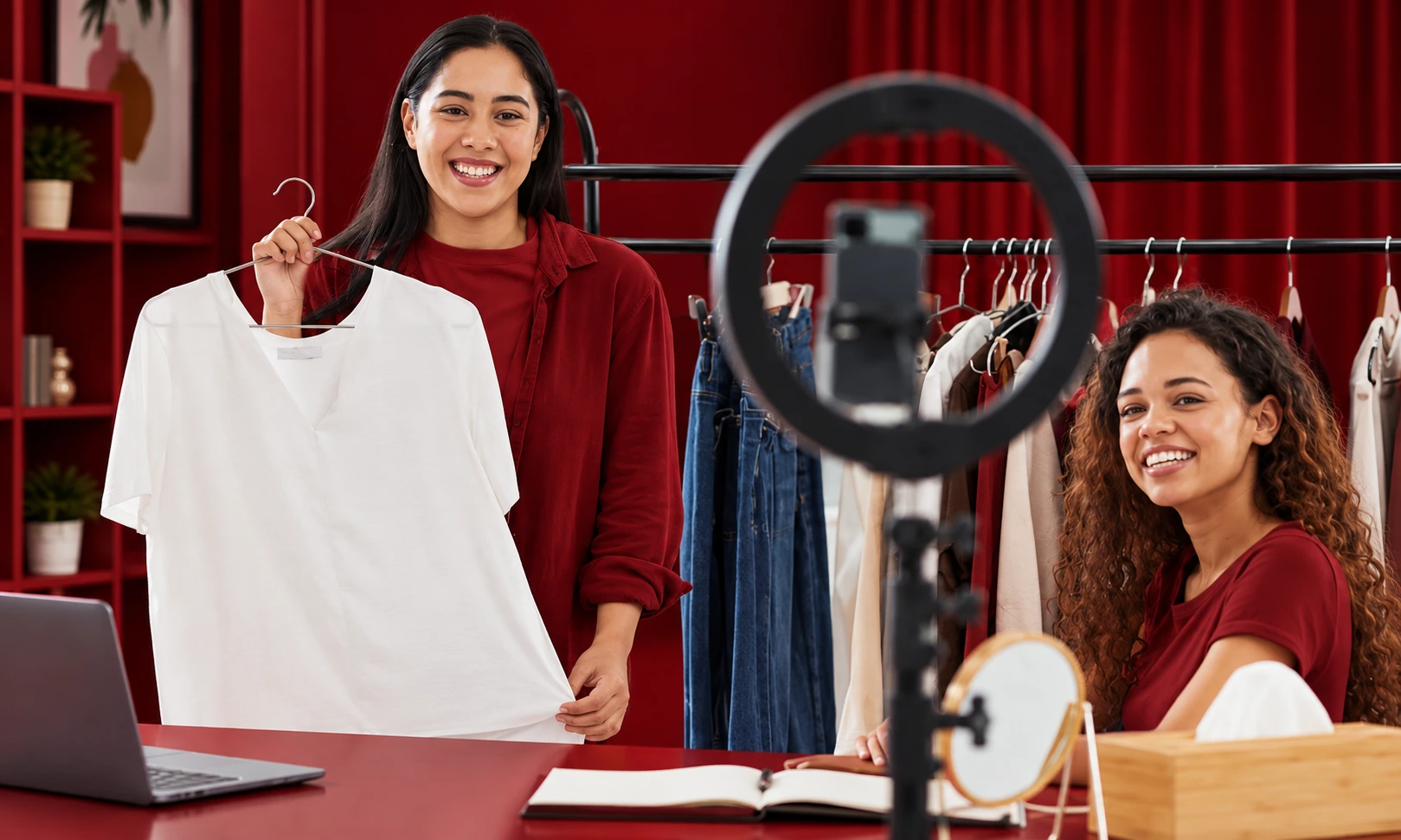
Ambassadors stay involved when communication is dependable and the partnership gives them useful ways to connect with the brand and one another. Make support easy to reach, without asking to approve every post.
Regular check-ins and quick answers help prevent small problems from slowing the work. Share product details on time, ask for feedback, recognize contributions and help ambassadors meet peers with similar interests.
Keep communication and recognition consistent
Choose a reliable contact and a clear way to reach them. Check in on a steady schedule, then respond when someone has a question about sizing, stock or a campaign detail.
Invite ambassadors to share what customers are saying. Recognition can include featuring their work or thanking them in a private group. Optional events can help local members meet in person, while social channels connect people who live farther apart.
A social media engagement plan can help your team make audience interaction part of its normal routine. Keep the partnership responsive without making every caption wait for approval.
Use tools for gifting, links and campaign tracking
Creator-management software can bring discovery, collaboration, campaign tracking, payments, gifting and affiliate attribution into one workflow. Modash combines these functions; its gifting tools can send products at scale and track whether gifts lead to posts.
Its affiliate tools support links and codes, attribution and automated payouts. That can reduce manual work as the number of partners grows, though a small pilot may not need it.
A spreadsheet can track names, product shipments, post dates and link results for a small group. Dedicated software may help when gifting at scale or sending automated payouts becomes hard to manage by hand.
Ask ambassadors what is making participation easy or difficult before changing the program’s process.
Which Metrics Show Whether the Program Works?
Measure the result that matches the program’s original goal, then check whether the effort and cost were worth that result. Use a few useful metrics, not a long report that hides what needs attention.
Track attributed orders and revenue for sales, reach and engagement for awareness, usable asset volume for content, and repeat purchases or retention for loyalty. Unique links or codes connect an attributed sale to an ambassador.
Compare ambassador acquisition with other channels over the same time period and cost categories. Referred customers have 16% higher lifetime value and are roughly 18% less likely to churn at a given point, but those figures do not promise the same result for every program.
Compare ambassador acquisition with other channels over the same time period and cost categories.
A reach spike without clicks or usable content may mean the audience fit or call to action needs review. Look at the post, its link and the people it reached before changing the program.
YouTube marketing measurement offers examples of tracking views, clicks, engagement and retention for video content. Review results with ambassadors as well as internally, since their feedback can explain a metric that numbers alone cannot.
Conclusion
A dependable ambassador program starts with a clear purpose and people who already have a reason to believe in the clothes. Genuine fit and steady support matter more than sheer reach. Clear expectations also help a small team keep the work manageable.
Write a one-page pilot brief naming its primary goal, ideal advocate, reward and success metric. Use that brief to invite a small first group, then learn from the work before adding more people.
Draft the pilot brief and invite a small group of well-matched advocates to test it.