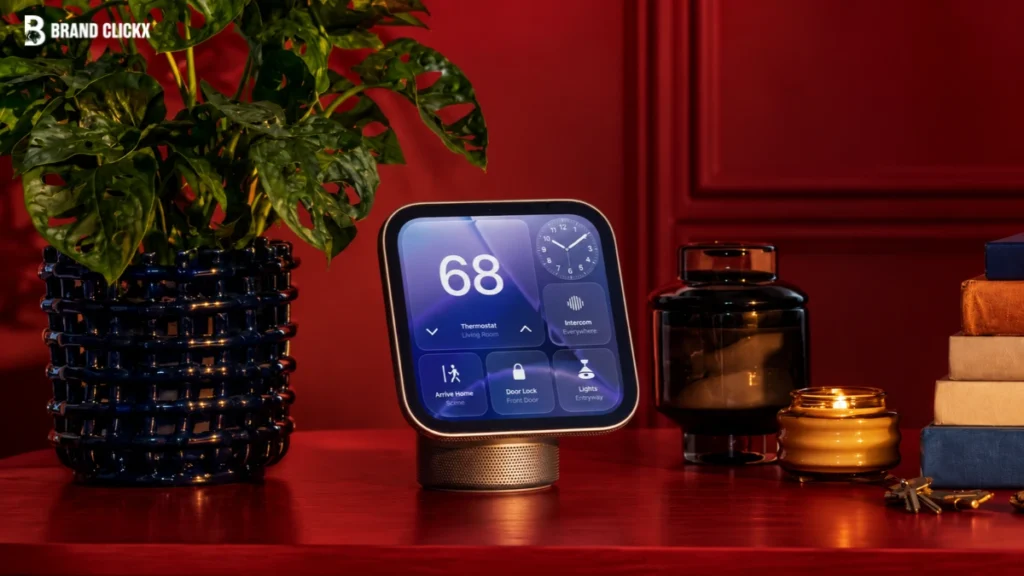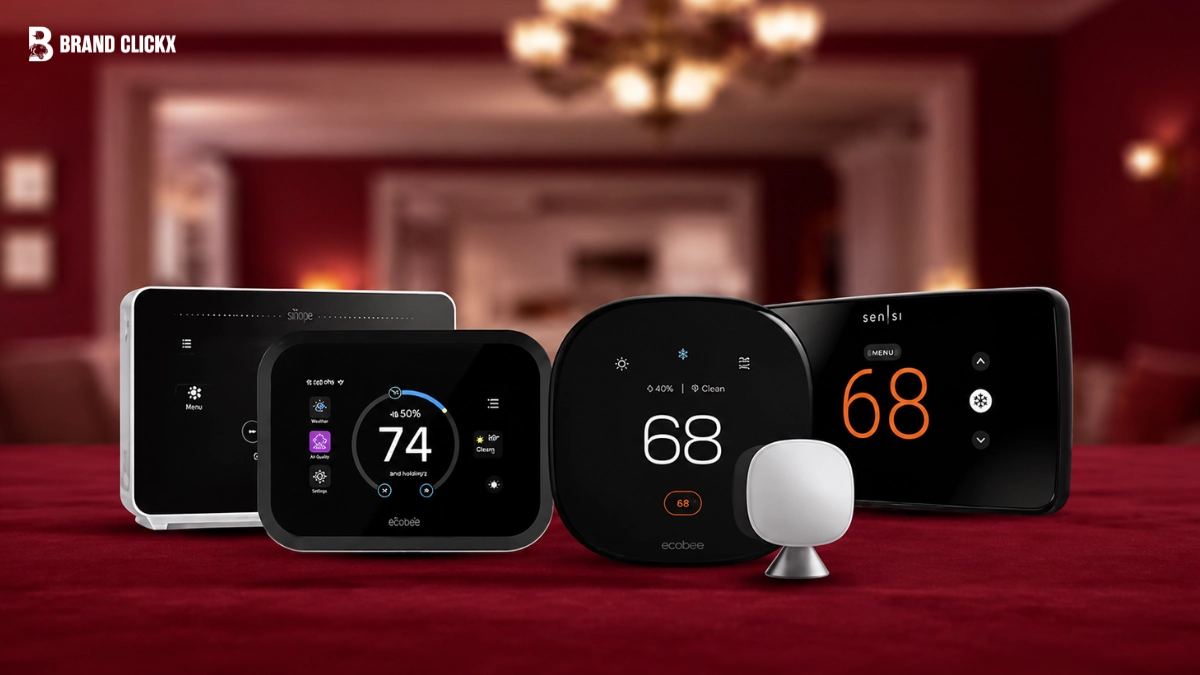
A smart thermostat does much more than adjust the temperature. It learns your routine, helps lower energy bills, and lets you control your home’s heating and cooling from anywhere using your phone. Many models also work with voice assistants, making daily life more convenient.
With so many options available, choosing the right one can feel overwhelming. Some thermostats focus on saving energy, while others offer advanced automation, room sensors, or compatibility with different HVAC systems.
This guide reviews the 15 best smart thermostats available today. Whether you’re looking for a budget-friendly option, a premium smart home upgrade, or a thermostat designed for larger homes, you’ll find a recommendation that fits your needs.
Quick Answer
If you want the best overall smart thermostat, the Google Nest Learning Thermostat (4th Gen) stands out thanks to its intelligent learning features, energy-saving tools, and simple installation for many homes.
If value matters most, the Amazon Smart Thermostat offers reliable smart controls at an affordable price. For homes with multiple rooms and advanced comfort needs, the ecobee Smart Thermostat Premium remains one of the strongest choices.
The right thermostat ultimately depends on your HVAC system, preferred smart home platform, and budget.
Best Smart Thermostats Comparison Table
| Smart Thermostat | Best For | Voice Assistants | Learning Feature | Remote App | Energy Saving |
| Google Nest Learning Thermostat (4th Gen) | Overall Performance | Google Assistant, Alexa | Yes | Yes | Excellent |
| ecobee Smart Thermostat Premium | Large Homes | Alexa, Siri, Google Assistant | Yes | Yes | Excellent |
| Amazon Smart Thermostat | Budget Buyers | Alexa | Basic | Yes | Very Good |
| Honeywell Home T9 | Multiple Rooms | Alexa, Google Assistant | Room Sensors | Yes | Very Good |
| Emerson Sensi Touch 2 | Easy Installation | Alexa, Google Assistant | No | Yes | Good |
How We Chose the Best Smart Thermostats
Choosing a smart thermostat isn’t only about finding the newest model. We evaluated every product based on practical features that matter to homeowners every day.
Compatibility
Not every thermostat works with every HVAC system. We considered models that support a wide range of heating and cooling setups while clearly identifying those with specific requirements.
Smart Features
Automation, scheduling, learning behaviour, occupancy detection, and geofencing all improve convenience. Products with reliable smart features received higher rankings.
Ease of Installation
Many homeowners prefer installing a thermostat themselves. We favoured models with clear instructions and user-friendly mobile apps that simplify setup.
Energy Savings
Smart thermostats are designed to reduce unnecessary heating and cooling. Products with proven scheduling tools and energy reports ranked higher because they help homeowners manage energy use more effectively.
Smart Home Integration
Compatibility with Amazon Alexa, Google Home, Apple HomeKit, and other smart home platforms makes automation much easier. Thermostats that work across multiple ecosystems provide greater flexibility.
Value for Money
A higher price doesn’t always mean a better product. We compared features, software experience, warranty, and long-term value to ensure recommendations suit different budgets.
The 15 Best Smart Thermostats
1. Google Nest Learning Thermostat (4th Gen)
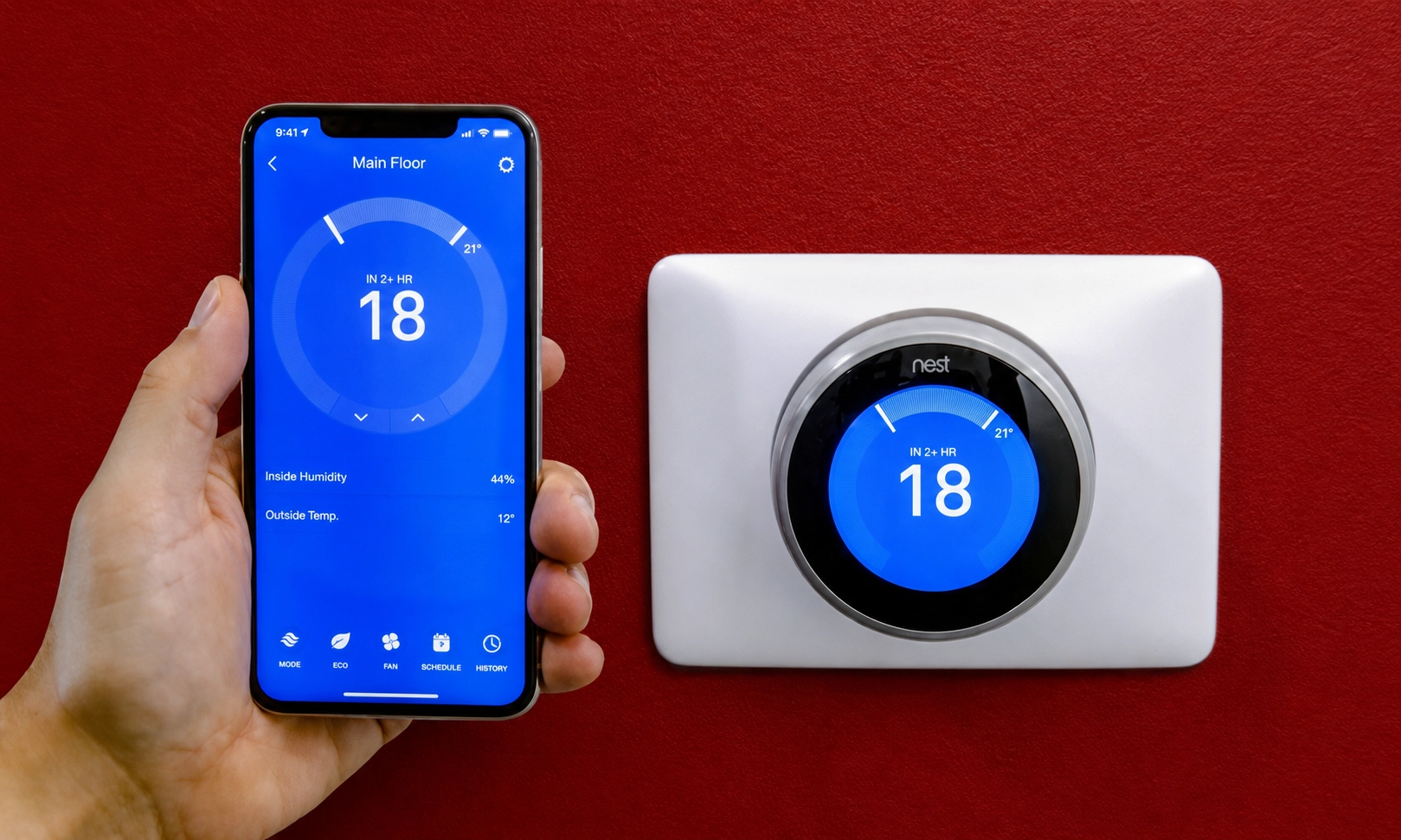
The Google Nest Learning Thermostat continues to set the standard for smart climate control. It automatically learns your preferred temperatures and builds a schedule without requiring constant adjustments.
The redesigned display is easier to read from across the room, while remote control through the Google Home app makes temperature changes simple wherever you are.
Why You’ll Like It
- Learns your daily routine automatically
- Attractive modern design
- Detailed energy reports
- Works with Google Assistant and Alexa
- Remote control from anywhere
- Simple scheduling features
Pros
- Excellent automation
- Strong energy-saving features
- Easy-to-use app
- Premium display
Cons
- Higher price than many competitors
- Some advanced features depend on the Google ecosystem
2. ecobee Smart Thermostat Premium
The ecobee Smart Thermostat Premium is ideal for households that want greater control over comfort in different rooms. It supports smart room sensors that help maintain more consistent temperatures throughout the home.
Its built-in air quality monitoring adds extra value by helping users understand indoor air conditions while maintaining efficient heating and cooling.
Why You’ll Like It
- Supports room sensors
- Built-in Alexa
- Apple HomeKit compatible
- Air quality monitoring
- Excellent automation
Pros
- Outstanding smart home integration
- Highly accurate temperature management
- Premium build quality
- Excellent companion app
Cons
- More expensive than entry-level models
- Additional sensors increase overall cost
3. Amazon Smart Thermostat
For homeowners entering the smart home world, the Amazon Smart Thermostat offers impressive value. It provides reliable scheduling, remote control, and Alexa integration without the premium price tag.
Although it lacks advanced learning capabilities found in more expensive models, it still delivers excellent everyday performance.
Why You’ll Like It
- Affordable price
- Alexa integration
- Easy installation
- Energy-saving schedules
- Simple mobile app
Pros
- Excellent value
- Beginner friendly
- Reliable performance
- Compact design
Cons
- Limited advanced automation
- Designed mainly for Alexa users
4. Honeywell Home T9 Smart Thermostat
The Honeywell Home T9 is a great choice for families who want balanced temperatures throughout the house. Its optional smart room sensors detect occupancy and prioritise comfort where people spend the most time.
It is especially useful in homes where some rooms are warmer or cooler than others.
Why You’ll Like It
- Smart room sensors
- Easy scheduling
- Reliable mobile app
- Geofencing support
- Works with Alexa and Google Assistant
Pros
- Excellent room-by-room comfort
- Easy to customise schedules
- Good HVAC compatibility
Cons
- Room sensors are sold separately in some packages
- Interface feels less modern than some rivals
5. Emerson Sensi Touch 2
The Emerson Sensi Touch 2 focuses on simplicity without sacrificing smart features. Installation is straightforward, and the app walks users through every step.
It supports voice assistants and provides useful energy reports while keeping controls easy to understand.
Why You’ll Like It
- Colour touchscreen
- DIY-friendly installation
- Reliable scheduling
- Energy usage reports
- Wide HVAC compatibility
Pros
- Very easy to install
- Clean app interface
- Accurate temperature readings
Cons
- No automatic learning feature
- Display is smaller than premium models
6. Google Nest Thermostat
Unlike the Learning version, the standard Google Nest Thermostat is designed for buyers who want smart features at a lower price.
It includes remote control, energy-saving suggestions, and simple scheduling without adding unnecessary complexity.
Why You’ll Like It
- Affordable
- Attractive design
- Google Home integration
- Remote control
- Energy-saving suggestions
Pros
- Great value
- Easy setup
- Modern appearance
Cons
- Does not learn your habits automatically
- Fewer premium features
7. ecobee Smart Thermostat Enhanced
The ecobee Smart Thermostat Enhanced offers many of the brand’s premium features while keeping the price more reasonable.
It works well for homeowners who want reliable automation without paying for extra hardware they may never use.
Why You’ll Like It
- Smart scheduling
- Voice assistant support
- Energy reports
- Mobile app control
Pros
- Excellent value
- Reliable performance
- Strong smart home support
Cons
- Air quality monitor not included
- Premium sensors cost extra
8. Honeywell Home T10 Pro
The Honeywell Home T10 Pro is designed for homes that require advanced zoning and precise temperature management.
Its smart sensors improve comfort by focusing heating and cooling on occupied spaces.
Why You’ll Like It
- Smart room prioritisation
- Flexible scheduling
- Reliable controls
- Professional-level features
Pros
- Excellent for larger homes
- Strong automation
- Accurate sensors
Cons
- Higher price
- Best suited for advanced HVAC systems
9. Wyze Thermostat
The Wyze Thermostat delivers impressive functionality for buyers on a tighter budget.
It offers remote control, scheduling, and voice assistant compatibility while remaining easy to install.
Why You’ll Like It
- Budget friendly
- Simple controls
- App scheduling
- Voice assistant support
Pros
- Affordable
- Easy to use
- Good everyday performance
Cons
- Fewer premium features
- Basic design
10. Bosch BCC100 Connected Thermostat
Bosch focuses on dependable performance with an intuitive touchscreen and flexible scheduling.
The thermostat works well for homeowners who prefer a clean interface over complex automation.
Why You’ll Like It
- Large touchscreen
- Weekly scheduling
- Remote app access
- Reliable operation
Pros
- User-friendly interface
- Responsive controls
- Stable performance
Cons
- Limited smart learning
- Fewer ecosystem integrations
11. Mysa Smart Thermostat
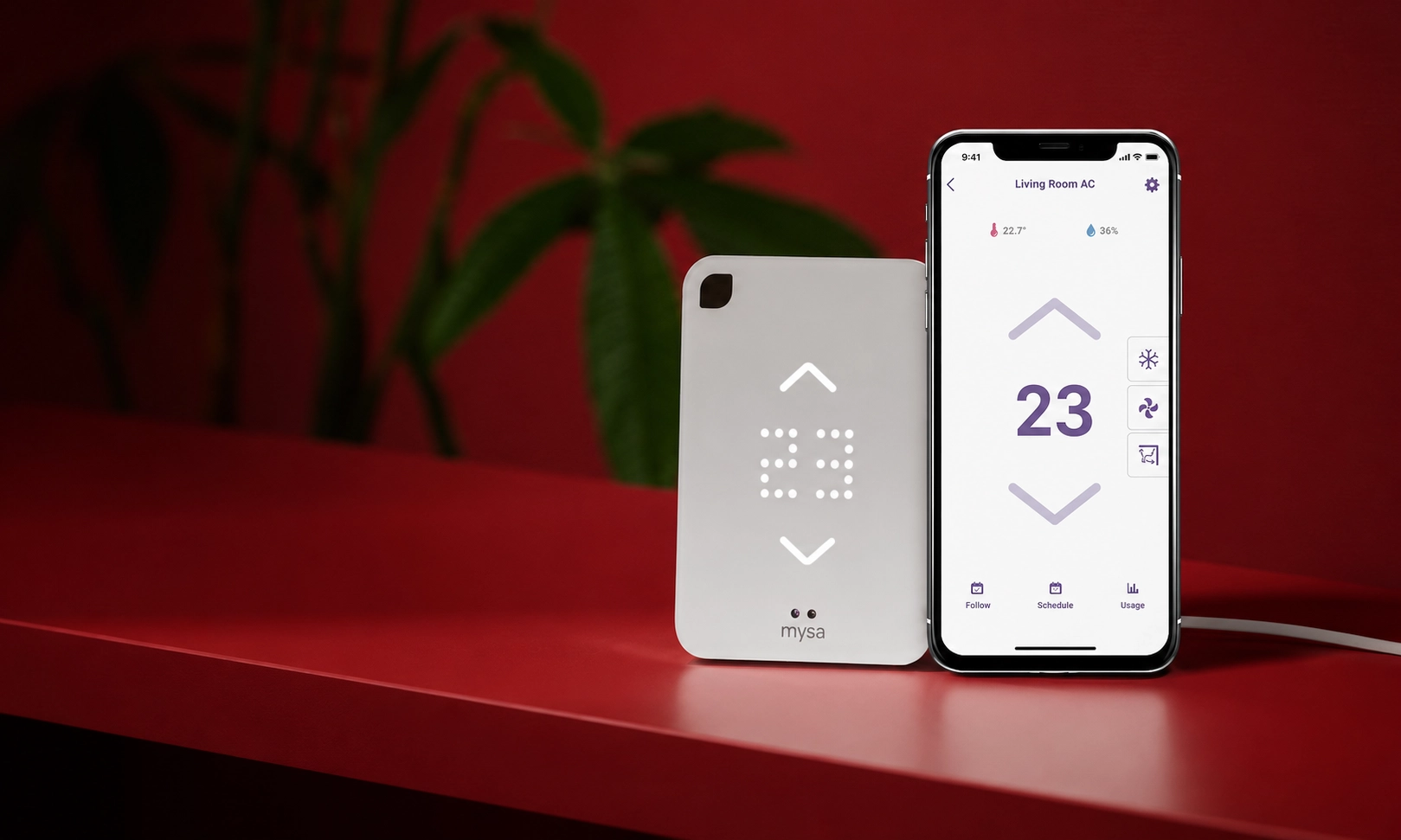
The Mysa Smart Thermostat is built for electric baseboard and electric heating systems rather than traditional central HVAC.
It helps reduce electricity use while offering convenient smartphone control.
Why You’ll Like It
- Designed for electric heating
- Energy monitoring
- Voice assistant support
- Easy scheduling
Pros
- Excellent for electric homes
- Attractive design
- Helpful energy reports
Cons
- Not compatible with standard HVAC systems
- Higher price for larger homes with multiple units
12. Hive Active Heating Thermostat
Hive Active Heating combines smart scheduling with simple remote management.
Its clean interface makes it suitable for users who prefer straightforward controls instead of advanced automation.
Why You’ll Like It
- Remote heating control
- Flexible schedules
- Voice assistant support
- User-friendly app
Pros
- Easy daily use
- Reliable connectivity
- Good energy-saving tools
Cons
- Availability varies by region
- Fewer advanced features
13. Netatmo Smart Thermostat
The Netatmo Smart Thermostat focuses on energy efficiency and elegant design.
Its automatic schedules adapt to daily routines while remaining easy to customise whenever needed.
Why You’ll Like It
- Attractive design
- Energy reports
- Smart scheduling
- Remote access
Pros
- Modern appearance
- Easy installation
- Good efficiency
Cons
- Smaller smart ecosystem
- Advanced automation is limited
14. Lux Kono Smart Thermostat
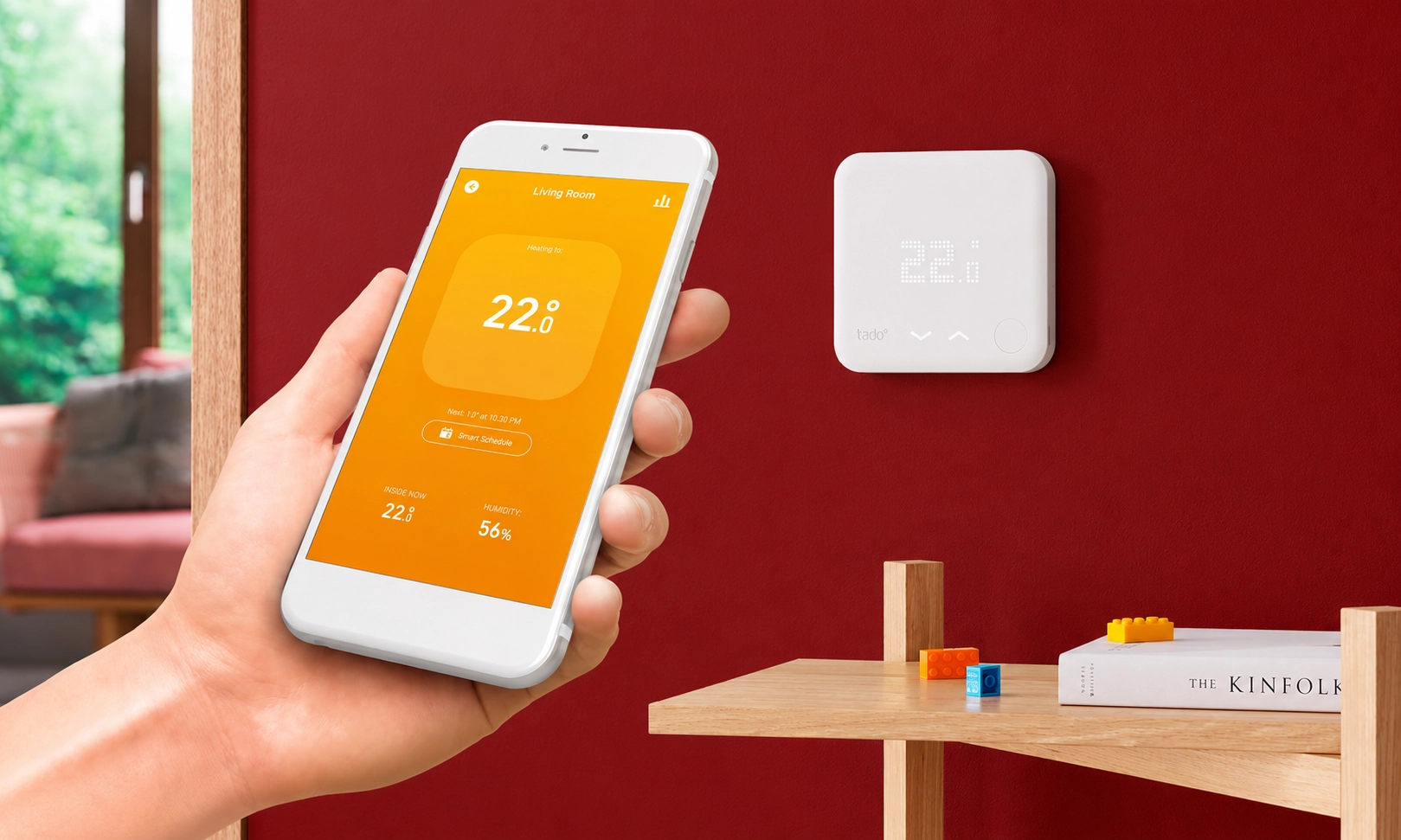
The Lux Kono offers interchangeable faceplates and a stylish design that blends into different home interiors.
It combines attractive looks with useful smart features.
Why You’ll Like It
- Stylish appearance
- Scheduling
- Mobile control
- Voice assistant compatibility
Pros
- Modern design
- Easy controls
- Good value
Cons
- Basic automation
- Smaller display
15. Cielo Smart Thermostat
The Cielo Smart Thermostat is a solid option for homeowners looking for remote access, scheduling, and energy-saving automation.
It integrates well with several smart home platforms and offers an intuitive mobile experience.
Why You’ll Like It
- Smart scheduling
- Energy-saving modes
- Mobile app
- Voice control
Pros
- Easy setup
- Reliable automation
- Good compatibility
Cons
- Premium features vary by model
- Less well known than major brands
Smart Thermostat Buying Guide
Choosing the right smart thermostat depends on more than price. Before buying, consider these important factors.
Check HVAC Compatibility
Always confirm that the thermostat supports your home’s heating and cooling system. Some models also require a C-wire for continuous power.
Choose Your Smart Home Platform
If you already use Alexa, Google Assistant, Apple HomeKit, or SmartThings, choose a thermostat that works smoothly with your existing devices.
Decide Whether Learning Features Matter
Learning thermostats automatically adjust schedules based on your habits. If you prefer manual control, a standard programmable smart thermostat may be enough.
Consider Room Sensors
Large homes often have uneven temperatures. Models with room sensors can improve comfort by focusing on occupied areas.
Look at the Mobile App
You’ll use the app regularly, so choose a thermostat with an easy-to-navigate interface, reliable notifications, and simple scheduling.
Think About Long-Term Energy Savings
A slightly more expensive thermostat may reduce heating and cooling costs over time through smarter automation and better scheduling.
Benefits of Using a Smart Thermostat
| Benefit | Why It Matters |
| Lower energy use | Reduces unnecessary heating and cooling |
| Remote control | Adjust temperature from anywhere |
| Better comfort | Maintains consistent indoor temperatures |
| Smart scheduling | Fits your daily routine automatically |
| Voice control | Hands-free operation with supported assistants |
| Energy reports | Helps identify ways to save energy |
Potential Drawbacks
| Drawback | Explanation |
| Higher upfront cost | Premium models cost more than standard thermostats |
| Compatibility issues | Not every HVAC system supports every thermostat |
| Learning curve | Some advanced features take time to understand |
| Internet dependence | Certain smart functions require Wi-Fi |
Expert Tips
- Check compatibility before purchasing.
- Install the thermostat in a central location away from direct sunlight.
- Use automatic schedules instead of adjusting temperatures manually every day.
- Keep your thermostat software updated.
- Review monthly energy reports to identify savings opportunities.
- Pair room sensors with larger homes for more balanced temperatures.
Common Mistakes to Avoid
- Buying without checking HVAC compatibility.
- Ignoring whether a C-wire is required.
- Choosing features you’ll never use.
- Disabling energy-saving schedules.
- Placing the thermostat near windows, vents, or direct sunlight.
- Forgetting to update firmware through the mobile app.
Smart Thermostat Checklist
Before purchasing, make sure your chosen model offers:
- HVAC compatibility
- Wi-Fi connectivity
- Smartphone app
- Voice assistant support
- Scheduling features
- Energy reports
- Reliable warranty
- Easy installation
- Good customer support
- Software updates
This checklist can help you compare models quickly and choose one that fits both your home and your budget.
Frequently Asked Questions
Are smart thermostats worth buying?
Yes, for many homeowners they are. A smart thermostat can improve comfort, automate daily temperature changes, and help reduce unnecessary heating and cooling. The amount you save depends on your home, local climate, HVAC system, and how you use it.
Can I install a smart thermostat myself?
Many smart thermostats are designed for DIY installation and include step-by-step instructions through a mobile app. However, if your wiring is older or your HVAC system is more complex, hiring a professional installer is a safer option.
Do smart thermostats work without Wi-Fi?
Yes, most smart thermostats can still control your heating and cooling without an internet connection. However, features such as remote access, app control, voice commands, and software updates usually require Wi-Fi.
Which smart thermostat is best for saving energy?
Models with learning capabilities and advanced scheduling generally offer the greatest energy-saving potential. The Google Nest Learning Thermostat and ecobee Smart Thermostat Premium are among the strongest options because they automatically adjust to your routine and help avoid unnecessary energy use.
Do all smart thermostats require a C-wire?
No. Some models can work without a C-wire, while others require one for continuous power. Always check the manufacturer’s compatibility guide before purchasing.
Can I control my thermostat when I’m away from home?
Yes. Most smart thermostats allow you to monitor and adjust your home’s temperature through a smartphone app, provided the thermostat is connected to Wi-Fi.
Which voice assistants work with smart thermostats?
Compatibility varies by model, but many support one or more of the following:
- Amazon Alexa
- Google Assistant
- Apple HomeKit and Siri
- Samsung SmartThings
Always verify compatibility if you already use a specific smart home ecosystem.
How long does a smart thermostat last?
A quality smart thermostat typically lasts 8 to 10 years, although this can vary depending on usage, software support, and the environment in which it operates. Regular firmware updates can help keep features running smoothly.
Final Verdict
The best smart thermostat is the one that matches your home’s heating and cooling system, your budget, and the smart home platform you already use.
If you want the most complete experience, the Google Nest Learning Thermostat (4th Gen) stands out with its intelligent automation, sleek design, and excellent energy management. For homes that need better room-by-room comfort, the ecobee Smart Thermostat Premium is a strong alternative thanks to its smart sensors and broad ecosystem support.
If you’re looking for an affordable upgrade, the Amazon Smart Thermostat proves that you don’t need to spend a lot to enjoy remote control, scheduling, and voice integration.
Before making a purchase, confirm that the thermostat is compatible with your HVAC system, check whether a C-wire is required, and choose a model that works with your preferred voice assistant. Taking these steps will help you enjoy a smoother installation and get the most value from your investment.
Key Takeaways
- Smart thermostats provide convenient remote control through smartphone apps.
- Learning models can automatically adjust schedules based on your routine.
- HVAC compatibility should always be checked before buying.
- Voice assistant support differs between models.
- Room sensors can improve comfort in larger homes.
- Energy reports help you understand and manage household energy use.
- Budget-friendly models offer excellent value for basic smart features.
- Premium thermostats include advanced automation and broader smart home integration.
- A well-chosen smart thermostat can improve comfort while helping reduce unnecessary energy use.
- Comparing features instead of focusing only on price will help you choose the best smart thermostat for your needs.