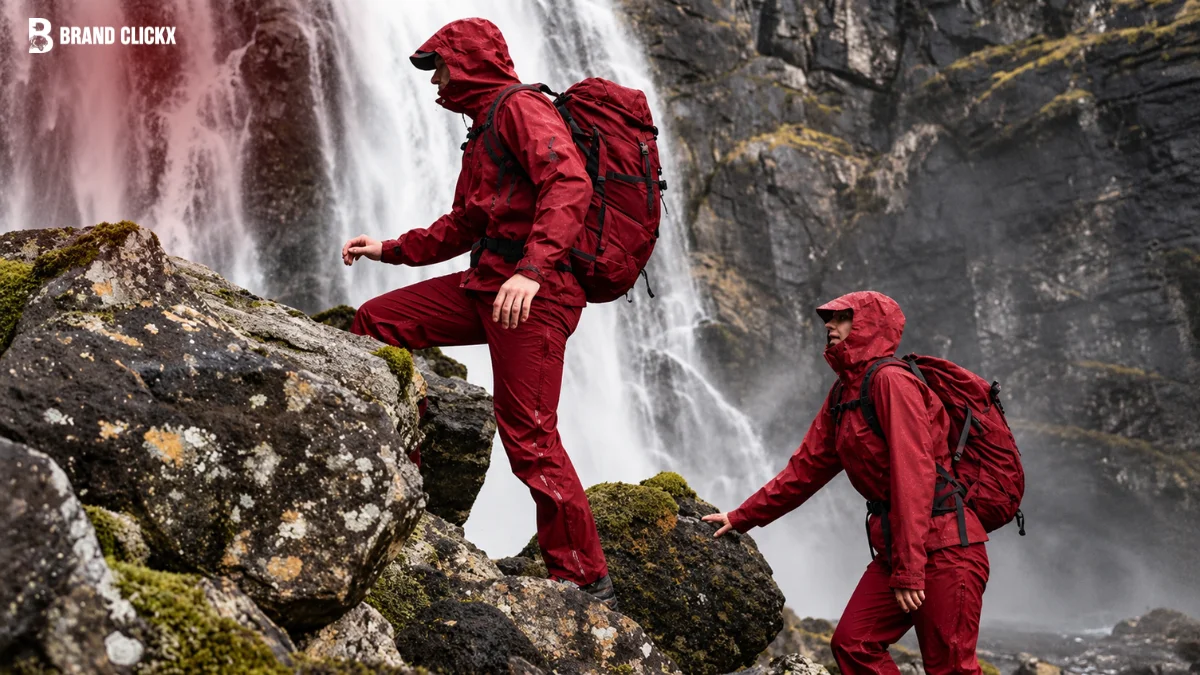
Rain pants are easy to overlook until a storm arrives during a hike. Once your legs get soaked, staying comfortable becomes much harder, especially when temperatures drop or strong wind starts blowing. A good pair should keep rain out without making walking, climbing, or layering uncomfortable.
We compared five rain pants across the features that matter most on the track. We looked at waterproof construction, breathability, weight, mobility, ventilation, fit, packability, ankle design, and everyday practicality. The result is these picks for different hikers rather than five products that all do the same job.
Quick Comparison
| Rain Pants | Best For | Construction | Weight* | Main Strength |
| Patagonia Torrentshell 3L Pants | Best Overall | 3-layer H2No® | About 11–12 oz | Balanced performance |
| Arc’teryx Beta AR Pants | Best for Severe Weather | 3-layer GORE-TEX | Varies by size | Protection and durability |
| Black Diamond Fineline Stretch Full Zip Pants | Best for Mobility | 2.5-layer BD.dry™ | 217–277 g | Stretch and movement |
| Marmot Minimalist Pertex Rain Pant | Best Value Premium | 2.5-layer Pertex® Shield | 320.2 g | Features and versatility |
| Outdoor Research Helium UL Rain Pants | Best Ultralight | 2.75-layer Toray Dermizax™ | 163 g | Low weight and packability |
*Weight varies by size, version, and inseam.
Patagonia Torrentshell 3L Pants
Best Overall
Price: $139
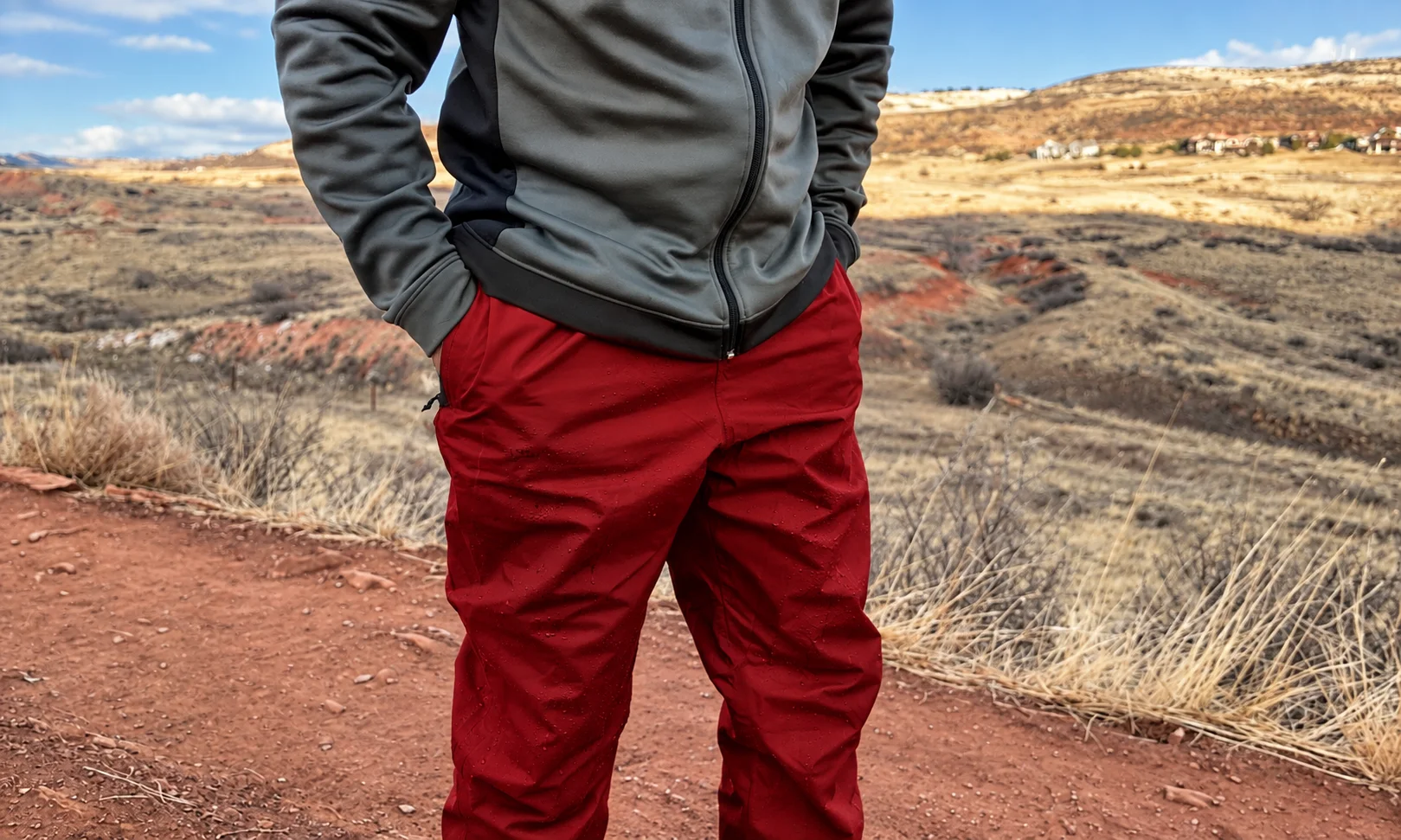
The Patagonia Torrentshell 3L Pants are our pick for the hiker who wants one pair that can handle a wide range of conditions. They sit between ultralight emergency shells and heavier technical mountain pants, giving them a particularly useful balance.
The three-layer construction is the main reason they stand out. It provides a more significant feel than very thin rain pants while remaining practical enough for regular hiking. The design also leaves room for layering underneath, which is useful when rain arrives during colder seasons.
Best for: General hiking, backpacking, and changing weather
What We Like
- Three-layer waterproof construction
- Good balance of protection and weight
- Suitable for regular hiking
- Comfortable over hiking layers
- Durable construction
What Could Be Better
- Not the lightest option
- Takes more pack space than ultralight shells
- May feel warmer during hard climbs
During our comparison, this is the pair we would reach for when we did not want to optimize for just one feature. It has enough protection for prolonged wet weather without becoming an overly specialized mountain garment.
The biggest advantage is flexibility. You can carry these on a day hike, use them during backpacking trips, or keep them ready for colder and wetter conditions. They make sense for hikers who would rather own one dependable pair than buy separate rain pants for different situations.
The problem is weight. Hikers counting every gram can save weight with the Helium UL, while people expecting severe alpine conditions may prefer the more technical Beta AR.
Bottom line: The Torrentshell 3L offers the most balanced package for the majority of hikers.
Arc’teryx Beta AR Pants
Best for Severe Weather
Price: $300
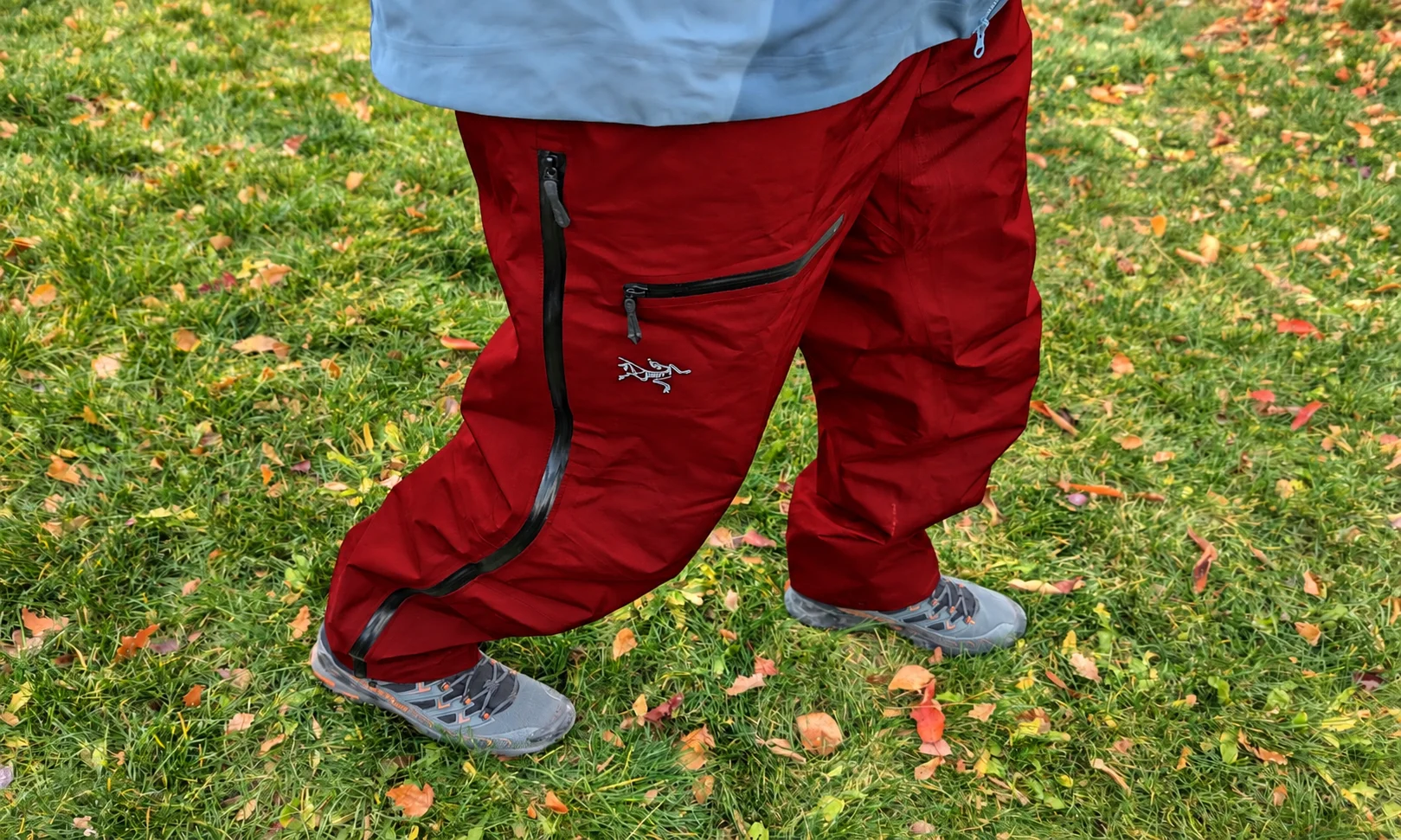
The Arc’teryx Beta AR Pants are best for hikers who regularly face demanding weather and rough terrain. They use three-layer GORE-TEX construction and have a more technical design than the average lightweight rain pant.
This is the pair we would consider when protection and durability matter more than keeping the price or weight as low as possible.
Best for: Mountain hiking and demanding weather
What We Like
- Highly protective waterproof construction
- Durable materials
- Technical mountain design
- Articulated pattern supports movement
- Adjustable details for a secure fit
What Could Be Better
- Expensive
- More technical than many hikers need
- Not designed around minimum pack weight
The Beta AR makes sense for hikers who spend significant time in exposed environments. A stronger construction is useful when rain is accompanied by strong wind, cold temperatures, or contact with rough surfaces.
We also like the attention to movement. Technical rain pants need to allow the legs to move naturally while climbing or stepping over barriers. Articulated construction helps prevent the shell from feeling overly restrictive.
There is, however, little reason for a casual fair-weather hiker to spend this much. If your main requirement is simply having emergency rain protection in your backpack, a lighter and less expensive model can do the job.
Bottom line: Choose the Beta AR when serious weather protection and rugged construction take priority over price and minimum weight.
Black Diamond Fineline Stretch Full Zip Pants
Best for Mobility
Price: $179
The Fineline Stretch Full Zip Pants take a different approach. Instead of making the shell as minimal as possible, they use two-way stretch fabric to make movement easier.
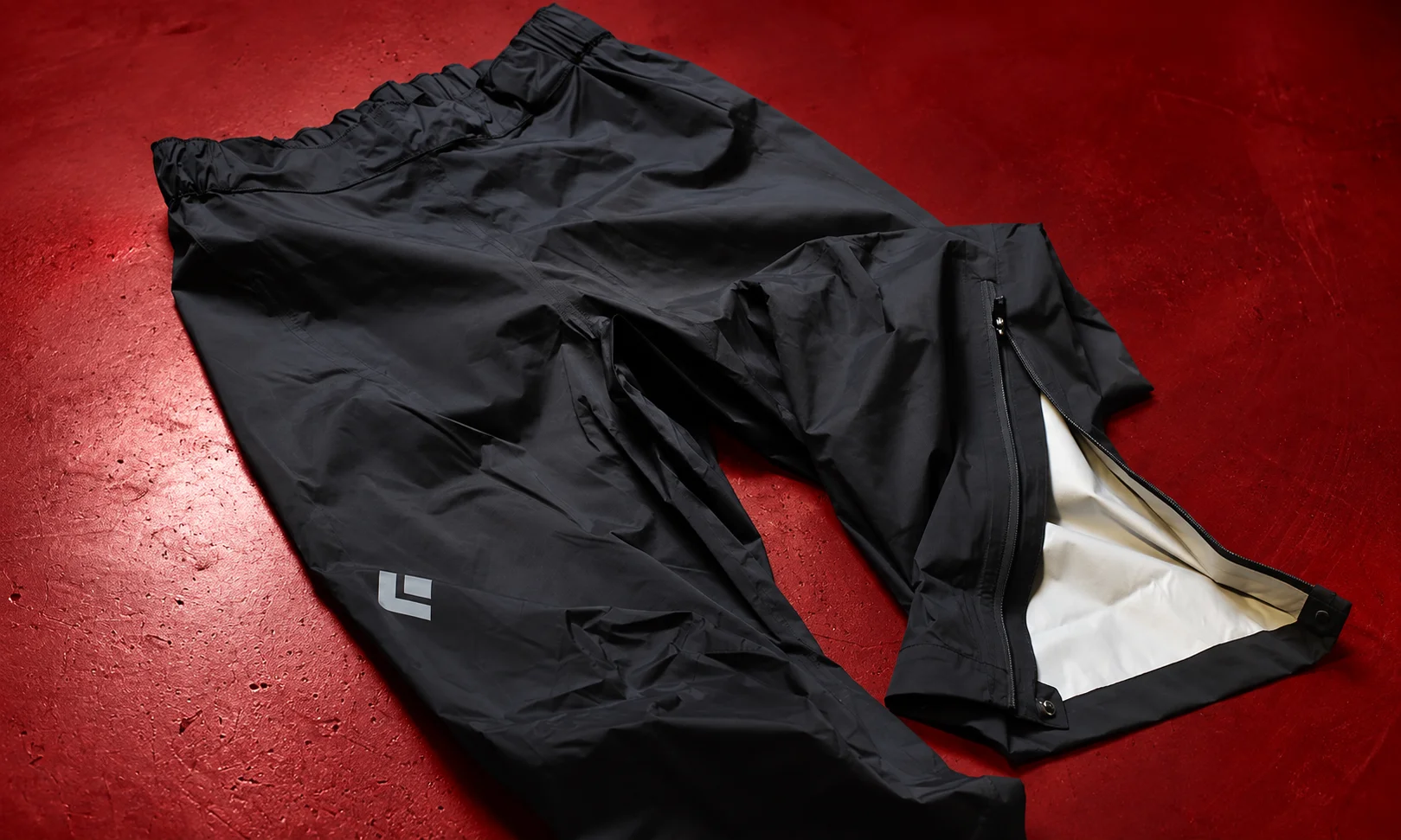
The 2.5-layer waterproof construction is combined with articulated knees and a gusseted design. Full-length separating side zips also make the pants easier to put on over footwear.
Best for: Active hikers who want unrestricted movement
What We Like
- Stretch fabric
- Articulated knees
- Gusseted construction
- Side zippers
- Multiple inseam choices
- Packs into its rear pocket
What Could Be Better
- Not the lightest model
- Less substantial than some three-layer shells
- More features than some minimalist hikers need
Movement is where this model separates itself from the rest of the group. Hiking rarely involves simply walking forward on flat ground. You may need to step over rocks, climb steep sections, crouch, or move through uneven terrain.
The stretch construction makes those movements feel more natural. We also like the side-zip design because rain pants are much more useful when they can be put on quickly without unnecessary fuss.
The men’s version is listed in several inseam options and weighs between 217 and 277 grams depending on the selected version.
Bottom line: The Fineline Stretch is an excellent choice when mobility and easy layering are more important than having the lightest possible shell.
Marmot Minimalist Pertex Rain Pant
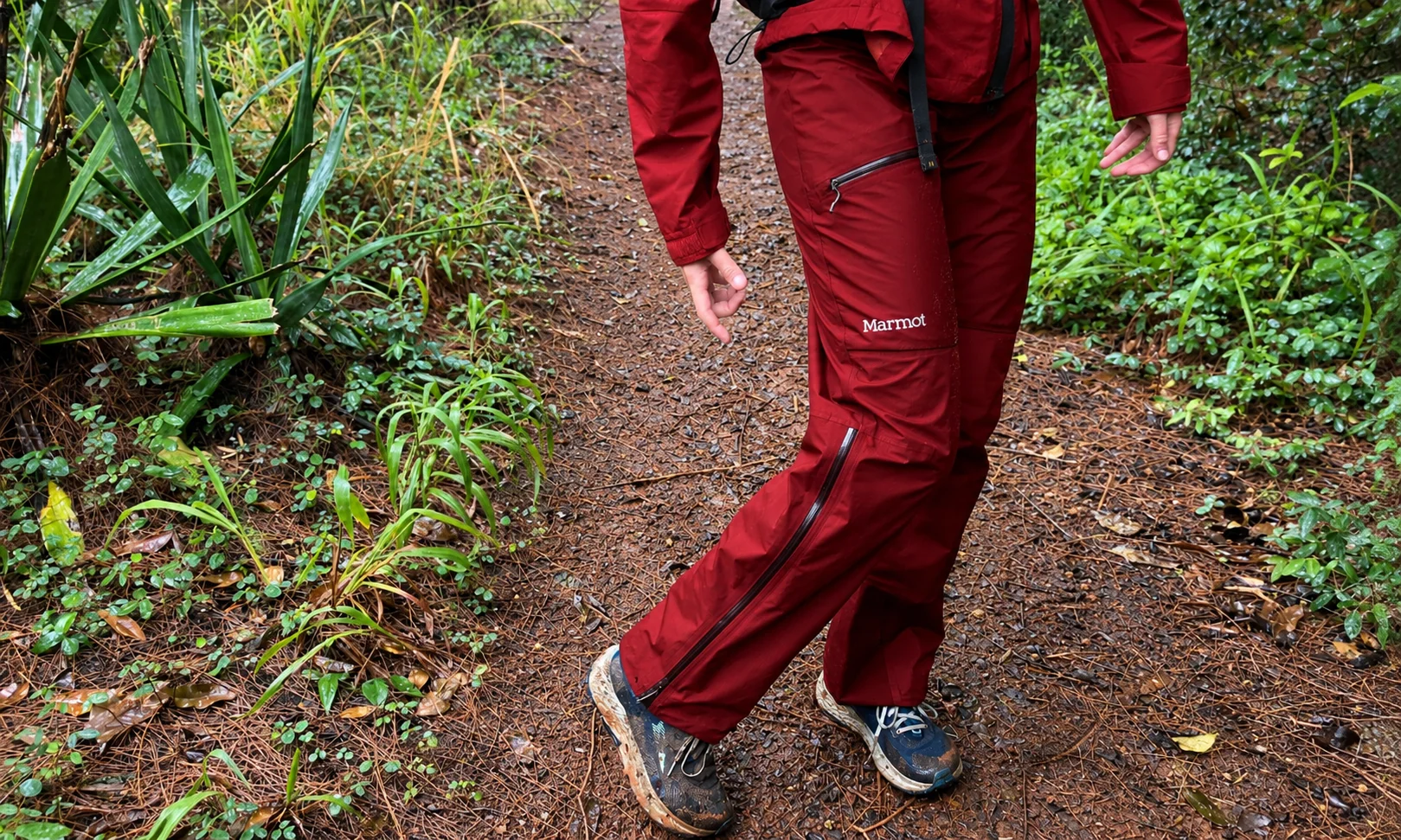
Price: $150
Best Value Premium
The Minimalist Pertex Rain Pant offers a strong mix of protection and useful everyday features. Its 2.5-layer waterproof construction keeps the design relatively packable while still providing features that many lightweight rain pants leave out.
It includes three-quarter-length side zippers, zippered hand pockets, an adjustable integrated waist belt, articulated knees, and fully seam-taped construction.
Best for: Hikers who want useful features without moving to an expensive technical shell
What We Like
- Waterproof and windproof construction
- Fully seam-taped
- Three-quarter-length side zips
- Zippered hand pockets
- Adjustable waist belt
- Articulated knees
- Recycled main fabric
What Could Be Better
- Heavier than ultralight alternatives
- Not intended as a specialist alpine shell
- Takes up more pack space than minimalist designs
The side zippers are one of the most practical features. When rain starts unexpectedly, removing your shoes just to put on rain pants is inconvenient. The longer zippers make the process much easier.
The pants weigh 320.2 grams in the listed men’s size and use a 100% recycled polyester Pertex Shield fabric. The combination of waterproof construction, pockets, adjustability, and articulated knees makes them particularly practical for everyday hiking.
They are not our choice for an ultralight kit, but that is not their purpose. Their strength is providing a useful collection of features without moving into the most expensive category.
Bottom line: The Minimalist Pertex is a sensible middle-ground choice for hikers who want protection, convenience, and useful features in one pair.
Outdoor Research Helium UL Rain Pants
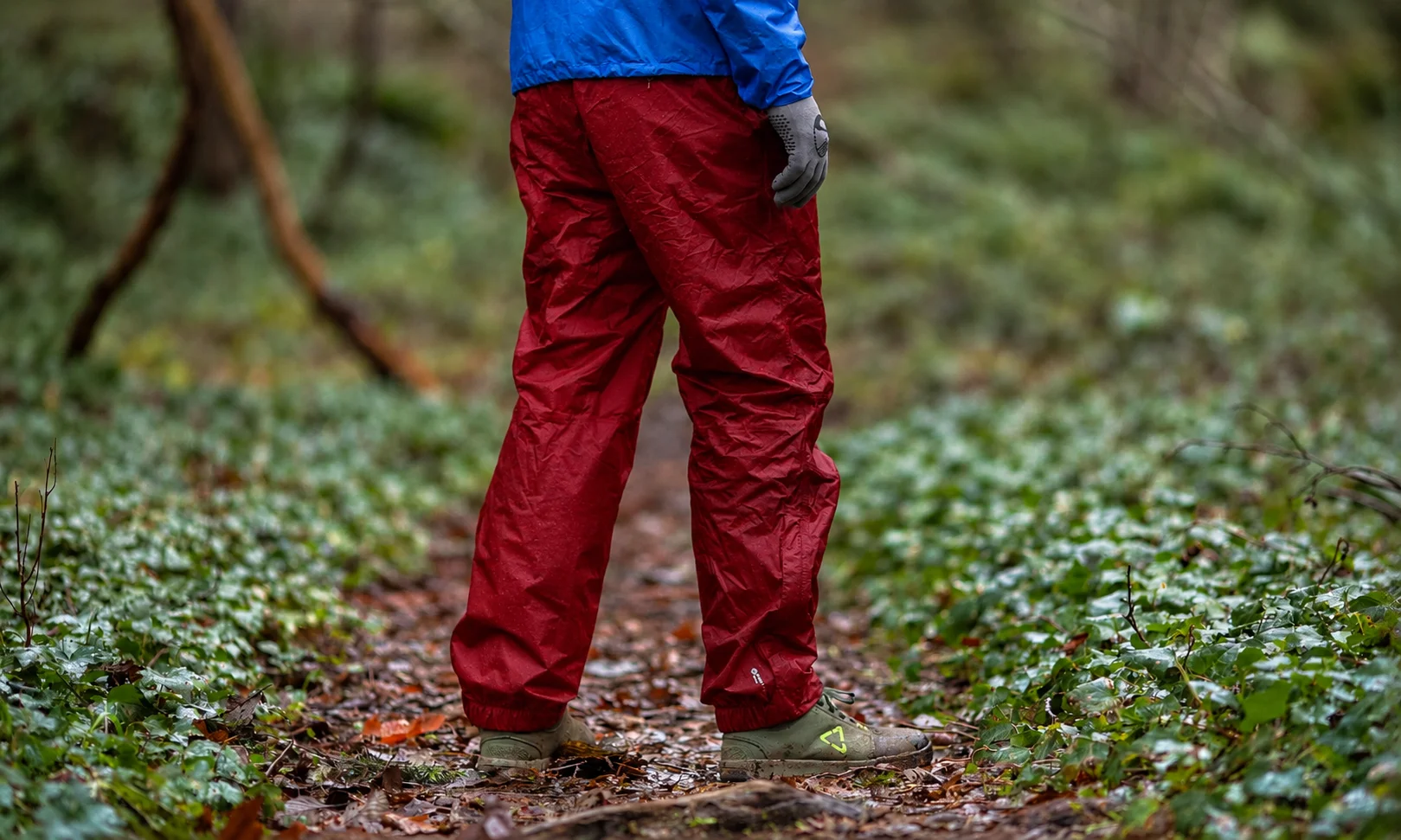
Price: $170
Best Ultralight
For backpackers who count every gram, the Helium UL Rain Pants are the specialist choice. The men’s version weighs just 163 grams, making them dramatically lighter than the heavier options in this lineup.
The pants use a 2.75-layer waterproof construction with a 15-denier ripstop nylon shell. They also pack into their rear pocket, which helps keep the packed size small.
Best for: Ultralight backpacking and fast-moving hikers
What We Like
- Very low weight
- Compact packed size
- Waterproof and windproof
- Breathable construction
- Ankle zippers
- Gusseted crotch
- Rear pocket doubles as a stuff sack
What Could Be Better
- Lightweight fabric needs more care
- Not the best choice for abrasive terrain
- Fewer features than heavier models
The Helium UL is a good example of why the lightest product is not automatically the best product for everyone. Saving weight is valuable on long backpacking trips, but reducing fabric weight can also mean making compromises in durability and features.
At 163 grams for the listed men’s version, however, the weight advantage is significant. If your normal strategy is to keep rain pants packed until the weather turns bad, carrying a shell this light becomes much easier to justify.
The ankle zippers and elasticized construction also make the design more practical than a simple emergency over-pant.
Bottom line: The Helium UL is the pick for hikers who prioritize low pack weight and compact storage above everything else.
Why You Need Rain Pants
A rain jacket protects your upper body, but your legs remain exposed. Once your hiking pants become soaked, they can become heavy, cold, and uncomfortable.
Rain pants provide a waterproof barrier over your normal hiking clothes. They can also block wind, which makes them useful in exposed areas even when rainfall is not especially heavy. They are particularly useful for:
- Long hikes
- Backpacking
- Mountain trips
- Wet climates
- Cold-weather hiking
- Unpredictable forecasts
- Windy exposed trails
You do not necessarily need to wear them from the start. For many hikers, carrying them in an accessible part of the backpack and putting them on when rain becomes persistent is the more practical approach.
What to Look For
Waterproof Construction
Start with the waterproof layer. A quality rain pant should use a waterproof membrane or laminate and properly sealed seams.
Seam sealing matters because water can enter through needle holes even when the fabric itself is waterproof.
Breathability
Waterproof pants can trap heat during hard climbs. Breathability helps move moisture away from the inside of the garment.
If you hike in warm and humid conditions, this becomes particularly important. For cold rain, maximum weather protection may be the higher priority.
Mobility
Rain pants should not make normal hiking movement awkward. Look for articulated knees, stretch panels, or a gusseted crotch.
The right fit should leave enough space for your normal hiking clothes underneath while still allowing a full range of movement.
Zippers
Think about how you will put the pants on. If you wear hiking boots, short ankle openings can become frustrating. Longer side zippers make it easier to pull the pants over footwear without taking your boots off.
Weight
Weight matters most when rain pants will spend most of the trip inside your backpack. For occasional day hiking, carrying a few extra ounces may be worthwhile if the pants are more durable and easier to use. For long-distance backpacking, an ultralight model can make more sense.
How to Choose
For most hikers
Choose the Patagonia Torrentshell 3L for the best overall balance.
For severe conditions
Choose the Arc’teryx Beta AR when protection and durability are the main priorities.
For active movement
Choose the Black Diamond Fineline Stretch if you want a more flexible shell.
For features and value
Choose the Marmot Minimalist Pertex if you want pockets, zippers, adjustability, and waterproof protection in one package.
For ultralight trips
Choose the Outdoor Research Helium UL if keeping pack weight down is your main goal.
Common Mistakes
Choosing Only by Weight
A very light rain pant can be excellent for backpacking, but it may not be the best option for rough terrain or frequent use.
Ignoring Layering
Rain pants are normally worn over another layer. Make sure there is enough room for your hiking pants underneath.
Forgetting Your Footwear
Check the ankle opening and zipper length before buying. Pants that are difficult to pull over your boots may stay in your backpack when you need them.
Overlooking Ventilation
Hard uphill walking creates heat quickly. A waterproof pant without enough ventilation can become uncomfortable in warm weather.
Neglecting Maintenance
Dirt and oils can affect the outer water-repellent finish. Cleaning and maintaining technical rainwear according to its care instructions can help preserve performance.
Care and Maintenance
Always follow the manufacturer’s care label for your particular pants. As a general approach:
- Wash technical rain pants when they become dirty.
- Use the recommended detergent.
- Avoid fabric softener unless specifically permitted.
- Do not use unnecessarily high heat.
- Refresh the water-repellent finish when needed.
- Make sure the pants are completely dry before storage.
- Check zippers, cuffs, and seams periodically.
Good maintenance is especially important for lightweight shells because keeping the fabric clean helps preserve its intended performance.
How We Compared These Rain Pants
We evaluated the five models according to the features most relevant to hiking. These included waterproof construction, breathability, weight, mobility, fit, ventilation, packability, footwear compatibility, durability, and practical features.
We also separated the products according to their intended use. A lightweight backpacking shell should not be judged in the same way as a rugged mountain pant.
This is why each recommendation has a different role. Instead of simply declaring one product number one and treating the other four as lesser choices, we looked at where each model makes the most sense.
Specifications such as construction, fabric, weight, zippers, and design features were checked against current product information. Where weights differ by size or version, we have identified that rather than presenting one number as universal.
Final Verdict
The Patagonia Torrentshell 3L Pants are our strongest all-around recommendation. They provide the balance most hikers need without being excessively specialized.
The Arc’teryx Beta AR is better suited to demanding mountain conditions, while the Black Diamond Fineline Stretch is the more interesting choice for hikers who value freedom of movement.
For a feature-rich middle ground, the Marmot Minimalist Pertex is a practical option. And if every gram matters, the Outdoor Research Helium UL is the clear specialist pick.
The right rain pants are not necessarily the most expensive or the lightest. They are the pair that provides enough protection for your conditions, moves comfortably with you, and is easy enough to carry that you actually have them when the weather changes.
Frequently Asked Questions
Are rain pants worth carrying while hiking?
Yes. They are especially useful when rain is expected, temperatures are low, or you will be away from shelter for several hours. They can also work as a wind-blocking layer.
Should rain pants be loose or fitted?
They should have enough room to fit comfortably over your normal hiking clothes without becoming excessively loose. A little extra room is useful for layering and movement.
Are three-layer rain pants always better?
No. Three-layer construction can offer a more substantial and durable design, but 2.5-layer pants can be lighter and more packable. Your hiking style should determine which matters more.
What is more important, waterproofing or breathability?
Both are important. Waterproofing keeps outside moisture away, while breathability helps manage moisture produced inside. Warm-weather hikers may place greater importance on breathability.
Can rain pants go over hiking boots?
That depends on the design. Longer side zippers make this much easier, while narrow ankle openings can be difficult to pull over larger boots.
How much should good rain pants weigh?
There is no single ideal weight. Ultralight models can weigh around 160 grams, while more feature-rich models may weigh 300 grams or more. Choose based on whether weight, durability, or features matter most to you.
Can rain pants replace hiking pants?
No. Rain pants are generally designed as an outer shell rather than a replacement for normal hiking pants. They are usually worn over a base layer or hiking trousers.
How often should rain pants be washed?
Wash them when they become dirty or when buildup begins affecting their performance. Always follow the specific care instructions for your pants.
Which rain pants are best for backpacking?
For conventional backpacking, the Patagonia Torrentshell 3L offers a strong balance. For ultralight backpacking, the Outdoor Research Helium UL is more attractive because of its much lower weight.
Which pair should most hikers buy?
The Patagonia Torrentshell 3L is the safest general recommendation because it balances protection, durability, comfort, and versatility instead of optimizing for only one characteristic.