The best EV charger can make electric-car ownership much easier. Instead of planning every charging stop around a public station, you can plug in at home and let your car recharge while you sleep.
But buying a home EV charger is not simply about choosing the model with the highest amperage.
Your EV’s charging limit, electrical panel, connector type, installation method, cable length, weather exposure and smart features all matter. A 50-amp charger may look better on paper than a 40-amp model, but that extra power may not matter if your vehicle cannot use it.
We evaluated the leading home EV chargers across charging performance, compatibility, installation flexibility, cable length, smart features, durability, safety features and value to find the strongest choices for different types of EV owners.
Our five picks are designed around different needs rather than simply ranking the most expensive chargers first.
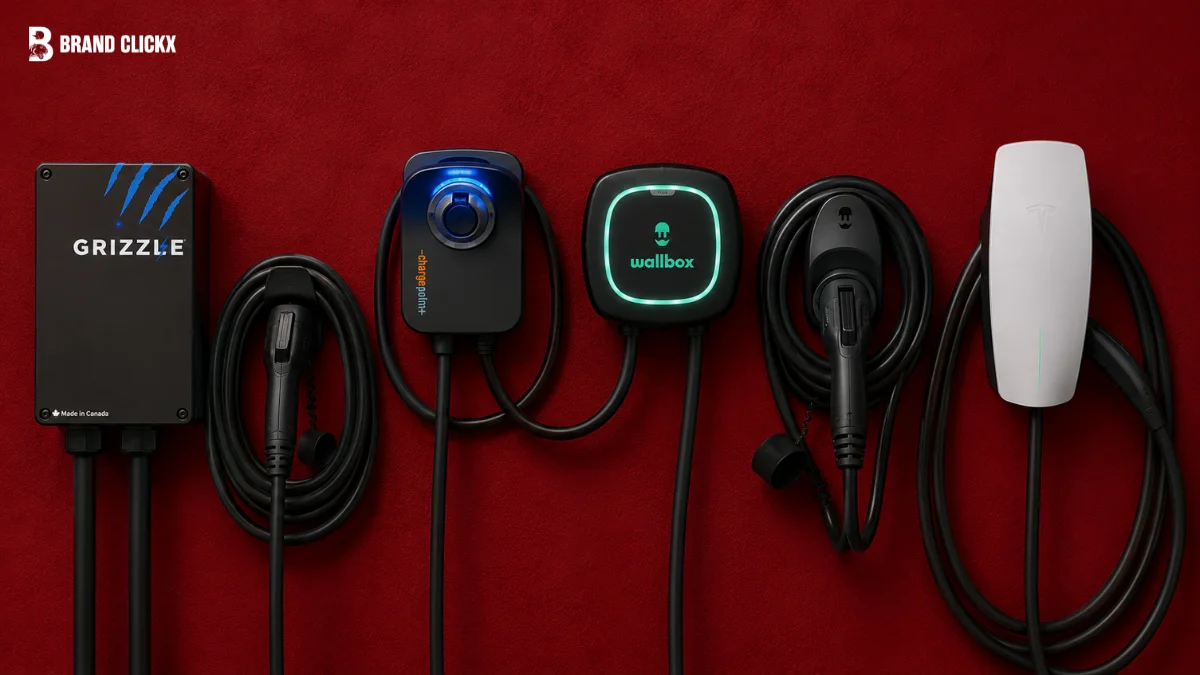
Our Top EV Charger Picks
| EV Charger | Best For | Approx. Price | Maximum Output |
|---|---|---|---|
| ChargePoint Home Flex | Best Overall | Around $500–$600 | Up to 12 kW |
| Emporia Pro | Best Value | Around $400–$600 | Up to 11.5 kW |
| Grizzl-E Classic | Best Durable Charger | Around $300–$400 | Up to 9.6 kW |
| Wallbox Pulsar Plus | Best Smart Charger | Around $450–$600 | Up to 11.5 kW |
| Tesla Universal Wall Connector | Best for Mixed-EV Households | Around $500–$600 | Up to 11.5 kW |
Prices can vary by retailer, connector configuration and promotions.
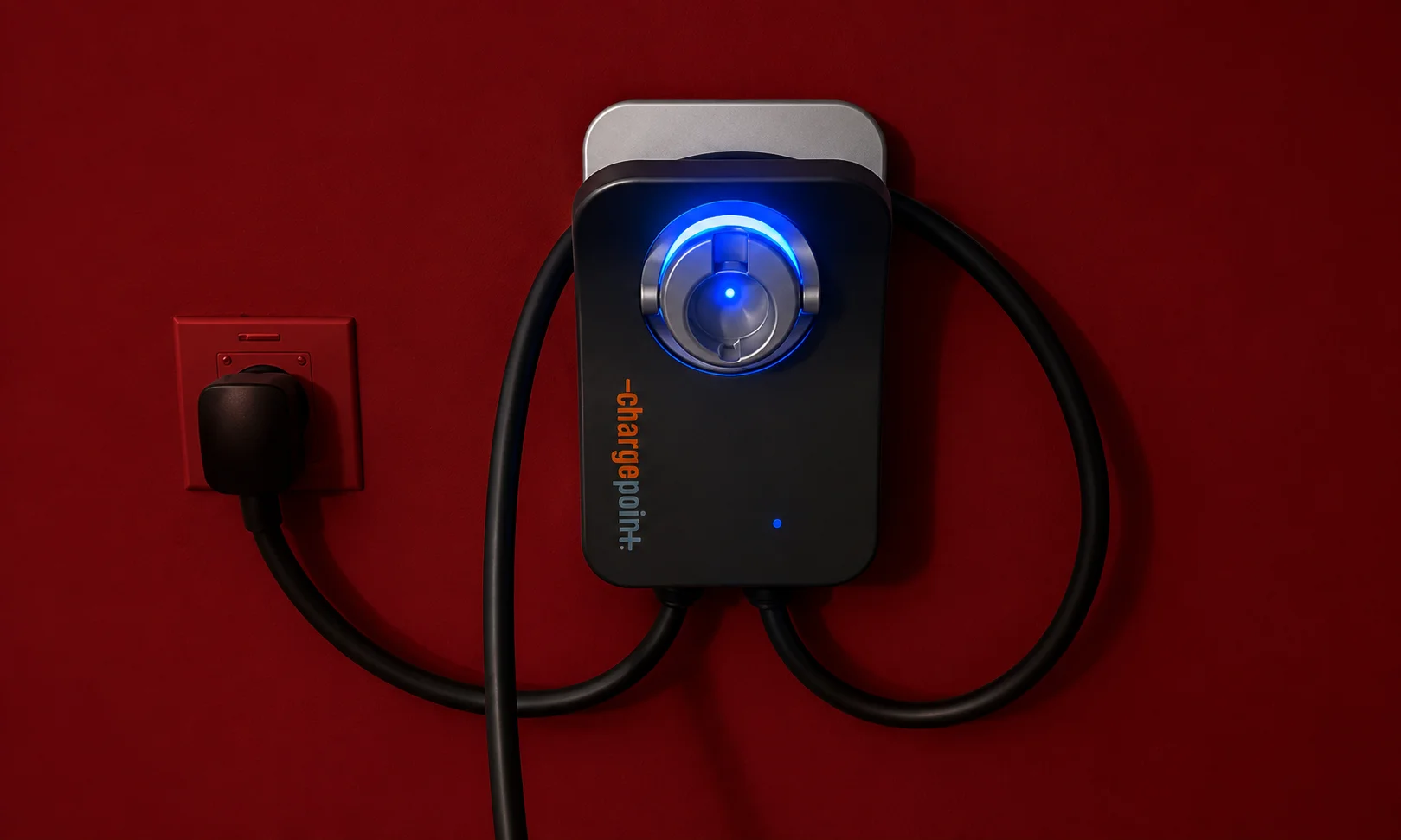
ChargePoint Home Flex is our best overall choice because it combines adjustable charging power, broad compatibility, smart controls and flexible installation options.
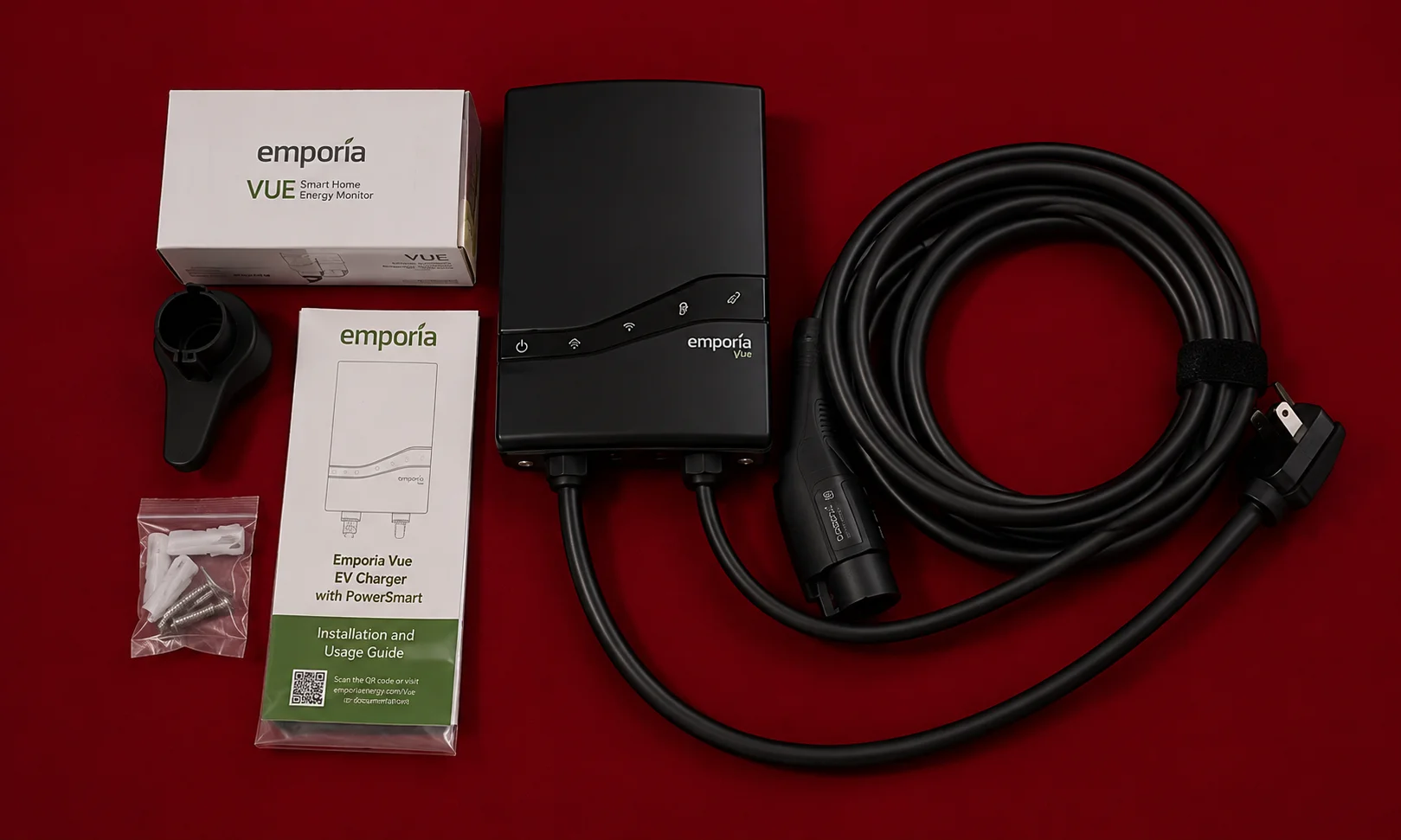
Emporia Pro is our value pick for buyers who want strong charging performance together with energy monitoring and load management.
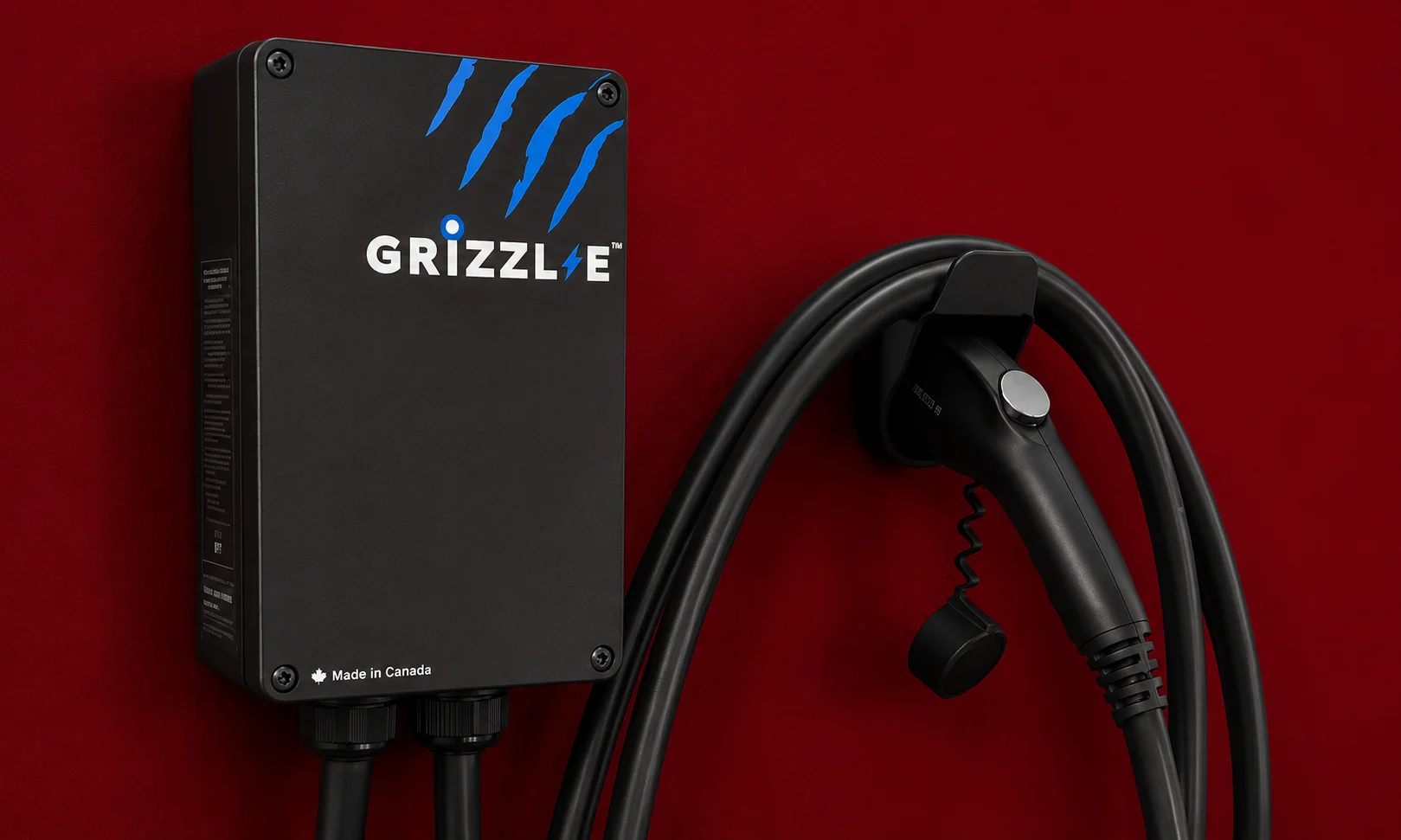
Grizzl-E Classic is the better choice for owners who prioritize rugged construction and simple operation over connected features.
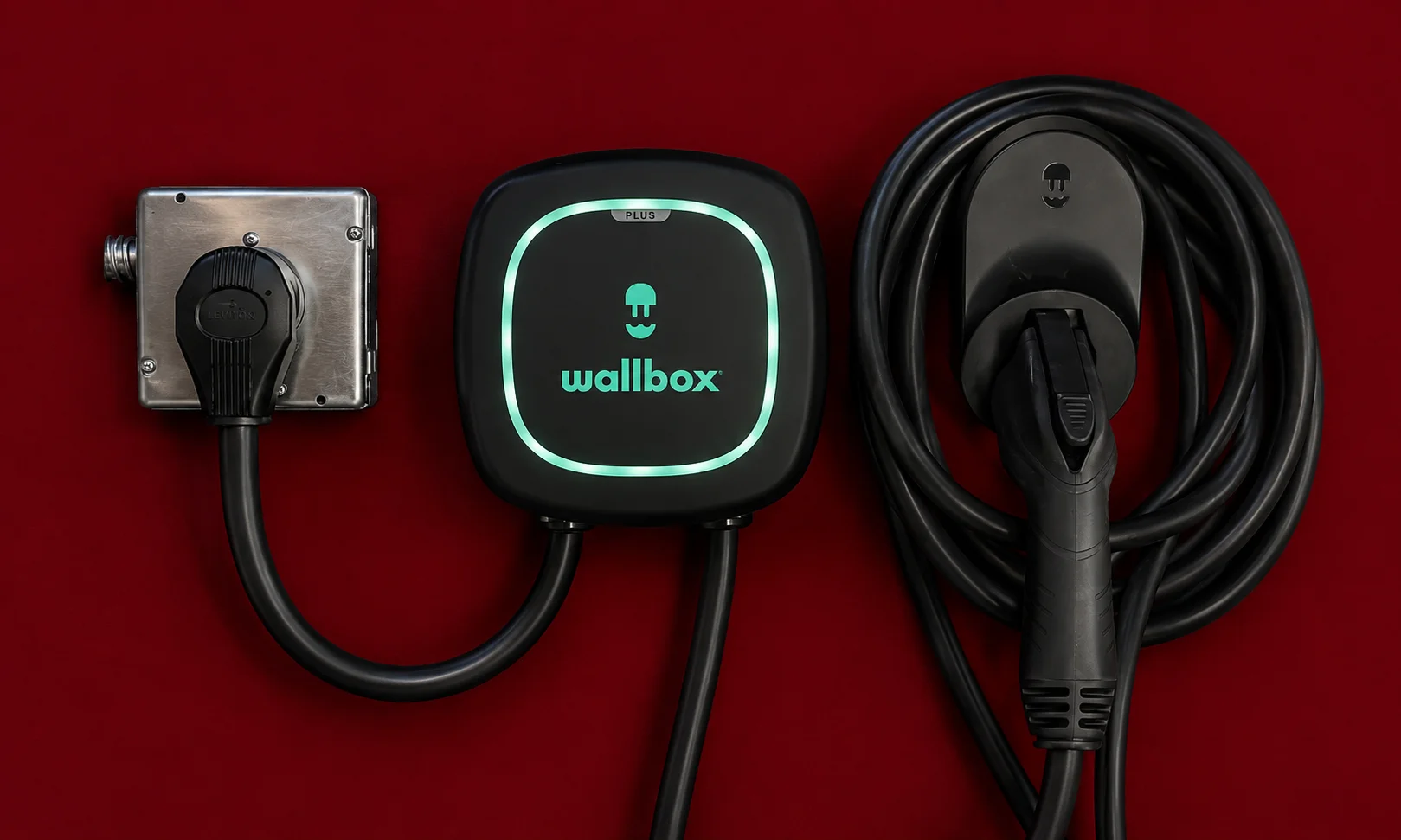
Wallbox Pulsar Plus is our smart-charging recommendation for drivers who want a compact charger with connected controls and scheduling.
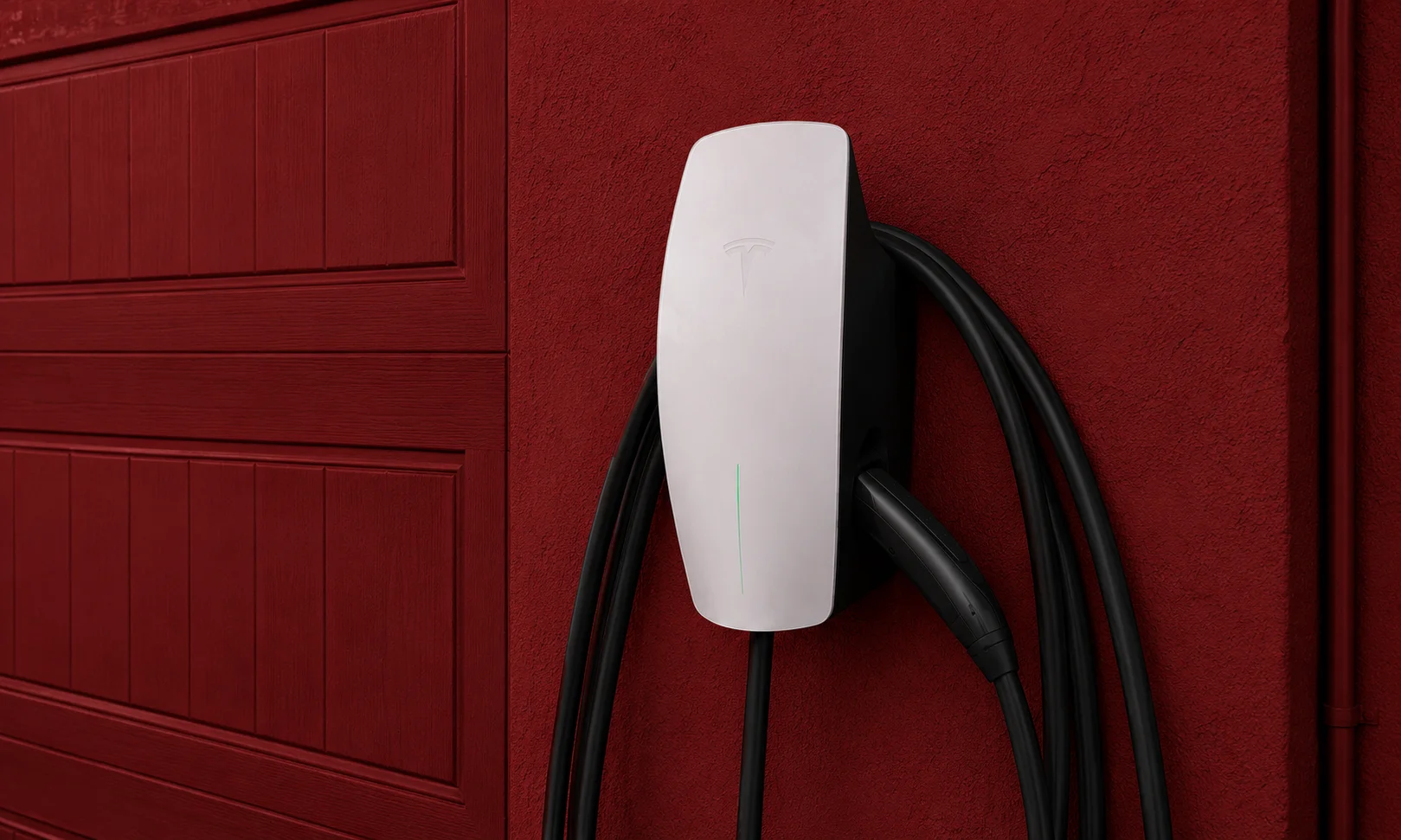
Tesla Universal Wall Connector stands out for households that want NACS and J1772 compatibility in one charger.
What’s the Best EV Charger?
For most EV owners, the ChargePoint Home Flex is our best overall home EV charger for 2026.
Its biggest advantage is flexibility. The charger can be configured across a wide range of amperage levels, allowing the installation to be matched to the home’s available electrical capacity rather than forcing every household into the maximum setting.
At its highest configuration, it can deliver up to 50 amps and 12 kW. Lower settings can be selected when a home’s electrical system or the vehicle’s charging capability does not require maximum output.
The Home Flex also combines Wi-Fi connectivity, app controls, charging information and a long cable in a relatively straightforward package.
The Emporia Pro is a better fit if energy management is especially important. The Grizzl-E Classic makes more sense if you want simplicity and rugged outdoor hardware.
The Wallbox Pulsar Plus is a strong alternative for smart-home users, while the Tesla Universal Wall Connector is particularly appealing to households that may charge vehicles using different connector standards.
Who Should Skip a Level 2 Home Charger?
Not every EV owner needs a dedicated Level 2 charger.
If you drive only a few miles each day and have plenty of time to recharge from a normal household outlet, Level 1 charging may be enough.
A dedicated charger also makes less sense if you live in an apartment without a private parking space, rarely charge at home or expect to move before you can benefit from the installation.
1. Best EV Charger Overall
ChargePoint Home Flex
Pros
- Adjustable charging output
- Up to 50 amps
- Up to 12 kW
- J1772 and NACS configurations
- Wi-Fi connectivity
- App controls
- Long 23-foot cable
- Plug-in and hardwired installation options
- Indoor and outdoor installation capability
Cons
- More expensive than basic Level 2 chargers
- Maximum output requires a suitable electrical circuit
- Higher-power configurations generally require hardwiring
- Some smart features may be unnecessary for simple charging
Why We Recommend It
The ChargePoint Home Flex earns the top position because it does not force every homeowner into the same charging setup.
Its output can be adjusted from lower-power configurations up to 50 amps. That gives homeowners more flexibility when working with different electrical panels and vehicles.
For a typical household, this is more useful than simply having a high maximum number on the specification sheet.
Charging Performance
At 240 volts and 50 amps, the Home Flex can provide up to 12 kW.
It can also be configured at 48 amps for 11.5 kW, 40 amps for 9.6 kW, 32 amps for 7.7 kW and lower settings when necessary.
That flexibility means an electrician can match the installation to the available circuit.
The vehicle still determines the actual charging rate. If an EV can accept only 7.2 kW of AC power, connecting it to a 12-kW charger will not make it charge at 12 kW.
Smart Features
Wi-Fi connectivity allows the charger to communicate with its mobile app.
Owners can monitor charging activity, adjust settings and manage charging sessions. Scheduling can also be useful for households with time-of-use electricity rates.
The charger can therefore be useful even when maximum charging speed is not the priority.
Installation Flexibility
The Home Flex is available in plug-in and hardwired configurations.
Plug-in installation is convenient when a suitable 240-volt outlet already exists. Hardwiring is the better route for higher-power configurations and can also make sense for permanent outdoor installations.
A dedicated circuit is required, and the electrical system should be evaluated by a qualified electrician before installation.
Specs
| Feature | Details |
|---|---|
| Charging Level | Level 2 |
| Maximum Current | Up to 50A |
| Maximum Output | Up to 12 kW |
| Voltage | 208/240V |
| Connector | J1772 or NACS configuration |
| Connectivity | Wi-Fi |
| App | Yes |
| Cable Length | 23 ft |
| Installation | Plug-in or hardwired depending on configuration |
| Indoor/Outdoor | Yes |
| Best For | Most EV owners |
| Warranty | 3 years |
Score Breakdown
- Charging Performance: 9.6/10
- Compatibility: 9.6/10
- Smart Features: 9.5/10
- Design: 9.3/10
- Value: 9.2/10
- Overall: 9.5/10
2. Best Value EV Charger
Emporia Pro
Pros
- Up to 48 amps
- Up to 11.5 kW
- Energy monitoring
- Dynamic load management
- Smart scheduling
- Solar-energy management
- 25-foot cable
- Indoor and outdoor use
- J1772 and NACS options
Cons
- More complicated than a basic charger
- Some energy-management features may be unnecessary
- Maximum 48-amp output requires hardwiring and appropriate electrical capacity
- Premium features add complexity
Why We Recommend It
The Emporia Pro is our value choice because it does more than simply deliver electricity to the car.
Its strongest feature is the combination of charging performance and energy management. The system can monitor household electricity use and adjust charging to help keep electrical demand within the available capacity.
That can be particularly useful for homes with solar panels, large electrical loads or limited panel capacity.
Charging Performance
The Emporia Pro can deliver up to 48 amps and 11.5 kW at 240 volts when hardwired.
With a NEMA 14-50 plug, its maximum charging rate is 40 amps, or about 9.6 kW.
That distinction is important because buyers sometimes see an 11.5-kW specification and assume they can achieve that output from any installation.
The electrical connection determines the maximum available power.
Energy Management
Energy management is the main reason to consider the Pro over a simpler charger.
Its energy-monitoring system can track household electricity use and dynamically adjust charging. This can reduce the need to manually change charging power when other large appliances are operating.
For households with solar generation, the system can also be useful for managing EV charging around available home energy.
Smart Charging
The app provides charging information, schedules and energy data.
This makes the Emporia Pro especially attractive to drivers who care about how much electricity the vehicle consumes rather than simply whether the battery is full each morning.
Specs
| Feature | Details |
|---|---|
| Charging Level | Level 2 |
| Maximum Current | Up to 48A |
| Maximum Output | Up to 11.5 kW |
| Voltage | 208/240V |
| Connector | J1772 or NACS |
| Connectivity | Wi-Fi |
| App | Yes |
| Energy Monitoring | Yes |
| Load Management | Yes |
| Cable Length | 25 ft |
| Installation | Plug-in up to 40A or hardwired up to 48A |
| Indoor/Outdoor | Yes |
| Best For | Energy-conscious households |
| Warranty | 3 years |
Score Breakdown
- Charging Performance: 9.3/10
- Compatibility: 9.2/10
- Smart Features: 9.6/10
- Design: 8.9/10
- Value: 9.6/10
- Overall: 9.3/10
3. Best Durable EV Charger
Grizzl-E Classic
Pros
- Rugged metal construction
- 40-amp charging
- Up to 9.6 kW
- IP67 and NEMA 4 protection
- Simple operation
- No app required
- 24-foot cable
- Strong outdoor suitability
- Adjustable charging current
Cons
- Lower maximum output than 48- and 50-amp chargers
- No built-in Wi-Fi
- No charger-side scheduling
- No advanced energy monitoring
- J1772 connector requires an adapter for some vehicles
Why We Recommend It
The Grizzl-E Classic takes a very different approach.
Instead of adding a large collection of connected features, it concentrates on the basic job of charging the vehicle.
That makes it particularly attractive for owners who park outside, live in areas with harsh weather or simply do not want another smart device connected to their home network.
Charging Performance
The Classic delivers up to 40 amps and 9.6 kW.
That is slower than the 11.5- and 12-kW chargers in this guide, but the difference is less important for overnight charging than the numbers might suggest.
A driver who arrives home with a partially depleted battery can still recover a substantial amount of range before morning.
Durability
The rugged enclosure is one of the strongest reasons to choose this charger.
Its IP67 and NEMA 4 ratings make it well suited to outdoor environments, while the metal enclosure provides a more substantial physical design than many lightweight plastic chargers.
If your charger will live on an exposed exterior wall rather than inside a garage, durability becomes more important than having the fastest possible charging rate.
Simple Operation
There is no need to create an account, connect the charger to Wi-Fi or depend on a cloud service simply to charge the car.
That simplicity is a feature.
If you already use your vehicle’s own app for charging schedules, the lack of a charger-side app may not be a disadvantage at all.
Specs
| Feature | Details |
|---|---|
| Charging Level | Level 2 |
| Maximum Current | 40A |
| Maximum Output | 9.6 kW |
| Voltage | 240V class |
| Connector | J1772 |
| Connectivity | None |
| App | No |
| Cable Length | 24 ft |
| Installation | Plug-in |
| Weather Protection | IP67 / NEMA 4 |
| Indoor/Outdoor | Yes |
| Best For | Durability and simplicity |
| Warranty | 3 years |
Score Breakdown
- Charging Performance: 8.9/10
- Compatibility: 8.8/10
- Smart Features: 7.5/10
- Design: 9.3/10
- Value: 9.6/10
- Overall: 9.0/10
4. Best Smart EV Charger
Wallbox Pulsar Plus
Pros
- Compact design
- Up to 48 amps
- Up to 11.5 kW
- Wi-Fi and Bluetooth
- App controls
- Charging schedules
- Load management
- Voice-control support
- 25-foot cable
- NEMA 4 outdoor rating
Cons
- Smart features add complexity
- Higher price than basic chargers
- Installation requirements depend on configuration
- Some owners may not need its connected features
Why We Recommend It
The Wallbox Pulsar Plus is our smart-charging pick because it combines substantial connected functionality with a compact physical design.
That makes it useful for homeowners who want more control without installing a large charger on the garage wall.
Charging Performance
The 48-amp version can deliver up to 11.5 kW.
A 40-amp version is also available and provides up to 9.6 kW.
The charger can be configured according to the available electrical system, while the vehicle’s onboard charger determines the actual rate.
Smart Features
The Pulsar Plus connects through Wi-Fi and Bluetooth and can be managed through its app.
Charging schedules are useful when electricity prices change throughout the day. Load-management features can also help households manage multiple electrical demands.
The charger can also work with supported voice-control platforms.
Compact Design
One of the biggest advantages is physical size.
The charger takes up considerably less wall space than many traditional Level 2 units, which can matter in a small garage or a crowded parking area.
Specs
| Feature | Details |
|---|---|
| Charging Level | Level 2 |
| Maximum Current | Up to 48A |
| Maximum Output | Up to 11.5 kW |
| Voltage | 208/240V |
| Connector | J1772 or NACS configuration |
| Connectivity | Wi-Fi and Bluetooth |
| App | Yes |
| Scheduling | Yes |
| Load Management | Supported |
| Cable Length | 25 ft |
| Installation | Plug-in or hardwired depending on version |
| Weather Protection | NEMA 4 |
| Indoor/Outdoor | Yes |
| Best For | Smart home charging |
Score Breakdown
- Charging Performance: 9.3/10
- Compatibility: 9.1/10
- Smart Features: 9.7/10
- Design: 9.5/10
- Value: 8.8/10
- Overall: 9.2/10
5. Best EV Charger for Mixed-EV Households
Tesla Universal Wall Connector
Pros
- NACS and J1772 compatibility
- Up to 48 amps
- Up to 11.5 kW
- Wi-Fi connectivity
- App support
- Power-sharing capability
- 24-foot cable
- Clean wall-mounted design
- Strong long-term flexibility
Cons
- More expensive than basic chargers
- Hardwired installation
- Maximum speed depends on the vehicle
- Universal compatibility may be unnecessary for some owners
Why We Recommend It
The Tesla Universal Wall Connector is particularly useful for households that may charge different types of EVs.
Instead of choosing a charger around one connector standard, the Universal Wall Connector combines NACS and J1772 compatibility in one system.
That can be valuable for families with multiple EVs or buyers who expect their next vehicle to use a different charging connector.
Charging Performance
The charger can provide up to 48 amps and approximately 11.5 kW.
That puts it close to the fastest Level 2 chargers designed for typical residential electrical systems.
As always, the vehicle’s onboard AC charger determines the actual charging rate.
Connector Flexibility
Connector compatibility is becoming increasingly important as the North American EV market moves toward NACS.
The Universal Wall Connector is designed to accommodate both NACS and J1772 charging standards, reducing the need to think about connector compatibility every time a different EV is parked at home.
Power Sharing
The charger also supports power-management features that can be useful when more than one compatible charging setup is involved.
For households planning around multiple EVs, that flexibility can be more valuable than a small difference in maximum charging speed.
Specs
| Feature | Details |
|---|---|
| Charging Level | Level 2 |
| Maximum Current | 48A |
| Maximum Output | Up to 11.5 kW |
| Voltage | 240V |
| Connector | NACS and J1772 |
| Connectivity | Wi-Fi |
| App | Yes |
| Power Sharing | Supported |
| Cable Length | Up to 24 ft |
| Installation | Hardwired |
| Weather Protection | NEMA 3R |
| Indoor/Outdoor | Yes |
| Best For | Mixed-EV households |
| Warranty | 4 years for residential use |
Score Breakdown
- Charging Performance: 9.3/10
- Compatibility: 9.8/10
- Smart Features: 9.3/10
- Design: 9.4/10
- Value: 8.9/10
- Overall: 9.3/10
EV Chargers Compared
| EV Charger | Best For | Max Power | Max Current | Smart Features | Standout Feature | Overall |
|---|---|---|---|---|---|---|
| ChargePoint Home Flex | Best Overall | 12 kW | 50A | Excellent | Adjustable output | 9.5/10 |
| Emporia Pro | Best Value | 11.5 kW | 48A | Excellent | Energy management | 9.3/10 |
| Grizzl-E Classic | Best Durable | 9.6 kW | 40A | None | Rugged enclosure | 9.0/10 |
| Wallbox Pulsar Plus | Best Smart | 11.5 kW | 48A | Excellent | Compact design | 9.2/10 |
| Tesla Universal Wall Connector | Best Mixed-EV | 11.5 kW | 48A | Excellent | NACS/J1772 flexibility | 9.3/10 |
EV Charger Charging Speed Compared
Charging speed is one of the most important specifications, but maximum charger output should never be viewed by itself.
Your EV has its own maximum AC charging rate.
For example, if your vehicle can accept only 7.2 kW, installing a charger capable of 11.5 kW will not make it charge at 11.5 kW.
| Charger | Maximum Current | Maximum Power | Charging Advantage |
|---|---|---|---|
| ChargePoint Home Flex | 50A | 12 kW | Fast and highly adjustable |
| Emporia Pro | 48A | 11.5 kW | Fast charging with energy management |
| Grizzl-E Classic | 40A | 9.6 kW | Reliable overnight charging |
| Wallbox Pulsar Plus | 48A | 11.5 kW | Fast charging with smart controls |
| Tesla Universal Wall Connector | 48A | 11.5 kW | Fast charging with connector flexibility |
A higher-powered charger can be useful if you expect to own EVs with faster onboard chargers in the future.
But it is not worth paying significantly more for power your vehicle and electrical system cannot use.
How Much Range Can a Home EV Charger Add?
The amount of driving range added per hour varies considerably between EVs.
Battery efficiency, vehicle size, temperature, charging losses and the vehicle’s onboard charger all affect the final result.
As a broad guide, many Level 2 home chargers can add roughly 25 to 50 miles of range per hour under favorable conditions.
A vehicle charging around 7.7 kW may recover less range per hour than one accepting 11.5 or 12 kW.
The important thing is to compare the charger’s output with your actual daily driving.
If you drive 40 miles per day, you may not need the fastest charger available. Even a 40-amp charger can replace a typical day’s driving relatively quickly during an overnight session.
Level 1 vs. Level 2 EV Charging
Before buying a Level 2 charger, it helps to understand what you already have.
Level 1 Charging
Level 1 charging uses a standard household outlet.
It is slow but simple. For drivers with short daily commutes, it may provide enough energy overnight.
The biggest advantage is that it normally does not require a dedicated high-power circuit.
Level 2 Charging
Level 2 charging uses a 240-volt electrical supply.
It provides substantially more power and is the preferred choice for many drivers who charge at home every day.
The trade-off is installation cost and electrical requirements.
Which One Should You Choose?
Choose Level 1 if you drive very little, have plenty of charging time and want to avoid installation costs.
Choose Level 2 if you drive regularly, want faster overnight charging or want the convenience of starting each morning with a predictable amount of energy.
How to Choose the Best EV Charger
Buying the right charger requires more than comparing prices.
Check Your EV’s Connector
First, find out which connector your vehicle uses.
NACS and J1772 are the two major AC charging connector standards you are likely to encounter in North America.
If you own one EV and expect to keep it for years, a charger designed specifically for that vehicle may be sufficient.
If you expect to change vehicles or charge multiple EVs, broader connector flexibility can be more valuable.
Check Your EV’s Charging Limit
Your EV’s onboard charger determines how much AC power it can accept.
A charger rated at 12 kW cannot force a vehicle with a 7.2-kW onboard charger to accept more power.
Check your vehicle’s specifications before paying extra for maximum charger output.
Check Your Electrical Panel
This is one of the most important steps.
A Level 2 charger is a continuous electrical load, so the circuit must be appropriately sized for the charging current.
A 40-amp charger typically requires a 50-amp circuit.
A 48-amp charger typically requires a 60-amp circuit.
A 50-amp charger can require an even larger circuit depending on the installation.
Your electrician should determine what your home can safely support.
Hardwired vs. Plug-In
Both installation methods have advantages.
Plug-In
A plug-in charger connects to a suitable 240-volt outlet.
Advantages:
- Easier to remove
- Useful for renters or people who may move
- Can simplify replacement
- Convenient when the correct outlet already exists
Disadvantages:
- Maximum charging current can be limited
- Requires a suitable high-quality outlet
- The outlet itself must be installed correctly
Hardwired
A hardwired charger connects directly to the electrical system.
Advantages:
- Cleaner permanent installation
- Supports higher charging levels on many models
- No large plug and receptacle to manage
- Often preferred for outdoor or permanent installations
Disadvantages:
- More difficult to remove
- Installation requires electrical work
- Can cost more depending on the project
Neither method is automatically better. The right choice depends on your home, charger and electrical requirements.
.
If you plug in every evening and simply want the battery full each morning, a basic charger such as the Grizzl-E Classic can make more sense.
If you want to coordinate EV charging with solar generation or household electricity use, a smart charger becomes much more attractive.
What Is the 80% Rule for EV Charging?
EV charging is generally treated as a continuous load.
That means the electrical circuit needs sufficient capacity for sustained charging rather than only a short burst of power.
As a practical example, a 40-amp continuous charging load normally requires a 50-amp circuit.
A 48-amp load generally requires a 60-amp circuit.
This is why a charger advertised as “48 amps” does not mean you can simply connect it to any 240-volt outlet.
The breaker, wiring, outlet and charger configuration all need to be appropriate for the intended current.
Always have a qualified electrician verify the installation.
How We Evaluate EV Chargers
We evaluate home EV chargers based on the things that matter most after installation.
Our comparison considers:
- Charging performance: Maximum amperage, power output and flexibility.
- Compatibility: Connector choices and suitability for different EVs.
- Installation: Plug-in versus hardwired options and electrical requirements.
- Smart features: Apps, scheduling, energy monitoring and load management.
- Durability: Weather protection, enclosure design and suitability for outdoor use.
- Cable design: Cable length, flexibility and ease of storage.
- Safety: Electrical protection, certification and installation requirements.
- Value: Features and performance relative to the total purchase price.
We also consider the intended user.
A charger without Wi-Fi can be an excellent choice when simplicity and durability are the priorities. Likewise, a smart charger can be worth paying more for when energy management or solar integration is important.
The goal is not to find one charger that is perfect for everyone.
It is to identify the charger that makes the most sense for each type of EV owner.
Other EV Chargers Worth Considering
The five models above cover the strongest combination of performance, value, durability and smart features, but several other options can make sense.
Autel MaxiCharger
The Autel MaxiCharger is worth considering if you want a feature-rich home charger with strong charging performance and additional control features.
It can be particularly appealing to drivers who prefer having more information available directly from the charging hardware.
Lectron EV Chargers
Lectron offers several Level 2 charging options focused on flexibility and value.
These products can make sense for buyers who want a more affordable charging setup or a portable solution rather than a premium permanent installation.
Rivian Wall Charger
Rivian’s home charger is a natural option for Rivian owners who want equipment designed around the manufacturer’s ecosystem.
It can also be considered by drivers who want a dedicated wall-mounted charging solution from an established EV manufacturer.
Why These Chargers Did Not Make the Top Five
A charger does not have to be bad to miss a top-five list.
Some models offer excellent displays, some focus heavily on portability and others target specific vehicle ecosystems.
Our final five were selected because they provide clearer advantages across the areas most homeowners care about:
charging performance, compatibility, installation flexibility, durability, smart features and value.
Who Shouldn’t Buy a Dedicated Level 2 Charger?
A dedicated Level 2 charger is not essential for everyone.
Drivers With Very Low Daily Mileage
If you drive only a few miles each day, Level 1 charging may provide enough energy.
Apartment Residents Without Dedicated Parking
A wall-mounted home charger is difficult to use when you do not control the parking space or electrical connection.
Drivers Who Rarely Charge at Home
If your workplace or public charging network already handles most of your charging, a home installation may not provide enough benefit.
Renters Who Expect to Move Soon
A permanent electrical installation may be difficult to justify if you are unlikely to remain in the property.
Homes With Limited Electrical Capacity
If your panel is already heavily loaded, have an electrician evaluate the system before buying a high-power charger.
Alternatives to a Home EV Charger
- Standard household outlet: Best for low-mileage drivers who have plenty of time to recharge.
- Public Level 2 charging: Useful for apartment residents and people without home charging.
- DC fast charging: Better suited to road trips and situations where charging speed matters more than cost.
- Workplace charging: Convenient when you can leave the vehicle plugged in for several hours.
- Portable Level 2 charger: Useful for drivers who need flexibility between multiple locations.
For most regular EV drivers with suitable electrical service, however, home Level 2 charging remains the most convenient option.
Frequently Asked Questions
What is the best EV charger overall?
The ChargePoint Home Flex is our best overall choice because it combines strong charging performance, adjustable output, smart features and installation flexibility.
What is the best affordable EV charger?
The Emporia Pro is our value recommendation because it combines fast Level 2 charging with energy monitoring and load-management features.
What is the best EV charger for outdoor use?
The Grizzl-E Classic is our durability pick for outdoor installations because of its rugged enclosure and strong weather protection.
What is the best smart EV charger?
The Wallbox Pulsar Plus is our smart pick because of its compact design, app controls, scheduling and load-management capabilities.
What is the best EV charger for different EV connectors?
The Tesla Universal Wall Connector is our preferred choice for households that need NACS and J1772 compatibility.
What is a Level 2 EV charger?
A Level 2 charger uses a 240-volt electrical supply and can charge an EV substantially faster than a standard household outlet.
How fast can a home EV charger charge an electric car?
Many Level 2 chargers can add roughly 25 to 50 miles of range per hour, but the exact result depends on the EV’s efficiency, battery, onboard charger and charging conditions.
Is a 50-amp EV charger better than a 40-amp charger?
Not automatically.
A 50-amp charger can provide more power, but your EV and electrical system must be able to use that additional capacity.
Do I need a 240-volt outlet for Level 2 charging?
Yes, Level 2 home charging normally requires a suitable 240-volt electrical circuit.
Is hardwired or plug-in better?
Neither is universally better.
Plug-in charging offers easier removal and can be convenient when a suitable outlet already exists. Hardwiring provides a cleaner permanent installation and can support higher charging levels on compatible models.
Does the charger or the EV determine charging speed?
Both matter.
The charger determines how much power it can provide, while the vehicle determines how much AC power it can accept.
The actual charging rate is limited by the lower of the two.
Final Verdict
The best EV charger is not necessarily the fastest one.
For most drivers, ChargePoint Home Flex is the best overall choice because it combines charging power, adjustable output, smart features and installation flexibility.
Emporia Pro is the better value for energy-conscious households, while Grizzl-E Classic is the strongest choice for simple and durable charging.
Wallbox Pulsar Plus is our smart-feature pick, and Tesla Universal Wall Connector is the most flexible choice for households that expect to charge different EV connector types.
Before buying, check three things first: your EV’s maximum AC charging rate, your home’s electrical capacity and the connector you need.
Once those are settled, choosing the right charger becomes much easier.
The best home EV charger is the one that fits your vehicle, your electrical system, your driving habits and the way you actually charge.