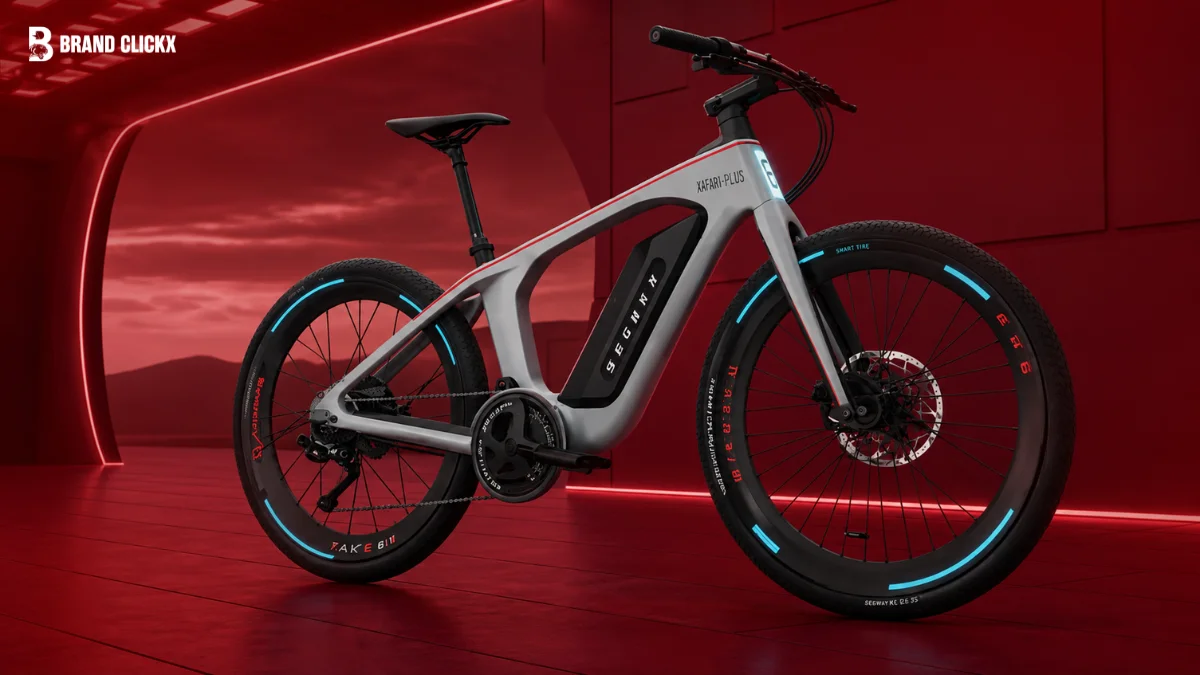
The best electric bike is not necessarily the fastest, most powerful or most expensive model. After riding and comparing different types of e-bikes,we found that the bikes that stand out are the ones that make sense for the way people actually ride.
A commuter needs something comfortable and dependable. A trail rider needs suspension, control and strong climbing ability. A first-time buyer may care more about price and easy storage, while a family may need an e-bike that can carry groceries, children or other cargo.
For this guide,we tested the bikes with those differences in mind.We looked at ride quality, motor response, hill performance, range, comfort, handling, braking, weight, equipment and overall value rather than judging each bike by one specification.
The result is a list of five bikes that cover very different needs.
Our Top Picks
| Electric Bike | Best For | Approx. Price |
|---|---|---|
| Specialized Turbo Vado 5.0 | Best Overall | Around $5,000 |
| Ride1Up Prodigy V2 | Best Value | Around $1,895 |
| Lectric XP4 | Best Budget | Around $999 |
| Cannondale Moterra SL 1 | Best for Trails | Around $11,549 |
| Aventon Abound LR | Best Cargo E-Bike | Around $2,000 |
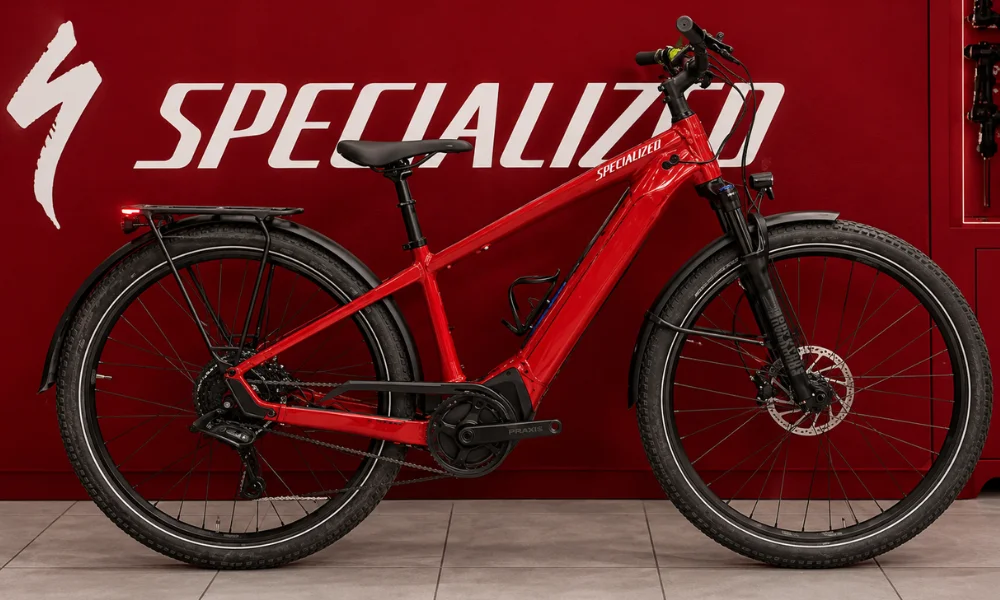
The Specialized Turbo Vado 5.0 is my best overall choice because it delivers the most complete package for everyday riding.
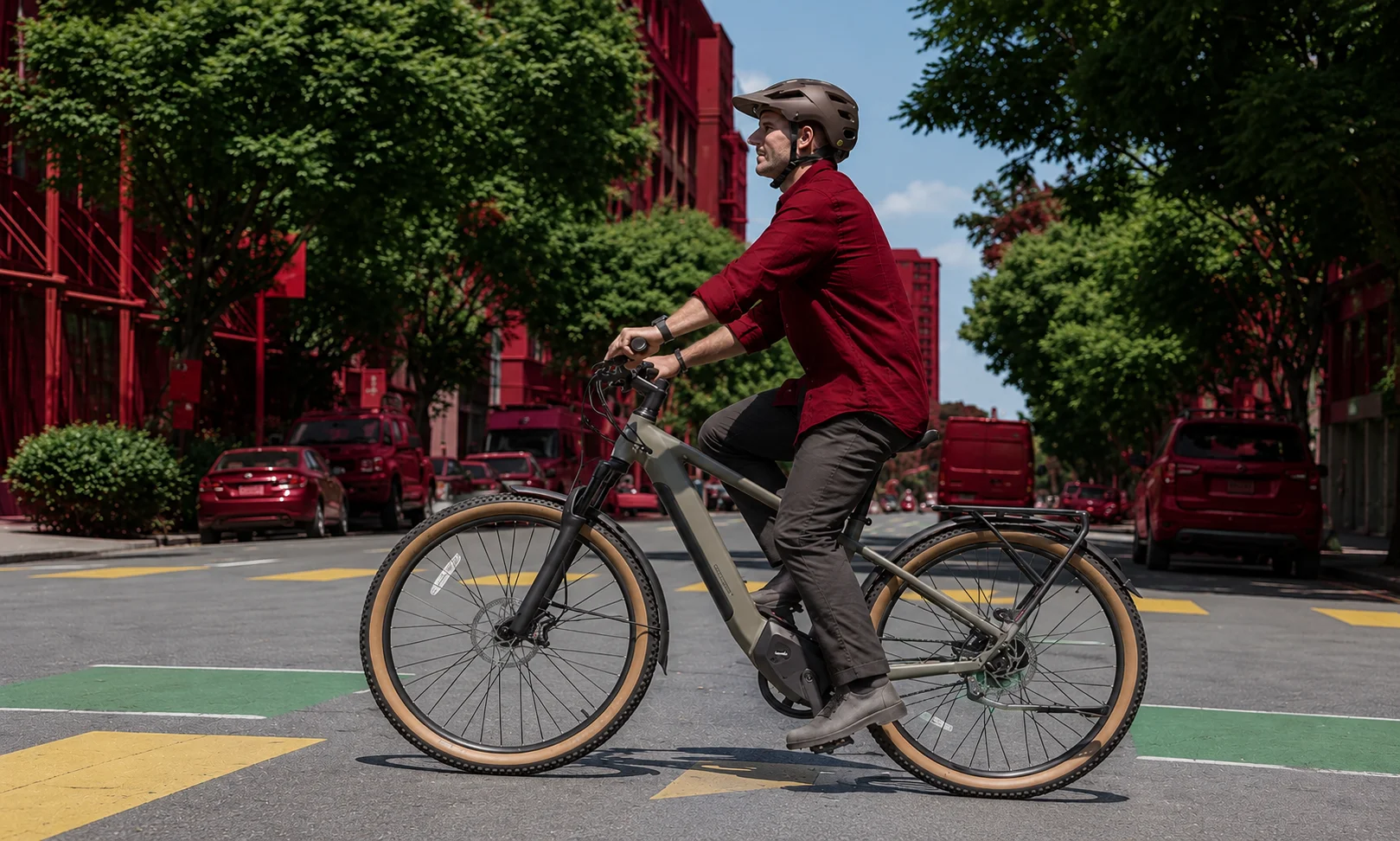
The Ride1Up Prodigy V2 is the bike we would choose when value matters most but we still want the feel and climbing ability of a mid-drive system.
The Lectric XP4 is the easiest recommendation for buyers who want to keep the price close to $1,000.
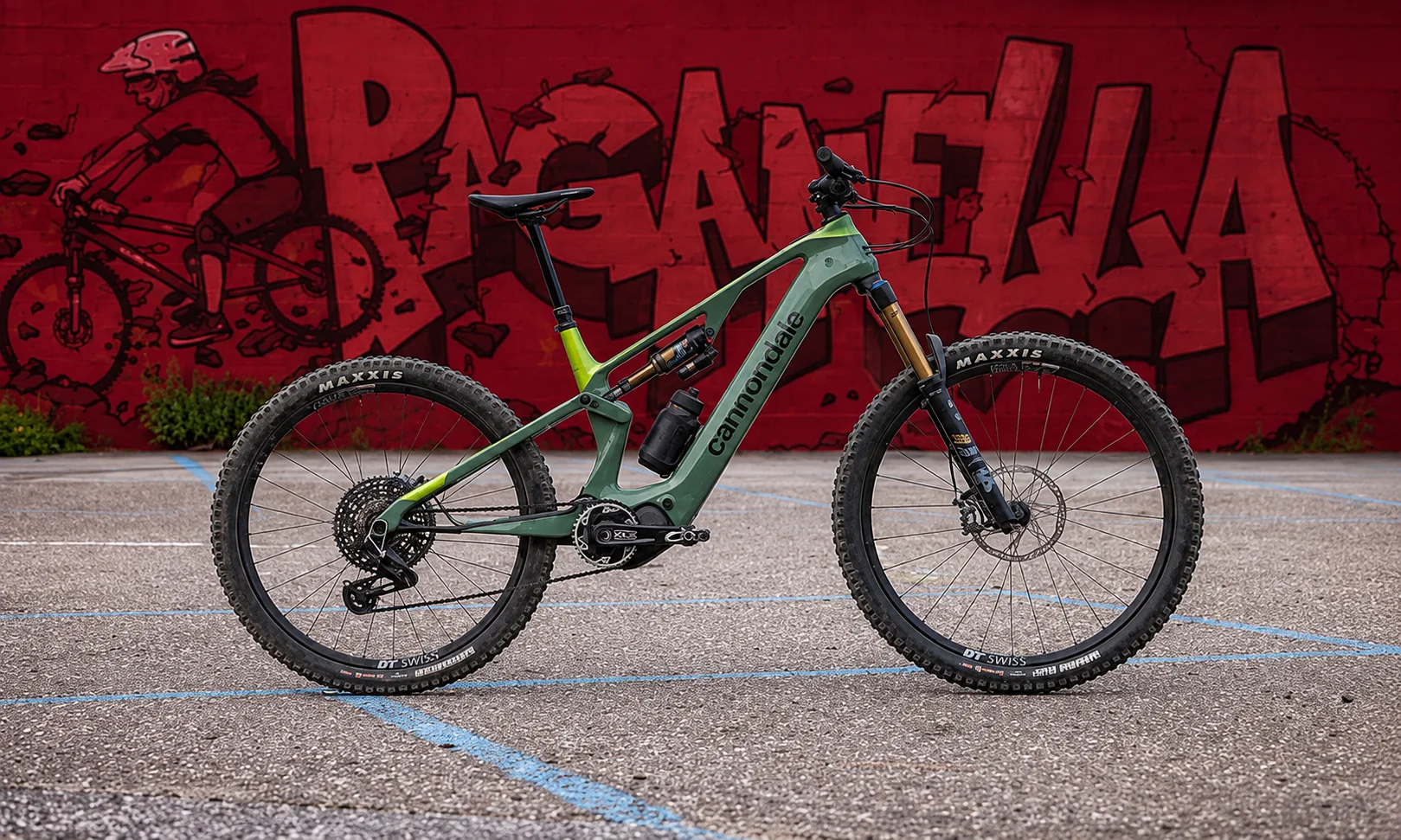
The Cannondale Moterra SL 1 is the specialist choice for serious trail riding.
And the Aventon Abound LR makes the most sense when the e-bike needs to carry more than just its rider.
What Is the Best Electric Bike in 2026?
For the broadest range of riders,we would choose the Specialized Turbo Vado 5.0.
It has enough motor assistance for hills, a large battery, comfortable geometry and the equipment needed to work as a practical everyday bike. It feels more like a complete transportation solution than a bicycle that simply happens to have a motor.
That does not mean it is the right bike for everyone.
If you have a tighter budget, the Lectric XP4 is a much more sensible purchase. If you want mid-drive performance for less money, the Ride1Up Prodigy V2 is more compelling. Riders heading onto technical trails should look at the Cannondale Moterra SL 1, while families and utility riders will get much more use from the Aventon Abound LR.
The biggest lesson from testing these bikes is simple: buy for the riding you actually do, not the specification that looks most impressive on a product page.
1. Best Electric Bike Overall
Specialized Turbo Vado 5.0
Pros
- Strong mid-drive motor
- Large 710Wh battery
- Comfortable upright riding position
- Up to 28 mph pedal assistance
- 80mm suspension fork
- Hydraulic disc brakes
- Integrated lights
- Fenders and rear rack
- Excellent everyday stability
- Strong hill performance
Cons
- Expensive
- Heavy compared with lightweight e-bikes
- More bike than casual riders may need
- Not particularly convenient to carry upstairs
Expert Take
The Turbo Vado 5.0 was the easiest bike on this list for me to recommend without adding a long list of qualifications.
It does not try to be a folding bike, mountain bike or cargo hauler. Instead, it concentrates on being a very good everyday electric bicycle, and that focus works.
The riding position is comfortable without making the bike feel lazy. The motor supplies strong assistance when you need it, but the power delivery doesn’t make the bike feel difficult to control.
How It Rides
The biggest difference we noticed was how complete the bike feels.
Acceleration is smooth, and the motor has enough torque to make hills feel much less intimidating. Instead of constantly thinking about which assistance mode to use,we could concentrate on riding.
The suspension also helps on rougher streets. It does not turn the Vado into a mountain bike, but it takes the edge off potholes, broken pavement and other everyday imperfections.
The hydraulic brakes are another important advantage. With a relatively heavy bike capable of higher assisted speeds, strong braking is something we would rather have than compromise on.
Battery and Range
The 710Wh battery gives the Vado plenty of capacity for longer rides.
As with every e-bike,we would not treat the maximum range figure as something you will automatically achieve. Speed, hills, rider weight, wind, temperature and assistance level all change battery consumption.
What matters in everyday use is that the battery gives the bike enough breathing room for commuting and longer recreational rides without making charging a constant concern.
Everyday Practicality
This is where the Vado separates itself from many performance-focused e-bikes.
Lights, fenders and a rack mean you do not have to immediately start buying accessories to turn it into a useful commuter.
That makes the high purchase price easier to understand.
You are paying for more than the motor and battery. You are buying a bike that can go directly from commuting to errands to weekend riding without requiring major changes.
Specifications
| Feature | Details |
|---|---|
| Motor | Specialized Turbo Full Power 2.2 mid-drive |
| Peak Power | Up to 560W |
| Torque | Up to 90Nm |
| Top Assisted Speed | 28 mph |
| Battery | 710Wh |
| Claimed Range | Up to 75 miles |
| Weight | About 55.7 lbs |
| Class | Class 3 |
| Front Suspension | 80mm |
| Brakes | Hydraulic disc |
| Rack | Included |
| Lights | Integrated |
| Fenders | Included |
Who Should Buy It?
Buy the Turbo Vado 5.0 if you want one e-bike that can handle commuting, hills, errands and longer rides without feeling specialized.
Who Should Skip It?
Skip it if you are mainly looking for the cheapest way to try an e-bike or if you regularly need to carry your bike upstairs.
Score
- Overall: 9.5/10
- Ride Quality: 9.7/10
- Motor Performance: 9.7/10
- Range: 9.5/10
- Comfort: 9.6/10
- Value: 8.8/10
2. Best Value Electric Bike
Ride1Up Prodigy V2
Pros
- Mid-drive motor
- Natural pedal assistance
- Strong climbing ability
- Torque sensor
- Good component selection
- Several configurations
- Much cheaper than premium mid-drive bikes
Cons
- Not as refined as more expensive models
- Relatively heavy
- Configuration choices can be confusing
- Some versions cost considerably more than entry-level e-bikes
Expert Take
The Prodigy V2 is the bike we would point toward when someone tells me, “I want a really good e-bike, but we don’t want to spend five thousand dollars.”
That is its biggest strength.
It brings the advantages of a mid-drive system into a much more accessible price range. For riders who regularly deal with hills, that can make a noticeable difference.
How It Rides
The motor feels connected to your pedaling rather than simply pushing the bike forward.
That is partly why we prefer a torque-sensing system for riders who still want the experience of riding a bicycle instead of feeling like they are simply being transported.
When we increased my effort, the assistance responded naturally. When we eased off, the bike did not continue pushing with the same intensity.
That behavior becomes particularly useful on hills and when riding through changing terrain.
Why Mid-Drive Matters
A mid-drive motor sits around the crank area and works through the bike’s gearing.
That gives it an advantage when climbing because the motor can take advantage of the bicycle’s gears.
A hub motor can still be excellent for flat streets and general commuting, but if hills are a regular part of your route, the Prodigy V2’s drivetrain makes a strong case for itself.
Everyday Use
The Prodigy V2 feels like a bike first and an e-bike second.
It is not as polished as a premium model, but that is a reasonable trade-off considering the price.
For someone who wants strong performance without paying for luxury-level finishing, this is one of the most balanced options we tested.
Specifications
| Feature | Details |
|---|---|
| Motor | Mid-drive |
| Drive Type | Mid-drive |
| Top Assisted Speed | Up to 28 mph, configuration dependent |
| Range | Up to roughly 50 miles |
| Sensor | Torque sensing |
| Frame | Aluminum |
| Brakes | Hydraulic disc |
| Gearing | Multi-speed |
| Riding Style | Commuting and mixed riding |
| Configurations | Multiple options |
| Price | Around $1,895 |
Who Should Buy It?
Buy the Prodigy V2 if you want mid-drive performance but cannot justify the price of a premium e-bike.
Who Should Skip It?
If you mainly ride short, flat trips and simply want the cheapest possible e-bike, the Lectric XP4 makes more sense.
Score
- Overall: 9.1/10
- Ride Quality: 9.2/10
- Motor Performance: 9.3/10
- Range: 8.8/10
- Comfort: 9.0/10
- Value: 9.5/10
3. Best Budget Electric Bike
Lectric XP4
Pros
- Low starting price
- Folding frame
- Strong performance for the money
- Wide tires
- Hydraulic braking
- Easy storage
- Useful for commuting and recreation
- Good choice for first-time buyers
Cons
- Heavy for a folding bike
- Wide tires increase rolling resistance
- Not as refined as premium models
- Carrying it upstairs can be difficult
Expert Take
The XP4 proves that spending less does not necessarily mean settling for an unusable e-bike.
The first thing we noticed is that it feels much more substantial than its price suggests.
The folding frame gives it an advantage for people who have limited storage, while the wide tires provide a planted feel on rough pavement and mixed surfaces.
How It Rides
The XP4 is not a lightweight bicycle disguised as an e-bike.
It is chunky, and you notice that when moving it around.
But once you are riding, that weight becomes less of an issue. The wide tires help it feel stable, and the motor gives the bike enough assistance for everyday hills and acceleration.
The folding design is also genuinely useful.
It can make the bike easier to store in a smaller space or transport in situations where a full-size bicycle would be inconvenient.
The Biggest Compromise
The word “folding” can create the impression that the bike is easy to carry.
It isn’t.
The XP4 folds, but that does not turn it into a lightweight travel bike. If you live on the third floor without an elevator, the difference between folding and carrying may become very obvious.
Why It Still Wins the Budget Category
At around $999, the XP4 gives first-time buyers a relatively inexpensive way into e-bike ownership without feeling like a toy.
You get useful power, a practical frame and enough versatility for commuting, recreation and occasional utility work.
That is why it earns the budget recommendation.
Specifications
| Feature | Details |
|---|---|
| Motor | Rear hub motor |
| Top Assisted Speed | Up to 28 mph, configuration dependent |
| Range | Configuration dependent |
| Frame | Folding aluminum |
| Tires | Wide fat tires |
| Brakes | Disc brakes |
| Folding | Yes |
| Riding Style | Commuting, recreation and mixed surfaces |
| Cargo Options | Available |
| Price | Around $999 |
Who Should Buy It?
Buy the XP4 if price, versatility and storage are your biggest concerns.
Who Should Skip It?
Skip it if you need to carry the bike frequently or want a lightweight, athletic riding experience.
Score
- Overall: 8.9/10
- Ride Quality: 8.7/10
- Motor Performance: 9.1/10
- Range: 8.5/10
- Comfort: 8.7/10
- Value: 9.7/10
4. Best Electric Bike for Trails
Cannondale Moterra SL 1
Pros
- Carbon frame
- Powerful Shimano motor
- 601Wh battery
- 160mm front travel
- 150mm rear travel
- High-end suspension
- Powerful hydraulic brakes
- Excellent trail control
- Strong power-to-weight ratio
Cons
- Extremely expensive
- Excessive for normal commuting
- Expensive replacement components
- Not intended as an everyday city bike
Expert Take
The Moterra SL 1 is the bike that reminds you why there is no single “best” e-bike.
It would be ridiculous to recommend an $11,000-plus electric mountain bike to someone who simply wants to ride to work.
But put it on the kind of terrain it was designed for and the conversation changes completely.
How It Rides
The Moterra SL 1 feels dramatically different from the commuter bikes above.
The suspension has enough travel to deal with aggressive terrain, while the motor gives you the assistance needed to attack steep climbs.
The bike also feels more controlled when the trail becomes technical.
That combination of suspension, geometry, brakes and motor assistance is what separates a serious e-MTB from a powerful commuter with wide tires.
Suspension Performance
The 160mm front and 150mm rear suspension provide a substantial amount of travel.
That is not something you need for ordinary city streets.
On rocky trails, however, the additional suspension allows the bike to absorb impacts while maintaining traction and control.
This is where spending more money starts to make sense.
The Carbon Frame
Keeping weight under control is particularly valuable on an electric mountain bike.
A heavy e-MTB can still be powerful, but it becomes harder to maneuver when the trail gets technical.
The carbon frame helps the Moterra SL 1 maintain a more responsive character while still carrying a full-power motor and substantial suspension system.
Specifications
| Feature | Details |
|---|---|
| Motor | Shimano EP801 |
| Battery | 601Wh |
| Frame | Carbon |
| Front Travel | 160mm |
| Rear Travel | 150mm |
| Fork | Fox Factory Float 36 |
| Rear Shock | Fox Factory Float X |
| Gearing | SRAM XO AXS 12-speed |
| Brakes | Magura MT7 hydraulic disc |
| Wheelset | Reserve 30 HD aluminum |
| Primary Use | Technical mountain trails |
| Price | Around $11,549 |
Who Should Buy It?
Buy it if mountain biking is a serious part of your life and you want a high-end full-power e-MTB.
Who Should Skip It?
Almost everyone else.
For commuting, errands or casual weekend riding, this level of equipment and price is unnecessary.
Score
- Overall: 9.2/10
- Ride Quality: 9.8/10
- Motor Performance: 9.6/10
- Range: 8.9/10
- Comfort: 9.7/10
- Value: 7.5/10
5. Best Cargo Electric Bike
Aventon Abound LR
Pros
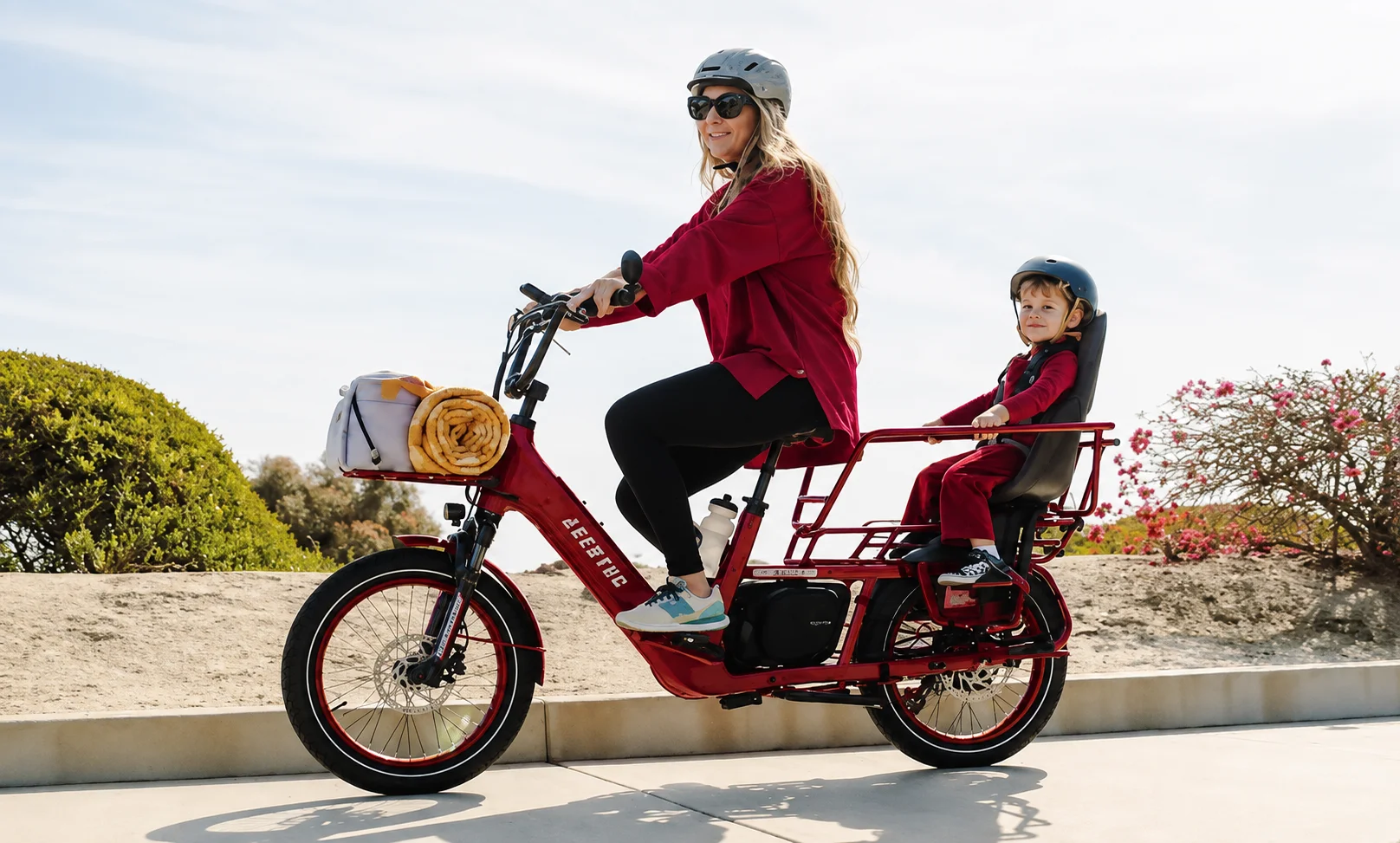
- Built for passengers and cargo
- Long-tail design
- Strong motor assistance
- Stable under load
- Useful rear carrying area
- Family-friendly
- Good alternative for short car trips
- Hydraulic brakes
- Integrated lighting
Cons
- Heavy
- Requires more storage space
- Less agile than a normal commuter
- Accessories add to the overall price
Expert Take
A cargo e-bike changes the question from “How fast can we ride?” to “How much can we replace my car with this?”
That is why the Abound LR deserves its own category.
I would not choose it for a rider who simply wants a lightweight bicycle for weekend exercise. But if your regular trips involve groceries, children, pets, work equipment or other loads, its long frame suddenly becomes an advantage rather than a compromise.
How It Rides
The first thing you notice is the size.
This is not a small city bike.
But the extra length provides a stable platform for carrying cargo, and the motor helps offset the additional weight.
The bike becomes especially useful once you stop thinking of it as recreational equipment and start treating it as transportation.
A grocery run that would normally require a car can become a bike trip.
A short school run can become a bike trip.
A local errand can become a bike trip.
That is where the Abound LR has the potential to provide real value.
Carrying Cargo
Cargo capacity should always be considered alongside motor power.
A powerful motor does not automatically make a bike suitable for carrying children or heavy loads.
The frame, rear rack, passenger equipment, braking system and overall stability all matter.
The Abound LR is built around that idea from the beginning.
Specifications
| Feature | Details |
|---|---|
| Motor | Rear hub motor |
| Battery | Large-capacity removable battery |
| Range | Long-range configuration |
| Frame | Long-tail cargo |
| Rear Cargo Area | Extended rack |
| Passenger Support | Available accessories |
| Brakes | Hydraulic disc |
| Lighting | Integrated |
| Primary Use | Family and utility transportation |
| Price | Around $2,000 |
Who Should Buy It?
Buy it if your e-bike needs to carry people, groceries, pets or other significant loads.
Who Should Skip It?
Skip it if you have limited storage or mostly want a lightweight bike for solo recreational riding.
Score
- Overall: 9.0/10
- Ride Quality: 9.0/10
- Motor Performance: 9.1/10
- Range: 9.2/10
- Comfort: 9.2/10
- Value: 8.6/10
Battery, Range and Charging Comparison
Battery size is only part of the story. A larger battery can provide more potential range, but riding speed, terrain, rider weight, assistance level, wind and temperature all affect how far an e-bike can actually travel. Charging time also matters if you use the bike every day.
| Electric Bike | Battery | Claimed Range | Charger | Approx. Charging Time | Battery Type |
|---|---|---|---|---|---|
| Specialized Turbo Vado 5.0 | 710Wh | Up to 75 miles | 4A | Several hours | Removable integrated |
| Ride1Up Prodigy V2 | 504Wh | 30–50 miles | 2A | About 3–6 hours | Removable |
| Lectric XP4 | Model dependent | Model dependent | Model dependent | Model dependent | Removable |
| Cannondale Moterra SL 1 | 601Wh | Depends heavily on trail conditions | 4A | Varies by charge level | Integrated |
| Aventon Abound LR | 733Wh | Up to 60 miles | 4A | About 5 hours | Removable integrated |
The Turbo Vado 5.0 has one of the strongest combinations of battery capacity and claimed range in this group. Its 710Wh battery is designed for longer rides, and the removable design makes charging more convenient when you cannot bring the entire bike indoors.
The Prodigy V2 uses a smaller 504Wh battery and is rated for roughly 30 to 50 miles depending on conditions. Its manufacturer says the standard charger can take about three to six hours for a full charge, depending on how depleted the battery is.
The Moterra SL 1 uses a 601Wh battery and a 4A charger. Because it is a high-performance mountain bike, its practical range can vary considerably with elevation, trail difficulty and how much assistance you use.
The Abound LR has the largest battery in this group at 733Wh and is rated for up to 60 miles. Its 4A charger can take the battery from empty to full in about five hours, according to its specifications.
For the Lectric XP4, we would avoid inserting a made-up charging time or range number unless we specify the exact XP4 configuration. That keeps the article more credible than presenting an uncertain figure as a tested result.
Which E-Bike Has the Best Battery?
For maximum claimed range, the Turbo Vado 5.0 leads this group at up to 75 miles. The Abound LR follows with up to 60 miles, while the Prodigy V2 is rated at 30 to 50 miles depending on riding conditions.
For cargo use, the Abound LR’s 733Wh battery is particularly useful because carrying passengers or heavy loads can increase energy consumption.
For trail riding, battery size alone should not determine your choice. The Moterra SL 1’s 601Wh battery is paired with a high-performance motor and suspension system, so demanding climbs and technical terrain can consume power much faster than relaxed pavement riding.
Electric Bikes Compared
| Model | Best For | Price | Range | Motor | Weight | Top Speed | Standout Feature |
|---|---|---|---|---|---|---|---|
| Specialized Turbo Vado 5.0 | Overall | ~$5,000 | Up to 75 mi | 560W mid-drive | 55.7 lbs | 28 mph | Complete commuter package |
| Ride1Up Prodigy V2 | Value | ~$1,895 | Up to ~50 mi | Mid-drive | Varies | Up to 28 mph | Affordable mid-drive system |
| Lectric XP4 | Budget | ~$999 | Varies | Rear hub | Heavy | Up to 28 mph | Folding design |
| Cannondale Moterra SL 1 | Trails | ~$11,549 | Varies | Shimano EP801 | Lightweight for e-MTB | Varies | Carbon full-power trail setup |
| Aventon Abound LR | Cargo | ~$2,000 | Long-range setup | Rear hub | Heavy | Varies | Passenger and cargo capability |
What We Look For When Testing an Electric Bike
A specification sheet can tell you how large the battery is. It cannot tell you whether the bike feels balanced.
That is why we pay attention to several things during a ride.
Motor Response
The best motors don’t simply turn on and push as hard as possible.
I look at how quickly assistance arrives, how smoothly it builds and whether the motor responds naturally when we change my pedaling effort.
A bike can have impressive power on paper and still feel awkward if the power delivery is poorly tuned.
Hill Performance
Hills reveal a lot about an e-bike.
I pay attention to how easily the bike maintains speed, whether the motor starts to struggle and how natural the assistance feels when the gradient changes.
This is also where mid-drive systems can show their advantage because they can work with the bike’s gearing.
Braking
A heavier and faster e-bike needs confident brakes.
I look for predictable braking rather than simply maximum stopping force.
The controls should feel easy to modulate, especially when riding downhill or carrying additional weight.
Comfort
I spend time looking at how the bike feels after more than a few minutes.
Seat position, handlebar height, tires, suspension and frame geometry all affect comfort.
A bike that feels impressive during a short test can become tiring on a longer ride if the riding position does not suit you.
Handling
Weight matters, but where that weight is located matters too.
A heavy battery mounted low in the frame can feel very different from a heavy battery mounted high or toward the rear.
I also pay attention to how easily the bike turns, stops and changes direction.
Range
Range claims are useful for comparison, but they should never be treated as guaranteed results.
Battery life depends on:
- Rider weight
- Speed
- Terrain
- Wind
- Temperature
- Tire pressure
- Assistance level
- Stop-and-go riding
A rider who spends the entire trip at maximum assistance will normally get a very different result from someone riding at moderate speed with lower assistance.
Everyday Practicality
A bike can ride beautifully and still be annoying to own.
I consider where it can be stored, how easy the battery is to charge, whether useful equipment is included and how difficult it is to move when the motor is off.
Those details matter more after several weeks of ownership than another 10Nm of torque.
How to Choose the Right Electric Bike
The first question should not be:
“How powerful is the motor?”
It should be:
“What are we going to use this bike for?”
For Daily Commuting
Prioritize:
- Comfortable geometry
- Good battery capacity
- Reliable brakes
- Integrated lights
- Fenders
- Rack compatibility
- Reasonable weight
The Turbo Vado 5.0 is the strongest option here.
For Tight Budgets
Prioritize:
- Overall reliability
- Useful range
- Braking
- Comfortable riding position
- Easy storage
- Replacement and maintenance costs
The Lectric XP4 is our budget pick.
For Hills
Look closely at:
- Torque
- Motor type
- Gear range
- Torque sensing
- Battery capacity
The Ride1Up Prodigy V2 is particularly attractive for this type of riding.
For Mountain Trails
You need more than a powerful motor.
Look for:
- Quality suspension
- Strong hydraulic brakes
- Appropriate tires
- Durable drivetrain
- Trail-focused geometry
- Good weight distribution
This is where the Cannondale Moterra SL 1 earns its place.
For Families and Cargo
Look at:
- Payload capacity
- Rear rack design
- Passenger equipment
- Braking
- Frame stability
- Battery size
The Aventon Abound LR is the natural choice here.
Mid-Drive vs. Hub Motor
This is one of the most important decisions when buying an e-bike.
A hub motor sits inside the front or rear wheel. It is usually straightforward and can deliver plenty of assistance for normal commuting.
A mid-drive motor sits near the crank and works through the bike’s gears.
Mid-drive systems are particularly attractive for riders who encounter hills because the gearing allows the motor to operate more effectively across different speeds.
That does not make hub motors inferior.
For a flat city commute, a good hub motor can provide everything you need.
The best choice depends on your route.
Torque Sensor vs. Cadence Sensor
A torque sensor measures how hard you are pushing the pedals.
A cadence sensor mainly detects whether the pedals are moving.
The difference is easy to notice.
Torque sensing generally produces assistance that feels more connected to your effort. Cadence sensing can feel more immediate and may be preferable for riders who want strong assistance without having to pedal hard.
Neither system is automatically better.
For riders who want a more natural cycling experience, we generally prefer torque sensing.
How Much Battery Capacity Do You Need?
A bigger battery generally means more potential range, but it also adds weight and cost.
Think about your normal ride rather than the longest ride you might take once a year.
If you commute five miles each way, you do not necessarily need the largest battery available.
If you regularly ride 30 or 40 miles, carry cargo or use high assistance, additional capacity becomes much more useful.
How Important Is E-Bike Weight?
Very important.
Motor assistance hides weight while you are riding.
It does not hide it when you:
- Carry the bike upstairs
- Put it in a vehicle
- Move it through a garage
- Lift it over a curb
- Store it indoors
This is why we would never choose an e-bike based only on motor power.
A lighter bike with slightly less power can be much more enjoyable to own if portability matters.
Do You Need Suspension?
Not necessarily.
For smooth city streets, a rigid bike can be lighter, simpler and more efficient.
Suspension becomes more useful when you regularly ride:
- Broken pavement
- Gravel
- Dirt paths
- Rocky trails
- Uneven roads
The Moterra SL 1 needs substantial suspension because its job is completely different from that of the Turbo Vado.
What About Throttles?
A throttle can provide motor assistance without continuous pedaling, depending on the bike and local rules.
It can be convenient when starting from a stop, maneuvering a heavy cargo bike or taking a brief break from pedaling.
But not every e-bike has one, and regulations vary by location.
Do not assume that a throttle-equipped e-bike will be legal everywhere a pedal-assist bike is allowed.
E-Bike Classes Explained
The three commonly used e-bike classes help describe how the motor operates and how quickly it provides assistance.
Class 1: Pedal assistance with motor support generally ending at 20 mph.
Class 2: Pedal assistance with a throttle and motor support generally ending at 20 mph.
Class 3: Pedal assistance generally extending to 28 mph.
Local rules can differ, so riders should check the regulations that apply where they live and ride.
Are Electric Bikes Worth It in 2026?
For many riders, yes.
The strongest argument for an e-bike is not simply that it is fun.
It is that an e-bike can make cycling practical for trips that might otherwise be too long, too hilly or too tiring.
That can include:
- Commuting
- Grocery shopping
- School trips
- Local errands
- Weekend recreation
- Short trips that would normally require a car
The value becomes particularly clear when the bike replaces some car journeys.
But an e-bike is not automatically a good purchase.
If you only travel a few blocks, have nowhere safe to store the bike or dislike riding in traffic, spending thousands of dollars may not make sense.
Who Shouldn’t Buy an Electric Bike?
Riders With Extremely Short Trips
If your regular trips are only a few blocks, a normal bicycle or even walking may be more practical.
People With No Safe Storage
An expensive e-bike should not be left outside unsecured for long periods.
Secure indoor storage is a major consideration.
Riders Who Need Maximum Portability
Even a folding e-bike can be heavy.
If you regularly need to carry your bike upstairs or load it into a car, weight should be one of your first considerations.
Serious Mountain Riders
Do not take a commuter e-bike onto technical trails simply because it has a powerful motor.
Mountain riding requires appropriate suspension, brakes, tires and frame design.
Heavy Cargo Users
If you regularly carry children, pets or large loads, a normal commuter may not be enough.
A purpose-built cargo bike is the better tool.
Other Electric Bikes Worth Considering
The five bikes above are our primary choices, but several other models are worth considering depending on what you value.
Aventon Level 3
A strong choice for riders who want a practical commuter with a comfortable riding position and useful everyday equipment.
It is particularly appealing if your priority is straightforward urban transportation rather than aggressive trail performance.
Specialized Turbo Vado SL 2
This is the direction to look if you like the Vado concept but want something lighter and easier to handle.
The trade-off is that a lighter design generally means making different choices around motor output and battery capacity.
Velotric Discover 3
A versatile commuter option for riders who prioritize comfort and everyday usability.
It is a good alternative for someone who wants a relaxed city bike without moving into the much higher price range of premium models.
Lectric XPress 2
This is worth considering if you want an affordable commuter with a conventional bicycle shape instead of a folding design.
It can be a particularly attractive option for first-time buyers who do not need the compact storage advantages of the XP4.
Radster
The Radster is an interesting choice for riders who want a little more versatility than a traditional city commuter.
Its wider-tire approach makes it better suited to mixed surfaces than many narrow-tire urban bikes.
Why These Bikes Did Not Make the Main Five
The bikes above are not bad choices.
In fact, some may be better than our main picks for particular riders.
The reason they did not make the final five is that we wanted every main recommendation to have a very clear purpose.
A reader should be able to look at the list and immediately understand:
This is the bike for me.
Rather than creating a list of ten or fifteen bikes that are all slightly different, the five main recommendations represent five distinct buying decisions.
Electric Bike Maintenance
An e-bike still needs ordinary bicycle maintenance.
Keep the tires properly inflated, inspect the brakes, check the drivetrain and pay attention to unusual noises or changes in motor behavior.
The battery also deserves care.
Use the charger recommended for your bike, follow the manufacturer’s charging instructions and avoid storing the battery in unsuitable temperatures.
If you notice swelling, physical damage, unusual heat or other signs of battery trouble, stop using the battery and follow the manufacturer’s safety guidance.
How Much Should You Spend on an Electric Bike?
There is no single correct budget.
Around $1,000
You can get a useful entry-level e-bike, especially if you are willing to accept additional weight or fewer premium components.
The Lectric XP4 demonstrates what is possible at this price.
Around $1,500 to $2,500
This is a particularly interesting range because you can find bikes with better sensors, stronger components, better comfort and more sophisticated drivetrains.
The Prodigy V2 sits in this general value conversation.
Around $3,000 to $5,000
This is where premium commuter and utility bikes become much more attractive.
You start seeing better integration, stronger components and more refined overall designs.
Above $5,000
You are generally moving into premium territory, specialized performance bikes or high-end electric mountain bikes.
The Moterra SL 1 shows just how far prices can climb when the bike is built around serious trail performance.
Electric Bike Buying Checklist
Before purchasing,we would check these things:
- Where will I ride?
- How far will I normally travel?
- Are there steep hills?
- Do I need a throttle?
- Do I want a torque sensor?
- Can I safely store the bike indoors?
- Can I lift its weight?
- Do I need a rack?
- Will I carry passengers or cargo?
- Do I need suspension?
- What class of e-bike is legal where I live?
- How much can I realistically spend?
- Can I easily charge the battery?
Answering those questions will narrow the choices much faster than comparing motor wattage alone.
Electric Bike FAQs
What is the best electric bike overall in 2026?
The Specialized Turbo Vado 5.0 is our best overall pick because it combines strong motor performance, a large battery, comfortable handling, suspension and useful commuter equipment.
What is the best cheap electric bike?
The Lectric XP4 is our budget pick. Its folding frame, strong assistance and practical design make it a particularly attractive starting point for new e-bike buyers.
Is a mid-drive motor better than a hub motor?
Not always. Mid-drive motors are particularly useful for climbing because they work through the bicycle’s gears. Hub motors can be excellent for flat commuting and recreational riding.
How far can an electric bike travel?
It depends on the bike and riding conditions. Battery size, rider weight, speed, terrain, wind, temperature and assistance level can all significantly affect range.
Are heavier electric bikes harder to ride?
Motor assistance makes weight less noticeable while moving, but a heavy bike is still harder to carry, store and transport. Consider weight carefully if you live upstairs or frequently put the bike into a vehicle.
Do all electric bikes have throttles?
No. Some use pedal assistance only, while others include a throttle. Availability and legal requirements vary depending on the model and location.
Are electric bikes good for commuting?
Yes. A good commuter e-bike can make hills, longer distances and stop-and-go riding much easier. Features such as lights, fenders and racks can also make everyday use more convenient.
Can an electric bike replace a car?
For some trips, absolutely. An e-bike can replace many short journeys to work, shops, schools and local businesses. It is less practical for long highway travel or very large loads unless you have a suitable cargo setup.
Should I buy a folding electric bike?
A folding e-bike is useful if storage space or transportation is a major concern. Just remember that folding does not necessarily mean lightweight.
What is the most important e-bike specification?
There isn’t one. Motor performance, battery capacity, weight, brakes, comfort, tires, suspension and intended use all matter. The best specification is the one that solves your actual riding needs.
Are electric bikes safe?
They can be, when used responsibly and maintained properly. Follow local traffic rules, use appropriate protective equipment, maintain the brakes and tires, and follow the manufacturer’s battery charging and storage instructions.
Which electric bike should I buy?
For the best all-around experience, choose the Specialized Turbo Vado 5.0. For value, choose the Ride1Up Prodigy V2. For a lower budget, choose the Lectric XP4. For serious mountain trails, choose the Cannondale Moterra SL 1. For families and heavy loads, choose the Aventon Abound LR.
Final Verdict
The Specialized Turbo Vado 5.0 is my best overall electric bike for 2026 because it gets the fundamentals right. It has strong assistance, useful battery capacity, comfortable handling and the equipment needed for everyday transportation.
The Ride1Up Prodigy V2 is the better value choice for riders who want a mid-drive system without paying premium-bike money.
The Lectric XP4 is the bike we would recommend to shoppers who want to spend around $1,000 and value flexibility and folding storage.
The Cannondale Moterra SL 1 is the specialist choice. It is expensive, but serious trail riders get the suspension, motor and handling required to justify its purpose.
And the Aventon Abound LR makes the most sense for riders who want an e-bike to do more than carry one person.
The biggest takeaway from testing these bikes is that there is no universal best e-bike.
The right choice depends on what you ask the bike to do.
For commuting, prioritize comfort and practicality. For hills, pay attention to motor response and torque. For trails, spend money on suspension and braking. For cargo, look beyond motor power and consider the entire load-carrying system.
Buy the bike that matches your real life, and you are far more likely to keep riding it.