Premium earns its higher price through quality and performance, while luxury adds exclusivity, craftsmanship and emotional meaning. For buyers, that difference can shape the decision, the value they expect and the price they accept. Neither label guarantees a better fit for every customer.
Premium products often offer clear gains in features, service or consistency. Luxury products can add heritage, limited access and a feeling of owning something special. The labels can overlap, so compare what each product gives you with what matters in your daily life.
This distinction matters when two products look similar but make different promises. The useful question is which differences matter to your needs, not which label sounds more impressive.
Key Takeaways
- Premium justifies extra cost through practical benefits.
- Luxury adds meaning, craft and exclusivity.
- Price and logos alone do not prove a product is luxury.
- Compare the specific product, not only its brand.
- Your budget and priorities should guide the choice.
Luxury vs. Premium: How Buyers Recognize the Difference at a Glance
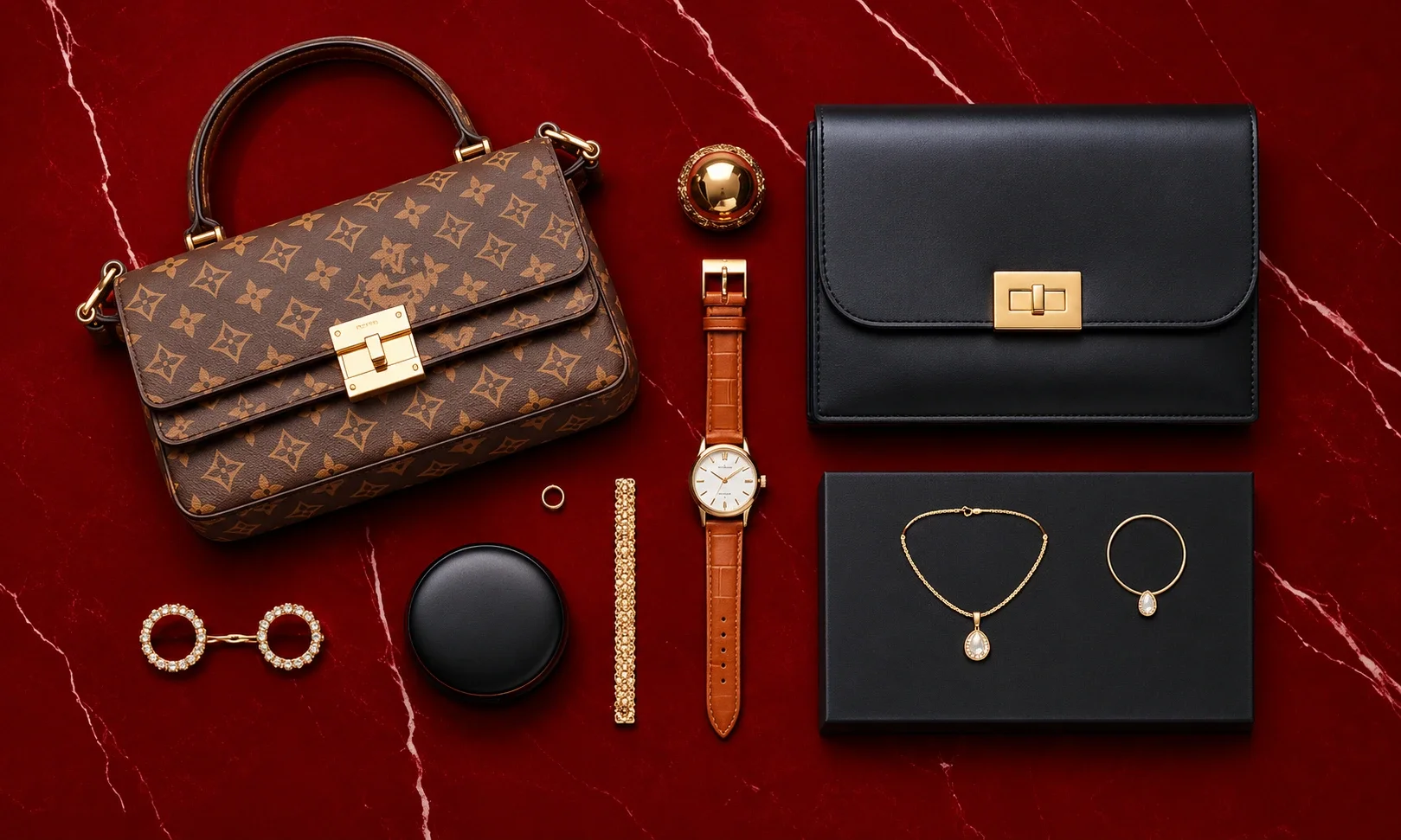
A premium purchase makes a case for its extra cost, while a luxury purchase also draws value from what the brand represents. The difference is the promise behind the price.
Premium brands present measurable gains, while luxury brands sell a wider sense of meaning. Their brand identity shapes how customers read those promises.
Premium makes its value easy to compare
Premium positioning points to features, materials, performance and service you can assess. A buyer can compare those benefits with the price and judge whether they matter.
Dyson is a functional, performance-led example: its products make a case through design and performance. Clear product pages and straightforward brand messaging can help a company explain practical benefits.
Luxury builds desire beyond the product
Luxury brands rely more on heritage, craftsmanship, scarcity and emotion. Controlled access can make availability feel limited, while a brand story gives the product meaning beyond its use.
Rolls-Royce illustrates this kind of positioning, but neither name is a definitive test. A product’s price can also shape perceived value, as prestige pricing shows.
| Buyer signal | Premium | Luxury |
|---|---|---|
| Price justification | Features and service | Heritage and desire |
| Audience | Broader reach | Selective access |
| Communication | Benefits and proof | Story and symbolism |
| Design | Polished and functional | Intentional and enduring |
| Growth aim | Scale | Exclusivity |
Judge the promise by what the product delivers, not by the label alone.
Some companies use both approaches across different products. Treat the table as a guide to positioning, not a rule that classifies every product perfectly.
What Signals Tell Buyers a Product Is Truly Luxury?
A luxury signal is strongest when thoughtful design, craftsmanship and lasting appeal make the product meaningful beyond its function. Price alone cannot establish that meaning.
In economics, income elasticity of demand is the percentage change in demand divided by the percentage change in income. A luxury good has income elasticity of demand greater than 1, meaning demand rises proportionally more than income.
In a 2026 survey of more than 10,000 luxury consumers, the leading purchase drivers focused on execution and lasting appeal. Logo visibility ranked lowest across luxury product categories.
- Design and aesthetics
- Craftsmanship and quality of execution
- Timelessness and lasting appeal
- Logo visibility mattered least across categories
That pattern gives buyers a useful check: look past a large logo and inspect the product itself. Clear close-ups and accurate colors can help you assess details, as these product photography tips explain.
Price still affects the decision. In the same 2026 survey, 70% of consumers said they had abandoned a purchase because its price felt unjustified.
More than 50% of consumers who rejected a purchase over price stayed within the brand or luxury sector. Some switched products within the same brand, while others chose a competitor.
That response suggests a high price can redirect demand instead of ending it. Look for consistency between the experience, the product’s execution and the price before treating a luxury label as proof.
How Do Luxury and Premium Cars Compare?
A luxury-car badge signals a market position, but comfort, equipment, materials and build expectations are what buyers experience. Model details matter more than the badge alone.
Luxury cars often add comfort, equipment, costly materials and an expectation of higher build quality. They have also been early homes for safety technology and comfort features.
Consumer Reports’ luxury car guide weighs comfort and materials alongside reliability, safety and ownership factors. BMW, Audi and Mercedes-Benz also sell smaller or more limited-feature models under their own badges to reach price-sensitive buyers.
Full-size sedans trade price and features differently
The 2026 Mercedes-Benz S-Class ranked first among full-size luxury cars, scoring 9.5/10 with a $120,900 starting price. Its combined EPA rating is 20-23 mpg.
The 2026 Genesis G90 ranked second with a 9/10 score and a $94,245 starting price. It is rated at 20-21 mpg combined.
The 2026 BMW 7-Series ranked third, with a 9/10 score, a $100,850 starting price and a 20-28 mpg combined rating. These full-size sedan ratings and prices show distinct trade-offs.
The 2026 Audi A8 has a $96,495 starting price and a 22 mpg combined rating. No rank is stated here for the A8.
Midsize rankings show more than one strong option
The 2026 Lexus ES Hybrid ranked first among luxury midsize cars for 2026 and 2027. Its score was 9.2/10, with an MSRP range of $49,700-$55,900.
The 2027 Genesis G80 and 2026 Mercedes-Benz E-Class tied for second, each with a 9.1/10 score. The 2026 BMW 5-Series ranked fifth at 8.7/10, with an MSRP range of $60,500-$75,500.
The spread in rankings shows that several models can appeal to different buyers. A high score is one comparison point, not a personal measure of comfort or value.
Luxury SUV sales reveal the popular choices
In 2026, the Lexus RX sold 89,824 vehicles, the BMW X5 sold 63,767, and the Mercedes-Benz GLE-Class sold 60,253.
The BMW X3 sold 60,128, the Mercedes-Benz GLC-Class sold 53,986, and the Lexus NX sold 50,148.
The Lexus TX sold 42,674, while the Acura MDX sold 38,587. These figures indicate sales, not the best choice for every buyer.
Compare similarly sized models on the features and ownership priorities you actually use, not just their list position.
Is Premium Higher Than Luxury, or Are They Different Tiers?
Luxury is generally positioned above premium, but the boundary between the two is subjective rather than a universal rule. There is no fixed scale shared by every brand or market.
A broad brand category describes a company’s place in the market. A specific product may cost less or include fewer features than other products from that brand.
BMW is generally treated as a luxury automaker, though its smaller or more limited-feature models can reach more price-sensitive buyers. The brand’s position does not make every model equally exclusive.
Some frameworks divide high-end brands into premium, prestige, prosumer and luxury. Other systems use different terms, so premium brand and luxury brand are not always separate steps on one ladder.
That variation matters when a business sets its positioning. A brand can seek broad reach with one product and build exclusivity around another.
Michael Kors, for example, is more accessible than traditional luxury brands, and quality varies by product. A closer look at its materials and construction can tell you more than the label.
Classify the specific product and its intended buyer, not just the word used for the brand.
What Do Brand Rankings and Market Trends Actually Show?
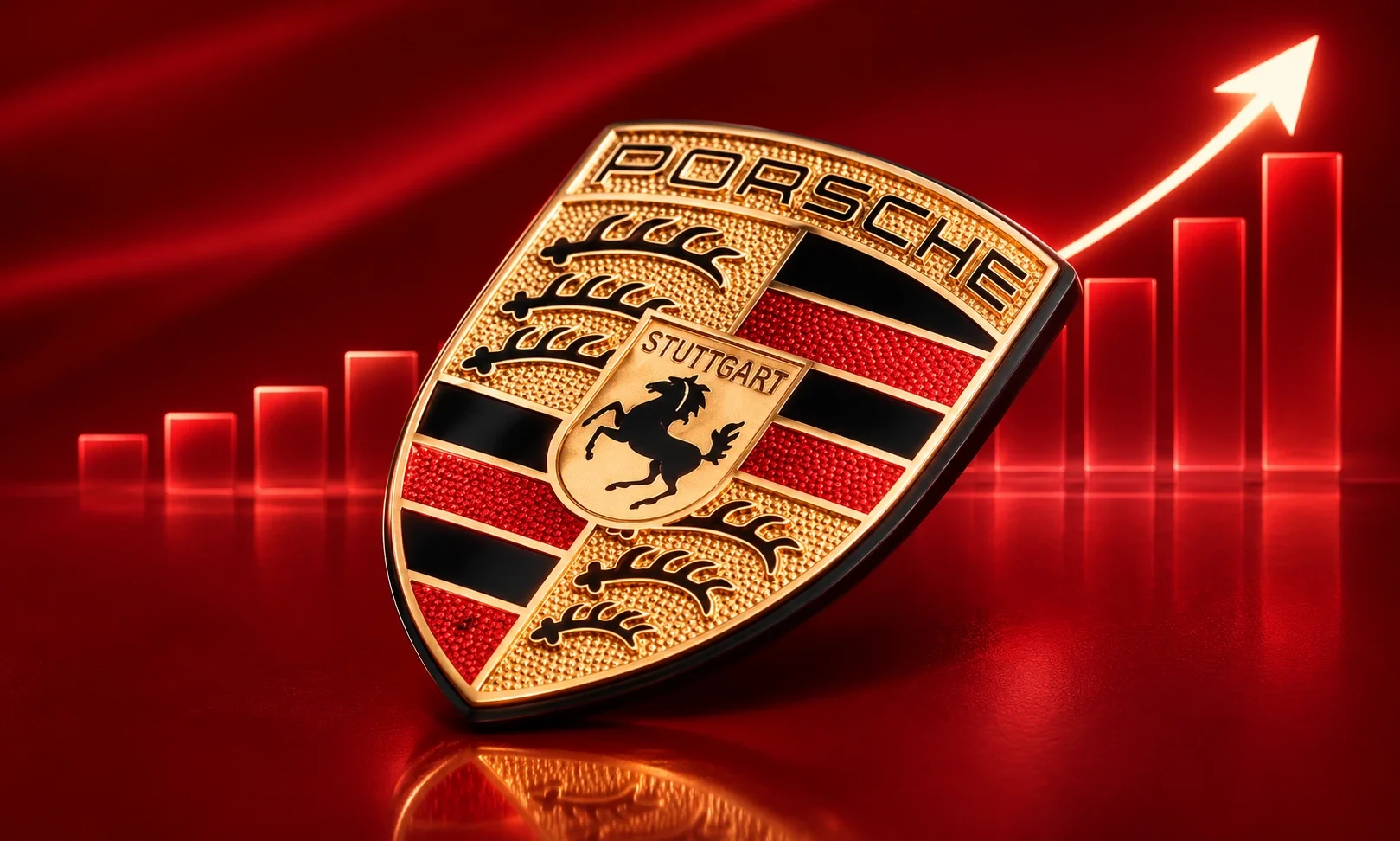
A rising luxury market does not mean every product category or buyer tier is growing at the same pace. Market growth and brand value measure different things.
Growth can point to business conditions, while rankings estimate the value attached to a brand. Neither tells you whether one product suits your needs.
Luxury-market growth varies across categories
Kearney projected global luxury-market growth of 2-4% in 2026. The expected gains were uneven across regions, categories and customer tiers.
The global luxury goods market reached about $530 billion in 2025. Its projected compound annual growth rate is 2-4% through 2028.
Jewelry and accessories outperformed handbags and ready-to-wear in 2025. Durability, lasting symbolism and more consistent, transparent pricing helped support that performance.
Brand value rankings measure a different thing
Brand Finance’s 2026 luxury and premium rankings placed Porsche first at USD 35.2 billion. Chanel ranked second at USD 34.3 billion.
| 2026 rank | Brand | Brand value |
|---|---|---|
| 1 | Porsche | USD 35.2 billion |
| 2 | Chanel | USD 34.3 billion |
| 3 | Louis Vuitton | USD 28.8 billion |
| 4 | Hermès | USD 21.2 billion |
| 5 | Rolex | USD 19.9 billion |
Ferrari ranked seventh at USD 14.5 billion. Luxury and premium automobiles formed the second-largest segment, with a brand value of USD 60.7 billion.
These measures describe market activity and brand strength, not the quality or fit of a single item. Use brand rankings as context about brand value, not as a substitute for judging a product’s fit.
How Should Buyers Choose Between Premium and Luxury?
Start with the specific benefits you will use, then decide whether exclusivity or emotional meaning is worth paying for. Your budget and daily needs should guide the choice.
A Lexus ES Hybrid and BMW 5-Series buyer can compare features, intended use and price instead of treating either badge as a complete verdict. Premium positioning stresses measurable value, while luxury gives more weight to heritage and desire.
- Identify the features or service you will use.
- Decide whether the added price has clear value for you.
- Consider how much craft, heritage or emotional meaning matters.
- Check whether the actual customer experience matches the promise.
For a broader sedan comparison, the 2026 Toyota Camry trim guide shows how equipment and comfort shift across one lineup. A clear view of features can make the decision easier.
A company’s customer experience includes what happens before and after the sale. Good branding sets an expectation, but the product and service must support it.
Do not pay for a promise that the product or customer experience does not deliver.
Choose the product whose delivered experience matches your priorities and budget, regardless of its label.
Conclusion
Premium explains what more you get, while luxury also sells what owning it means to you. One earns its higher price through practical gains; the other adds desire and a sense of exclusivity.
Neither label can make the decision for you. The product, its service and its price need to fit your own priorities.
Before deciding, compare one product you are considering against your own must-have features, budget and expectations for the experience.