A business earns a premium position by making a distinct value easy to recognize, experience, and trust. You can charge more when customers see a real advantage, not simply because the price is high.
Founders and established businesses face the same challenge: how to show genuine value without borrowing status symbols or expensive-looking design. A premium brand can feel special through useful benefits, clear proof, and a consistent experience. The higher price must make sense to the customer.
This approach gives your business a practical way to build recognition around what it does well. The audience should see the offer as relevant, distinctive, and worth choosing again. That confidence comes from delivery, not decoration.
The first test is whether customers can name the real advantage without being prompted by a high price or a luxury-looking logo.
Key Takeaways
- Premium means a higher value customers can explain and defend.
- Choose an audience whose needs your business can serve well.
- Show proof for every quality or service claim.
- Use design and language people can recognize without a logo.
- Keep each customer interaction true to the brand promise.
- Build trust with clear claims, fair data practices, and steady delivery.
Premium and Luxury Solve Different Customer Jobs
Premium customers need a clear reason the offer is worth more; luxury customers may also value rarity, prestige, and the social meaning of ownership. Premium value rests on benefits customers can recognize, while luxury may place more weight on status and scarcity.
A premium business can offer excellent quality without making exclusivity its identity. Customers may pay more for better utility, service, or design without wanting a status symbol.
| Customer question | Premium | Luxury |
|---|---|---|
| What customers pay for | Reliable benefits and a better experience | Rarity, prestige, and ownership meaning |
| What supports the price | Utility, quality, service, and brand premium | Craft, heritage, status, and limited access |
| What scarcity does | May limit supply for practical reasons | Can strengthen desire and social distinction |
| Likely customer rationale | “This solves my need better.” | “This says something about me.” |
In 2026, 76% of luxury shoppers said craftsmanship was essential to the luxury experience. That figure shows craft can matter, though it does not make every crafted offer a luxury brand.
Make the higher price answer a customer need before you make it signal status. Scarcity cannot replace a benefit people can feel.
In 2026, 69% of luxury shoppers said brands they wear should reflect something personal about their identity, rather than act only as status symbols. Premium businesses can also connect to identity through a useful point of view.
Use the luxury shopper findings as a reminder that even luxury can involve personal meaning, not just display. Treat status and scarcity as optional parts of a position, not shortcuts that can replace real value.
Choose an Audience and a Positioning Gap

Start with the customers who already care about the problem your business solves, not with an imagined mass audience. A focused audience helps you make choices customers can recognize as relevant.
The most profitable audience may not be the largest audience. A smaller group with a costly, frequent, or urgent need can support a stronger business than a broad group with little reason to switch.
Find the customer whose needs you can serve distinctively
Talk with current customers, recent buyers, and people who chose another option. Ask for specific examples of what happened before they began looking, what they tried, and what they wished worked better.
- Buying trigger: What event made the customer seek a solution?
- Unmet need: What does the current offer fail to handle?
- Current alternative: What product or service fills the gap today?
- Valued outcome: What result would make the customer feel satisfied?
- Price objection: What makes paying more feel hard to justify?
- Customer language: Which words do people use to describe the problem?
Record the phrases customers use, rather than replacing them with internal brand language. Those phrases can guide your brand strategy and keep your message clear.
Map the alternatives customers already compare
A brand positioning map is a chart that compares how customers perceive brands using two variables, such as cost and quality. Its axes should reflect customer perceptions, not what your team hopes the market will believe.
Plot a small set of alternatives on two meaningful axes, such as ease of use and cost or exclusivity and voice. Ask customers where they place each option, including your business. If customers place you beside an established competitor, sharpen the difference they can actually notice.
When customer views show a possible gap, test whether the gap matters to the target audience and fits your business. A financial services branding strategy also starts with audience needs and a clear difference.
David Aaker’s 5Bs branding framework links relevance to meeting customer needs and delivering on the promise. Keep the positioning gap only if customers recognize it as valuable and the business can deliver it repeatedly.
Make Product Quality Easy to Verify
A premium product has to work better in a way the customer can notice, whether that means greater reliability, easier use, or more thoughtful construction. Useful proof turns a claim into something a customer can test.
Compare your offer with the customer’s current alternative, not an abstract ideal. A service that saves ten minutes on a task may matter more than a feature no one asked for.
Deliver utility before adding symbolism
Utility means the product’s functional performance. Depending on the offer, it may show up as reliability, simple setup, durability, or ease of repair.
Stripe made payments easier for developers through a user-friendly API, a set of tools they could integrate into websites more easily. The distinction came from less friction in a real task, not from an expensive visual style.
The iPhone shows how utility and design can work together to support perceived value. A clear interface and useful functions shape the experience, while the design makes those functions easier to approach.
Turn quality claims into visible proof
Choose proof points that suit your product. A furniture maker might explain wood type, joinery, finish, and repair options. A software business might track uptime, setup time, and the number of steps needed to finish a task.
Materials matter when they change how the product feels, lasts, or works. A polished finish is meaningful if it protects the surface or makes daily cleaning easier.
Quality control can also create proof. Describe the checks your team runs before shipping, or the service standard each order receives. A specific, repeatable measure is stronger than a broad claim like “best quality.”
Use customer feedback to find issues that matter in daily use. If people keep reporting confusing setup, improving instructions may offer more value than adding another feature.
For a service offer, compare the steps, wait times, or outcomes customers experience with those of their current provider. Clear landing-page copy can explain the benefit without turning a feature list into a promise.
Remove any quality claim that cannot be tied to an observable feature, outcome, or service standard.
Build Identity Through Distinctive Brand Codes
If removing the logo makes a campaign look like it could belong to several competitors, the identity needs more distinctive codes. Recognition comes from repetition, not from adding decoration to every surface.
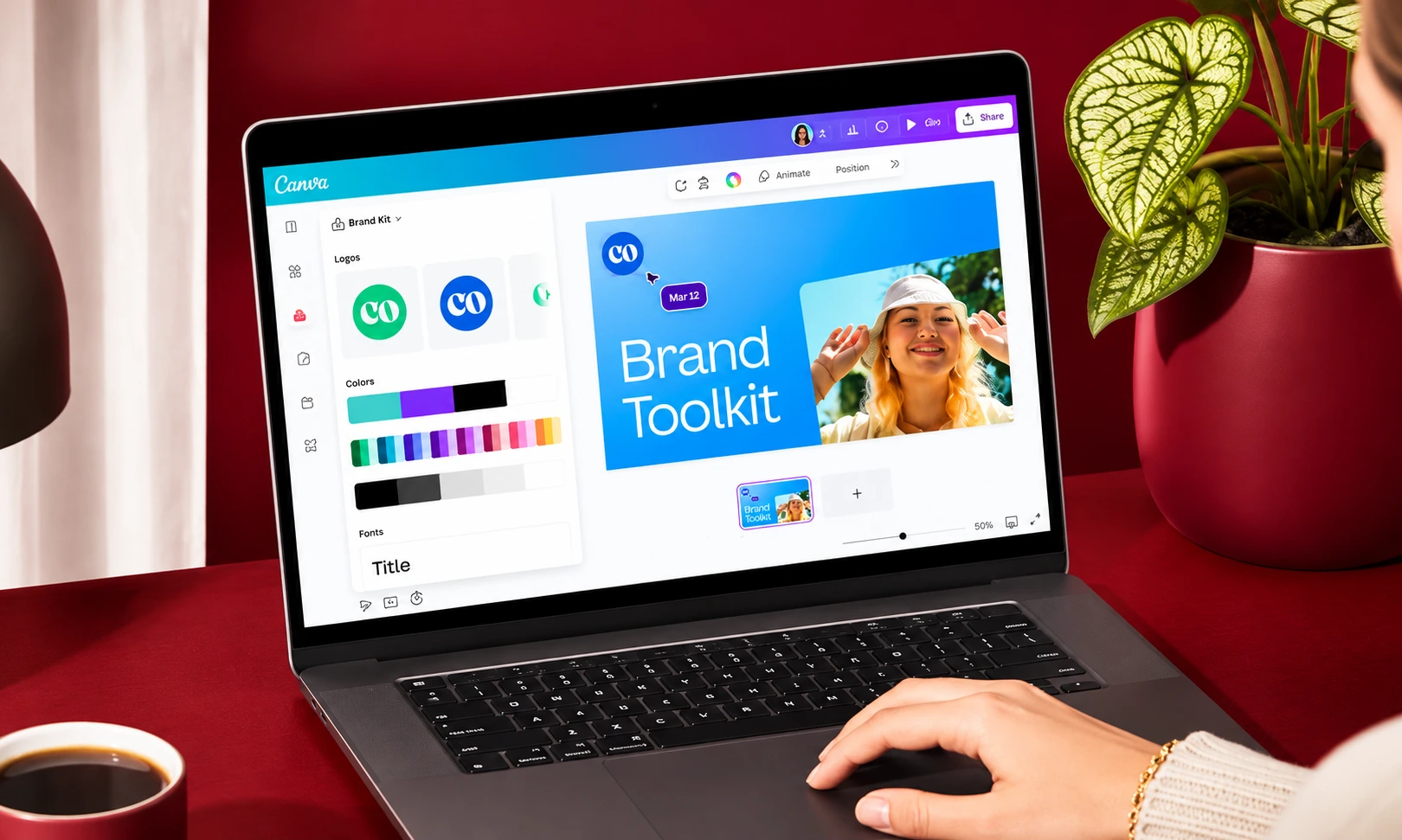
Use a small set of choices consistently across your brand identity. Color, typography, photography, tone, and recurring design details should feel like parts of one system.
Choose recognizable visual cues
Start with choices that fit the product and audience. A service for busy families may use calm colors, plain type, and practical photos. A maker of bold sports gear may use stronger contrast and active images.
Distinctive codes do not have to be ornate. Restraint can be recognizable when choices are specific and repeated, such as one unusual color paired with a consistent photo style.
H&M campaign imagery has been described as interchangeable with other fashion brands, while Chanel campaigns have been recognized without a logo through recurring visual codes. The point is not to copy luxury brands. It is to make your own expression easier to identify.
A 2025 research study examined how visual identity and video choices relate to brand awareness on Instagram. Its findings included a positive link between video tone and awareness, while heavier logo use was associated with lower awareness. Read the brand identity visualization study for its findings and limits.
Make the voice as distinctive as the design
Your voice should sound like the same business in a product page, a support email, and a social post. Pick a few plain rules, such as direct language, warm humor, or short how-to explanations.
Then test a real campaign or package by covering its logo. Ask people who know the category to name the brand, or describe the feeling and offer they see. If they name several competitors, adjust the parts that look generic.
Keep only the visual and verbal choices customers can connect to the same recognizable point of view.
Set a Price Customers Can Justify
A defensible premium price starts with what customers value and what it costs the business to deliver, not with a luxury-looking price tag. Value comes first, then the number has to support a sustainable business.
Utility plus brand premium determines price. Utility is the product’s functional use; brand premium is the emotional and identity value beyond function.
| Approach | What informs the price | Main risk |
|---|---|---|
| Cost-plus | Delivery cost plus a set margin | It can ignore what customers value |
| Value-based | Customer outcomes and alternatives | It can overstate value without proof |
| Scarcity-led | Limited supply and buyer demand | It can feel like a status trick |
Cost-plus pricing helps you check whether each sale can cover costs and margin. It does not show by itself whether customers see a reason to pay more.
Value-based pricing starts with the benefit customers care about, then checks whether your business can deliver it at a workable cost. Ask what the offer saves, improves, or helps customers avoid.
The Aston Martin One-77 shows how scarcity can shape a price: 77 cars sold at $1.8 million each. That example belongs to a rare, high-end market, not to an ordinary business looking for a pricing template.
A high price can damage trust when customers cannot see what supports it. Do not raise the price before you can explain the added customer benefit. For example, a repair shop may justify a higher rate with same-day service and a written warranty, if both are part of its real offer.
Check the price against delivery costs, margins, and alternatives customers can buy. The pricing options for business services show how different service scopes can carry different costs.
Before raising a price, check that customers can point to the benefit that makes the difference worthwhile.
Create Meaning Beyond the Object
Customers may value a product for what it helps them express as much as for what it does. Meaning grows from use, when the offer fits a customer’s goals, habits, or sense of self.
A credible point of view grows from the product and the people who use it. Borrowed symbols of wealth may catch the eye, but they cannot explain why your offer belongs in someone’s life.
Give the brand a point of view customers recognize
Ask what your business believes about the problem it solves. A home repair service might believe that clear advice should come before an expensive fix. A food company might stand for meals that make weeknights less stressful.
That belief should affect choices customers can see, such as what you make, what you leave out, or how you explain a tradeoff. A slogan without a matching choice feels thin.
Nearly 75% of U.S. adults perceived luxury beauty as an investment in their appearance. The figure suggests that some buyers connect beauty products with personal aims, not only status.
Connect the experience to how customers see themselves
Think about what using your offer helps a customer feel, do, or express. A well-made work bag might help someone feel organized, while a tutoring service may help a student take a more active role in learning.
Mintel projected that Gen Z and Millennials would make up 80% of the global luxury market by 2030. Use that projection to consider how future buyers may express identity, not as a reason for every category to imitate luxury beauty.
Ask customers which moment made the product feel like a good choice. Their answers can show whether your intended meaning appears in the real experience.
Make the emotional promise specific enough that a customer can connect it to a real use or choice.
How to Build a Premium Brand Without Relying on Luxury Clichés: A Practical Sequence
A useful brand-building sequence begins with the customer and ends by checking whether the intended value is actually understood. Work in order, so your team does not polish a mood board before confirming the customer problem.
Test every decision for customer relevance, evidence of delivery, and repeatability. If a choice fails one of those checks, revise it or leave it out.
- Choose one priority audience: Name the group with a need your business can serve well.
- Write a one-sentence promise: State the result customers can expect in plain language.
- Attach evidence to every claim: List the feature, outcome, or standard that supports it.
- Align product, design, and service: Make each part reflect the same promise.
- Test recognition and revise: Ask customers what they think the offer does and fix misunderstandings.
The first step should be specific enough to guide a choice. “Small businesses” may be too broad; “independent clinics with long patient wait times” gives the team a clearer need to solve.
A one-sentence promise can follow a simple pattern: “We help [audience] achieve [outcome] through [distinctive way].” Keep the wording natural, and remove any benefit you cannot show.
Evidence can include a product feature, a real service standard, or a customer result you can support. Make a short list beside each claim so the team knows what must stay true.
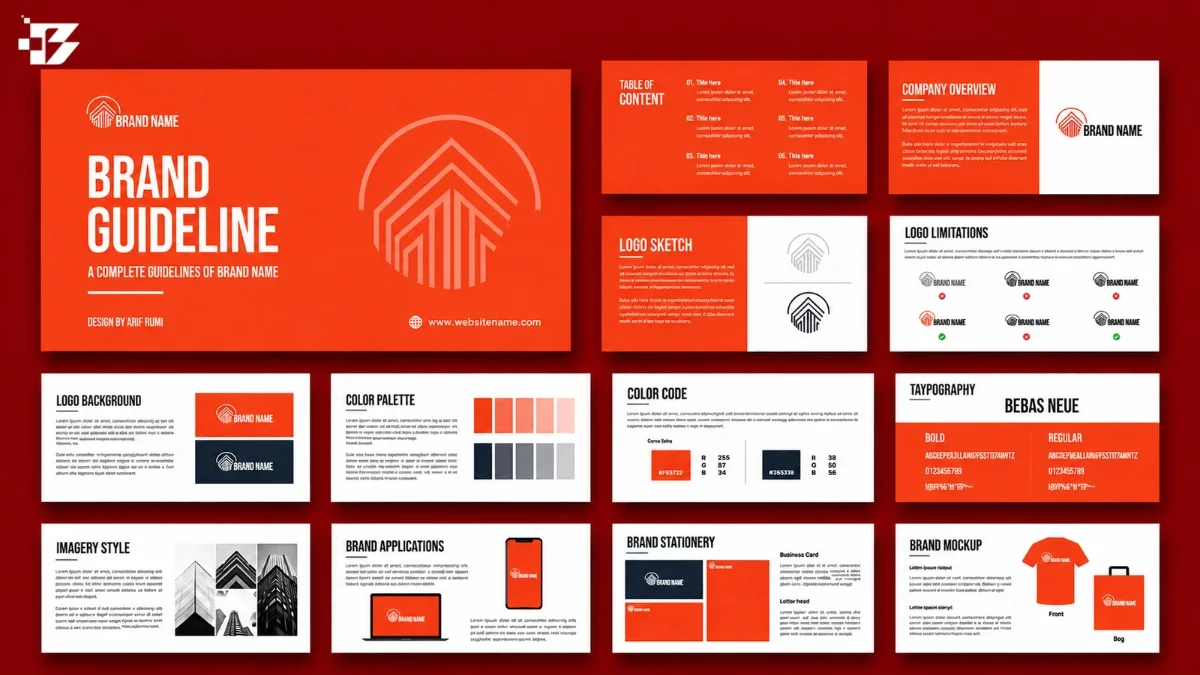
Keep decisions in a concise working guide, not a large branding deck. Record the audience, promise, proof, tone, service rules, and open questions on a few pages your team will use.
Revisit the guide when customers misunderstand the offer or a new product changes the promise. A useful inbound lead strategy can also bring people to helpful content that explains the offer.
If your team needs support with its wider positioning, a financial services brand strategy can offer a category-specific model. Keep a record of what customers actually understand, not only what the team intended.
Keep a decision only when it passes all three checks: relevance, evidence, and repeatability.
Make Every Customer Interaction Match the Promise
Customers judge the promise at every point of contact, including the moments after payment. The full experience includes the message that brings a customer in and the help they receive later.
Map the journey from discovery through aftercare, then set a repeatable standard for each key moment. A slow reply or unclear instruction can make a capable business feel careless.
Trace the journey from discovery to aftercare
Check discovery first: Does the website explain who the offer helps and what happens next? During an enquiry, can customers get a useful answer without repeating their details?
At purchase, clear terms and a simple checkout reduce doubt. Delivery should match the promised timing, with instructions that help the customer get started.
Support matters when something goes wrong. A long delay, confusing steps, or different answers from different staff can weaken perceived quality more quickly than a minor design flaw.
Aftercare may include a check-in, repair advice, or a clear way to solve a problem. Choose follow-up that fits the offer instead of sending messages customers do not need.
Set service standards the team can repeat
Aman, Four Seasons, and Ritz-Carlton are hospitality brands associated with service rituals. Their examples show that service can be part of an experience, not that every business needs hotel-style ceremony.
A frictionless experience does not mean removing every useful human interaction. Customers may want a person when an order is unusual, a problem is serious, or the next step is unclear.
Write simple standards for the moments that matter, such as acknowledging an enquiry within a set period or giving a delivery update when plans change. Choose one interaction where a mistake would disappoint customers most.
For a small service team, this could mean assigning one person to check unanswered requests each afternoon. Write one repeatable service standard for the customer interaction most likely to disappoint if it goes wrong.
Use Sustainability and Packaging as Evidence, Not Costume
Sustainability can strengthen a premium position only when the practice is real and the claim is precise. Specific proof helps customers tell responsible choices from green-looking design.
Connect each environmental claim to a practice you can document. You might explain material content, product life, repair options, sourcing, or a packaging change.
Make environmental claims specific and supportable
In a 2025 U.S. survey, two-thirds of Americans said they would pay more for sustainable products even when no one else knew about the purchase. A separate 2025 national survey found that three in four U.S. consumers actively or passively preferred sustainable products.
In a 2024 PwC survey across 31 countries, 80% said they would pay more for sustainably produced goods. The average stated premium was 9.7% for products meeting specific environmental criteria.
U.S. consumer packaged-goods products with ESG-related claims grew 28% cumulatively from 2017 to mid-2022, compared with 20% for products without such claims. Yet 77% of consumers said they would stop buying from a company found guilty of greenwashing.
Keep claims clear with a short check:
- Name the specific practice, such as using recycled cardboard.
- Retain evidence, such as supplier records or material details.
- Explain why the practice matters to the customer or product.
Treat packaging as part of the product experience
Packaging affects how a product feels before someone uses it. In a 2024 study, people rated cardboard-packaged food as more sustainable and more expensive than the same food in plastic packaging.
Perceived tastiness and sustainability predicted willingness to consume the tested products. That result shows that presentation can shape perceptions, but it does not prove cardboard had a lower environmental impact.
Choose packaging for protection, use, and disposal, not just its premium look. A box that is hard to recycle can undermine a claim even when it looks natural.
Replace any broad environmental claim that cannot be supported with a specific description of what the business actually does.
Earn Trust With Clear Data Practices
A customer should be able to understand what personal data is being used and what control they have over it. Plain language helps personalization feel useful instead of intrusive.
Explain what you collect, why you use it, who can access it, and how customers can change or withdraw permission. Keep those details close to the choice they explain.
Explain what customer data is used for
For example, tell a customer that you use an email address to send order updates, not simply that you use information to improve services. If a recommendation tool uses past purchases, say so in direct terms.
In 2026, 52% of consumers globally said they would pay more for brands transparent about AI data use, with an average stated premium of 7%. The State of Digital Trust 2026 report also found that 52% trusted AI less than humans with personal data.
In the same 2026 report, clear explanations of data use were a trust driver for 44% of consumers globally, strong security guarantees for 42%, and control over shared data for 41%.
Give customers meaningful control and security
Offer working controls, such as a way to change email preferences or remove saved information. Explain how customers can reach those controls without searching through several pages.
Security guarantees matter only when they match real practice. Limit access to the people who need it, protect stored data, and give staff clear steps for handling a concern.
In 2026, 47% of consumers globally took at least one action with a direct revenue consequence because of concerns about brands’ handling of data in AI. In 2023, 81% of U.S. adults were very or somewhat concerned about how companies use collected data.
In a 2024 survey across 12 countries, 75% of consumers said they would not buy from an organization they did not trust with their data. A privacy statement cannot repair a practice that contradicts its words.
Review each AI-enabled touchpoint from the customer’s perspective before using it to personalize a message or offer.
Market Consistently Without Chasing Every Trend
Marketing builds recognition when each campaign adds to the same clear story rather than introducing a new personality. Repeat the central idea in formats customers already use.
A campaign should make the brand promise easier to remember, not harder to place. Use content, partnerships, and customer stories to show different sides of the same offer.
Build campaigns around the same recognizable promise
A product demo may show how the offer works, while a customer story explains when it helped. Social posts can answer common questions, and a longer article can give a more detailed example.
In 2026, 47% of global customers said a brand’s story was a key driver of high-end brand perception. A clear story gives people a way to connect separate campaigns without making every message identical.
Useful content can attract and guide potential buyers when it answers real questions. For a restaurant, consistent social media marketing can feature food, customer reviews, and regular updates while keeping one recognizable voice.
Storytelling can add feeling to a useful message, as long as the details remain true to the offer. Good brand storytelling techniques help you explain the value without inventing a grand origin story.
Choose partnerships that strengthen the brand’s meaning

Louis Vuitton collaborated with Yayoi Kusama while maintaining a consistent brand identity. The example shows how a partnership can add a new creative voice inside an established brand, rather than erase its identity.
Do not choose a partner only for reach. A large audience can still weaken your position if the partner’s values or customers conflict with what your business stands for.
Set a simple partnership test: Can customers see why these brands belong together? Will the work reach people who can value the offer? Can your team explain the collaboration in one plain sentence?
Decline a partnership that brings attention but makes the brand promise harder to recognize.
Protect the Name and Keep the System Consistent
Check whether the name is available for the intended goods and services before investing heavily in launch materials. Early checking can help you avoid building a brand around a name that creates a conflict.
Search for similar marks and identify the right goods and services before you file. State approval of a business name does not automatically grant trademark rights.
Check the name before investing in launch materials
Use this pre-filing checklist:
- Search for similar marks, not only exact matches.
- Identify the goods and services the mark will cover.
- Use the Trademark ID Manual where it fits your description.
- Check the application for all required information.
- Budget for each class and any follow-up filings.
If you are forming a company, review the difference between a state business name and trademark rights in this LLC setup guide. A business may also need a DBA when it operates under a name different from its legal name.
Budget for the applicable USPTO filing and follow-up fees
The USPTO base filing fee for U.S. trademark applications based on use in commerce or intent to use is $350 per class when requirements are met. These figures are USPTO fees, not legal-service fees.
| Filing or action | Fee | Condition |
|---|---|---|
| Base application | $350 per class | Use in commerce or intent to use, when requirements are met |
| Insufficient information | $100 per class | Section 1 or Section 44 application |
| Free-form identification | $200 per class | Section 1 or Section 44 application using text outside the Trademark ID Manual |
| Amendment to allege use or statement of use | $150 per class | Section 1(b) application |
| Extension request | $125 per class | Section 1(b) application |
Review current USPTO requirements and fees before filing, since rules can change. A trademark application is strongest when the name, goods and services description, and required information are checked before submission.
Conclusion
Premium value becomes credible when what a business promises matches what customers repeatedly experience. Real value needs proof, while decorative luxury signals cannot make a weak offer stronger.
Choose a benefit customers care about, then support it with evidence your team can deliver. Consistent service helps customers trust that the benefit will remain true after the first sale.
Start with one sentence about the customer result your business can provide. Under it, list the proof you can show today, such as a product feature or service rule.
Write the promise and its proof today, then ask a customer whether both are clear.