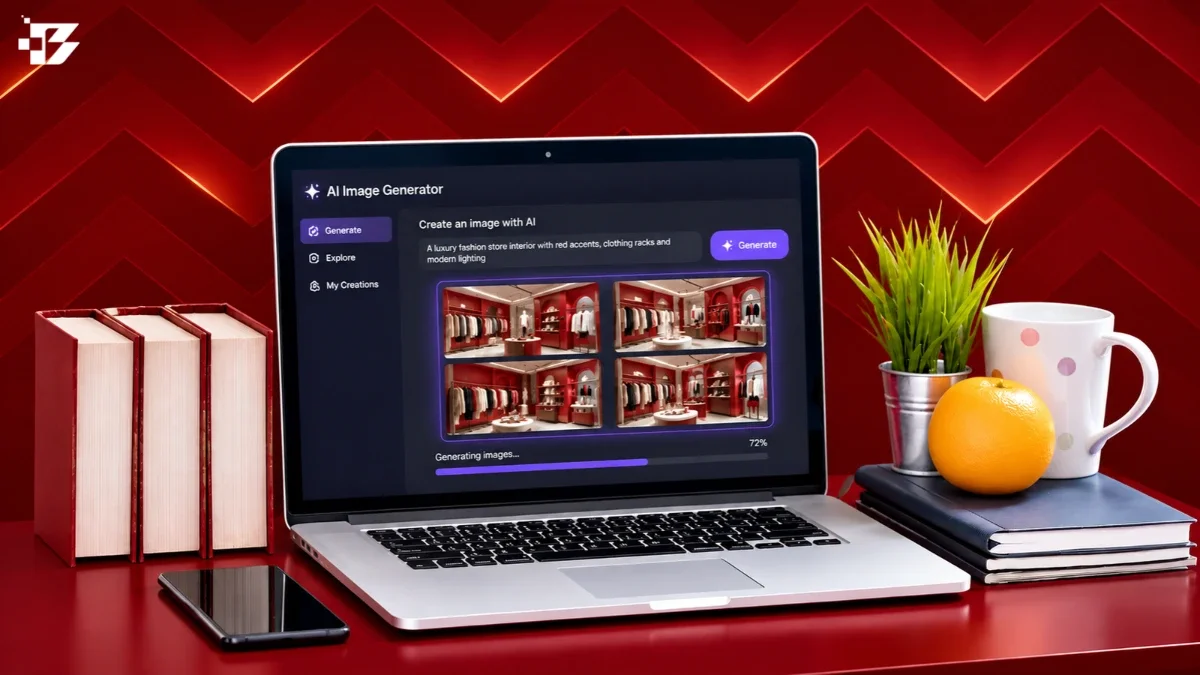
A brand manager at a mid-size beverage company described her AI honeymoon to me like a bad relationship. “The first image was gorgeous,” she said. “The tenth image was gorgeous. They just looked like they came from ten different companies.” Her team had generated hundreds of beautiful assets — every one a slightly different shade of the brand’s teal, every spokesperson a subtly different person, every product render with the logo in a new creative location. Individually, portfolio pieces. Together, a brand identity crisis at scale.
That failure mode is why this comparison ignores the question every other roundup asks. “Which generator makes the prettiest picture?” was settled years ago — they all do. The brutal test for 2027 is brand consistency: hand the tool one brand, ask for a campaign’s worth of assets, and count how many survive a creative director’s review. One hero image, one product shot with exact colors, one spokesperson who stays the same person, one ad with legible typography, one social template system. Most generators win the single-image beauty contest. Far fewer pass the campaign test. Here is how the fourteen that matter performed.
The 14 AI image generators at a glance
| Tool | Consistency verdict | Starting price |
| GPT Image 2 | Best overall discipline | Free tier; from $20/month |
| Nano Banana 2 / Pro | Best character consistency, best free | Free in Gemini; from $7.99/month |
| Midjourney V8 | Strongest look, weakest obedience | From $10/month |
| Ideogram 4 | Best typography | Free; from $7/month |
| Flux.2 | Best color control, open weights | Free (klein); API from $0.014/image |
| Adobe Firefly | Best legal cover | Free; from $9.99/month |
| Recraft V4 | Best for vector brand systems | Free daily credits; from $10/month |
| Leonardo AI | Best free character reference | Free; from $12/month |
| Seedream 4.5 | Best for product batches | From ~$10/month |
| Grok Imagine 2.0 | Fastest, loosest | Included with X Premium |
| Qwen Image | Best open-source text rendering | Free, open weights |
| Z-Image Turbo | Cheapest usable quality | Free, open weights |
| Canva | Best brand-kit workflow | Free; Pro from $15/month |
| Imagen 4 | Retiring — plan the exit | Being sunset |
The campaign test, tool by tool
1. GPT Image 2 — the one that follows the brief
OpenAI’s reasoning-based image model tops the blind-vote leaderboards for a mundane but decisive reason: it obeys instructions. In independent multi-model tests, it was one of only two models to render an exact eight-object flat lay with nothing added, nothing moved — the kind of literal compliance that sounds boring until your campaign brief specifies exactly eight objects. DALL-E 3 was retired in May 2026, and its successor justifies the funeral. The cost is speed: high-quality generations can take nearly two minutes, an eternity when iterating. For campaign systems where the brief is law, it is the safest pair of hands.
Consistency verdict: passes the campaign test on obedience alone.
2. Nano Banana 2 and Pro — the consistency champion
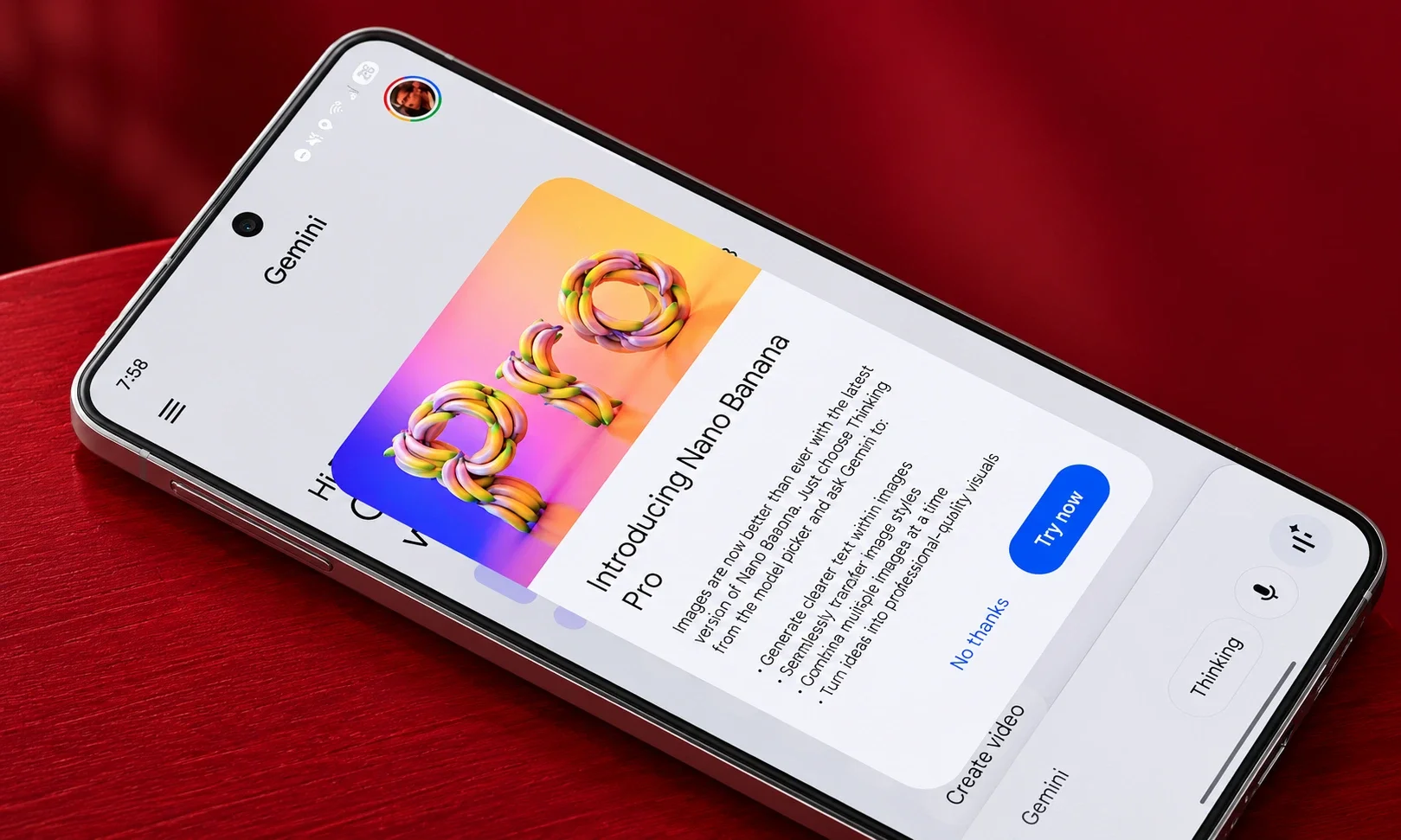
Google’s image family holds up to five characters and fourteen objects consistent across generations — the strongest identity preservation in the market and the feature that makes episodic content, mascot systems, and spokesperson campaigns possible. Nano Banana 2 (Gemini 3.1 Flash Image) is free in the Gemini app and startlingly good; Pro (Gemini 3 Pro Image) reaches 4K with studio lighting controls for the shots that matter. Two caveats: every output carries invisible SynthID watermarking, and the fast model has a creative streak — in instruction tests it adds props nobody requested. Use Pro when the brief is strict.
Consistency verdict: the benchmark for keeping people and products identical.
3. Midjourney V8 — the art director that ignores the brief
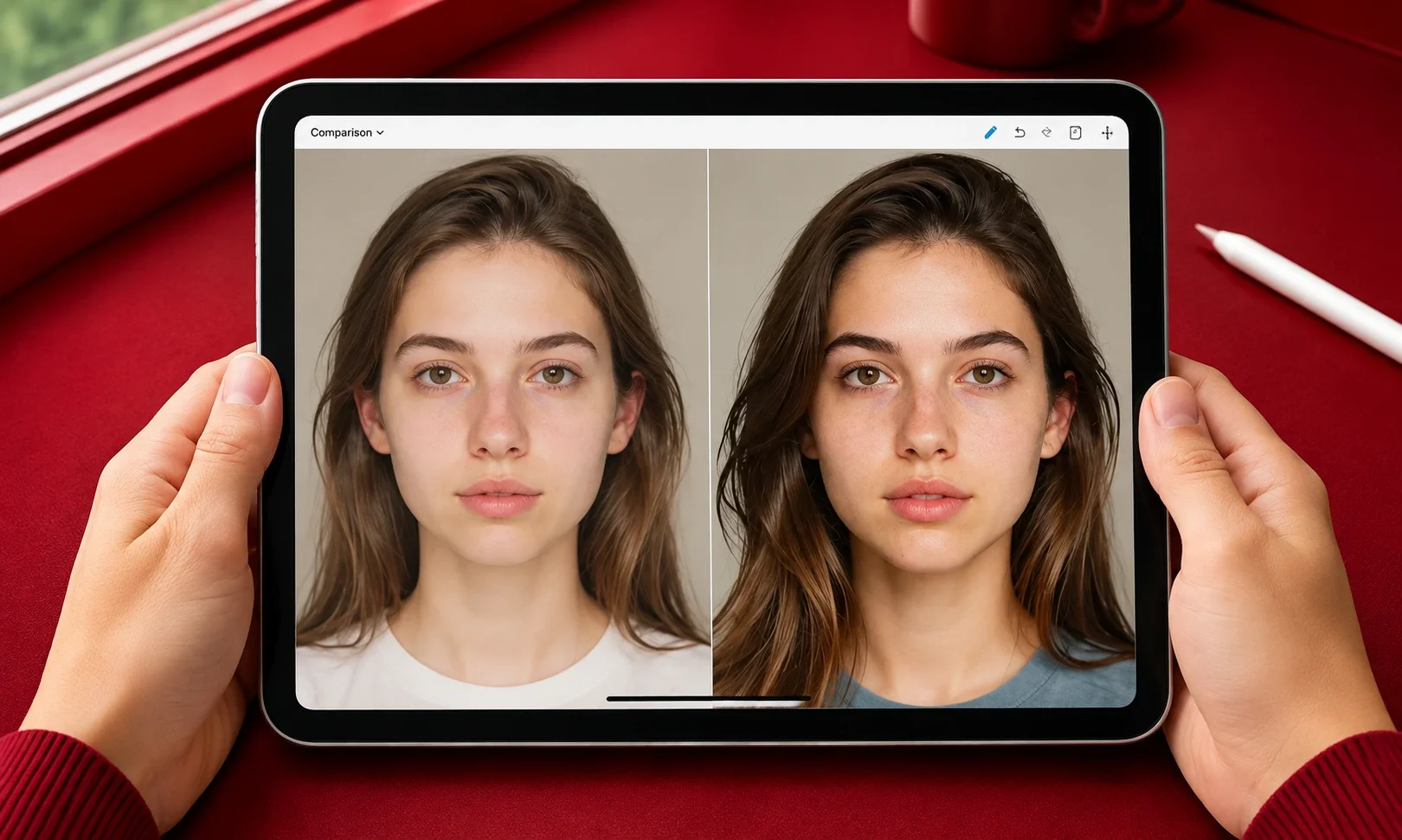
Midjourney produces images so aesthetically assured that creative directors forgive its flaws, and V8’s Omni Reference does lock a character’s identity across individual generations. But the campaign test exposes its character: it is prompt-driven per image, which means an operator must manually wrestle every generation toward coherence. Colors drift. Composition wanders. The look is always gorgeous and never quite repeatable. Add the absence of an official API and no free tier, and Midjourney’s role clarifies: it defines the campaign’s visual direction in the concept phase, then hands production to more obedient tools.
Consistency verdict: wins the beauty contest, fails the assembly line.
4. Ideogram 4 — the typography department
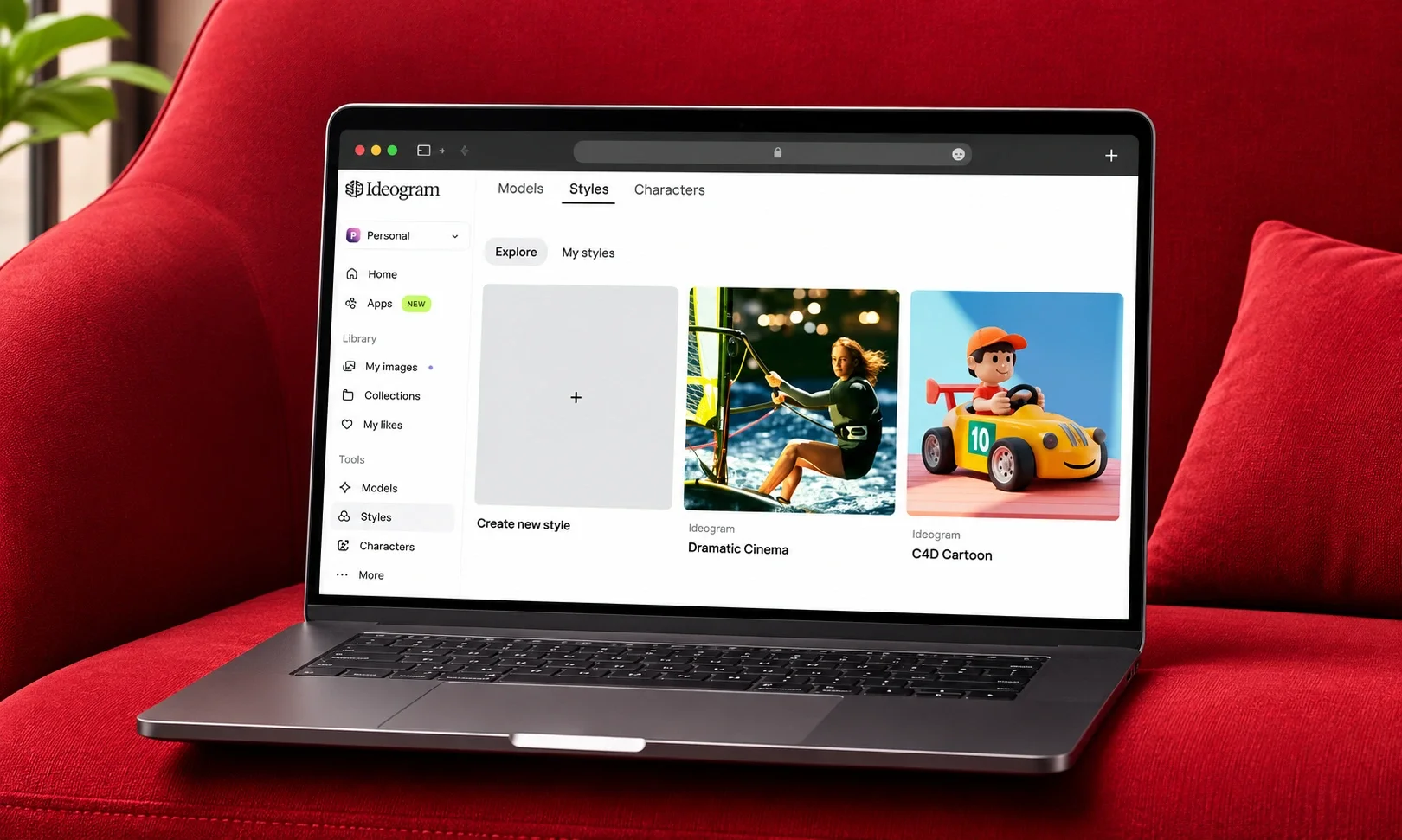
Text rendering was AI imagery’s great embarrassment, and Ideogram ended it: a 0.97 OCR accuracy score that translates to posters, packaging concepts, and social ads where the words are simply correct. Its Character feature maintains a face across images from a single reference — the strongest low-cost consistency option alongside Leonardo. Plans from $7/month with a workable free tier. For any campaign where the copy is the creative, this is the first stop.
Consistency verdict: flawless on text, solid on faces.
5. Flux.2 — the brand-color specialist
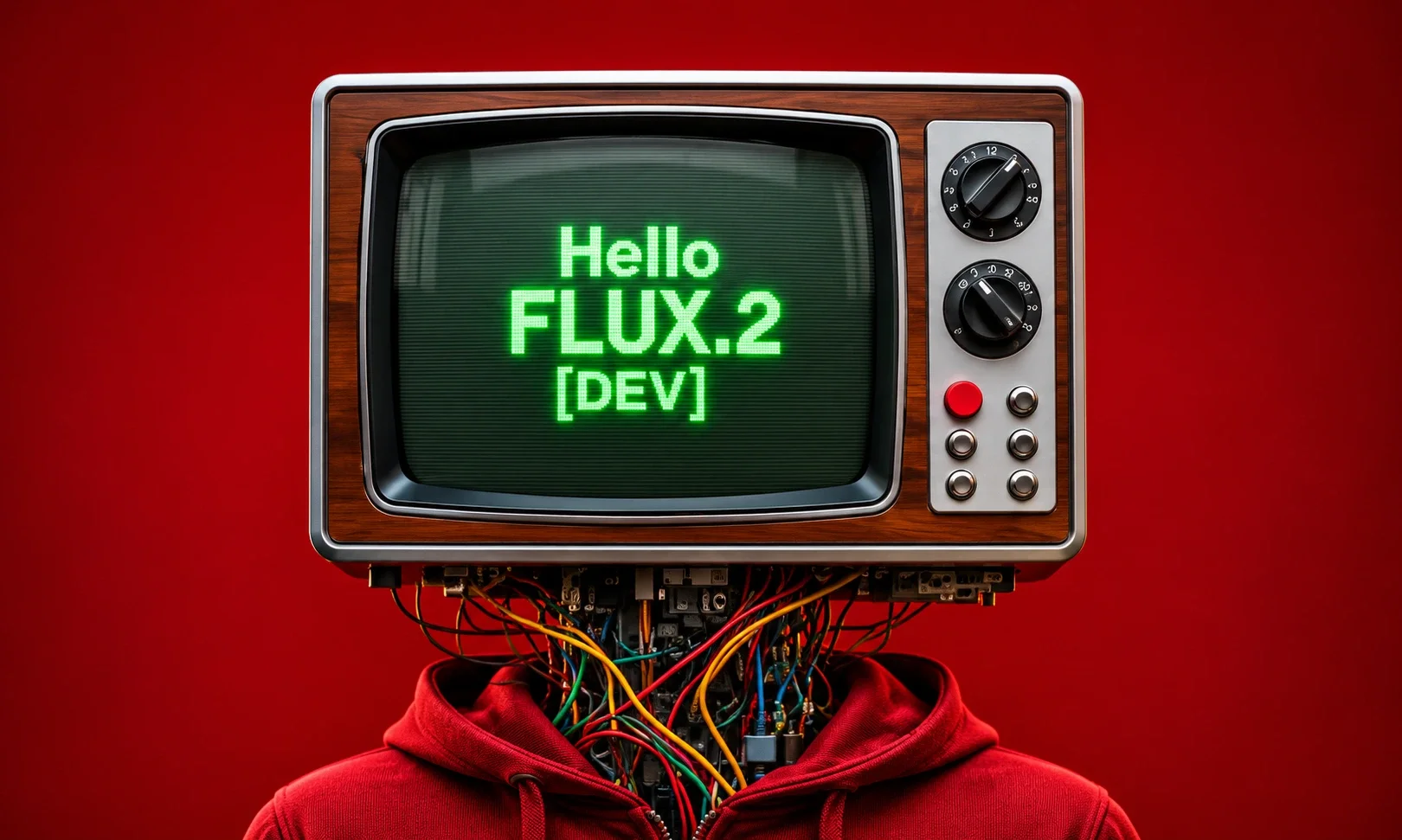
Black Forest Labs built the feature brand teams did not know they needed: exact hex-color steering. Feed Flux.2 your palette and the output respects it — the difference between “close to brand teal” and the brand teal. Multi-reference editing accepts up to ten reference images, and the family spans from the quality-max tier down to klein, an Apache 2.0 open-weight 4B model that runs on consumer hardware in under half a second. One warning repeated across implementation write-ups: the license structure trips people constantly. The flagship dev weights are non-commercial; only klein is truly free to build on.
Consistency verdict: the only tool that treats your style guide as input.
6. Adobe Firefly — the indemnified safe house
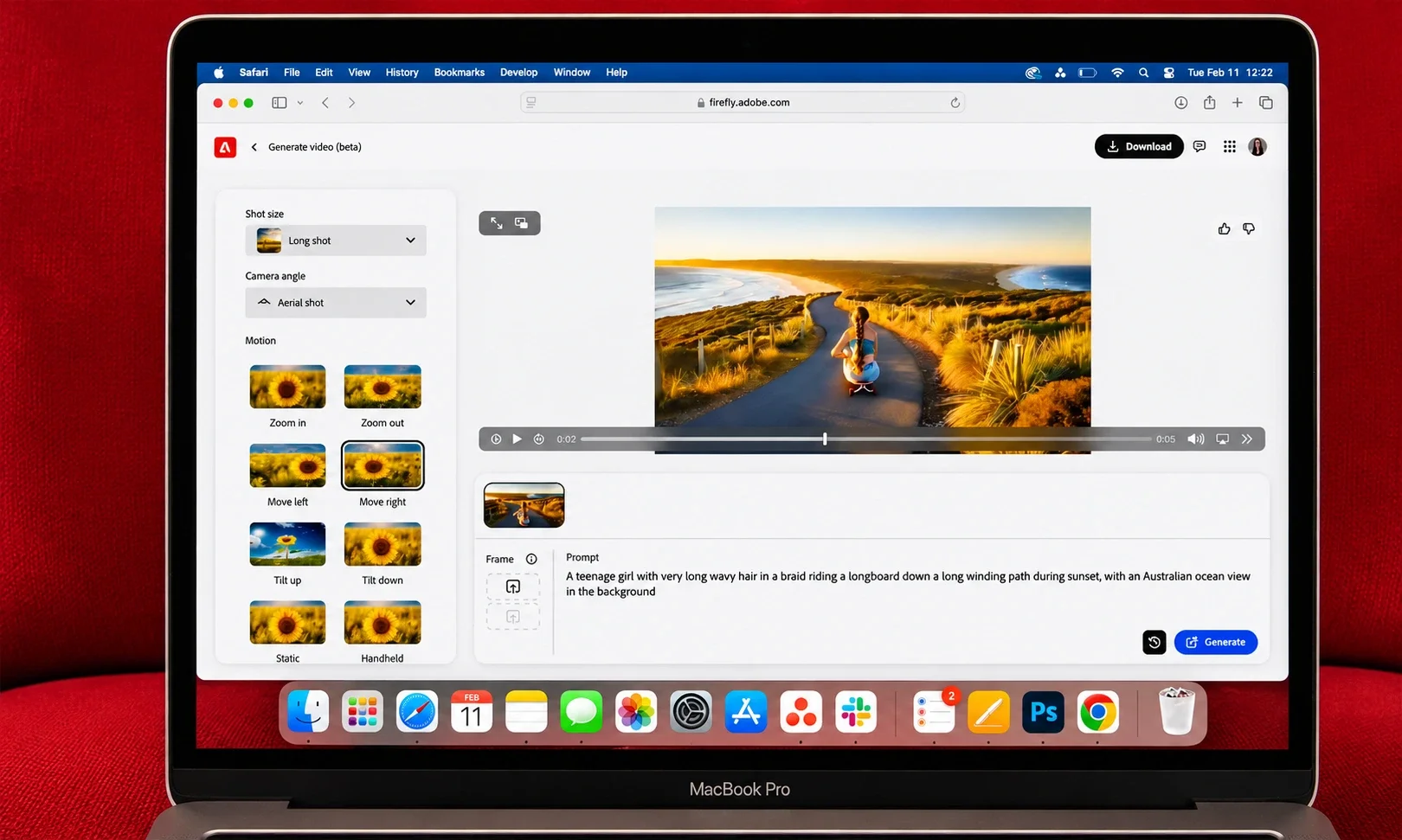
Firefly’s consistency story is legal rather than visual. Trained exclusively on licensed and public domain content, with enterprise IP indemnification, it is the generator a legal department can approve without a meeting — and it now hosts more than thirty partner models inside one interface, which makes it an aggregator as much as a model. Pure output quality trails the leaders, and the free tier’s 25 monthly credits are symbolic. For regulated brands, the trade is obvious.
Consistency verdict: the safest pair of hands in the market.
7. Recraft V4 — the vector outlier
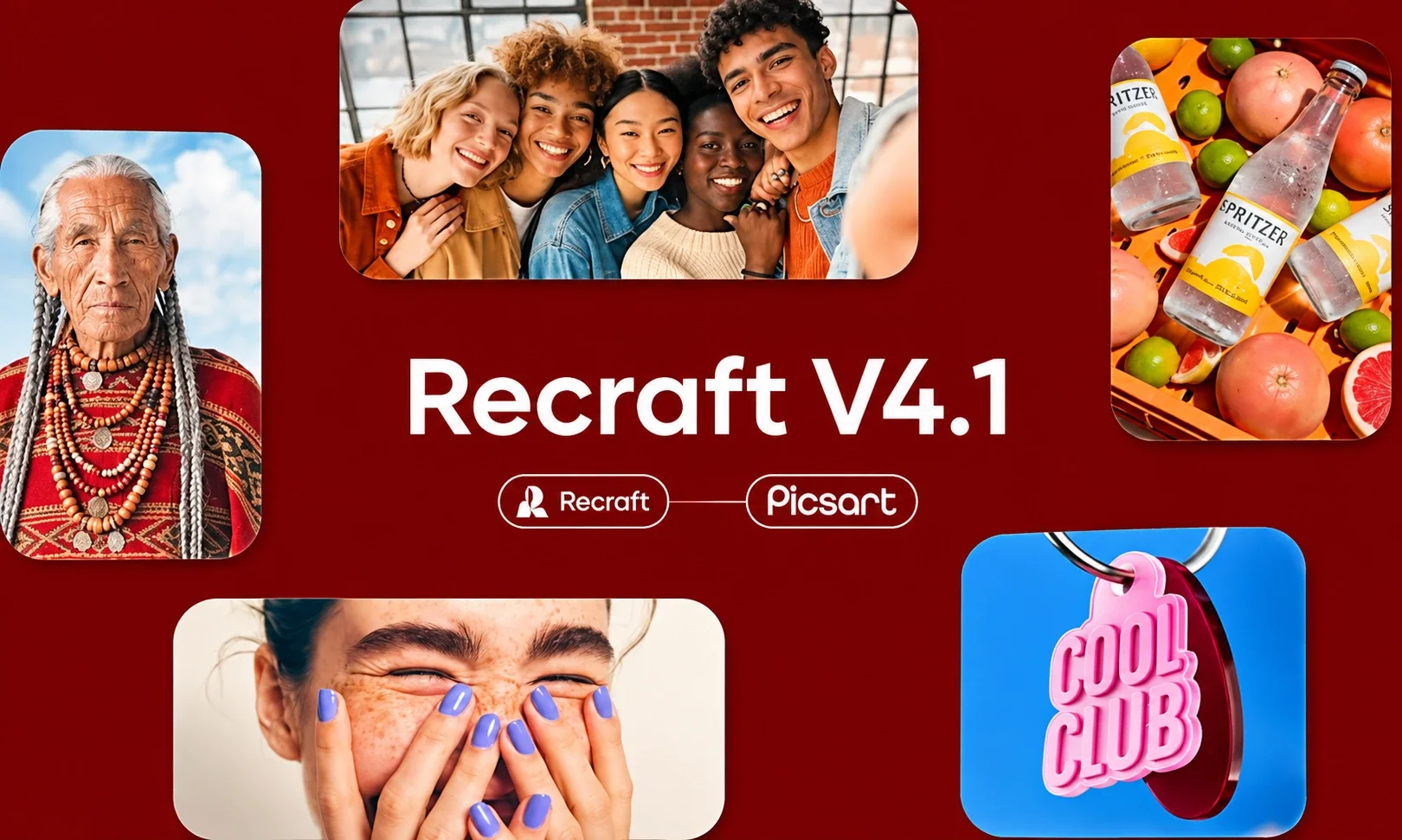
Recraft is the only serious generator that outputs native SVG — logos, icons, and illustrations that scale infinitely and edit cleanly — plus a brand-kit system that stores your styles and applies them across generations. For identity work rather than photography, it has no real competitor. Raster realism is not its ambition, and it does not pretend otherwise.
Consistency verdict: the brand-systems specialist.
8. Leonardo AI — the generous challenger
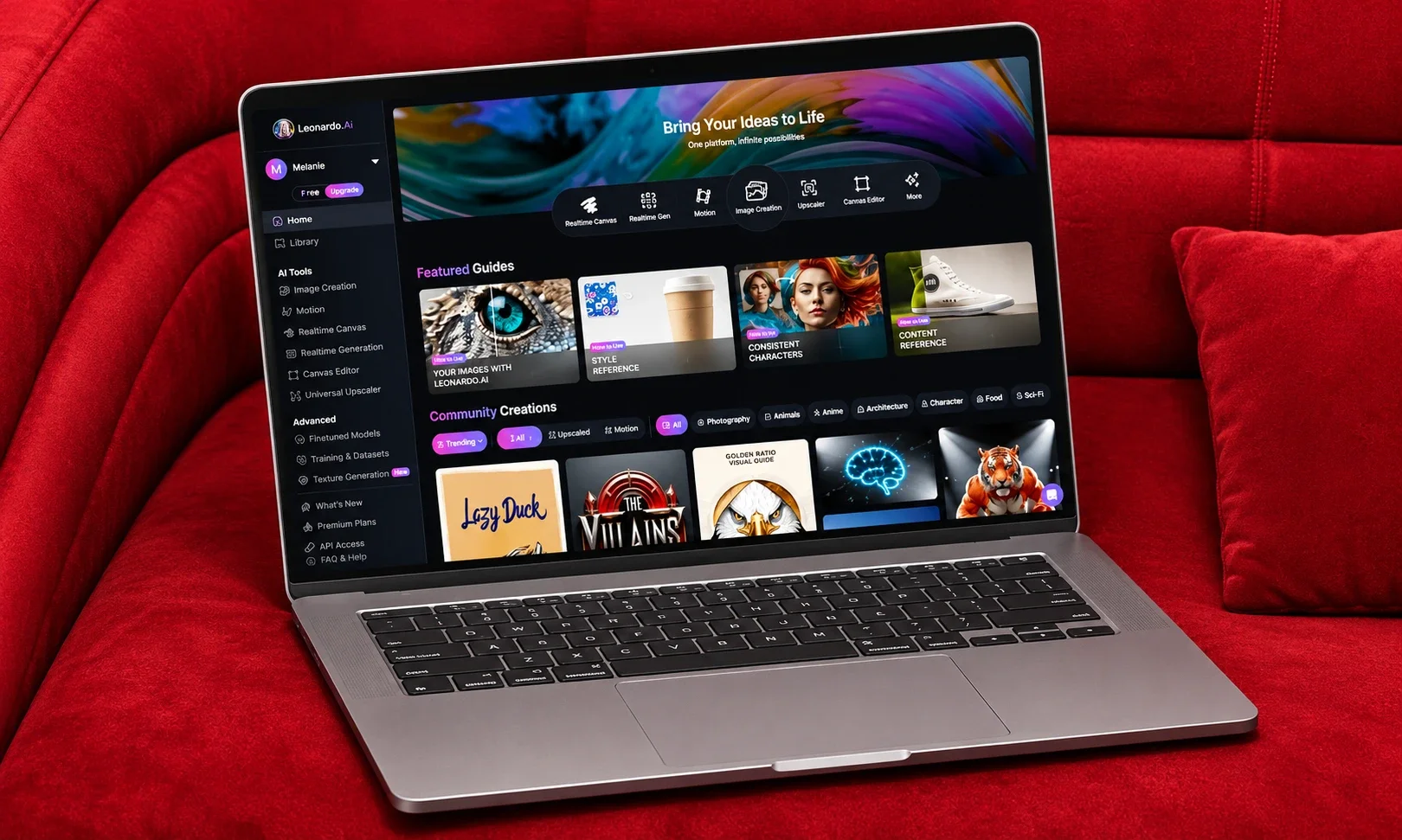
Leonardo pairs 150 free daily tokens with a Character Reference feature that reliably holds a face across scenes — the best free-to-cheap consistency combination available. Commercial rights are included even on the free tier, though free images are public, which rules out confidential campaign work. For game art, concept exploration, and content illustration at volume, the value math is hard to beat.
Consistency verdict: strong characters, public by default.
9. Seedream 4.5 — the product-batch machine
ByteDance’s Seedream found its niche in the unglamorous heart of brand work: dense product photography with accurate packaging text, at volume, at $0.04 per API image. Multilingual label rendering is best-in-class, which makes it the quiet favorite of e-commerce teams generating localized catalog imagery. In strict instruction tests it occasionally rearranges the furniture, so give it reference images rather than freedom.
Consistency verdict: dependable with references, creative without them.
10. Grok Imagine 2.0 — the fast and loose option
xAI’s generator is the quickest in the field and the least constrained — both halves of that sentence matter. Multi-reference editing, smart resizing, and background removal are genuinely production-minded features. The loose guardrails that make it flexible also make it a brand-safety conversation, and its aesthetic ceiling sits below the leaders. For speed-first social experimentation inside a governed workflow, it has a role.
Consistency verdict: fast, capable, governance required.
11. Qwen Image — the open-source text champion
Alibaba’s open-weight Qwen Image renders multilingual text — including complex scripts most models mangle — with unusual accuracy, and its weights are free to run, fine-tune, and build upon. For teams that want a self-hosted generator trainable on their own brand assets without per-image fees, it is the most practical foundation alongside Flux klein.
Consistency verdict: the self-hosted route to a brand-tuned model.
12. Z-Image Turbo — the budget floor
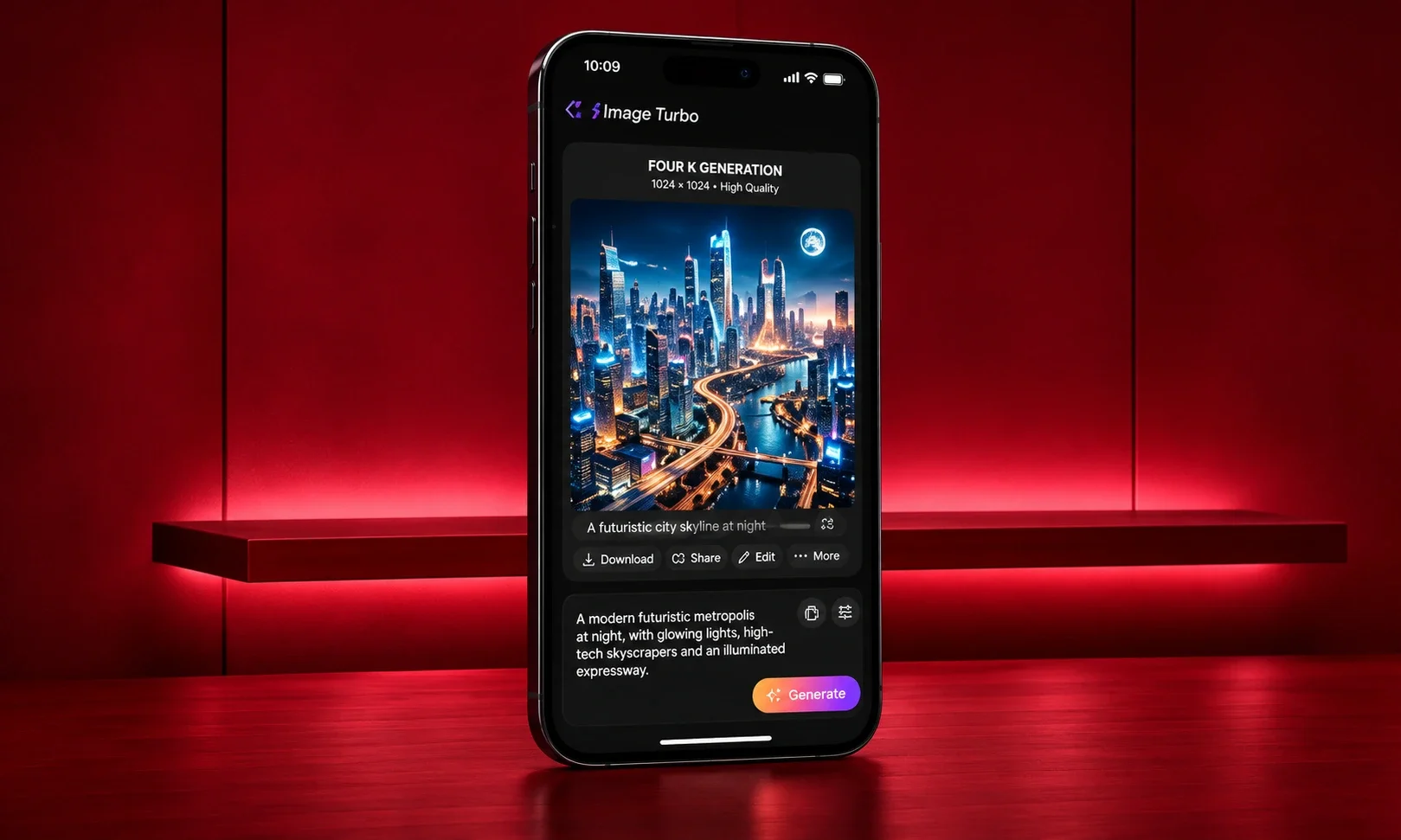
Alibaba’s other gift to the ecosystem is the cheapest usable quality in the market: open weights, fast generations, and competent text rendering at a fraction of flagship cost. It will not anchor a campaign, but for thumbnails, drafts, and high-volume placeholders it redefines what “free” can look like.
Consistency verdict: the volume tier, honestly priced.
13. Canva — the workflow that enforces the brand
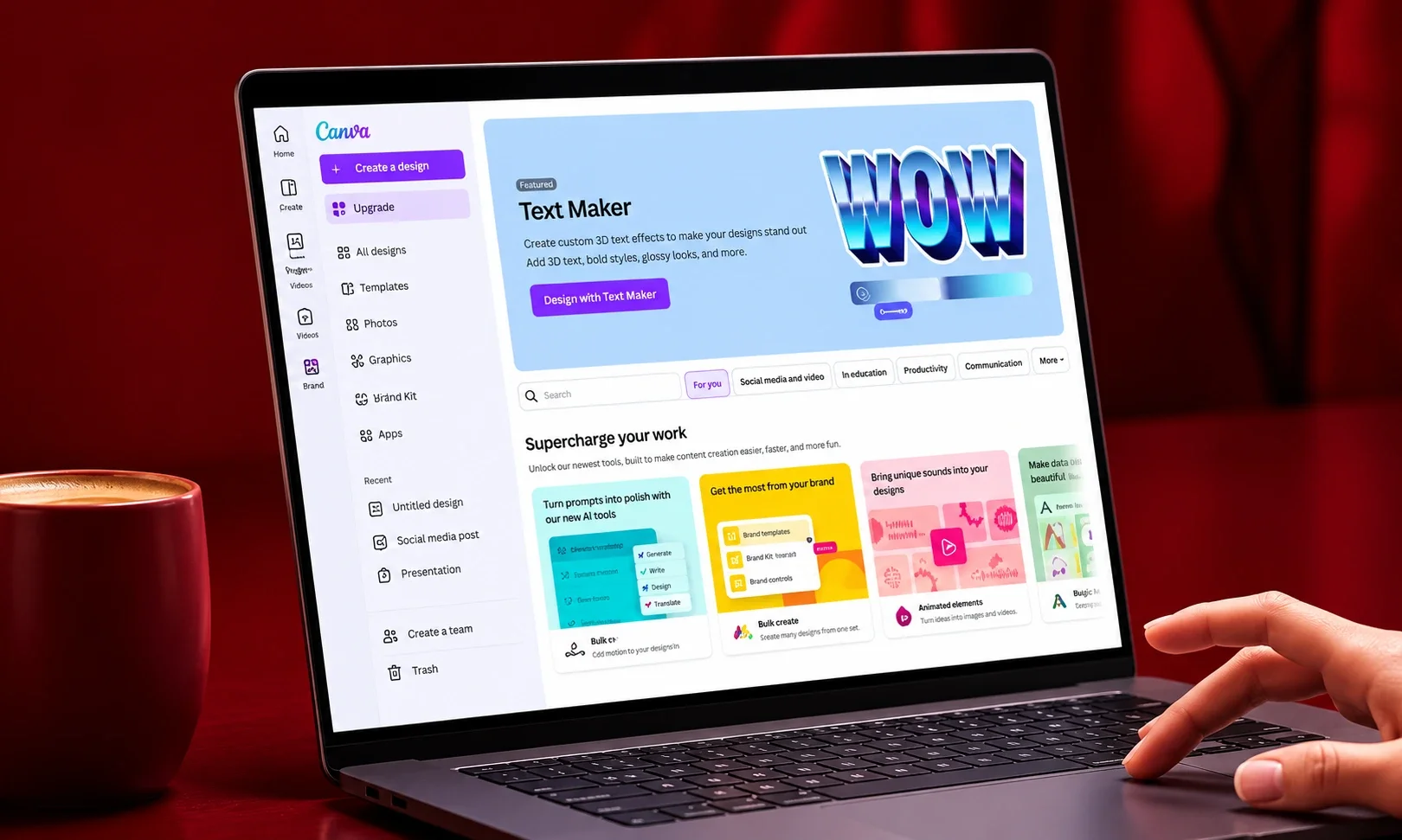
Canva’s AI image features are technically mid-tier, and it belongs on this list anyway, because brand consistency is a workflow problem as much as a model problem. Brand Kits lock colors, fonts, and logos; templates constrain layouts; and AI generation happens inside those rails — which is why a junior marketer’s Canva output stays on-brand while a senior designer’s raw Midjourney output wanders. Used by 85% of the Fortune 500 for exactly this reason. Pro from $15/month.
Consistency verdict: the model is average; the guardrails are elite.
14. Imagen 4 — the farewell note
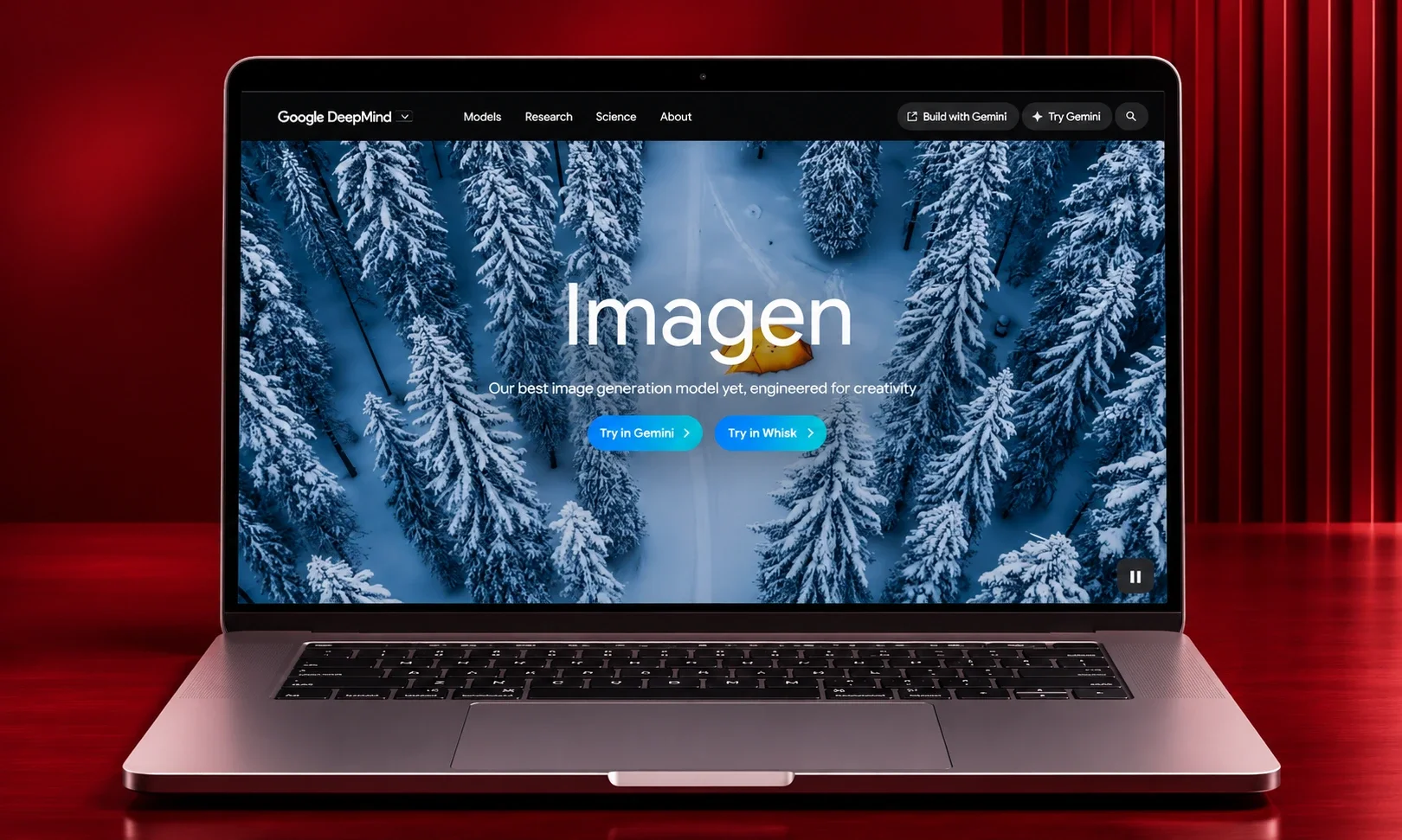
Google is sunsetting Imagen 4 in August 2026, folding its capabilities into the Nano Banana line. It earns mention as the recurring lesson of this market: image models now have shelf lives measured in months. Any workflow documented around a specific model version is a workflow scheduled for migration. Build the brand system; rent the model.
Consistency verdict: the reminder that no model is permanent.
What the campaign test actually reveals
Across all fourteen, a pattern emerges that should settle a thousand procurement debates. Consistency comes from three sources, and only one of them is the model. Reference conditioning — Nano Banana’s character locks, Flux’s color steering, Seedream’s product references — does the heavy lifting. Workflow guardrails — Canva’s kits, Firefly’s governance — catch what the model misses. And the human creative director remains the final layer, because no tool on this list reliably enforces a style guide it has never seen.
The practical stack for a brand team is therefore smaller than the market suggests: one obedient generator for production (GPT Image 2 or Nano Banana Pro), one specialist for the job that breaks the generalist (Ideogram for type, Flux for palette, Recraft for vector), and everything documented in generative AI brand guidelines so the system survives the next model retirement. And when authenticity claims matter — when a campaign’s credibility depends on what is and is not generated — verification through AI content detection tools belongs in the same workflow. The brands winning with AI imagery are not the ones with the best model. They are the ones whose hundredth image looks like their first.
Frequently asked questions
Which AI image generator is best for brand consistency?
Nano Banana Pro leads for keeping characters and products identical across images (up to five characters and fourteen objects). Flux.2 leads for exact brand colors via hex steering. Canva leads for enforcing brand rules through workflow. Most brand teams need two of the three.
What is the best AI image generator in 2027 overall?
GPT Image 2 tops the blind-vote leaderboards for prompt adherence and photorealism. Nano Banana 2 is the best free option, and Midjourney V8 remains the aesthetics specialist for concept work.
Can AI image generators render text accurately now?
Yes — verbatim text rendering is largely solved at the top of the market. Ideogram 4 scores 0.97 on OCR accuracy tests, and GPT Image 2 and Seedream 4.5 handle text inside complex scenes. Always proofread output before production regardless.
Are AI-generated brand images legally safe to use?
It depends on the model. Adobe Firefly offers enterprise IP indemnification. Flux.2’s flagship weights are non-commercial while its klein variant is Apache 2.0. Free tiers often add conditions — Leonardo’s free images are public, and some tools restrict commercial use. Check license terms per model, not per platform.
How do I keep AI images on-brand across a campaign?
Three layers: use reference conditioning (character locks, color steering, product photos) rather than text prompts alone; constrain generation inside a brand kit or template system; and document everything in brand guidelines so the workflow survives model updates — Google retired Imagen 4 just months after launch.