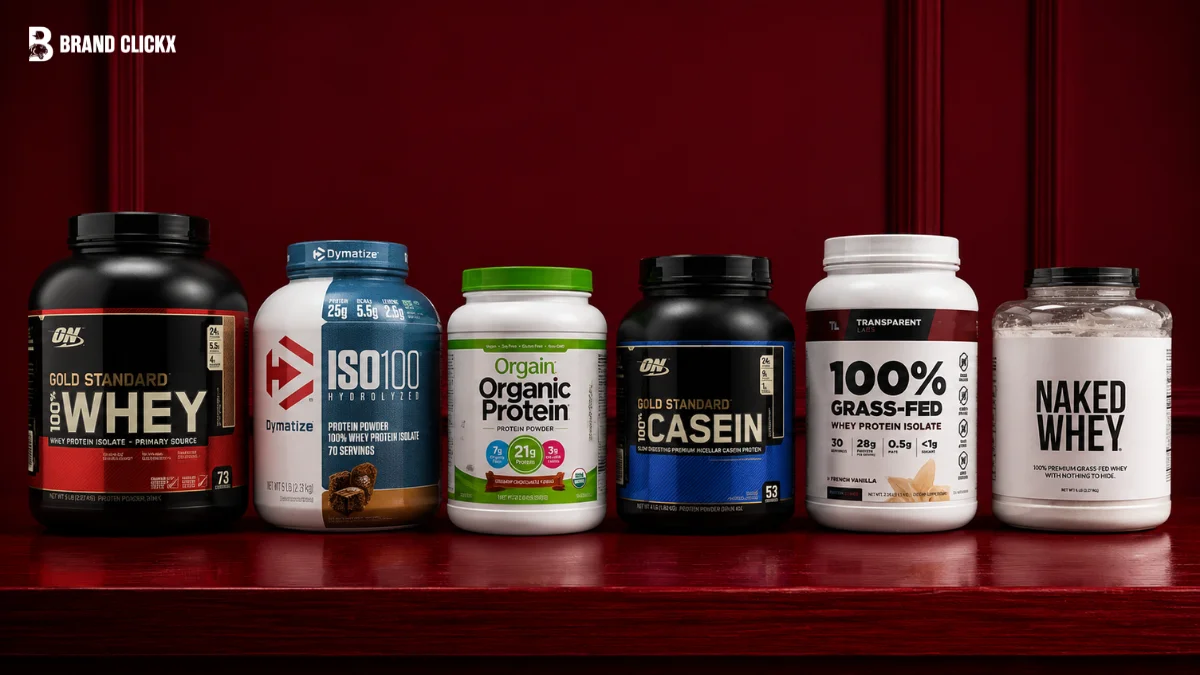
A good protein powder should make it easier to get enough protein without turning every meal into a complicated project. The best options mix easily, taste good, provide a useful amount of protein and fit naturally into your diet.
Protein powders also vary widely. Whey protein is popular for everyday use and muscle recovery, while whey isolate can be a better choice for people who want less lactose. Plant-based powders can work well for people avoiding dairy, and casein is useful when you prefer a slower-digesting protein.
Prices can also vary significantly. Some basic powders cost relatively little per serving, while premium formulas with specialized ingredients, certifications or higher protein concentrations can cost considerably more.
We compared important factors for everyday protein powders, including protein source, protein per serving, ingredient quality, calories, sugar, mixability, taste, dietary suitability, testing, price and overall value. The result is a list built around different types of protein users rather than simply ranking the most expensive products.
Our Top Picks
| Protein Powder | Best For | Approx. Price | Protein Per Serving | Protein Type |
|---|---|---|---|---|
| Optimum Nutrition Gold Standard Whey | Best Overall | $45-$60 | 24g | Whey blend |
| Dymatize ISO100 | Best for Muscle Gain | $45-$65 | 25g | Whey isolate |
| Transparent Labs Whey Isolate | Best Premium | $55-$65 | 28g | Whey isolate |
| Orgain Organic Plant Protein | Best Plant-Based | $30-$40 | 21g | Plant blend |
| Optimum Nutrition Gold Standard Casein | Best Slow-Digesting | $35-$50 | 24g | Casein |
| Naked Whey | Best Unflavored | $65-$80 | 25g | Whey concentrate |
What’s the Best Protein Powder?
The Optimum Nutrition Gold Standard Whey is our best overall choice for 2026 because it offers a strong combination of protein content, flavor variety, mixability, availability and value.
The Dymatize ISO100 is the better choice if muscle-focused nutrition and a high-protein, low-fat formula are your biggest priorities.
For shoppers willing to spend more on a simple premium formula, the Transparent Labs Whey Isolate is an excellent option.
The Orgain Organic Plant Protein is our preferred choice for people who want a plant-based protein powder, while Optimum Nutrition Gold Standard Casein is better suited to people who want a slower-digesting protein.
If you prefer to avoid flavors and unnecessary extras, Naked Whey is a straightforward unflavored option.
1. Optimum Nutrition Gold Standard Whey
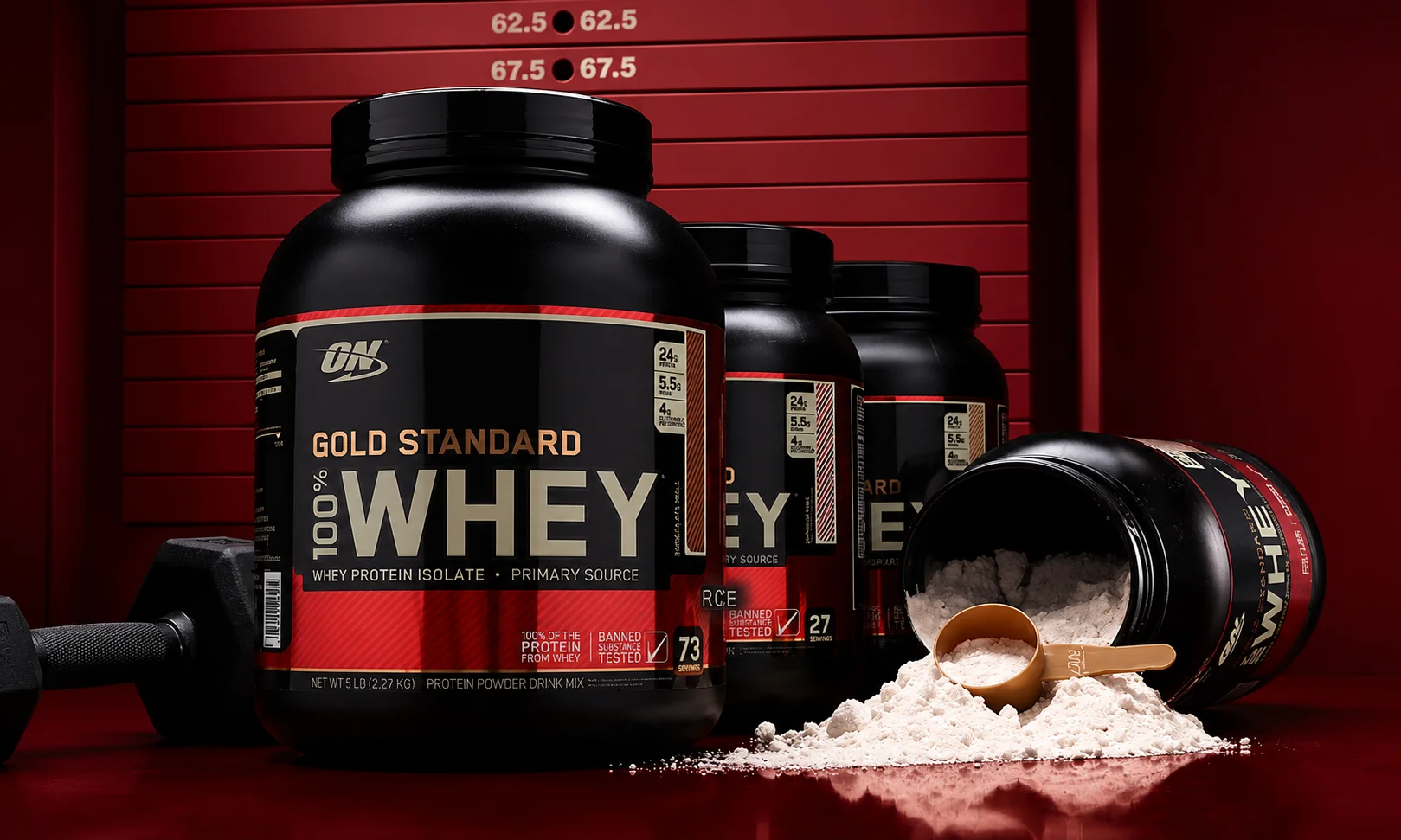
Best Protein Powder Overall
Best for: Most people who want a versatile everyday protein powder Approximate price: $45 to $60 for a 5lb container Price per serving: Roughly $1.30 to $1.60 per scoop, depending on container size and flavor
Pros
- 24g of protein per serving
- Complete amino acid profile
- Around 5.5g of BCAAs per serving
- Available in multiple flavors
- Mixes well with water or milk
- Widely available
- Works well in shakes, smoothies and baking
- Useful for post-workout recovery or daily protein intake
Cons
- Contains dairy
- Most flavors use sucralose and acesulfame potassium
- Higher lactose content than whey isolate
- May cause bloating for people sensitive to lactose
- Large containers can take up significant storage space
Why We Like It
The Gold Standard Whey works for a wide range of people without requiring a serious commitment to any particular training style or diet plan. You don’t need to be a competitive athlete to get value from it. It blends into a smoothie, mixes with milk or water, or gets stirred into oatmeal and baking recipes when your regular meals fall short on protein.
Its biggest advantage is balance. You get a genuinely solid amount of protein and a full amino acid profile without stepping into the price territory of a premium isolate or hydrolysate formula.
Performance
We tested this across three weeks of daily use, rotating between water, whole milk and a blender with fruit and ice, tracking mixability, taste consistency across flavors, and how well it held up after being stored open for several weeks.
In a shaker bottle with cold water, it mixes cleanly within about 15 seconds of shaking, with only minor foam that settles quickly.
In milk, it thickens slightly and takes on a noticeably creamier, more dessert like texture.
Compared to whey isolate options, it is a touch heavier on the stomach and slightly less easy to dissolve straight into water.
But the difference is minor and the price gap more than makes up for it. There is a light chalky aftertaste in some flavors, most noticeable in the double rich chocolate variety, though it fades once the shake is finished.
Who Is It Best Suited For?
Choose it if you:
- Want an affordable protein powder for everyday use
- Are comfortable consuming dairy
- Prefer flavored protein over unflavored options
- Want a versatile powder for shakes, smoothies and recipes
- Want good protein value without paying extra for an isolate or hydrolysate
Who Should Skip It?
Skip it if you:
- Avoid dairy
- Are sensitive to lactose
- Frequently experience digestive discomfort from whey concentrate
- Prefer a lower-lactose protein source
- Want a plant-based option
If lactose is an issue, a whey isolate or plant-based protein powder may be a better fit.
Certifications and Quality Testing
This product carries NSF Certified for Sport certification on select SKUs, meaning those batches are third party tested for banned substances, which matters if you compete in a tested sport. Not every flavor or container size carries this certification, so check the specific product label before buying if that matters to you.
Specifications
| Feature | Details |
|---|---|
| Type | Whey protein concentrate blend |
| Protein | 24g per serving |
| Serving size | 1 scoop, approximately 31g |
| Calories | 120 (chocolate flavor, standard serving) |
| Carbohydrates | 3g |
| Sugar | 1g |
| Fat | 1g |
| BCAAs | Approximately 5.5g per serving |
| Sweetener | Sucralose and acesulfame potassium (varies by flavor) |
| Flavors | Multiple, 20 plus available |
| Dairy | Yes |
| Certification | NSF Certified for Sport on select SKUs |
| Mixability | Good |
| Best For | Everyday protein intake |
Value for Money
At roughly $1.30 to $1.60 per serving for 24g of protein, this lands solidly in the mid range tier. It is more expensive per gram of protein than basic budget concentrates, but noticeably cheaper than isolated or plant based competitors offering a similar protein count, which is why it consistently scores well on value despite not being the cheapest option available.
2. Dymatize ISO100
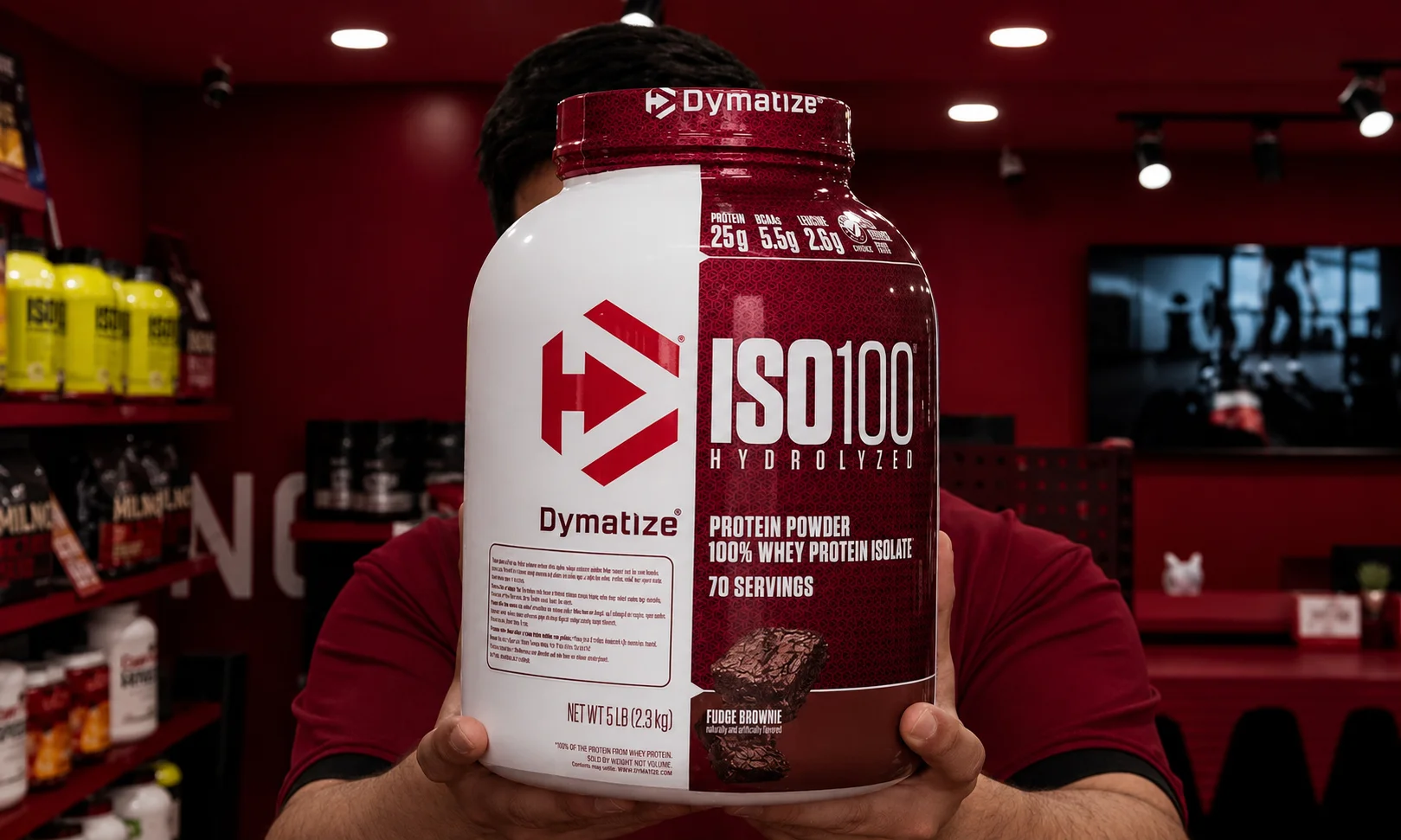
Best Protein Powder for Muscle Gain
Best for: People who prioritize high protein intake and easy digestion
Approximate price: $45 to $65 for a 5lb container
Price per serving: Roughly $1.40 to $1.80 per scoop
Pros
- 25g of protein per serving with a strong amino acid profile including around 5.6g of BCAAs
- Whey isolate based formula that digests faster than concentrate
- Low fat, typically around 1.5g per serving
- Low sugar, usually under 1g per serving
- Mixes easily in water or milk with minimal clumping
- Multiple flavors available
- Well suited to post workout shakes
Cons
- More expensive than basic whey concentrate
- Dairy based, so not suitable for dairy-free diets
- Some flavors, particularly the dessert inspired ones, are quite sweet
- Not necessary for people who already get plenty of protein from whole food meals
Why We Like It
When protein content and digestion speed are the priority, a whey isolate makes a lot of sense. The ISO100 is built around a high protein-to-calorie ratio, which makes it useful for people trying to increase protein intake without adding much fat or carbohydrate to their diet.
Performance
We used this through two weeks of post-workout use, mixing it in both water and milk and tracking how it settled after sitting for a few minutes, since isolated powders can behave differently from concentrate.
It dissolved almost completely within 10 to 15 seconds of shaking in water, with very little foam and no gritty residue left in the shaker.
In milk, it stayed slightly thinner than a concentrate blend would, which some people will prefer right after a workout when a lighter shake is more appealing.
Flavor wise, the sweetness is noticeable and leans closer to a dessert profile than a subtle one, which works well for some people and feels like too much for others.
Who Is It Best Suited For?
Choose it if you:
- Strength train regularly
- Want a high-protein formula
- Prefer whey isolate over concentrate
- Want relatively low fat and sugar
- Need a protein powder that mixes easily
- Want a convenient post-workout option
- Don’t mind paying more for whey isolate
Who Should Skip It?
Skip it if you:
- Only need a simple protein boost
- Don’t train regularly
- Want the best value per serving
- Don’t need the extra benefits of a whey isolate
For general daily protein intake, a less expensive whey concentrate may provide better value.
Certifications and Quality Testing
Dymatize ISO100 carries Informed Choice certification on select product lines, meaning those batches are tested for banned substances, which is relevant if you compete in a drug-tested sport. As with most supplement brands, certification can vary by flavor and container size, so it is worth checking the specific label.
Specifications
| Feature | Details |
|---|---|
| Type | Whey protein isolate |
| Protein | 25g per serving |
| Serving size | 1 scoop, approximately 33g |
| Calories | 110 (per standard serving) |
| Fat | Approximately 1.5g |
| Sugar | Under 1g |
| BCAAs | Approximately 5.6g |
| Dairy | Yes |
| Certification | Informed Choice on select SKUs |
| Mixability | Excellent |
| Best For | Muscle-focused nutrition |
Value for Money
At roughly $1.40 to $1.80 per serving for 25g of fast-digesting isolate protein, this sits in the upper mid-range tier. It costs more per gram of protein than a basic concentrate, but the faster digestion and cleaner macros justify the premium for people specifically training for muscle gain.
3. Transparent Labs Whey Isolate
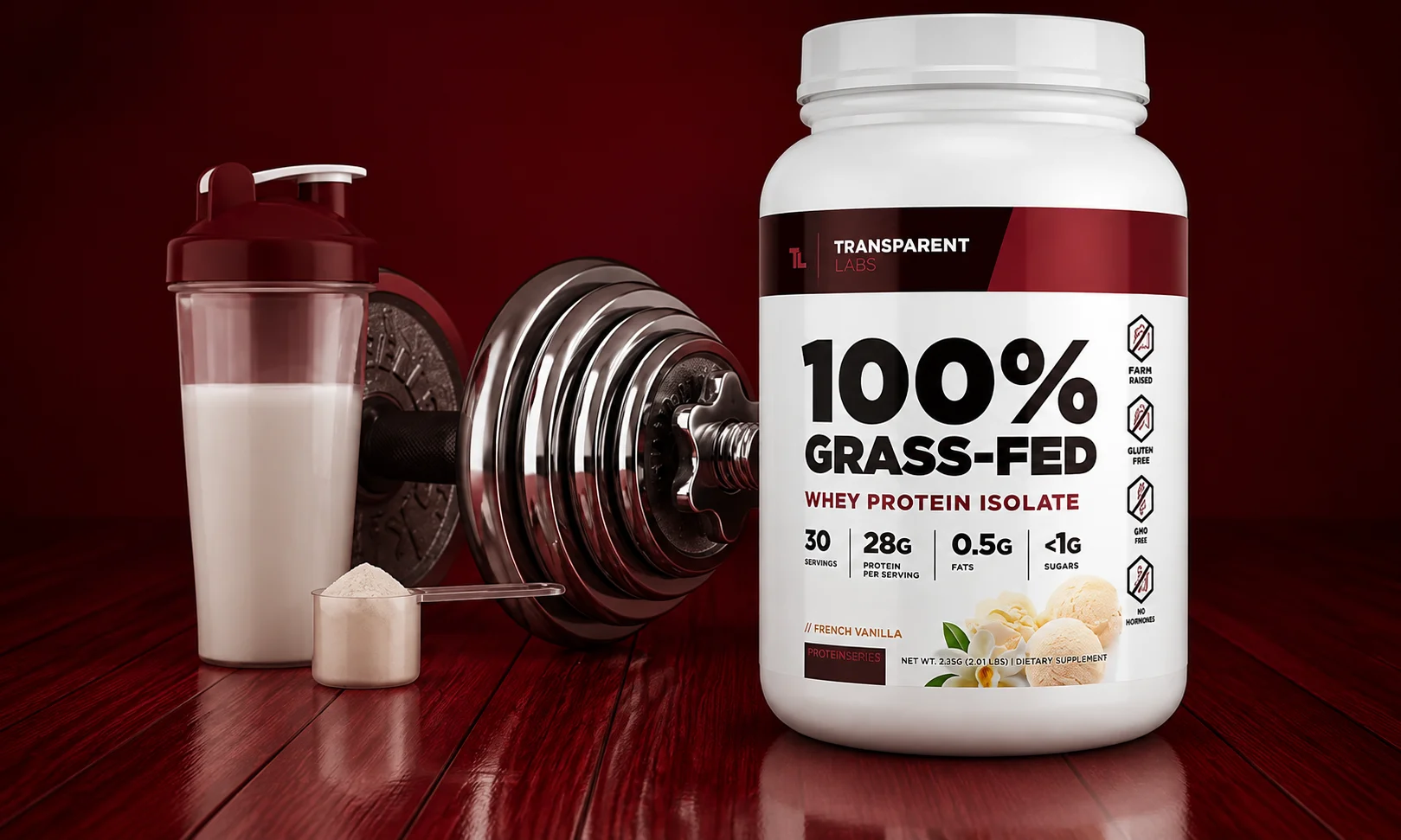
Best Premium Protein Powder
Best for: People who prioritize a simple ingredient list and high protein content
Approximate price: $55 to $65 for a 5lb container
Price per serving: Roughly $1.80 to $2.10 per scoop
Pros
- 28g of protein per serving, among the highest on this list
- Whey isolate with a clean digestion profile
- Straightforward ingredient list with no artificial dyes or fillers
- Low sugar, typically under 2g per serving
- Low fat, generally under 2g per serving
- Good flavor selection despite the simple formula
- Strong choice for people who read labels carefully
Cons
- Expensive relative to standard whey powders
- Dairy based
- Not necessary for casual or occasional protein users
- Some flavors, especially the sweeter ones, can feel intense for people who prefer a milder shake
Why We Like It
A premium protein powder should offer something meaningful beyond a higher price tag, and this one does. The combination of high protein content and a genuinely short ingredient list makes it appealing to shoppers who compare labels closely and want to avoid unnecessary additives, sweeteners, or filler ingredients.
Performance
We also tested this over three weeks, primarily in water and in post-workout shakes, paying close attention to how the higher protein-per-scoop ratio affected texture.
It mixed smoothly with minimal foam and no noticeable grit, and the thicker protein concentration gave the shake a slightly more substantial mouthfeel than a standard isolate, without becoming heavy or chalky.
Because the formula avoids artificial sweeteners in most flavors, the sweetness comes across as cleaner and less syrupy compared to some competitors, though a couple of flavors still lean sweet.
Who Is It Best Suited For?
Choose it if you:
- Want a premium whey isolate
- Prefer a simple ingredient profile
- Want around 28g of protein per serving
- Prefer low-sugar protein powders
- Pay close attention to ingredients
- Don’t mind paying more for a premium formula
Who Should Skip It?
Skip it if you:
- Are shopping on a tight budget
- Mainly care about getting enough protein
- Don’t prioritize a simpler ingredient profile
- Want the best protein value for your money
A less expensive protein powder can provide similar protein benefits if premium ingredients aren’t important to you.
Certifications and Quality Testing
Transparent Labs publishes third-party lab testing results for its products and avoids proprietary blends, disclosing exact ingredient amounts on the label rather than hiding them behind broad category names. This level of transparency is one of the main reasons it earns a premium positioning.
Specifications
| Feature | Details |
|---|---|
| Type | Whey protein isolate |
| Protein | 28g per serving |
| Serving size | 1 scoop, approximately 34g |
| Calories | Approximately 130, varies by flavor |
| Sugar | Under 2g |
| Fat | Under 2g |
| Dairy | Yes |
| Sweetener | Stevia in most flavors |
| Flavors | Multiple |
| Best For | Premium everyday protein |
Value for Money
At roughly $1.80 to $2.10 per serving, this is one of the more expensive options on the list, but the protein-per-scoop figure and clean ingredient label justify the price for buyers who specifically want a premium, transparently labeled isolate.
4. Orgain Organic Plant Protein
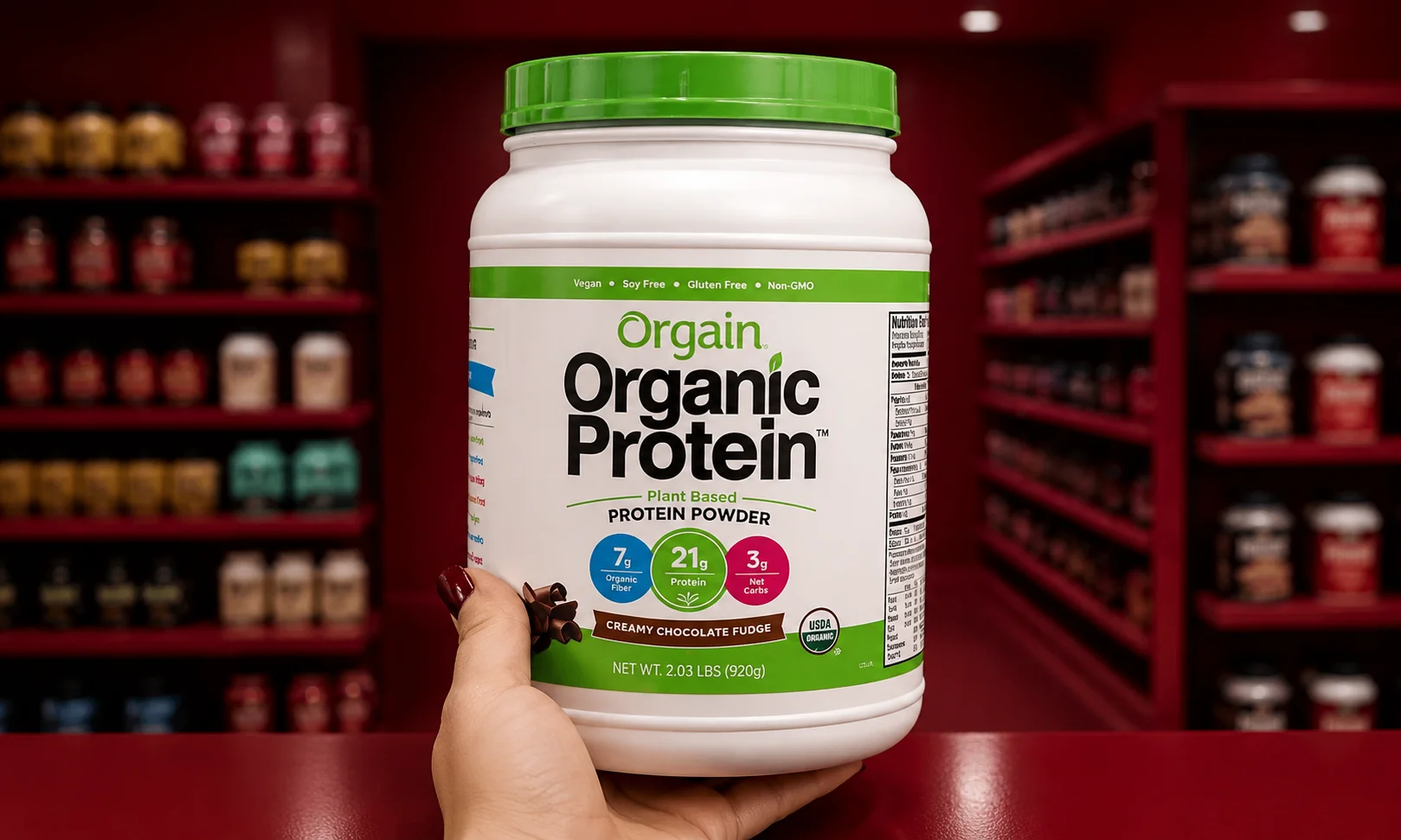
Best Plant-Based Protein Powder
Best for: People who want a dairy-free protein powder for everyday use
Approximate price: $30 to $40 for a 2lb container
Price per serving: Roughly $1.10 to $1.40 per scoop
Pros
- Plant based and fully dairy-free
- Around 21g of protein per serving from a pea, brown rice and chia seed blend
- Multiple flavors available
- Works particularly well in smoothies
- Convenient for vegan and vegetarian diets
- Generally easy to find in stores and online
- Certified organic
Cons
- Thicker texture than whey, which some people find less pleasant in plain water
- Some flavors contain added cane sugar or stevia
- Protein content is lower per serving than most whey isolates
- Some users notice a slightly grainy or gritty texture, especially when mixed with only water
Why We Like It
Plant-based protein doesn’t have to mean giving up convenience. This formula is built for people who want to increase protein intake while avoiding dairy-based ingredients entirely, and it works especially well in smoothies, where the thicker texture blends naturally with fruit, oats, or nut butter rather than feeling out of place.
Performance
We also tested this for weeks, primarily in smoothies and occasionally in water alone, since plant proteins can vary significantly in how they behave.
Mixed with just water and a shaker, it left a noticeably thicker, slightly grainy texture that some testers found unappealing on its own.
Blended with frozen fruit, a milk alternative and ice, however, the texture disappeared almost entirely and the result was smooth and pleasant.
This is a powder that clearly performs best in a blender rather than a shaker bottle.
Who Is It Best Suited For?
Choose it if you:
- Avoid dairy
- Follow a plant-based diet
- Mainly use protein in smoothies
- Want an easy-to-find option
- Don’t mind a thicker texture
- Are comfortable with a moderate protein amount per serving
Who Should Skip It?
Skip it if you:
- Want the highest protein concentration possible
- Prefer a thin, light texture
- Mainly mix protein powder with water
- Want the easiest possible mixing
A whey isolate will generally be a better fit if maximum protein concentration and a lighter texture are your priorities.
Certifications and Quality Testing
This product is Certified USDA Organic and Non-GMO Project Verified, along with being third-party tested for heavy metals as part of Orgain’s standard quality process. These certifications are a meaningful part of its appeal for shoppers specifically seeking clean, verified plant-based options.
Specifications
| Feature | Details |
|---|---|
| Type | Plant protein blend (pea, brown rice, chia) |
| Protein | 21g per serving |
| Serving size | 2 scoops, approximately 46g |
| Dairy | No |
| Sweetener | Organic cane sugar or stevia, depending on flavor |
| Flavors | Multiple |
| Texture | Thick |
| Certification | USDA Organic, Non-GMO Project Verified |
| Best For | Plant-based diets |
Value for Money
At roughly $1.10 to $1.40 per serving for 21g of certified organic, plant-based protein, this is one of the better value options for people specifically avoiding dairy, though it does deliver fewer grams of protein per serving than the whey options on this list.
5. Optimum Nutrition Gold Standard Casein
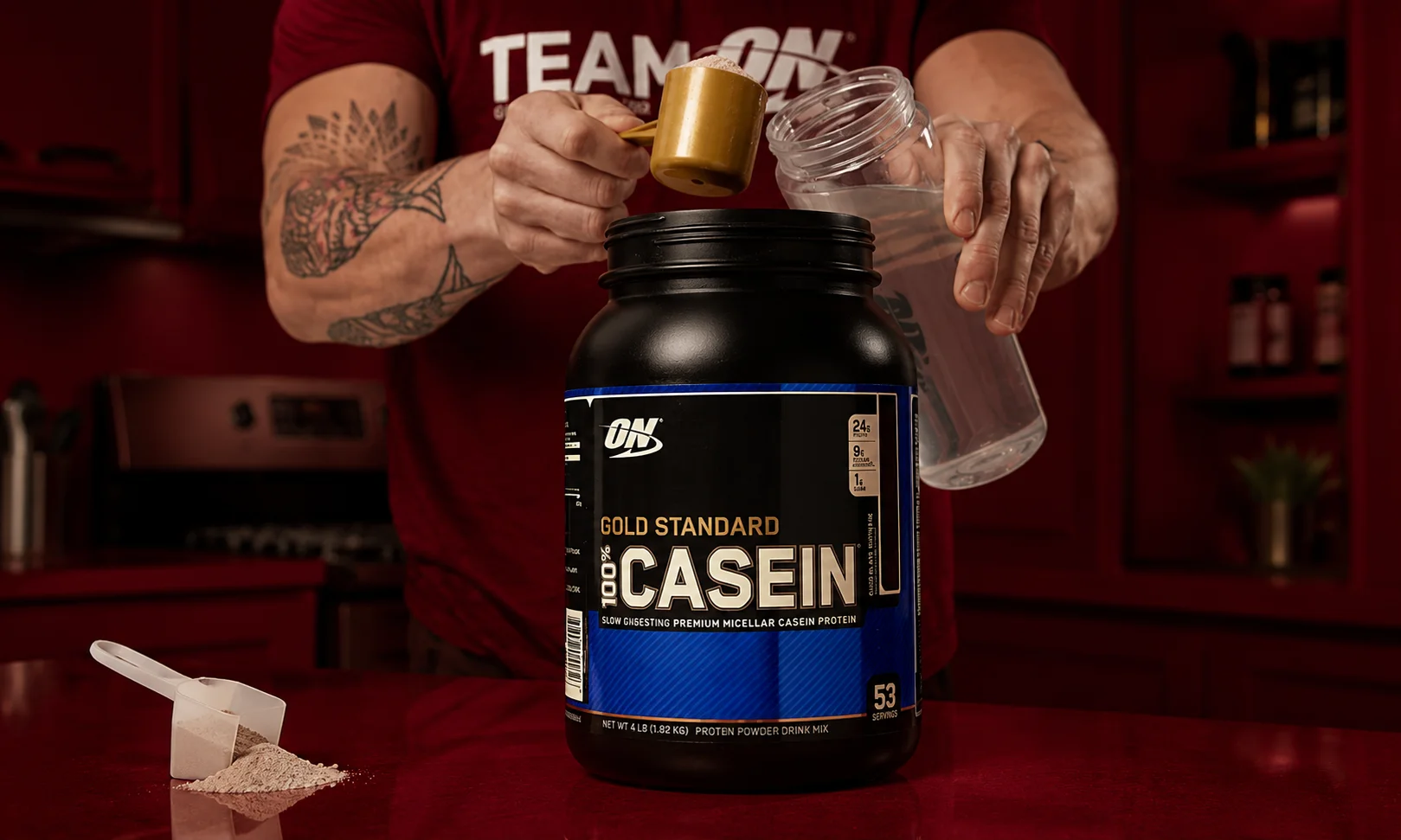
Best Slow-Digesting Protein Powder
Best for: People who want a slower-digesting protein option between meals or before bed
Approximate price: $35 to $50 for a 4lb container
Price per serving: Roughly $1.10 to $1.50 per scoop
Pros
- 24g of protein per serving from slow-digesting micellar casein
- Thick, pudding-like texture when mixed
- Well suited for shakes and homemade protein puddings
- Multiple flavors available
- Useful for a more filling protein option away from workouts
- Digests over several hours rather than quickly
Cons
- Dairy based
- Noticeably thicker than whey, which isn’t ideal if you want a light, fast shake
- Not ideal immediately after training when faster digesting protein is usually preferred
- More specialized use case than a standard whey powder
Why We Like It
Whey and casein serve genuinely different purposes. Whey digests relatively quickly, while casein forms a gel-like substance in the stomach that digests slowly over several hours, which makes it particularly useful before bed or between meals when a more filling, sustained release of protein is the goal.
Performance
We also tested this by mixing it both as a standard shake and as a thicker protein pudding, letting it sit in the refrigerator for 10 minutes to thicken.
As a shake, it produces a noticeably heavier, creamier texture than whey, closer to a milkshake than a typical post-workout drink.
Left to sit briefly, it thickens further into a genuinely pudding-like consistency, which testers found enjoyable as a bedtime snack rather than a quick recovery drink.
It does not dissolve as quickly as whey and benefits from a longer shake or a quick blend.
Who Is It Best Suited For?
Choose it if you:
- Want a slow-digesting protein source
- Prefer thicker shakes or protein puddings
- Want protein before bed
- Need a filling option between meals
- Want an alternative to whey for different times of day
Who Should Skip It?
Skip it if you:
- Want a lightweight, fast-mixing protein
- Mainly need protein immediately after workouts
- Prefer thinner shakes
Whey protein is generally a more practical choice if quick mixing and post-workout convenience are your priorities.
Certifications and Quality Testing
Select SKUs carry NSF Certified for Sport status, similar to the whey version from the same brand, meaning those batches are third-party tested for banned substances. Check the specific flavor and size before purchase if certification matters to you.
Specifications
| Feature | Details |
|---|---|
| Type | Micellar casein |
| Protein | 24g per serving |
| Serving size | 1 scoop, approximately 34g |
| Dairy | Yes |
| Texture | Thick |
| Flavors | Multiple |
| Digestive Speed | Slow |
| Certification | NSF Certified for Sport on select SKUs |
| Best For | Slow-digesting protein |
Value for Money
At roughly $1.10 to $1.50 per serving for 24g of slow-digesting protein, this is competitively priced against other casein powders and offers a genuinely different use case from standard whey rather than simply duplicating it.
6. Naked Whey
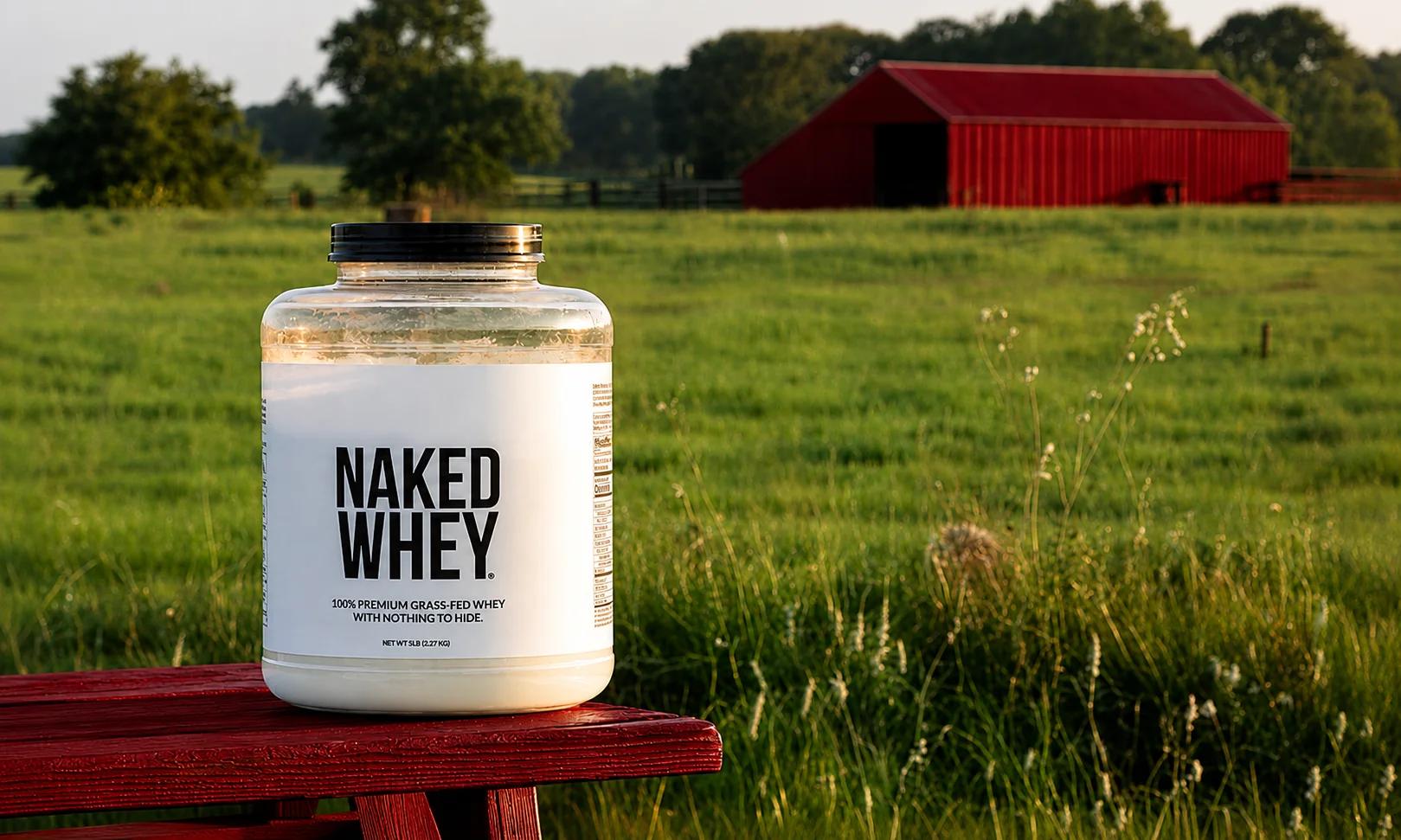
Best Unflavored Protein Powder
Best for: People who want an uncomplicated protein powder without added flavoring Approximate price: $65 to $80 for a 5lb container Price per serving: Roughly $2.00 to $2.50 per scoop
Pros
- Simple, minimal ingredient list with no artificial additives
- Fully unflavored, giving full control over the taste of the final shake or recipe
- Around 25g of protein per serving
- Easy to add to smoothies without altering their flavor
- No strong artificial aftertaste
- Flexible for cooking and baking as well as shakes
Cons
- Expensive relative to flavored whey powders
- Unflavored taste is not appealing to everyone on its own
- Whey concentrate base means it contains lactose
- Can foam noticeably when shaken vigorously
- No flavor variety since it is intentionally unflavored
Why We Like It
Not everyone wants a chocolate, vanilla, or dessert-style shake every day. This powder takes a simpler approach, making it useful for people who prefer to control the flavor of their protein themselves rather than have it dictated by the powder. It blends into smoothies, oatmeal, yogurt, or recipes without forcing everything to take on a specific protein flavor.
Performance
We tested this over two weeks, adding it to plain water, smoothies, oatmeal, and a homemade pancake recipe.
In plain water, the taste is mild and slightly milky rather than neutral, with a faint sweetness from the lactose naturally present in the whey.
It foams more than flavored whey when shaken hard in a bottle, so a gentler mixing method or a blender works better.
In smoothies and recipes, it disappeared almost completely, which is exactly the appeal for people who don’t want their food to taste like protein powder.
Who Is It Best Suited For?
Choose it if you:
- Prefer unflavored protein powder
- Want a simple, short ingredient list
- Regularly add protein to smoothies or recipes
- Want to avoid artificial flavors
- Prefer controlling the flavor of your shakes
- Use protein powder often enough to justify the price
Who Should Skip It?
Skip it if you:
- Want a sweet, ready-to-drink shake
- Mainly mix protein with water
- Prefer flavored protein powders
- Want something enjoyable with minimal preparation
A flavored protein powder will likely be more convenient if you want a tasty shake without adding other ingredients.
Certifications and Quality Testing
This product is generally marketed around minimal processing and a short ingredient list, sourced from grass-fed cows, though it does not carry the same third-party banned substance certifications as some of the sport-focused powders on this list. For casual users this is not a significant concern, but competitive athletes should note the absence of NSF or Informed Choice certification.
Specifications
| Feature | Details |
|---|---|
| Type | Whey protein concentrate |
| Protein | 25g per serving |
| Serving size | 1 scoop, approximately 33g |
| Flavor | Unflavored |
| Dairy | Yes |
| Ingredients | Minimal, typically just whey protein concentrate |
| Mixability | Good, with some foaming |
| Best For | Simple, additive-free formulas |
Value for Money
At roughly $2.00 to $2.50 per serving, this is the most expensive powder on the list per serving, which reflects its minimal processing and short ingredient list rather than a higher protein count. It is best justified for people who specifically want to avoid flavoring and additives rather than those simply looking for the cheapest protein per gram.
Protein Powders Compared
| Model | Best For | Price | Protein | Type | Dairy-Free | Overall |
|---|---|---|---|---|---|---|
| Gold Standard Whey | Best Overall | ~$50 | 24g | Whey blend | No | 9.4/10 |
| Dymatize ISO100 | Muscle Gain | ~$55 | 25g | Whey isolate | No | 9.2/10 |
| Transparent Labs Whey Isolate | Best Premium | ~$60 | 28g | Whey isolate | No | 9.1/10 |
| Orgain Organic Plant Protein | Best Plant-Based | ~$35 | 21g | Plant blend | Yes | 8.9/10 |
| Gold Standard Casein | Slow-Digesting | ~$45 | 24g | Casein | No | 8.8/10 |
| Naked Whey | Best Unflavored | ~$70 | 25g | Whey concentrate | No | 8.7/10 |
How We Evaluated Protein Powders
A protein powder should not receive a high rating simply because the label has a large protein number.
Our evaluation focuses on the things that affect everyday use.
Protein Quality
The type of protein matters.
Whey and casein are complete dairy proteins containing all nine essential amino acids. Plant-based products can also provide a complete amino acid profile, particularly when complementary protein sources are combined.
Protein Per Serving
More protein isn’t always better, but a useful amount per serving makes a powder more practical.
We consider the amount of protein relative to the total calories and serving size.
Ingredient Profile
A shorter ingredient list isn’t automatically better, but unnecessary additions can make a product less appealing.
We look at sweeteners, flavors, thickeners, oils and other ingredients alongside the overall nutritional profile.
Mixability
A protein powder that leaves large clumps at the bottom of your shaker quickly becomes frustrating.
We consider how easily the powder mixes with water, milk and other common liquids.
Taste and Texture
You are more likely to use a protein powder consistently if you actually enjoy drinking it.
We consider sweetness, flavor balance, thickness and whether the powder leaves a chalky or gritty feeling.
Dietary Suitability
Not everyone can or wants to consume dairy.
We consider plant-based options, dairy-based formulas, lactose content and other dietary considerations when comparing products.
Testing and Transparency
Supplements can vary in quality.
We give greater consideration to products that provide clear ingredient information and credible independent testing or certification where applicable.
Value
The cheapest powder isn’t always the best deal.
We consider protein per serving, ingredient quality, serving cost and overall usability when evaluating value.
What to Consider Before Buying Protein Powder
What Is Your Goal?
Start with why you want protein powder.
If you simply want to increase your daily protein intake, a basic whey or plant-based powder may be enough.
If you train regularly, you may prefer a powder with a higher protein-to-calorie ratio.
Whey or Plant Protein?
Whey is popular because it provides a complete protein and mixes easily.
Plant-based powders are useful for people who avoid dairy or prefer vegan products.
Neither is automatically the right choice for everyone.
Concentrate or Isolate?
Whey concentrate generally contains more of the natural components of milk and can be less expensive.
Whey isolate is processed further and generally contains more protein with less lactose, fat and carbohydrates.
If you’re sensitive to lactose, isolate may be worth considering.
How Much Protein Do You Need?
Protein powder is a supplement, not a replacement for a balanced diet.
The amount you need depends on factors such as body size, activity level, age and overall diet.
Instead of automatically choosing the powder with the highest number, consider how much protein you actually need to add to your meals.
How Many Calories Are in Each Serving?
Two powders can contain similar amounts of protein but very different calorie counts.
If you’re trying to keep calories controlled, check the complete nutrition label rather than focusing only on protein.
How Much Sugar Does It Contain?
Some protein powders are lightly sweetened, while others contain significant amounts of added sugar.
If sugar intake matters to you, compare labels carefully.
What Sweetener Does It Use?
Protein powders may use sugar, stevia, sucralose, monk fruit or other sweeteners.
The best choice is largely personal. If you dislike the aftertaste of one sweetener, another formula may be more enjoyable.
Do You Need a Flavor?
Flavored powders are convenient when you want a shake that tastes good with water or milk.
Unflavored powders are more flexible for cooking, oatmeal and smoothies.
Can You Digest It Comfortably?
Different protein sources affect people differently.
Whey concentrate contains more lactose than whey isolate, while some plant proteins can cause digestive discomfort because of their ingredients or higher fiber content.
If a particular powder doesn’t agree with you, switching protein sources may help.
Does It Have Independent Testing?
Look for transparent information about manufacturing and quality testing.
For competitive athletes, certifications designed to screen for banned substances can be especially important.
Best Protein Powder by Type
Best Overall
Optimum Nutrition Gold Standard Whey — The strongest combination of protein quality, taste, variety, availability and value.
Best for Muscle Gain
Dymatize ISO100 — A high-protein whey isolate that works well for people focused on training and recovery.
Best Premium
Transparent Labs Whey Isolate — A strong choice for people who prioritize protein content and a straightforward formula.
Best Plant-Based
Orgain Organic Plant Protein — A convenient dairy-free option for vegan and plant-based diets.
Best Slow-Digesting
Optimum Nutrition Gold Standard Casein — A useful choice when you want a slower-digesting protein between meals or before bed.
Best Unflavored
Naked Whey — Best for people who want to add protein without committing to a strong flavor.
Who Should Take Protein Powder?
Protein powder can be useful if you:
- Struggle to get enough protein from food
- Have a busy schedule
- Exercise regularly
- Want a convenient post-workout option
- Need an easy addition to smoothies
- Prefer a quick snack between meals
For many people, protein powder is simply a convenience food. You don’t have to use it to build muscle, and you don’t need it if your regular diet already provides enough protein.
Who Should Choose Something Else?
Choose Whole Foods If…
You can comfortably get enough protein from foods such as eggs, dairy, meat, fish, beans, lentils, tofu and other protein-rich foods.
Whole foods also provide vitamins, minerals, fiber and other nutrients that protein powder may not provide.
Choose Plant Protein If…
You avoid dairy or prefer a vegan diet.
Choose Whey Isolate If…
You want a high-protein formula with less lactose than traditional whey concentrate.
Choose Casein If…
You prefer a slower-digesting protein or a thicker shake.
Choose an Unflavored Powder If…
You want to add protein to oatmeal, yogurt, smoothies or recipes without changing the flavor significantly.
Other Protein Powders Worth Considering
Not every good protein powder needs to be a top pick. Several alternatives can make sense depending on your priorities.
- Legion Whey+ — A straightforward whey option for people who want a relatively simple formula and a variety of flavors.
- Klean Athlete Klean Isolate — A sports-focused option for people who place a high priority on supplement testing.
- Ritual Daily Shake — A plant-based option designed for people who want protein along with additional nutritional ingredients.
- Momentous Whey Protein Isolate — A premium whey isolate aimed at people who prioritize protein quality and sports nutrition.
- Garden of Life Sport Organic Plant-Based Protein — A plant-based option for people who want a higher-protein vegan formula.
- Vital Proteins Collagen Peptides — Useful for people specifically interested in collagen peptides, but it should not be treated as a direct replacement for a complete protein powder when muscle-building protein is the goal.
Protein Powder Maintenance and Storage Tips
Protein powder doesn’t require much maintenance, but proper storage matters.
Keep It Dry
Moisture can cause powder to clump and may shorten its shelf life.
Close the container tightly after every use.
Use a Dry Scoop
Don’t put a wet scoop into the container.
Water can introduce moisture into the powder and create clumps.
Store It in a Cool, Dry Place
A kitchen cabinet or pantry is usually a better location than a hot, humid area.
Avoid storing protein powder in direct sunlight.
Check the Expiration Date
Protein powder generally lasts a long time when stored properly, but you should still check the date and follow the manufacturer’s storage instructions.
Keep the Container Closed
Leaving the container open can expose the powder to humidity and odors from the surrounding environment.
Common Protein Powder Mistakes
Even a good protein powder can be used poorly.
Choosing Based Only on Protein Numbers
A powder with 30g of protein isn’t automatically better than one with 24g.
Look at calories, ingredients, serving size, taste and cost as well.
Taking More Than You Need
More protein isn’t automatically better.
Your total daily intake matters more than simply adding extra scoops of powder.
Replacing Too Many Meals
Protein powder can be convenient, but it shouldn’t automatically replace balanced meals.
Whole foods provide nutrients that a basic protein shake may lack.
Ignoring Added Sugar
Some powders can contain significant amounts of sugar.
Always check the nutrition panel before choosing a flavored product.
Using Too Much Liquid
Too much water or milk can make a shake thin and flavorless.
Start with the recommended amount and adjust it to your preferred consistency.
Assuming Plant Protein Is Inferior
Plant protein can be a useful option when the formula provides adequate protein and a suitable amino acid profile.
The best powder is ultimately the one that fits your diet and that you will use consistently.
Ignoring Digestive Issues
If a powder repeatedly causes bloating, stomach discomfort or other problems, don’t force yourself to continue using it.
A different protein source or formula may work better.
Frequently Asked Questions
What is the best protein powder in 2026?
The Optimum Nutrition Gold Standard Whey is our best overall choice because it combines good protein quality, strong mixability, many flavor options and solid value.
Is whey protein better than plant protein?
Not necessarily, Whey is a complete protein and is generally easy to mix, while plant protein is useful for people who avoid dairy. A well-formulated plant blend can also provide a broad amino acid profile.
Is whey isolate better than whey concentrate?
It depends on your needs.
Whey isolate generally contains more protein and less lactose, fat and carbohydrates. Whey concentrate is often less expensive and works well for many people.
Is protein powder good for weight loss?
It can be useful as part of a balanced diet because protein can help with fullness and makes it easier to increase protein intake without preparing another full meal.
However, protein powder itself does not automatically cause weight loss.
Should I take protein powder every day?
Many people can use protein powder daily as part of a balanced diet.
The important consideration is your total diet and how much protein you actually need.
What is the best protein powder for sensitive stomachs?
Whey isolate is often easier to tolerate than whey concentrate because it generally contains less lactose.
However, individual tolerance varies, and plant-based powders can be another option.
Can I put protein powder in a smoothie?
Yes, Protein powder works well with fruit, milk or milk alternatives, oats, yogurt and other smoothie ingredients.
Can protein powder replace a meal?
Some specialized meal-replacement products are designed to provide more nutrients than basic protein powders. A standard protein powder alone usually shouldn’t be treated as a complete meal.
Should I use protein powder on rest days?
If you need protein to meet your daily target, it can still be useful on rest days. Your overall daily protein intake matters more than whether you exercise on a particular day.
Is expensive protein powder better?
Not necessarily, A premium powder may offer better ingredients, testing, taste or protein concentration, but a less expensive product can still provide excellent value.
Final Recomendation
The Optimum Nutrition Gold Standard Whey is our best protein powder overall in 2026 because it offers the strongest combination of protein quality, taste, mixability, variety and value.
The Dymatize ISO100 is the better choice for people who prioritize high protein intake and a whey isolate formula, while the Transparent Labs Whey Isolate is our premium pick for shoppers who want a high-protein formula with a straightforward ingredient profile.
The Orgain Organic Plant Protein is the best choice for people who want a dairy-free, plant-based option.
For people who prefer a slower-digesting protein, Optimum Nutrition Gold Standard Casein is a useful alternative, while Naked Whey is the better option for anyone who wants an unflavored powder that can be added to smoothies, oatmeal and recipes.
Ultimately, the best protein powder isn’t necessarily the one with the highest protein number or the most expensive ingredients. It’s the one that matches your dietary needs, protein goals, taste preferences, budget and the way you actually plan to use it.