
A few years ago, luxury brands worried about reaching more people. Today, many worry about something very different, staying desirable. Consumers discover brands through AI, social media, and digital experiences before they ever step into a boutique. At the same time, many luxury houses are finding that being seen everywhere can make them feel special nowhere.
That is the challenge behind today’s Luxury Brand Marketing Trends.
The brands winning in 2026 are not simply spending more on advertising. They are creating unforgettable experiences, using AI to serve customers personally, protecting their heritage, and making every interaction feel exclusive instead of mass-produced.
If you work in marketing, own a premium brand, or simply want to understand why brands like Louis Vuitton, Hermès, Rolex, and Chanel continue to grow while others struggle, you’ll notice one clear pattern.
Success no longer comes from having the loudest campaign. It comes from earning trust, building emotional connections, and delivering experiences that people cannot easily forget.
This article explains the biggest luxury brand marketing trends shaping 2026, why they matter, and how businesses can apply these ideas without losing the exclusivity that makes luxury valuable.
AI Overview
Luxury brand marketing in 2026 is centered on exclusivity, personalized customer experiences, and long-term brand value rather than mass promotion. AI, first-party data, experiential marketing, and digital innovation are changing how premium brands connect with affluent consumers. At the same time, craftsmanship, heritage, and authenticity remain the foundations of successful luxury marketing. Together, these trends help brands grow while protecting the prestige that defines luxury.
Key Takeaways
- Luxury marketing focuses on exclusivity, storytelling, and exceptional customer experiences instead of discounts.
- AI is improving personalization and client relationships without replacing the human touch.
- Digital channels now influence most luxury purchase decisions.
- Experiences such as private events and personalized services build stronger loyalty than traditional advertising.
- Sustainability and transparency have become important purchasing factors for affluent consumers.
- First-party customer data is replacing third-party tracking as the foundation of personalized marketing.
- The strongest luxury brands balance innovation with heritage instead of chasing every new trend.
What are luxury brand marketing trends?
Luxury brand marketing trends are the evolving strategies premium brands use to attract and retain affluent customers. In 2026, the biggest trends include AI-powered personalization, experiential marketing, first-party data, digital exclusivity, sustainability, and omnichannel customer experiences while maintaining craftsmanship, heritage, and brand prestige.
What Is Luxury Brand Marketing?
Luxury brand marketing is the strategy of promoting premium products and services by emphasizing exclusivity, superior craftsmanship, heritage, and emotional value instead of price.
Unlike mass-market marketing, luxury brands rarely compete on discounts or convenience. Their goal is to make customers feel they are buying something rare, meaningful, and built to last.
What Makes Luxury Marketing Different?
Most brands try to reach as many people as possible. Luxury brands do the opposite.
They carefully control availability, maintain premium pricing, and create memorable experiences that strengthen long-term relationships rather than encourage one-time purchases.
Instead of saying, “Buy now,” luxury marketing says, “Become part of something exceptional.”
That philosophy explains why brands such as Hermès, Cartier, and Louis Vuitton have maintained their desirability for generations. Their reputation has been built on craftsmanship, storytelling, and consistent customer experiences rather than aggressive promotions.
Why Luxury Brand Marketing Trends Are Changing in 2026
Luxury marketing is entering a new phase as customer expectations change faster than ever. Traditional luxury values such as craftsmanship, exclusivity, and heritage still matter, but they are no longer enough on their own. Today’s customers expect premium brands to deliver exceptional experiences across every touchpoint.
Technology is another major driver of change. Before visiting a boutique, many buyers now research products online, compare brands, watch videos, and even ask AI assistants for recommendations. This has transformed the customer journey from a store-first experience into a digital-first one.
Consumer priorities have also evolved. Affluent buyers increasingly value authenticity, transparency, sustainability, and personalized service. They want brands to prove their value through meaningful experiences rather than relying only on heritage or recognizable logos.
At the same time, luxury brands face growing competition in a crowded digital marketplace. Standing out now requires more than beautiful products; it requires stronger customer relationships, consistent storytelling, and memorable experiences that build long-term loyalty.
These industry shifts are shaping the next generation of luxury marketing strategies. The following trends show how leading luxury brands are responding to these changes while protecting the exclusivity that defines their identity.
Top 15 Luxury Brand Marketing Trends for 2026
Luxury marketing is evolving quickly, but one principle hasn’t changed, people don’t buy luxury only because of quality. They buy the story, the experience, and the feeling that comes with it.
Here are the 15 trends shaping the future of luxury marketing.
1. AI-Powered Personalization
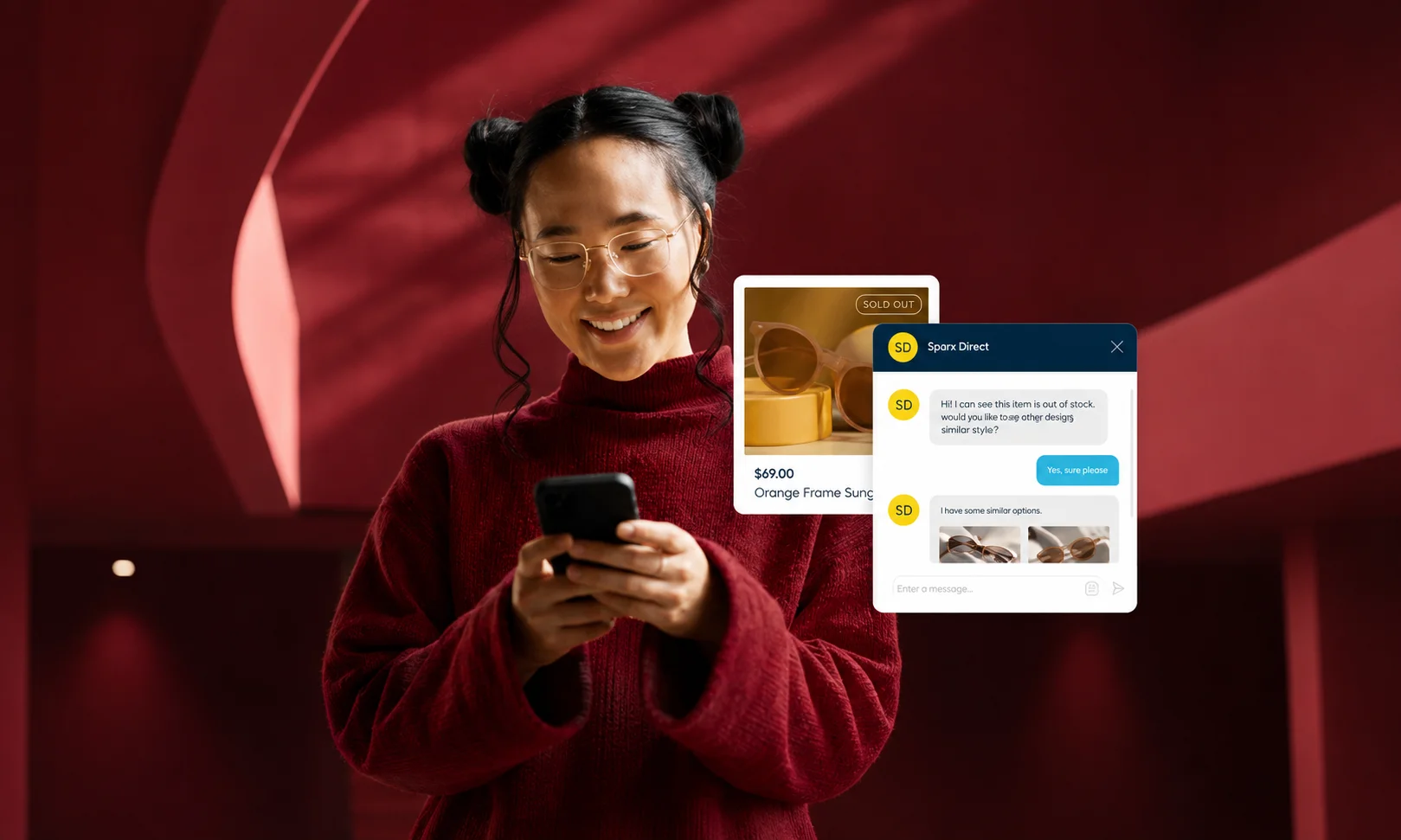
Luxury brands are using AI to understand each customer’s preferences without making the experience feel automated. Instead of showing the same products to everyone, AI helps recommend items based on browsing history, previous purchases, and personal interests.
Louis Vuitton’s Virtual Advisor is one example of AI supporting personalized shopping while keeping the human touch. According to BCG & Altagamma, 87% of luxury consumers use generative AI weekly, and 80% use AI to research luxury products before buying.
Why it matters: Customers expect brands to know them personally.
2. Clienteling and VIP Experiences
Luxury has always been about relationships, not transactions.
Modern clienteling combines experienced sales advisors with customer data to provide tailored recommendations, private appointments, and exclusive product previews.
Instead of treating every customer the same, brands create experiences that feel personal and memorable.
Why it matters: Loyal customers spend more and stay with the brand longer.
3. First-Party Data Becomes Essential
As third-party cookies disappear, luxury brands are relying on data collected directly from their own customers.
Purchase history, event registrations, website activity, and loyalty programs now help brands understand customer preferences while respecting privacy.
This creates more relevant communication and better long-term relationships.
Why it matters: Better data leads to better personalization.
4. Omnichannel Luxury Experiences

Luxury customers expect the same premium service whether they visit a boutique, browse a website, or interact on social media.
Successful brands create one seamless journey across every channel.
According to Bain & Company, digital channels now influence more than 75% of luxury purchase decisions, even when the final purchase happens in-store.
Why it matters: Customers move between online and offline experiences naturally.
5. Digital Exclusivity
Being digital doesn’t mean being available to everyone.
Luxury brands now offer invitation-only product launches, exclusive online collections, private memberships, and limited digital experiences that preserve scarcity.
Exclusivity remains one of luxury’s strongest competitive advantages.
Why it matters: Scarcity increases perceived value.
6. Creator and Influencer Partnerships
Luxury brands are becoming more selective about who represents them.
Instead of partnering with the biggest influencers, many brands collaborate with respected creators, designers, artists, and cultural figures who genuinely reflect their values.
The Aimé Leon Dore × Porsche collaboration shows how shared culture often creates stronger engagement than celebrity endorsements alone.
Why it matters: Authentic partnerships build long-term credibility.
7. Experiential Marketing
Luxury is becoming something customers experience, not simply purchase.
Private dinners, fashion presentations, immersive exhibitions, exclusive travel experiences, and personalized events help customers form emotional connections with brands.
Research from Deus Marketing found that 76% of people say in-person experiences strengthen their connection with a luxury brand.
Why it matters: Experiences create lasting memories that advertising cannot.
8. Sustainability and Transparency
Today’s luxury buyers increasingly want to know where products come from and how they are made.
Brands are responding with ethical sourcing, transparent supply chains, and Digital Product Passports that verify authenticity and environmental information.
Deloitte reports that 68% of affluent consumers consider environmental commitments when comparing luxury brands.
Why it matters: Trust has become part of the luxury experience.
9. Heritage Storytelling
Luxury brands continue to invest in the stories behind their products.
Rather than focusing only on features, they highlight craftsmanship, history, founders, artisans, and tradition.
These stories remind customers why premium products command premium prices.
Why it matters: Stories create emotional value beyond the product itself.
10. AI Search Visibility
Customers increasingly ask AI assistants for recommendations before visiting a brand’s website.
Luxury brands are now optimizing their content to appear in AI-generated answers, not just traditional search results.
Recent industry reports identify AI search visibility as an emerging priority for luxury digital marketing.
Why it matters: Brand discovery is changing faster than traditional SEO.
11. Predictive Customer Insights
AI can identify buying patterns before customers make another purchase.
Brands use these insights to recommend products, schedule follow-ups, and provide timely services that feel thoughtful rather than intrusive.
Burberry has demonstrated predictive analytics by personalizing recommendations based on customer behavior.
Why it matters: Anticipating customer needs improves loyalty.
12. Retail Innovation
Luxury stores are becoming experience centers instead of simple retail spaces.
Virtual advisors, augmented reality, immersive showrooms, and personalized consultations make shopping more engaging.
Examples include Gucci’s AR styling tools and Balenciaga’s Apple Vision Pro runway experiences.
Why it matters: Innovation enhances the shopping experience without replacing personal service.
13. Social Commerce
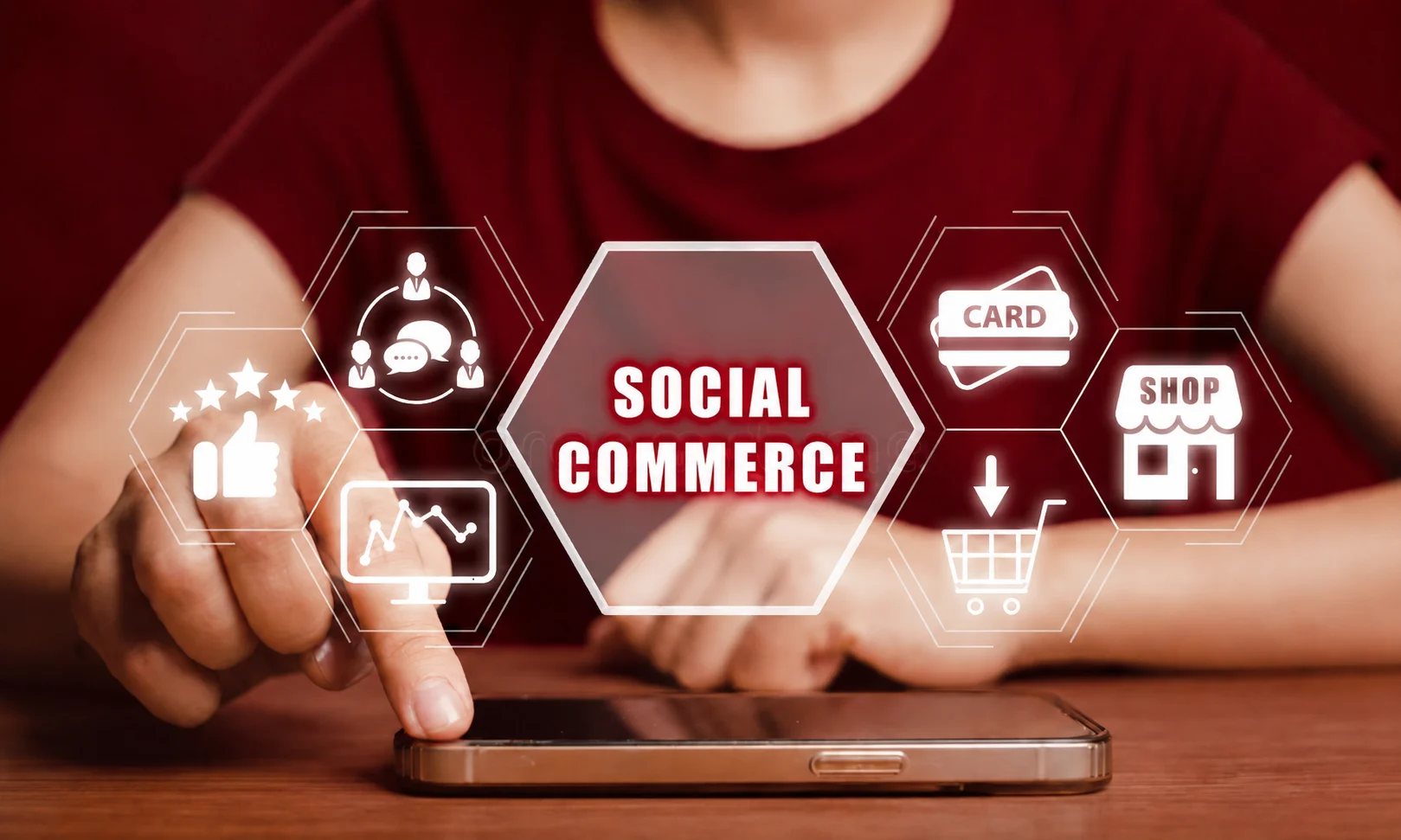
Platforms like Instagram, TikTok, and Pinterest are now major discovery channels for luxury brands.
Instead of aggressive selling, brands use behind-the-scenes content, craftsmanship videos, and lifestyle storytelling to inspire future purchases.
Why it matters: Discovery often begins on social platforms, even when purchases happen elsewhere.
14. Emotional Brand Positioning
Luxury brands sell emotions before products.
Feelings such as confidence, belonging, achievement, and identity influence purchasing decisions more than product specifications.
Strong emotional positioning helps brands maintain premium pricing while building lasting customer loyalty.
Why it matters: Emotional connections are difficult for competitors to copy.
15. Premium Brand Communities
The strongest luxury brands create communities, not audiences.
Private events, invitation-only memberships, collector groups, and long-term relationships make customers feel part of an exclusive world rather than simply buyers.
These communities increase advocacy, loyalty, and lifetime value.
Why it matters: Community strengthens exclusivity while encouraging long-term engagement.
Traditional vs. Modern Luxury Marketing
| Traditional Luxury Marketing | Modern Luxury Marketing |
| Focused on exclusivity through physical boutiques | Combines exclusivity with digital experiences |
| Print advertising and flagship stores | AI, social media, and omnichannel marketing |
| Limited customer data | First-party data and AI personalization |
| One-way brand communication | Personalized customer relationships |
| Product-first messaging | Experience-first storytelling |
| Success measured by sales | Success measured by loyalty, lifetime value, and brand equity |
Real-World Examples of Luxury Brands Using These Trends
Reading about trends is useful, but seeing how leading brands apply them makes the lessons much clearer.
Louis Vuitton
Louis Vuitton blends its rich heritage with modern technology. Its AI-powered Virtual Advisor offers personalized recommendations while preserving the premium, one-to-one shopping experience customers expect.
The brand also invests in exclusive events, craftsmanship storytelling, and limited collections to keep demand high.
Key lesson: Use technology to improve service, not replace human relationships.
Hermès
Hermès remains one of the strongest examples of controlled exclusivity.
Instead of increasing production to meet demand, the company protects its craftsmanship, maintains limited availability, and avoids discounting. This approach reinforces the brand’s long-term value.
Key lesson: Scarcity creates desire when supported by exceptional quality.
Rolex
Rolex recognized that the resale market is now part of the luxury customer journey.
Its Certified Pre-Owned program authenticates second-hand watches, helping customers buy with confidence while strengthening the value of new products.
Key lesson: Supporting resale can increase trust instead of reducing new sales.
Chanel
Chanel continues to focus on timeless branding rather than chasing every digital trend.
The company protects its premium positioning through selective distribution, storytelling, and consistent pricing instead of frequent promotions. This reinforces long-term desirability. (The research references Chanel as an example of brands that avoid discounting but does not provide additional case-study details.)
Key lesson: Consistency often creates stronger brand value than constant change.
Gucci
Gucci has experimented with augmented reality to make online shopping more engaging.
Its AR styling experience helps customers visualize products while maintaining the premium feel expected from a luxury brand.
Key lesson: Digital innovation should enhance the buying journey without reducing exclusivity.
How to Apply Luxury Brand Marketing Trends to Your Business
You don’t need a global luxury brand’s budget to use these strategies. What matters is creating value that feels personal and memorable.
1. Define Your Brand Identity
Know what your brand stands for before launching campaigns.
Your story, values, and craftsmanship should remain consistent across every customer touchpoint.
2. Focus on Customer Experience
Every interaction matters.
Whether someone visits your website or your showroom, the experience should feel premium, personal, and effortless.
3. Use AI Thoughtfully
Use AI to recommend products, personalize emails, or improve customer service.
The technology should support your team instead of replacing genuine human interactions.
4. Build Long-Term Relationships
Luxury customers appreciate recognition more than constant promotions.
Private events, early product access, and personalized communication help build lasting loyalty.
5. Tell Better Stories
People remember stories long after they forget product specifications.
Share your craftsmanship, founders, creative process, and customer experiences to create emotional connections.
Common Luxury Marketing Mistakes
Even respected brands can weaken their image by making avoidable mistakes.
Overusing Discounts
Frequent promotions reduce perceived exclusivity.
Leading luxury brands such as Hermès, Rolex, and Chanel rarely rely on discounts because premium pricing reinforces long-term brand value.
Ignoring Customer Relationships
Luxury customers expect personal attention.
Treating every customer the same makes the experience feel ordinary.
Following Every Trend
Not every new platform or marketing tactic fits a luxury brand.
Choose innovations that strengthen your identity instead of chasing visibility.
Weak Storytelling
Products alone rarely inspire loyalty.
Customers connect with heritage, craftsmanship, and purpose more than technical features.
Inconsistent Brand Experience
Luxury should feel premium everywhere.
If your website, social media, customer support, and physical locations deliver different experiences, trust begins to decline.
The Future of Luxury Brand Marketing
The next few years will reward brands that combine innovation with authenticity instead of choosing one over the other.
AI will become an even stronger creative and personalization tool, while human expertise will remain essential for building meaningful customer relationships.
Experiential luxury is expected to grow further as affluent consumers invest more in memorable experiences rather than simply owning products.
Transparency will also become more important as Digital Product Passports begin rolling out across Europe, making product sourcing and sustainability easier for customers to verify.
Brands that continue balancing craftsmanship, exclusivity, innovation, and trust will be best positioned for long-term success.
Practical Implementation Checklist
Use this checklist to strengthen your luxury marketing strategy.
- Define a clear premium brand position.
- Invest in storytelling instead of excessive promotions.
- Collect first-party customer data responsibly.
- Use AI to personalize customer experiences.
- Create exclusive events or VIP experiences.
- Keep your online and offline experiences consistent.
- Be transparent about sustainability and sourcing.
- Measure customer loyalty and lifetime value, not only short-term sales.
- Protect brand exclusivity across every marketing channel.
Conclusion
The strongest luxury brands have never competed by being the loudest. They compete by creating experiences that people remember and relationships that last for years.
That brings us back to the challenge we started with. In a world where customers discover brands through AI, social media, and endless digital content, staying exclusive is harder than ever.
The brands succeeding in Luxury Brand Marketing Trends are proving that technology alone is not enough. It works best when it supports craftsmanship, trust, and exceptional customer experiences.
As luxury continues to evolve, one truth remains unchanged: people may admire premium products, but they stay loyal to brands that consistently make them feel valued.
Frequently Asked Questions
What is luxury brand marketing?
Luxury brand marketing is the strategy of promoting premium products through exclusivity, craftsmanship, storytelling, and personalized customer experiences. Instead of competing on price, luxury brands focus on creating emotional value and long-term relationships.
This approach helps maintain prestige while building customer loyalty.
What are the biggest luxury marketing trends in 2026?
The biggest trends include AI-powered personalization, experiential marketing, first-party data, sustainability, digital exclusivity, and omnichannel customer experiences. These strategies help brands stay relevant while protecting their premium positioning.
How is AI changing luxury marketing?
AI helps luxury brands deliver personalized recommendations, improve clienteling, and enhance product discovery. Many consumers already use AI to research luxury products before purchasing, making AI an important part of the customer journey.
Why is storytelling important in luxury marketing?
Storytelling explains the craftsmanship, heritage, and values behind a luxury product. These stories create emotional connections that are difficult for competitors to copy, helping justify premium pricing and strengthen customer loyalty.
Should luxury brands offer discounts?
The research suggests that the strongest luxury brands protect their value by avoiding regular discounting. Instead, they focus on exclusivity, exceptional service, and memorable customer experiences to maintain long-term desirability.