On August 21, 2025, Cracker Barrel unveiled a new logo. Within hours the complaints started, within a week the company had surrendered, and the old man and his barrel were back. Roughly $100 million in market value evaporated in a single day, the President of the United States weighed in on a wordmark, and by October the chain had fired Prophet, the consultancy it had hired seven months earlier to modernize the brand.
The company told investors to expect an 8% traffic decline the following quarter. It was the fastest rebrand collapse in modern marketing history, and it taught the industry a lesson worth more than the fees involved: a brand is not a file you can redesign, it is a debt you owe your customers’ memory.
Contrast that with Jaguar, which endured an equally ferocious backlash over its Landor-designed reinvention and simply kept driving. One company misread its heritage; the other knew exactly which customers it was willing to lose. The difference between those outcomes is the difference between a branding agency and a great one.
This edition of the World’s 100 Best, BrandClickX’s annual benchmark series, ranks the hundred studios that build brands people cannot forget, from the partner-led design houses behind logos you see daily to the naming boutiques that christened products on your desk right now.
The Global 10
1. Pentagram (London / New York / Austin / Berlin)
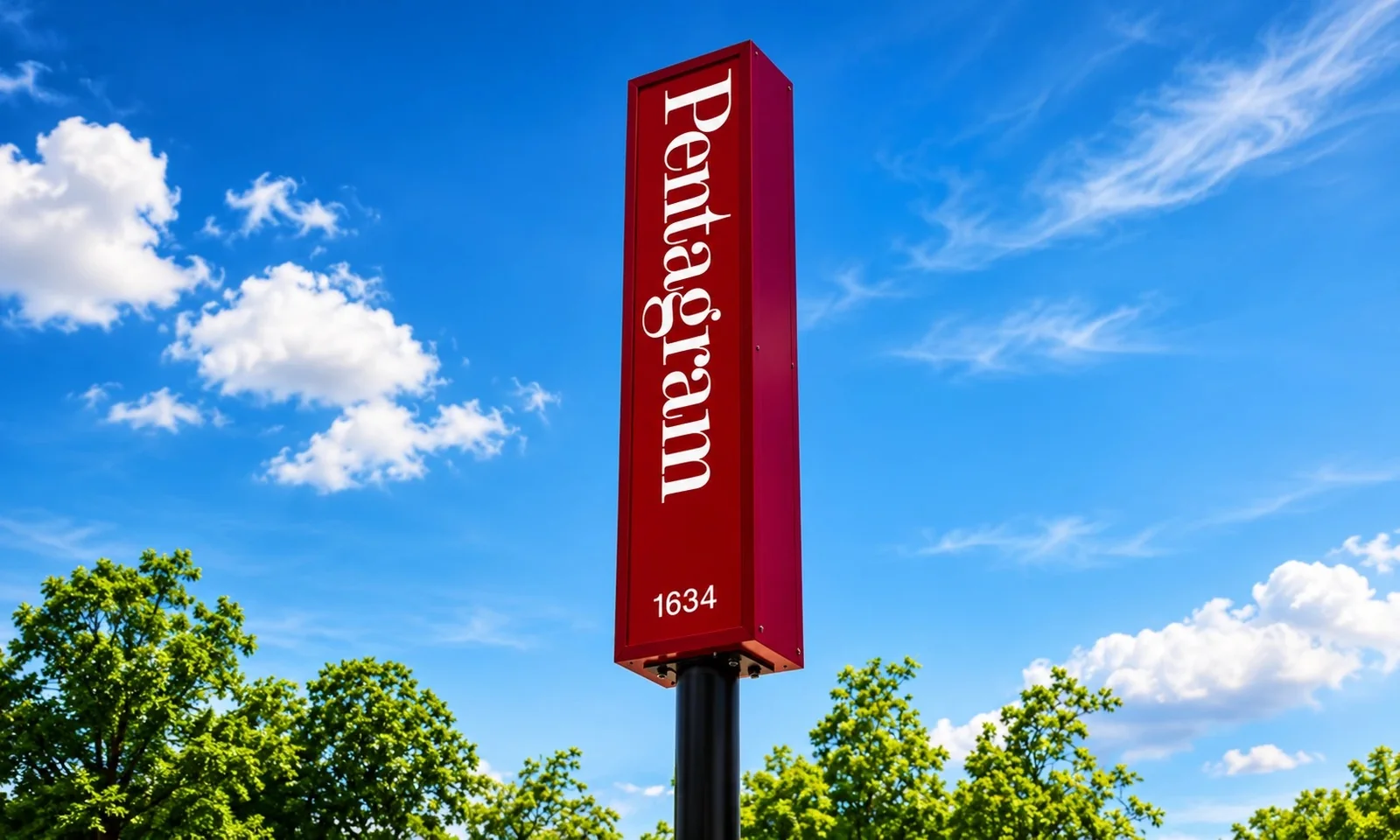
The world’s largest independent design consultancy remains the profession’s north star: 23 partner-led teams, each with a named designer personally accountable for the work, and a portfolio that includes Mastercard, Reddit, Windows, Citibank, and the Premier League.
The ownership structure is the pitch: the people who present your identity are the people who designed it, with no account layer in between. Published estimates put engagements at $100,000 and up, which buys work designed to outlive trends rather than chase them. When a board wants a logo that will still look inevitable in twenty years, this is the call.
2. Landor (Global)
The WPP network’s brand transformation powerhouse: roughly 1,300 people across about 30 locations, built for the hardest problem in branding, rolling a new identity across dozens of markets, languages, and legal entities without losing the plot. FedEx, BP, Volkswagen, and P&G carry its fingerprints, and its Jaguar reinvention proved it will defend a bold strategic call under fire. The machinery does not scale down gracefully, so smaller brands should look elsewhere; for global architecture, mergers, and multi-market governance, there is no deeper bench.
3. Wolff Olins (New York / London / Los Angeles / San Francisco)
The agency that made reinvention a specialty: Uber, TikTok, Decathlon, GSK, The Met, McKinsey, and the London 2012 Olympics all carry its conviction that brands should push culture rather than follow it.
Now part of Omnicom Branding, it still operates like the challenger studio founded in 1965, taking clients further than they expected to go and being right often enough to keep getting away with it. Hire Wolff Olins when the business has changed and the brand has not; do not hire it for a polite refresh.
4. Interbrand (Global)
The firm that taught boards to treat brands as balance-sheet assets. Interbrand’s Best Global Brands ranking is the industry’s most quoted valuation exercise, and that financial fluency shapes everything it does: strategy expressed in terms a CFO can defend, then identity built on top.
Part of Omnicom with 14 hubs serving 75 countries, it is the default when brand value itself is the argument, for post-merger integration, IPO preparation, or any moment when the brand must justify investment in numbers.
5. COLLINS (San Francisco / New York)
The independent that turned brand transformation into cultural event: Spotify’s evolution from tech product to music brand, work for Twitch, Dropbox, and a long list of companies at inflection points. COLLINS builds brand worlds rather than logo packages, with strategy, identity, and expressive systems designed to survive every surface from app icon to stadium.
Six-figure engagements, fiercely selective, and worth the wait when a company needs to become something its customers can feel.
6. Jones Knowles Ritchie (London / New York / Singapore / Shanghai)
The studio that made heritage cool again: Burger King’s return to its 1970s warmth, Dunkin’s simplification, Impossible Foods’ appetite appeal, and a shelf of packaging work that proves design moves cases off shelves.
JKR’s philosophy, making famous brands distinctive rather than different, is the anti-Cracker Barrel doctrine, honoring what people already love while making it impossible to ignore. For consumer brands fighting for attention in store aisles and feed scrolls alike, this is the benchmark.
7. Chermayeff & Geismar & Haviv (New York)
Sixty-five years, three names on the door, and a portfolio of marks so embedded in daily life they feel discovered rather than designed: NBC’s peacock, Chase’s octagon, Mobil, National Geographic’s yellow frame, PBS.
The firm works the way it always has, small team, senior hands, logos built to last half a century. In an industry addicted to reinvention, CGH is the proof that timelessness is a strategy, not an accident.
8. Lippincott (New York / London / Global)
The strategy-first pioneer, part of the Oliver Wyman Group, that has shaped corporate identity since 1943: the Starbucks siren’s wordmark-free confidence, Samsung’s global system, Walmart’s spark, Delta’s widget.
Lippincott’s edge is the consulting spine underneath the craft, with research, naming, and customer experience integrated into every engagement. For complex organizations where the brand must align ten thousand employees before it impresses a single customer, this is the grown-up choice.
9. Koto (Los Angeles / New York / London / Berlin / Sydney)
The independent that became tech’s brand studio of record in five offices and under a decade: Fiverr, Vercel, WorkOS, and a roster of startups that became category leaders wearing Koto identities. Its systems are built digital-first, designed to flex across product, marketing, and motion from day one rather than being adapted awkwardly afterward.
For venture-backed companies whose brand lives on screens before it ever touches paper, Koto is the modern answer.
10. Siegel+Gale (New York / Los Angeles / Global)
The simplicity specialists, who built an entire methodology around the idea that complexity is a tax brands pay for unclear thinking. From naming to identity to experience, Siegel+Gale’s work for complex B2B and financial brands proves that clarity is a competitive weapon, and its simplicity research gives clients the data to defend restraint in boardrooms that reward decoration.
When your brand problem is really a confusion problem, this is the surgeon.
Enterprise Transformation Networks (11–20)
- Design Bridge and Partners (London / Global). The WPP union of Design Bridge and Superunion: about 900 people across 16 studios, with Guinness-level packaging craft and corporate identity depth. The FMCG-to-boardroom bridge.
- FutureBrand (London / Global). McCann’s brand consultancy, built on the proposition that brands must be designed for where the world is going. American Airlines’ reinvention remains its calling card.
- MetaDesign (Berlin / Beijing / San Francisco). Systematic brand design for complex organizations, with Volkswagen and Audi-grade precision. German engineering applied to identity systems.
- Saffron (Madrid / London / Miami). The strategy-led boutique behind bold corporate reinventions, including Cepsa’s transformation into Moeve. Continental Europe’s sharpest challenger to the Anglo networks.
- Prophet (San Francisco / Global). A growth consultancy with real strategic depth, now rebuilding its reputation after the 2025 Cracker Barrel collapse it was blamed for. The cautionary tale of the decade, and the test of whether great firms learn.
- Vivaldi (New York / London). Brand-led growth strategy where marketing, innovation, and business design converge. The consultant’s consultant for ecosystem-era brands.
- Dragon Rouge (Paris / London / Global). Consumer and corporate branding with French strategic flair, strong in food, beverage, and retail. The network alternative with boutique manners.
- CBA (Paris / Global). One of Europe’s oldest brand design groups, deep in retail and consumer identity across a dozen offices. Quietly everywhere European shoppers look.
- StormBrands (London / Leeds). The independent challenger to network branding, serving global consumer brands with senior-only teams. Big-brand experience without big-network overhead.
- Elmwood (Leeds / London / Singapore). Part of MSQ, with a decade-plus run as one of the world’s most awarded design agencies. Where Yorkshire directness meets global brand craft.
Independent Design Houses (21–30)
- Mother Design (London / New York). The design arm of Mother, building brands with the personality and cultural timing of the agency’s advertising. Distinctiveness with a pulse.
- Base Design (New York / Brussels / Geneva). Three decades of sophisticated identity work for cultural institutions, fashion, and ambitious corporates. European restraint, global polish.
- Studio Dumbar (Rotterdam). The motion-first identity pioneers, now part of DEPT, who made brands move before motion was a requirement. Dutch design’s restless conscience.
- Made Thought (London / New York). Conscious luxury and purpose-driven brand craft, partnering with the world’s most design-literate clients. Where sustainability meets seduction.
- SomeOne (London). Inventive identity systems for brands like Tottenham Hotspur and Vauxhall, with a reputation for work that wins pitches against much bigger names. London’s overachiever.
- DixonBaxi (London). Bold, cinematic identity and motion for sports and media giants, from AC Milan to Eurosport. Brands built to roar.
- Moving Brands (London / San Francisco). Early to motion, digital, and experience, with a history of shaping how technology brands behave. The veteran of screen-first identity.
- Turner Duckworth (San Francisco / London). The studio behind Amazon’s smile, masters of distilling brands to single unforgettable gestures. Proof that the best idea is usually the simplest one left standing.
- &Walsh (New York). Jessica Walsh’s studio, bringing art-direction swagger to lifestyle, beauty, and challenger brands. The most distinctive visual voice of its generation.
- Thonik (Amsterdam). Opinionated Dutch design for cultural and civic institutions, where typography carries the argument. Design as public discourse.
Tech and Venture Branding (31–40)
- Red Antler (Brooklyn). The launch partner behind Casper, Allbirds, and Hims: an entire generation of DTC unicorns entered the world wearing Red Antler brands. The startup name that became a signal to investors.
- Motto (Dallas). Strategy-led rebrands for growth-stage companies, with an Ideas Worth Rallying Around philosophy. Where scale-ups go when the founder’s story stops scaling.
- Focus Lab (Savannah). Premium B2B tech branding from $25,000, with a process so transparent it publishes its playbook. The SaaS rebrand specialist founders recommend to each other.
- Clay (San Francisco). Fintech and SaaS brand and product design from $50,000, blending identity with the interfaces where it must live. The digital-native’s brand studio.
- How&How (London / Lisbon). Planet-positive branding with serious craft, serving climate tech and ambitious challengers. The conscience of the new brand economy.
- Thisaway (London). Brand identity and campaign craft for ambitious mid-market and enterprise clients. The quietly excellent London independent.
- Fiasco Design (Bristol). Brand and digital for purpose-driven organizations, with B Corp credentials and award-shelf consistency. Bristol’s finest export after trip-hop.
- Porto Rocha (New York). Motion-rich identity systems from two Brazilian designers who became New York’s brand-world darlings. Where culture brands get their gravity.
- GrandArmy (New York). Raw, culture-literate identity and campaign work with street-level credibility. The studio brands call when safe is the biggest risk.
- Matchstic (Atlanta). The South’s premier brand identity house, guiding mid-market companies through renaming and repositioning with unusual candor. The honest broker of B2B branding.
Consumer, CPG and Packaging (41–50)
- Pearlfisher (London / New York / LA / Copenhagen). Challenger CPG brands from Seed to premium spirits, built on desire rather than category codes. The taste-maker of consumer packaging.
- Robot Food (Leeds). Strategy-led consumer branding with an attitude problem, in the best way. Where boring categories go to become interesting.
- B&B studio (London). Brand creation and packaging with craft obsession, turning small brands into shelf stars. London’s connoisseur packaging house.
- Butterfly Cannon (London). Premium drinks and lifestyle branding with luxury-grade finish. The spirits industry’s favorite storyteller.
- JDO (Royal Tunbridge Wells / New York / Amsterdam). Global CPG identity and packaging for brands that need to win in every market. The quiet giant of grocery-aisle design.
- bluemarlin (London / New York / Sydney). Consumer brand design at network scale, strong in food, beverage, and personal care. Dependable creativity across continents.
- Coley Porter Bell (London). WPP’s brand and packaging specialists, bringing museum-grade craft to everyday products. Heritage craft since 1978.
- Bulletproof (London / New York / Singapore). Consumer brand design with global reach and category-defining instincts. Where FMCG brands go to fight above their weight.
- Little Big Brands (New York). Agile packaging and brand design for food and beverage challengers. Small enough to care, senior enough to win.
- SMAKK (Brooklyn). Beauty, wellness, and better-for-you brands built with cultural fluency. The voice of the new conscious consumer shelf.
Naming and Verbal Identity (51–60)
- Lexicon Branding (Sausalito). The naming legend behind BlackBerry, Swiffer, Febreze, Dasani, and Pentium. Four decades of proving a name is a strategic asset, not a brainstorm output.
- Catchword (Oakland / New York). Naming and verbal identity for global brands, with linguistics-grade rigor behind the creativity. The dependable genius of the naming craft.
- Igor (San Francisco). The contrarian naming agency famous for arguing that the safe name is the dangerous one. Where brave brands get christened.
- Namestormers (Austin). Thirty-plus years of corporate, product, and company naming with a transparent, tested process. Texas’s gift to the brand lexicon.
- River + Wolf (New York). Boutique naming for startups and global brands alike, led by one of the craft’s most quoted practitioners. Big-agency rigor, founder-level care.
- Tanj (New York). Naming and verbal identity with a modern, research-backed process and startup-friendly pace. The new school of name craft.
- Zinzin (San Francisco). Naming as cultural positioning, with manifesto-driven methodology. For brands that want a name with a worldview.
- Eat My Words (San Francisco). The naming studio that made fun a strategy, behind names like Spoon Me. Proof that memorability beats focus-group safety.
- Reed Words (London / New York). Brand language and tone of voice for global companies, turning verbal identity into a discipline. The writer’s agency.
- The Writer (New York / London). Tone of voice and verbal identity for the world’s biggest brands, with training programs that change how companies write. Where words get budgets.
The Award Circuit (61–70)
- Snask (Stockholm). Provocative, hilarious, and impossible to ignore: the studio that built a global reputation on doing the opposite of tasteful Scandinavian restraint. Branding with a smirk.
- Studio Feixen (Lucerne). Motion, typography, and poster art as brand language, from Switzerland’s most visually restless studio. The feed’s favorite designer’s designer.
- OK-RM (London). Art-directed identity for culture, fashion, and architecture’s most discerning clients. Rigor as an aesthetic.
- Hey Studio (Barcelona). Geometric, joyful brand systems with a signature color confidence. Barcelona’s brightest identity house.
- Mucho (Barcelona / San Francisco). Global boutique with Mediterranean warmth and strategic depth, spanning cultural institutions to tech. The cosmopolitan choice.
- Anti (Bergen). Norwegian strategic branding with fjord-deep conviction and international clients. Scandinavia’s sharpest challenger studio.
- Bleed (Oslo). Conceptual identity and design systems from Norway’s most awarded studio. Nordic minimalism with ideas underneath.
- Build (London). Michael C. Place’s studio, bringing electronic-music-era graphic precision to brand identity. The designer’s studio that brands discovered.
- Spin (London). Tony Brook’s practice, balancing cultural projects with identity work of unusual typographic intelligence. Quiet authority, loud shelf of awards.
- Studio Yukiko (Berlin). Editorial, cultural, and brand work with Berlin’s signature edge. Where publishing craft meets brand strategy.
Europe Beyond London (71–80)

- Kurppa Hosk (Stockholm). Strategic brand design for Nordic and global companies, with systems thinking behind the Scandinavian surface. Stockholm’s strategic heavyweight.
- BVD (Stockholm). Brand identity and packaging with Swedish clarity, strong in consumer and corporate work. Dependable Nordic craft.
- Bedow (Stockholm). Thoughtful identity and design for brands and cultural clients, with handmade warmth. Sweden’s gentle perfectionists.
- Lundgren+Lindqvist (Gothenburg). Brand and digital from a studio that builds as beautifully as it designs. The west coast of Sweden’s export-quality secret.
- Carré Noir (Paris). France’s pioneering brand design house, decades deep in corporate and retail identity. The grandfather of French branding, still sharp.
- Peter Schmidt Group (Hamburg). German brand and packaging design for blue-chip consumer and corporate clients. Precision with a portfolio to prove it.
- KMS Team (Munich). Corporate branding and annual reports elevated to art, for Germany’s industrial elite. Where Mittelstand meets modernism.
- Summa (Barcelona / Madrid). Spain’s leading independent brand consultancy, combining strategy rigor with Mediterranean creativity. Iberia’s brand authority.
- Morillas (Barcelona / Madrid / Tel Aviv). Sixty years of Spanish brand design, from corporate identity to global packaging. The veteran of Spanish design, still winning.
- Robilant (Milan). Italian luxury and consumer branding with unmistakable Milanese flair. Where fashion-industry polish meets brand strategy.
Asia-Pacific (81–90)
- Nippon Design Center (Tokyo). Sixty-plus years shaping Japanese visual culture, from corporate identity to national moments. The institution behind Japan’s design century.
- Foreign Policy (Singapore). Brand identity and design with gallery-grade craft, serving Asia’s cultural and commercial clients. Singapore’s design ambassador to the world.
- &Larry (Singapore). Thoughtful branding rooted in Asian craft traditions, for clients who want depth over gloss. The soulful side of Singapore design.
- Frost*collective (Sydney). Brand, environment, and experience design from one of Australia’s most awarded studios. Sydney’s complete brand house.
- Re (Sydney). Strategy and identity with sharp positioning instincts, part of the M&C Saatchi network. Australia’s brand provocateur.
- Houston Group (Sydney). Thirty years of brand strategy and design for Australian business. Dependable excellence, decade after decade.
- For the People (Sydney). Brand and digital experiences with cultural bite, for Australian and global clients. The new generation of Australian identity craft.
- Designworks (Auckland). New Zealand’s brand leader, shaping national icons and corporate identity across the Pacific. Small country, serious design.
- SouthSouthWest (Melbourne). Independent branding with editorial polish and cultural fluency. Melbourne’s design-scene favorite.
- Principals (Sydney). Brand strategy and identity with a voice-and-verbal edge rare in the region. The thinking brand’s Australian partner.
Global South Champions (91–100)
- Tátil Design (Rio de Janeiro). The studio that branded the Rio 2016 Olympics, proving Brazilian design belongs on the world’s biggest stages. Latin America’s design standard-bearer.
- Ana Couto (São Paulo). Brazil’s leading brand consultancy, combining strategy, identity, and experience for the region’s biggest companies. The São Paulo powerhouse.
- Anagrama (Monterrey / San Francisco). Internationally celebrated identity and packaging, with a portfolio that made Behance swoon. Mexico’s most exported design talent.
- Firmalt (Monterrey). Brand strategy and identity for Latin American and US clients, with bilingual, bicultural fluency. The borderless brand studio.
- Papanapa (São Paulo). Contemporary Brazilian branding with warmth and strategic muscle. The next generation of Latin American identity.
- Grid Worldwide (Johannesburg). Africa’s most internationally recognized brand design studio, with work for global consumer brands. Johannesburg’s creative capital export.
- Yellowwood (Johannesburg). Brand strategy and design leadership for African corporates and multinationals entering the continent. The strategist of African branding.
- Elephant Design (Pune). India’s pioneering product and packaging design consultancy, decades ahead of the country’s design boom. Where Indian brands learned to look world-class.
- Lopez Design (New Delhi). Strategic branding and communications for India’s leading institutions and corporates. Delhi’s design conscience.
- VGC (Mumbai). Three decades of identity and design for Indian and global brands, from one of the country’s most respected studios. Mumbai’s quiet design royalty.
How to use this list
Cracker Barrel’s billion-dollar lesson frames every decision here. Before choosing an agency, decide what kind of problem you actually have: a recognition problem (your brand is invisible), a confusion problem (people cannot explain what you do), a relevance problem (the market moved and you did not), or a heritage problem (you are about to spend money alienating the customers you already have).
The network firms in tiers one and two excel at relevance and architecture across many markets. The independent houses excel at distinctiveness.
The naming boutiques exist because a name is a one-time decision with permanent consequences. The Cracker Barrel disaster was fundamentally a heritage problem misdiagnosed as a relevance problem, and the wrong medicine cost the company its agency, its marketing VP, and eight points of traffic.
On budgets: published estimates put enterprise transformation with Landor, Interbrand, or Wolff Olins at $150,000 to $250,000 and up, running into seven figures with global rollout; growth-stage specialists like Focus Lab and Motto start around $25,000 to $100,000; and identity execution from smaller studios can begin near $10,000.
Whatever the tier, demand the same three things before signing: the named people who will actually do the work, evidence they have solved your specific problem before, and a rollout plan that treats your existing customers’ loyalty as the asset it is.
Companies were evaluated on portfolio evidence, client outcomes, industry standing, and the durability of the brands they built; awards were noted, then weighed against whether the brands still exist.
Frequently asked questions
What is the best branding agency in the world in 2027?
Pentagram remains the most respected design-led firm globally, with its partner-led model and unmatched portfolio of enduring identities. For enterprise transformation, Landor, Interbrand, and Wolff Olins lead; for tech and startups, Koto, COLLINS, and Red Antler. The right answer depends on whether you need architecture, distinctiveness, or a launch.
How much does a branding agency cost in 2027?
Published estimates suggest $10,000 to $40,000 for small-studio identity work, $60,000 to $150,000 for growth-stage specialists, $100,000 to $600,000 for mid-market strategy-through-rollout, and $500,000 into the millions for enterprise transformation with global governance. Few firms publish rate cards, so comparable written briefs are the only way to compare quotes fairly.
What is the difference between a rebrand and a refresh?
A refresh updates visual components while preserving strategy and recognition; a rebrand changes what the company means. Cracker Barrel needed the former and bought the latter. The diagnostic question: if your customers cannot tell the story of why things changed, you rebranded without earning it.
Should I choose a network agency or an independent studio?
Networks (Landor, Interbrand, Design Bridge and Partners) justify their overhead when you are rolling out across many markets, languages, and legal entities. Independents (COLLINS, Koto, JKR) typically deliver more senior attention per dollar for contained projects. Match the machinery to the problem, not the logo on the door.
How long does a rebrand take?
A focused identity refresh runs three to six months. A full strategic rebrand takes six to twelve months before rollout, and enterprise transformation with global governance runs one to three years. Any agency promising a complete rebrand in six weeks is selling you a logo with a slideshow.