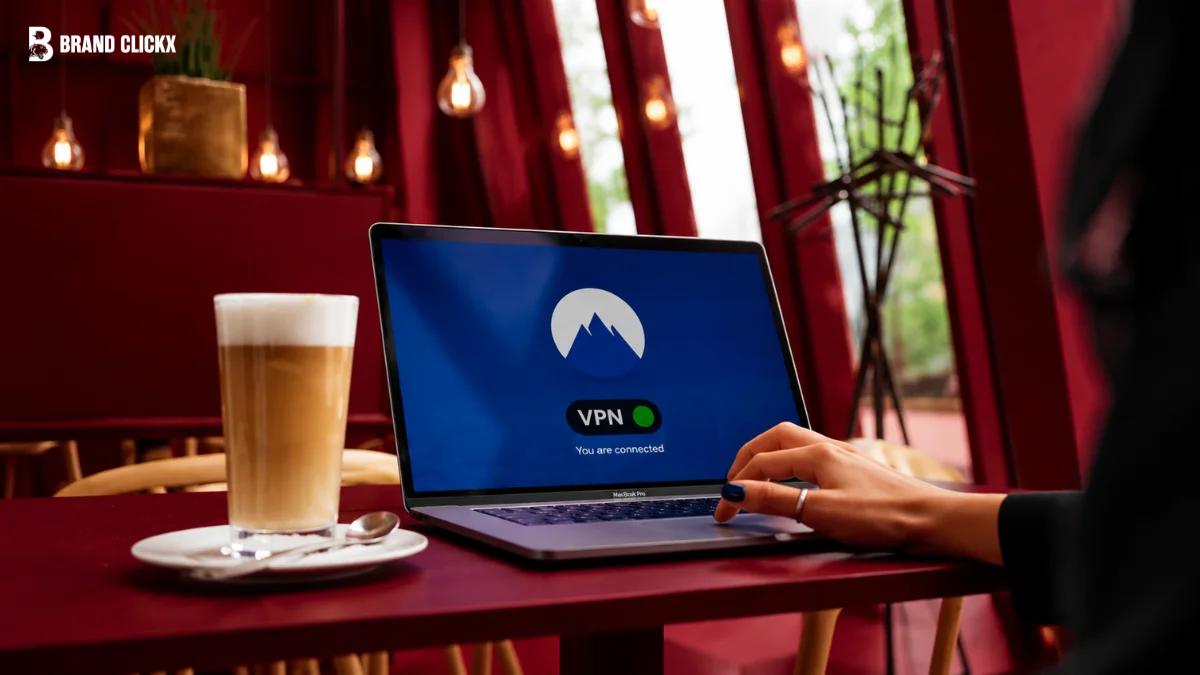
Every VPN provider promises privacy along with unrestricted access to the internet. Browsing a few websites will show you claims about advanced encryption or complete anonymity. Many of these features could be legitimate. But marketing makes it difficult to separate meaningful benefits from buzzwords.
In terms of choosing a VPN, it’s about figuring out what really impacts your online experience and how well a service suits your needs. A VPN should solve real problems, whether you work remotely or just want to keep your digital footprint to a minimum, and not create false expectations. So here’s what you need to focus on before you make your decision.
Start With Your Reason for Using a VPN
Not everyone uses a VPN for the same purpose. Some people want more privacy while browsing. Others may need secure access to work resources or protection when connecting to public networks. Travelers use VPNs to maintain access to familiar online services. Some others may want an extra layer of security when shopping or banking online.
Understanding your primary goal makes it easier to ignore features that sound impressive but may not matter to you. A person who mainly browses from home will have different priorities than someone who works from coffee shops every day.
Be Sceptical of Buzzwords
One common selling point is advanced encryption. Strong encryption is important but this phrase doesn’t automatically make one VPN better than another. Most established VPN providers use trusted encryption standards considered secure for everyday use.
Instead of focusing on marketing language, look at whether the provider follows current security standards with support for modern VPN protocols. Equally important is how the provider manages your connection to respond to newly discovered security issues through regular updates.
Test the Service Before Paying
Even a popular VPN may not perform the same way on every device or internet connection. Testing the software allows you to evaluate installation and ease of use. You can also see whether the interface feels intuitive and whether the locations you commonly connect to deliver acceptable performance.
If you’re considering CyberGhost, details on CyberGhost’s free trial are on their official page before deciding whether the service meets your requirements. Trying a VPN yourself provides more useful insight than reading dozens of feature comparisons.
Check the Privacy Policy
Many people install a VPN because they don’t want their online activities tracked. But privacy depends on more than encrypted traffic. Take time to review the company’s privacy policy. Ask the following questions.
- What information is collected?
- How long is it stored?
- Is browsing activity recorded?
- Has the provider explained its logging practices clearly?
A privacy policy usually explains what data is collected for operational purposes along with the information deliberately not retained. Documentation says more about a company’s commitment to privacy than any marketing slogan.
Look Beyond the Number of Servers
Another popular advertising metric is the size of the server network. Having servers in many countries offers flexibility but bigger isn’t always better. Instead of counting servers, consider the following factors.
- Server reliability
- Geographic coverage relevant to your needs
- Consistent performance
- Connection stability
Consistency is Critical
Every VPN introduces overhead because your traffic is encrypted before reaching its destination. What matters is how well the service maintains usable speeds during regular activities. If you frequently stream videos or transfer large files, consistent performance becomes more valuable than peak speed measurements shown in advertisements. Independent speed tests provide useful information but actual performance depends on your location and the server you choose.
Pay Attention to Security Features That Actually Help
Some features contribute directly to everyday security rather than simply adding items to a marketing checklist. Useful features may include the following.
- A kill switch that blocks internet traffic if the VPN disconnects unexpectedly.
- DNS leak protection for avoiding browsing request exposure.
- Protection against IPv6 leaks where supported.
- Automatic connection when joining unfamiliar WiFi networks.
These features work quietly in the background and can reduce the chances of accidentally exposing your data.
Consider Independent Audits
Trust is difficult to measure when evaluating software handling internet traffic. Reputable VPN providers now commission independent security audits to verify their privacy practices. An audit doesn’t guarantee perfection but provides validation that the company is willing to have its claims examined by experts. Look for transparency when comparing providers. It should be about audit reports rather than relying solely on promotional statements.
Build Better Privacy Habits
A VPN helps protect your online activity but it is only one part of staying safe. Your daily habits matter too. Update your apps and devices to fix security gaps. Use a different password for each account. A password manager can help you store and create passwords.
Turn on additional authentication for your accounts. It adds one more step before anyone can sign in. Even if someone gets your password, they cannot access your account without the second step. When you use these habits along with a VPN, you build stronger protection than relying on one tool alone.
Final Thoughts
The VPN market is crowded with several promises alongside promotional offers. These points can be helpful but they shouldn’t be the deciding factor. It is better to focus on privacy policies, performance, security features, audits, along with compatibility with your devices. Make use of trial periods to see how a service performs in your environment.
A VPN should earn your trust through performance rather than marketing. Evaluating providers based on usability instead of claims will help you choose a service that supports your online privacy goals.