Assess a luxury craft claim by matching each promise to a visible construction detail, a material specification or a traceable production record. A polished story about heritage or skilled artisans can add context, but it cannot prove how a specific item was made. Supply-chain traceability is the ability to follow a product’s origins through raw-material sourcing, processing, production, transportation and distribution.
That distinction matters when a high price and strong brand communication shape your expectations as a consumer. You can judge the claim more clearly by asking what evidence would support it, then looking for details that fit the exact product. A brand’s design history may be meaningful, but it does not answer every question about materials, methods or production.
Key Takeaways
- Write down the exact claim and the item it describes.
- Compare material and construction details with the product’s intended use.
- Ask which production stage each record verifies.
- Treat app results as one part of an authentication check.
- Match performance tests to the feature you care about.
Treat each claim as a question to verify, not as proof of quality.
How to Assess Craftsmanship Claims in Luxury Products
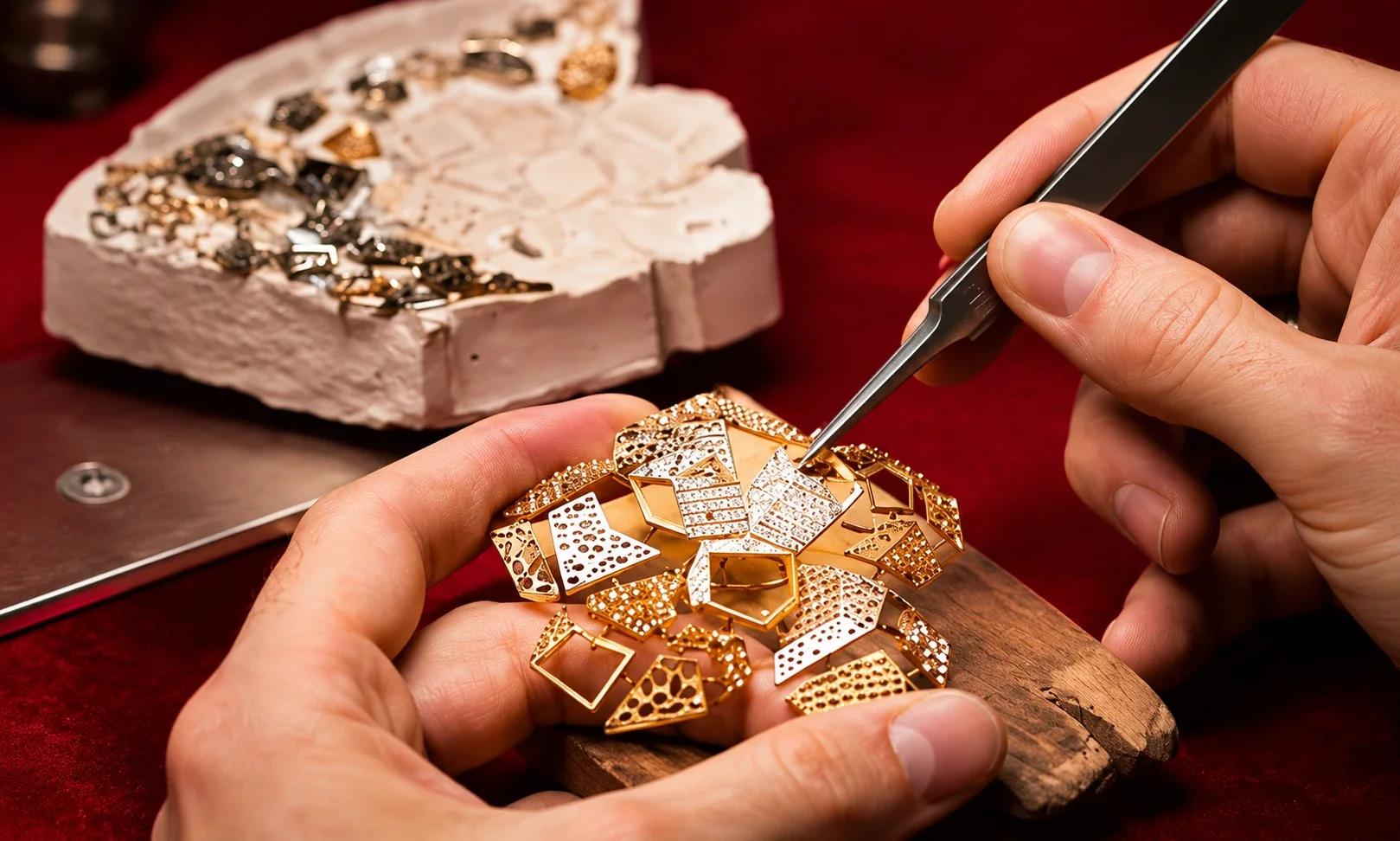
Start by writing down the exact words used for the specific item, including any origin language in its images and online listing. Exact wording matters because a claim can describe a whole product, one process, or only an assembly step.
Then identify what the brand says happened and where. An unqualified “Made in the USA” claim generally requires significant U.S. manufacturing, final assembly or processing there, and all or virtually all parts sourced domestically. Accurate qualified wording can describe imported content without meeting that standard.
Do not treat a patriotic slogan or product photo as a product-label-only issue; origin claims can appear in online wording, images and ads.
The FTC’s Made in USA Labeling Rule covers unqualified claims on product labels. On July 6, 2026, FTC warning letters addressed implied and explicit claims, including “Made in Texas” and “Built in America.”
- Capture the exact wording, including text in images.
- Name the specific item, color and model.
- Ask what process happened and where.
- Request details that support the wording.
- Compare the product page with other marketing.
A phrase such as “Assembled in USA using imported parts” clearly qualifies the claim. A maker can use accurate qualified wording without meeting the all-or-virtually-all domestic-content standard.
Use the online product image as a prompt to inspect what the seller shows, not as proof of origin. Compare the written details across the product page and other listings, since product information can appear in several places.
| Claim wording | What to verify | Claim type |
|---|---|---|
| Made in the USA | Domestic sourcing and significant U.S. work | Unqualified origin claim |
| Assembled in USA using imported parts | U.S. assembly and imported parts | Qualified origin claim |
| Made in Texas or Built in America | Whether wording implies U.S. origin | Possible implied claim |
Some brands repeat the same statement in social posts or marketplace listings. A broader look at brand communication across channels can help you spot wording that changes from one place to another.
If the wording leaves out imported content, ask the brand to clarify the claim before relying on it.
Which Material and Construction Details Matter?
A material name is only a starting point, so compare its texture and structure with the way the item is meant to be used. Fit for use matters more than a prestige label by itself.
Check how a bag, shoe or jacket will face wear at its stress points. Compare like materials and similar product types, rather than treating one label as a universal quality ranking.
Materials need category-specific checks
Full-grain leather retains its grain, while corrected-grain leather has been sanded or otherwise corrected. Those terms describe surface treatment, not a complete score of quality.
Leather has no official grading scale. Tanneries often use their own systems, which may rank hides by cosmetic marks.
The FTC’s leather product guides address how sellers describe leather and imitation leather. Read the material description closely when a product combines leather with other materials.
Compare the same kind of leather across similar goods, then consider thickness, feel and intended use. A smooth finish may suit a formal bag, while a softer surface may work better for a relaxed jacket.
The quality of a particular bag depends on its materials and build, not its brand name alone. A zipper, clasp or strap attachment can also matter more than a decorative detail.
Construction reveals finishing and consistency
Look for stitching that stays even along a seam, with no sudden gaps or loose ends. Check that seams meet cleanly and edges feel smooth rather than rough or peeling.
Pattern alignment can reveal care on a printed or checked item. Compare both sides and the points where fabric or leather panels meet.
Hardware should sit securely and move as intended. A clasp that twists or a zipper that catches deserves attention, though no single flaw proves an item is fake.
Luxury brands may use different techniques for different designs. Hermès stated in 2022 that making a bag takes 15 hours, but that brand-specific time is not a standard for other makers.
Clear close-ups help you judge a finish. These product photography tips show why detail shots and more than one angle can make seams and texture easier to assess.
Photograph the same seam or finish from more than one angle so you can compare details across the item.
What Can Supply-Chain Records Prove?
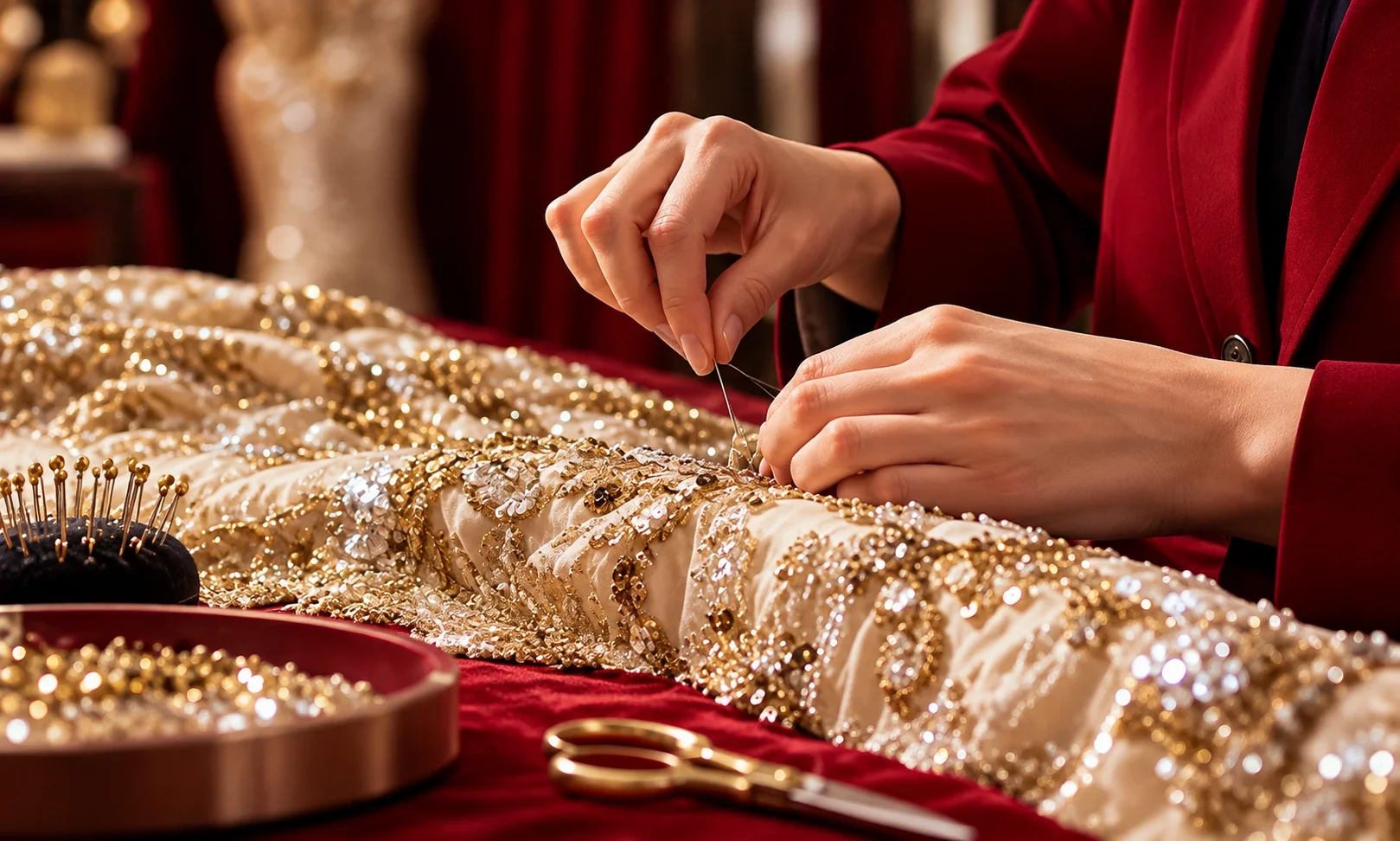
A useful traceability record connects the named material to the places and processes it passed through. Connected records can show a product’s path, but they do not alone prove fair labor conditions.
A fashion supply-chain map can cover raw-material origins, processing, production, transportation and distribution. Each record should name the stage it documents, rather than simply list a supplier.
Map every production stage
Start with the raw material, such as leather, cotton or metal, then follow it through processing and manufacturing. The map may name farms, tanneries, mills, factories, carriers and sellers.
That path can span many businesses. A record that names a factory does not show where the material came from or how it was processed.
Some luxury brands discuss transparency as part of their wider marketing and sourcing practices. A broad message about responsible fashion still needs details tied to the product you are considering.
Check what each record verifies
Supplier audits and inspections can document a facility and help assess supplier practices. Facility verification can confirm where a process takes place, while digital records can connect entries across stages.
Ask whether a map covers the specific material in your item or only the brand’s general supplier network. A list of named suppliers is not the same as proof that a particular product used them.
The OECD Due Diligence Guidance for Responsible Supply Chains in the Garment and Footwear Sector offers a named framework for sector-level due diligence. It helps describe how businesses can assess risks, but a framework is not a product-level record.
Check dates and product details on documents, especially when a brand shares a facility record without naming the item. A supplier may make many goods for different customers.
Ask which specific stage each document verifies before treating a paper trail as complete.
How Can You Authenticate a Luxury Item?
A credible authentication check looks at several parts of an item and tests whether they agree with one another. Several clues offer a stronger review than one logo or serial number.
A specialist can compare packaging, model existence, shape, materials, construction, branding, hardware, markings and paperwork. The whole item matters because one correct detail cannot confirm its full history.
Human specialists inspect the whole item
An authenticator may check stitching, engravings, logos, serial numbers and other authenticity marks. They can also compare the item with known details for that model.
StockX authenticators check more than 50 touch points per product. Vestiaire Collective trains each authentication candidate for at least three months, then supervises them for seven months before independent work.
The RealReal requires fine-jewelry authenticators to hold a GRA certificate. Its watch specialists must be certified horologists.
These are examples of different human review processes, not endorsements. Ask what the service checks and whether it reviews the item itself or only photos.
A 2023 study of luxury authentication found that consumers and experts know visual inspection and serial-number checks. It also found both groups generally prefer digital methods, though its consumer survey included German-speaking participants.
The luxury authentication study describes common methods and concerns. Its findings do not decide whether one specific bag, watch or pair of shoes is genuine.
Image models screen photos, not product histories
Image-screening tools can flag details in submitted photos, but they cannot establish where an item came from. Photo quality and which parts of the item appear can affect a model’s result.
A 2024 key-area-guided counterfeit-detection model reported 98.8% accuracy in its standard result. After an 80% sample reduction, its reported accuracy fell to 92.1%.
A 2024 smartphone-image counterfeit-detection study reported 99.71% accuracy, with 3.06% rejections. Those results describe study tests, not a guarantee for your item.
Consider an app result alongside a specialist review and the item’s records. A blurry photo or missing view can leave key parts untested.
| Image-screening method | Reported accuracy | Condition |
|---|---|---|
| Key-area-guided model | 98.8% | Standard reported result |
| Key-area-guided model | 92.1% | 80% sample reduction |
| Smartphone-image model | 99.71% | 3.06% rejections |
Keep the item’s purchase documentation and any authentication paperwork together so they can be reviewed as a set.
What Evidence Shows a Product Will Hold Up?
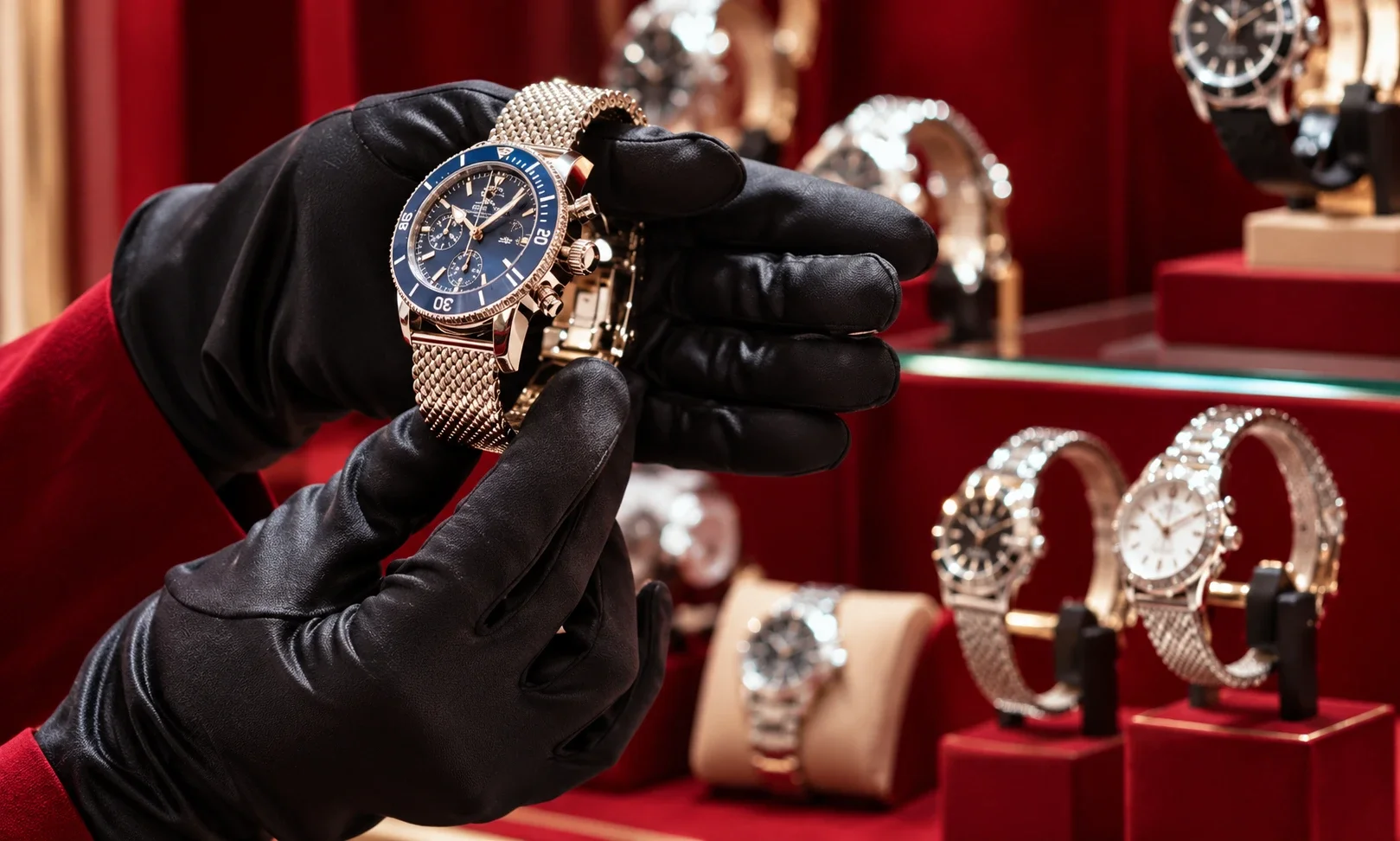
For a watch, a named timekeeping standard provides more specific evidence than a broad promise of precision. Test conditions tell you what a result covers and what it leaves out.
A COSC-certified chronometer movement is tested for 15 days in five positions and at three temperatures. Its standard average daily rate tolerance is -4 to +6 seconds per day.
A test result supports only the feature and conditions it measures, not every part of a product’s quality or durability.
The standard COSC timekeeping test measures a movement, not a complete watch. COSC Excellence Chronometer certification adds five days of testing for complete watches after their movements pass standard certification.
Excellence Chronometer watches must have an average daily rate between -2 and +4 seconds per day. The test also uses a 200-gauss magnetic field and checks the watch’s stated power reserve.
Those tests can help you judge timekeeping and magnetic exposure. They do not prove a watch will resist every impact, water leak or service issue.
Use these four questions for any performance claim:
- What feature or part does the test measure?
- Under what conditions does the test run?
- What threshold counts as a pass?
- What does the test leave out?
Relate a claimed benefit to your own use. A person near strong magnets may care about magnetic testing, while another buyer may focus on timekeeping.
Match the test to the feature you care about, such as daily timekeeping, magnetic exposure or stated power reserve.
Conclusion
The most convincing craft claim is one you can connect to a detail on the item or a record of how it was made. When the wording, physical evidence and available records agree, you have a better reason to trust the claim.
That does not mean every product needs a long paper trail or a lab test. The useful evidence depends on what the brand promises and what matters in your own use.
Your next step is simple: request the specific material or production detail behind the claim, then compare it with the item in hand. Before buying, send the seller one precise question about the claim you care about and keep the answer with your purchase records.