Key Takeaways
- Scarves weren’t ever really about fashion at the start. People wore them to keep the sun off their neck, that’s it, and somehow that grew into an entire global tradition over a few thousand years.
- Mostly it’s just weather and whether you want it soft or holding its shape.
- I’ve seen one pin leave a visible hole in a scarf someone’s grandmother wore for decades. Wrap the point in tape or a scrap of felt first, takes ten seconds.
- Hangers stretch silk out over time, so skip them. Roll the scarf in cotton cloth instead.
- It goes with pretty much whatever’s already in your closet, honestly.
How the Dupatta Traveled From South Asia to the World
Throw it over your shoulder, done. That’s basically it, and it’s been that way for hundreds of years now. Started in Mumbai markets, somehow ended up walking down a runway in Milan. Nobody saw that coming, least of all whoever wove the first one.
Some wear it because it’s home, in a way. Others just want a plain kurta to look like more effort went into it. Both fine reasons, no judgment either way. What follows is the practical stuff: picking one, wearing it right, keeping it in shape for years.
History and Roots
Thousands of years back, someone in the Indus Valley worked out that one piece of cloth, draped over the shoulders, could do double duty. Shade for the head, a bit of polish to the outfit. Not bad for something that simple. That basic idea stuck around far longer than anyone probably expected. Over the centuries, it worked its way into daily life across South Asia, until it wasn’t just practical anymore; it was just what people wore.
Later on, royal weavers turned plain cotton into rare luxury items. Workers in royal rooms used real gold wire, pearls, and silver ribbons to decorate fine silk. These rich pieces showed wealth and high status. Traders carried the pattern along their routes, into Persia, Central Asia, and eventually across Europe, picking up little variations wherever it landed.
You can still walk into homes across the US, Canada, the UK, and Europe today and find it there, worn with the same pride it always carried. Weddings, holiday parties, just an ordinary family dinner- it shows up for all of it, no occasion too small. Somewhere along the way it stopped being just fabric. Now it’s family history folded into cloth, a bit of pride, generations of care nobody ever really sat down and explained; you just grew up understanding it.
A Simple Fabric Guide
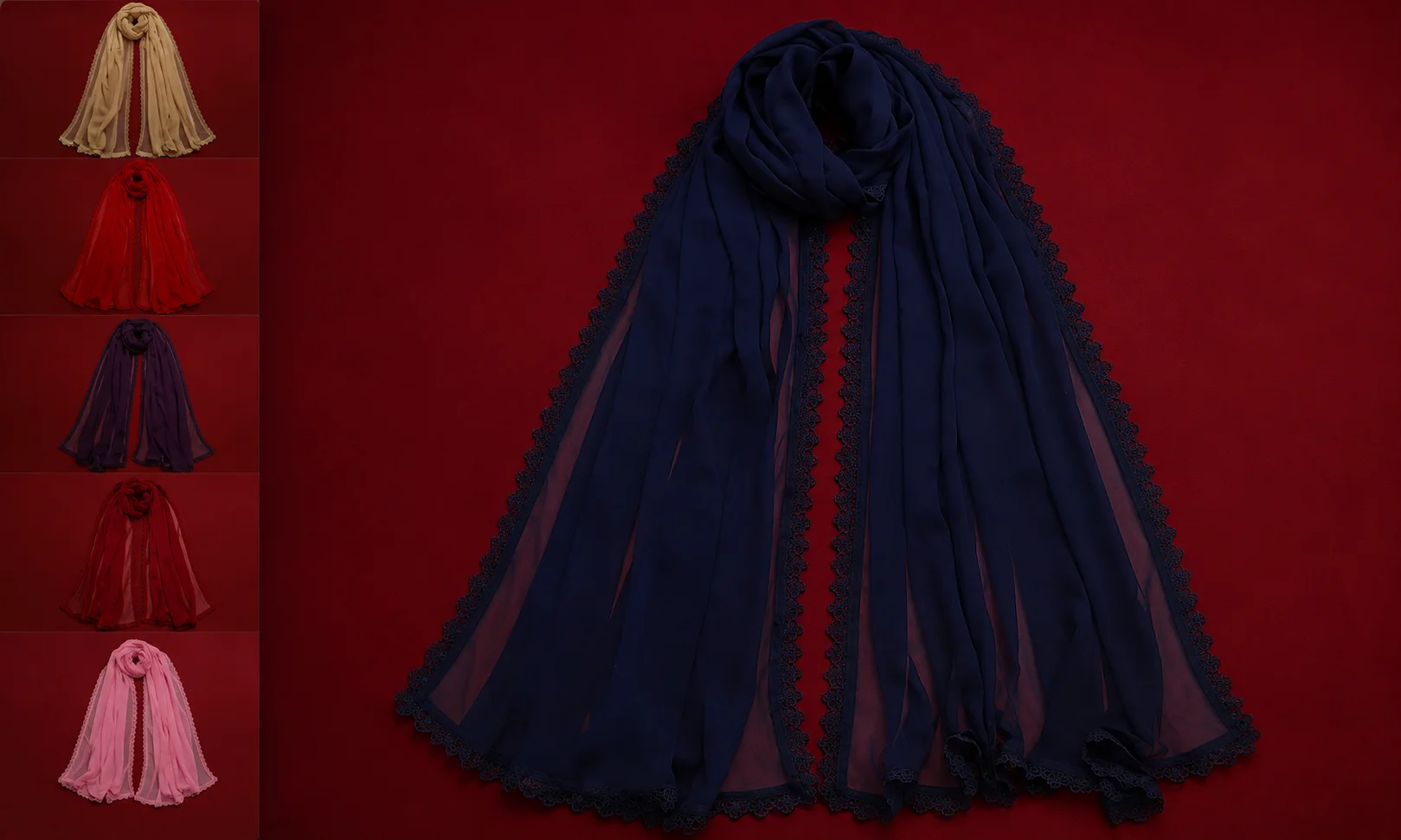
Most people don’t think twice about the fabric until it’s too late. But that choice is the whole game, honestly. It’s what decides whether you’re still comfortable in that dupatta five hours into a wedding, or fighting with it all night, tugging it back into place every ten minutes.
| Occasion | Fabrics to Reach For |
|---|---|
| Casual / Summer | Cotton, Chiffon |
| Parties / Galas | Organza, Georgette |
| Weddings / Festivals | Silk, Velvet |
Cotton and Lawn
It’s light, it’s soft, and it actually breathes, which is all you really want once the heat stops letting up. Sweat doesn’t sit on it the way it does with some fabrics, and honestly, that’s probably the real reason so many working women just default to cotton without thinking twice. Small detail, but it matters too: cotton stays put on your shoulder instead of sliding off every five minutes.
Chiffon
Chiffon’s light, almost weightless, moves when you move instead of just sitting there. Wrap it round your neck, and it falls into place on its own, barely any work needed. The one problem, it’s a bit too slippery and keeps sliding off hair, so grab a small pin if that’s how you’re wearing it.
Georgette
Georgette’s heavier than chiffon, a bit rougher too. Not a bad thing though. That extra weight is exactly why it holds up to embroidery or mirror work without the thread ripping straight through.
Organza
Organza sits stiffer than the others, thin but with a subtle shine that catches the light It holds a firm shape around your shoulders, which works well for big parties. Because it stays stiff, it will not drop flat against your back.
Silk and Banarasi
Pure silk, Kanjeevaram, and Banarasi weaves are thick, rich cloths made with shiny metal threads. Weavers spend weeks making one piece on old handlooms. You’ll find these fabrics show up a lot at winter weddings and formal dinners, and it’s easy to see why.
Velvet
Velvet’s got that warmth built right in, perfect for the cold winter nights. And with its soft texture and those deep, rich shades, it gives suits, dresses, and skirts a look that feels genuinely luxe.
| Fabric | Weight & Texture | Good Season | How to Wear It |
| Cotton | Soft, light, cool | Hot summer days | Neck loop or casual shoulder toss |
| Chiffon | Smooth, thin, light | Spring and summer | Open front spread over both arms |
| Georgette | Firm, slightly rough | All year round | Single pin on one shoulder |
| Organza | Stiff, crisp, shiny | Party nights | Wide open back spread |
| Banarasi Silk | Heavy, dense pattern | Fall and winter | Neat front folds held with a belt |
| Velvet | Thick, soft, heavy | Cold winter nights | Folded over one arm like a shawl |
Popular Embroidery Styles
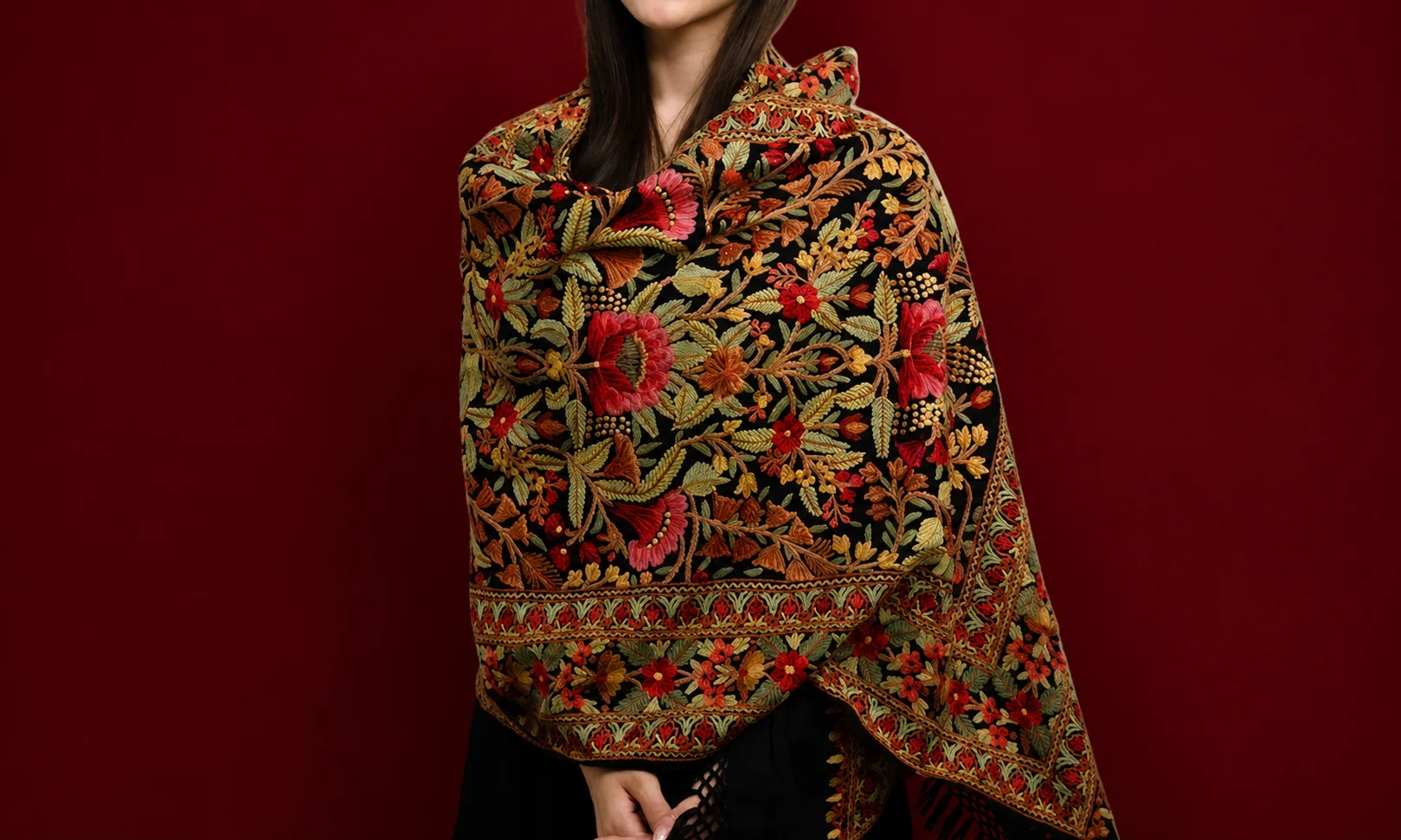
Every region figured out its own way of making plain cloth worth keeping.
Phulkari, from Punjab. You’ll spot it instantly once you’ve seen one. Women work bright silk thread into bold, blocky shapes across heavy cotton, no subtlety to it at all. The name literally means flower work, and one look at a finished piece tells you why.
Chikankari goes the opposite direction, out of Lucknow. Quiet, almost easy to miss at first glance. White thread, hand-stitched into cotton or chiffon, tracing plant patterns so fine you sometimes have to tilt the fabric toward the light just to catch them.
Then there’s Rajasthan, which does its own thing again with gota patti. Artisans cut gold and silver ribbon into tiny leaf shapes and stitch them right along the fabric’s edge. No beads involved at all, just metal and thread, and somehow that’s enough to make even a plain garment catch the light.
Then there’s kantha, out of Bengal, which starts from something almost the opposite of luxury. Women take old, worn layers of cloth and stitch them together with plain running stitches, and somehow the result comes out soft, layered, and quietly beautiful.
Up in Kashmir, the craft isn’t really about stitching at all. Pashmina weavers work with impossibly soft goat hair, turning it into shawls that are warm enough for winter but light enough to barely feel, often finished off with a neat paisley print.
And in Gujarat, mirror work takes a completely different approach: small glass mirrors sewn directly into the fabric using loops of thread, so the whole piece catches and throws back light whenever it moves.
How to Pin Heavy Fabrics Without Ripping
Heavy metal borders can pull on soft dresses or slide off smooth hair. Follow these quick steps to keep your drape tight all day.
Step 1: Cover Pin Tip (Use felt or clear tape) │ ▼ Step 2: Find Dress Shoulder Seam │ ▼ Step 3: Make Folds (2 inches wide) │ ▼ Step 4: Pin From Inside Dress │ ▼ Step 5: Lay Scarf Over Arm Cover your pins: Wrap a tiny scrap of soft felt or clear tape around the bottom pin loop. This keeps thin threads from snagging on the metal.
Find the shoulder seam: Place your scarf right over the main top seam of your shirt so the weight balances out.
Fold the top edge: Gather the top border into small two-inch folds. This spreads the heavy weight across your shoulder.
Pin from inside: Push the pin through the inner lining of your dress first, then catch the underside of the scarf border. This tucks the pin away completely.
Use a hair clip: If you’re wearing the scarf over your head, sew a small hair clip along the inner edge; it’ll grip your hair just enough to keep everything in place without pulling.
Easy Ways to Wear It with Western Clothes
You don’t have to save a traditional scarf for traditional outfits. It works with pretty much whatever’s already in your closet; here are a few ways to make that happen.
Keep it traditional
The obvious pairing, but it still works: drape it over a lehenga or suit the way it’s meant to be worn.
Cinch it with a belt
Throw a belt over the scarf at your waist, and suddenly the whole look feels intentional instead of like you just wrapped fabric around yourself.
Toss it on with jeans
A plain shirt or jacket, jeans, and the scarf draped over one shoulder- that’s it. Effortless, and it doesn’t try too hard.
Wear it like a cape
Drop it over both shoulders and let it hang loose. Instant polish for anything that needs to look a little more put together.
The Belted Look
Drape the scarf over your shoulder and pull the ends down to your waist. Tighten a thin leather or metal belt over your waist to trap the fabric. This keeps your hands free and looks super sharp.
The Casual Jeans Style
Throw a bright silk scarf over a plain white shirt and blue denim jeans. The mix of traditional threadwork with plain clothes makes a cool, everyday look.
The Jacket Layer
Drape a thin organza wrap over a dark coat or black jumpsuit. This adds soft color and motion to your dress coat without looking too old-fashioned.
The Modern Bridal Cape
Many brides now hook their rich veils onto the top shoulders of their gowns with small snaps. The scarf trails behind you like a cape, so you’re not stuck holding a big bunch of fabric for every photo.
Fabric Care and Washing Tips
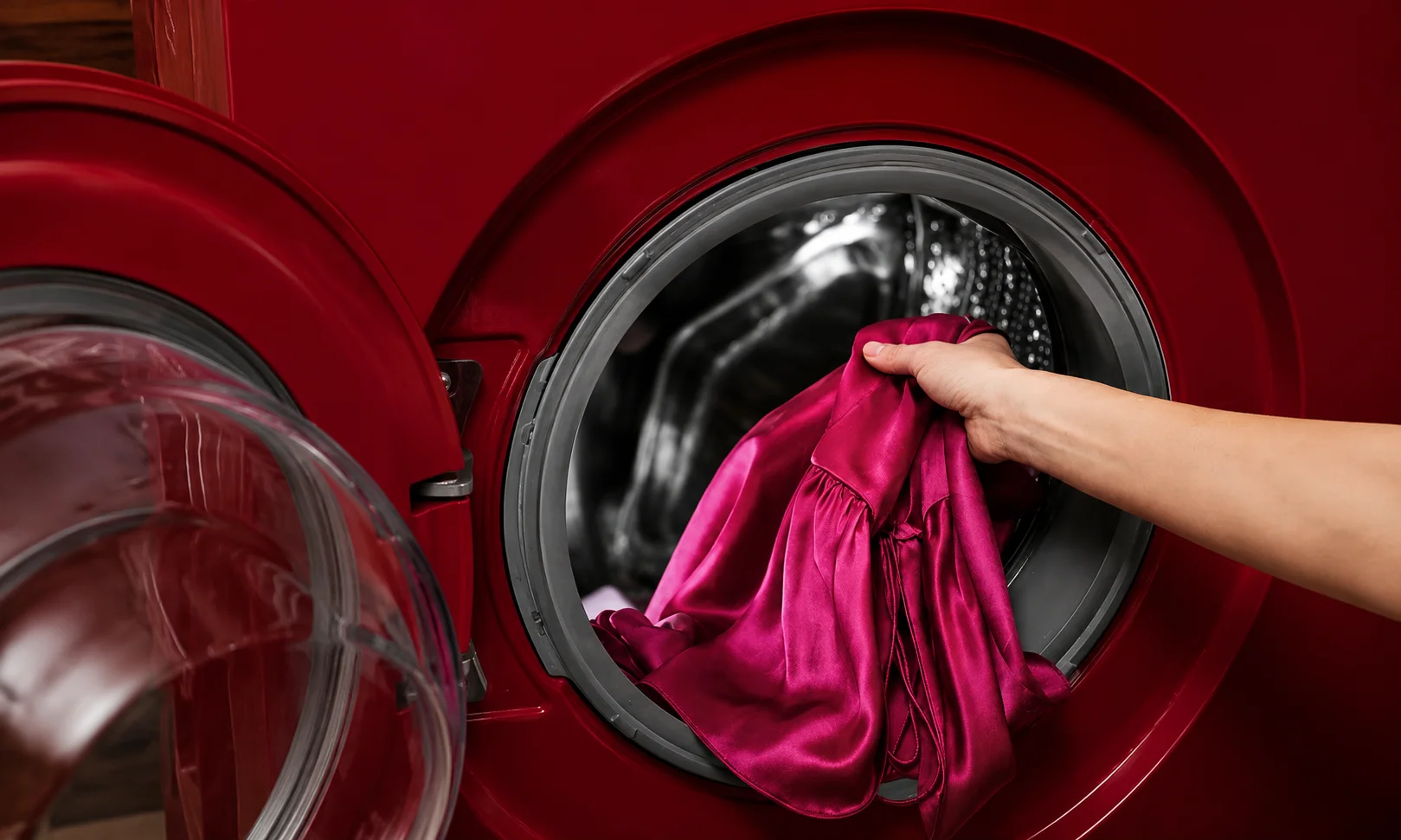
Treat these right, and they’ll hold their color and softness for years. Get lazy about it, and you’ll notice the difference fast.
Washing
Silk, velvet, organza, anything with metal thread woven in- just take those to the dry cleaner. Not worth the risk at home. Plain cotton and chiffon can handle a hand wash though: cold water, a small drop of gentle liquid soap, nothing fancy. One rule no matter what: never twist or wring the fabric to get water out. That’s how threads snap.
Storage
Hooks feel like the obvious spot for a silk scarf, but over time that hanging weight stretches the fabric out. Roll them up in clean cotton sheets instead. Same goes for plastic bags, skip those too, since trapped air tends to yellow lighter fabrics the longer they sit sealed up. Worried about bugs getting into storage? Toss in a few cedar blocks. Does the job, and you won’t end up with that mothball smell everywhere.
Ironing
Turn delicate fabrics inside out before ironing, and stick to warm heat, not high. Got metal thread anywhere on the piece? Lay a thin cotton cloth over it first so the iron doesn’t melt it. Organza and chiffon are better off with a steam wand than a flat iron plate anyway, gentler on the fabric, and it gets the wrinkles out just as well.
Conclusion
Cloth doesn’t get more honest than this: cotton for the days you’re just running around, organza when you want people to think you tried harder than you did, silk for the one day it actually needs to hold up under pressure. Doesn’t matter which one you pick though; none of them age well without a bit of care.
Get the pinning right, wash it the way it actually needs washing, and you’re looking at years of wear out of it, not just one good season before it falls apart. That’s really all this comes down to. Pick well, treat it right, and it’ll outlast the outfit you bought it for.
FAQS
What is the normal length for a formal scarf?
A formal scarf is usually around 2.5 meters long. This gives you enough fabric to wear it over your head, across your shoulders, or draped around your neck without the ends touching the ground.
What’s the best way to clean a cotton scarf at home?
First, soak the scarf in cold water with a small amount of mild liquid soap for about 10 minutes. Then rinse it with cold water. Gently squeeze out the water instead of twisting the scarf, as twisting can damage the fabric. Finally, lay it flat in the shade and let it dry naturally.
Can men wear decorated traditional scarves?
Yes, of course. Men can wear traditional and decorated scarves too. They are often worn with formal coats or traditional outfits at weddings, cultural events, and other special occasions.