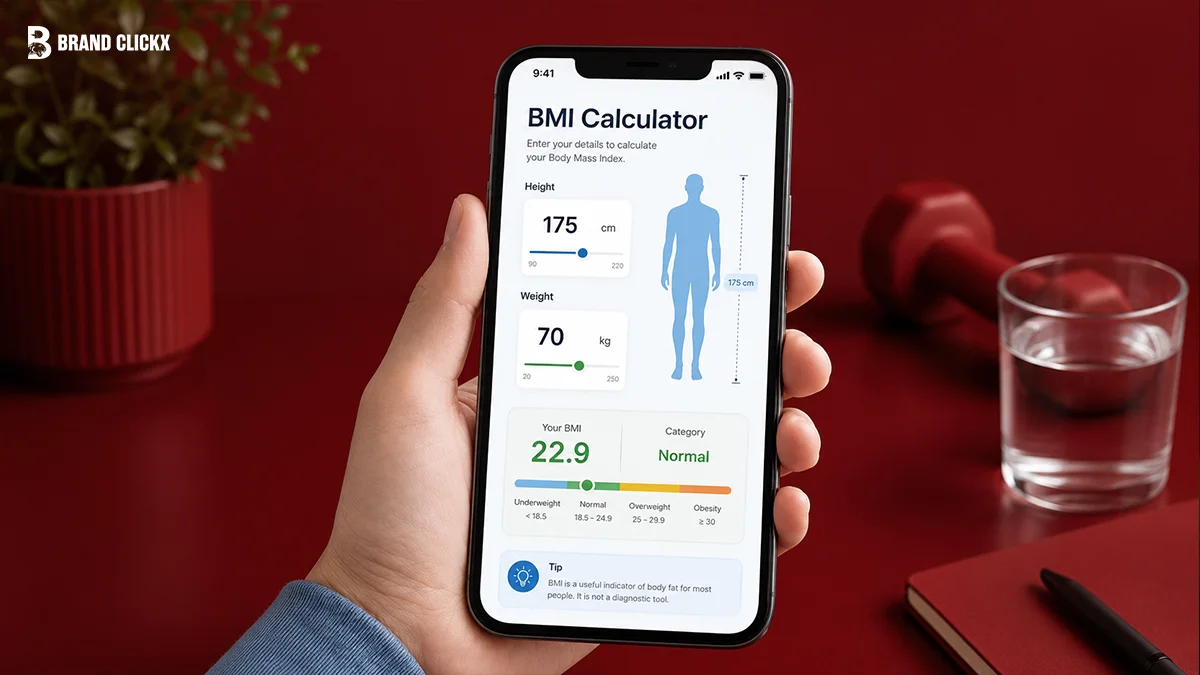
Have you ever stepped on a scale and wondered, “Is this weight actually healthy for my height?” That simple question has led millions of people to use a BMI Calculator as a quick way to understand their weight status.
A BMI calculator gives you an instant estimate of whether you’re underweight, at a healthy weight, overweight, or living with obesity. It’s fast, free, and widely used by healthcare professionals, but it isn’t the whole picture.
Today, experts recommend using BMI alongside measurements like waist circumference and body fat percentage for a more accurate health assessment.
In this guide, you’ll quickly learn how a BMI Calculator works, how to calculate your Body Mass Index, what your BMI score means, when it may be inaccurate, and the practical steps you should take after getting your result.
AI Overview
A BMI Calculator estimates your body weight relative to your height using a simple mathematical formula. It helps classify adults as underweight, healthy weight, overweight, or obese.
While BMI is one of the world’s most common screening tools, it doesn’t directly measure body fat, so healthcare professionals often combine it with other health measurements.
Key Takeaways
- BMI is a quick screening tool, not a medical diagnosis.
- A healthy adult BMI is generally 18.5–24.9.
- BMI uses only your height and weight.
- Athletes and muscular people may have misleading BMI results.
- Waist-to-height ratio and body fat percentage can provide a clearer health picture.
- Your BMI result should be the starting point for better health decisions, not the final answer.
What is a BMI Calculator?
A BMI Calculator is a tool that calculates your Body Mass Index using your height and weight. It helps estimate whether your weight falls into the underweight, healthy, overweight, or obese category and is widely used as an initial health screening tool rather than a complete measure of overall health.
Calculate Your BMI
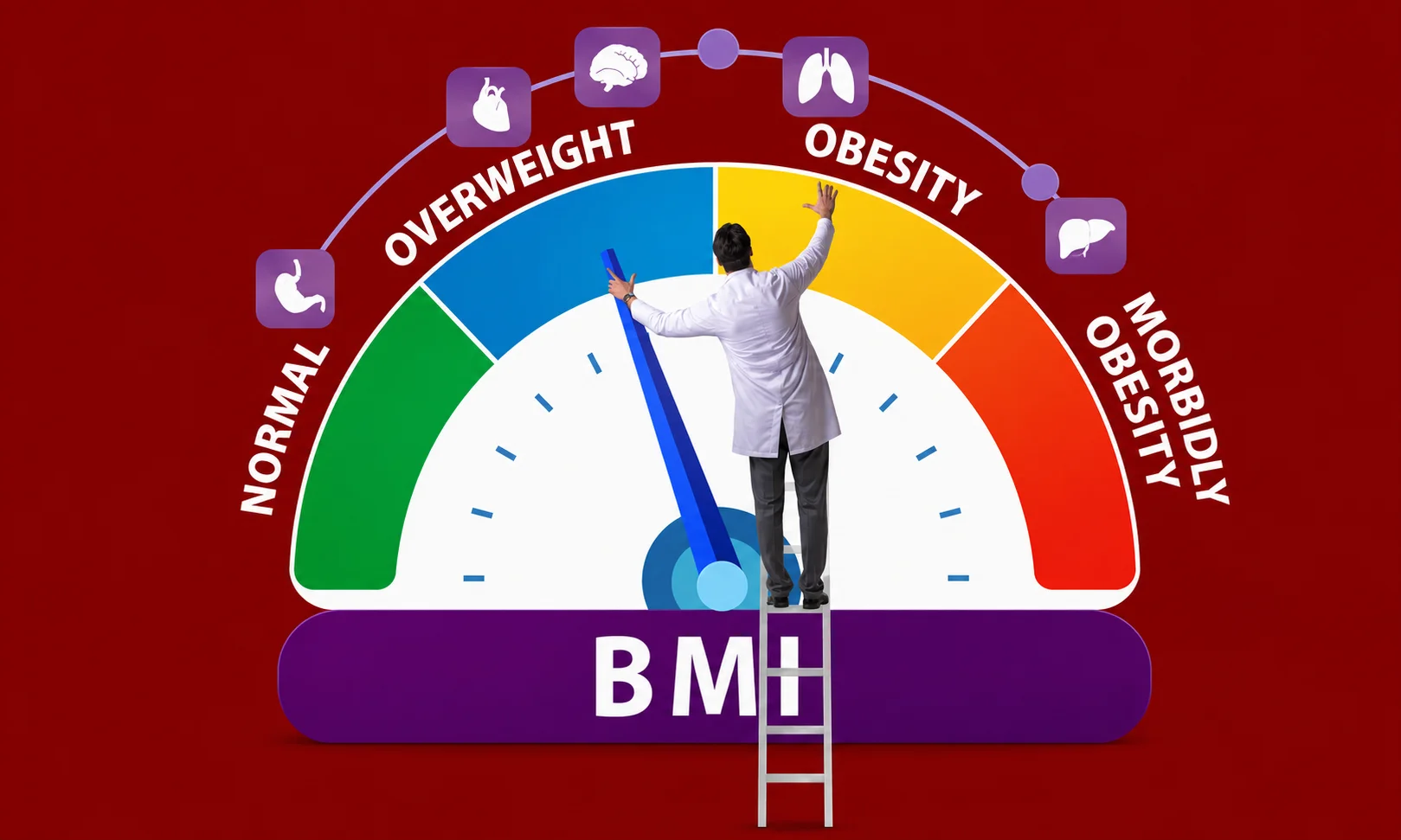
A BMI Calculator uses your height and weight to estimate your Body Mass Index (BMI). The result helps you understand whether your weight falls within a healthy range.
BMI Formula
Metric Formula
BMI = Weight (kg) ÷ Height (m)²
Imperial Formula
BMI = (Weight (lb) × 703) ÷ Height (in)²
Adult BMI Categories
| BMI Range | Weight Category |
| Below 18.5 | Underweight |
| 18.5–24.9 | Healthy Weight |
| 25.0–29.9 | Overweight |
| 30.0 and above | Obesity |
These categories are recommended by the World Health Organization (WHO) and widely used by the CDC for adults.
What Does Your BMI Result Mean?
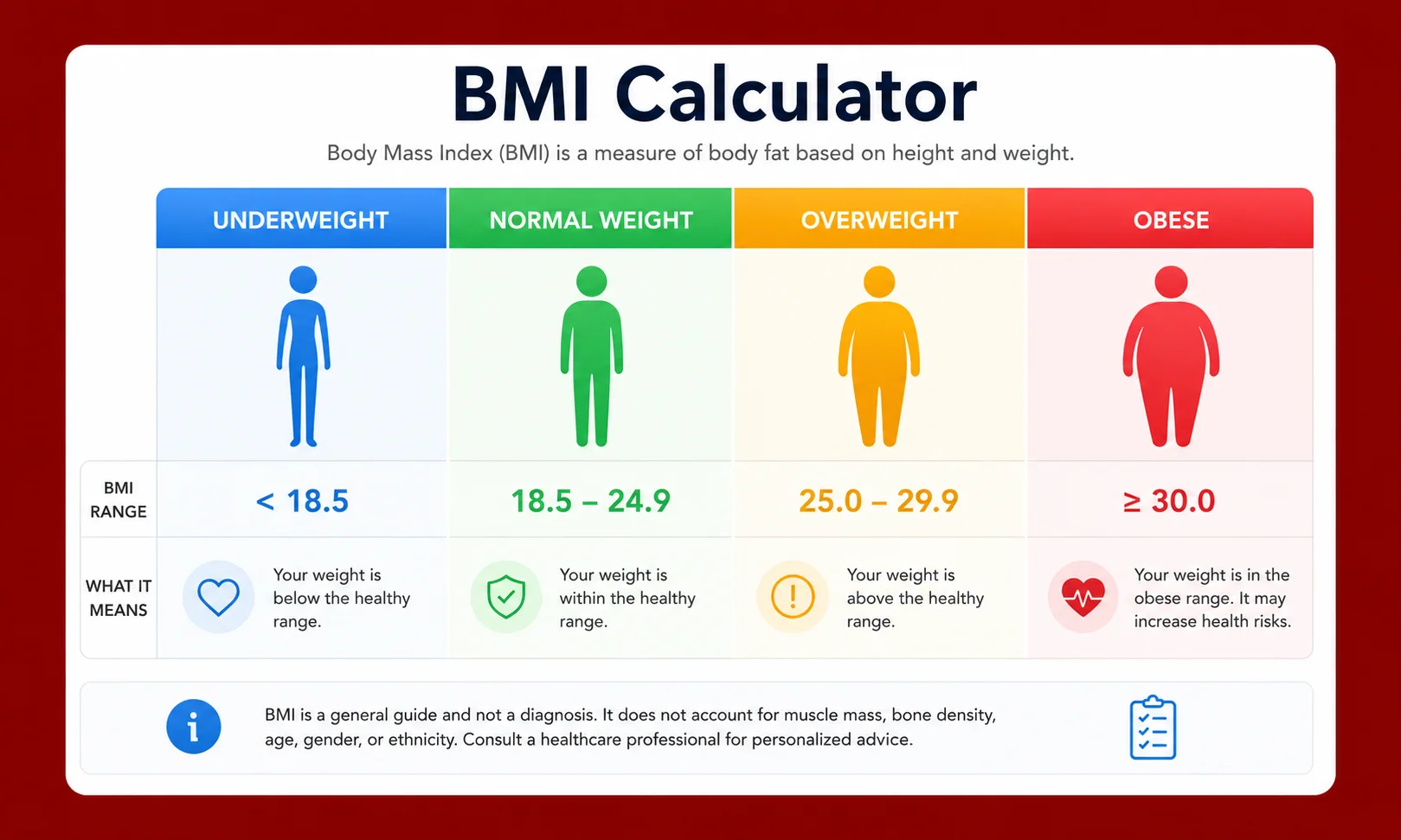
Your BMI score is a screening tool, not a diagnosis. It gives you a starting point to understand your weight and whether you may benefit from further health assessment.
Underweight (Below 18.5)
Being underweight may increase the risk of nutrient deficiencies, reduced immunity, and bone health problems. If your BMI falls in this range, consider discussing it with a healthcare professional.
Healthy Weight (18.5–24.9)
A healthy BMI is generally linked to a lower risk of weight-related diseases. Maintaining a balanced diet, regular exercise, and routine health checkups can help keep you in this range.
Overweight (25.0–29.9)
An overweight BMI may increase the risk of conditions such as high blood pressure and type 2 diabetes. Small, sustainable lifestyle changes often have the greatest long-term impact.
Obesity (30.0 and Above)
Obesity is associated with a higher risk of heart disease, diabetes, sleep apnea, and other chronic conditions. BMI alone doesn’t confirm these conditions, but it signals that a more complete health assessment may be helpful.
Is BMI Accurate?
A BMI Calculator is one of the easiest ways to assess weight, but it doesn’t measure body fat directly. That’s why health organizations recommend using BMI as a screening tool, not a final diagnosis.
When BMI Works Well
BMI is useful for most adults because it’s:
- Quick and free to calculate
- Easy to compare across populations
- Widely used by healthcare providers
- Helpful for identifying potential weight-related health risks
When BMI Can Be Misleading
BMI doesn’t tell the difference between fat and muscle. A muscular athlete may have a high BMI but low body fat, while someone with a normal BMI can still carry excess body fat.
It may also be less accurate for:
- Athletes and bodybuilders
- Older adults with reduced muscle mass
- Pregnant women
- Children and teenagers, who require age- and sex-specific BMI percentiles
BMI vs Other Health Measurements
BMI is a good starting point, but combining it with other measurements gives a clearer picture of your health.
| Measurement | Best For | Limitation |
| BMI | General weight screening | Doesn’t measure body fat |
| Body Fat % | Body composition | Requires specialized equipment or devices |
| Waist Circumference | Belly fat risk | Doesn’t consider height |
| Waist-to-Height Ratio | Overall health screening | Requires accurate waist measurement |
Recent guidance from NICE (UK) recommends keeping your waist measurement to less than half of your height, alongside using BMI for a better assessment of health risk.
What Should You Do After Getting Your BMI?
Your BMI result is a starting point. The next step depends on your category.
- Underweight: Focus on nutritious foods and speak with a healthcare professional if needed.
- Healthy Weight: Continue balanced eating and regular physical activity.
- Overweight: Aim for gradual lifestyle changes through healthier eating and exercise.
- Obesity: Consult a healthcare provider for a comprehensive assessment and a personalized weight-management plan.
Healthy decisions shouldn’t rely on BMI alone. Waist measurements, body fat percentage, medical history, and lifestyle all help build a more accurate picture of your health.
Common BMI Mistakes to Avoid
A BMI Calculator is useful only when you use it correctly. These common mistakes can lead to misleading results.
Using Incorrect Height or Weight
Even a small error in your height or weight can change your BMI category. Always use your most recent measurements.
Assuming BMI Measures Body Fat
BMI estimates weight based on height. It cannot tell how much of your weight comes from fat, muscle, or bone.
Ignoring Ethnicity and Body Type
Health risks don’t begin at the same BMI for everyone. Recent clinical guidance recommends considering race- and ethnicity-specific BMI thresholds alongside other health measures.
Relying on BMI Alone
BMI should be combined with other measurements, such as waist circumference or waist-to-height ratio, for a more complete health assessment.
When Should You Talk to a Healthcare Professional?
Consider seeking medical advice if:
- Your BMI is below 18.5 or above 30.
- You have high blood pressure, diabetes, or heart disease.
- Your waist size continues to increase despite a normal BMI.
- You’re pregnant, an older adult, or a competitive athlete.
- You’re unsure how to improve your weight safely.
A healthcare professional can assess your BMI together with your medical history, body composition, and lifestyle to provide personalized guidance.
Conclusion
That simple question, “Is my weight healthy for my height?”, is exactly why millions of people use a BMI Calculator every day.
BMI offers a fast and reliable starting point for understanding your weight, but it isn’t the complete picture. Pair your BMI with measurements like waist circumference, body fat percentage, healthy eating, and regular physical activity for a more accurate view of your overall health.
The best health decisions come from looking beyond a single number and focusing on long-term healthy habits.
Frequently Asked Questions
What is a BMI calculator?
A BMI Calculator estimates your Body Mass Index using your height and weight. It helps identify whether your weight is underweight, healthy, overweight, or obese, but it should be used as a screening tool rather than a diagnosis.
How do you calculate BMI?
For metric units, divide your weight in kilograms by your height in meters squared. For imperial units, multiply your weight in pounds by 703 and divide by your height in inches squared.
What is a healthy BMI?
For most adults, a healthy BMI ranges from 18.5 to 24.9 according to WHO and CDC classifications.
Is BMI accurate?
BMI is accurate for general population screening but doesn’t directly measure body fat. For a better picture of your health, use it alongside waist measurements or body fat assessment.
Can athletes have a high BMI?
Yes. Because muscle weighs more than fat, athletes can have a high BMI while maintaining a healthy body fat percentage.
Does age affect BMI?
Yes. Older adults often lose muscle mass with age, so the same BMI may represent a higher body fat percentage than it does in younger adults.