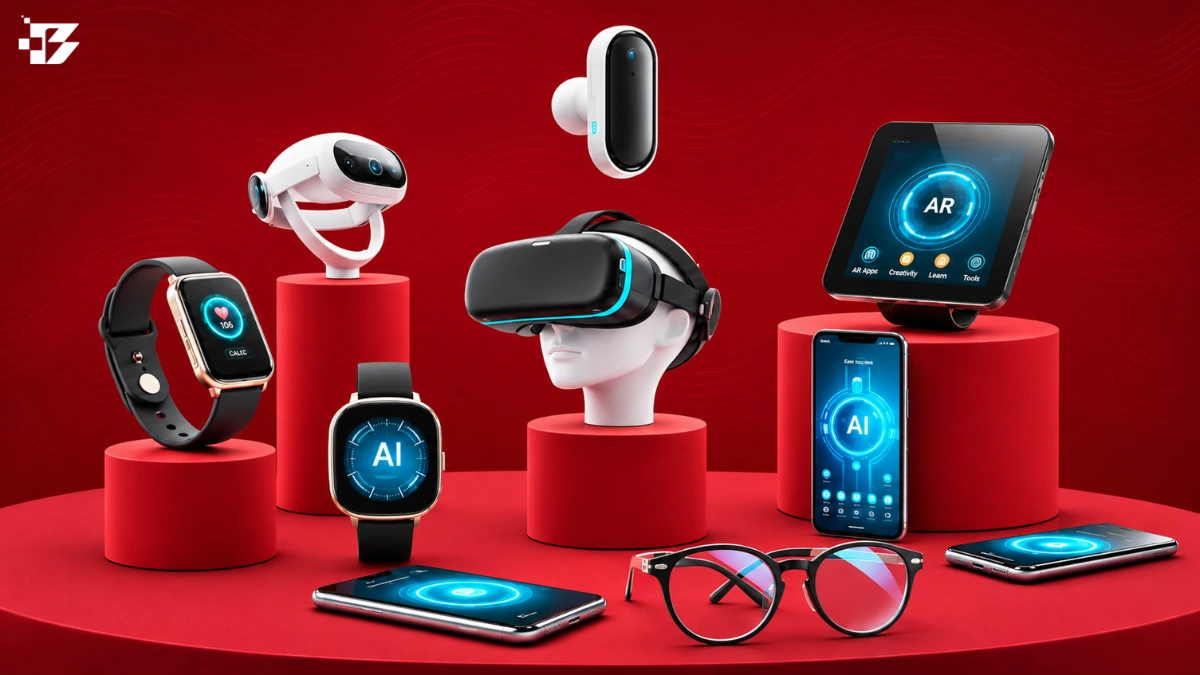
The AI hardware industry produced two things between 2024 and 2026: a graveyard, and a clue.
The graveyard first, because it is spectacular. Humane raised $230 million from the best names in venture capital, shipped fewer than 10,000 AI Pins, and sold its remains to HP for $116 million, bricking every device it ever made. OpenAI’s Sora burned an estimated $15 million a day in compute before shutting down in April 2026 with less than 8 percent thirty day retention.
The Rabbit R1 sold 100,000 units on a dazzling CES demo, then faced mass returns when the demo turned out to be the product’s best feature.
Now the clue. In the same period, AI eyewear shipments surged 263 percent in a single half year, and 96 percent of buyers chose glasses with no screen at all. The winning AI gadgets of this era are not devices you carry. They are objects you already wear, with intelligence quietly added. The losers asked you to change your behavior. The winners disappeared into behavior you already had.
That is the lens for this ranking: the ten AI gadgets that survived the shakeout because they solve a recurring problem, hide inside familiar objects, and keep getting better through updates. Prices verified as of November 2026, including the subscription math most reviews hide.
Methodology. We scored gadgets on five factors: does it solve a recurring problem (not a novelty), does it disappear into an object you already use, total cost of ownership in year one (hardware plus subscriptions), update velocity (is the product improving after purchase), and company survival risk.
We exclude anything discontinued, bricked, or effectively abandoned. Hands on testing data and market figures from Counterpoint Research, Forbes Vetted, and long term reviewer logs, as of November 2026.
The Quick Verdict
| Rank | Gadget | Price | Subscription | Best For | The One Line Verdict |
| 1 | Ray-Ban Meta Gen 3 | $529 | None | Everyone | The category king, now with nine hour battery |
| 2 | Ray-Ban Meta Audio | $349 | None | The privacy conscious | All the assistant, no camera, 60 hours total battery |
| 3 | Plaud NotePin S | $169 | Optional, up to $240/yr | Professionals | The meeting memory that pays for itself |
| 4 | Bee Pioneer | $50 | None | Beginners | Fifty dollar entry into always on AI, owned by Amazon |
| 5 | RingConn Gen 2 Air | $299 | None | Health trackers | A subscription free ring with real insight |
| 6 | Limitless Pendant | $99 | Optional | Memory seekers | Your whole day, searchable |
| 7 | Oakley Meta Vanguard | $499 | None | Athletes | Sport frames with Meta AI and a real action camera |
| 8 | Even Realities G2 | $599 | None | People paid to talk | The only display glasses with no camera |
| 9 | Omi | $89 | None | Tinkerers | Open source, extensible, and improving weekly |
| 10 | Rabbit R1 | $199 | None | The curious | The gadget that survived its own launch |
1. Ray-Ban Meta Gen 3: The Category King
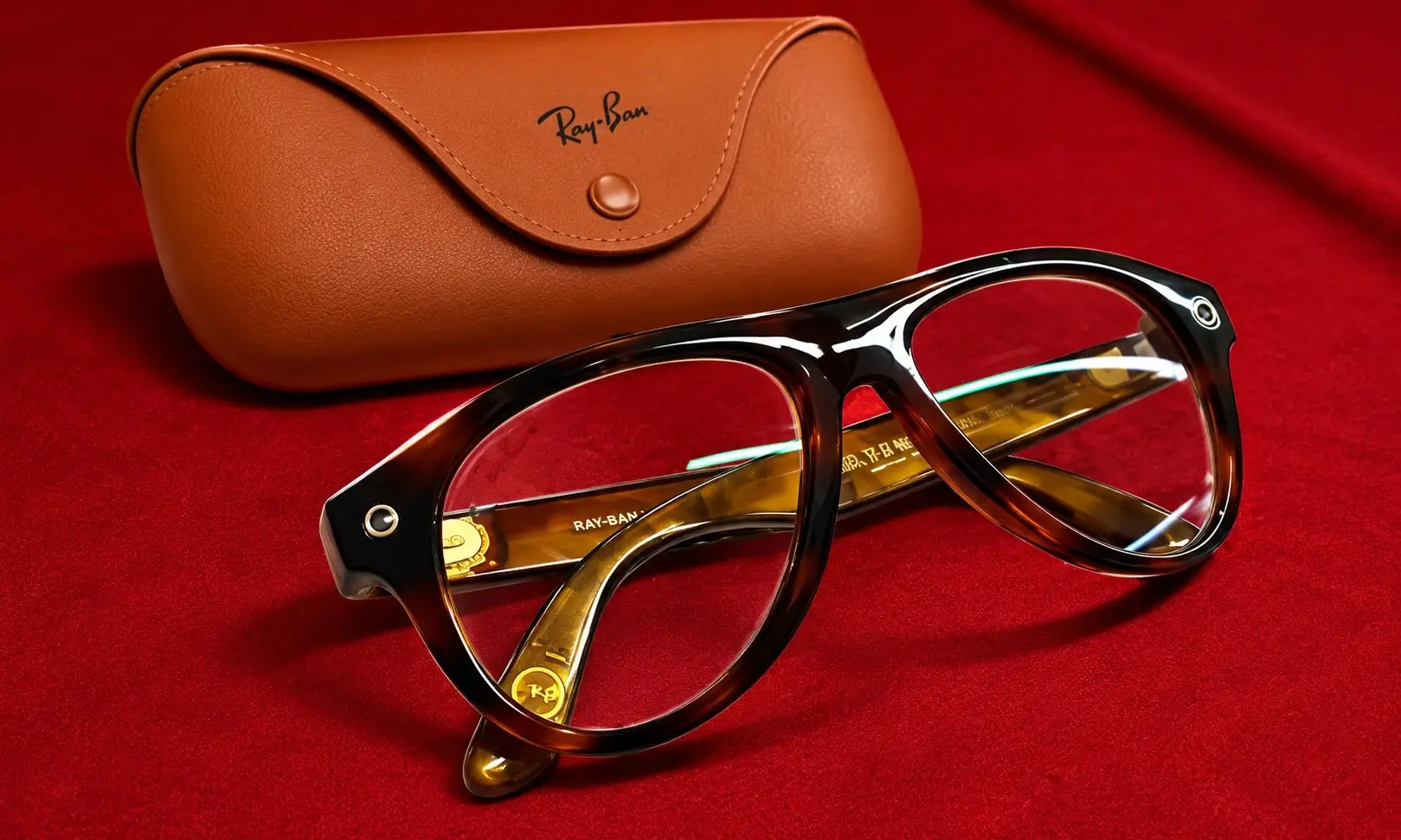
Why it wins: The best selling AI gadget ever made earned it. Gen 3 slims the frame, stretches battery to nine hours, adds a six microphone array Meta says scrubs over 90 percent of street noise from calls, and keeps the formula that made the category: a 12 megapixel camera, open ear speakers, and an assistant you reach with one tap on the temple.
Meta holds roughly 94 percent of the screenless smart glasses market because it solved the only problem that mattered first: these look like Ray-Bans, not like technology. For the full story of how eyewear became the breakout AI category, see our coverage of the AI glasses race.
Where it falls short: Meta’s privacy habits. Advocacy groups have pushed back on its face recognition ambitions, and whatever you ask the assistant feeds Meta’s data machine. Heavy AI use also drains battery well before the nine hour headline.
Price: $529. No subscription.
2. Ray-Ban Meta Audio: The Privacy Pick
Why it wins: Take everything good about Gen 3 and delete the camera. At 43 grams, Meta’s lightest frame yet, with up to 12 hours of battery and 48 more in the case, Audio is for the growing crowd that wants the assistant without making everyone at the table wonder about the lens. There is no LED to glare at because there is nothing to record you with. It is the rare tech product that gets better by having less.
Where it falls short: No photos, no video, no visual search. You are buying an ear based assistant in a beautiful frame, and if you later want the camera, you are buying a second pair.
Price: $349. No subscription.
3. Plaud NotePin S: The One That Pays for Itself
Why it wins: A credit card sized recorder that clips to your collar and turns meetings into transcripts, summaries, action items, and mind maps in over 100 languages, with HIPAA compliance and templates for everything from psychotherapy notes to construction walkthroughs.
Long term testing logged transcription accuracy improving from about 87 percent to 94 percent across five firmware updates, which is the whole point of buying AI hardware in 2027: the product ships unfinished and improves monthly. For professionals who bill hours, one recovered client detail covers the cost. It pairs naturally with the software side of this workflow, which we ranked in our guide to the best AI meeting assistants.
Where it falls short: The subscription. Full summaries and AutoFlow automation run up to $240 a year for unlimited, or $99 for 1,200 minutes a month, and the device is per meeting, not always on. Speaker identification still wobbles in loud rooms.
Price: $169. Year one with unlimited plan: about $409.
4. Bee Pioneer: The Fifty Dollar Doorway
Why it wins: The cheapest serious AI wearable ever made, and now backed by Amazon, which acquired Bee in 2025. A $50 wristband or clip that listens all day, summarizes your life, and charges nothing monthly, with raw audio deleted immediately after processing. Seven day battery. It works far better than anything at this price has a right to.
Where it falls short: Summaries are blunter than Plaud’s, speaker separation is weak, and the Amazon acquisition cuts both ways: deeper pockets, deeper questions about where your day eventually lives.
Price: $50. No subscription.
5. RingConn Gen 2 Air: The Honest Health Ring
Why it wins: A titanium smart ring with nine day real world battery, sleep and recovery tracking, and zero subscription, in a category where the famous rival charges monthly. Long term wearers report the value is in the trends: sixty days of your own biometric data will change your behavior in ways one night’s score never will. No screen, no notifications, no performance. Just data.
Where it falls short: No AI assistant in any meaningful sense, and the app is less polished than the subscription competition. It is a sensor, and proud of it.
Price: $299. No subscription. Year one: $299, against $349 plus membership for the subscription rival.
6. Limitless Pendant: Your Whole Day, Searchable
Why it wins: The always on memory pendant for people who want their entire day captured, not just meetings. Short bulleted summaries expand into full transcripts, the clip is nearly invisible, and battery runs about two days. For founders, journalists, and anyone whose best ideas arrive mid conversation, it is the closest thing to a searchable past.
Where it falls short: Summaries can be too concise, and the always on model means you are making a privacy decision on behalf of everyone you talk to. The etiquette for these devices is still being written.
Price: $99. Optional subscription for unlimited AI.
7. Oakley Meta Vanguard: The Athlete’s Pair
Why it wins: The sport frame of the Meta line: wraparound design, sweat ready, with the same assistant and a camera angled for action. For runners, cyclists, and skiers who want hands free capture and mid workout answers, nothing else comes close.
Where it falls short: The styling is unapologetically sporty, so this is gear, not daily wear, and battery matches the category’s four to six hour heavy use reality.
Price: $499. No subscription.
8. Even Realities G2: The Display Glasses for Professionals
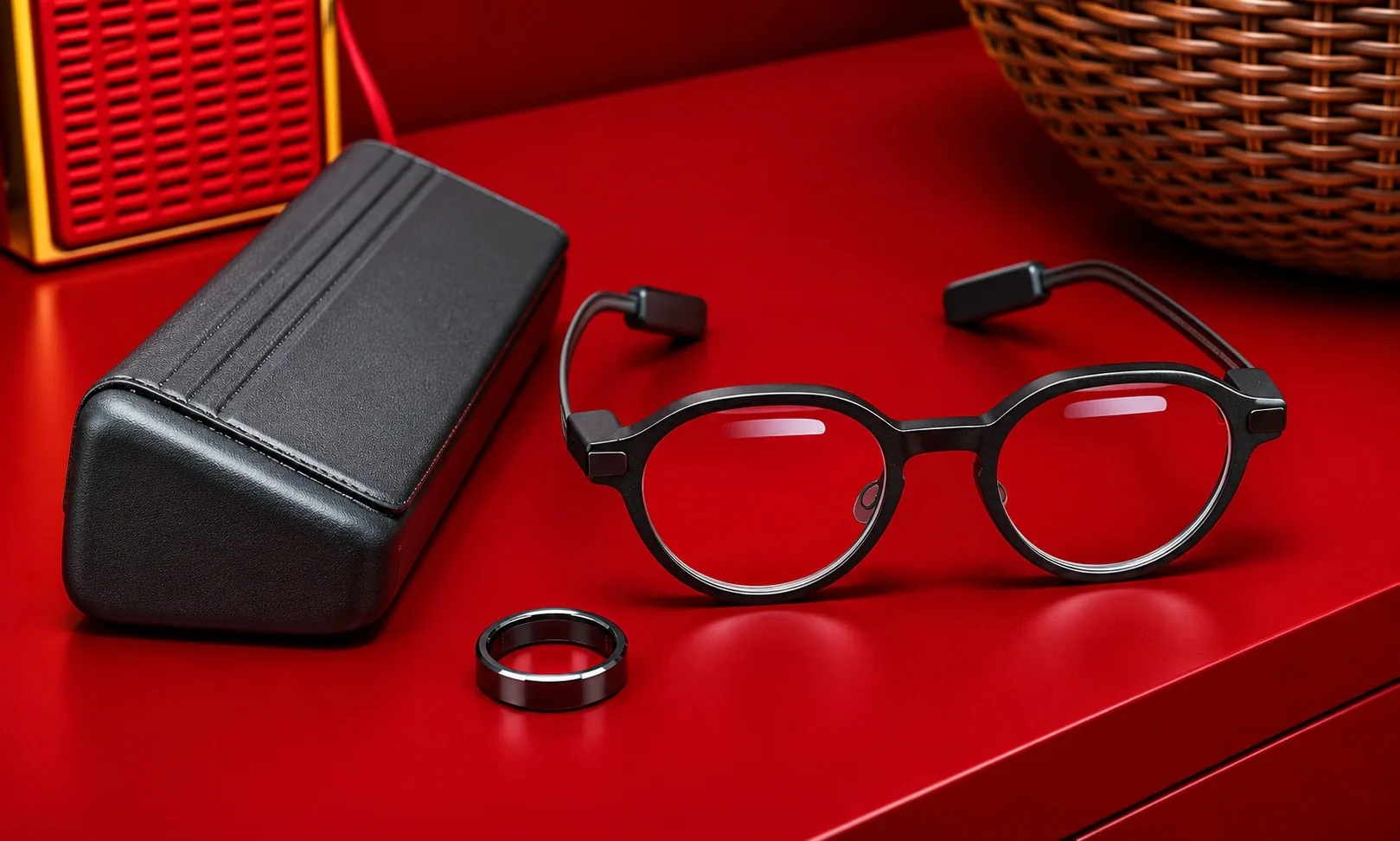
Why it wins: The only display glasses we recommend in 2027, precisely because they have no camera. At 36 grams, the G2 floats crisp green text at up to 1,200 nits in your periphery: notes, translations in 35 languages, and Conversate, which feeds you names and talking points during calls, then hands you a transcript and summary afterward. For people paid to talk, it is a teleprompter for real life.
Where it falls short: Nothing on the frame tells the other person they are being transcribed, and two day battery trails the audio pairs. A tool for professionals, with professional ethics attached.
Price: $599. No subscription.
9. Omi: The Open Source Bet
Why it wins: The $89 pendant for builders: fully open source, with an app ecosystem and plugin architecture that lets the community extend what the device does. Summaries are good and getting better weekly. If you want an AI wearable you can actually modify, this is the only one.
Where it falls short: The same openness raises questions about third party plugin data practices, and the hardware feels like what it is: a promising first generation device at a hobbyist price.
Price: $89. No subscription.
10. Rabbit R1: The Gadget That Survived
Why it wins: Inclusion here is not irony. The R1’s 2024 launch was a debacle, mass returns, a demo that outran the product, but two years later it is still shipping, still updated, now on rabbit OS3 with an agent playground, still $199 with no subscription, and still the only standalone pocket agent with a soul. For tinkerers who want to teach an agent tricks, it is a charming, honest toy.
Where it falls short: It never became the phone replacement it promised, the company reportedly struggled financially through 2026, and for any practical productivity need, a pendant or your phone serves better. Buy it for curiosity, not utility.
Price: $199. No subscription.
The Total Cost Table
The sticker price is the down payment. Here is year one, hardware plus subscriptions, as of November 2026:
| Gadget | Hardware | Subscription, Year 1 | True Year 1 Cost |
| Bee Pioneer | $50 | $0 | $50 |
| Omi | $89 | $0 | $89 |
| Limitless Pendant | $99 | $0 to $120 | $99 to $219 |
| Plaud NotePin S | $169 | $0 to $240 | $169 to $409 |
| Rabbit R1 | $199 | $0 | $199 |
| RingConn Gen 2 Air | $299 | $0 | $299 |
| Ray-Ban Meta Audio | $349 | $0 | $349 |
| Oakley Meta Vanguard | $499 | $0 | $499 |
| Ray-Ban Meta Gen 3 | $529 | $0 | $529 |
| Even Realities G2 | $599 | $0 | $599 |
The pattern worth memorizing: the best AI gadgets charge you once and improve forever through firmware. The gadgets that need a subscription to deliver their headline feature are pricing the intelligence separately from the object, and you should calculate both before buying.
The Graveyard: Three Lessons That Cost Billions
| Device | Raised or Burned | What Happened | The Lesson |
| Humane AI Pin | $230M raised | Sold to HP for $116M, devices bricked February 2025 | Do not ask users to replace the phone |
| Sora | ~$15M per day compute | Shut down April 2026, under 8 percent retention | Novelty is not product market fit |
| Rabbit R1, launch era | 100K units sold | Mass returns, slow recovery | The demo is not the product |
All three confused excitement with demand. All three are why this ranking weights survival risk alongside features, and why the AI stock market now prices hardware experiments so ruthlessly. The broader pattern of who won and lost the AI year is in our ranking of the top 25 AI companies, and the platform shifts behind the hardware cycle, including Apple’s approach, are tracked in our Apple event coverage.
How to Choose in 60 Seconds
Want one AI gadget and no homework: Ray-Ban Meta Gen 3. Hate cameras: Meta Audio or Even G2. Live in meetings: Plaud, and budget the subscription. Want to test the category for the price of dinner: Bee. Health data without a monthly fee: RingConn. Run or ride: Oakley Vanguard. Build things: Omi. Buy for the story: Rabbit R1, eyes open.
FAQ
What is the best AI gadget in 2027?
The Ray-Ban Meta smart glasses, now in their third generation at $529. They are the best selling AI wearable ever made, they look like ordinary Ray-Bans, and they improve monthly through software updates. For professionals specifically, the Plaud NotePin S at $169 is the highest return purchase in the category.
Are AI gadgets worth buying yet?
The survivors are. The shakeout of 2024 to 2026 removed the devices that were novelty without utility, and what remains, glasses, recording pendants, and health rings, solves recurring problems inside objects people already wear. Skip anything that asks you to replace your phone.
What happened to the Humane AI Pin and Rabbit R1?
Humane raised $230 million, shipped fewer than 10,000 pins, and sold to HP for $116 million in February 2025; the cloud service was shut down and every device was bricked. Rabbit’s R1 survived a disastrous launch with mass returns and is still sold today at $199 as a niche tinkerer device with no subscription.
Do AI gadgets need subscriptions?
Most of the best ones do not. Of our ten picks, only Plaud and Limitless charge for full AI features, up to $240 and $120 a year respectively. Always calculate year one cost, hardware plus subscription, before comparing prices.
Are AI recording devices legal to use?
Recording laws vary: some jurisdictions require all party consent. The responsible practice is simple: tell people when you are recording. Several devices, including the Plaud, show a recording light for exactly this reason, and the social etiquette around always on wearables is still forming.
What is the next big AI gadget category?
Audio only smart glasses are the fastest growing slice: 96 percent of AI eyewear buyers in the most recent Counterpoint data chose models without displays. Google’s Gemini glasses, built with Warby Parker and Gentle Monster, and Samsung’s Gemini eyewear arrive next, which should finally give Meta a real fight.