Work looks different now. Someone with a phone, a skill worth sharing, and a handful of people who actually pay attention can build a real income around that no media company behind them, no office, no team of twenty. Just an idea and an audience willing to show up for it.
YouTubers, podcasters, newsletter writers, streamers, educators, artists, everyday people posting on social media millions of them are turning what they know, and what they genuinely like making, into an actual career. Brands, platforms, agencies, tech companies they’ve all started paying close attention too.
But there’s a catch nobody likes talking about as much. Building an audience doesn’t automatically mean building wealth. The competition’s brutal, algorithms shift without warning, and the money coming in can be wildly inconsistent month to month. Knowing how this whole system actually works tends to separate the creators making smart, sustainable choices from the ones just chasing whatever gets clicks today.
Key Takeaways
- Content, skills, products, community the creator economy turns all of that into an actual business.
- Money shows up through advertising, sponsorships, affiliate deals, memberships, products, whatever fits.
- A big following doesn’t mean big money. Those two things aren’t the same, and treating them like they are is a mistake.
- What actually matters more is trust, audience quality, real expertise, and relevance the follower count is just a number.
- AI helps things move faster, sure, but the human behind it the experience, the originality that’s still what carries everything.
- The more ways a creator earns, the more stable the whole thing gets over time.
- And original, honest, people-first content just keeps winning, both with real readers and with how Google ranks things.
What Is the Creator Economy, Exactly?

Think of it as the entire digital world built around people making content, growing audiences, and turning that into money whether through skills, ideas, products, or a community they’ve built from scratch. It’s not just the creators either. It’s the platforms, the tools, the brands, the agencies, everything that keeps the machine running behind them.
YouTube. Instagram. TikTok. Podcasts, newsletters, blogs, online courses, memberships, digital storefronts. All of it belongs to this same ecosystem, and creators rarely stick to just one corner of it most combine a few platforms to reach different crowds and build more than one way to earn.
And this isn’t some fringe hobby industry anymore. IAB’s numbers put U.S. creator advertising spending at $37 billion for 2025 a 26% jump from the year before with projections already sitting at $44 billion for 2026.
Numbers like that tell you something. Brands aren’t treating creators as an afterthought anymore. They’re treating them like a legitimate media channel.
So How Does It Actually Work?
Strip away the complexity and the model’s simple enough: make something people want to watch, read, or listen to. Build an audience around it. Earn their trust. Then figure out how to turn that trust into value for them and for you.
Most creators start free. Videos, articles, photos, podcasts, tutorials whatever fits the format they’re working in. As people start showing up consistently, the money starts flowing in through ads, sponsorships, affiliate links, subscriptions, digital products, merch, consulting, whatever fits.
Here’s the real difference from a normal job: creators own the relationship with their audience. Nobody’s dictating how they package what they know. Take a fitness creator brand deals here, a paid program there, some affiliate income, a membership community on the side. No single employer controlling the whole picture.
That’s really what the creator economy is content, community, technology, and commerce, all tangled together.
How Do Creators Actually Make Money?
There’s no one formula. And leaning on a single income stream is risky one algorithm change or one platform decision, and that income can vanish overnight.
Advertising and Platform Revenue
Ads are still the most familiar route. Platforms split ad revenue with creators who qualify, based on whatever program rules apply.
YouTube reported in 2025 that its Partner Program had grown to 3 million channels, and that it paid out $70 billion total to creators, artists, and media companies over the previous three years.
But ad revenue swings a lot. Views, where the audience actually lives, what category the content falls into, how much advertisers want that space right now all of it moves the number up or down.
Brand Sponsorships
Brands partner with creators because people respond differently to a recommendation from someone they already trust than they do to a random banner ad.
That might mean a paid product feature, a full sponsored video, a service demo, or a spot in a bigger campaign. The partnerships that actually land well feel natural to both the creator and their audience not like an ad got shoved into the middle of a video that had nothing to do with it.
Affiliate Marketing
Here, a creator earns a cut whenever someone buys through their link or code. Product reviewers, tech creators, beauty creators, travel writers, and educators this model tends to fit them especially well. But relevance is everything. The second a creator starts recommending things just because they pay a commission, trust starts eroding fast.
Subscriptions and Memberships
Some creators go smaller on purpose building a tighter, more loyal group willing to pay for premium access.
Paid newsletters. Private communities. Exclusive videos. Paid podcasts, courses, memberships. All of it can create steady, recurring income, especially for creators whose audience wants real depth instead of another free video every week.
Digital Products and Services
Creators can also just build something and sell it directly: courses, ebooks, templates, design assets, coaching, consulting, workshops, even software.
This is honestly one of the biggest reasons the creator economy is bigger than influencer marketing ever was. Nobody’s forcing a creator to push someone else’s product. They can build their own thing entirely and sell that instead.
Why Is This Whole Space Growing So Fast?
A handful of shifts pushed things here. Making content just got easier, period. Smartphones, cheap editing tools, AI, livestreaming apps the barrier to actually starting dropped dramatically.
Audiences changed too. People are consuming content constantly now short clips, long videos, podcasts, newsletters, communities, all stitched together throughout a normal day.
Brands caught on to the money in it. IAB found creator advertising in the U.S. more than doubled from $13.9 billion in 2021 to $29.5 billion in 2024.
And creators can now reach people anywhere in the world without a media company standing between them and their audience. Even someone with a small, specific following can build a real business, as long as that audience actually cares.
The Real Problem: Attention Isn’t the Same as Income
Here’s a misconception that trips up a lot of new creators the idea that a big following automatically means big money.
It doesn’t.
Someone can have hundreds of thousands of followers and still be barely scraping by. CreatorIQ’s research, covering more than 5,000 creators, found that 67% earned less than $10,000 a year from content creation. 62% said content creation wasn’t even their main source of income at all.
That’s exactly why the follower count matters less than people think. Audience quality, trust, engagement, how tight the niche actually is, how well that attention converts plus the creator’s whole business model those things carry a lot more weight than a number sitting at the top of a profile.
A small audience that genuinely trusts someone can outperform a massive one that barely notices they exist.
AI Is Changing How Creators Work
AI’s woven into a lot of creator workflows now research, brainstorming, editing, transcription, captions, design, analytics, the repetitive stuff nobody enjoys doing by hand.
But it doesn’t replace human creativity. When everyone’s leaning on the same tools to produce the same kind of content, the internet just fills up with more of the same nothing that actually stands out.
Google’s guidance is pretty direct about this: AI isn’t the problem by itself. Pumping out huge volumes of low-value content without adding anything real, that’s what runs into trouble under their spam policies. What they actually want is original, accurate content written for people, not algorithms.
For creators, the smarter move is using AI as a tool, not a replacement keeping real experience, judgment, storytelling, and originality at the center of whatever gets made.
What Actually Separates Successful Creators From Everyone Else?
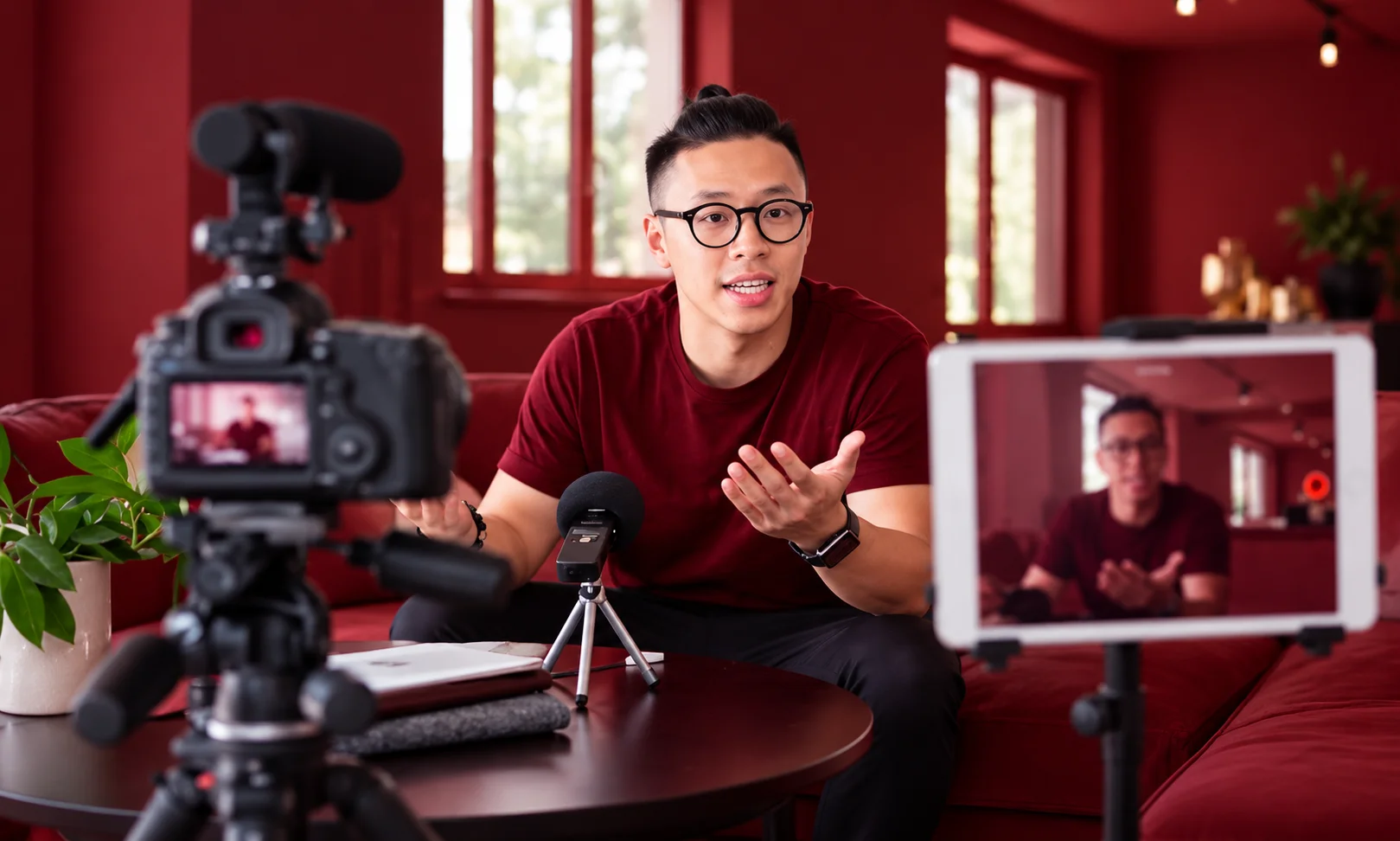
There’s no formula that guarantees it, but a few habits show up again and again among the ones who make it work.
They know exactly who they’re talking to instead of trying to please everybody. They show up consistently without burning out trying to post every hour of every day. They study what’s working elsewhere, but they don’t just copy it they build something that’s actually theirs.
More than anything, they build something people genuinely want to come back to.
Sometimes that’s useful knowledge. Sometimes it’s entertainment, inspiration, honest reviews, a personality people connect with, or a community that makes people feel like they belong somewhere.
Trust comes first, always. Monetization comes after. The moment an audience believes a creator actually understands them, everything they recommend or sell starts carrying real weight.
Why Trust Matters So Much Here
Experience, expertise, authority, and trustworthiness E-E-A-T, as it’s usually called matter even more than usual when the topic touches money, business, or professional advice. This isn’t a space where sloppy claims should slide.
For creators, that shows up through real experience, honest recommendations, accurate information, being upfront about who’s actually behind the content, and backing up the big claims with something real. Creators should also be transparent about sponsorships, affiliate relationships, and where their own knowledge actually stops.
Google’s been clear that trust matters most out of all four pieces, and that it should be obvious who made a piece of content, how it came together, and why it exists at all.
The same principle applies here too: useful information comes before chasing rankings. A reader should walk away feeling like they actually learned something real, not like keywords got wrapped around a generic explanation nobody put real thought into.
Frequently Asked Questions
So what’s the creator economy, really, in plain words?
It’s basically the whole world of business that’s built up around people making content, growing an audience, and turning that into actual income through whatever skills, knowledge, products, or services they’ve got.
How do creators actually get paid?
There’s no single answer. Advertising, sponsorships, affiliate deals, subscriptions, memberships, donations, merch, digital products, courses, consulting most creators are stitching together a few of these at once, not relying on just one.
Do you need a massive following to actually make money?
No, not even close. A smaller, more focused crowd can outperform a huge one, because trust and relevance are what actually drive sales not raw numbers.
Is this whole thing still growing?
Yeah, definitely. Industry research keeps backing that up IAB’s got U.S. creator advertising spending projected to hit $44 billion in 2026.
Is AI eventually going to replace creators?
Replace probably isn’t the right word change fits better. It’s great for handling the repetitive stuff and speeding up production, but the actual ideas, the personality, the real relationship with an audience? That still has to come from an actual person.
What’s the biggest mistake creators keep making?
Putting all their eggs in one basket one platform, one income stream. The ones who build an actual recognizable brand, really get to know their audience, and spread their income across a few different sources end up with a lot more control over where things go from here.