

Search engines move fast. Users move even faster. So your website needs strong structure, clean code, and smooth performance. That is why Technical SEO best practices matter more than ever today.
You cannot rank with content alone. You cannot grow with backlinks alone. Your site needs a strong technical base so search engines can discover, understand, and trust your pages.
When you fix your foundation, everything improves. Your rankings grow. Your speed increases. Your crawl rate improves. Your user experience becomes smoother.
And your conversions rise. So you must treat technical optimization like the core of your digital growth.
This guide breaks down the most important Technical SEO best practices for 2026. Each step improves performance and builds long term search visibility.
The methods stay simple and direct so you can apply them even if you do not have deep technical skills.
Let’s start building a strong framework for your website.
Why Technical SEO Matters So Much Today?
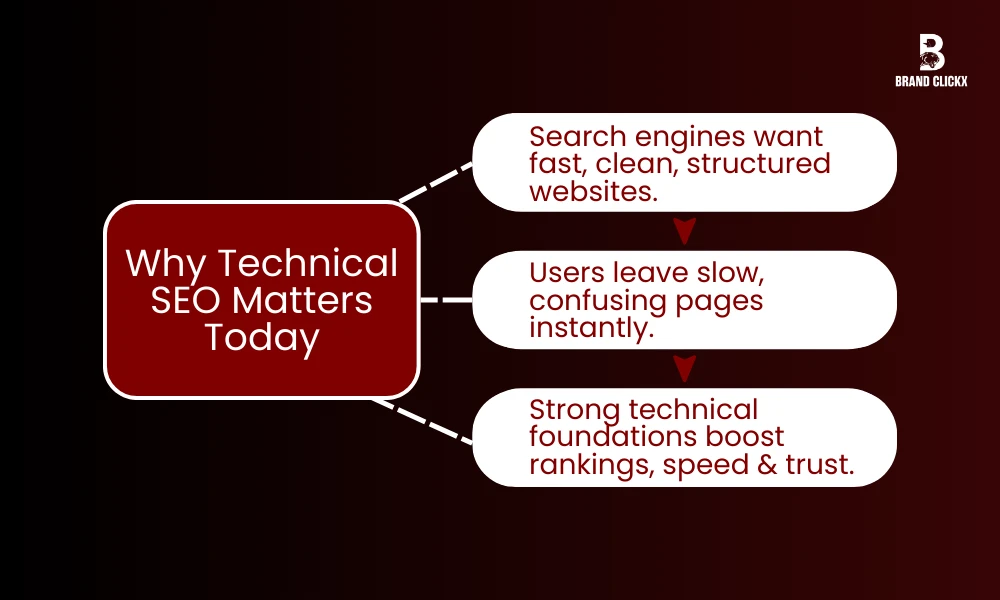
Search engines want clean websites. They want fast pages.
They want strong structure. They want smooth mobile performance. Because of this, Technical SEO best practices shape your entire ranking potential.
Content alone cannot save a slow site. Backlinks cannot help a broken structure. Google cannot understand a site that blocks crawlers.
Users will not wait for slow pages. So you need a solid framework that supports every part of your digital strategy.
When your technical setup works well, search engines process your site faster. They crawl more pages.
They update your rankings often. And they reward your site with better visibility. This is why technical optimization sits at the center of modern SEO.
Site Speed Optimization: The First Step in Technical SEO
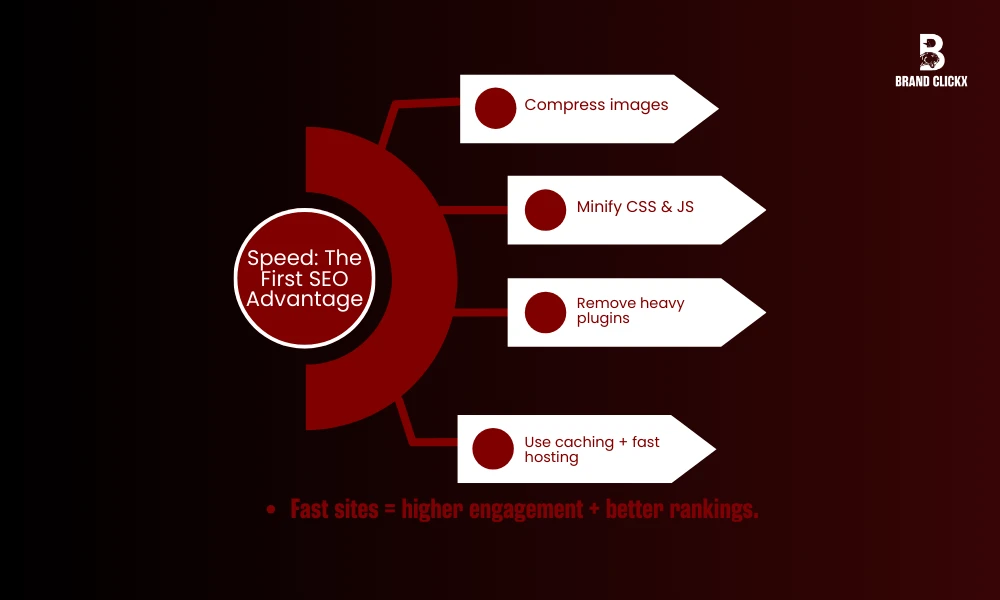
Speed shapes the user experience. People leave slow sites. They click back and choose your competitor.
So you must focus heavily on site speed optimization. This one change influences your entire search performance.
Start with simple steps. Compress your images. Reduce large scripts. Remove heavy plugins. Clean up your theme. Minify your CSS and JavaScript. Host your site on a fast server. Use caching.
Every small improvement adds up. Faster speed builds trust. It increases engagement. It also boosts your ranking.
Google measures real user performance, so fast pages give you a clear advantage. And with fast loading, your entire set of Technical SEO best practices works more effectively.
Mobile Responsiveness: Where Users Make Decisions
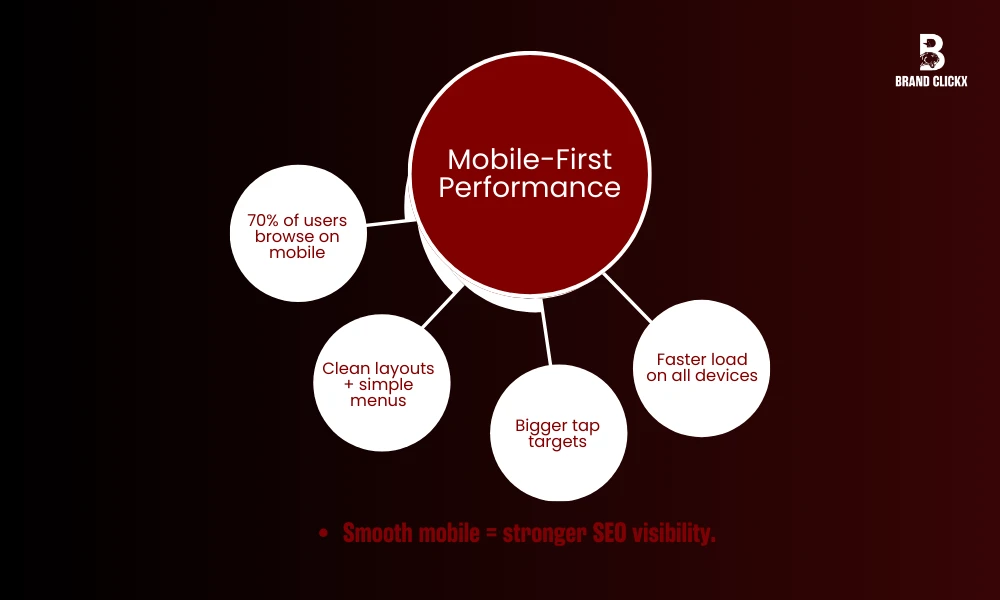
Most users search on mobile. They scroll with speed. They want clean layouts and simple menus. So mobile responsiveness becomes essential.
Test your site on several devices. Fix spacing. Fix navigation. Improve image sizes. Keep your fonts readable. Make buttons big enough to tap. Remove design elements that clutter the screen.
Then run mobile tests using Google’s tools. Adjust anything that causes friction. This step helps your website climb local and national search results.
And with better mobile experience, your visitors trust your brand more.
Because of this, strong mobile performance supports every other Technical SEO best practices step you take.
Crawlability: Helping Search Engines Read Your Site
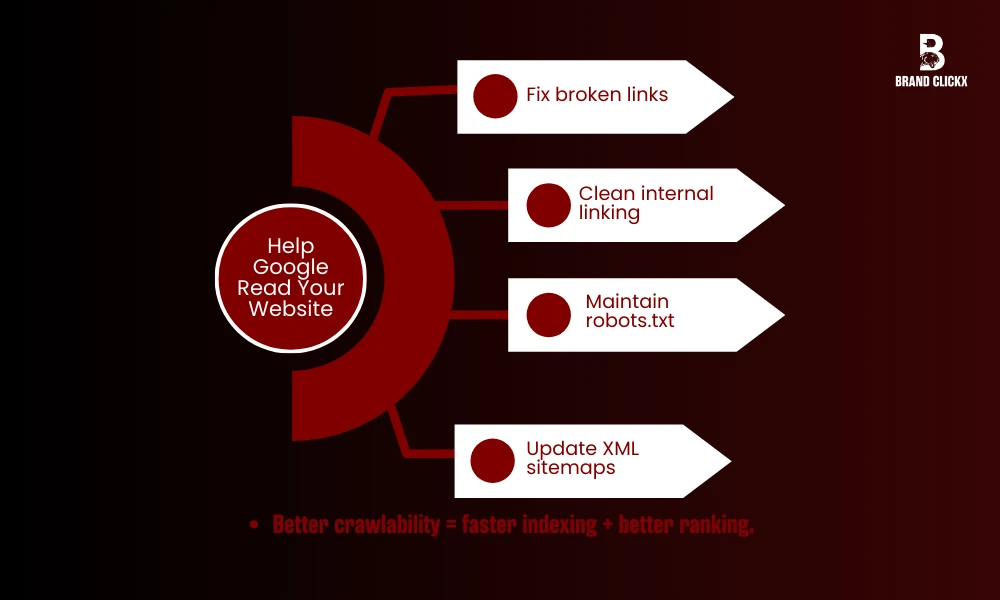
Search engines need access. They need simple navigation and clear hierarchy. So you must improve crawlability if you want higher rankings.
Start by cleaning your internal links. Make sure every important page connects to other pages. Use short and clear URLs. Organize your categories. Remove broken links. Fix redirect chains.
Also check your robots.txt file. Do not block important pages. Guide crawlers the right way. Let Google read your content easily.
Better crawlability increases your ranking potential. It also helps Google index new updates quickly. And it makes your entire site feel more organized and user friendly.
XML Sitemaps: Guiding Search Engines to Your Pages
Your XML sitemaps act like a map. They help search engines find every important page on your site.
They also show which pages matter the most. So you must maintain a clean sitemap that updates regularly.
Add all essential pages. Remove old or thin content. Submit the sitemap in Google Search Console.
Keep the structure simple. Use a single sitemap if your site is small. Use multiple sitemaps if your site is large.
Search engines use your XML sitemaps to understand your website faster. This step pairs well with many other Technical SEO best practices, especially crawlability and content structure.
Schema Markup: Giving Search Engines Extra Clarity
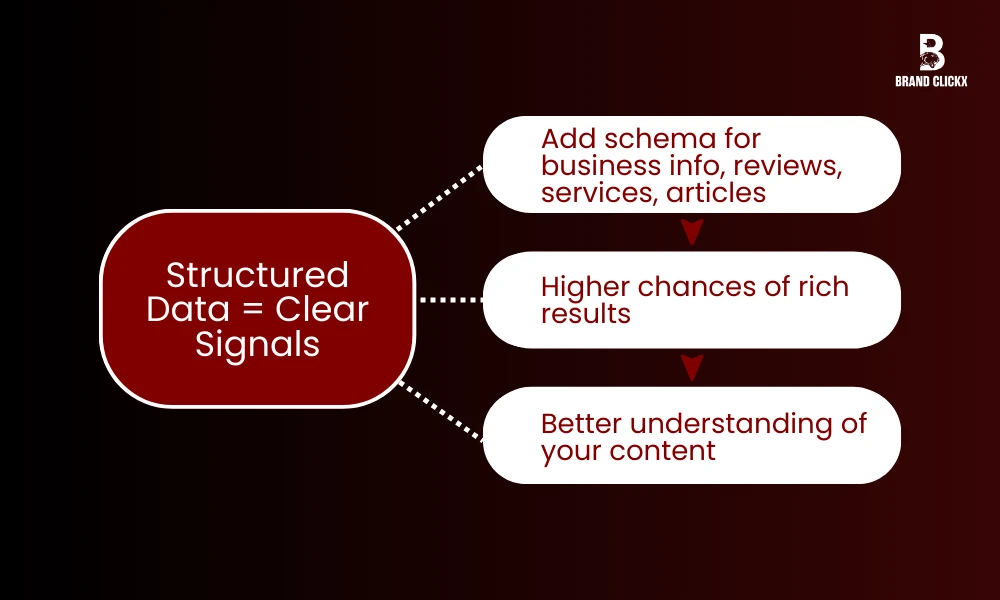
Search engines love structured data. It helps them understand your business details, your content, your services, and your products. So you must use schema markup in your technical optimization plan.
Add schema for:
- Business information
- Reviews
- Products
- Articles
- Breadcrumbs
- FAQ content
- Service details
This improves your chances of earning rich results and featured snippets. It also strengthens your search presence.
And because schema sends clear signals to Google, it boosts the impact of your other Technical SEO best practices as well.
Clean URL Structure: Building Simple Paths for Users and Crawlers
Short URLs perform better. Clear URLs help users trust your site. They also help search engines understand your topics faster. So keep your structure simple.
Use lowercase letters. Use short slugs. Add keywords when they make sense. Avoid extra words. Make your structure predictable and logical.
This clarity improves crawlability, navigation, and user trust. And with clean URLs, your website feels more organized and professional.
Strong Internal Linking: Guiding Users and Crawlers Smoothly
Internal links help your site flow smoothly. They show importance. They help both users and search engines discover new pages. So create a strong internal linking plan.
Link related pages. Connect your top pages to newer ones. Add links inside your articles. Improve your navigation menu.
These actions increase time spent on your site. They boost engagement. They guide search engines through your structure with ease. And they support your long term ranking growth.
Image Optimization: Speed and Quality Together
Large images slow your site. Slow speed hurts your ranking. So you must optimize all images. Reduce file sizes. Use next gen formats. Add descriptive alt text. Keep image names simple.
This boosts site performance. It improves accessibility. It also supports your overall set of Technical SEO best practices.
Security Features: Protecting Users and Building Trust
Users trust secure sites. Search engines trust them too. So install an SSL certificate. Keep your plugins updated. Clean your database often. Monitor your security logs.
A secure site ranks better. It creates a safe environment for your visitors. And it strengthens every part of your technical SEO foundation.
Redirects and Error Fixes: Keeping Your Site Clean
Errors break trust. Redirect issues confuse crawlers. So you must fix them right away. Remove broken links. Repair 404 pages. Fix loops. Update old URLs.
These steps improve your crawlability and user experience at the same time.
Technical SEO Audits: A Routine That Keeps Your Site Strong
Your work never ends. Technical SEO changes often. Your site grows. Your structure evolves. So run detailed audits often. Check your speed.
Check your indexing. Review your XML sitemaps. Review schema markup. Test mobile responsiveness.
This keeps your site healthy. It also makes your brand ready for new search trends.
Final Thoughts
Your website cannot grow without a strong technical base. So prioritize the right Technical SEO best practices. Improve site speed optimization.
Strengthen mobile responsiveness. Fix crawlability. Clean your structure. Update your XML sitemaps. Use schema markup. Improve internal linking.
When your foundation works well, everything else becomes easier. You rank faster. You convert more visitors. You keep customers longer. And you grow your brand with confidence.
Technical SEO is your backbone. Treat it like the most important part of your digital strategy and your results will follow.
FAQs
1. Why do Technical SEO best practices matter so much?
Technical SEO best practices matter because they shape your entire site performance. They help search engines understand your pages. They improve speed, structure, and user experience. They also increase your chances of ranking on page one.
2. How does site speed optimization improve my SEO?
Site speed optimization keeps users on your site longer. Fast pages build trust. They reduce bounce rates. They improve conversions. Search engines reward sites that load quickly, so speed gives you a clear ranking advantage.
3. Do I need mobile responsiveness for better performance?
Yes. Most users browse on mobile. They want clean layouts and quick navigation. Strong mobile responsiveness helps you meet those needs. It also boosts your visibility in mobile search results.