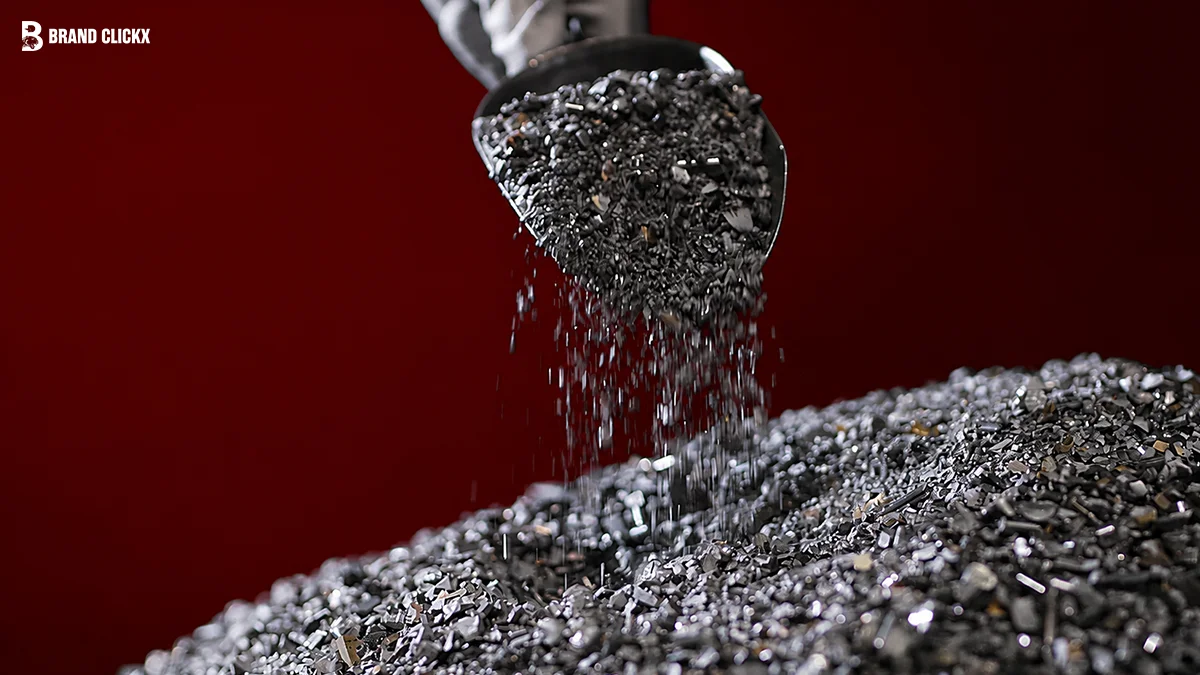
Not long ago, a single policy change sent shockwaves through manufacturers around the world. The reason wasn’t oil, gold, or lithium; it was tungsten, also known as wolfram. Within months, prices climbed to record highs, and industries from aerospace to electronics suddenly realized how dependent they were on one remarkable metal.
If you’ve searched for tungsten wolfram, you might be wondering whether they are two different metals. They aren’t. Tungsten and wolfram are simply two names for the same chemical element, with the symbol W and atomic number 74.
The different names come from history, language, and scientific tradition, not from different materials.
Today, tungsten plays a much bigger role than most people realize. It helps make cutting tools tougher, powers high-temperature industrial equipment, protects medical imaging devices from radiation, and supports modern defense systems. At the same time, global supply challenges have turned it into one of the world’s most important critical minerals.
By the time you finish this article, you’ll understand why tungsten is also called wolfram, where the symbol W comes from, how this extraordinary metal is used today, and why it has become one of the most strategically important materials in modern industry.
AI Overview
Tungsten, also known as wolfram, is the same chemical element with the symbol W and atomic number 74. The name “tungsten” is mainly used in English, while “wolfram” remains common in many European countries. This metal is valued for its exceptional hardness, high density, and the highest melting point of any pure metal, making it essential in industries such as aerospace, electronics, manufacturing, mining, and defense. Recent supply shortages and export controls have also made tungsten one of the world’s most important critical minerals.
Key Takeaways
- Tungsten and wolfram are two names for the same chemical element (W, atomic number 74).
- The chemical symbol W comes from the historical name wolfram.
- Tungsten has the highest melting point of any pure metal at 3,422°C (6,192°F).
- Most tungsten is used to produce tungsten carbide, which is widely used in cutting tools and mining equipment.
- China currently produces more than 75–80% of the world’s tungsten supply.
- Rising global demand and export restrictions have made tungsten a strategic critical mineral in 2026.
Is Tungsten the Same as Wolfram?
Yes. Tungsten and wolfram are the same chemical element with the symbol W and atomic number 74. “Tungsten” is the preferred English name, while “wolfram” is widely used in several European languages. The symbol W comes from the historical name wolfram, which is why both names are still used today.
What Is Tungsten (Wolfram)?
Tungsten is a naturally occurring transition metal known for its incredible strength, density, and heat resistance. It is rarely found as pure metal in nature. Instead, it is extracted from minerals such as wolframite and scheelite, then refined for industrial use.
One reason tungsten stands out is its ability to withstand extreme temperatures. It has the highest melting point of any pure metal, making it the preferred choice for applications where ordinary metals would quickly fail. Combined with its high density and wear resistance, tungsten has become indispensable in modern engineering.
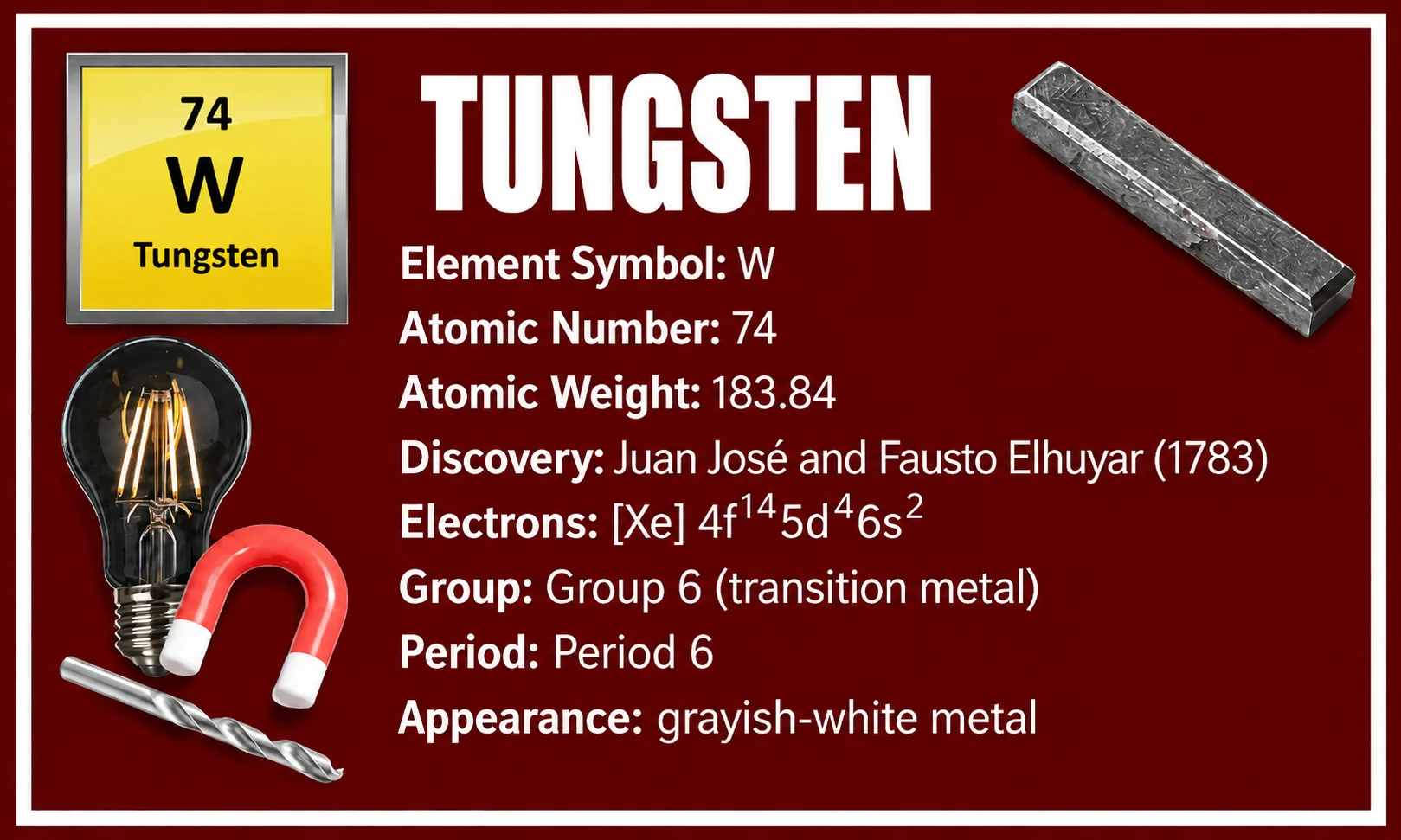
Basic Facts
| Property | Value |
| Chemical Symbol | W |
| Atomic Number | 74 |
| Main Ores | Wolframite, Scheelite |
| Density | About 19.3 g/cm³ |
| Melting Point | 3,422°C (6,192°F) |
| Main Industrial Use | Tungsten Carbide |
Why Does Tungsten Have Two Names?
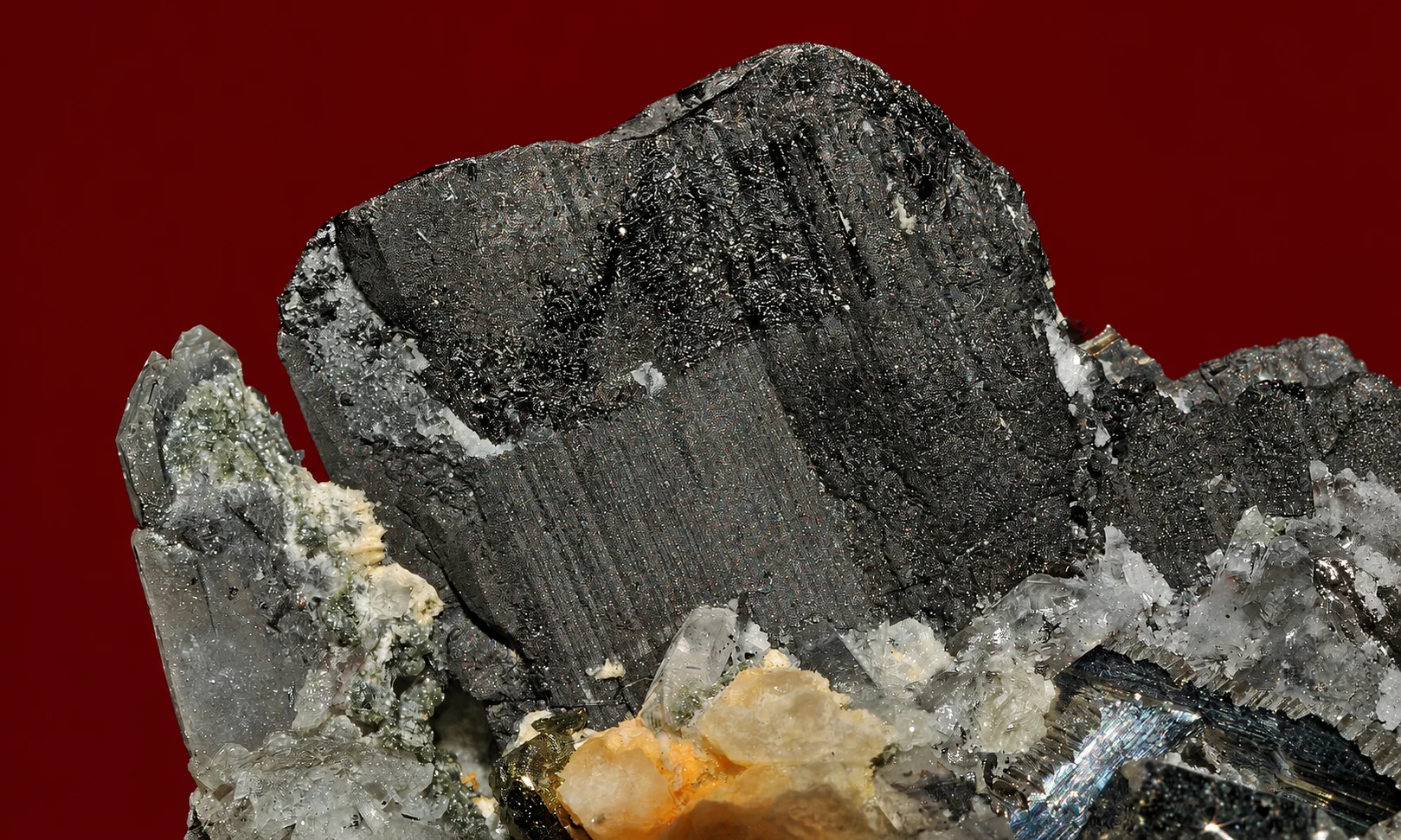
The two names come from different historical traditions rather than different materials.
The word tungsten comes from the Swedish phrase meaning “heavy stone.” In contrast, wolfram comes from the mineral wolframite, from which the metal was first isolated. Scientists in different countries adopted different names, and both remain accepted today.
Although English-speaking countries usually use tungsten, many European countries still prefer wolfram. This is also why the chemical symbol is W instead of T. The symbol preserves the metal’s historical scientific name even though the English name changed.
Tungsten vs Wolfram: What’s the Difference?
The simple answer is that there is no difference in the element itself. Tungsten and wolfram are two names for the same metal. The difference is only in language, history, and scientific tradition.
| Feature | Tungsten | Wolfram |
| Refers to | Element 74 | Element 74 |
| Chemical Symbol | W | W |
| Name Origin | Swedish “heavy stone” | Mineral wolframite |
| Common Use | English-speaking countries | Germany, Spain, Portugal, and several European countries |
| Official Meaning | Same element | Same element |
If you come across the spelling “volfram,” don’t worry. It usually comes from language transliteration or spelling variations in some countries. It still refers to the same chemical element, tungsten (W).
What Is Tungsten Used For?
Tungsten is one of the hardest-working metals in modern industry. Its strength, heat resistance, and durability make it useful in products that operate under extreme conditions.
Some of its most common applications include:
- Tungsten carbide cutting tools
- Mining and drilling equipment
- Aerospace components
- Semiconductor manufacturing
- Medical radiation shielding
- Defense equipment
- High-speed steel
- TIG welding electrodes
- Specialty lighting
- Industrial machinery
According to industry data, around 61% of global tungsten consumption is used to produce tungsten carbide, making it the largest application of this metal.
Why Tungsten Carbide Is So Popular
Most industrial products don’t use pure tungsten. Instead, manufacturers convert tungsten powder into tungsten carbide (WC) by combining it with carbon at very high temperatures.
The result is an extremely hard material that keeps its cutting edge much longer than ordinary steel. That’s why tungsten carbide is widely used in drill bits, milling cutters, mining tools, and machine parts that experience constant wear.
Why Tungsten Matters More Than Ever
Tungsten isn’t just another industrial metal; it has become a strategic resource.
As of 2026, it is recognized as a critical mineral because many industries depend on it while global supply remains highly concentrated. China controls more than 80–85% of the world’s tungsten production and processing, making supply chains vulnerable to export restrictions and geopolitical tensions.
In early 2026, tungsten prices reached record highs after tighter export controls and declining inventories reduced global supply. These events highlighted how essential tungsten has become for manufacturing, aerospace, defense, and advanced technologies.
Common Challenges and Limitations of Tungsten
Although tungsten offers outstanding performance, it isn’t the perfect material for every application.
One challenge is its brittleness. Pure tungsten can crack under certain conditions, especially at room temperature. That’s why manufacturers often use it in alloys or convert it into tungsten carbide for added toughness.
Another concern is the global supply chain. Since China controls more than 75–80% of worldwide production and processing, manufacturers in other countries face supply risks whenever exports become restricted.
Environmental impact is another consideration. Mining and refining tungsten can affect nearby land and water if not managed responsibly. While tungsten itself is generally safe in everyday products, research has identified potential environmental and health concerns around some mining regions.
Tungsten vs Other Materials
Different industries choose materials based on performance, cost, and application. Tungsten often stands out because it combines exceptional hardness with excellent heat resistance.
| Application | Tungsten | Alternative | Key Difference |
| Cutting Tools | Tungsten Carbide | High-Speed Steel | Tungsten carbide lasts much longer and resists wear better. |
| High-Temperature Parts | Pure Tungsten | Molybdenum | Tungsten has a much higher melting point. |
| Radiation Shielding | Tungsten Alloys | Lead | Tungsten is denser and non-toxic, while lead is cheaper but hazardous. |
| Armor Protection | Tungsten | Hardened Steel | Tungsten provides greater density and penetration. |
Practical Applications You See Every Day
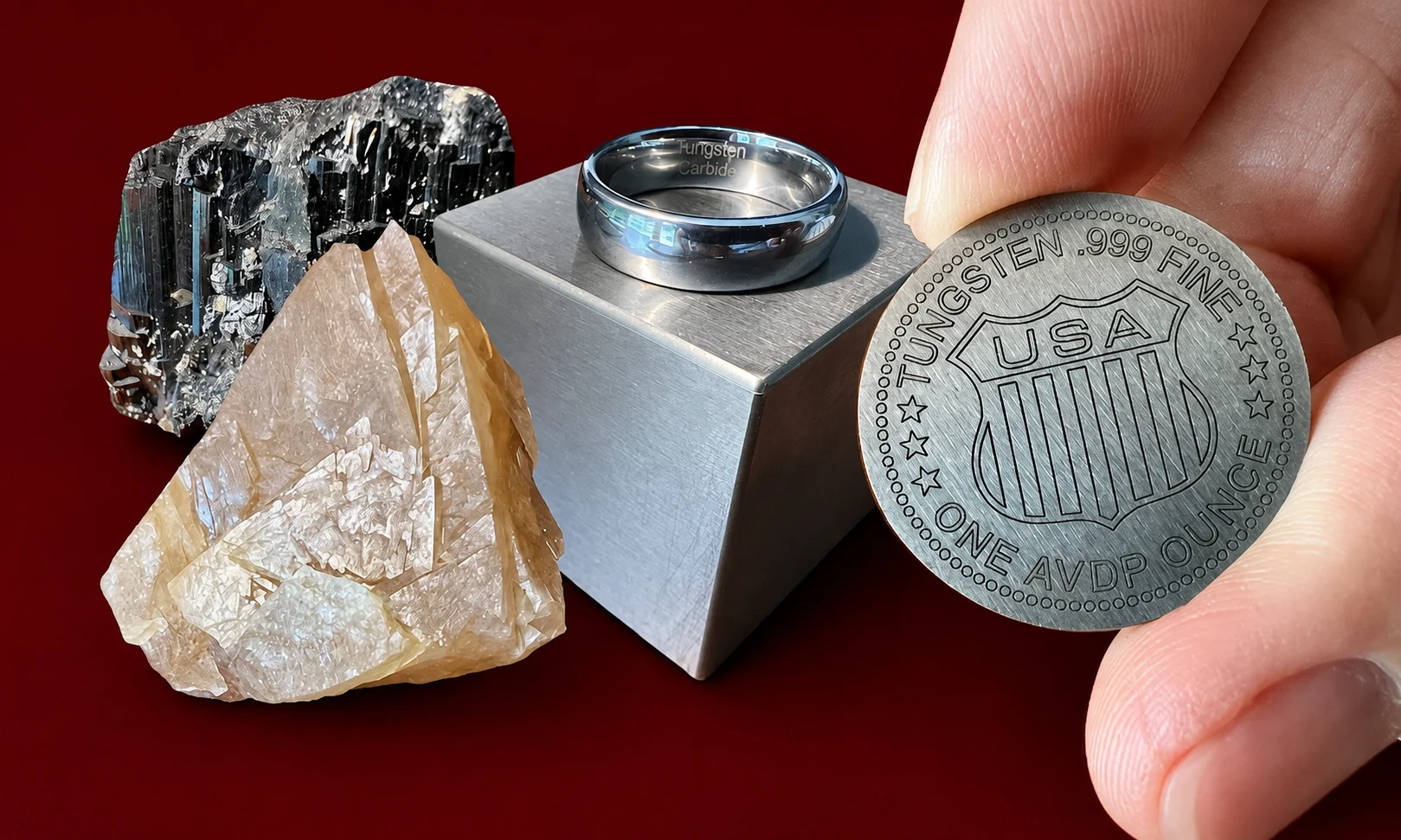
Many people don’t realize how often tungsten is used behind the scenes. Even if you never notice it, this metal plays an important role in products and industries that keep the modern world running.
Some real-world examples include:
- Drill bits used in construction and manufacturing.
- Mining tools for hard rock and oil exploration.
- Aircraft engine components.
- Medical CT scanners and radiotherapy equipment.
- TIG welding electrodes.
- Precision balance weights used in aircraft.
- High-speed steel cutting tools.
- Industrial furnace components.
These applications rely on tungsten because few other materials can match its combination of strength, durability, and heat resistance.
What Does the Future Hold for Tungsten?
Tungsten is expected to remain one of the world’s most important industrial metals over the next several years.
Industry analysts believe demand will continue growing as aerospace, defense, semiconductor manufacturing, and advanced engineering expand. At the same time, new mining projects outside China are expected to take years before they can significantly increase global supply.
Because of this imbalance between supply and demand, many experts expect prices to remain relatively high and markets to stay volatile. These are forecasts rather than confirmed outcomes, but they highlight why governments and manufacturers are investing heavily in securing reliable tungsten supplies.
Common Challenges and Limitations of Tungsten
Although tungsten offers outstanding performance, it isn’t the perfect material for every application.
One challenge is its brittleness. Pure tungsten can crack under certain conditions, especially at room temperature. That’s why manufacturers often use it in alloys or convert it into tungsten carbide for added toughness.
Another concern is the global supply chain. Since China controls more than 75–80% of worldwide production and processing, manufacturers in other countries face supply risks whenever exports become restricted.
Environmental impact is another consideration. Mining and refining tungsten can affect nearby land and water if not managed responsibly. While tungsten itself is generally safe in everyday products, research has identified potential environmental and health concerns around some mining regions.
Tungsten vs Other Materials
Different industries choose materials based on performance, cost, and application. Tungsten often stands out because it combines exceptional hardness with excellent heat resistance.
| Application | Tungsten | Alternative | Key Difference |
| Cutting Tools | Tungsten Carbide | High-Speed Steel | Tungsten carbide lasts much longer and resists wear better. |
| High-Temperature Parts | Pure Tungsten | Molybdenum | Tungsten has a much higher melting point. |
| Radiation Shielding | Tungsten Alloys | Lead | Tungsten is denser and non-toxic, while lead is cheaper but hazardous. |
| Armor Protection | Tungsten | Hardened Steel | Tungsten provides greater density and penetration. |
Practical Applications You See Every Day
Many people don’t realize how often tungsten is used behind the scenes. Even if you never notice it, this metal plays an important role in products and industries that keep the modern world running.
Some real-world examples include:
- Drill bits used in construction and manufacturing.
- Mining tools for hard rock and oil exploration.
- Aircraft engine components.
- Medical CT scanners and radiotherapy equipment.
- TIG welding electrodes.
- Precision balance weights used in aircraft.
- High-speed steel cutting tools.
- Industrial furnace components.
These applications rely on tungsten because few other materials can match its combination of strength, durability, and heat resistance.
What Does the Future Hold for Tungsten?
Tungsten is expected to remain one of the world’s most important industrial metals over the next several years.
Industry analysts believe demand will continue growing as aerospace, defense, semiconductor manufacturing, and advanced engineering expand. At the same time, new mining projects outside China are expected to take years before they can significantly increase global supply.
Because of this imbalance between supply and demand, many experts expect prices to remain relatively high and markets to stay volatile. These are forecasts rather than confirmed outcomes, but they highlight why governments and manufacturers are investing heavily in securing reliable tungsten supplies.
Conclusion
The next time you hear the names tungsten and wolfram, you’ll know they describe the very same metal. The different names reflect centuries of scientific history, while the symbol W preserves its original identity.
Today, tungsten is far more than a fascinating element on the periodic table. Its unmatched hardness, density, and heat resistance make it essential for cutting tools, aerospace, electronics, medical equipment, and national defense.
Recent supply challenges have also made it one of the world’s most valuable critical minerals.
Whether you’re a student, engineer, manufacturer, or simply curious about tungsten wolfram, understanding this remarkable metal helps explain why it continues to shape modern technology and global industry. Sometimes, the materials we rarely notice are the ones that keep the world moving.
Frequently Asked Questions
Is tungsten the same as wolfram?
Yes. Tungsten and wolfram are two names for the same chemical element with the symbol W and atomic number 74. “Tungsten” is the preferred English name, while “wolfram” is commonly used in several European countries.
Why is the symbol W instead of T?
The symbol W comes from the historical name wolfram, which originated from the mineral wolframite. Even though English adopted the name tungsten, the original chemical symbol remained unchanged.
Why is tungsten so expensive in 2026?
Tungsten prices increased sharply because of Chinese export controls, lower global inventories, and strong demand from industries such as defense and manufacturing. These factors created supply shortages and pushed prices to record levels.
Where does most tungsten come from?
China is the world’s largest producer, controlling more than 75–80% of global tungsten mining and processing. Other countries are developing new projects, but China remains the dominant supplier.
Is tungsten stronger than steel?
Pure tungsten is extremely strong and heat resistant but can be brittle. Tungsten carbide, however, is much harder and more wear-resistant than most types of steel, making it the preferred material for cutting tools and industrial equipment.
Can tungsten be recycled?
Yes. Tungsten carbide and many tungsten products can be recycled. However, recycling systems are still developing, so not all used tungsten is recovered and reused efficiently.