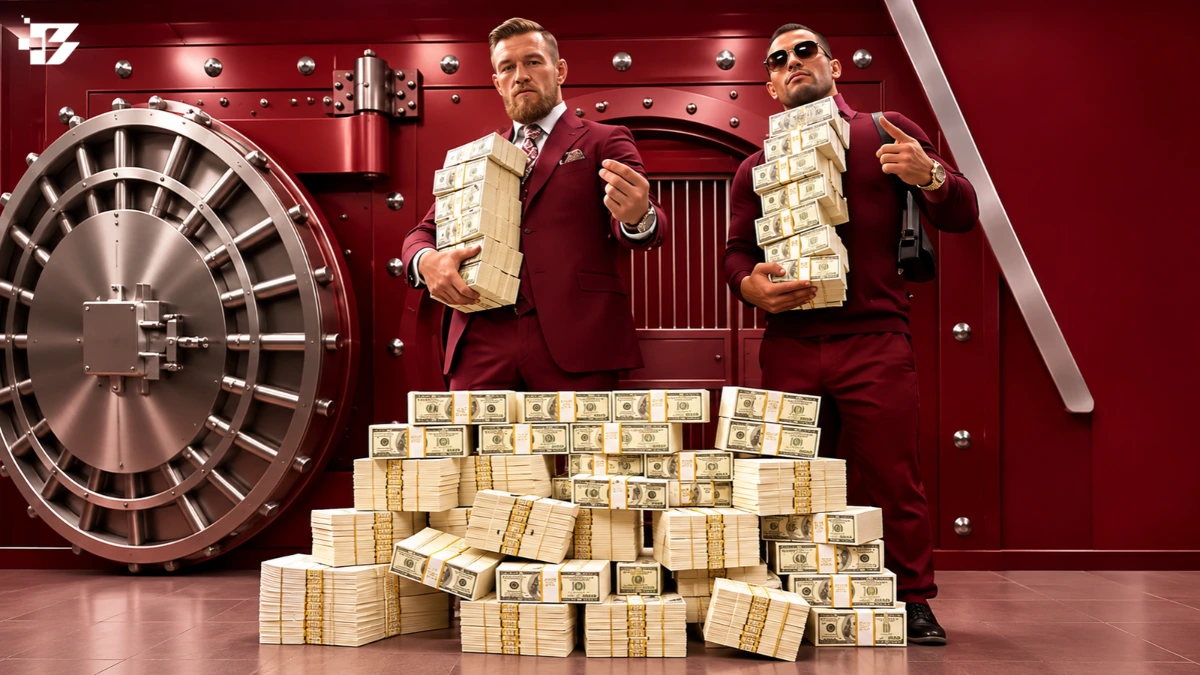
Bitcoin is trading at about $60,000 as 2026 draws to a close roughly half the $126,000 record it set in October 2025. The market has just lived through a month in which leveraged positions worth billions were wiped out in a day and spot bitcoin funds bled money for seven sessions in a row. And yet the twenty people below are still worth about $368.9 billion between them.
That is the paradox of crypto wealth in 2027. The prices fell. The fortunes did not at least, not at the top. The richest person in crypto, Binance founder Changpeng Zhao, is worth $114.6 billion more than ranks 3, 4 and 5 combined.
Four of the top five work for the same company, Tether, the firm behind the world’s biggest stablecoin. And the calendar is doing crypto’s biggest favour: the GENIUS Act, America’s stablecoin law, takes effect on 18 January 2027, and the next bull run is widely expected around the middle of the year.
This is the BrandClickX 2027 ranking of the twenty richest people in crypto, ordered by estimated net worth. Every figure is a published estimate, labelled with its date crypto fortunes move by the hour, and any ranking that pretends otherwise is lying to you.
Two honest notes before we start: ranks 19 and 20 sit just below one billion dollars at the latest estimates, and they are here because they are the richest crypto figures at that level, not because the maths flatters them. And Donald Trump, whose name appears on some crypto rich lists, is not on this one his fortune was not built by crypto, even if crypto now adds to it.
The numbers that stun
- Top 20 Crypto Billionaires combined: about $368.9 billion. The top five alone hold about $304.6 billion of it.
- Changpeng Zhao is worth $114.6 billion more than ranks 6 to 20 combined.
- Four of the top five work at Tether. The stablecoin’s four key men are worth $190.0 billion between them.
- The whole list is worth less than one Walton family. Crypto is still a young person’s fortune concentrated, volatile, and very new.
The Top 20, ranked
| Rank | Name | Estimated net worth | Main crypto source | Country |
|---|---|---|---|---|
| 1 | Changpeng Zhao | $114.6B | Binance, BNB | China / Canada |
| 2 | Giancarlo Devasini | $89.3B | Tether, Bitfinex | Italy |
| 3 | Paolo Ardoino | $38.0B | Tether | Italy |
| 4 | Jean-Louis van der Velde | $38.0B | Tether, Bitfinex | Netherlands |
| 5 | Stuart Hoegner | $24.7B | Tether | Canada |
| 6 | Brian Armstrong | $9.4B | Coinbase | USA |
| 7 | Justin Sun | $8.5B | TRON | China |
| 8 | Chris Larsen | $8.4B | Ripple, XRP | USA |
| 9 | Pavel Durov | $6.6B | Telegram, TON | Russia / UAE |
| 10 | Michael Novogratz | $5.6B | Galaxy Digital | USA |
| 11 | Michael Saylor | $4.8B | Strategy, bitcoin | USA |
| 12 | Jed McCaleb | $3.9B | Ripple, Stellar | USA |
| 13 | Tyler Winklevoss | $2.9B | Gemini, bitcoin | USA |
| 14 | Cameron Winklevoss | $2.9B | Gemini, bitcoin | USA |
| 15 | Fred Ehrsam | $2.6B | Coinbase, Paradigm | USA |
| 16 | Song Chi-hyung | $2.6B | Dunamu, Upbit | South Korea |
| 17 | Tim Draper | $2.3B | Venture capital, bitcoin | USA |
| 18 | Matthew Roszak | $2.26B | Bloq, bitcoin | USA |
| 19 | Vitalik Buterin | $0.56B | Ethereum | Canada |
| 20 | Anatoly Yakovenko | $0.5–1.2B | Solana | USA |
Figures are published estimates as of 16 November 2026, cross-checked against October 2026 real-time estimates. Yakovenko is shown as a range because published estimates disagree; he is counted at $1.0 billion, the midpoint, in the combined total.
1. Changpeng Zhao — $114.6 billion

Born in Jiangsu, China, in 1977, raised partly in Canada, where he flipped burgers at McDonald’s as a teenager, CZ is the richest person in crypto by a distance no one else on this list can see. He founded Binance in 2017, and in eight years it became the world’s largest cryptocurrency exchange by trading volume the place where more crypto changes hands than anywhere else on earth.
His fortune rests on an estimated 90% stake in Binance plus his holdings of BNB, the exchange’s own token. He stepped down as chief executive in 2023 after a settlement with US authorities, but the wealth stayed where it was. At $114.6 billion he is worth more than ranks 6 to 20 combined, and his fortune alone is larger than the entire crypto wealth of every other exchange founder on this list put together.
2. Giancarlo Devasini — $89.3 billion

The second-richest person in crypto is a man almost nobody has ever seen. Devasini is an Italian former plastic surgeon who became Tether’s financial architect, and he is estimated to own about 45% of the company behind USDT, the world’s biggest stablecoin.
Tether earns billions a year by holding its reserves in short-term US government securities and collecting the interest a business that prints money precisely because it looks so boring. Devasini is famously private: no verified public photograph of him exists, he almost never speaks to the press, and the company he co-owns discloses almost nothing.
The number is an estimate, and a soft one Tether is not listed, so every figure for its owners depends on an assumed valuation. But even the lowest published estimates put him above $20 billion. The high ones put him at $89.3 billion.
3. Paolo Ardoino — $38 billion
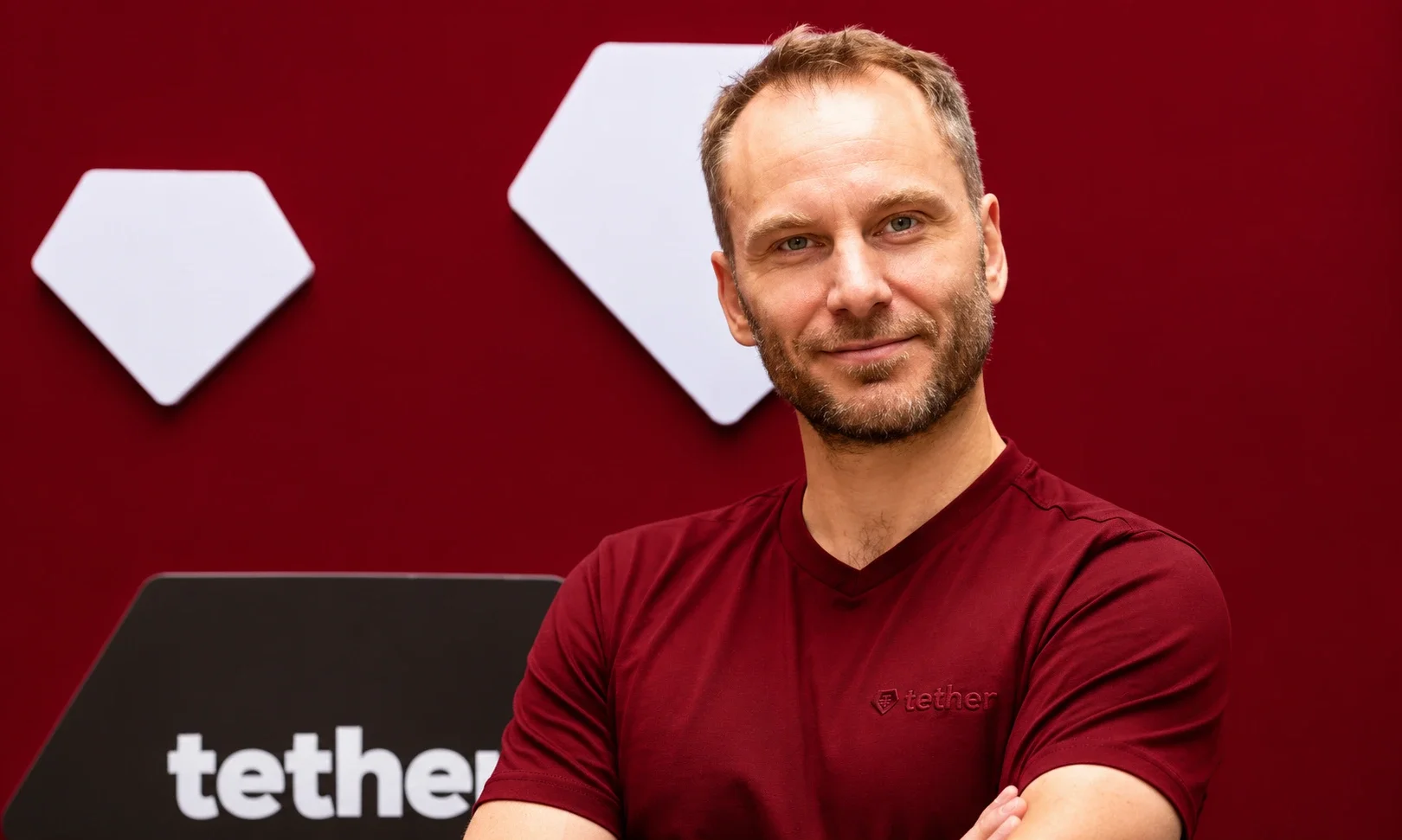
If Devasini is Tether’s silent owner, Ardoino is its public face. The Italian took over as chief executive in late 2023 after years as chief technology officer, and he runs the company from Lugano, Switzerland. He is the one who explains Tether to the world: the reserves, the profits, the plans to expand beyond stablecoins into energy and artificial intelligence.
His estimated $38 billion comes from his stake in a company that, on some measures, is the most profitable in crypto history per employee a few dozen people running a machine that earns billions a year in interest.
The GENIUS Act, which takes effect in January 2027, is in many ways written for companies like his: licensed, reserved, regulated. If it works as intended, his fortune is built on exactly the right side of the new rules.
4. Jean-Louis van der Velde — $38 billion
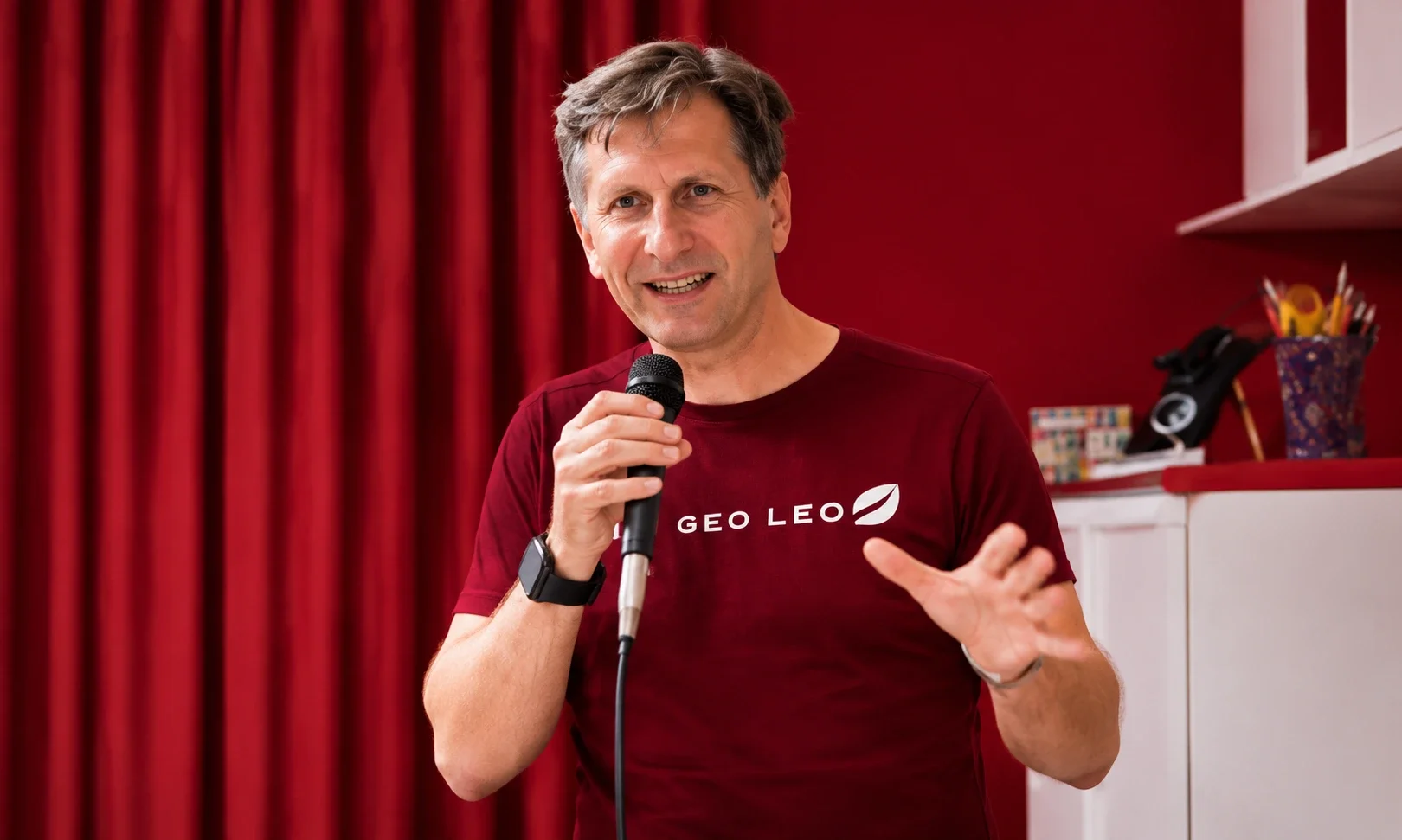
The Dutch co-founder of Tether and former chief executive of Bitfinex, van der Velde shares the $38 billion estimate with Ardoino the two are tied in the published rankings. He is the quietest of Tether’s four men: less visible than Ardoino, less written about than Devasini, and yet a co-owner of the same extraordinary machine.
His career runs through both halves of the Tether story the Bitfinex exchange, one of the oldest in crypto, and the stablecoin that grew out of it. Like his colleagues, his fortune depends entirely on a private company’s assumed value, which is why published estimates for him have ranged widely.
At the latest published figures he sits level with Ardoino, and together the four Tether men hold $190.0 billion more than half of this entire top 20.
5. Stuart Hoegner — $24.7 billion
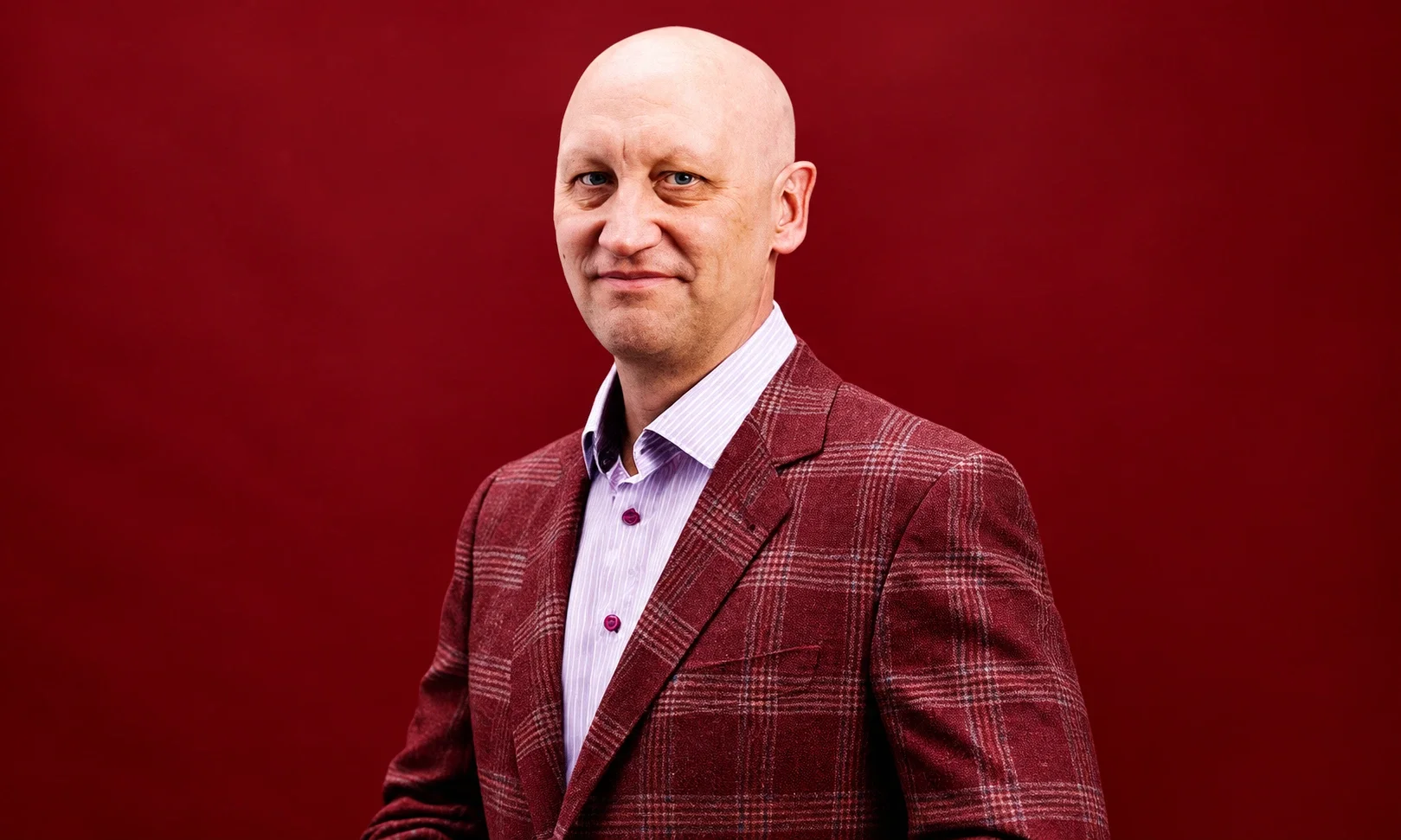
Hoegner is the lawyer in the room Tether’s general counsel, the Canadian who has spent years defending the company in courtrooms and in front of regulators. His estimated $24.7 billion stake makes him the fifth-richest person in crypto, and the fourth Tether man in the top five.
That tells you something important about where crypto money now sits: not with the traders, not with the miners, but with the people who own the plumbing. Stablecoins are the plumbing. Every trade, every transfer, every dollar that enters or leaves crypto passes through something like USDT.
Hoegner’s fortune is a lawyer’s fortune built on owning a piece of the pipes and as regulation arrives in 2027, the pipes are exactly what the law cares about most.
6. Brian Armstrong — $9.4 billion
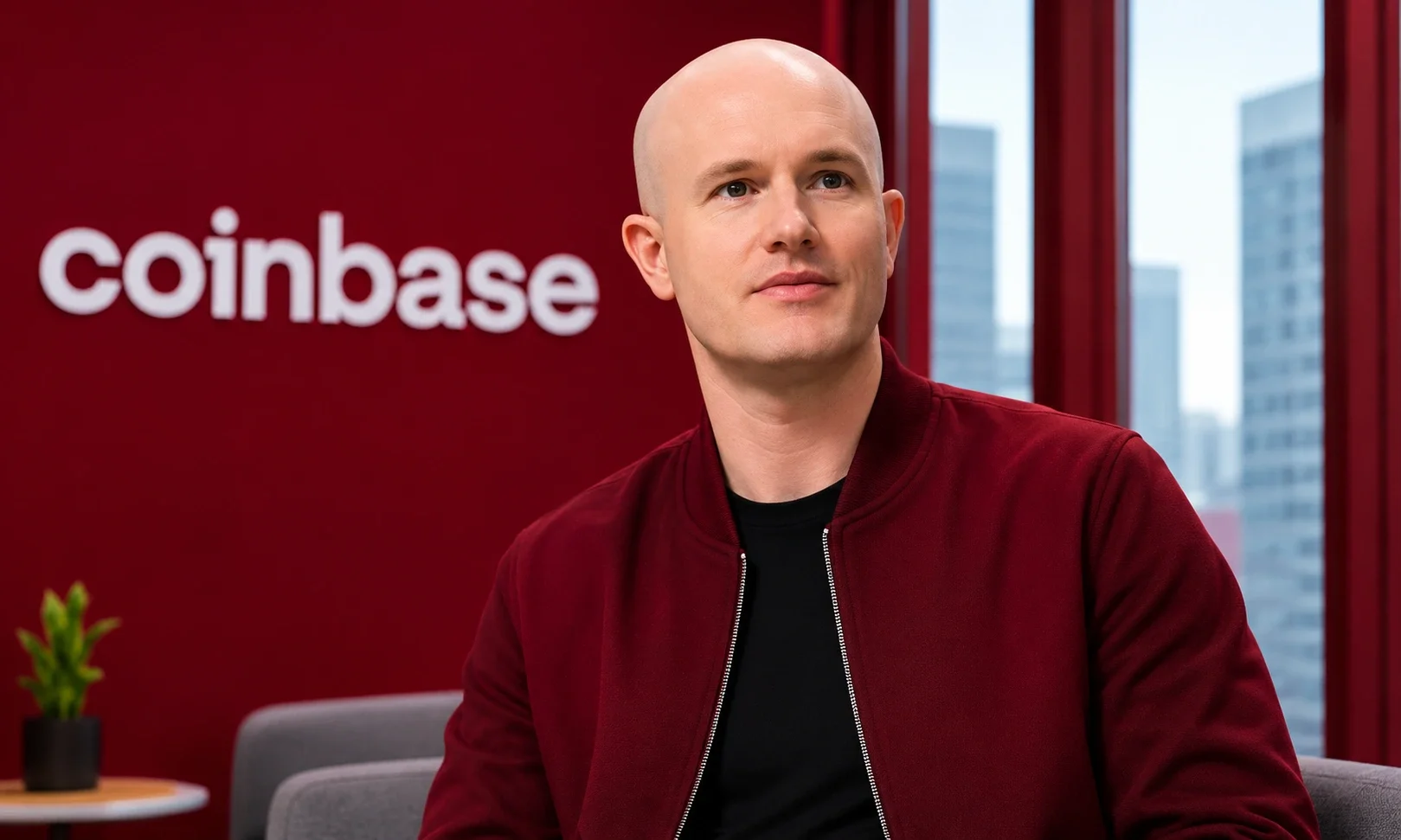
Armstrong was an engineer at Airbnb when he started writing code for a bitcoin wallet on the side. In 2012 he co-founded Coinbase, which became North America’s biggest crypto exchange and, in April 2021, the first major exchange to list on a stock market. His fortune is his Coinbase stake, priced at the market which is why it moves more honestly than the private-company estimates above it.
Published estimates for him have ranged from about $7 billion to $14 billion in 2026 as Coinbase’s share price swung; the latest published figure is $9.4 billion. He is the respectable face of American crypto: regulated, listed, audited, and now after years of fighting the Securities and Exchange Commission operating in a Washington that is finally writing rules instead of lawsuits.
7. Justin Sun — $8.5 billion
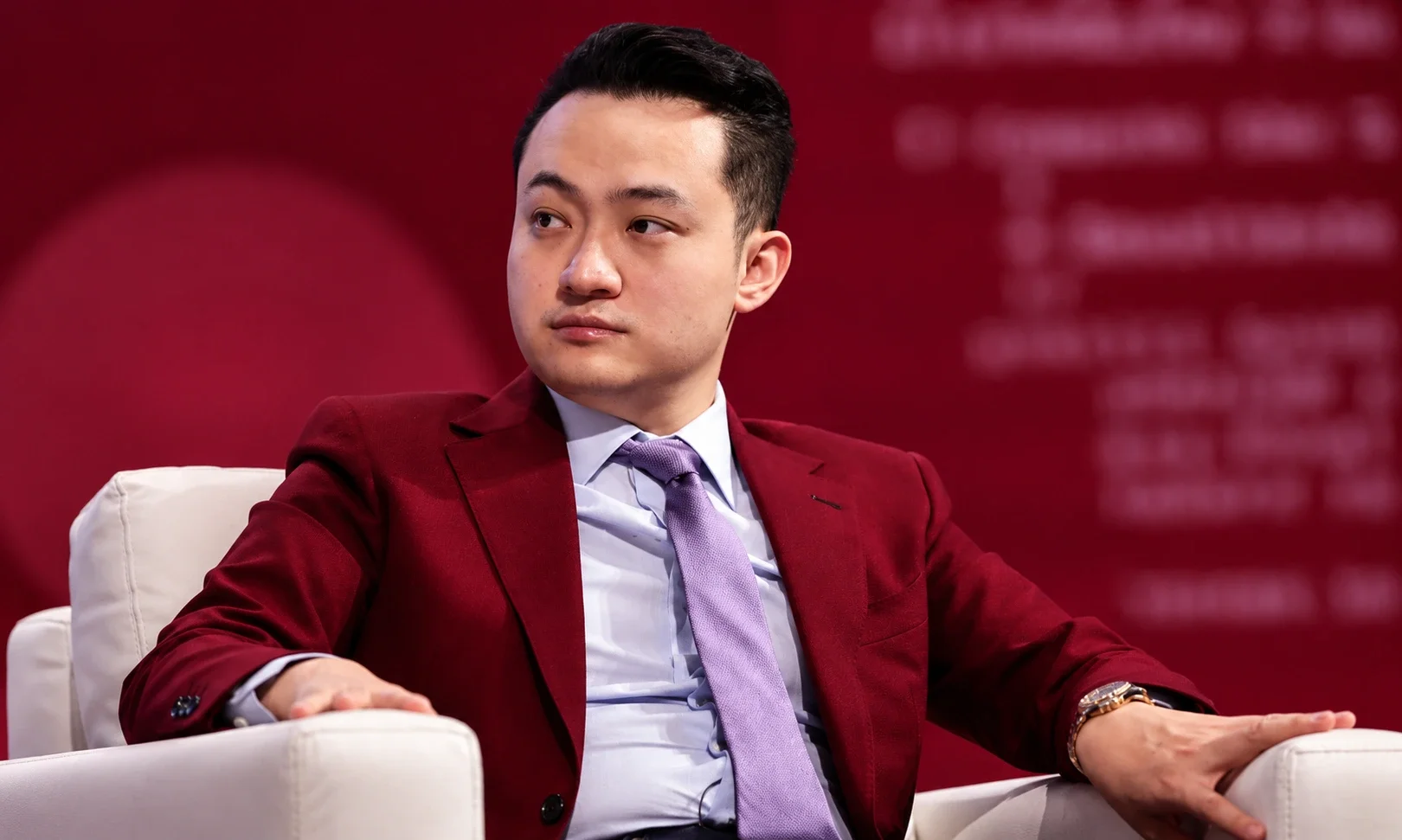
Sun founded TRON in 2017 and has spent the years since collecting titles, companies and headlines in roughly equal measure: adviser to the HTX exchange, founder of the TRON blockchain, diplomat for Grenada, and one of the most visible and most controversial figures in crypto. His estimated $8.5 billion comes from TRON, his crypto holdings and his exchange interests.
Nobody in crypto self-promotes harder, and nobody divides opinion more sharply: to his fans he is a tireless builder, to his critics a hype machine. The fortune, though, is real enough TRON processes a huge share of the world’s stablecoin transfers, and the tolls on that traffic flow to the people who built the road.
8. Chris Larsen — $8.4 billion
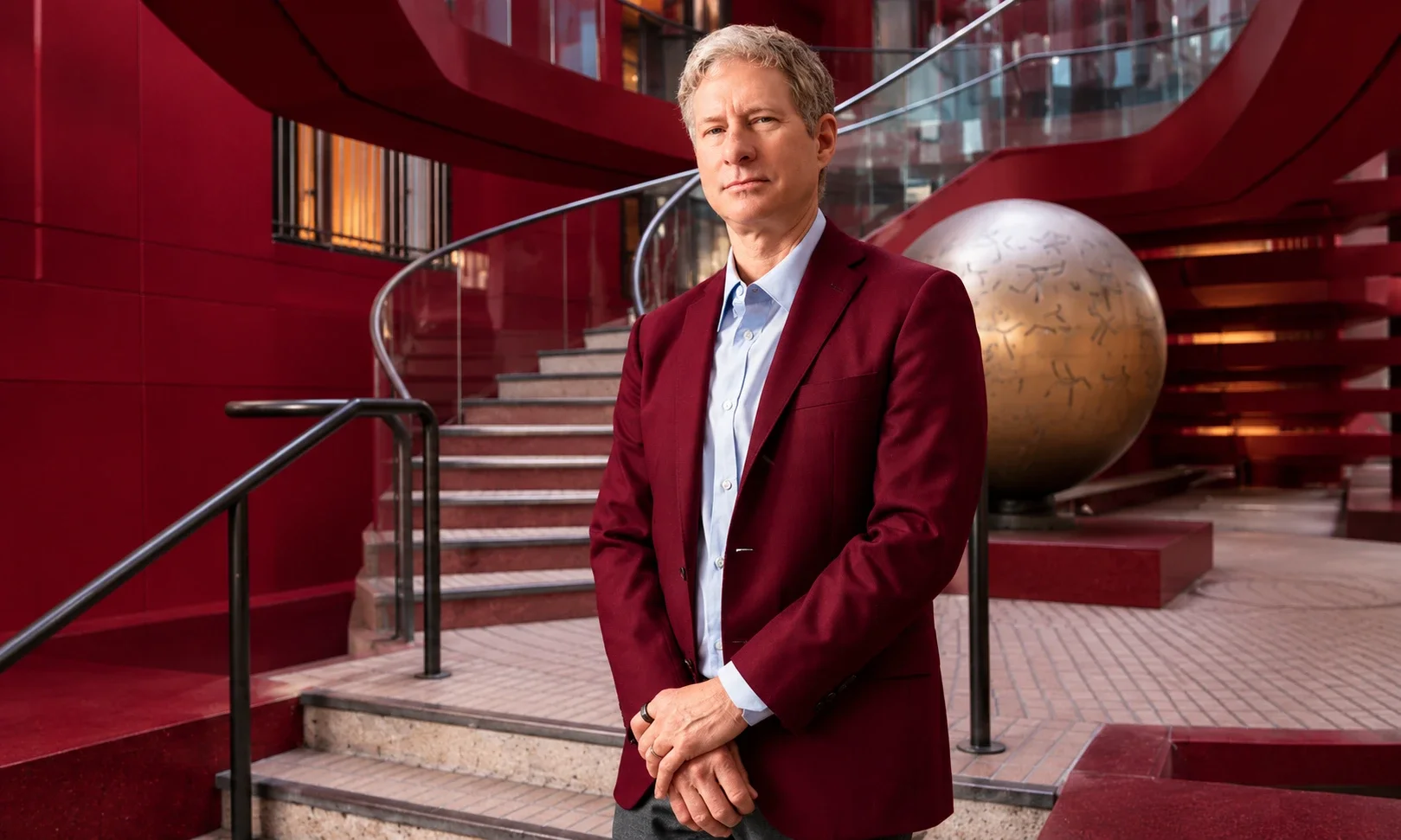
Larsen co-founded Ripple, the company behind XRP, and his fortune is his XRP holdings plus his Ripple stake. He is a serial founder before Ripple he built the online lender E-Loan and the peer-to-peer lending platform Prosper and at 65 he is one of the oldest people on this list.
Ripple spent years in a bruising legal fight with US regulators over whether XRP was a security, a fight that defined the industry’s relationship with Washington for half a decade. His estimated $8.4 billion rises and falls with the price of XRP, which makes his fortune one of the most volatile on this list: a good month for XRP can add a billion, a bad one can take it away.
9. Pavel Durov — $6.6 billion
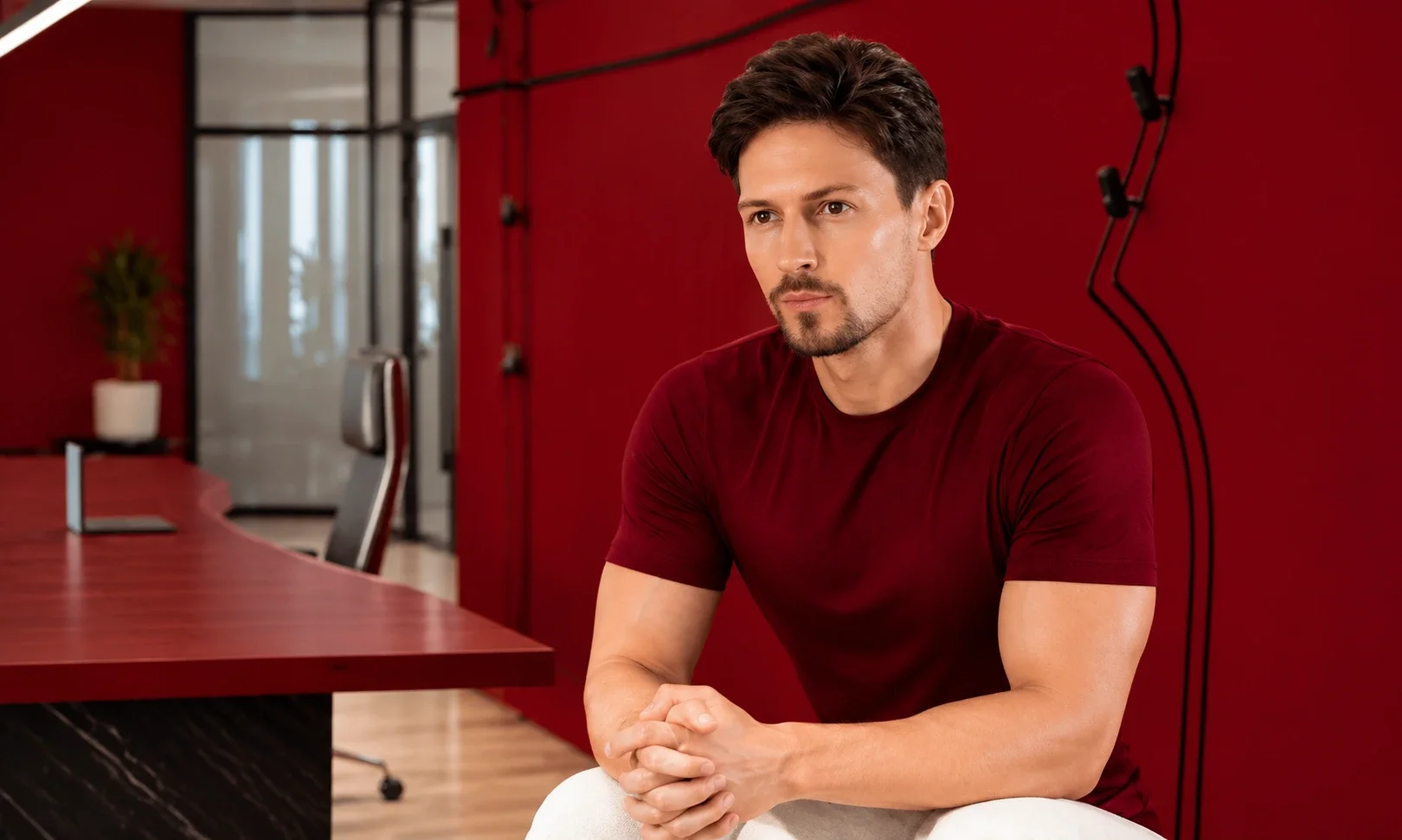
Durov founded Telegram, the messaging app with nearly a billion users, and the TON blockchain that grew out of it. Born in Russia, based in the United Arab Emirates, he is the only person on this list whose fortune was built on a messaging app rather than a coin or an exchange though TON’s token now adds to it.
In August 2024 he was arrested in France, an event that sent shockwaves through the tech world and turned him into a symbol of the fight between governments and encrypted platforms. His estimated $6.6 billion is the most “normal” fortune here in one sense: it comes from owning a huge, real product that hundreds of millions of people use every day, with crypto as the second act rather than the first.
10. Michael Novogratz — $5.6 billion
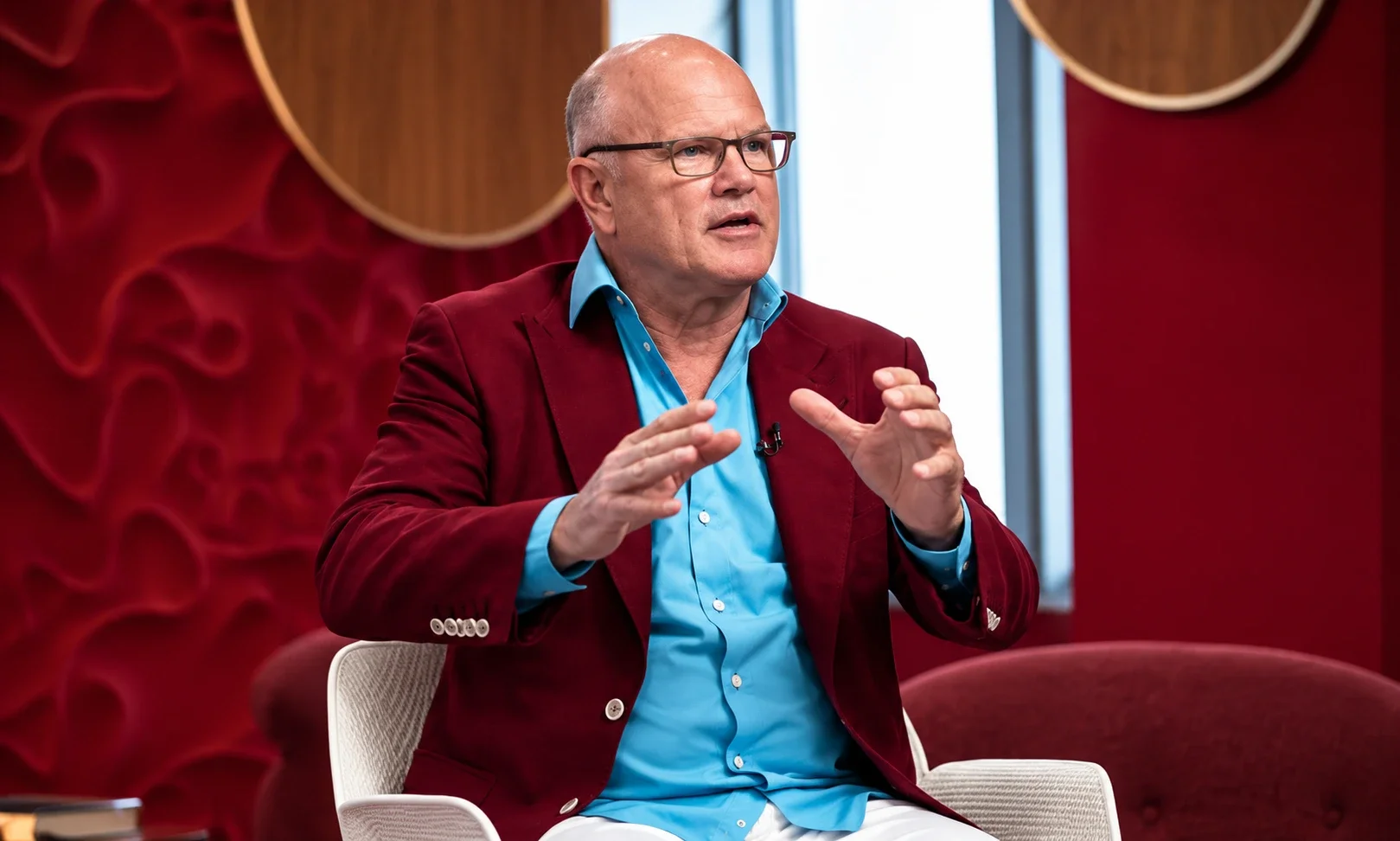
Novogratz is Wall Street’s man in crypto. A former Goldman Sachs partner and Fortress hedge fund manager, he founded Galaxy Digital, the crypto investment firm, and bet his own money and his reputation on digital assets long before respectable finance took them seriously.
His estimated $5.6 billion comes from his Galaxy stake and his personal crypto holdings. He is also crypto’s most quotable bull, appearing on television to call the market’s turns with a candour the industry’s founders usually avoid.
When bitcoin fell by half in late 2026, he was one of the few big names still arguing in public that the cycle was not over a view the expected mid-2027 bull run will either vindicate or embarrass.
11. Michael Saylor — $4.8 billion
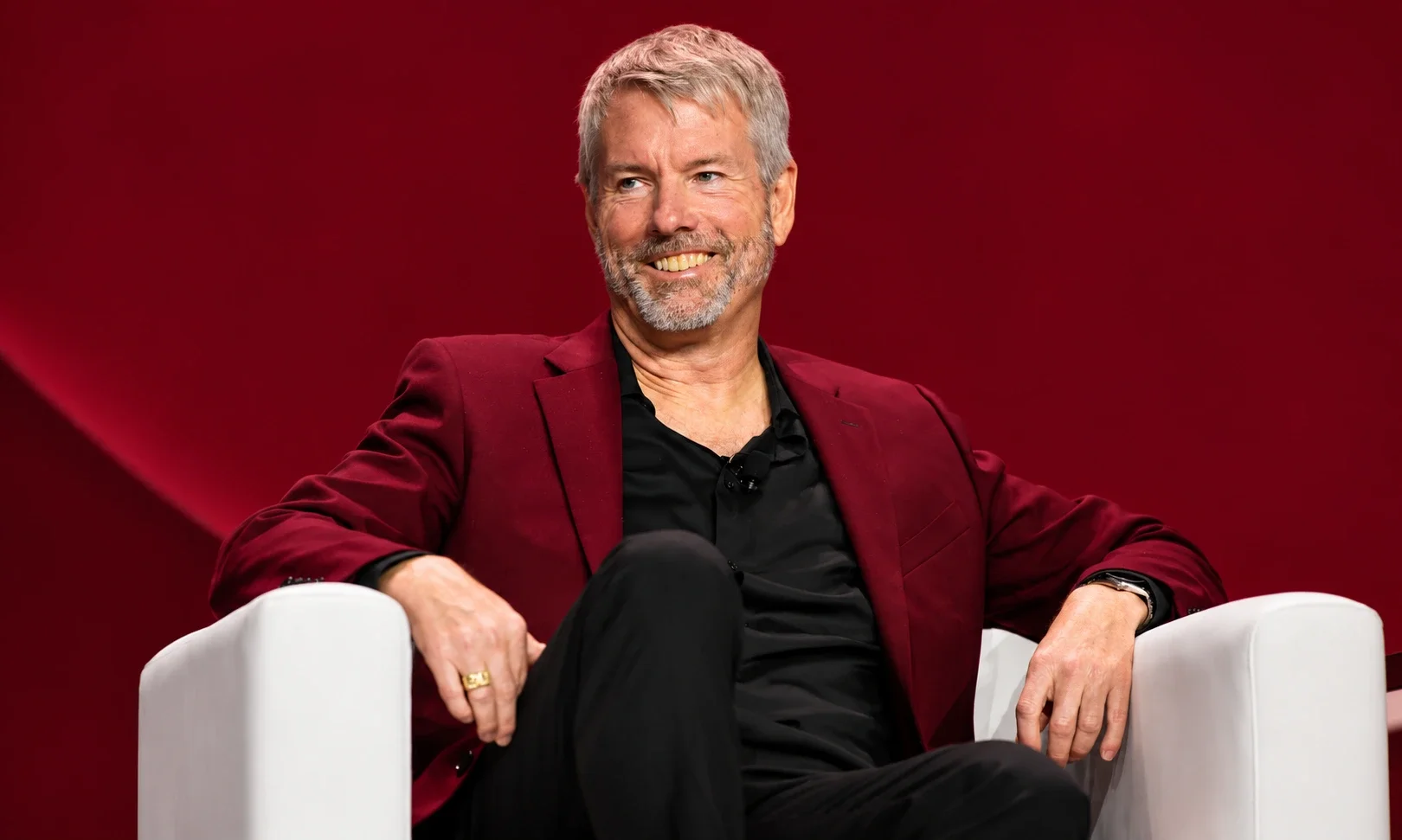
No one has bet more on bitcoin, more publicly, than Saylor. The founder and chairman of Strategy the software company formerly known as MicroStrategy turned his firm into a bitcoin accumulation vehicle, borrowing billions to buy the coin. By May 2026 the company held more than 800,000 bitcoin, one of the largest corporate treasuries on earth.
His personal fortune, an estimated $4.8 billion, is his Strategy stake plus his own bitcoin. He is either a prophet or a cautionary tale, and which one depends entirely on the bitcoin price: at $126,000 he looked like a genius, at $60,000 the leverage that built the fortune is the same leverage that threatens it. If the bull run arrives in mid-2027, no one on this list gains more.
12. Jed McCaleb — $3.9 billion
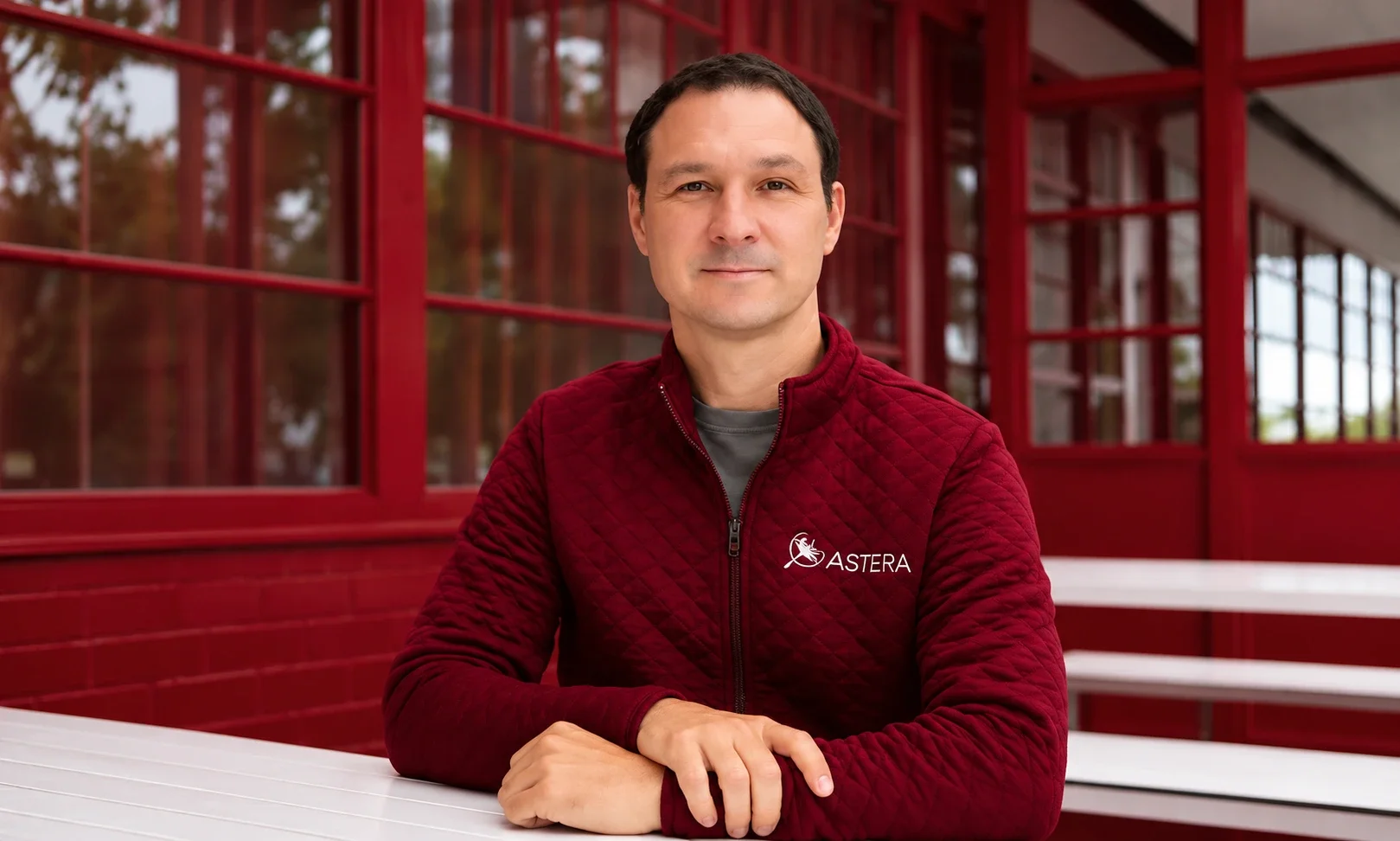
McCaleb co-founded Ripple, then left to found Stellar, a rival payments blockchain and in between he founded Mt. Gox, the exchange whose collapse in 2014 was crypto’s first great scandal (he had sold it years before it failed). His estimated $3.9 billion comes from XRP sales over the years and his Stellar holdings.
He is also spending a large part of it on his space company, Vast, which is building a private space station a reminder that crypto money, like all new money, eventually looks for something bigger to buy. He sold his XRP slowly, on a published schedule, over eight years, turning a founder’s stake into cash without crashing the price. It was one of the most disciplined exits in crypto history.
13. Tyler Winklevoss — $2.9 billion
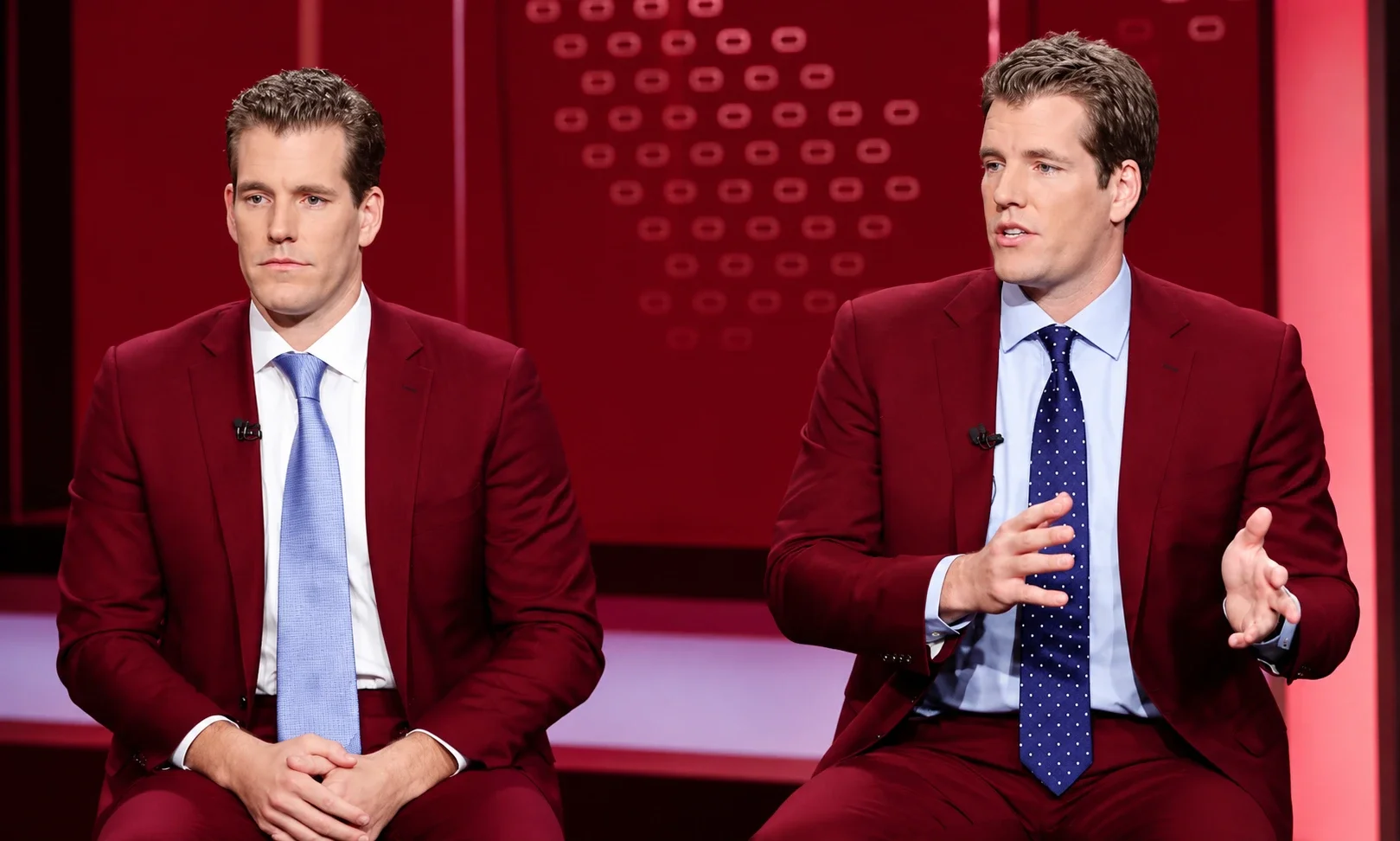
Tyler and his twin brother Cameron are the earliest bitcoin billionaires. Harvard rowers who competed at the Olympics, they used the money from their settlement with Facebook to buy bitcoin when almost no one else would about $11 million worth in 2013, when a coin cost roughly $120.
They went on to found Gemini, the New York exchange, in 2014. Tyler’s estimated $2.9 billion is his bitcoin plus his Gemini stake. The twins have spent a decade trying to make crypto respectable in the eyes of regulators, and Gemini’s long fight for licences in New York and abroad is part of that project. They were early, they were patient, and they never sold.
14. Cameron Winklevoss — $2.9 billion
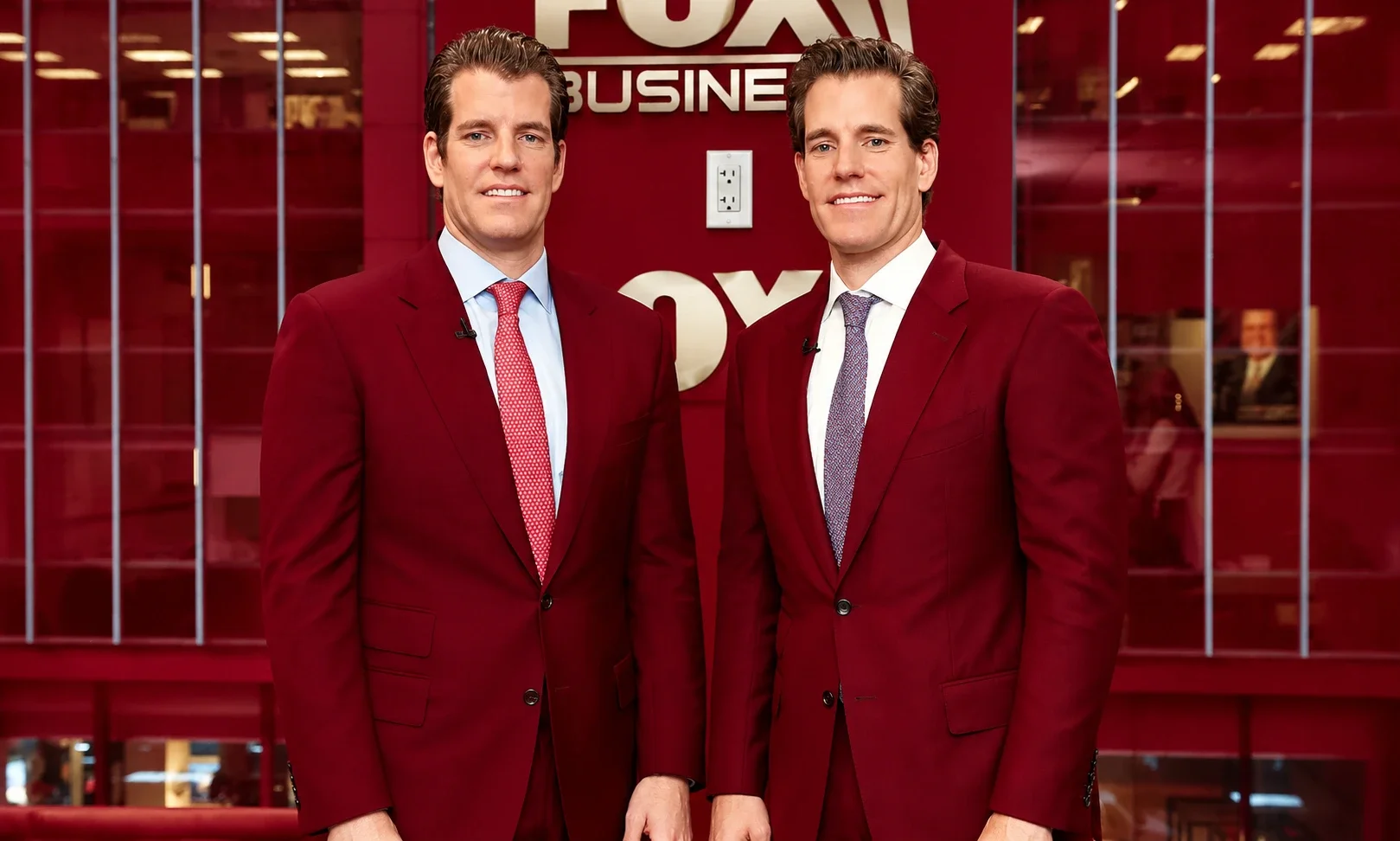
Cameron shares his brother’s fortune, his company and his story the two are tied at $2.9 billion each in the published rankings, and they run Gemini together. If Tyler is the twins’ public face, Cameron is the operator, and the division of labour has held for more than a decade.
Their combined $5.8 billion is the purest “bought early and held” fortune on this list: no exchange empire like Binance, no stablecoin tollbooth like Tether, just a very large pile of bitcoin bought when it was cheap, plus the exchange they built to trade it on. The lesson of their fortune is the simplest one in crypto, and the hardest to copy: be early, be right, and do nothing for thirteen years.
15. Fred Ehrsam — $2.6 billion
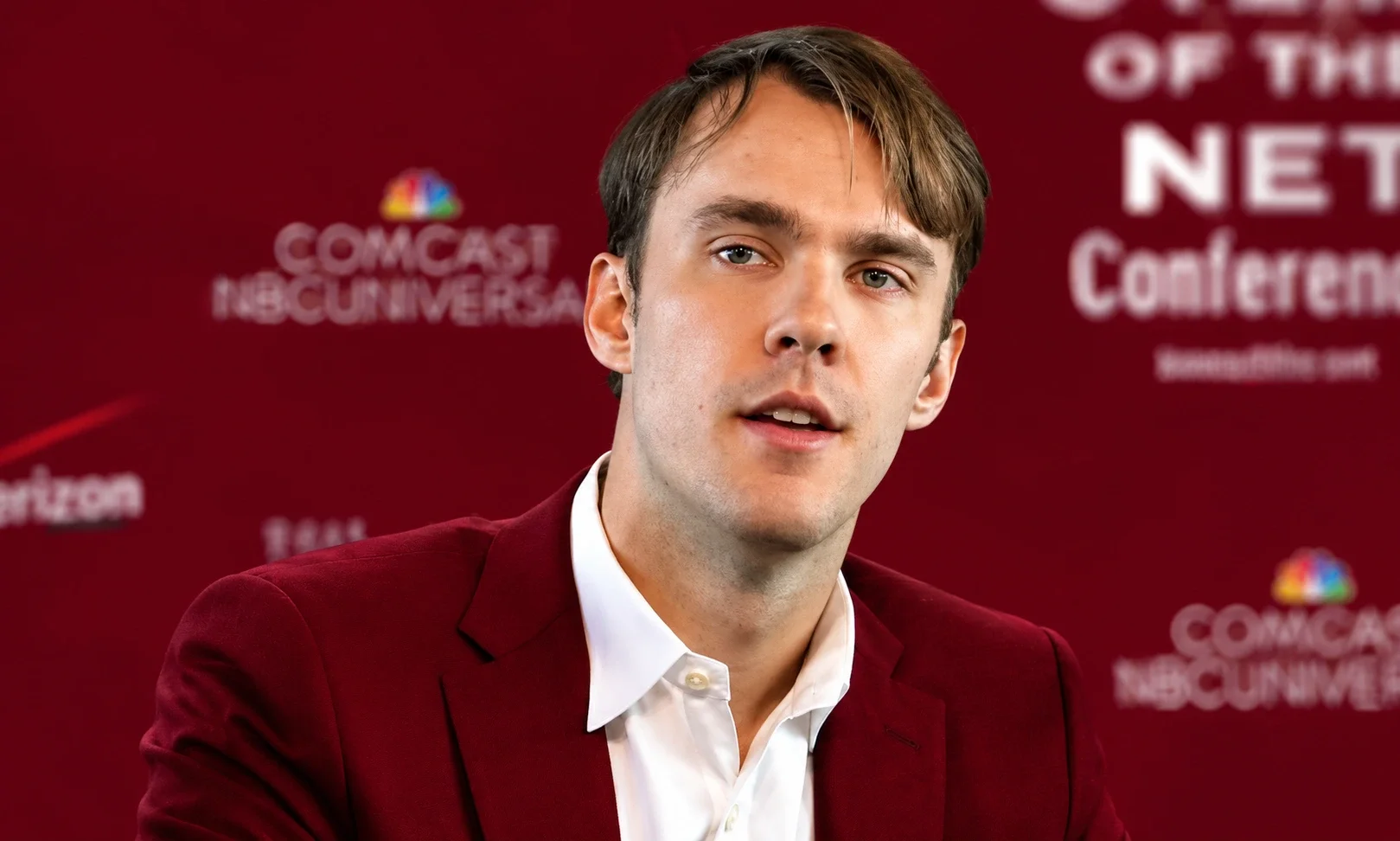
Ehrsam co-founded Coinbase with Brian Armstrong in 2012 and left in 2017 to co-found Paradigm, the crypto investment firm that has backed some of the industry’s biggest projects. His estimated $2.6 billion is his remaining Coinbase stake plus his Paradigm interests.
He is the quiet builder of the two Coinbase founders Armstrong took the chief executive’s chair and the spotlight, Ehrsam took the investor’s chair and the portfolio. Paradigm’s bets span exchanges, blockchains and infrastructure, which makes his fortune a bet on the whole industry rather than on one company. If crypto grows, Paradigm grows; if it shrinks, so does he.
16. Song Chi-hyung — $2.6 billion

Song is the richest crypto figure in Asia outside China: the founder of Dunamu, the company behind Upbit, South Korea’s largest cryptocurrency exchange. His estimated $2.6 billion comes from his Dunamu stake.
South Korea is one of the most crypto-obsessed countries on earth at times its retail traders have moved a larger share of global volume than any country except the United States and Upbit is where most of that trading happens.
Song is little known outside Korea, which is fitting: his fortune was built in a market the rest of the world barely watches, in a language most of the industry does not speak. He is proof that crypto wealth is not only an American and Chinese story.
17. Tim Draper — $2.3 billion
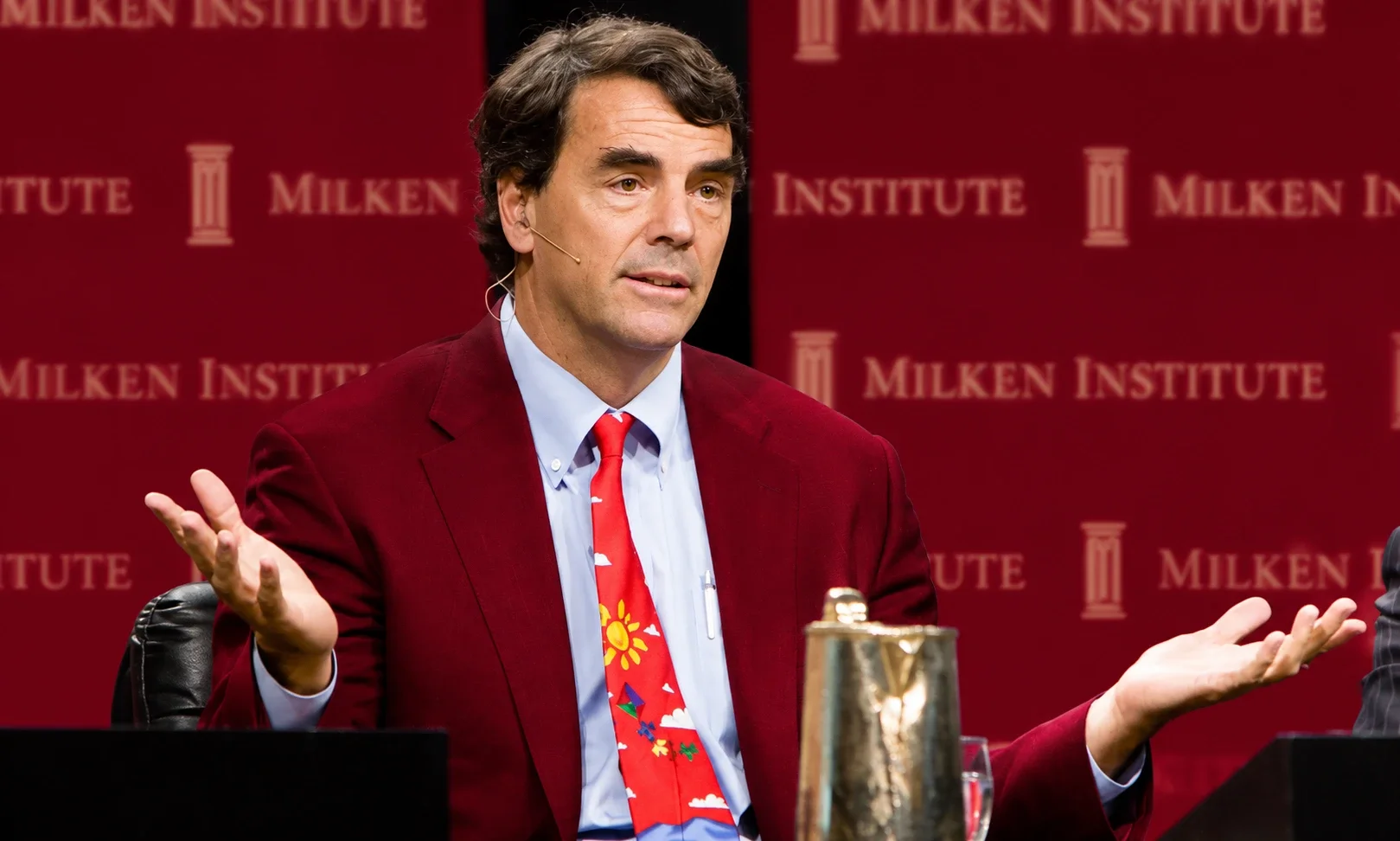
Draper is the venture capitalist who bought about 30,000 bitcoin at a US Marshals Service auction in 2014, paying roughly $19 million for coins seized from the Silk Road marketplace. That single purchase, at about $632 a coin, is now worth close to $2 billion on its own.
His estimated $2.3 billion fortune also includes decades of venture investments through Draper Associates and his family’s firm. He has predicted a $250,000 bitcoin for years, missed the date more than once, and kept predicting it anyway.
In crypto, being wrong about the timing and right about the direction has been enough and Draper is the proof. He is also a reminder that in this industry, the best trade of the decade was a government auction.
18. Matthew Roszak — $2.26 billion
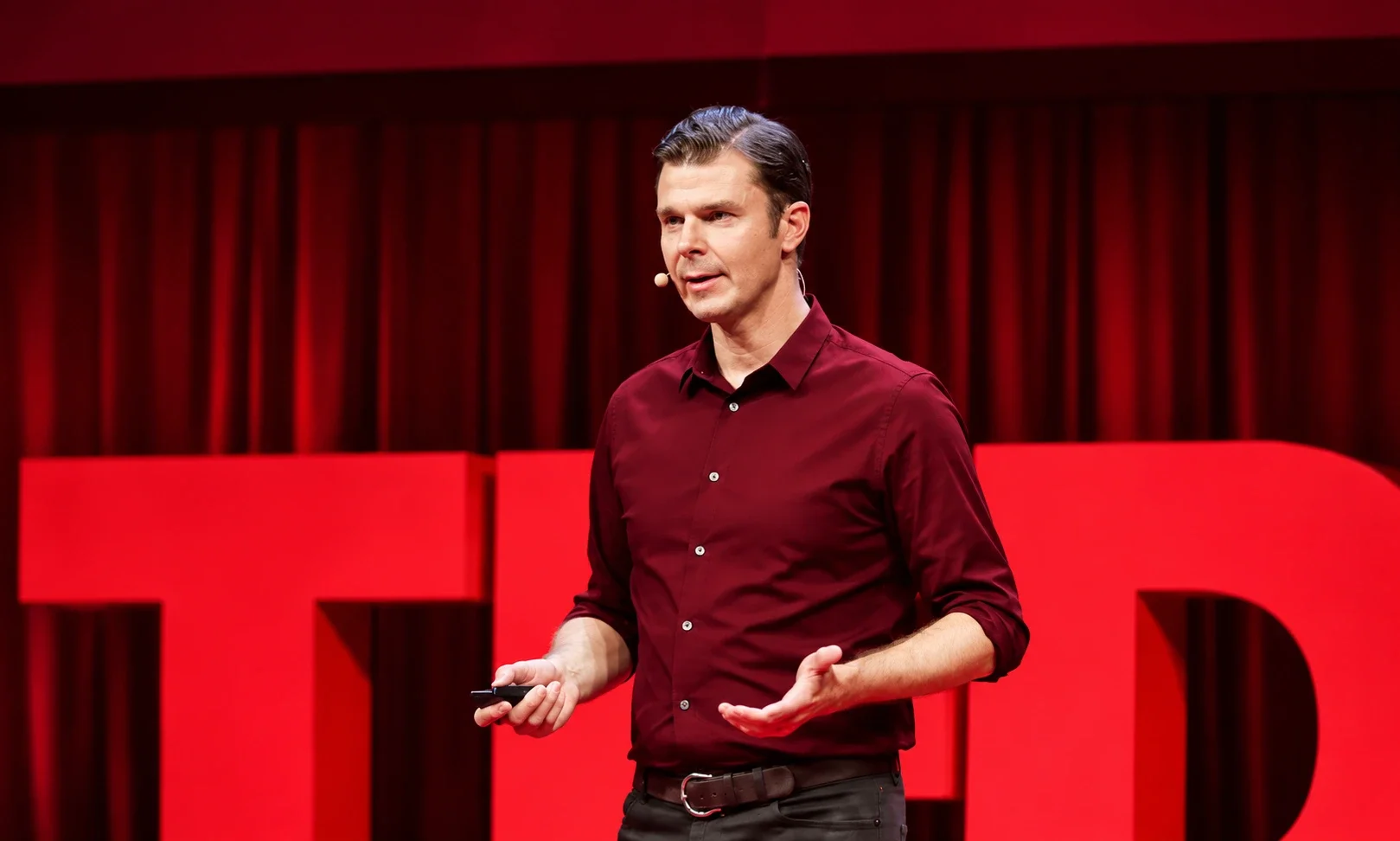
Roszak co-founded Bloq, a blockchain infrastructure company, and has been buying bitcoin since 2012, when he first heard about it at a conference and went home to read the white paper. His estimated $2.26 billion comes from his early bitcoin holdings and his Bloq stake.
He is one of the industry’s longest-serving evangelists a former venture capitalist who became a full-time believer and has spent fourteen years arguing that bitcoin is the most important invention of his lifetime. He is also, quietly, one of its most disciplined holders: he bought early, he bought often, and unlike many early buyers he did not sell when the price first went vertical.
19. Vitalik Buterin — $0.56 billion
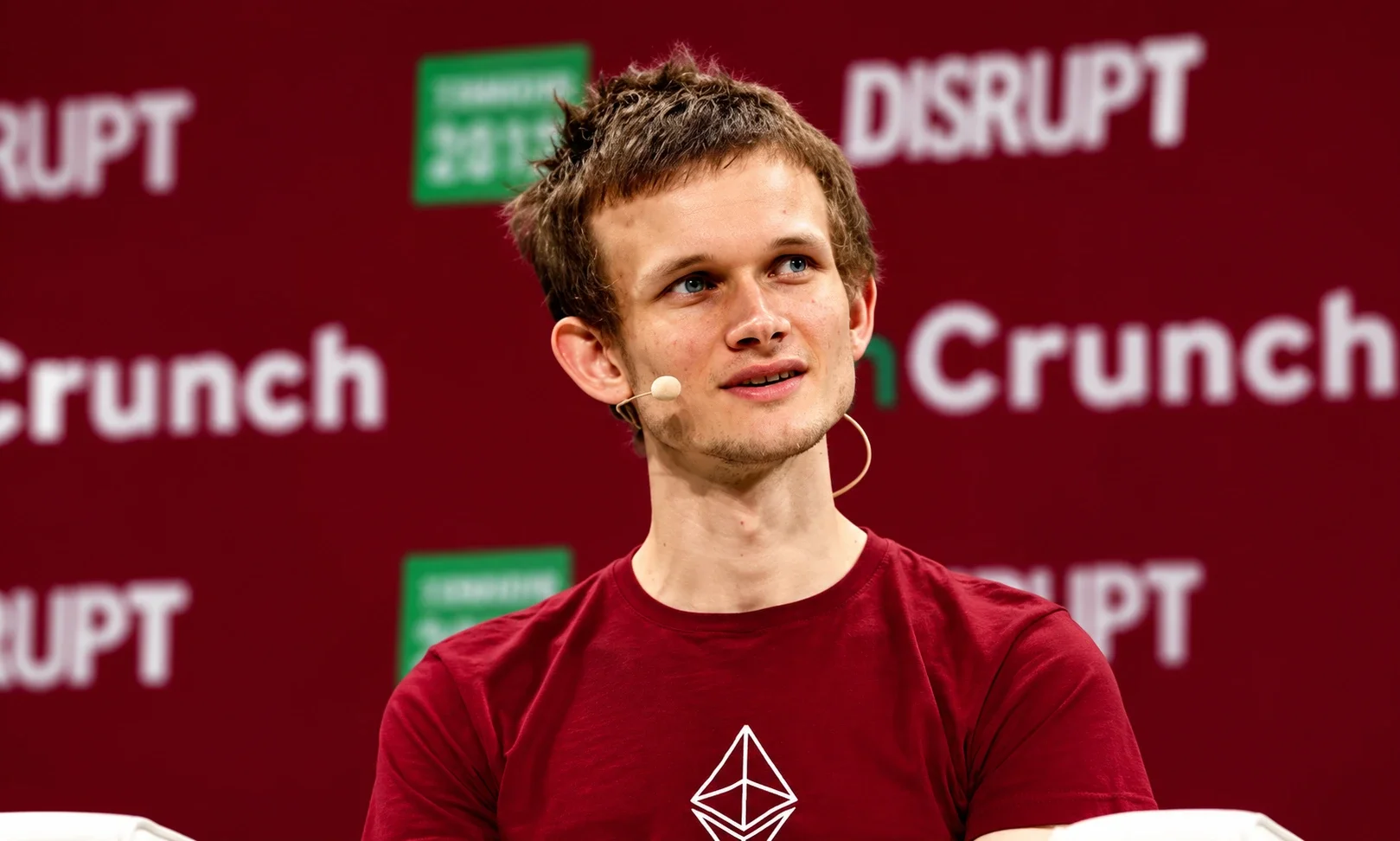
Here is the strangest entry on this list. Buterin co-created Ethereum, the second-biggest cryptocurrency and the platform on which most of the industry is built and he is worth an estimated $560 million, less than a third of the fortune of the man at number 18.
He holds relatively little ether for the founder of a trillion-dollar network, gives large amounts away, and has said publicly that he never set out to be rich. His fortune fell with ether’s price in 2026, and at the latest estimates he sits just below one billion dollars the only founder on this list who built the industry’s most important infrastructure and took the smallest share of the money.
If that looks like a failure of greed, it is also the reason the industry trusts him.
20. Anatoly Yakovenko — $0.5–1.2 billion
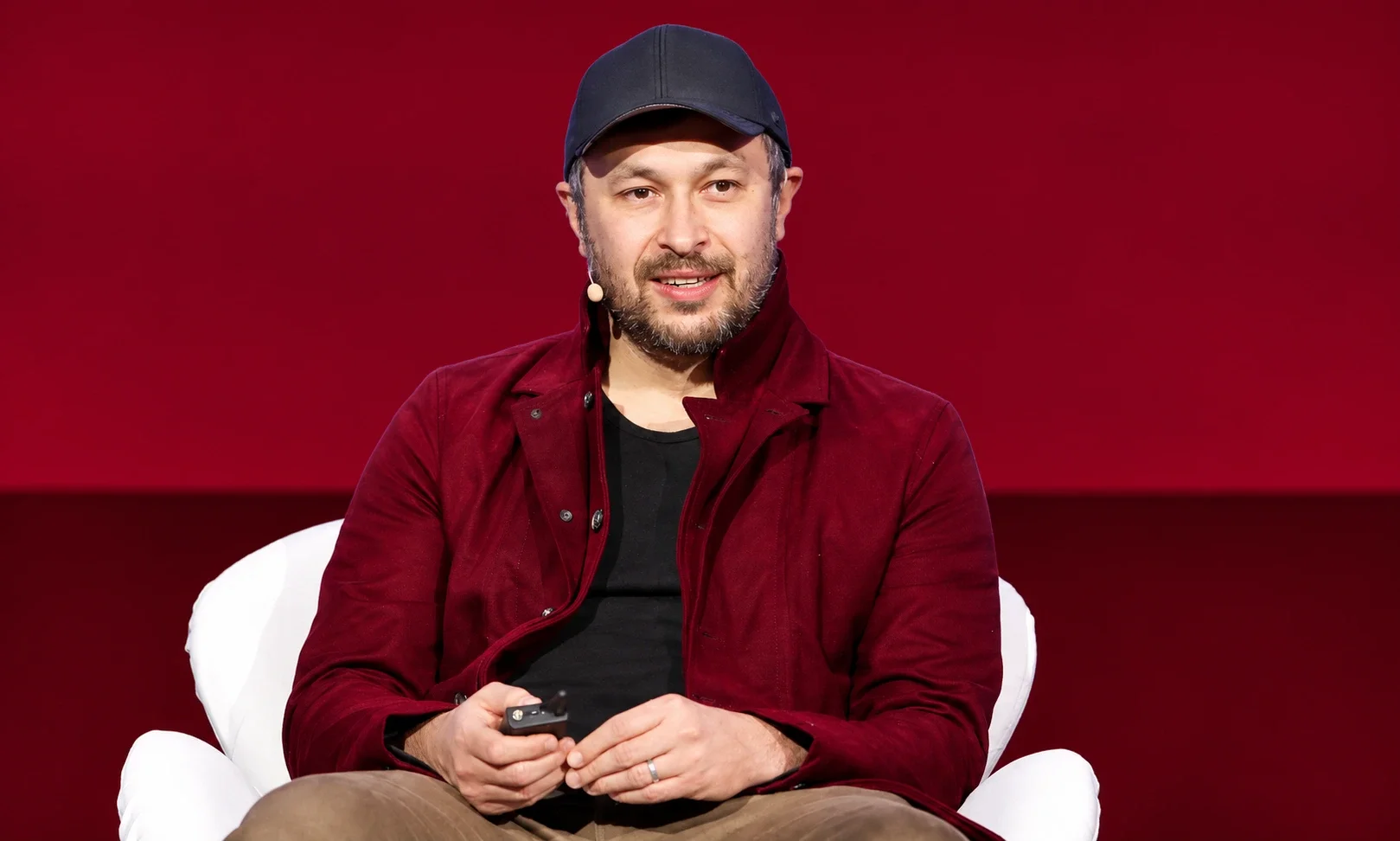
Yakovenko co-founded Solana, the blockchain that became Ethereum’s fastest rival, after years as an engineer at Qualcomm. His fortune is his SOL holdings, and published estimates disagree so widely from $500 million to $1.2 billion that we show the range rather than pretend to know.
Solana’s price has swung harder than almost any major coin in 2026, and his net worth swings with it: on a good week he is a billionaire, on a bad week he is not.
That is the honest condition of the bottom of this list. He closes the ranking because he built one of the three blockchains that matter, and because the range around his fortune tells the truth about crypto wealth better than any single number could: it is real, it is large, and it can halve in a month.
Exchanges vs builders vs holders where the money sits
Split the twenty into three tribes and the pattern jumps out. The exchange owners Zhao, Armstrong, the Winklevosses, Song run the tollbooths, taking a cut of every trade. The stablecoin owners the four Tether men run the plumbing, earning interest on the reserves behind every dollar that moves.
Together those two tribes hold about $322.4 billion of the $368.9 billion on this list. The builders Sun, Larsen, McCaleb, Buterin, Yakovenko created the blockchains and tokens, and their fortunes rise and fall with the price of what they built. And the holders Saylor, Draper, Roszak, Novogratz simply bought early and waited.
The lesson for 2027 is that the tollbooths and the plumbing got rich first, and got rich most reliably. The builders made the industry; the owners of the infrastructure banked it. The next generation of crypto wealth is already arriving and several of its faces are among the youngest billionaires on the 2026 list.
Who rises in 2027
Four people on this list are positioned for the year ahead. Paolo Ardoino’s Tether is the direct beneficiary of the GENIUS Act: from January 2027, issuing a payment stablecoin in the United States requires a licence, and the licensed giants win.
Michael Saylor’s fortune is pure leverage on the bitcoin price if the bull run expected around mid-2027 arrives, his Strategy stake multiplies fastest. Brian Armstrong’s Coinbase benefits from the same regulatory clarity, as the rules that once threatened American exchanges now protect them.
And Anatoly Yakovenko’s Solana, the fastest horse in the last bull run, is the coin most likely to outrun the market if risk appetite returns. The ones to watch are not the ones at the top Zhao and Devasini are too far ahead to catch but the ones in the middle, where a single good year can double a fortune. The world’s top startups to watch include several crypto companies that could put new names on this list by next year.
What could wipe them out
The same month that produced this ranking also showed how fast it can burn. In November 2026 bitcoin fell from about $80,000 to near $62,000 in eleven days, leveraged positions worth about $2 billion were liquidated in a single day, and spot bitcoin funds saw outflows for seven straight sessions.
That is the first risk: price. Every fortune here except the Tether four is a leveraged bet on a token price, and the price can halve in a month. The second risk is the law. The CLARITY Act, the market-structure bill, stalled in the Senate in September 2026, and the new Congress brings tougher voices on stablecoin yields and consumer protection.
The third risk is the companies themselves: exchanges fail, stablecoin reserves get questioned, founders get arrested Durov’s detention in France in 2024 was a reminder that a passport is not a shield. And the fourth risk is the one nobody prices: concentration. When four men at one private company hold $190.0 billion, the ranking is one audit, one lawsuit or one lost licence away from being rewritten.
Methodology
This is the BrandClickX 2027 ranking of the richest people in crypto, based on published wealth estimates. The main ranking figures are as of 16 November 2026, cross-checked against October 2026 real-time estimates.
Where published estimates disagreed, the most recent published figure was used and the range noted; Anatoly Yakovenko is shown as a $0.5–1.2 billion range and counted at the $1.0 billion midpoint in the combined total.
Figures move daily with crypto prices and with the share prices of listed companies such as Coinbase treat every number as an estimate at a point in time, not as money in a bank account. Ranks 19 and 20 sit just below one billion dollars at the latest estimates and are included as the richest crypto figures at that level.
Donald Trump is excluded because his fortune was not built by crypto. Barry Silbert is not on the list because no reliable published figure puts him in the top twenty. No figure in this article was invented. This article is not financial advice, and nothing in it is a recommendation to buy or sell any asset.
For the wider picture of how the richest people on earth made their money in crypto and far beyond it see the world’s most valuable personal fortunes.
Crypto made twenty people very rich and made millions of others believe they could be next. The truth in this ranking is narrower and more useful: the money went to the people who owned the exchanges, the stablecoins and the earliest coins and who held on through the crashes. The bull run may come in 2027. The tollbooths will be waiting either way.