The advertising industry’s oldest argument, that award-winning work and effective work are different things, was settled by research years ago and the industry mostly ignored it.
Peter Field’s analysis of the IPA database found that creatively awarded campaigns were historically many times more efficient at growing market share than ordinary ones, and in 2024 the “Cost of Dull” studies put a price on the flip side: boring creative forces brands to spend millions more on media just to reach the same effect.
Dullness, it turns out, is the most expensive media strategy ever devised. The moldy Whopper Burger King put on every screen in 2019 did not just win Cannes; it lifted sales double digits while doing it. This edition of the World’s 100 Best, BrandClickX’s annual benchmark series, ranks the best creative agencies that understand that equation.
Our advertising agencies edition covered the great campaign networks; this one covers the wider creative industry that has grown around them: the social-first shops that own TikTok, the production-era giants that industrialized craft, the B2B specialists making procurement exciting, the gaming studios building for the Roblox generation, and the boutiques in Mumbai, Manila, and Johannesburg embarrassing the legacy networks at every award show.
One hundred agencies, one test: does the work win awards and customers, not one at the expense of the other.
The Global 10
1. adam&eve (London)
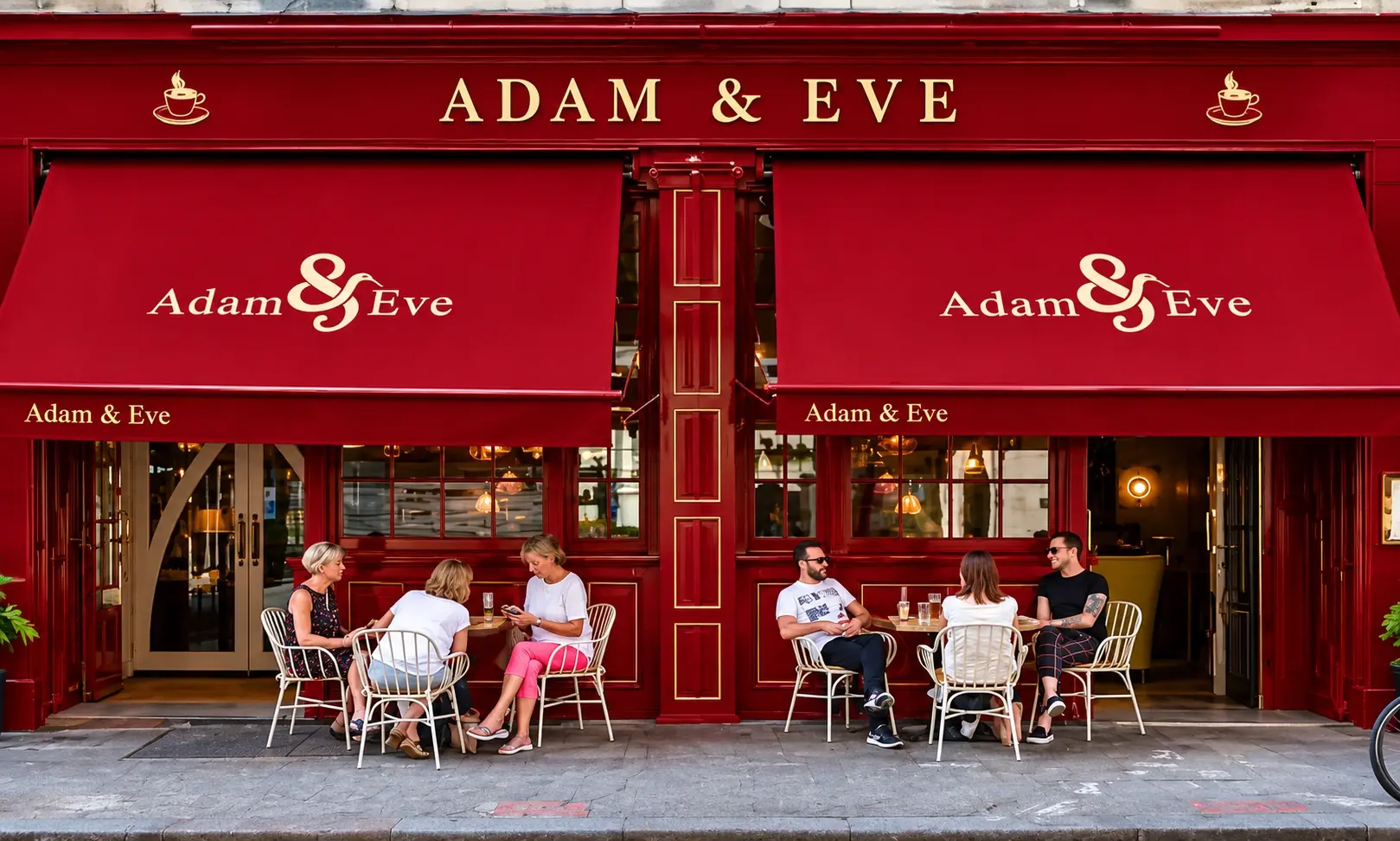
The agency that made a supermarket Christmas ad into a national ritual. Adam&eve’s John Lewis Christmas films ran for over a decade as Britain’s unofficial start of the holidays, and its trophy cabinet, Cannes Grand Prix, IPA Effectiveness gold, agency of the decade honors, is the strongest evidence anywhere that fame-building creativity and hard commercial results are the same discipline.
Now navigating the post-DDB era under its own storied name, it remains the benchmark for work a whole country waits for.
2. Anomaly (New York / Global)
The agency that rejected the agency model: Anomaly takes equity, launches its own products, and gets paid for outcomes rather than hours, which is why its work for Diageo, Google, and Dos Equis reads like business strategy with better jokes.
Founded in 2004 as a deliberate answer to holding-company bloat, it has become the template every modern indie now copies. The most imitated creative business model of the century.
3. Monks (Los Angeles / Global)
Sir Martin Sorrell’s post-WPP build, Media.Monks reborn as Monks, is the purest expression of the AI-era creative agency: one P&L, thousands of makers, and a production machine that treats personalization at scale as a craft rather than a cost center.
As generative AI rewires how content gets made, Monks is the biggest bet in the industry on owning the new production stack. The factory of the future, already running.
4. AKQA (San Francisco / Global)
The digital-era legend, founded in 2001, that proved interactivity could carry the same emotional weight as film, and spent two decades collecting agency-of-the-year honors to prove it. Now the design and innovation anchor of WPP alongside the Grey network, AKQA builds products, services, and experiences for the world’s biggest brands.
When the brief is “invent something,” this is the network name that still means invention.
5. R/GA (New York / Global)
“Connected by design” was the right thesis twenty years early: R/GA built the Nike+ platform and spent the connected-device era proving that a brand’s product and its marketing could be the same thing. The agency has weathered the industry’s consolidation with its innovation pedigree intact, pairing brand, experience, and ventures arms under one roof. The original creative technology company.
6. We Are Social (London / New York / Global)

The agency that took social seriously before the holding companies could spell it, and grew into a global network on a single insight: brands do not interrupt culture, they join it. Its annual Digital Report is the industry’s most-cited data source, and its socially-led creative model has become the default grammar of modern brand building. The professors of internet culture.
7. Fred & Farid (Paris / Shanghai)
The French duo who built an independent creative house on provocation and craft, then proved the model travels by opening in Shanghai and winning there too. Fred & Farid’s work runs on a simple conviction, that brands must stand for something and say it beautifully, delivered with a consistency that has collected thousands of international awards. The independent with two hemispheres.
8. Movers+Shakers (Brooklyn)
The TikTok-native studio that broke the platform’s records for e.l.f. Beauty, turning a branded song into billions of views and proving that social-first creative was not a budget tier but the main event. M+S moves at culture speed with strategy discipline, a combination the legacy shops spent years trying to reverse-engineer. The sound of where attention actually lives.
9. Laundry Service (Brooklyn)
The social creative agency behind a decade of Jordan Brand, Nike, and entertainment campaigns, so good at the internet that Wasserman bought it. Laundry Service’s model, creative, media, and production wired together for always-on culture, is what every big network now claims to do. The quiet architect of social-native brand building.
10. Superside (Oslo / Distributed)

The creative-as-a-service pioneer: subscription access to a global creative team, AI-accelerated workflows, and hundreds of enterprise customers who tired of agency overhead.
Superside is not the romantic vision of a creative agency, which is exactly the point: it is the pragmatic one, industrializing the 80 percent of creative work that needs to be excellent and fast rather than famous. The model every CFO wishes came first.
Social-First Creative (11–20)
- Born Social (London). Social-first creative for brands like Guinness and Uber, with strategy depth behind the memes. London’s social standard-setter.
- Social Chain (Manchester). Steven Bartlett’s social empire, built on owning audiences before selling to them. Manchester’s internet-native upstart.
- Goat Agency (London / Global). Influencer and social creative at WPP scale, with performance discipline rare in the creator economy. The influencer era’s grown-up.
- Billion Dollar Boy (London / New York). Creator-led campaigns for global brands, blending data with genuinely good taste. The tasteful influencer machine.
- The Fifth (London). News UK’s creator agency, bringing editorial instincts to influencer marketing. Where newsroom meets feed.
- Obviously (New York). Full-service influencer campaigns at enterprise scale, with technology underneath. The enterprise creator operator.
- Viral Nation (Toronto). Social-first marketing with creator economy infrastructure and global clients. Toronto’s social-scale specialist.
- Portal A (San Francisco / LA). YouTube-native creative with a decade of platform-first brand storytelling. The internet video veterans.
- Team Epiphany (New York). Cultural marketing where music, fashion, and brands intersect, two decades deep. The culture brokers.
- Cashmere (Los Angeles). Culture-led creative for entertainment and lifestyle brands, fluent in the audiences others rent. LA’s cultural translator.
Creative Production and Brand Experience (21–30)
- Tag (London / Global). The production giant behind global brand campaigns at omnichannel scale, where craft meets logistics. The industry’s industrial backbone.
- Hogarth (London / Global). WPP’s production arm, reinventing content supply chains with AI-assisted craft. The quiet machinery under famous campaigns.
- Craft Worldwide (New York / Global). McCann’s production and adaptation network, scaling creative across markets without losing the idea. The globalization of good work.
- Little Dot Studios (London / LA). Digital content production and channel management for brands and broadcasters. The YouTube whisperers.
- Jack Morton (Boston / Global). Eighty years of brand experience, from Olympic ceremonies to product launches. The events industry’s founding family.
- Momentum Worldwide (New York / Global). Experiential marketing for the world’s biggest sponsors, where brands meet fans in person. The sponsorship experience specialists.
- Imagination (London / Global). Brand experience design for automotive and technology giants, blending architecture with theater. London’s experience engineers.
- George P. Johnson (Detroit / Global). The original event marketing agency, a century of launches and exhibitions. The tradeshow-to-keynote institution.
- Amplify (London). PlayStation-grade brand experiences and cultural events with creative ambition beyond the category. London’s experience auteurs.
- Because (London / Global). Global experiential with a sustainability conscience and three decades of brand activations. The dependable experience network.
UK Creative Boutiques (31–40)
- Creature (London). Independent creative for brands that want wit with their strategy. London’s cleverest small shop.
- Above+Beyond (London). Culture-first creative for entertainment and lifestyle brands. The fan-whisperer of Soho.
- CHI & Partners (London). Three decades of independent-minded British creative, still producing work the networks envy. The veteran boutique.
- Quiet Storm (London). Creative and production under one roof, with a famously direct working model. London’s understated craftsman.
- Karmarama (London). Now part of Accenture Song, bringing creative warmth to transformation-scale clients. The friendly giant-killer, institutionalized.
- The Gate (London). Independent creative with a challenger mindset and finance-to-retail range. The City’s creative neighbor.
- isobel (London). Full-service independent with a planning-led approach and consistent effectiveness record. The sensible shoes that dance.
- Pablo (London). Brand building for companies in transition, with a knack for turnaround stories. London’s second-act specialist.
- BMB (London). Creatively ambitious independent with a taste for big, human brand ideas. The romantic’s London shop.
- elvis (London). Integrated creative for brands that need to feel famous fast. London’s accelerated-fame machine.
The American Heartland (41–50)
- Cramer-Krasselt (Milwaukee / Chicago). America’s second-oldest independent agency, still making famous work for national brands. The Midwest’s living legend.
- Fallon (Minneapolis). The shop that invented BMW Films and Cadbury’s Gorilla: a legacy of branded entertainment the industry still studies. Minneapolis’s creative monument.
- Carmichael Lynch (Minneapolis). Decades of Subaru storytelling that turned a niche car into a love brand. The relationship builders.
- Colle McVoy (Minneapolis). Employee-owned creative with a sustainability spine and national clients. The Twin Cities’ conscience.
- Mono (Minneapolis). Design-inflected creative with a minimalist philosophy and maximum craft. The quiet perfectionists.
- Brunner (Pittsburgh / Atlanta). Independent creative and media with performance analytics attached. Pittsburgh’s modern full-service.
- Marcus Thomas (Cleveland). Employee-owned integrated agency with category-defying range. Cleveland’s creative institution.
- Fahlgren Mortine (Columbus). PR-integrated creative for tourism, health, and B2B, with real regional roots. Ohio’s storyteller.
- Bader Rutter (Milwaukee). The agency that knows agriculture and industry like nobody else, with creative polish to match. Where farm meets famous.
- EP+Co (Greenville, SC). Brand re-ignition specialists for national companies with dusty equity. The South’s revival machine.
B2B Creative (51–60)
- Transmission (London / Global). The largest independent B2B creative network, making enterprise technology genuinely compelling. B2B’s global champion.
- Gravity Global (London / Global). B2B brand and demand for aerospace, tech, and industrial giants, with a “fame-admiration-belief” model. The complex-sale specialists.
- Stein IAS (New York / London). The B2B agency that has argued for decades, correctly, that business buyers are people too. The humanizers of enterprise marketing.
- Velocity Partners (London). B2B content with actual personality, famous for manifestos that marketers tattoo on slides. The attitude merchants.
- Earnest (London). B2B brand and campaigns with consumer-grade creativity. London’s antidote to beige.
- Omobono (Cambridge). Digital and brand experience for global B2B, born in a university town of big ideas. Cambridge’s contribution to corporate creativity.
- Torpedo (Oxford). B2B creative and digital for technology and industrial brands. Oxford’s quiet powerhouse.
- Fox Agency (Leeds). B2B marketing with automotive and tech depth, growing fast on integrated models. Yorkshire’s B2B riser.
- Momentum ITSMA (London / Boston). The account-based marketing pioneers, where creative serves named accounts rather than audiences. The ABM institution.
- Yesler (Seattle). B2B marketing services for technology giants, blending creative with program delivery. Seattle’s enterprise creative engine.
India’s Creative Explosion (61–70)
- Dentsu Webchutney (Mumbai). India’s most internationally awarded digital creative shop, including Cannes Titanium for work that used technology to confront history. The proof that Indian creative leads, not follows.
- The Glitch (Mumbai). WPP-backed digital creative with a pop-culture instinct and India’s biggest brand roster. Mumbai’s content engine.
- Schbang (Mumbai). The integrated creative group that grew from startup to national force in under a decade. India’s whole-solution agency.
- Famous Innovations (Mumbai). The fiercely independent shop behind some of India’s most awarded campaigns. Mumbai’s creative insurgent.
- Talented (Mumbai). The young indie stacking Indian Agency of the Year mentions with work that travels. The current hotshop.
- The Womb (Mumbai). Strategy-led creative famous for category-building Indian campaigns. The planners who learned to make films.
- Kinnect (Mumbai). Digital-first creative at scale, now part of FCB’s lineage, serving India’s biggest advertisers. The scaled specialist.
- GIGIL (Manila). The Filipino independent behind the strangest, most award-collecting ads in Asia. Manila’s beautiful weirdos.
- BBDO Guerrero (Manila). Philippine creativity with network discipline, exporting ideas across the region. Manila’s decorated veteran.
- Innocean (Seoul / Global). Born inside Hyundai’s orbit, now a global creative network in its own right. Seoul’s scaled creative export.
Interactive, Motion and Play (71–80)
- Drill (Tokyo). Tokyo’s independent creative boutique with a strategy edge and international juries’ attention. Japan’s craft insurgent.
- Six (Tokyo). Creative direction and brand experiences from a compact Tokyo studio. Small footprint, global taste.
- Whatever (Tokyo / New York). The studio that blurs advertising, product invention, and art, now teaching New York its tricks. Where briefs become prototypes.
- PARTY (Tokyo). Interactive storytelling pioneers, famous for experiences that made the internet feel handmade. Tokyo’s playful technologists.
- Rhizomatiks (Tokyo). The collective behind Perfume’s iconic stage visuals, where code becomes performance. Japan’s digital art-engine.
- The Gang (Stockholm). The Roblox-native studio building brand worlds for the generation that grows up in games. Stockholm’s metaverse miners.
- Dubit (Leeds). Two decades of kids’ digital worlds, now the go-to for brands entering Roblox and Fortnite. The veterans of virtual play.
- Karta (London). Metaverse and gaming experiences for music and brand giants. London’s world-builder.
- Buck (New York / LA / Sydney). The motion-design powerhouse behind title sequences, brand films, and interfaces you have definitely seen. Where design moves.
- Giant Ant (Vancouver). Animation and motion storytelling with a warmth that sells. Vancouver’s frame-by-frame storytellers.
European Creative Boutiques (81–90)
- Marcel (Paris). Publicis’s creative boutique, home of Cannes-lionized French work and the AI platform that shares its name. Paris’s second creative soul.
- Les Gaulois (Paris). Independent French creativity with a rebellious streak and blue-chip clients. The Parisian holdout.
- Makemepulse (Paris). Interactive and WebGL experiences at the craft frontier, where code is the medium. Paris’s digital artisans.
- DUDE (Milan). Independent Italian creative with editorial polish and international clients. Milan’s design-literate advertiser.
- Caffeina (Parma). Italian digital creative blending strategy, design, and technology. Emilia-Romagna’s creative engine.
- AQuest (Verona). Digital creative and production for luxury and lifestyle brands, from the land of beautiful things. Verona’s digital craftsman.
- Kolle Rebbe (Hamburg). Independent German creativity with a mischievous streak and serious effectiveness. Hamburg’s jokers with receipts.
- Grabarz & Partner (Hamburg). Three decades of German creative craft for automotive and consumer giants. The Hanseatic institution.
- Sra. Rushmore (Madrid). Spain’s beloved independent, behind decades of campaigns Spaniards quote at dinner. Madrid’s national treasure.
- Denkwerk (Cologne). Digital creative and experience design with German engineering underneath. Cologne’s systematic creatives.
The Global South and Rising Indies (91–100)
- Joe Public (Johannesburg). South Africa’s independent champion, behind the Chicken Licken ads that became cultural folklore. Joburg’s creative pride.
- We Believers (Miami / Buenos Aires). The bilingual indie behind socially ambitious ideas like the Social Swipe, moving between Latin passion and American scale. The believers, indeed.
- The Cyranos (Santiago). Chile’s independent creative force, exporting ideas across Latin America. Santiago’s sharp pens.
- The Hallway (Sydney). Australian independent with a design spine and effectiveness focus. Sydney’s straight-talking shop.
- Motion Sickness (Auckland). New Zealand’s breakout indie, behind campaigns that colonized the national conversation. Auckland’s fever dream.
- Makani Creatives (Mumbai). Integrated creative for India’s fastest-growing consumer brands. Mumbai’s dependable climber.
- Soho Square (Mumbai). WPP-backed Indian creative with consumer brand depth. The Mumbai workhorse with awards.
- Bang in the Middle (Gurgaon). Independent Indian creative with a challenger manifesto and regional brand firepower. The Delhi-NCR insurgent.
- FoxyMoron (Mumbai). Youth-culture digital creative, now part of a global network, still fluent in India’s internet. The millennial-to-Gen-Z bridge.
- Sociowash (Delhi). Fast-scaling Indian digital creative with youth-first instincts and a growing national roster. Delhi’s social-native closer.
How to use this list
The Cost of Dull research reframes every budget conversation on this list. Mediocre creative is not the safe option; it is the expensive one, because dull work must buy its attention with media money while great work earns attention for free.
When choosing, match the agency to the audience’s habitat: the social-first tier owns TikTok and Reels fluency, the production giants own scale, the interactive studios own the gaming generation, and the boutiques in the regional tiers own cultural specificity that no global network can fake.
The romantic mistake is hiring a famous network for a niche problem; the practical mistake is hiring a boutique for a forty-market rollout. On money: social-first retainers start around $10,000 to $30,000 monthly, serious creative campaigns run $250,000 to $1 million plus production, and the global production platforms price by volume.
The 2027 wrinkle is AI: every agency on this list uses generative tools in production, which has collapsed the cost of variants and localization, so negotiate on ideas and senior time, not on deliverable counts.
Agencies were evaluated on awarded work, documented commercial results, cultural impact, and client outcomes; the shelves of Lions were noted, then checked against what the work did for the brands that paid for it.
Frequently asked questions
What is the best creative agency in the world in 2027?
Adam&eve remains the standard for famous, effective brand creativity; Anomaly for the modern creative-business model; Monks for AI-era production scale; and Movers+Shakers for social-native work. Among rising shops, GIGIL, Talented, and Motion Sickness define the current frontier. The right answer depends on where your audience’s attention actually lives.
Do award-winning campaigns actually sell more?
The evidence says yes. Peter Field’s analysis of the IPA effectiveness database found creatively awarded campaigns dramatically more efficient at driving market share growth, and the 2024 Cost of Dull studies priced the alternative: dull creative requires vastly more media spend for the same effect. Awards are a proxy for the thing that sells: work people choose to look at.
What is the difference between a creative agency and an advertising agency?
Advertising agencies traditionally planned and bought big campaigns; creative agencies are the broader species, spanning brand ideas, social content, experiences, products, and platforms. In practice the famous names do both, but the creative-agency category includes shops that never buy media and studios that never make ads, which is why this list reads differently from our advertising edition.
How much does a creative agency cost in 2027?
Social-first programs run $10,000 to $30,000 monthly, mid-market campaigns $100,000 to $500,000, and famous-name network campaigns $1 million and up before media. Production costs have fallen sharply with AI tooling, which means more of your budget should now be buying the idea and the senior people behind it.
How has AI changed creative agencies?
It industrialized the boring 80 percent: versioning, localization, resizing, and first drafts now cost almost nothing, which has concentrated agency value in the irreplaceable 20 percent: the idea, the cultural timing, and the taste to know which AI output is good. The agencies thriving on this list sell judgment; the ones struggling still sell production.