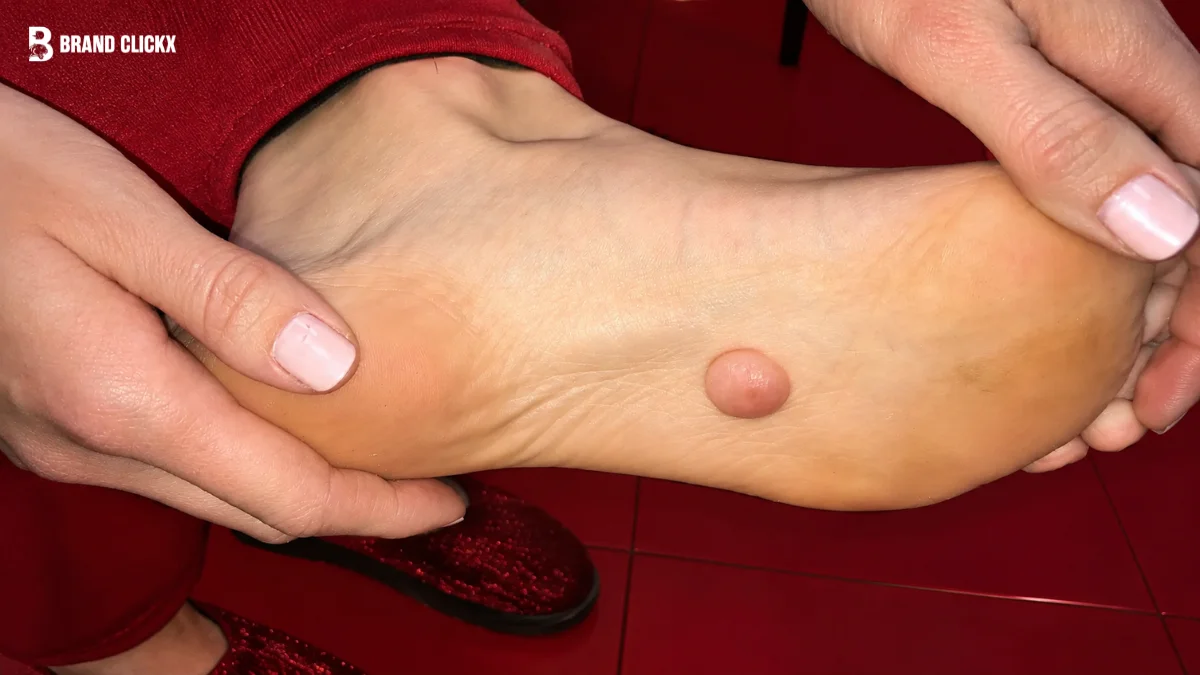
Finding a random bump on the bottom of your foot? Yeah, that’s unsettling most people’s minds jump straight to worst-case scenarios. But here’s some good news: a hard lump in the arch of your foot is, more often than not, just a plantar fibroma.
Basically? It’s just a benign knot of tissue, sitting deep in the foot. Not cancer, won’t spread but “not dangerous” doesn’t mean “not annoying.” It can genuinely hurt, whether you’re on your feet all day, walking around, or your shoes are a bit too tight for comfort.
So that’s what this guide’s for. What’s causing it, how doctors actually figure out it’s a fibroma and not something else, and probably what you care about most how to deal with it without going anywhere near surgery.
Quick Facts
- What is it? A hard, non-cancerous knot sitting in your foot’s arch.
- Is it cancer? Nope. And it’s not going to become cancer either.
- Main symptoms: A firm lump kind of marble-like that hurts when pressed on or when you’re walking.
- Best first step for treatment: Usually nothing dramatic cushioned inserts, a targeted cream, some stretching, and proper shoe support.
- Will I need surgery? Almost never. It’s really a last-resort option, mainly because these bumps have a tendency to come right back even after removal.
Key Takeaways
- Plantar fibroma fancy name, simple thing. It’s just a benign lump that likes to park itself in your foot’s arch.
- If it’s on the smaller side and not giving you any trouble, honestly, you can probably just leave it be for now.
- Simple stuff like orthotics, some padding, or switching to comfier shoes can genuinely take a lot of that pressure and pain off.
- Injections can help too, but keep expectations in check they offer relief, not a guarantee that the fibroma’s gone for good.
- Surgery? That’s usually the last card on the table comes into play once you’ve given the other options a real shot and the pain’s still not budging.
- And even then, no guarantees it can grow back after surgery too. So before going that route, actually sit down with a specialist and weigh what you stand to gain against what you could be risking.
What Is a Plantar Fibroma?
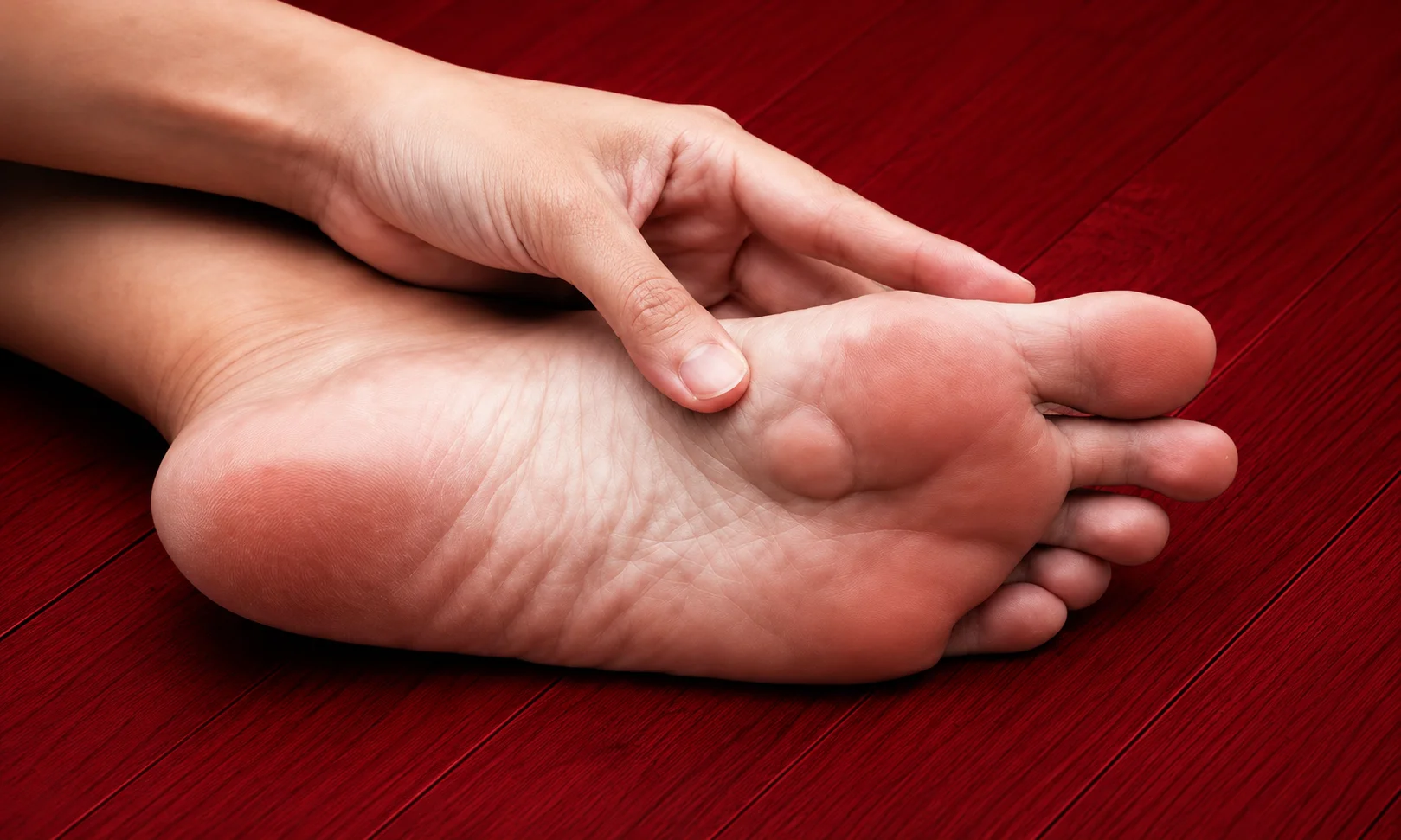
So, plantar fascia that’s the thick band of tissue connecting your heel to your toes and a plantar fibroma is just a firm little knot that forms right inside it. Sometimes it’s not just one. When they start multiplying, that’s when it gets a proper medical name: Plantar Fibromatosis, or Ledderhose Disease if you’re going for the technical term. Usually you’ll find it along the inner curve of your arch. And it doesn’t feel like the soft fatty tissue you might expect under your skin this one’s firm, rubbery, kind of like there’s a marble lodged in there.
Common Symptoms
A lot of people actually stumble onto their fibroma by accident washing their feet, or just stepping barefoot on a hard floor and feeling something that shouldn’t be there. Here’s what tends to show up:
- A Hard Lump: A solid bump in your arch, could be as small as a pea or as big as a walnut, really depends.
- Pain When Walking: Bare feet on hard ground, or shoes that are stiff and snug either way, you’re pressing right on the knot, and that’s when it starts to hurt.
- No Redness: One thing that usually rules out infection the skin on top typically looks totally normal, no redness, no heat.
- A Change in How You Walk: If it’s painful enough, you might catch yourself limping a bit, or shifting your weight to the outer edge of your foot just to avoid pressing on it.
What Causes It?
Doctors do not know the single exact cause, but two main factors play a big role:
Repetitive Foot Strain: Constant strain, tiny tears, or wear-and-tear on your foot tissue can trigger your body to over-repair itself, building up extra knotty tissue.
Family History & Genetics: It often runs in families. People who get these foot bumps are also more likely to get similar firm tissue knots in their palms or hands (called Dupuytren’s contracture).
Plantar Fibroma vs. Other Foot Conditions
Not every foot bump is a fibroma. Here is how to tell the difference:
Plantar Fibroma: A firm, hard knot right in the midfoot arch. It hurts mostly when pressed.
Plantar Fasciitis: Pain located mainly under the bottom of the heel. It feels sharpest during your very first steps in the morning, and there is usually no hard bump.
Ganglion Cyst: A squishy, fluid-filled pouch that feels softer and can often be found near joints.
Lipoma: A very soft, doughy lump made of fat tissue that slides around easily under the skin and rarely hurts.
How Doctors Find It
Good news a podiatrist can usually figure out what’s going on pretty quickly, often within the same visit.
- Physical Exam: First thing they’ll do is press gently around your arch and bend your toes upward this makes the lump pop out a bit more so they can actually feel how big and firm it is.
- Ultrasound: Nothing to worry about here quick, painless, just sound waves mapping out the exact size and shape of what’s going on under the skin.
- MRI: This one’s not for every case. Usually only comes into play if surgery’s on the table or the doctor wants a really detailed look at the tissue around it.
Simple Treatments (Without Surgery)
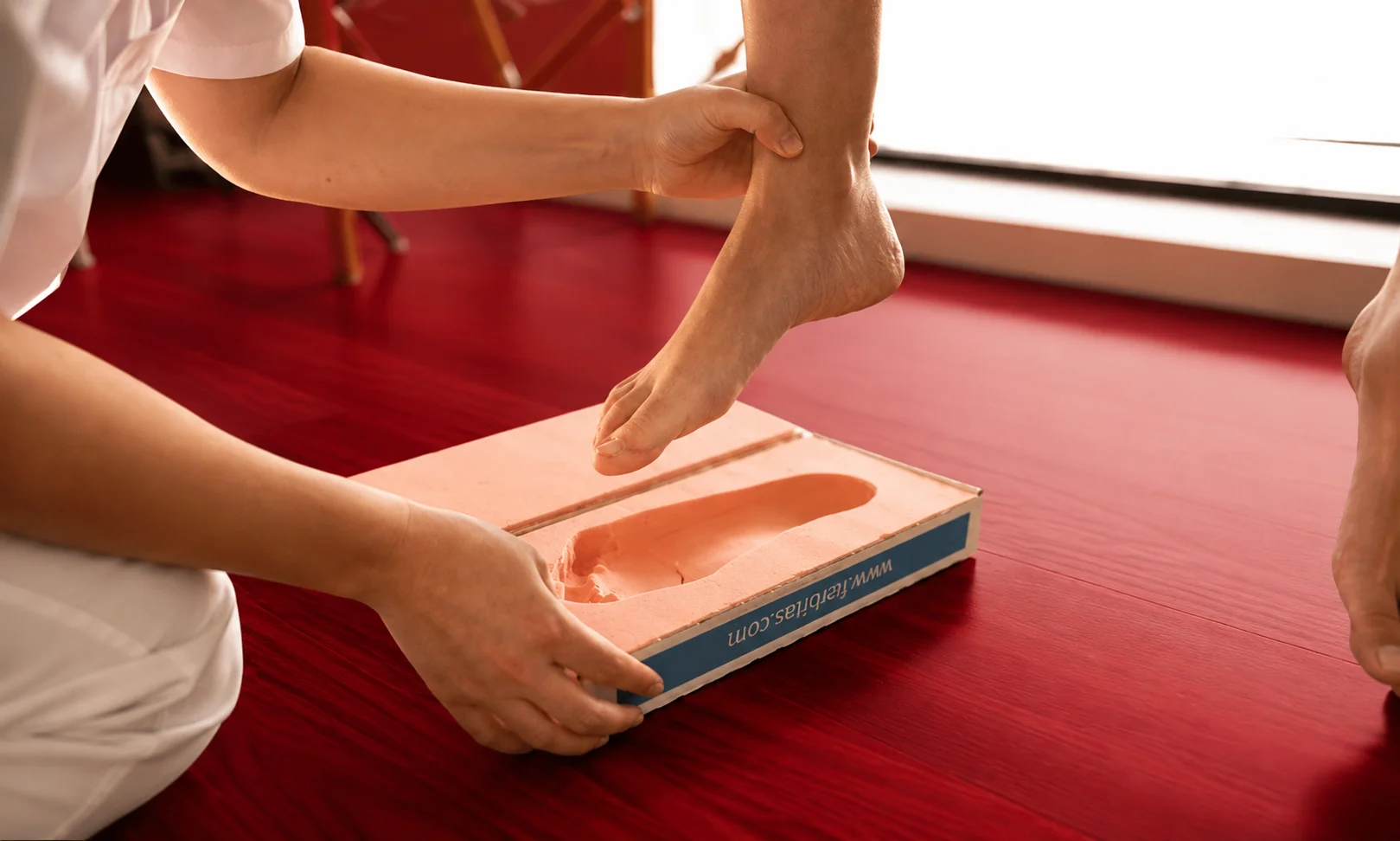
Here’s the thing surgery on these is kind of a gamble, and the bumps have a habit of coming back anyway. So most doctors would rather start slow and non-invasive first.
1. Custom Shoe Inserts (Orthotics)
Honestly, this is often the first line of defense. The idea’s simple: take the pressure off the lump. Your doctor can get you a custom insert with a little cutout sometimes called a “donut pad” positioned right under the bump, so your foot isn’t grinding into it with every step.
2. Prescription Verapamil Gel
A cream you rub directly onto the lump, twice daily. It’s not an overnight fix takes a few months but over time it can help soften and shrink the tissue.
3. Steroid Injections
This one works faster. An anti-inflammatory shot straight into the knot can shrink it down and take the edge off deep pain pretty quickly.
4. Simple Calf Stretches
Easy to overlook, but tight calves actually pull on the bottom of your foot and add stress right where the fibroma is. A few minutes of calf stretching a day can genuinely help take some of that tension off.
What About Surgery?
Surgery’s really the last resort, only comes up when the pain’s bad and nothing else has worked.
- Removing just the lump: Sounds straightforward, but here’s the catch — there’s up to an 80% chance it just grows right back in the same spot.
- Removing the tissue band too: This version actually prevents it from returning, but it comes at a cost it can weaken the natural arch of your foot.
Given those trade-offs, it’s no surprise most people and most doctors steer toward the non-surgical route whenever possible.
Daily Tips and Self-Care
DO wear supportive shoes: Choose sneakers with thick padding and good arch support.
DO ice the area: Roll your foot over a cold water bottle for 10 minutes after walking to soothe soreness.
DO stretch your legs: Keep your calves and ankles loose with daily light stretching.
DON’T walk barefoot: Stiff, hard floors push directly against the lump and make it swell.
DON’T try to pop or squeeze it: It is a solid mass, not a liquid pimple or blister. Squeezing it will only cause bruising and increase your pain.
DON’T push hard into the knot: Avoid deep tissue massage directly over the lump, as this can irritate nearby nerves.
Final Thoughts
Here’s the thing about plantar fibromas they sound scarier than they actually are. It’s not cancer, so you can breathe easy on that front. The real annoyance? Just the pressure. Every step, every time you’re standing around, every time you cram your foot into the wrong shoe that lump makes itself known.
Treatment-wise, it honestly depends on how much it’s actually bothering you day to day. Small, painless, not really an issue? A lot of doctors will just say “let’s keep an eye on it” and leave it at that. But if it’s starting to hurt, don’t jump straight to anything drastic switching shoes, adding some padding, maybe an orthotic insert. Sounds too simple to work, but it often does.
Now if you’ve tried all that and it’s still cramping your style (pun kind of intended), that’s your cue to go see a foot and ankle specialist. And look if you just found a new lump and haven’t had anyone look at it yet, please don’t try to self-diagnose off a Google search. Go get it checked. That’s really step one before anything else makes sense.
FAQs
Does it go away by itself?
Not really, no. These things are stubborn. But treated the right way conservatively, nothing crazy they can shrink down enough that they stop being a daily annoyance.
Can I still run or work out?
Yeah, for the most part. As long as you’re not in serious pain or limping around, you should be fine. Just don’t skimp on the shoes good cushioning, solid arch support, that kind of thing.
When’s it time to actually see someone?
Basically any time something new shows up on your foot that wasn’t there before. Definitely if it’s growing, changing shape, or making it awkward to walk.