Meta Takes Another Big Step Toward Making AI Wearables Mainstream
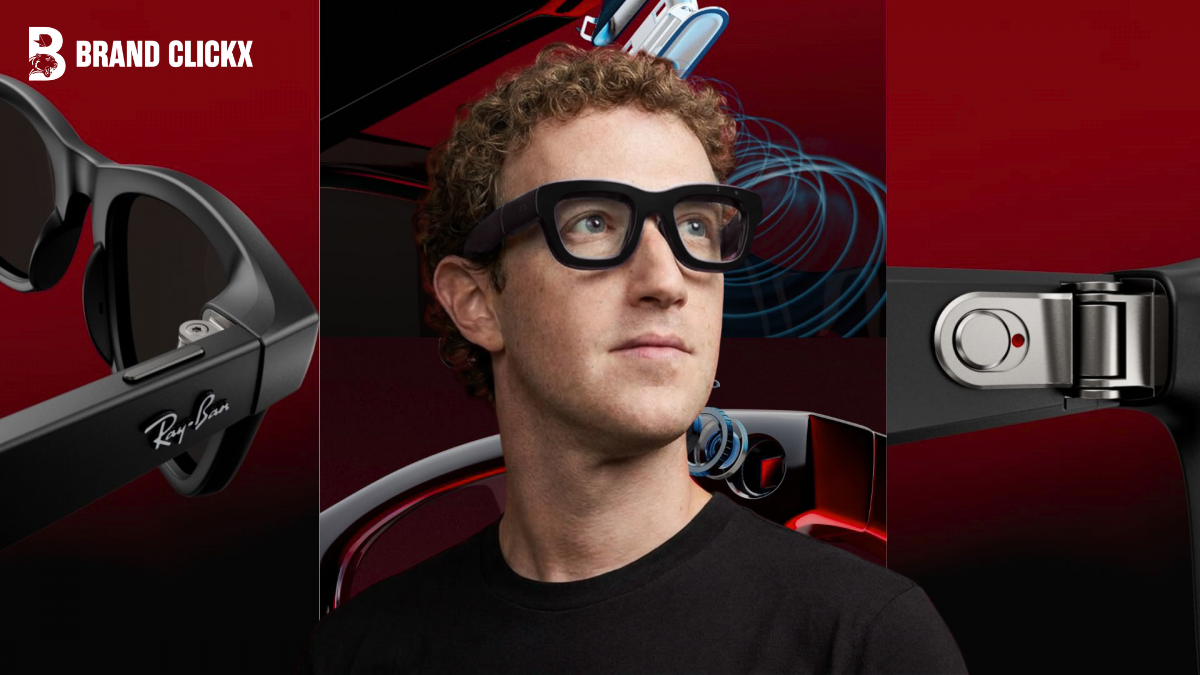
Meta is doubling down on its long-term vision for wearable technology, officially unveiling a brand-new lineup of AI-powered smart glasses starting at $299, significantly lowering the barrier for consumers interested in next-generation AI devices.
The launch marks another major move by Meta Platforms as CEO Mark Zuckerberg continues pushing aggressively toward a future where artificial intelligence is integrated directly into everyday consumer hardware rather than remaining limited to smartphones and traditional devices.
Developed in partnership with EssilorLuxottica, the global eyewear giant behind several major fashion brands, Meta’s newest smart glasses signal a broader strategy shift as the company races to dominate the rapidly growing AI wearables market.
Meta Is Lowering Prices to Accelerate Adoption
One of the biggest changes with the new release is pricing.
Meta’s latest smart glasses begin at $299, making them far more affordable than the company’s previous premium wearable product, the Ray-Ban Display Glasses, which launched last year with a price tag close to $800.
The pricing strategy reflects Meta’s clear goal: making AI-powered wearables accessible to mainstream consumers much earlier than competitors.
As the artificial intelligence boom continues transforming consumer technology, major tech companies increasingly see hardware as the next major battleground.
Meta wants to establish itself early.
A New Product Identity Beyond Ray-Ban and Oakley
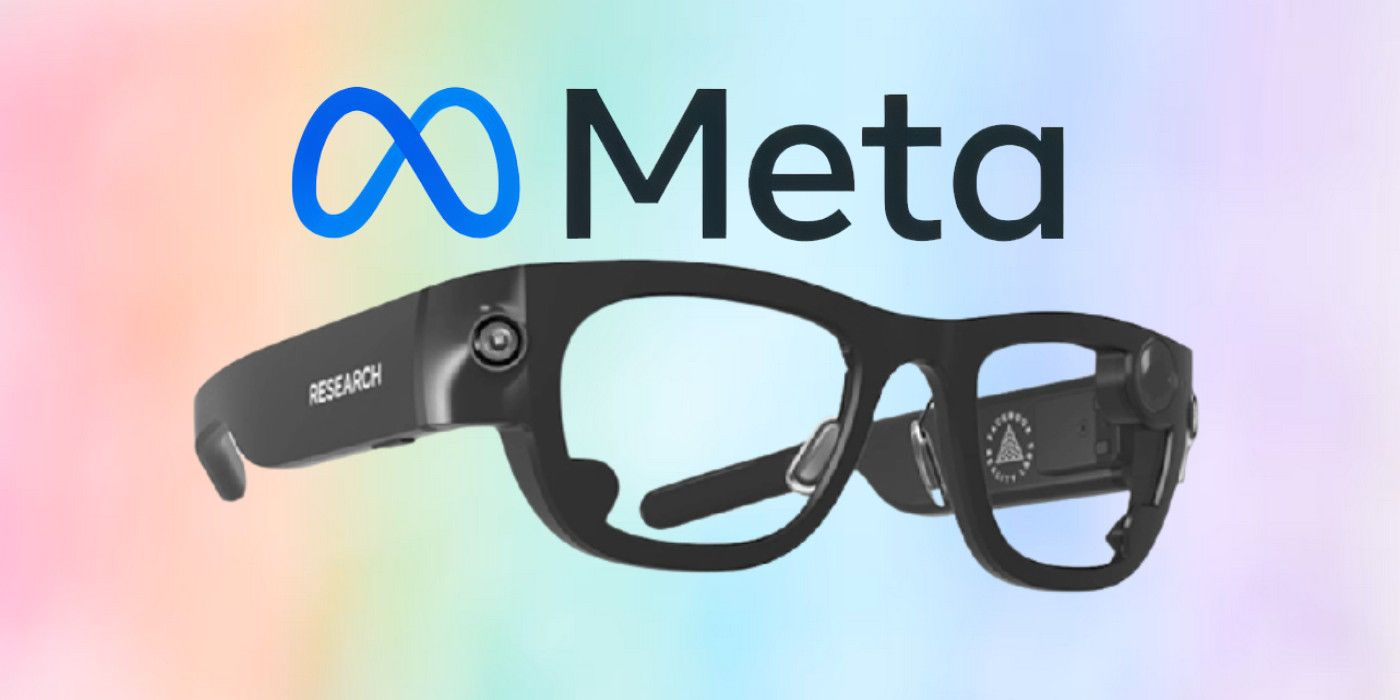
Although Meta continues working closely with EssilorLuxottica, the newly announced glasses mark the first major release not directly connected to luxury eyewear brands like Ray-Ban or Oakley.
Instead, Meta is building its own wearable identity.
The company introduced several fresh design options, including rectangular frames, slimmer oval styles, and new color variants designed to appeal to a broader consumer audience.
In a move clearly targeting younger buyers, Meta has also partnered with media personality Kylie Jenner, integrating lifestyle branding directly into the product launch.
The message is becoming increasingly clear.
Meta no longer wants smart glasses to be viewed purely as technology products.
The company wants them to become fashion accessories consumers wear daily.
Powered by Meta’s New AI Model Built for Real-World Interaction
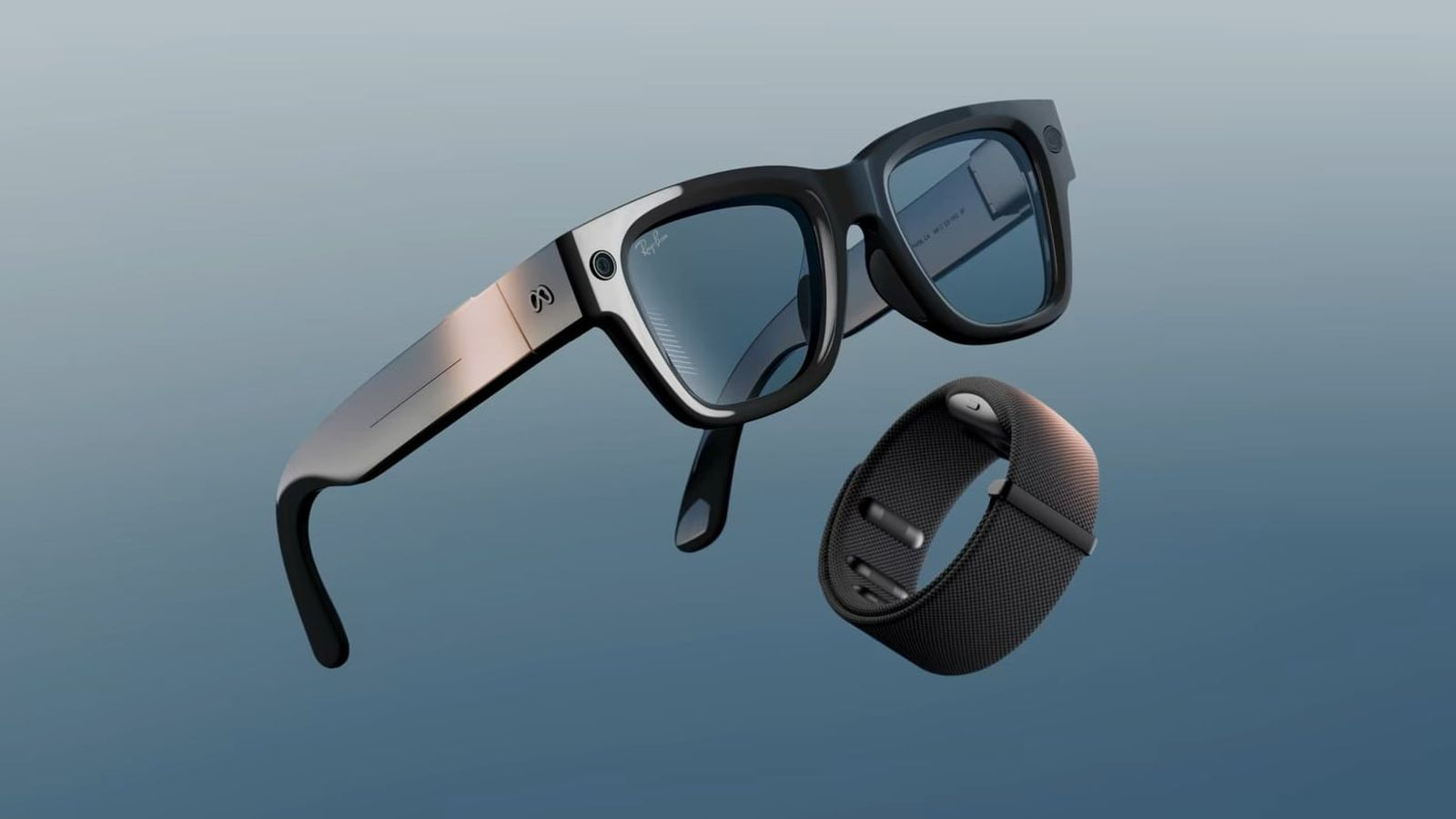
The new Meta Glasses are also the company’s first wearable product powered by Meta AI running on Muse Spark, the first model developed under Meta’s recently created Superintelligence Labs division.
Unlike traditional augmented reality headsets, these glasses do not include visible display screens.
Instead, they rely on integrated cameras, microphones, speakers, and voice interaction systems that allow users to communicate directly with AI in real time.
Users can ask questions about objects around them, request live language translations, capture photos or videos, and interact with AI without needing to pull out a smartphone.
Meta executives see this as an important first step toward a much larger goal.
Eventually, lightweight AI glasses could replace smartphones entirely.
Meta Already Controls Most of the Smart Glasses Market
Meta’s wearable strategy is already producing results.
Industry data shows global smart glasses shipments reached nearly 9.6 million units last year, with Meta controlling approximately 76 percent of the entire market.
That level of dominance is beginning to attract serious competition.
Both Google and Apple are actively developing similar AI-powered eyewear products, while Snap recently introduced premium augmented reality glasses priced at $2,195.
But Meta currently holds a significant advantage.
Unlike competitors focused on expensive niche products, Meta is aggressively targeting mass adoption.
Zuckerberg’s Bigger Goal Goes Far Beyond Smart Glasses

Behind every hardware launch, Meta is pursuing something much bigger.
Mark Zuckerberg has repeatedly made it clear that he wants Meta to own the next major computing platform of the artificial intelligence era.
The company’s expensive push into virtual reality through Reality Labs has yet to fully reach mainstream consumers, but smart glasses are beginning to show far stronger commercial potential.
By lowering prices, improving design, building powerful AI capabilities, and positioning wearables as everyday lifestyle products, Meta may be placing itself years ahead of competitors.
And if Zuckerberg’s long-term strategy succeeds, smartphones may eventually stop being the center of digital life.
The next generation of computing could be worn, not carried.
And Meta is determined to lead that future.